- e-Procurement Preparation
- e-Procurement Basics
- Advanced e-Procurement
- e-Procurement Indicators
- Incorporating e-Procurement into Public Financial Management (PFM) reforms
Target audience

Avalanche Academy
Course “Interchain Messaging”
In this course, you will learn how to build cross-L1 Solidity dApps with Interchain Messaging and Avalanche Warp Messaging.
Course Content
Interoperability
In the first section, we cover some basic concepts of interoperability in multi-chain systems. You will learn about examples of interoperability between blockchains and the terms “source,” “destination,” and “message.”
Avalanche Interchain Messaging
In this section, we learn what Avalanche Interchain Messaging is and what is abstracted away from the general dApp developer. You will also build your first cross-L1 dApps.
Securing Cross-Chain Communication
In this section, we look at techniques to secure cross-chain communication. We dive into signature schemes, multi-signature schemes, and the BLS multi-signature scheme.
Avalanche Interchain Messaging Protocol
Avalanche blockchains can natively interoperate between one another using AWM. You will learn about the AWM message format and how the message flow works.
Learning Outcomes
By the end of this course, students will:
Topics
Completion Certificate

Avalanche Academy
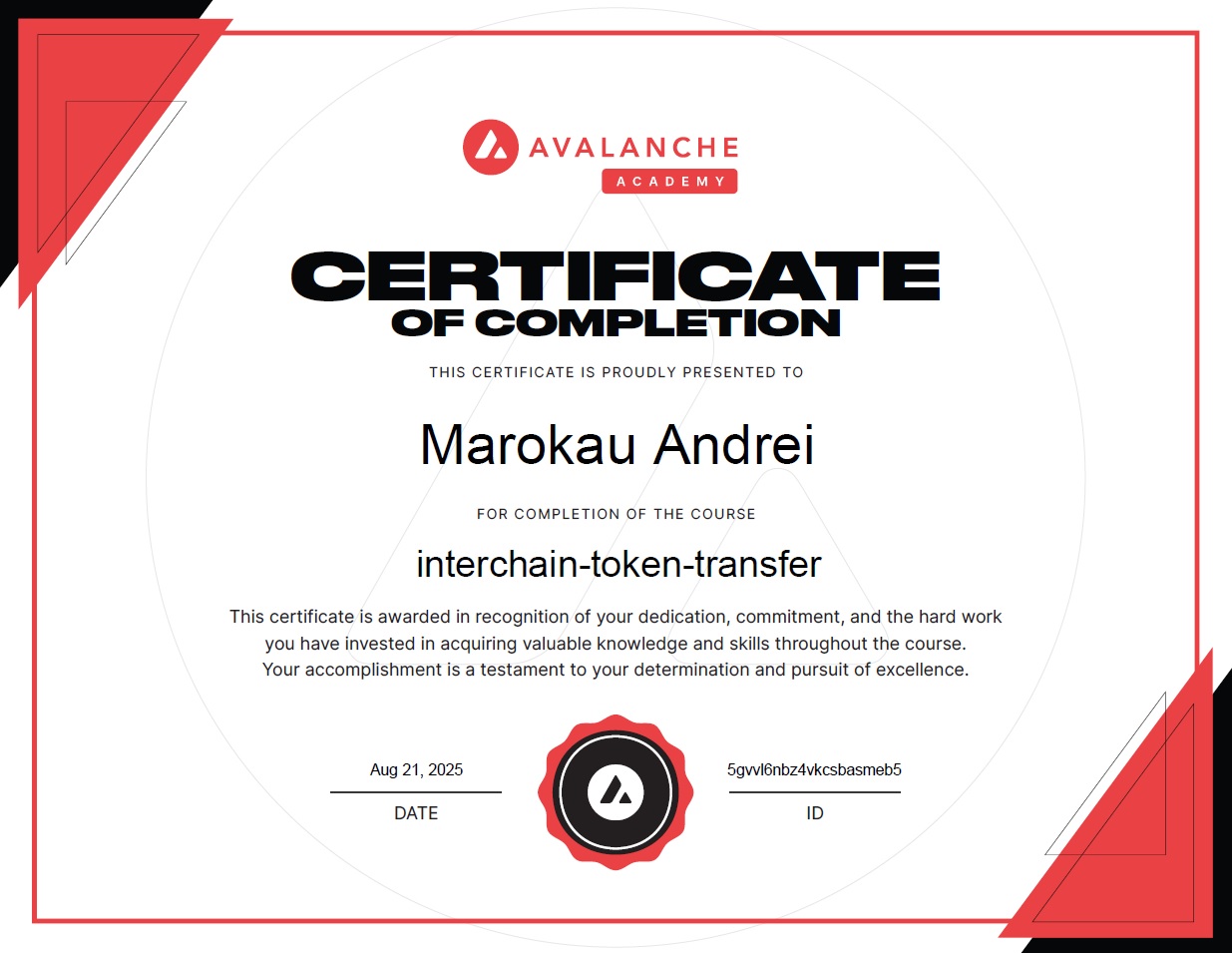
Course “Interchain Token Transfer”
In this course, you will learn how to transfer assets across multiple Avalanche blockchains with Avalanche Interchain Token Transfer ICTT.
Course Content
Getting Started with Interchain Token Transfer
In this section, you will learn how to use our Interchain Token Transfer toolbox to perform cross-chain operations. We’ll guide you through the process of using our user-friendly interface to deploy contracts, create bridges, and transfer assets across the testnet chains (Fuji C-Chain, Echo, and Dispatch).
Tokens and Token Types
In this section, you will learn about the different types of tokens that can be transferred between Avalanche blockchains. We will cover ERC-20 and native tokens and how to deploy and transfer them using our toolbox. Furthermore, you will learn what wrapped native tokens are and how they can be used to transfer assets between chains.
Token Bridging
Next we will talk about the high level concepts of token bridging and demonstrate how to use our toolbox to create and manage bridge contracts for cross-chain transfers between the testnet chains.
Interchain Token Transfer Architecture
In this chapter we will look at the design of Avalanche Interchain Token Transfer. You will learn about the file structure of the contracts and the concepts of the token home and token remote.
ERC-20 to ERC-20 Bridge Implementation
You will learn how to use our toolbox to deploy ERC-20 tokens and create bridges to transfer them between the testnet chains.
Multi-Chain Token Operations
Here you will learn about the concept of multi-hops and how to use our toolbox to bridge tokens between multiple testnet chains.
Native to ERC-20 Bridge Implementation
In this chapter you will learn how to use our toolbox to bridge a native token as an ERC-20 token to another testnet chain.
Send and Call Operations
In this chapter you will learn how to use our toolbox to call smart contracts with the tokens after sending them to another testnet chain.
Cross-Chain Token Swaps
In this chapter you will learn how to perform cross-chain token swaps between the testnet chains using our toolbox.
Learning Outcomes
By the end of this course, you will:
Topics
Completion Certificate
Avalanche Academy
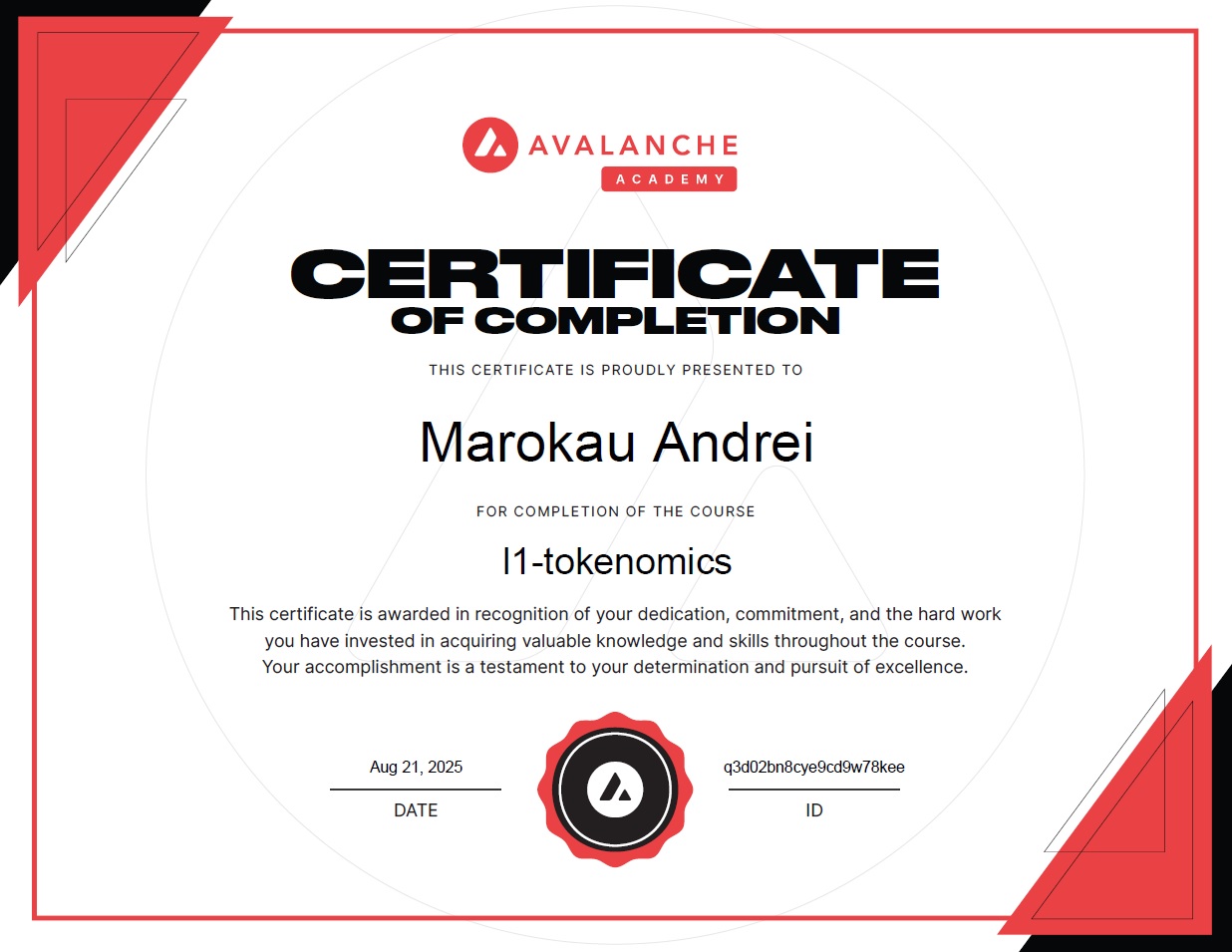
Course “L1 Tokenomics”
This course is designed to give you a deep understanding of tokenomics, including the creation, distribution, utility, and governance of tokens within blockchain ecosystems. By the end of this course, you will have practical skills in managing tokens across multi-chain ecosystems, configuring transaction fees, and designing staking and governance models.
Course Content
Basics
Learn the fundamentals of tokenomics, including native tokens, ERC-20 tokens, wrapped tokens, and how token decimals affect transactions and supply.
Native Tokens
Explore how to create custom native tokens, use Avalanche’s native token minter, and integrate ERC-20 tokens as native tokens in cross-chain environments.
Multi-Chain Ecosystems
Delve into interchain token transfers and cross-chain functionality, using both ERC-20 and native tokens across multiple blockchains.
Staking
Understand staking tokens, liquid staking, and how to deploy staking contracts, with a focus on post-Etna upgrade features.
Transaction Fees
Master transaction fee configuration, dynamic fee models, and learn how to distribute fees effectively within decentralized ecosystems.
Token Distribution
Learn about initial token allocation, advanced vesting schedules, bonding curves for token pricing, and how to implement airdrops.
Governance
Study governance models, DAOs, quadratic voting, and the latest innovations in governance (Governance 2.0) for decentralized decision-making.
Learning Outcomes
By the end of this course, you will:
Topics
Completion Certificate
Avalanche Academy
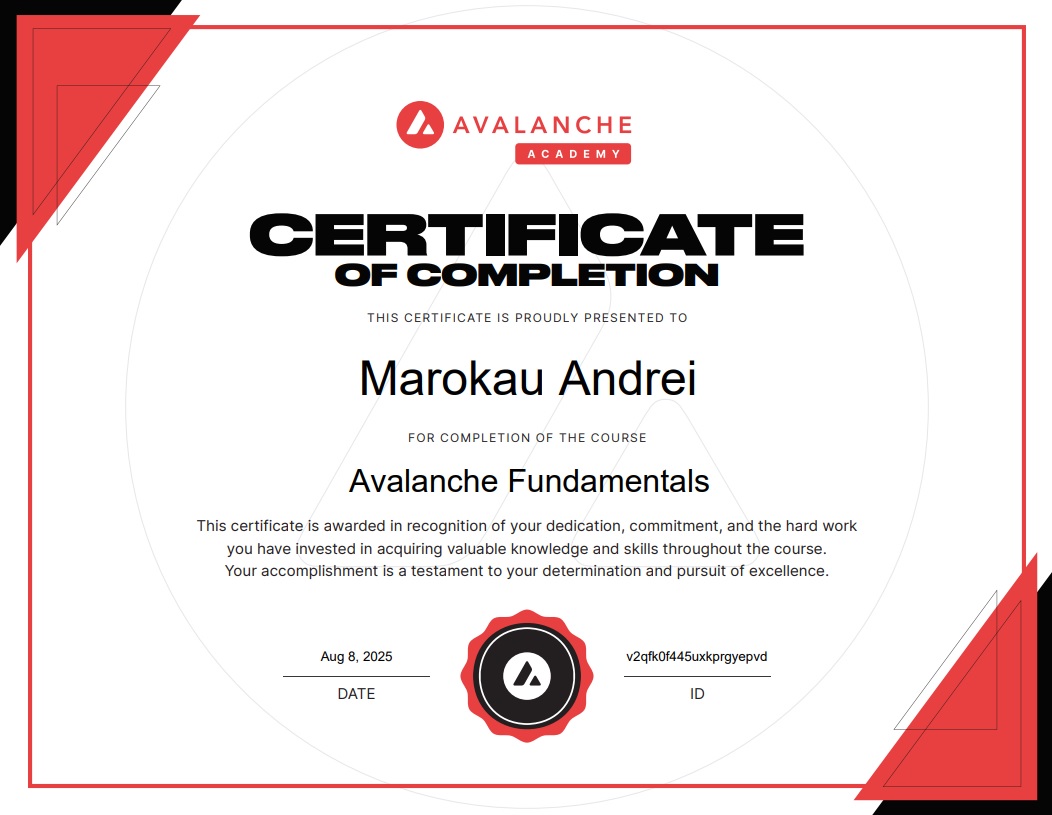
Course “Avalanche Fundamentals”
This online course introducing you to the exciting world of the Avalanche technology! This course will provide you with a comprehensive understanding of the basic concepts making Avalanche unique.
Throughout, you’ll learn the key features and benefits of the platform, plus how to build on it. You can also ask our expert instructors questions.
By the end of these courses, you’ll have the knowledge and skills to leverage the power of blockchain technology for your own projects and applications. We’re excited to have you join us on this journey and can’t wait to see what you’ll create with Avalanche!
By the end of this course, you will:
You can evaluate your own understanding of the material through quizzes and claim a certificate for successful completion at the end.
Overall, this course aims to provide a foundational understanding of Avalanche. By completing it, you will be better prepared to take on more advanced courses focused on building on Avalanche.
Topics
CERTIFICATE OF COMPLETION
Web 3.0 Procurement. Chainlink Ecosystem
Chainlink is a blockchain abstraction layer that enables universally connected smart contracts. Through a decentralized oracle network, Chainlink allows blockchains to securely interact with external data feeds, events and payment methods, providing the critical off-chain information needed by complex smart contracts to become the dominant form of digital agreement.
The Chainlink Network is driven by a large open-source community of data providers, node operators, smart contract developers, researchers, security auditors and more. The company focuses on ensuring that decentralized participation is guaranteed for all node operators and users looking to contribute to the network.
Tokenized assets
Reliable and automated data integration. Attach any type of financial data to tokenized assets and automate updates to increase investor transparency and reduce manual efforts.
Automated compliance. Meet regulatory requirements and internal policies by embedding compliance solutions directly into tokenized assets.
Faster market entry with scalable infrastructure. Accelerate time-to-market and increase global access by securely connecting across any public or private blockchain with a single integration.
Enable digital asset mobility. Seamless connectivity between blockchains and traditional finance. Easily integrate traditional financial systems with blockchains to increase liquidity and market accessibility for institutions and protocols alike.
Real-time data synchronization. Keep tokenized assets updated with real-time valuations and compliance data to support seamless, real-time markets as assets move across chains.
Privacy and security for institutional transactions. Support secure, private cross-chain transactions that protect financial data while ensuring regulatory compliance.
Streamline post-trade operations. Atomic settlement. Create payment-versus-payment (PvP) and delivery-versus-payment (DvP) workflows onchain while mitigating counterparty risks.
Enhanced operational efficiency. Automate post-trade processes to reduce settlement delays, reconciliation errors, and operational costs.
Automated and efficient risk management. Add real-time risk monitoring, automated compliance, and smarter collateral management to transactions to reduce exposure as assets move from one party to another.
StableCoins
Market confidence. Enhance credibility with institutions by building on stablecoin infrastructure recognized across global capital markets for its security, reliability, and operational maturity.
Automated compliance. Support seamless regulatory compliance across jurisdictions with real-time policy enforcement, secure identity management, and streamlined monitoring and reporting.
Secure interoperability. Unlock multi-chain stablecoin distribution through Chainlink’s enterprise-grade interoperability standard, enabling greater market reach without introducing fragmentation risk.
End-to-end reliability. Prevent downtime and disruption with battle-tested infrastructure that supports stablecoin operations at scale.
Operational transparency. Ensure visibility into reserves backing stablecoins with infrastructure that makes reserve validation available onchain.
DeFi utility. Protocols and investors prefer to only list, integrate, and support assets with verifiable backing, enhancing liquidity.
Data-driven minting logic. Anchor stablecoin issuance to real-world asset values for high-integrity operations.
Proof of Reserves enforcement. Accelerate the growth of ecosystems with infrastructure designed to scale securely as networks mature.
Controlled stablecoin issuance. Enforce collateral thresholds, allowlist access, and issuance rules to ensure stablecoins are compliant.
Ecosystem liquidity unlocked. Preferred by DeFi and institutional protocols, making it easier for stablecoins to integrate into high-liquidity environments and access built-in demand.
Blockchain-agnostic movement. Facilitate stablecoin transfers across different blockchain environments with secure delivery and consistent logic.
Seamless value exchange across markets. Move stablecoins between fragmented liquidity venues and infrastructure layers without integration friction or operational overhead.
Programmable transfer logic. Embed transfer conditions directly into smart contracts to automate controls such as allowlisting, rate limits, and jurisdiction-aware routing.
Payment settlement. Use trusted exchange rates and secure messaging to settle stablecoin payments between currencies quickly and at low cost.
Interoperability with global financial infrastructure. Seamlessly settle transactions using existing payment rails, from market infrastructures to fintech platforms.
Compliance focused. Automatically apply sanctions screening, jurisdiction rules, and audit logging to stablecoin transfers at the point of settlement.
DeFi
Most decentralized and secure. Chainlink oracle networks are secured by node operators running security-audited software that has been rigorously validated to operate at scale without downtime or corruption.
Highest quality data, resistant to manipulation. Data is sourced from multiple premium, authenticated APIs that are aggregated into a final validated answer, removing any single point of failure.
Most widely adopted oracle network in DeFi. The Chainlink Network helps secure tens of billions of dollars within the DeFi ecosystem by connecting hybrid smart contracts with high-quality data and offchain computation.
Rapid integration and deployment. Developers can rapidly build, test, and deploy advanced DeFi applications that leverage multiple external resources using pre-built and reliable decentralized services.
A diverse range of decentralized services. Chainlink powers numerous decentralized services, including Data Feeds, Proof of Reserve, Automation, Verifiable Randomness Function, and Cross-Chain Interoperability.
Blockchain-agnostic oracle networks. Developers building DeFi applications have access to external data and computation across all leading smart contract-enabled blockchain networks to support multi-chain development.
Web 3.0 Procurement. Binance Ecosystem
BNB is the native coin of the BNB Chain ecosystem, essential for powering its multifaceted Web3 environment. It supports transactions on the BNB Smart Chain (BSC), the opBNB L2s, and BNB Greenfield . Besides transaction fees, BNB serves as a governance token, granting holders the ability to participate in the BNB Chain’s decentralized on-chain governance.
Additionally, BNB functions as a strategic reserve asset and plays a critical role in the BNB Executive Total Value Locked (TVL) campaign, driving ecosystem growth and incentivizing adoption.
Real World Assets Tokenization
Real World Assets (RWAs) in crypto involve tokenizing physical assets like real estate, receivables, and loans on blockchain. Tokenizing real-world assets (RWAs) involves converting ownership rights of physical assets into digital tokens on a blockchain. It provides liquidity for your tangible assets and creates better cash flow for you.
BNB Chain Payment Solution
Still trying to figure out how to integrate BNB Chain payment gateways into your business? Still confused about where you could spend your cryptos? You come to the right place.
Web 3.0 Procurement. Avalanche Ecosystem
Avalanche is a layer one blockchain that functions as a platform for decentralized applications and custom blockchain networks. It is one of Ethereum’s rivals, aiming to unseat Ethereum as the most popular blockchain for smart contracts. It aims to do so by having a higher transaction output of up to 6,500 transactions per second while not compromising scalability.
This is made possible by Avalanche’s unique architecture. The Avalanche network consists of three individual blockchains: the X-Chain, C-Chain and P-Chain. Each chain has a distinct purpose, which is radically different from the approach Bitcoin and Ethereum use, namely having all nodes validate all transactions. Avalanche blockchains even use different consensus mechanisms based on their use cases.
After its mainnet launch in 2020, Avalanche has worked on developing its own ecosystem of DApps and DeFi. Different Ethereum-based projects such as SushiSwap and TrueUSD have integrated with Avalanche. Furthermore, the platform is constantly working on improving interoperability between its own ecosystem and Ethereum, like through the development of bridges.
Business & Consumer Applications
Avalanche accelerates blockchain business growth by enabling fast, scalable Web3 application development. The Avalanche network is a system of interconnected Layer 1 blockchains, linked through native Interchain Messaging. With built-in customizability and out-of-the-box tooling, projects on Avalanche can scale both up and across the network. Avalanche L1s offers tailored technology for real-world needs.
DeFi on Avalanche
Avalanche’s ultra-fast, low-latency network provides the building blocks for a scalable, efficient and cost-effective financial system on-chain. Avalanche supports everything from dynamic trading strategies to programmable stablecoins, while customizable Layer 1s (L1s) allow institutions to deploy tailored, compliance-aware environments.
Infrastructure on Avalanche
Avalanche is all about scalable and interoperable blockchains, facilitated by Avalanche’s native Interchain Messaging (ICM) feature. Avalanche is the multi-chain platform helping build a scalable Web3 universe—designed with precision control over execution, validation, and cross-chain interoperability. Interchain Messaging enables communication across the layer 1 multiverse for interoperability out-of-the-box.
Web 3.0 Procurement. Cardano Ecosystem
Cardano is a groundbreaking blockchain platform that uses proof-of-stake technology to create a more sustainable and accessible financial system. It stands out for its research-first approach and scientific philosophy, making it highly secure and energy-efficient. The platform aims to provide reliable financial services to everyone, including those currently without access to traditional banking. Since its inception, it has evolved into one of the leading blockchain platforms, processing millions of transactions while maintaining its commitment to sustainability and academic rigor.
Retail
Counterfeit goods pose a significant challenge to the global economy, causing financial losses, eroding brand reputation, and reducing customer trust. Cardano’s blockchain offers a tamper-proof solution to combat counterfeiting by providing secure, immutable systems for tracking product provenance and ensuring authenticity. Businesses can certify the originality of their products, enabling consumers to verify authenticity instantly and building confidence in the supply chain.
Supply Chain Management
Supply chains often lack transparency and efficiency, leading to counterfeit goods, poor quality control, and increased costs. Cardano’s blockchain enables real-time tracking and verification of goods. Companies can record every step of a product’s journey, from origin to destination, ensuring authenticity and improving logistical processes.
Smart Contract
Cardano introduced smart contracts in 2021 and now supports the development and deployment of smart contracts using multiple different languages.
Web 3.0 Procurement. Polkadot Ecosystem
Polkadot is an open-source sharded multichain protocol that connects and secures a network of specialized blockchains, facilitating cross-chain transfer of any data or asset types, not just tokens, thereby allowing blockchains to be interoperable with each other. Polkadot was designed to provide a foundation for a decentralized internet of blockchains, also known as Web3.
Polkadot is known as a layer-0 metaprotocol because it underlies and describes a format for a network of layer 1 blockchains known as parachains (parallel chains). As a metaprotocol, Polkadot is also capable of autonomously and forklessly updating its own codebase via on-chain governance according to the will of its token holder community.
Polkadot provides a foundation to support a decentralized web, controlled by its users, and to simplify the creation of new applications, institutions and services.
The Polkadot protocol can connect public and private chains, permissionless networks, oracles and future technologies, allowing these independent blockchains to trustlessly share information and transactions through the Polkadot Relay Chain (explained further down).
Polkadot’s native DOT token serves three clear purposes: staking for operations and security, facilitating network governance, and bonding tokens to connect parachains .
Smart Contract
Polkadot offers developers flexibility in building smart contracts, supporting both Wasm-based contracts using ink! (written in Rust) and Solidity contracts executed by the EVM (Ethereum Virtual Machine).
Web 3.0 Procurement. Algorand Ecosystem
Algorand is a self-sustaining, decentralized, blockchain-based network that supports a wide range of applications. These systems are secure, scalable and efficient, all critical properties for effective applications in the real world. Algorand will support computations that require reliable performance guarantees to create new forms of trust.
DeFi
Ultra-low transaction fees and instant finality make DeFi applications on Algorand accessible and highly efficient. Algorand’s Pure Proof-of-Stake consensus mechanism offers a secure and decentralized environment for DeFi applications. Bridge assets to and from Algorand through robust interoperability solutions, connecting Algorand to other blockchains and the outside world. Algorand is scalable by design, ensuring its DeFi protocols can handle high transaction fees without compromising speed or cost.
Tokenized real-world assets
Tokenization reduces reliance on intermediaries, lowering costs and streamlining operations. Tokenization opens up investments to broader audiences, promoting financial inclusion. Blockchain ensures clear ownership and transfer history for tokenized assets. Enhanced access through tokenization drives increased liquidity, making assets easier to trade.
Data traceability & tracking solutions
Algorand’s Pure Proof-of-Stake consensus mechanism fosters a secure and decentralized environment for data traceability and tracking applications. PPoS is built to scale—meaning it can handle high transaction throughput without compromising speed or cost. Algorand’s fast block time and instant finality translate to near real-time data traceability. This ensures updates are recorded quickly and irreversibly, offering a secure and trustworthy audit trail for tracked information. Algorand’s low transaction fees make it suitable for scenarios where frequent data tracking is required. This may be ideal for applications like supply chain management, where every step of a product’s journey needs to be documented.
Stablecoins, digital money & payment solutions
Transaction fees on Algorand are incredibly low at 0.001 Algo per transaction, making it a viable option for everyday purchases and microtransactions. Stablecoins on Algorand are accessible to all, even those without a bank account. Anyone in the world can set up a mobile crypto wallet and gain access. Algorand users can transact with price-stable assets, lowering cryptocurrency volatility concerns. Algorand’s Pure Proof-of-Stake consensus mechanism delivers a secure and decentralized environment for digital money and payment solutions. Algorand is scalable by design, ensuring applications can handle high transaction volume without compromising speed or cost. With custom smart contract support, Algorand enables developers to build innovative payment solutions and integrate them seamlessly with existing systems.
Smart Contracts
Algorand Smart Contracts (ASC1) are self-executing programs deployed on the Algorand blockchain that enable developers to build secure, scalable decentralized applications. Smart contracts on Algorand can be written in Algorand Typescript, Algorand Python, or directly in TEAL. Smart contract code written in Typescript or Python is compiled to TEAL, an assembly-like language that is interpreted by the Algorand Virtual Machine (AVM) running within an Algorand node.
Web 3.0 Procurement. Solana Ecosystem
Solana is a highly functional open source project that banks on blockchain technology’s permissionless nature to provide decentralized finance (DeFi) solutions. The Solana protocol is designed to facilitate decentralized app (DApp) creation. It aims to improve scalability by introducing a proof-of-history (PoH) consensus combined with the underlying proof-of-stake (PoS) consensus of the blockchain. Because of the innovative hybrid consensus model, Solana enjoys interest from small-time traders and institutional traders alike. A significant focus for the Solana Foundation is to make decentralized finance accessible on a larger scale.
Smart Contract
On Solana, “smart contracts” are called programs. Programs are deployed on-chain to accounts that contain the program’s compiled executable binary. Users interact with programs by sending transactions containing instructions that tell the program what to do.
Solana programs are predominantly written in the Rust programming language, with two common approaches for development:
Anchor: A framework designed for Solana program development. It provides a faster and simpler way to write programs, using Rust macros to reduce boilerplate code. For beginners, it is recommended to start with the Anchor framework.
Native Rust: This approach involves writing Solana programs in Rust without leveraging any frameworks. It offers more flexibility but comes with increased complexity.
Web 3.0 Procurement. Ethereum Ecosystem
Ethereum is a decentralized open-source blockchain system that features its own cryptocurrency, Ether. ETH works as a platform for numerous other cryptocurrencies, as well as for the execution of decentralized smart contracts.
Ethereum’s own purported goal is to become a global platform for decentralized applications, allowing users from all over the world to write and run software that is resistant to censorship, downtime and fraud.
DeFi
DeFi is an open and global financial system built for the internet age – an alternative to a system that’s opaque, tightly controlled, and held together by decades-old infrastructure and processes. It gives you control and visibility over your money. It gives you exposure to global markets and alternatives to your local currency or banking options. DeFi products open up financial services to anyone with an internet connection and they’re largely owned and maintained by their users. So far tens of billions of dollars worth of crypto has flowed through DeFi applications and it’s growing every day.
DAO
A DAO is a collectively-owned organization working towards a shared mission. DAOs allow us to work with like-minded folks around the globe without trusting a benevolent leader to manage the funds or operations. There is no CEO who can spend funds on a whim or CFO who can manipulate the books. Instead, blockchain-based rules baked into the code define how the organization works and how funds are spent. They have built-in treasuries that no one has the authority to access without the approval of the group. Decisions are governed by proposals and voting to ensure everyone in the organization has a voice, and everything happens transparently onchain.
Payments
While traditional financial institutions have built robust payment systems over decades, they often remain constrained by borders, working hours, and legacy infrastructure. Ethereum offers a new paradigm: a global, 24/7 financial platform that enables near-instant, programmable transactions for anyone with internet access.
Smart contract
A “smart contract” is simply a program that runs on the Ethereum blockchain. It’s a collection of code (its functions) and data (its state) that resides at a specific address on the Ethereum blockchain. Smart contracts are a type of Ethereum account. This means they have a balance and can be the target of transactions. However they’re not controlled by a user, instead they are deployed to the network and run as programmed. User accounts can then interact with a smart contract by submitting transactions that execute a function defined on the smart contract. Smart contracts can define rules, like a regular contract, and automatically enforce them via the code. Smart contracts cannot be deleted by default, and interactions with them are irreversible.
The two most active and maintained languages are:
Solidity
Vyper
9th International Public Procurement Conference
03.10 – 05.10.2024
Umm Al Quwain, United Arab Emirates
Tentative Program: IPPC9 Tentative Program.doc
Conference Program: IPPC9 Conference Program.doc
Prepared materials for the conference
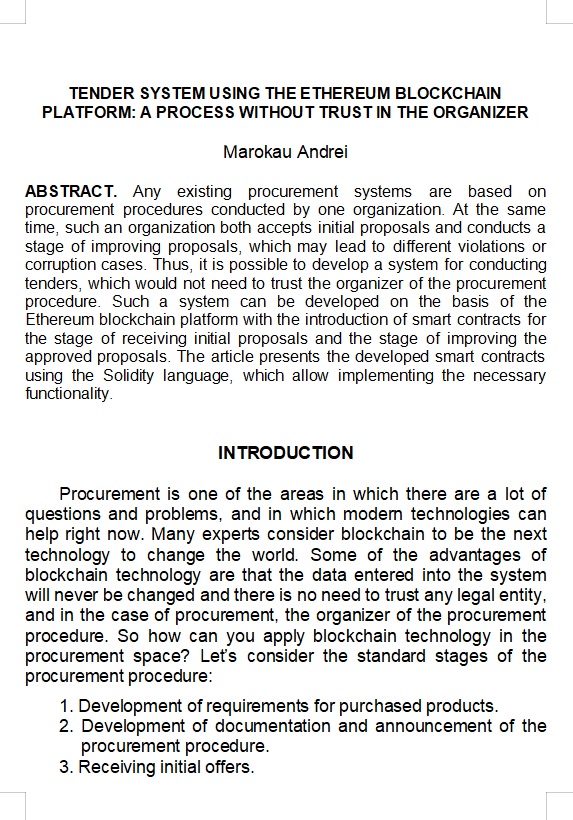
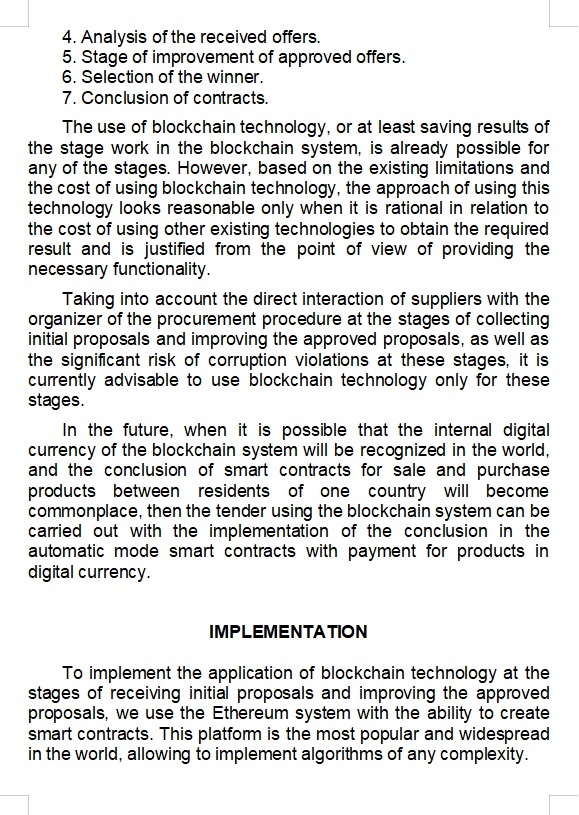
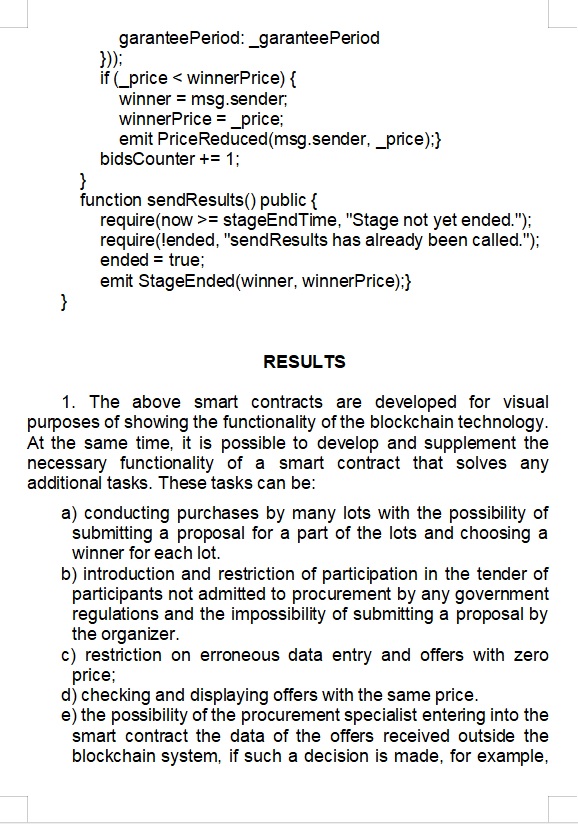
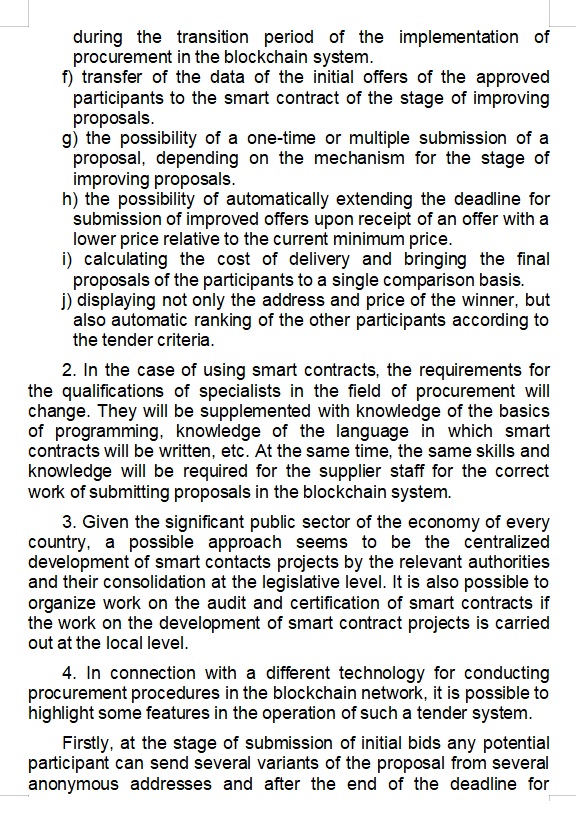
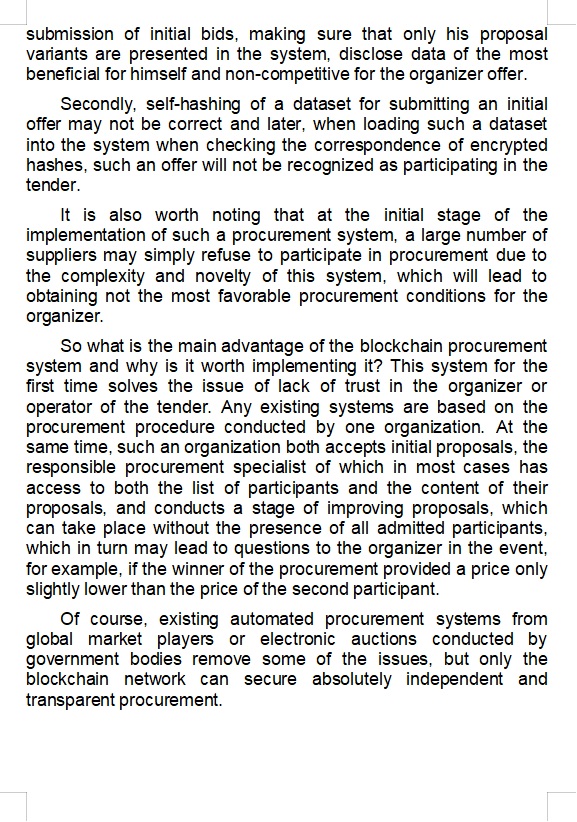
Title: TENDER SYSTEM USING THE ETHEREUM BLOCKCHAIN PLATFORM: A PROCESS WITHOUT TRUST IN THE ORGANIZER
Paper Status: Accepted
Full paper: Full paper.doc





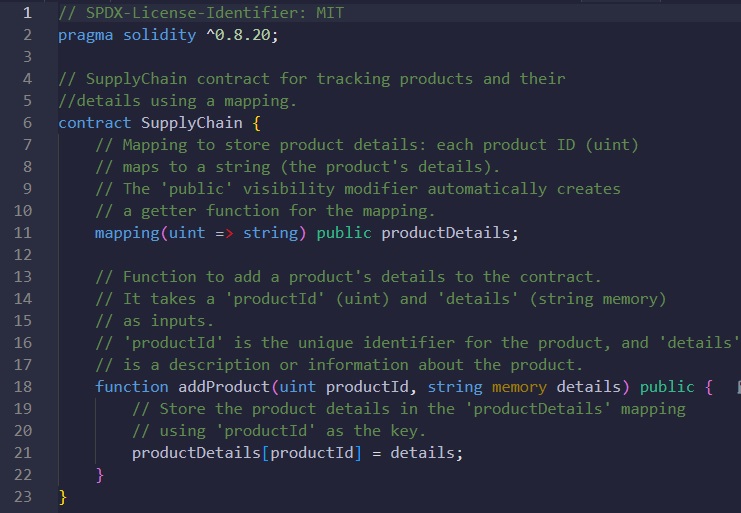
Smart Contract. Product Management
08.01.2023
Blockchain ecosystem: Ethereum
Programming Language: Solidity
Technologies: Remix IDE, Ganache, Truffle, Metamask, Git
Github: here
Description: Smart contract for Product Management
Code
Smart Contract. Lending
07.01.2023
Blockchain ecosystem: Ethereum
Programming Language: Solidity
Technologies: Remix IDE, Ganache, Truffle, Metamask, Git
Github: here
Description: Smart contract for Lending
Code

Smart Contract. Payment Channel
06.01.2023
Blockchain ecosystem: Ethereum
Programming Language: Solidity
Technologies: Remix IDE, Ganache, Truffle, Metamask, Git
Github: here
Description: Smart contract for Payment Channel
Code

Smart Contract. Remote Purchase
05.01.2023
Blockchain ecosystem: Ethereum
Programming Language: Solidity
Technologies: Remix IDE, Ganache, Truffle, Metamask, Git
Github: here
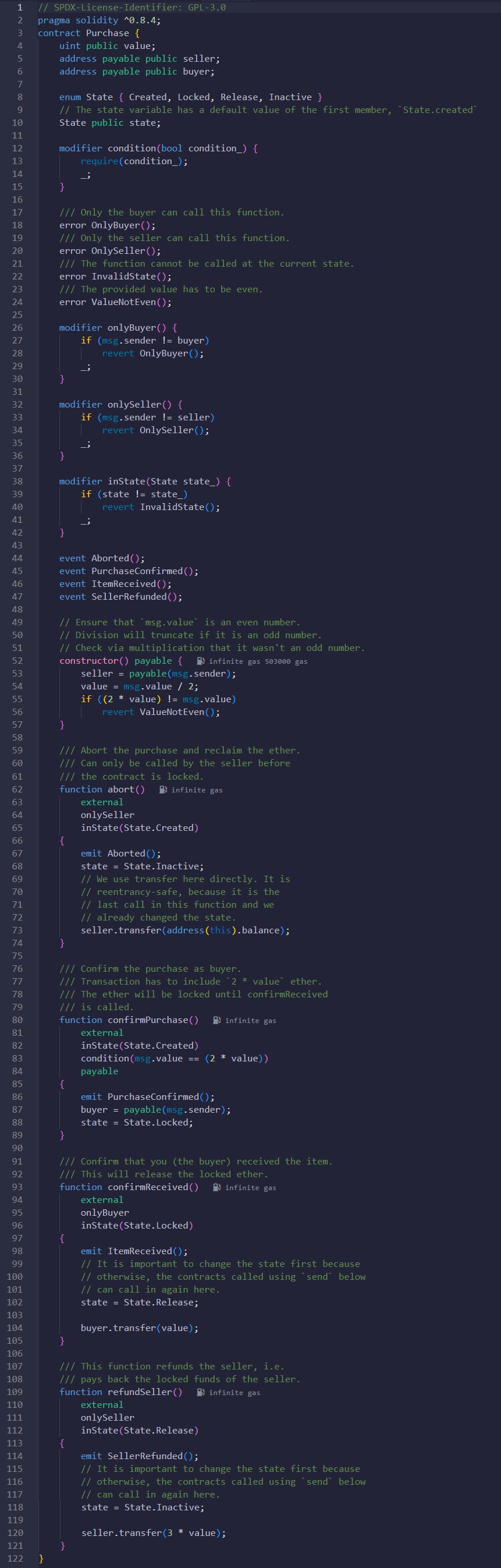
Description: Smart contract for Remote Purchase
Code
Smart Contract. English Auction for Tender Procedure
04.01.2023
Blockchain ecosystem: Ethereum
Programming Language: Solidity
Technologies: Remix IDE, Ganache, Truffle, Metamask, Git
Github: here
Description: Smart contract for English Auction for Tender Procedure
Code

Smart Contract. Order Status Tracking
03.01.2023
Blockchain ecosystem: Ethereum
Programming Language: Solidity
Technologies: Remix IDE, Ganache, Truffle, Metamask, Git
Github: here
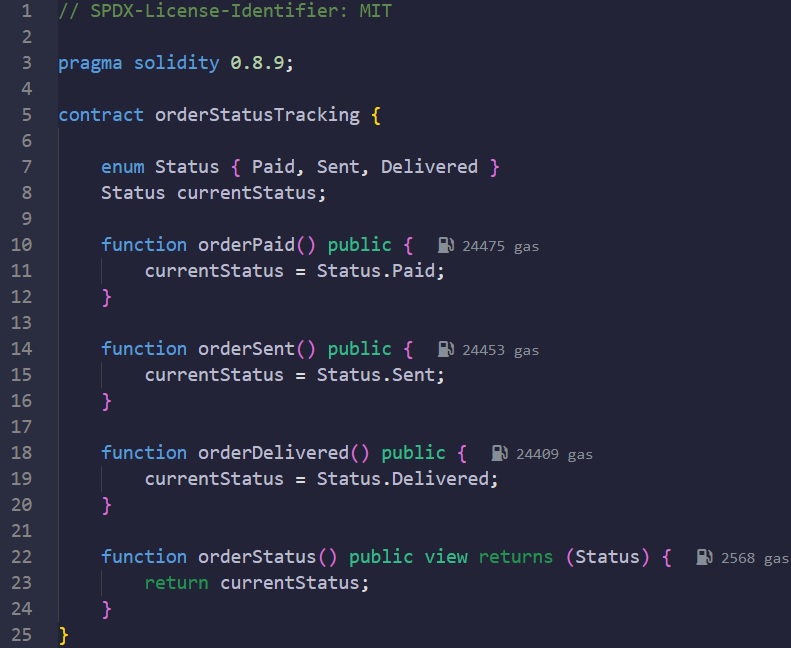
Description: Smart contract for Order Status Tracking
Code
Smart Contract. Correspondent Account
02.01.2023
Blockchain ecosystem: Ethereum
Programming Language: Solidity
Technologies: Remix IDE, Ganache, Truffle, Metamask, Git
Github: here
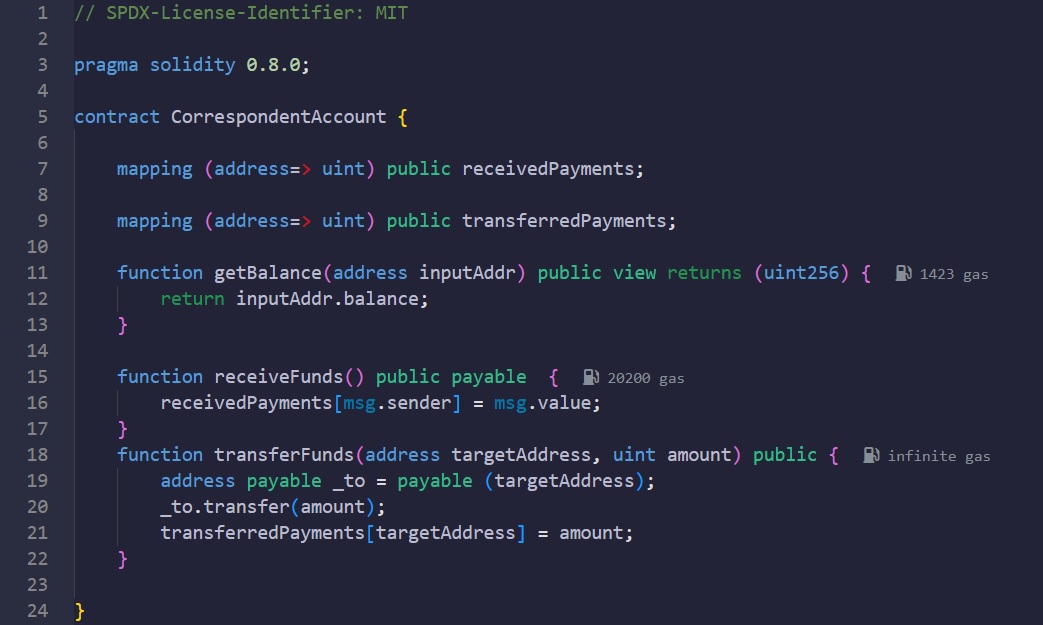
Description: Smart contract for Correspondent Account
Code
Smart Contract. Public Offer Agreement
01.01.2023
Blockchain ecosystem: Ethereum
Programming Language: Solidity
Technologies: Remix IDE, Ganache, Truffle, Metamask, Git
Github: here
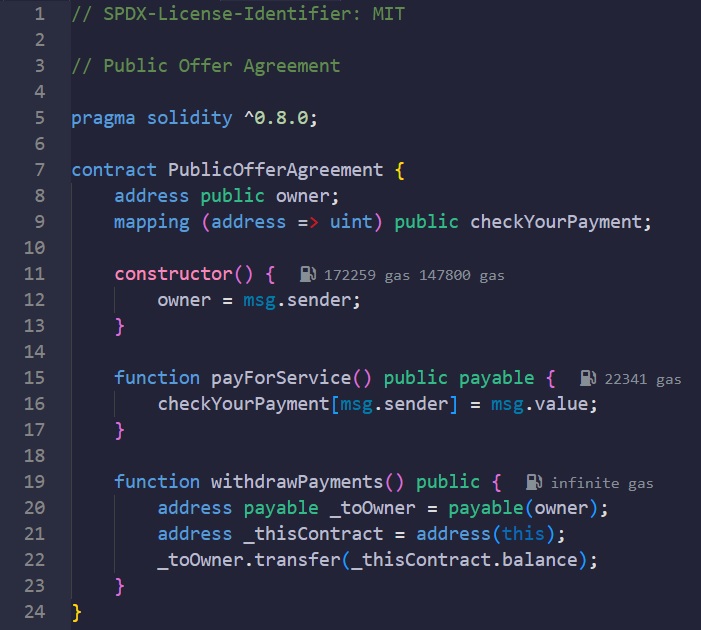
Description: Smart Contract for Public Offer Agreement
Code
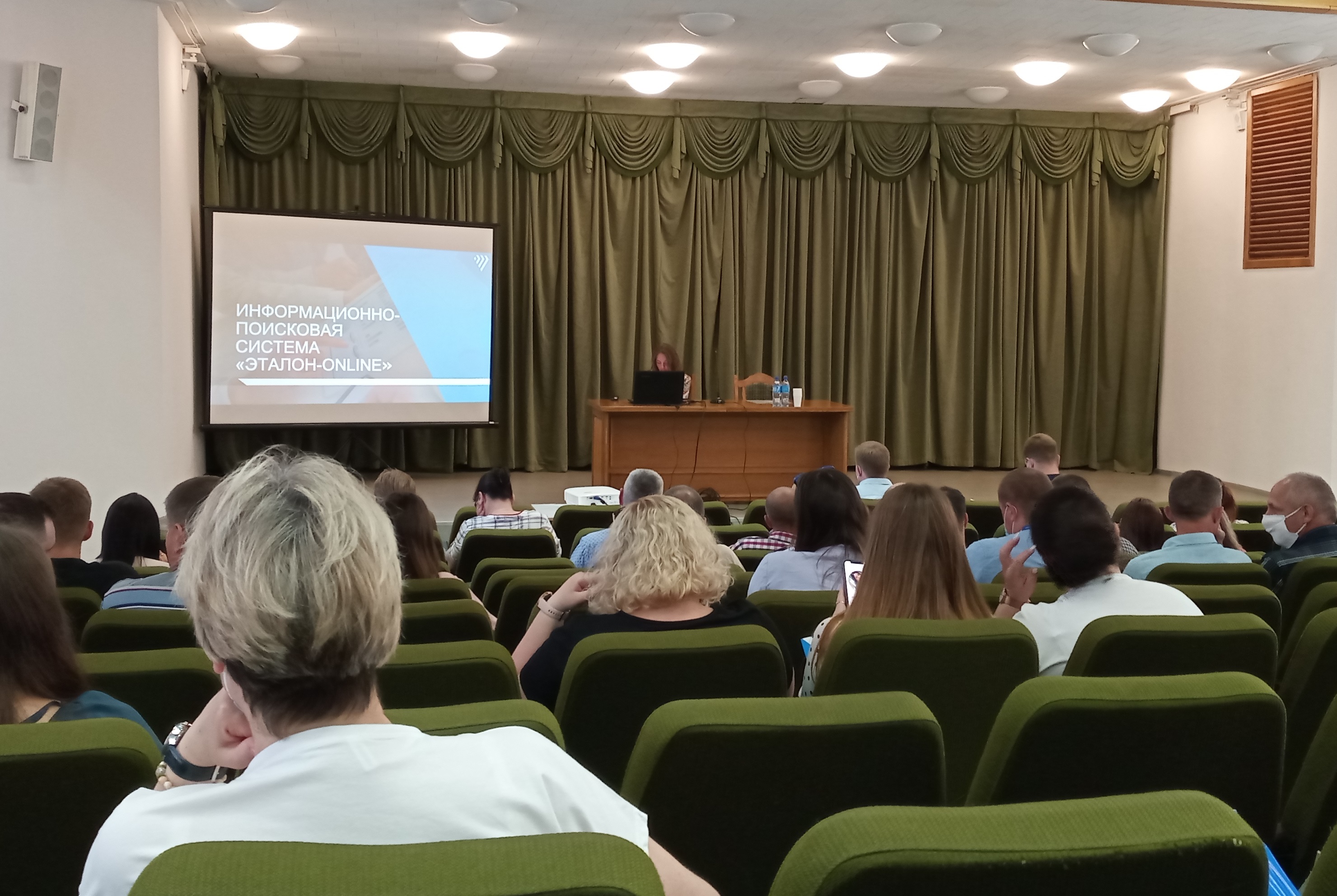
Национальный центр правовой информации Республики Беларусь
30.06.2021
Минск, Беларусь
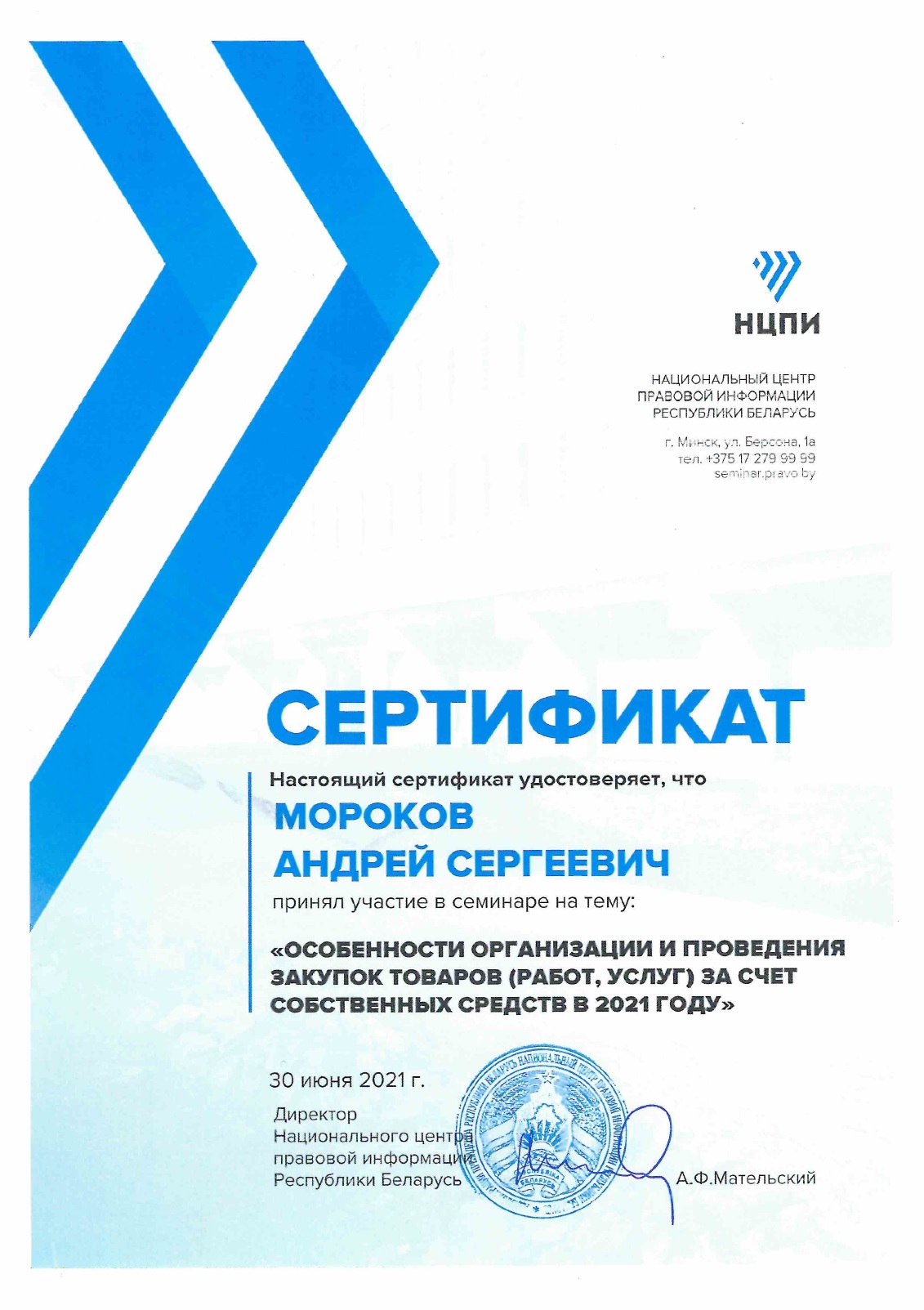
Семинар “Особенности организации и проведения закупок товаров (работ, услуг) за счет собственных средств в 2021 году”
Тематика
Информационно-поисковая система “Эталон-online”
Нормативная база
Практические кейсы
Коррупционные риски
Фото
Свидетельство
Project: Improvement Stage
17.10.2020
Blockchain ecosystem: Ethereum
Programming Language: Solidity
Technologies: Ganache, Truffle, Metamask, Git
Github: here
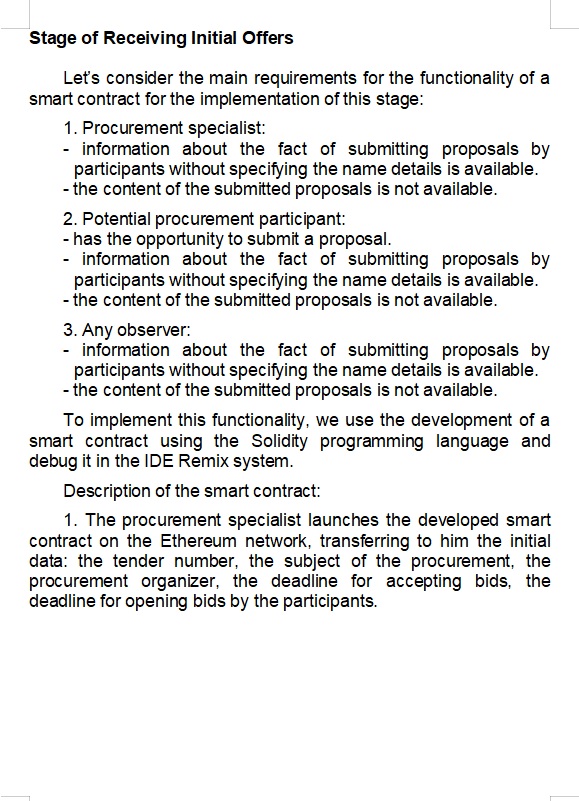
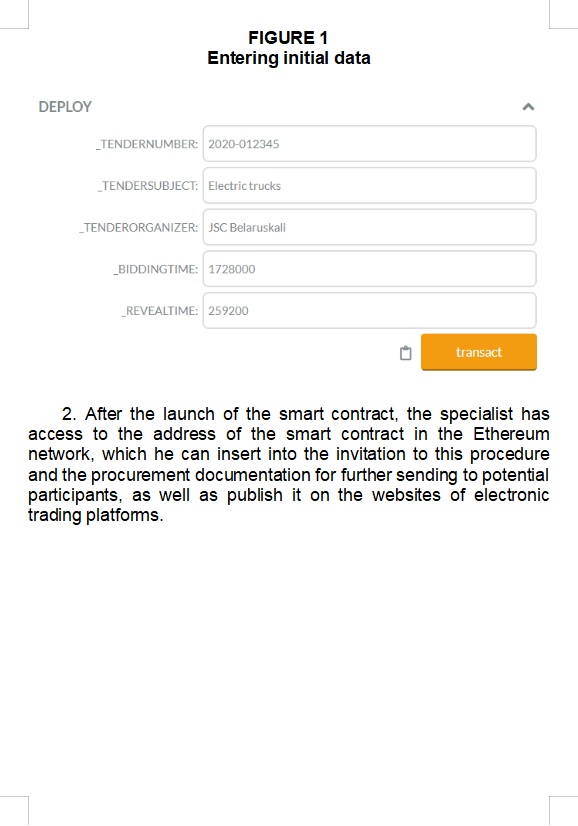
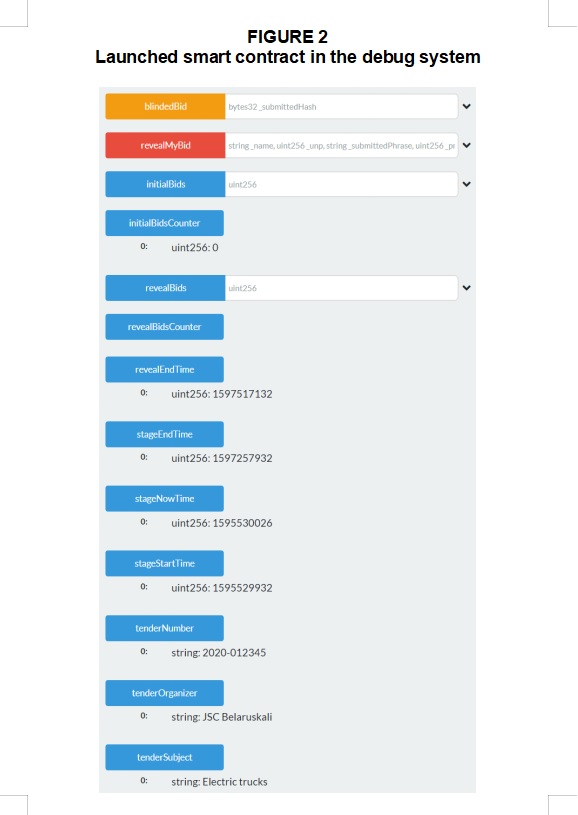
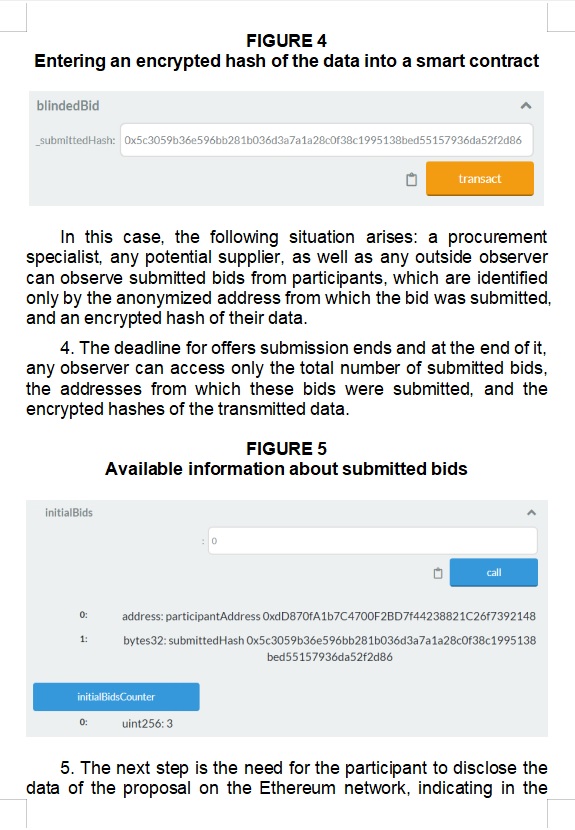
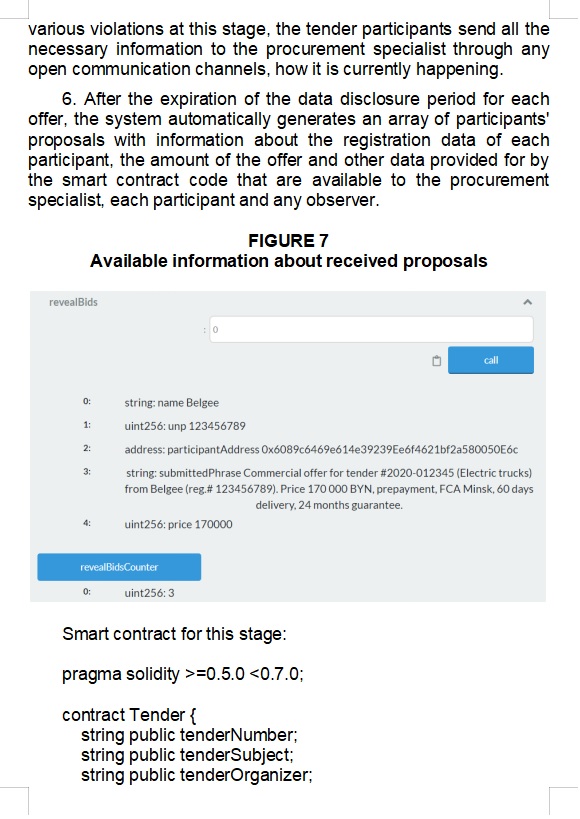
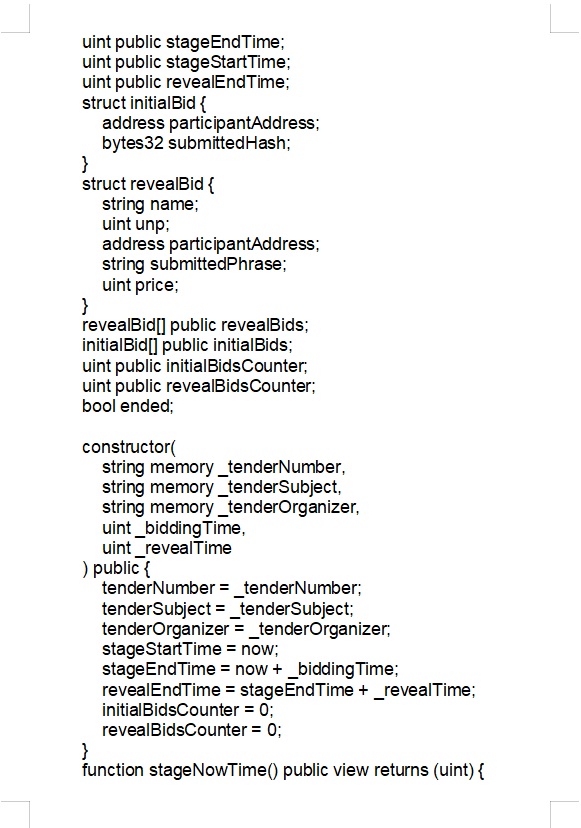
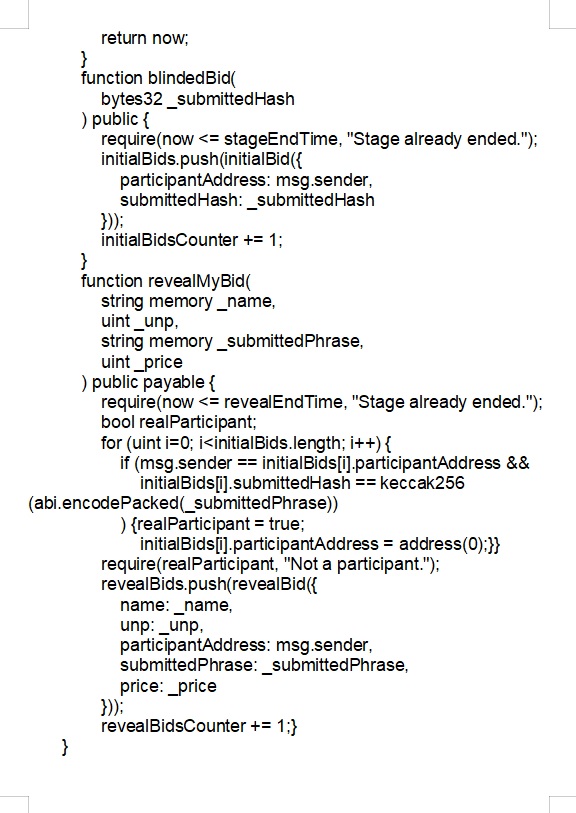
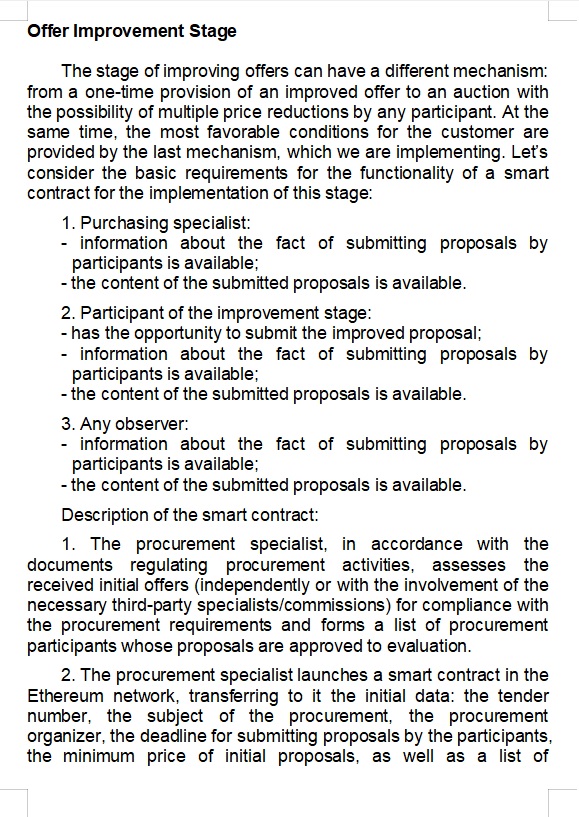
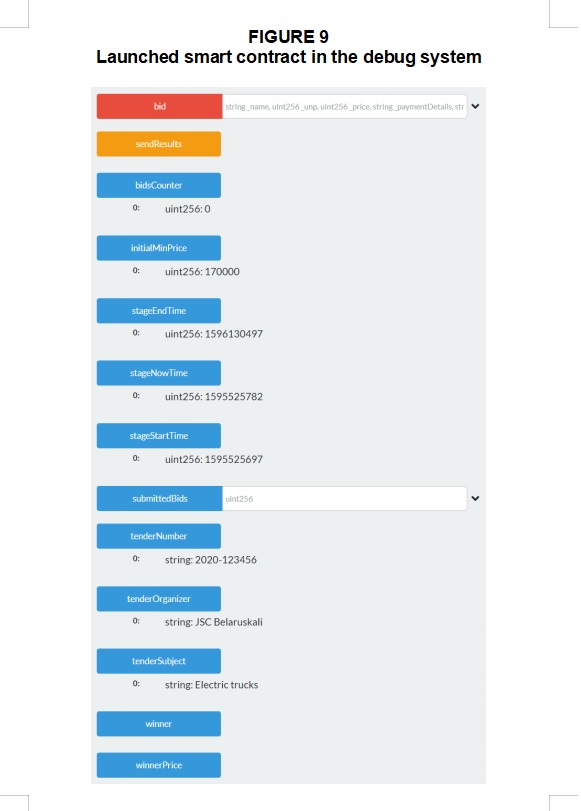
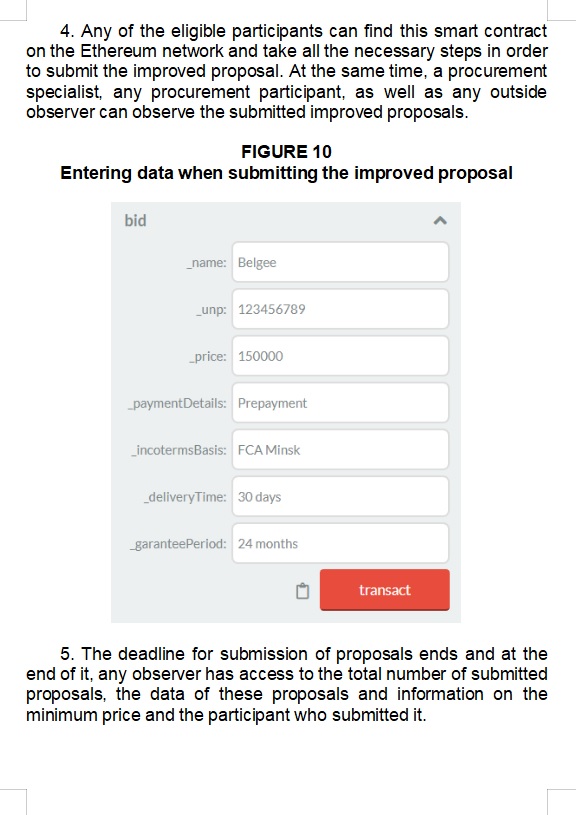
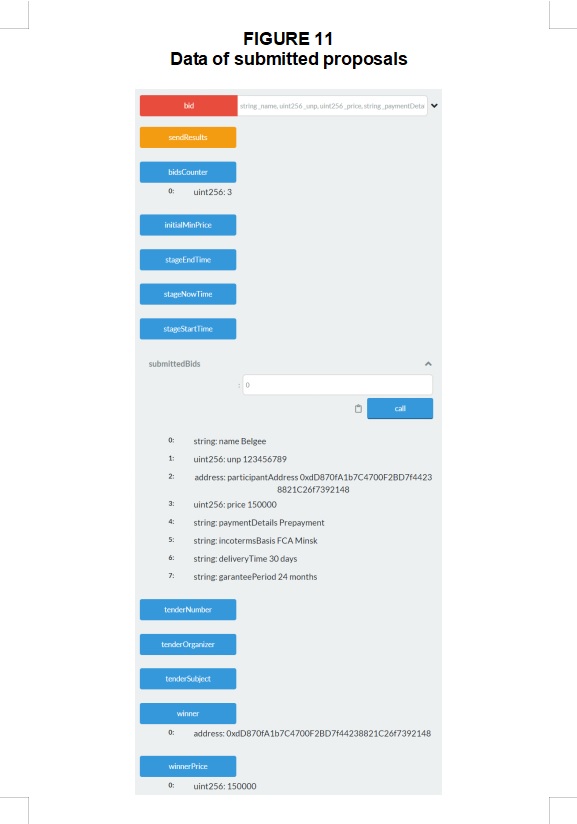
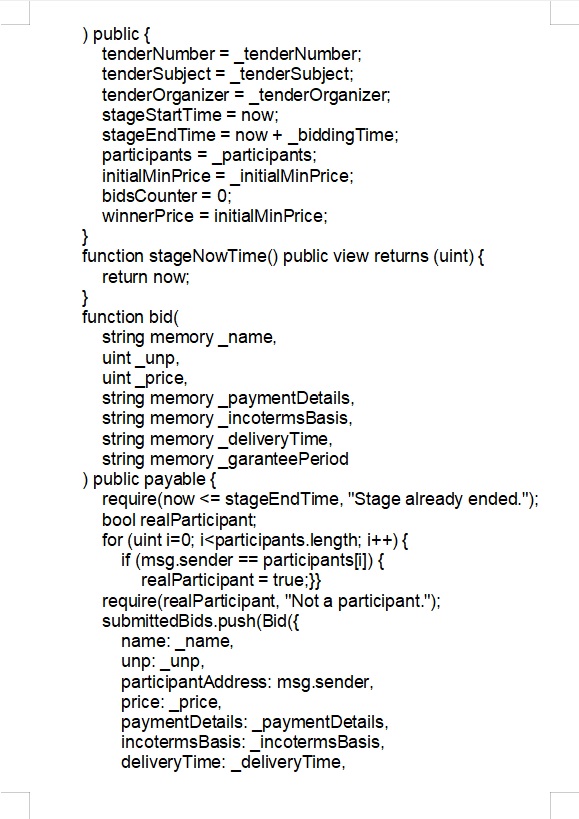
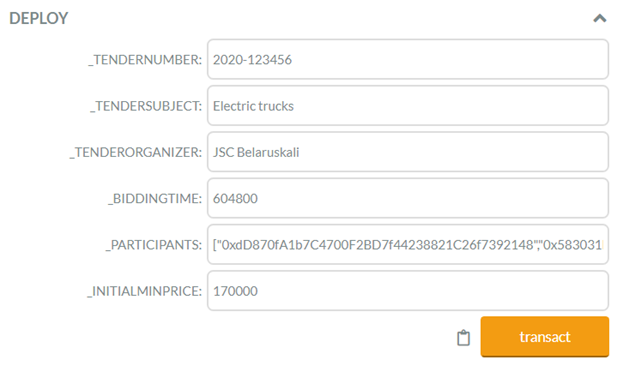
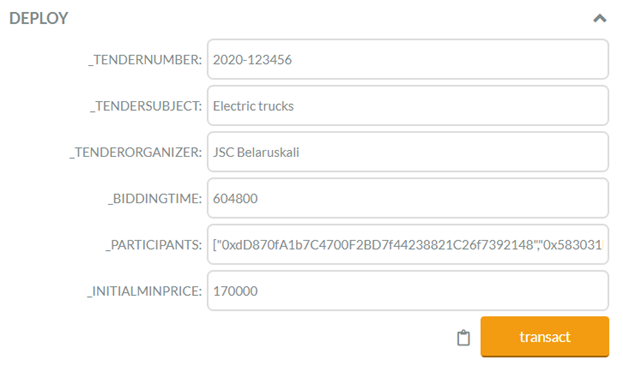
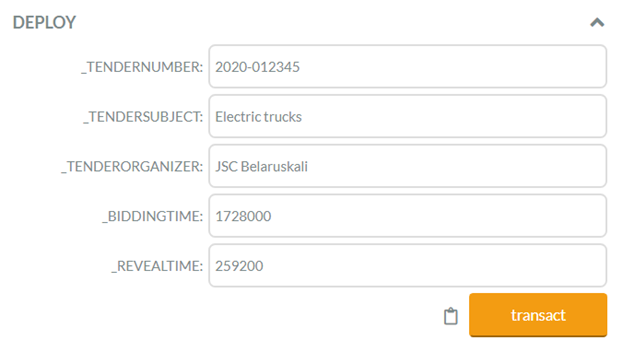
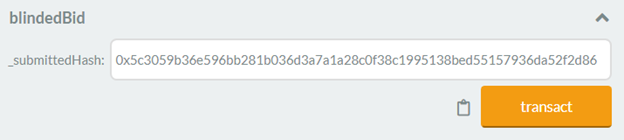
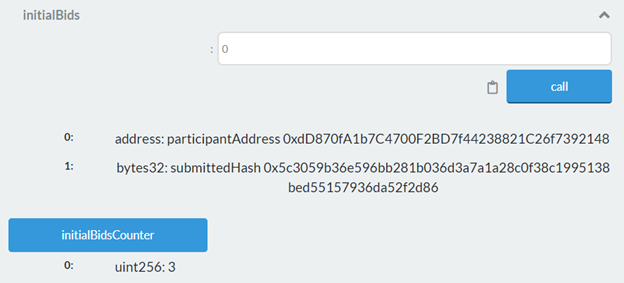
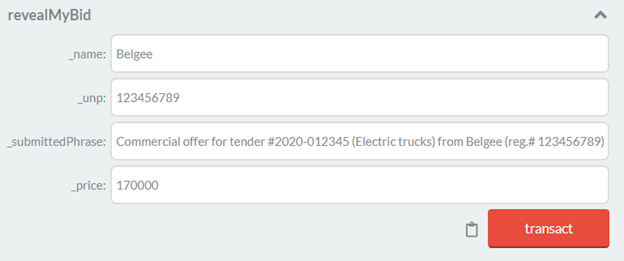
Description: Smart contract allows you to initiate Improvement Stage of the tender on the Blockchain network and submit improved commercial proposals.
Smart Contract

Screens


 Project: Submitting Initial Commercial Offers
16.10.2020
Blockchain ecosystem: Ethereum
Programming Language: Solidity
Technologies: Ganache, Truffle, Metamask, Git
Github: here
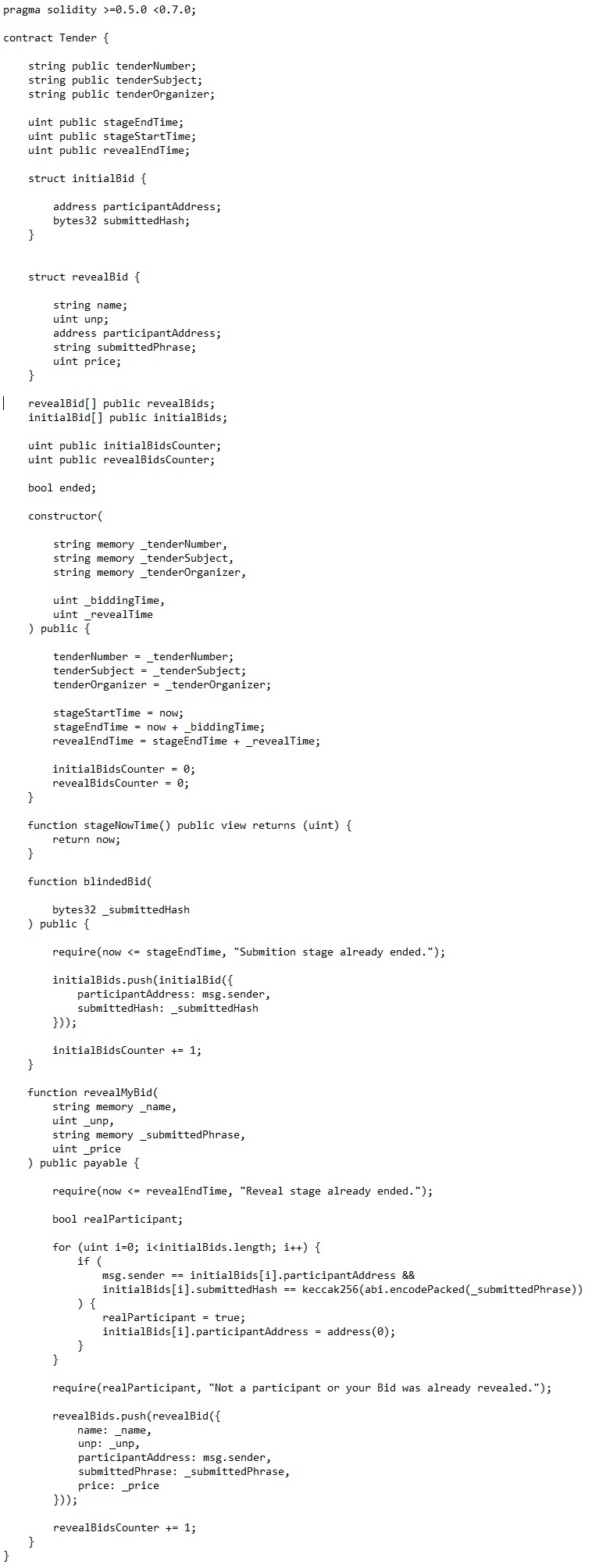
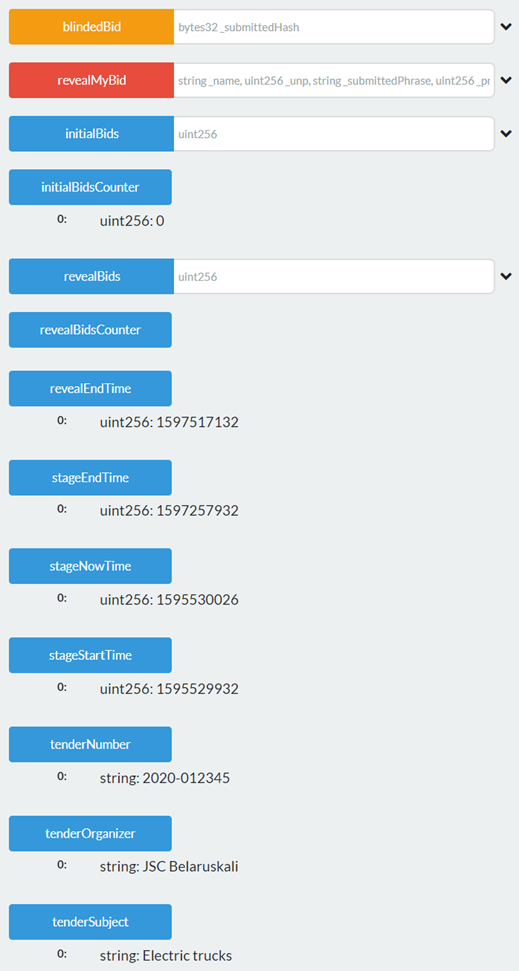
Description: Smart contract allows you to initiate a tender on the Blockchain network and submit initial commercial proposals.
Smart Contract
Screens


World Bank Academy
10.06.2018
Online Educational Course “e-Procurement Learning”
This e-Learning course is designed to provide participants with an in-depth understanding of the concept of public procurement and e-Government Procurement (e-GP) and how e-Procurement solutions can be designed and implemented in a more effective and economical way. This course outlines how to prepare a strategy for establishing an e-GP framework and presents in detail basic and advanced tools of e-Procurement systems. Moreover, it describes the need for the establishment and use of public procurement indicators, as well as how public financial management can be strengthened through the incorporation of procurement and e-Procurement into PFM reform projects.
Course overview
E-Government procurement (e-GP) projects are often part of the wider e-government efforts of countries to efficiently and effectively serve their citizens and businesses. E-GP promotes better governance in public procurement by increasing transparency and eliminating opportunities for fraud and corruption. The application of ICT to procurement processes has resulted in e-Procurement platforms that are ideally suited to address the e-GP objectives.
Pursuing an e-Procurement system implementation is an effective way to improve public procurement management, through the automation of all underlying processes. Many governments worldwide have adopted end-to-end e-Procurement systems which cover the full procurement cycle.
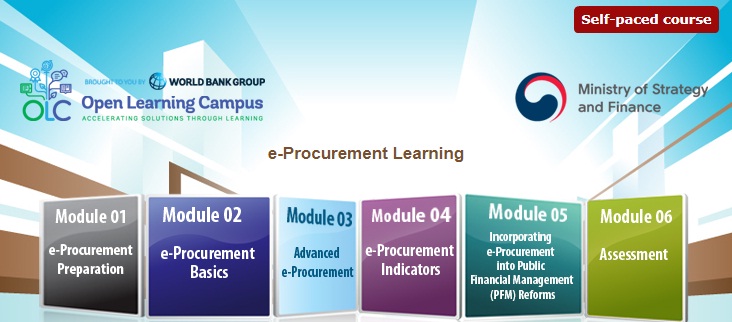
The current e-Learning course is composed of five modules, aiming to assist its audience to better understand electronic procurement and provide them with guidance on decisions they may need to take for establishing or improving the e-GP framework of their countries.
The course initially focuses on how organizations can establish a plan for an e-GP implementation, and what benefits can be expected by such an implementation project. Furthermore it provides an overview of the basic and advanced features and modules of e-Procurement systems, along with concise information on how to implement each of the described e-Procurement modules.
Additionally, the course briefly describes e-Procurement indicators and presents how these can be used by governments in order to measure adoption, performance and overall governance. Lastly, it focuses on how to incorporate procurement and e-procurement into FMIS implementations in the context of PFM reform projects.
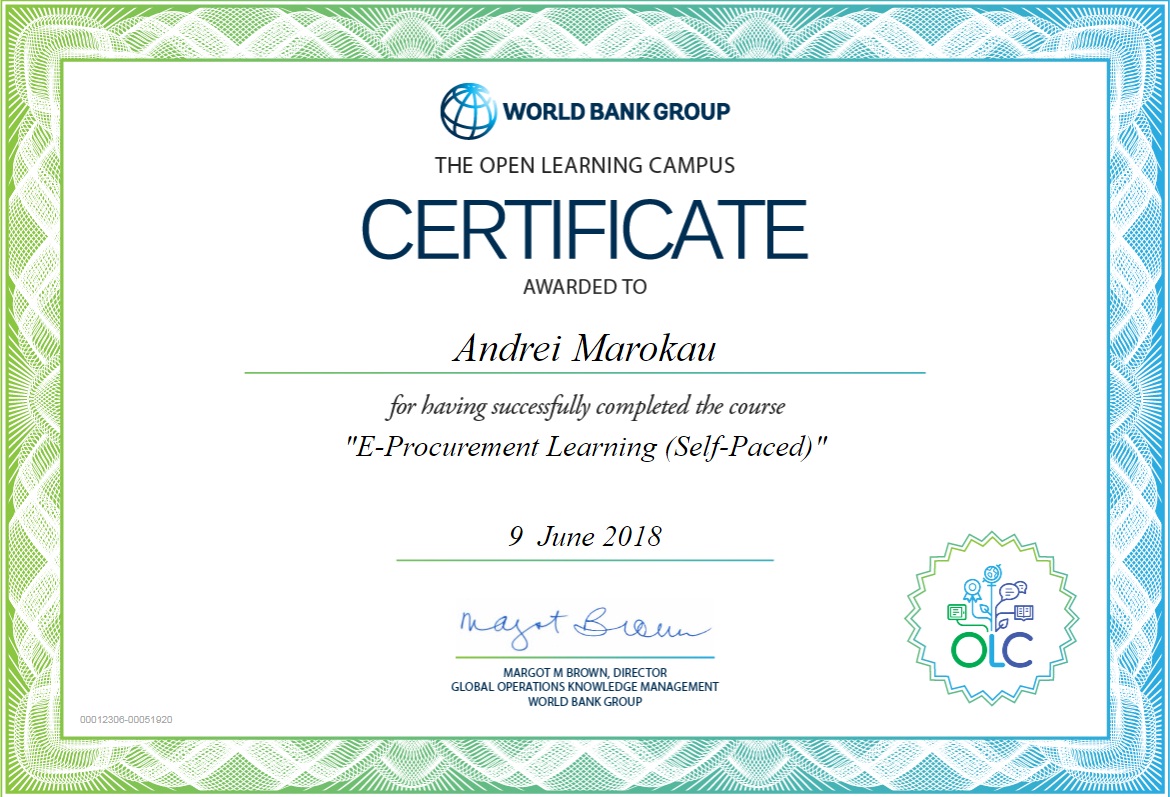
At the end of this course, a certification can be obtained by those participants who complete the course and successfully pass the respective examination.
Course features
The course is composed of the following modules:
Target audience
The learners should at least have an understanding of the national public procurement setting and the EU public procurement procedures as well as a high-level view of web-based applications and software implementation projects.
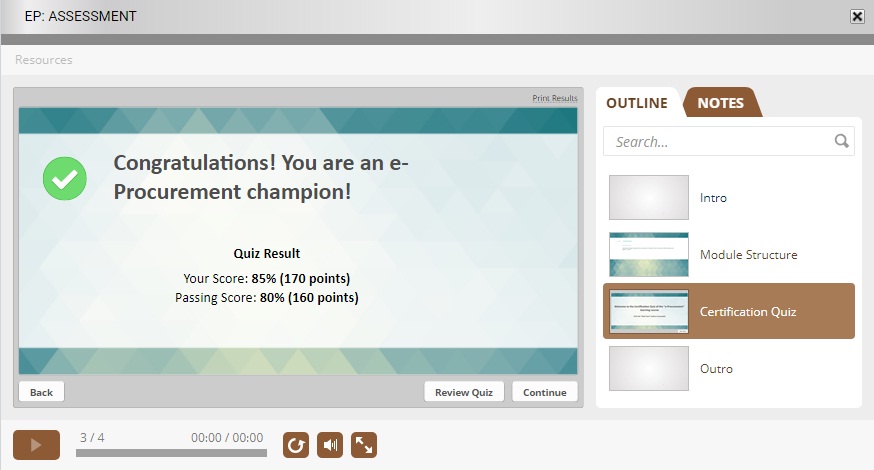
Score
Certificate
Ministry of Business, Innovation and Employment, NZ
05.06.2018
Online Educational Course “Demystifying Procurement”
Demystifying Procurement is an introductory online course that gives you tools and techniques to help you with your procurement.
This introductory course is especially useful for:
Course outline
This free introductory training course covers the eight stages of the procurement life-cycle in four short modules.
By the end of the course you should have an understanding of:
There are four self-paced modules with interactive graphics and tables, links to procurement tools and guidance on this website and practice questions at the end of each section.
Module 1 covers the project initiation, needs and market analysis sections of the planning phase. The module will take you through identifying and understanding key stakeholders and their needs, putting together a project team, probity considerations and understanding the supply market.
Module 1 should take about 30 minutes to complete.
Module 2 covers the specification of requirements and planning approach to market sections of the planning phase. The module will take you through key considerations when specifying your requirements, determining which approach to market strategy is right for the procurement, evaluation methodology, what should go into the procurement plan and starting to think about the contract construct.
Module 2 should take about 30 minutes to complete.
Module 3 covers the sourcing phase of the procurement life-cycle, including approach to market; supplier selection and contract negotiation and award. The module will take you through what needs to go into your RFx documentation, publishing a notice of procurement, convening the evaluation panel and evaluating responses, negotiation theory, contract arrangements and debriefing unsuccessful respondents.
Module 3 should take about 50 minutes to complete.
Module 4 covers the manage phase of the procurement life-cycle, including managing the contract and relationships and reviewing procurement outcomes. The module will take you through the three key elements of contract and relationship management, the relationship spectrum, dispute resolution considerations and the review cycle.
Module 4 should take about 25 minutes to complete.
Alison
via Alison.com Platform
03.06.2018
Online Educational Course “Supply Chain Risk”
by N. Viswanadham
The course Understanding Supply Chain Risk Management (SCRM) introduces the learner to the multitude of risks that threaten the operation of supply chains at national and global levels. A previous course – Understanding Supply Chain Ecosystems – looked at Supply Chain Ecosystems and supply risk involves adverse and unexpected changes to any elements of a supply chain ecosystem.
The aim of SCRM is to reduce supply chain vulnerability by identifying and managing risks within the supply chain and external to it. The course gives examples of resource uncertainties, characteristics of Wicked problems, and describes the elements of a cyber attack. It also lists the six strategies to reduce overall risk exposure.
This course will be of great interest to all professionals who work in the areas of operations management, logistics, procurement and information technology, and to all learners who are interested in developing a career in the area of supply chain management.
Score

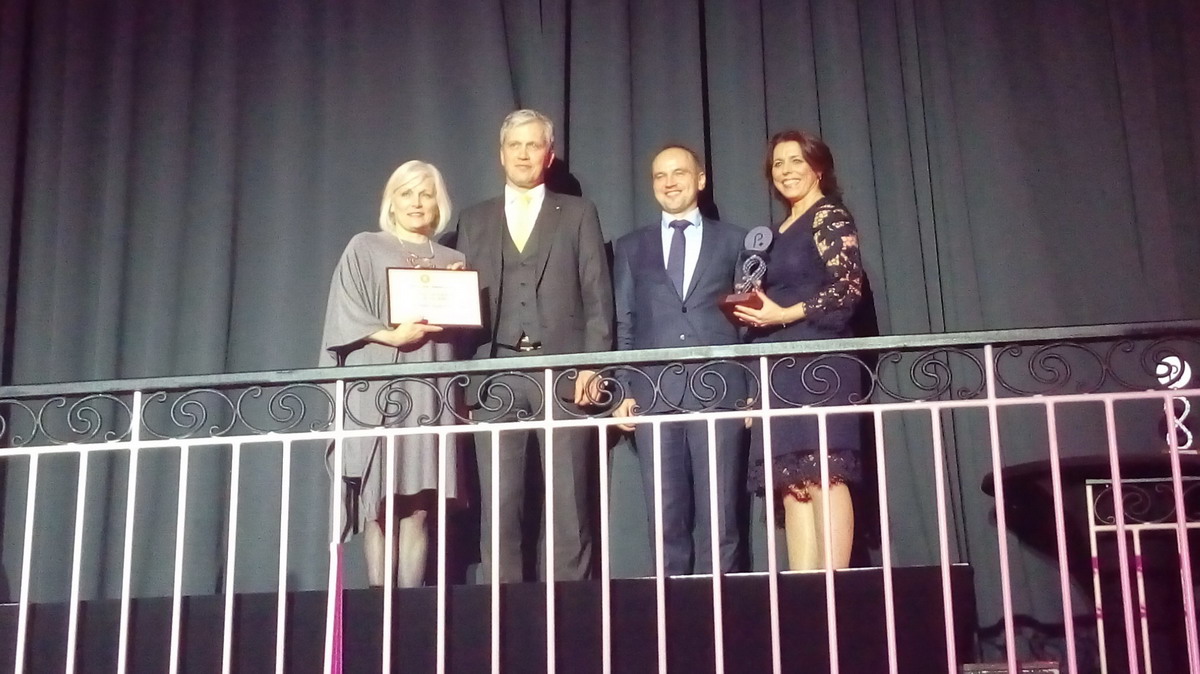 2017 Procura+ Awards
17.10.2017
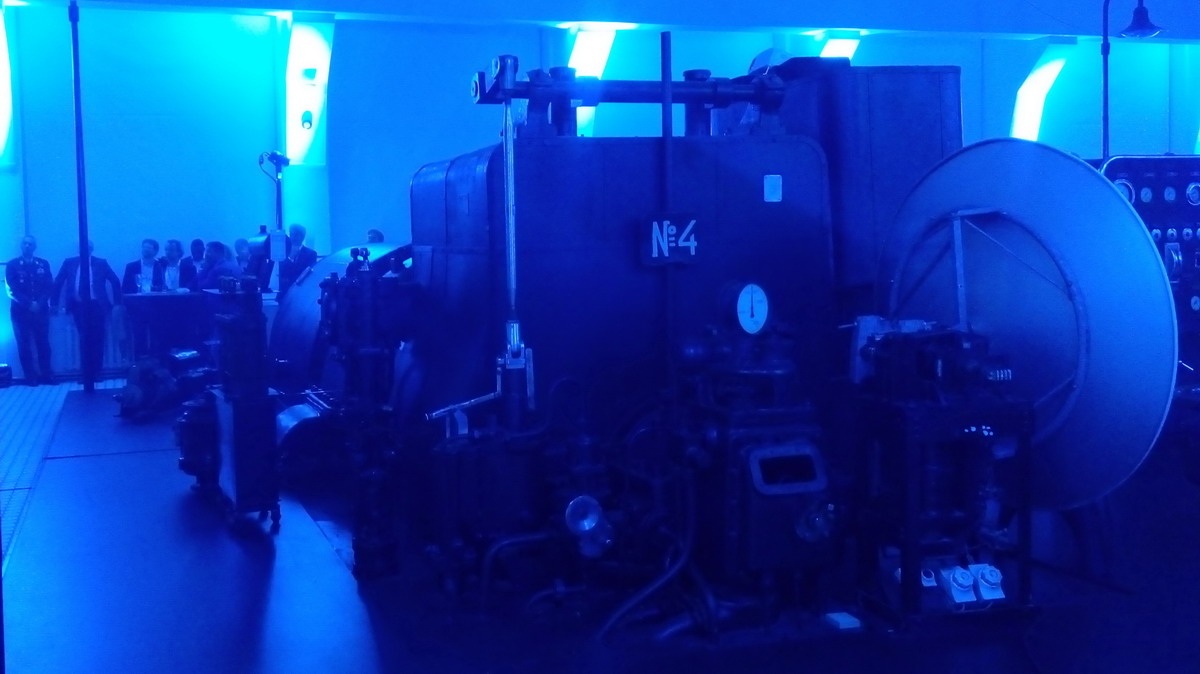
Energy Discovery Centre, Tallinn, Estonia
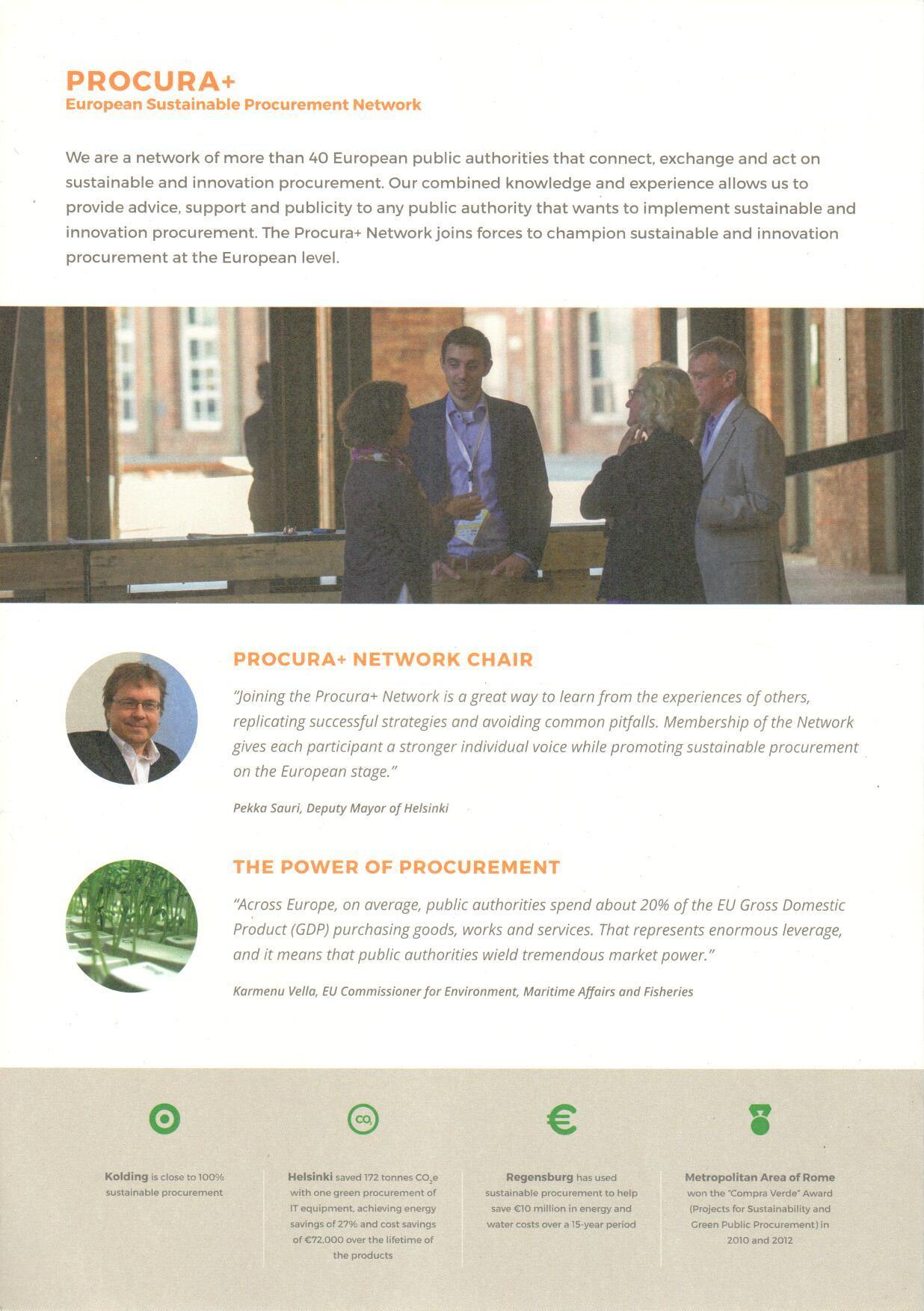
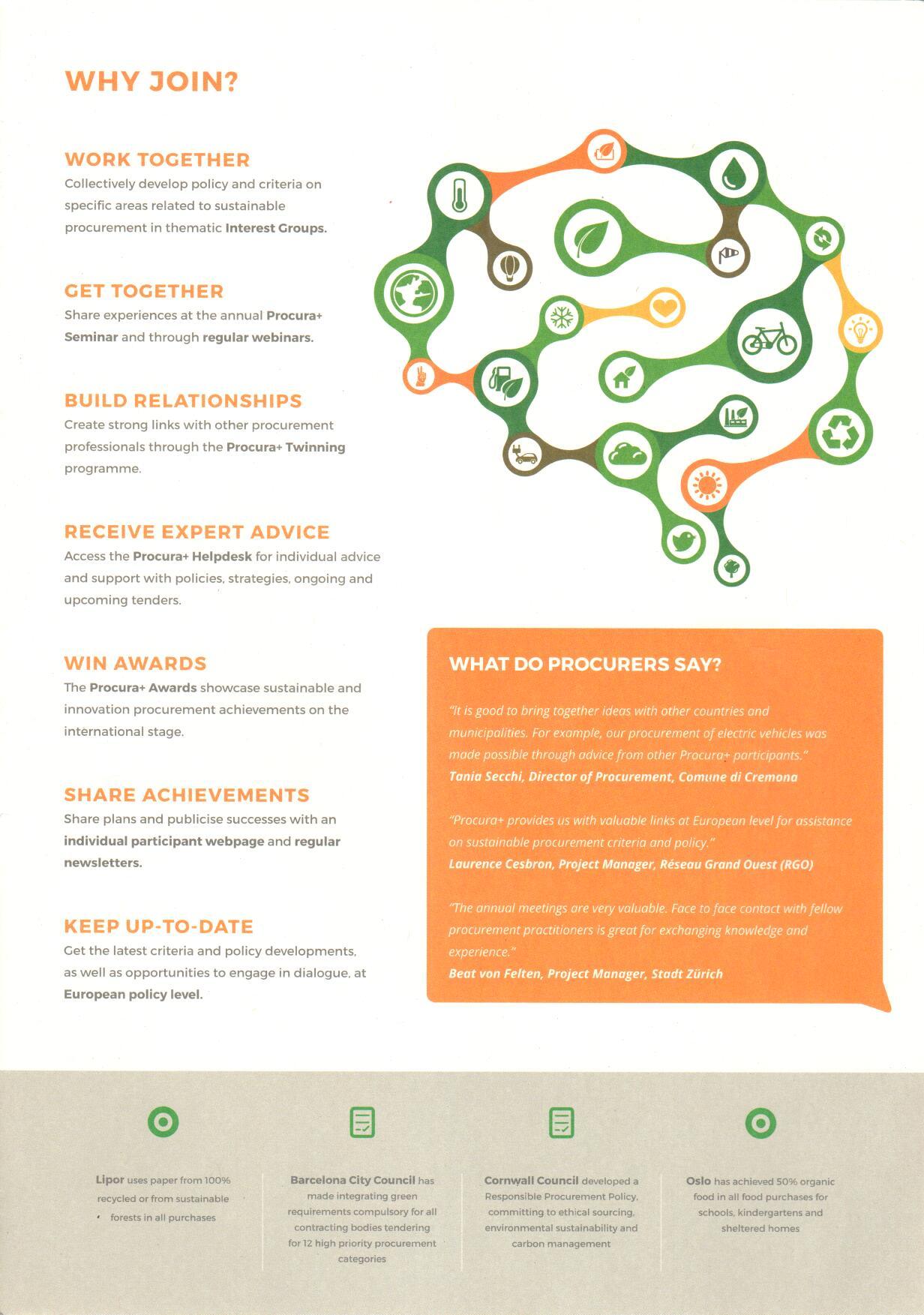
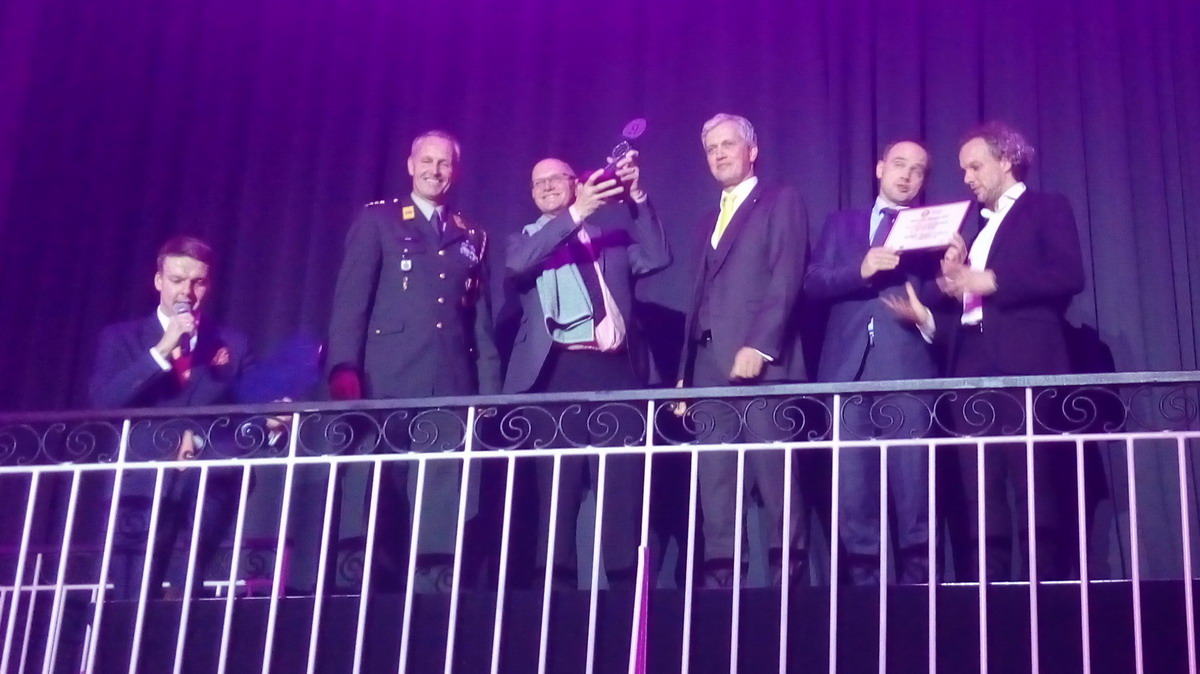
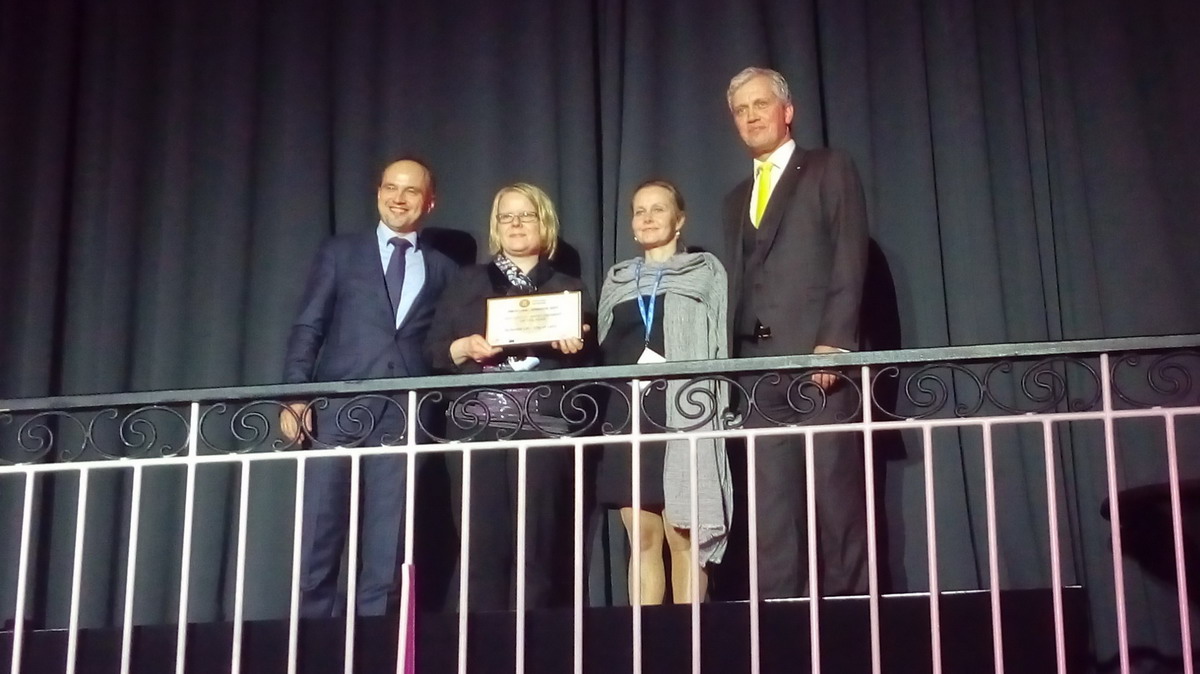
2017 Procura+ Awards on Sustainable and Innovation Procurement with support of ICLEI and European Commission recognise three categories of excellence: Sustainable Procurement of the Year, Innovation Procurement of the Year, and Tender Procedure of the Year.
Promo:
Photos:







 Conference on Innovation Procurement
17.10.2017
Kosmos IMAX, Tallinn, Estonia
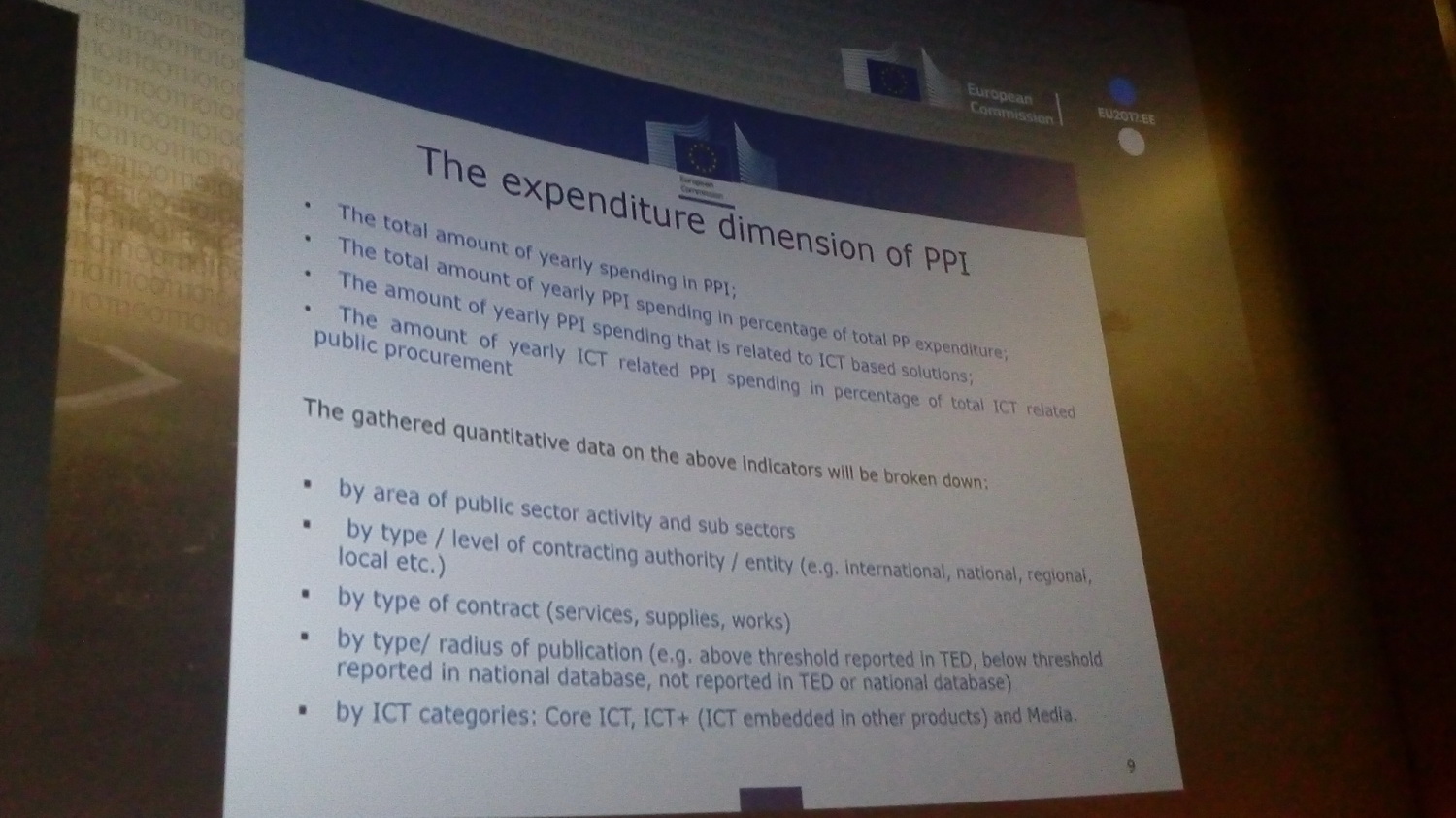
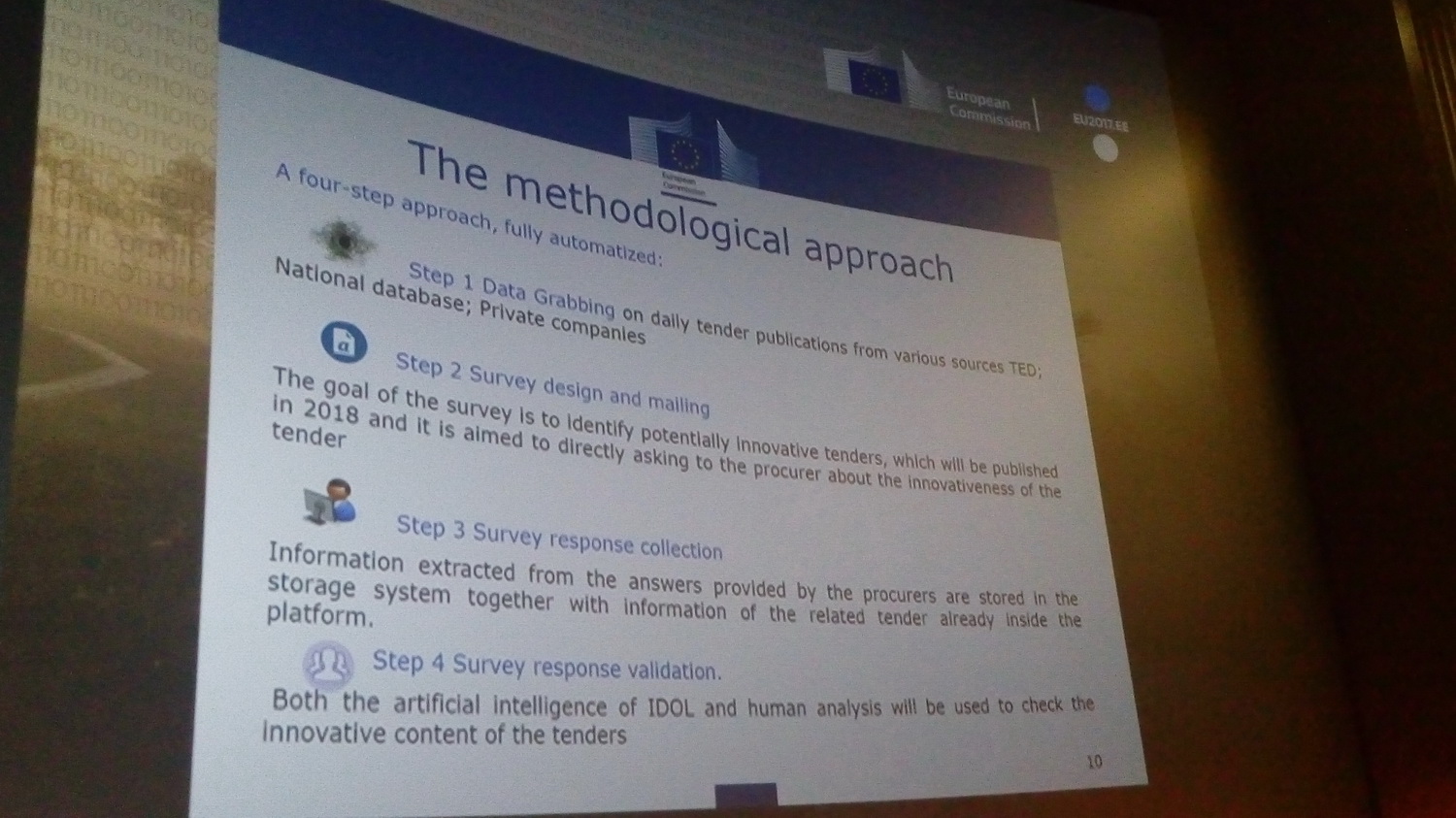
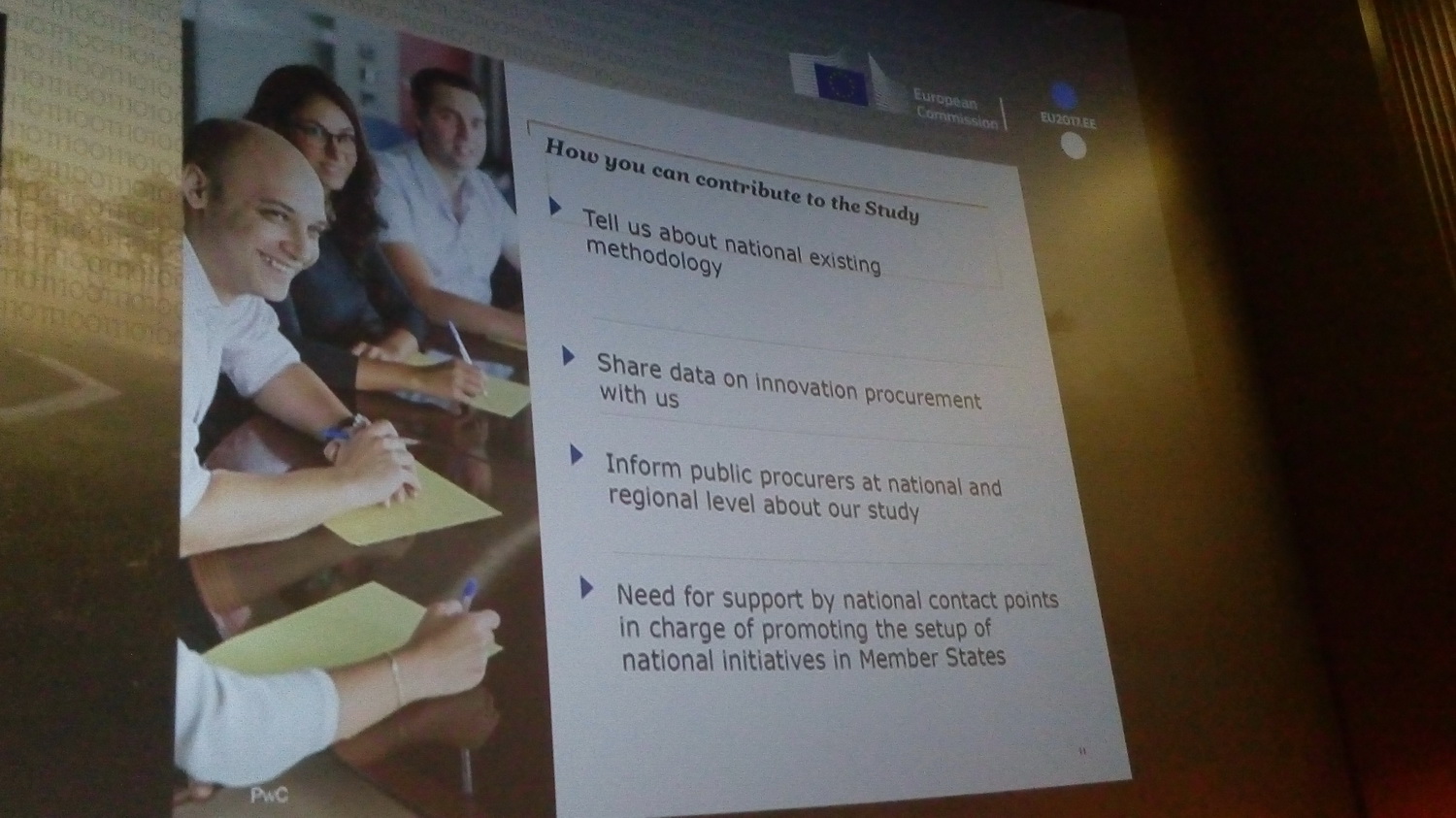
The Conference on Innovation Procurement took place under the Estonian EU presidency on 17th and 18th of October 2017 in Tallinn, Estonia. The Conference also served as the 3rd annual Major eafip Event. The conference programme included:
The target audience for the two-day conference was policy makers, public procurers and innovators. Its aims were capacity building, experience sharing and networking about major ICT-related innovation procurement initiatives across Europe and to facilitate networking between stakeholders to discuss new ideas, initiatives and funding opportunities.
The event was co-organised by the Estonian Ministry of Economic Affairs and Communications (MEAC) and the Directorate-General for Communications Networks, Content and Technology (DG CNECT) of the European Commission (EC). The conference was supported by the European Union Regional Development Fund. The 2017 Procura+ Awards were supported by the EU’s Horizon 2020 Programme, and co-ordinated by ICLEI.
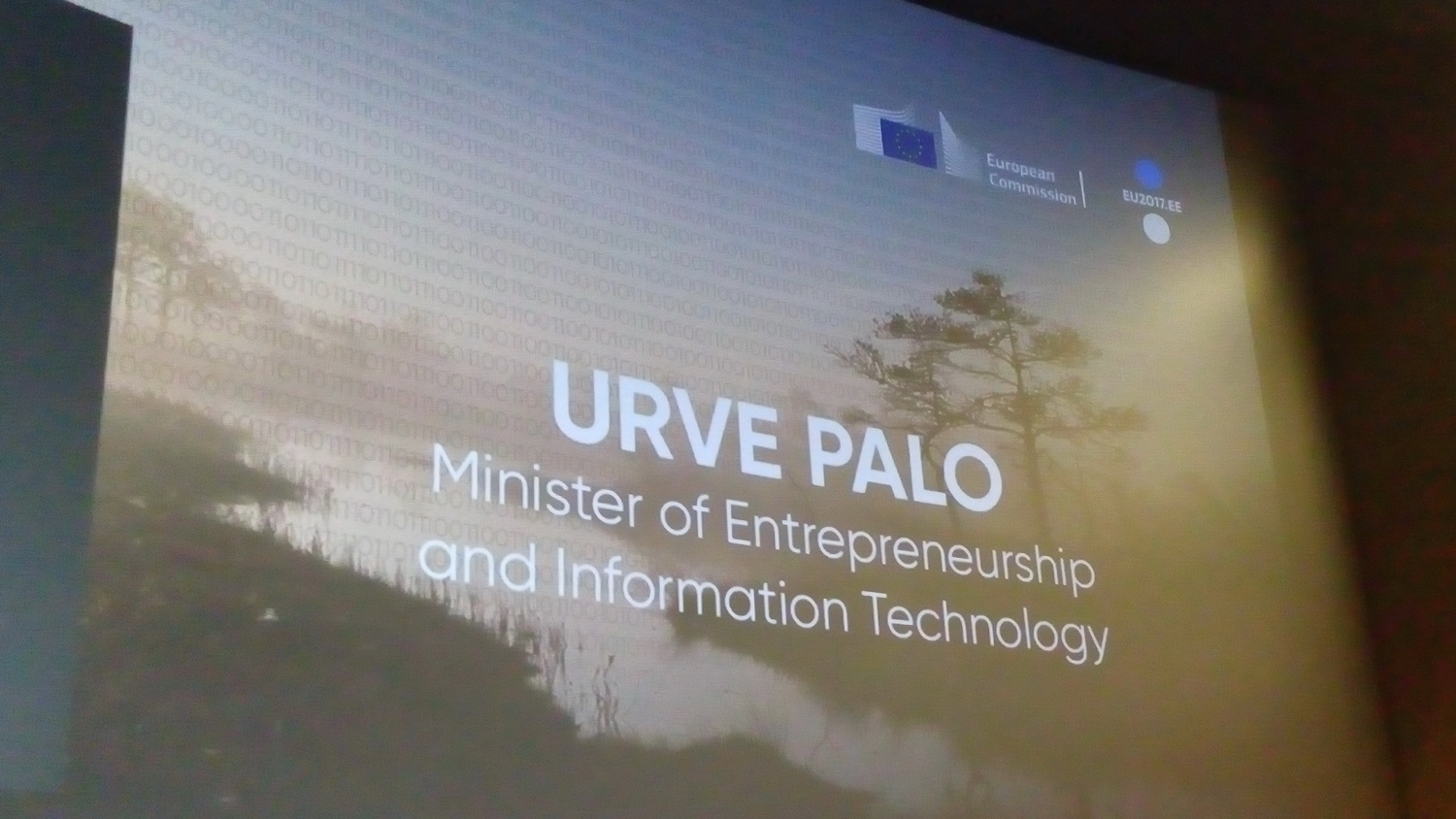
Welcoming words:
Urve Palo, Minister of Entrepreneurship and Information Technology, Estonia



Presentations:
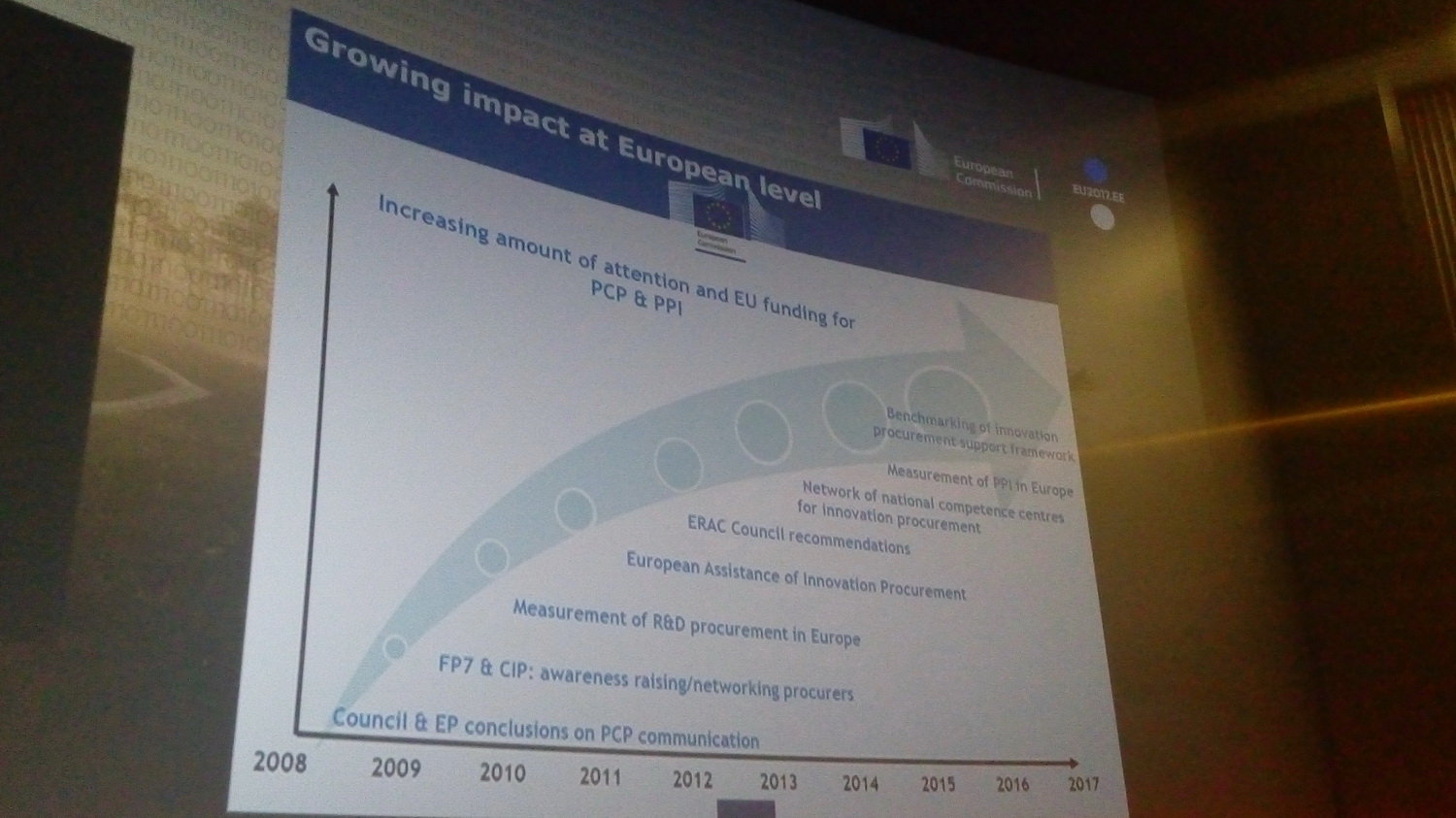
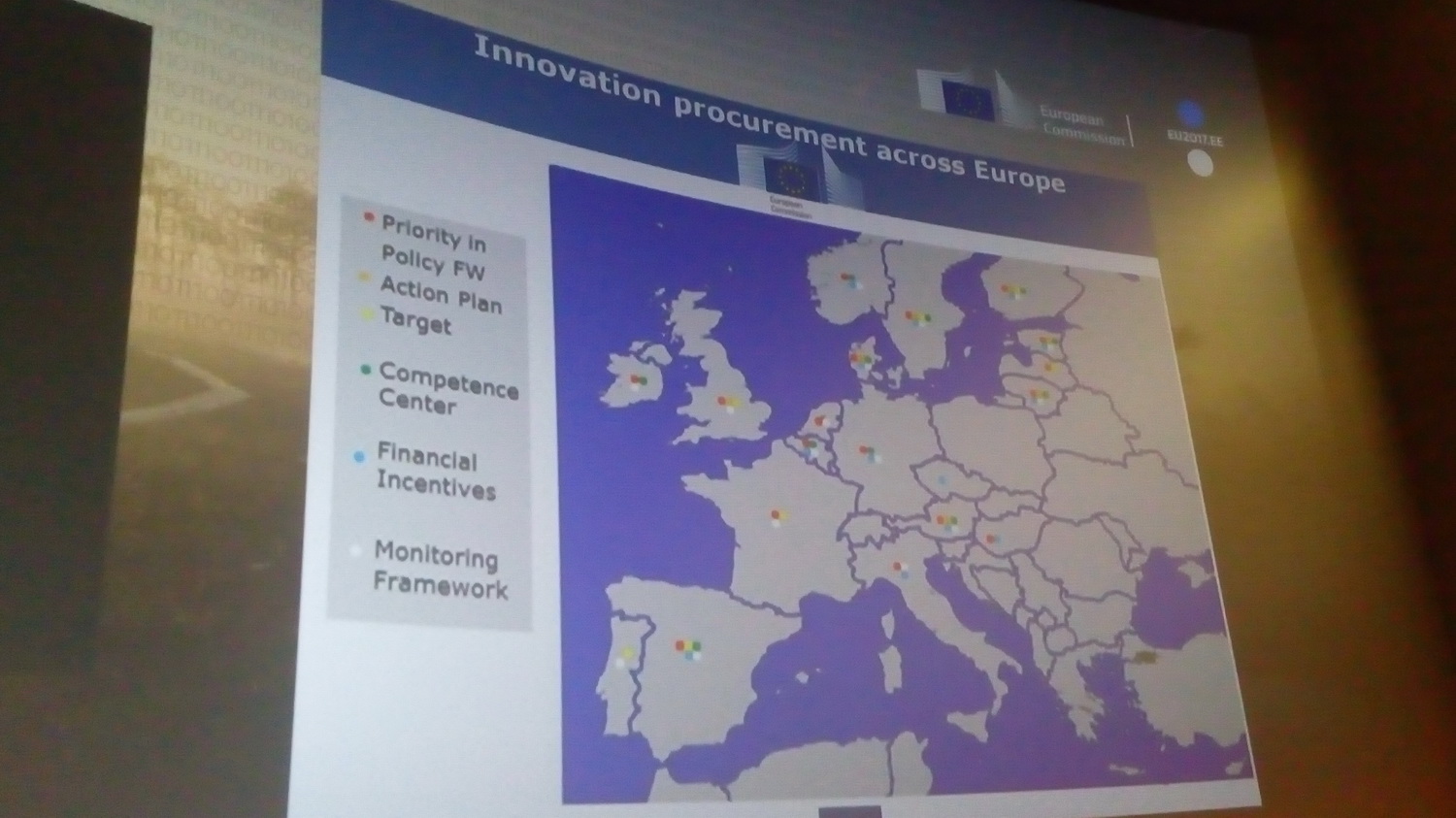
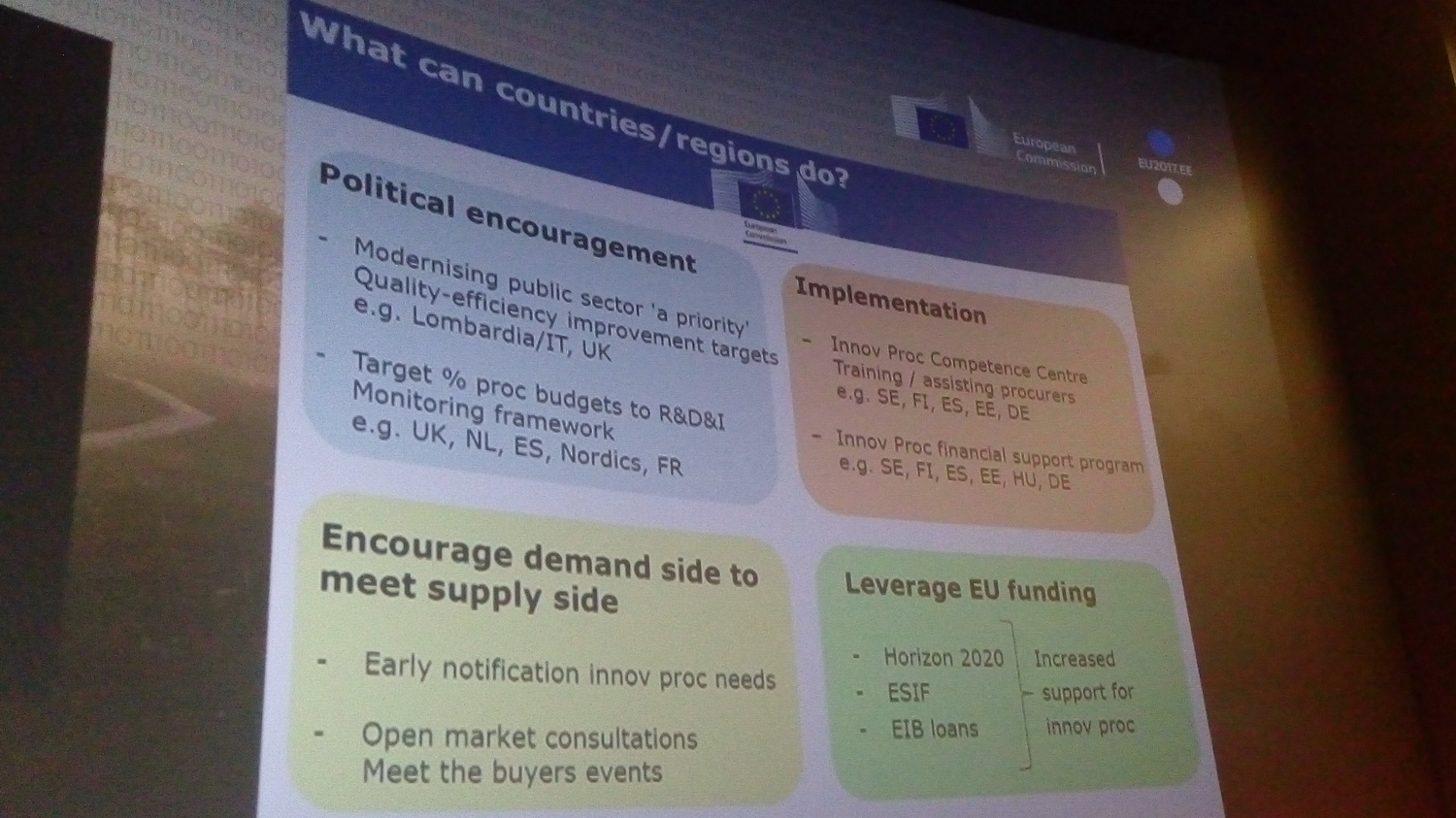
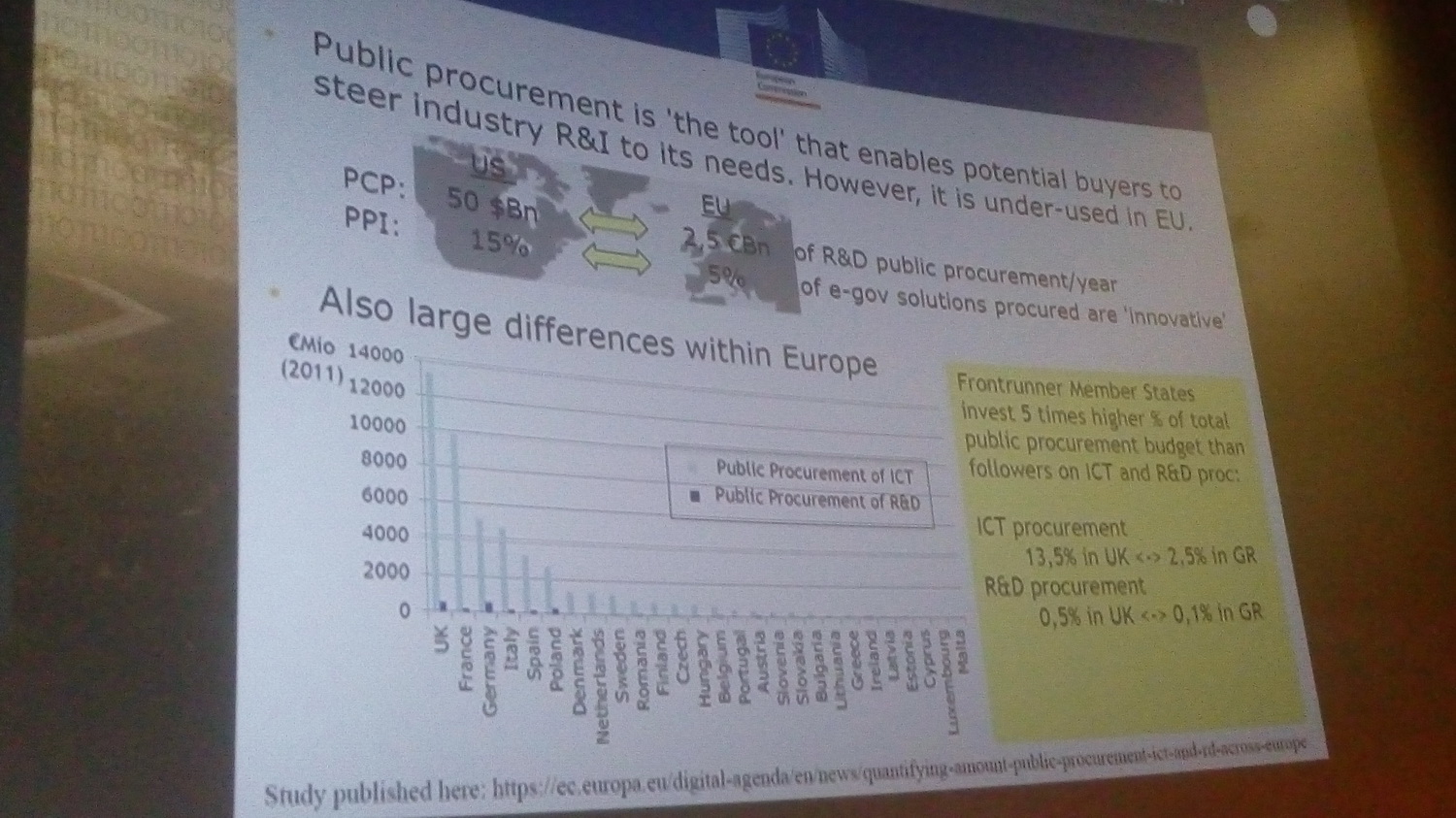
Keynote – How to mainstream innovation procurement in Europe?
Gerard de Graaf, Director, Digital Single Market Directorate, DG CNECT, European Commission




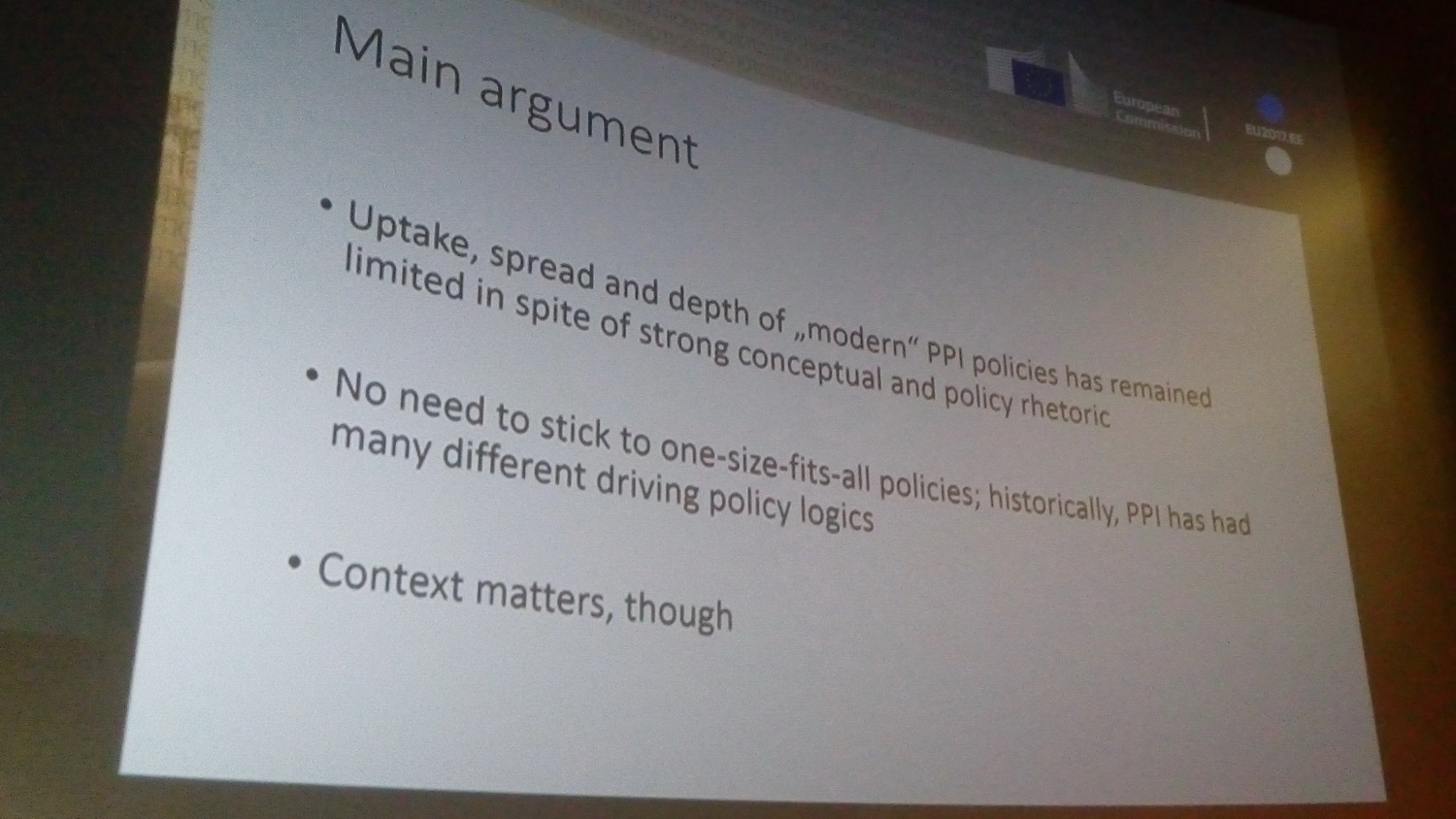
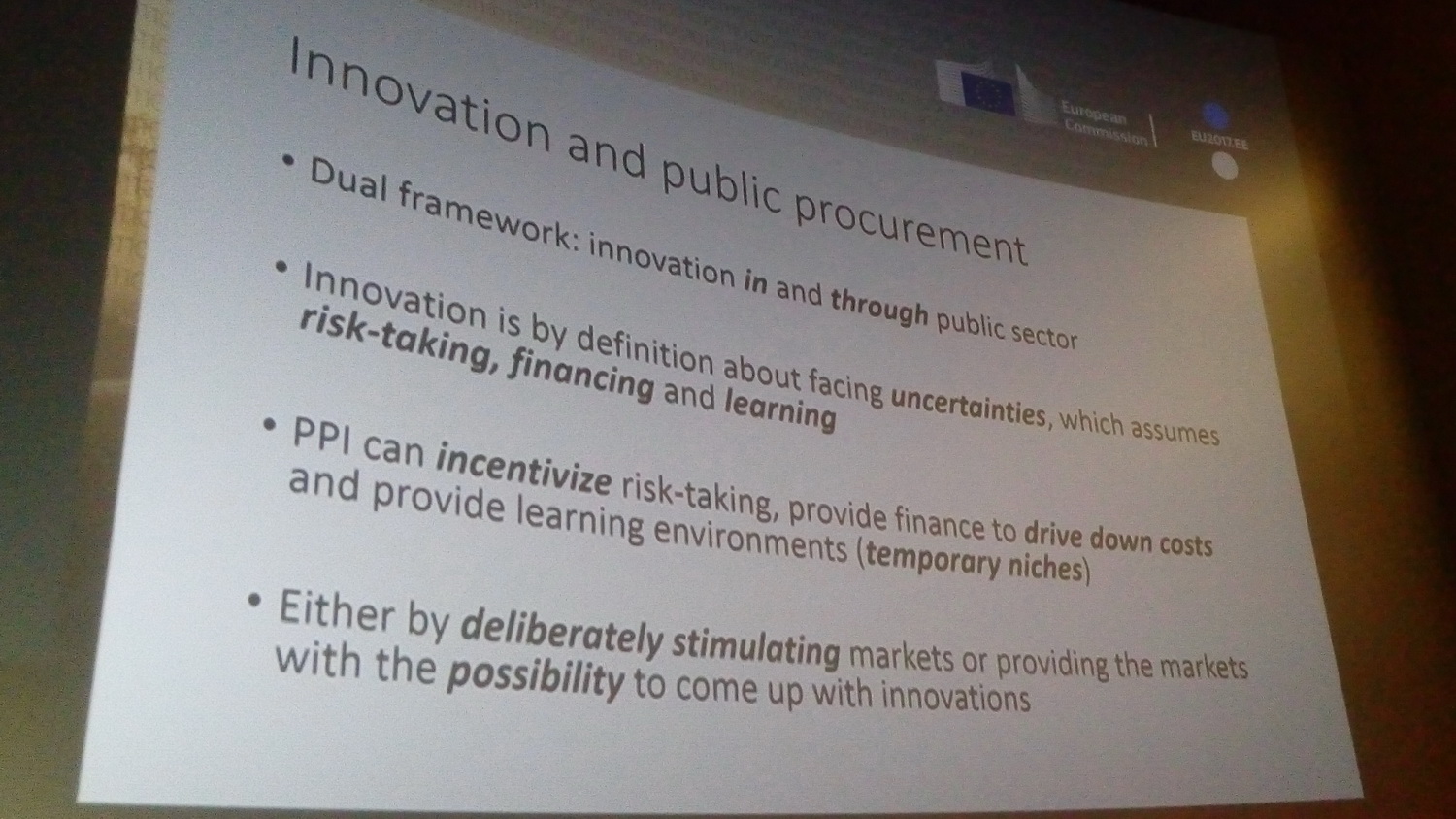
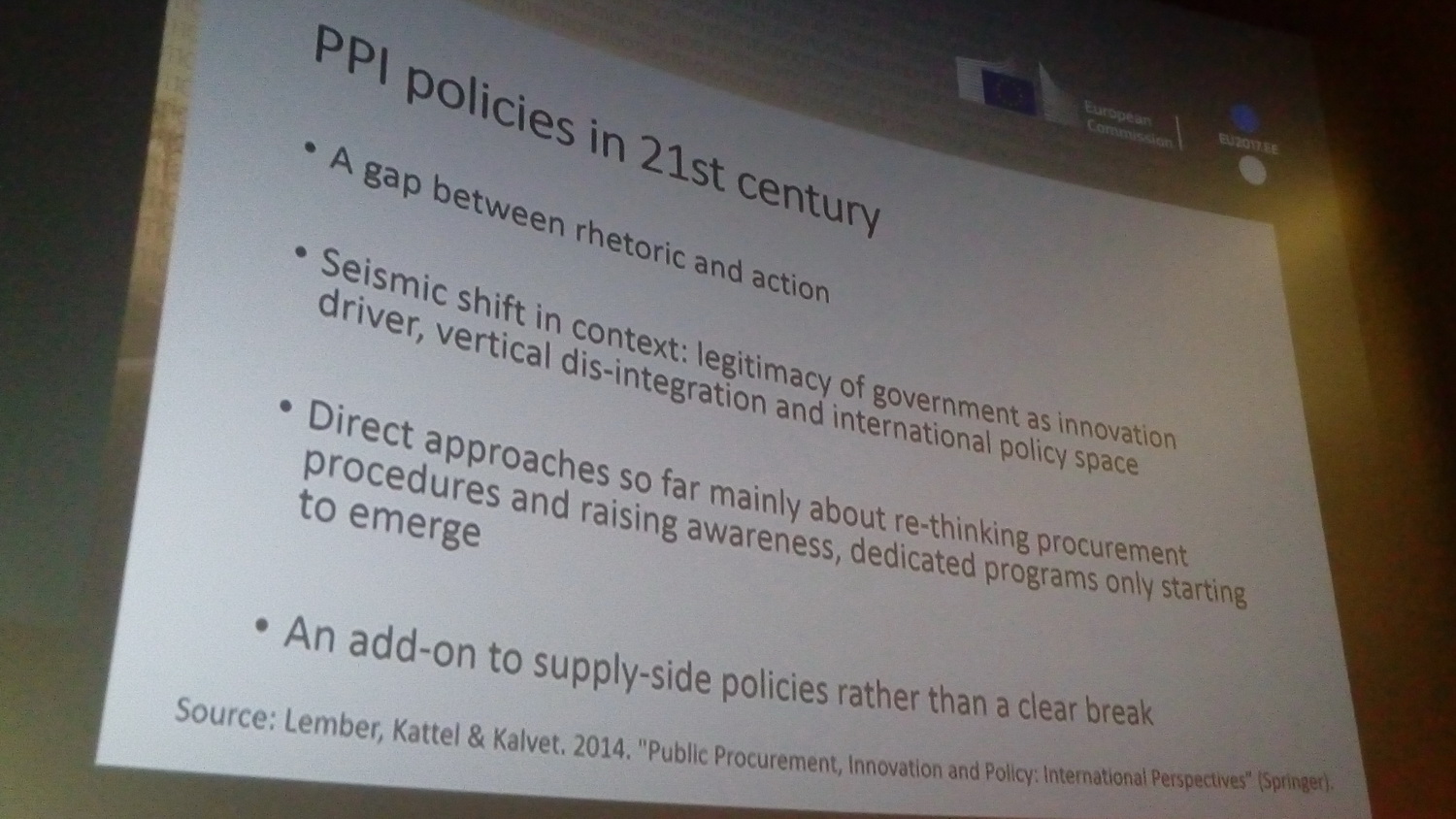
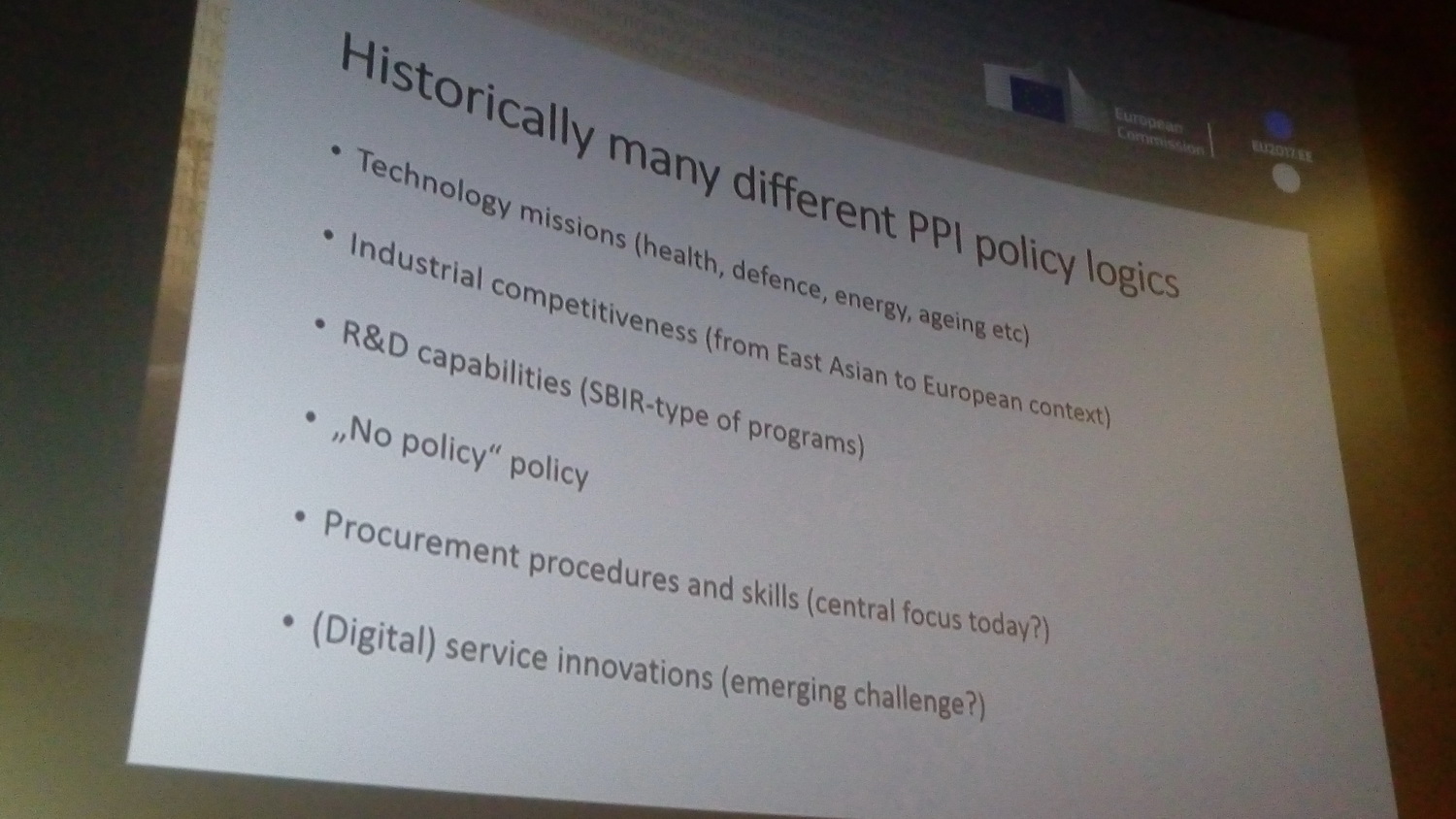
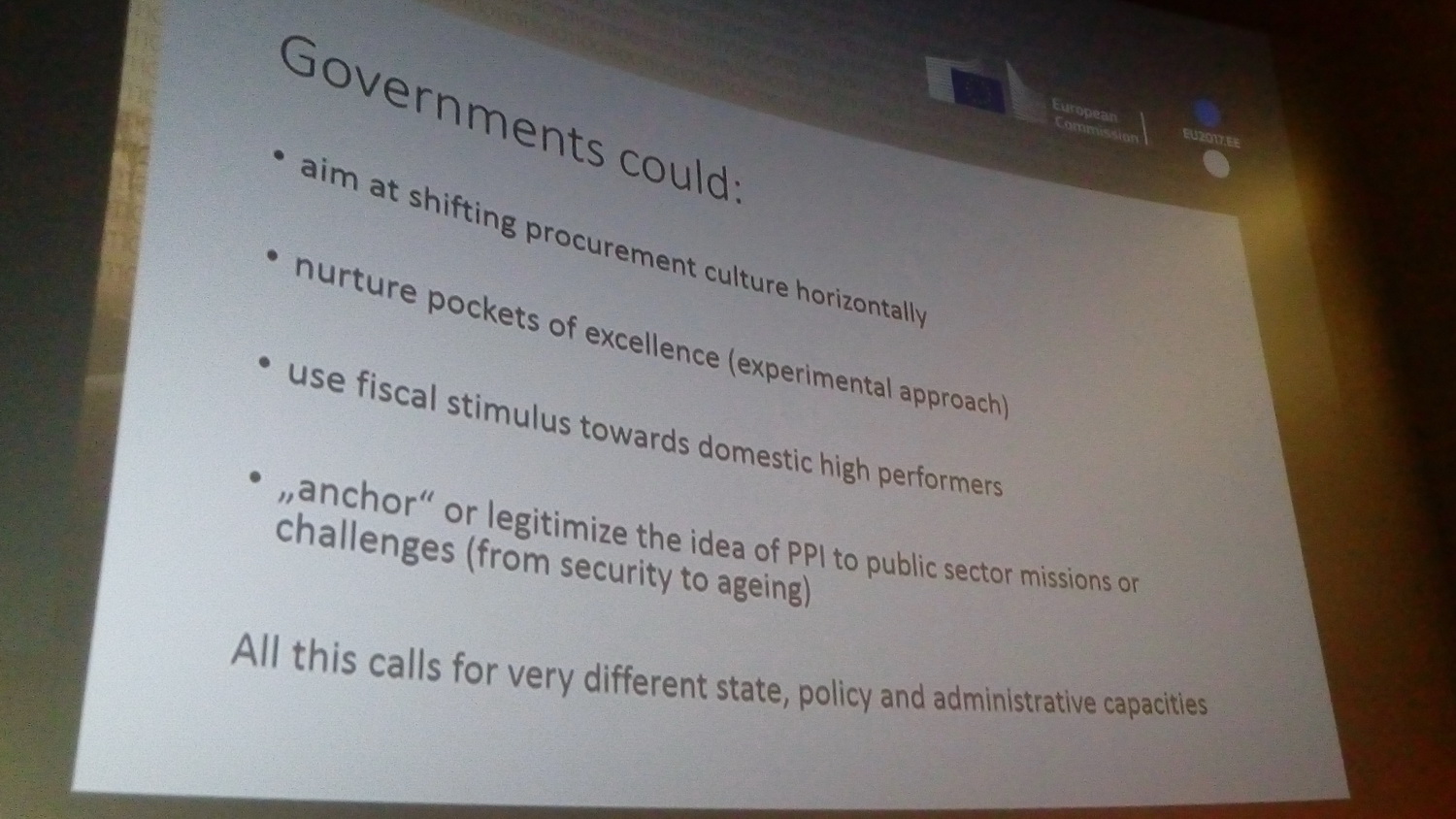
Public procurement of innovation – the policy logic behind the strategic use of procurements
Veiko Lember, Senior Research Fellow, Tallinn University of Technology, Estonia



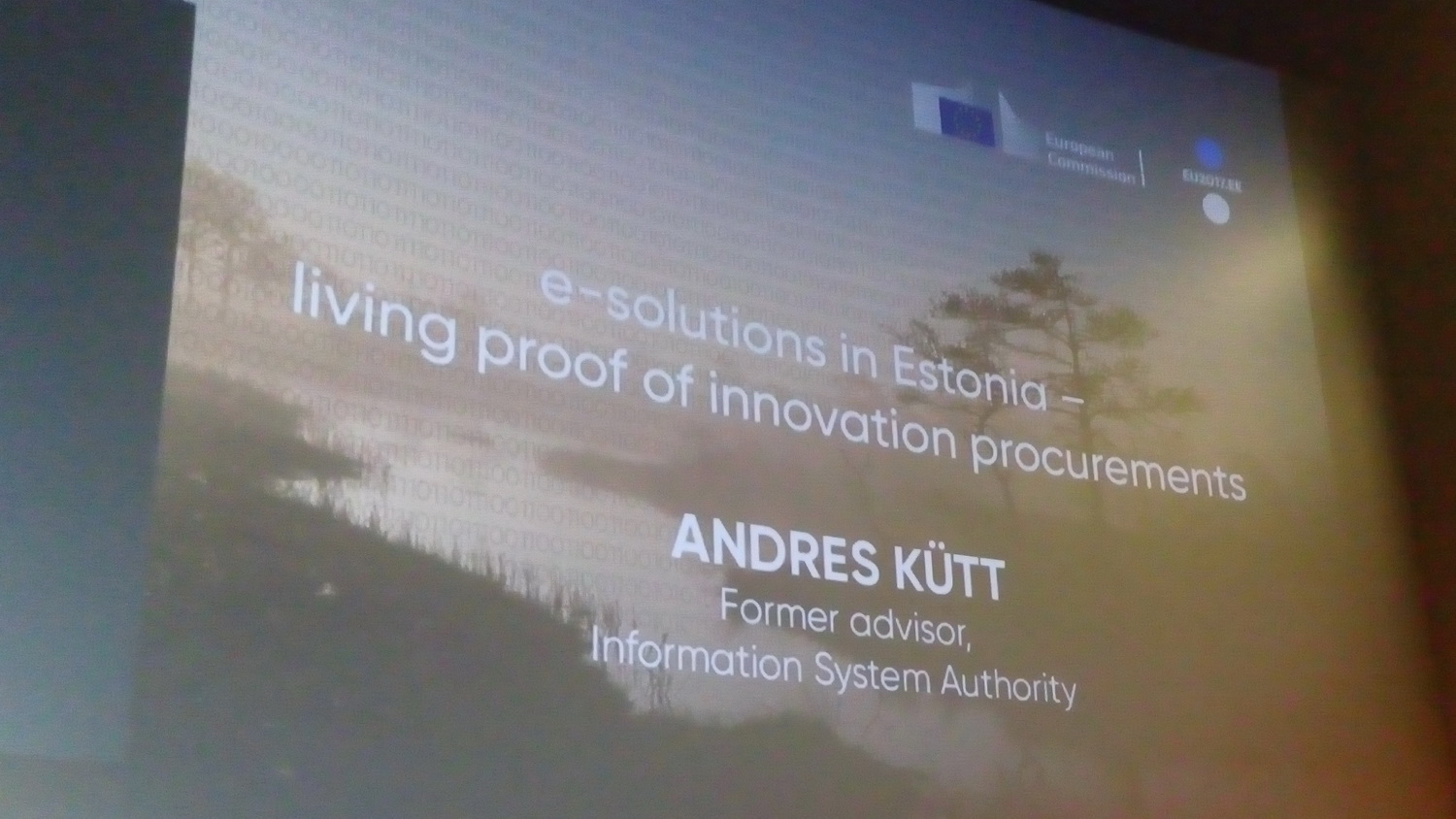
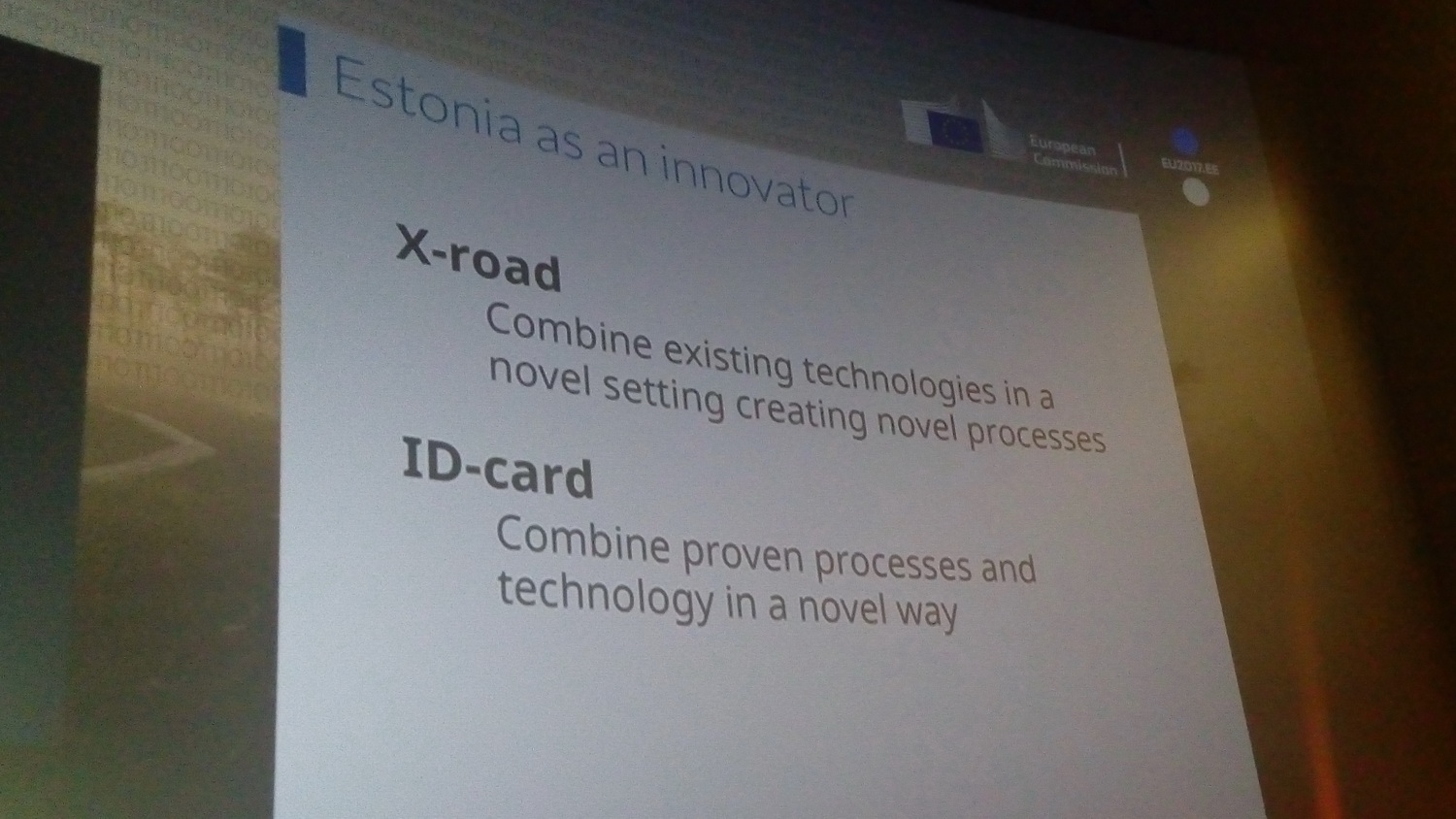
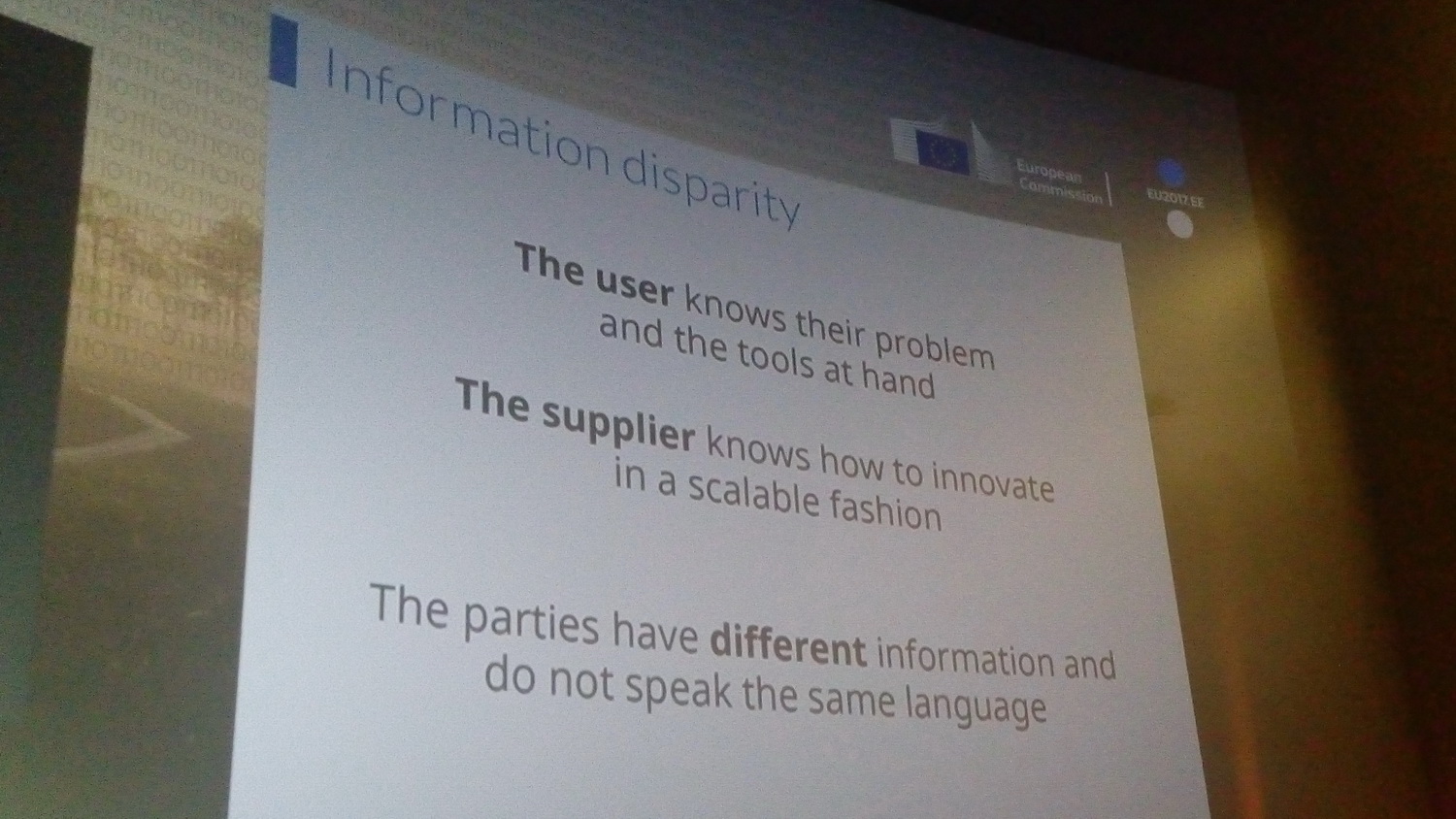
e-solutions in Estonia – living proof of innovation procurements
Andres Kutt, Former advisor, Information System Authority, Estonia



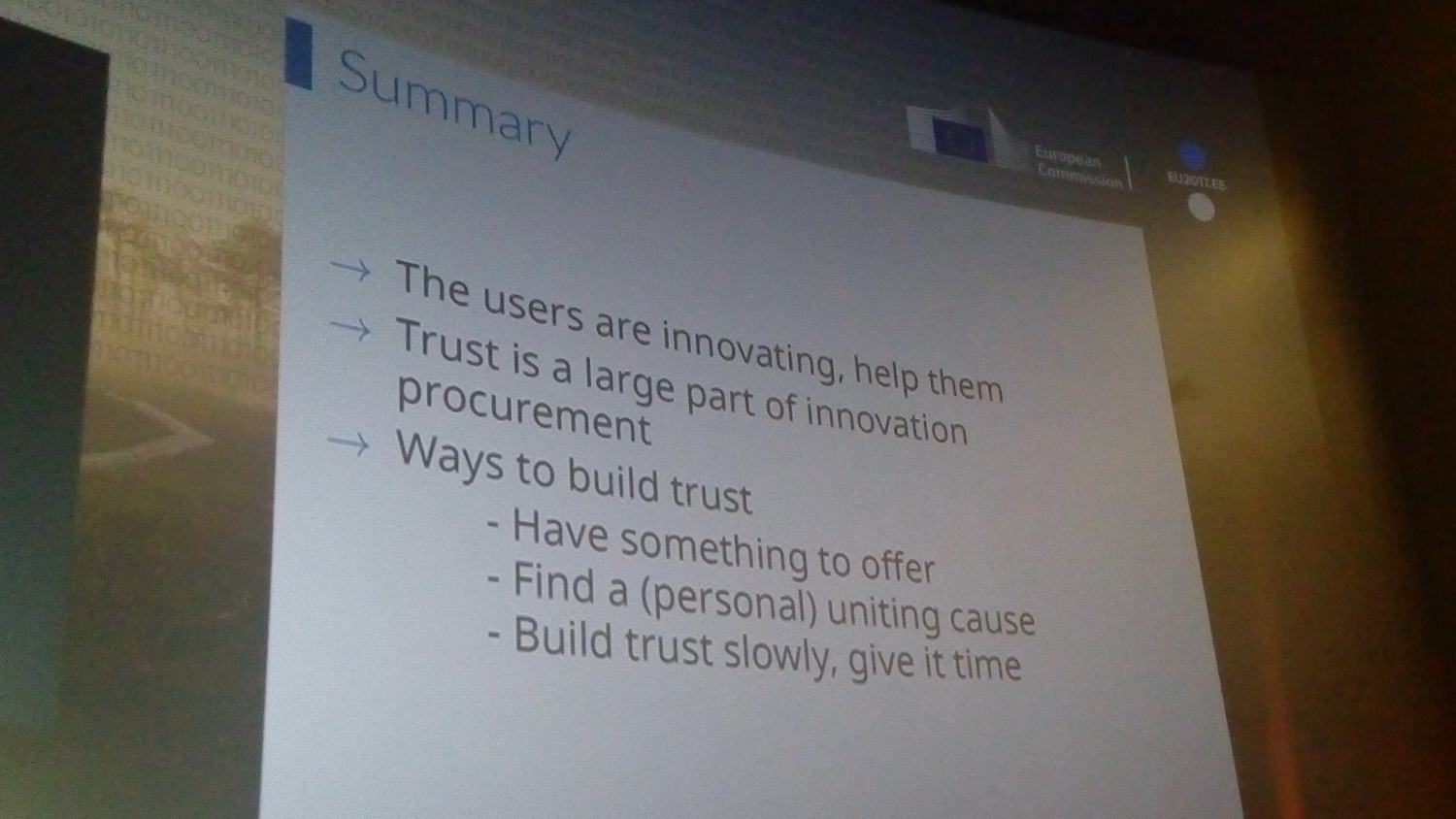
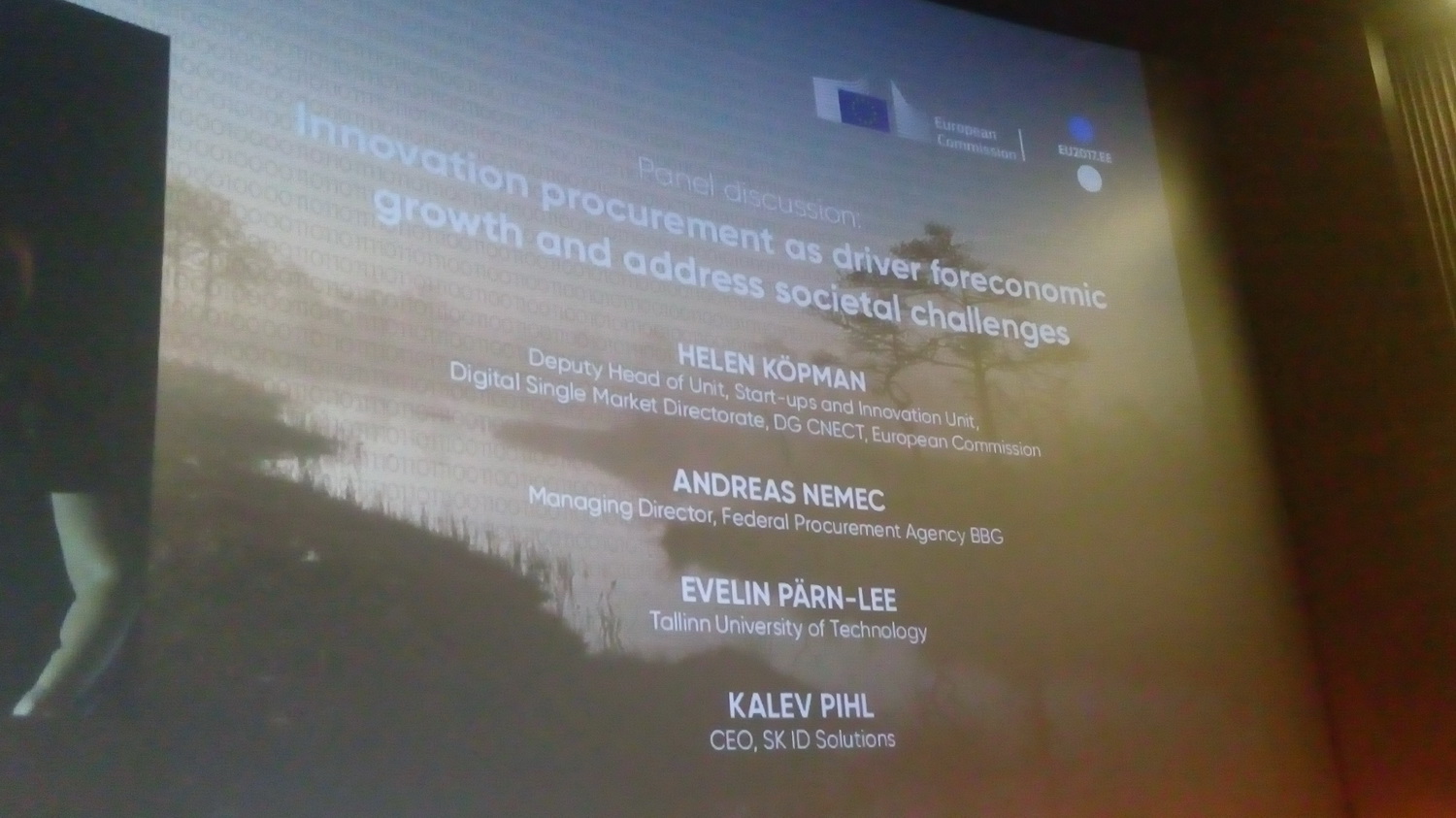
Panel discussion: Innovation procurement as driver for economic growth and address secretol challenges
Moderator: Gaynor Whyles, Director, JERA Consulting Ltd
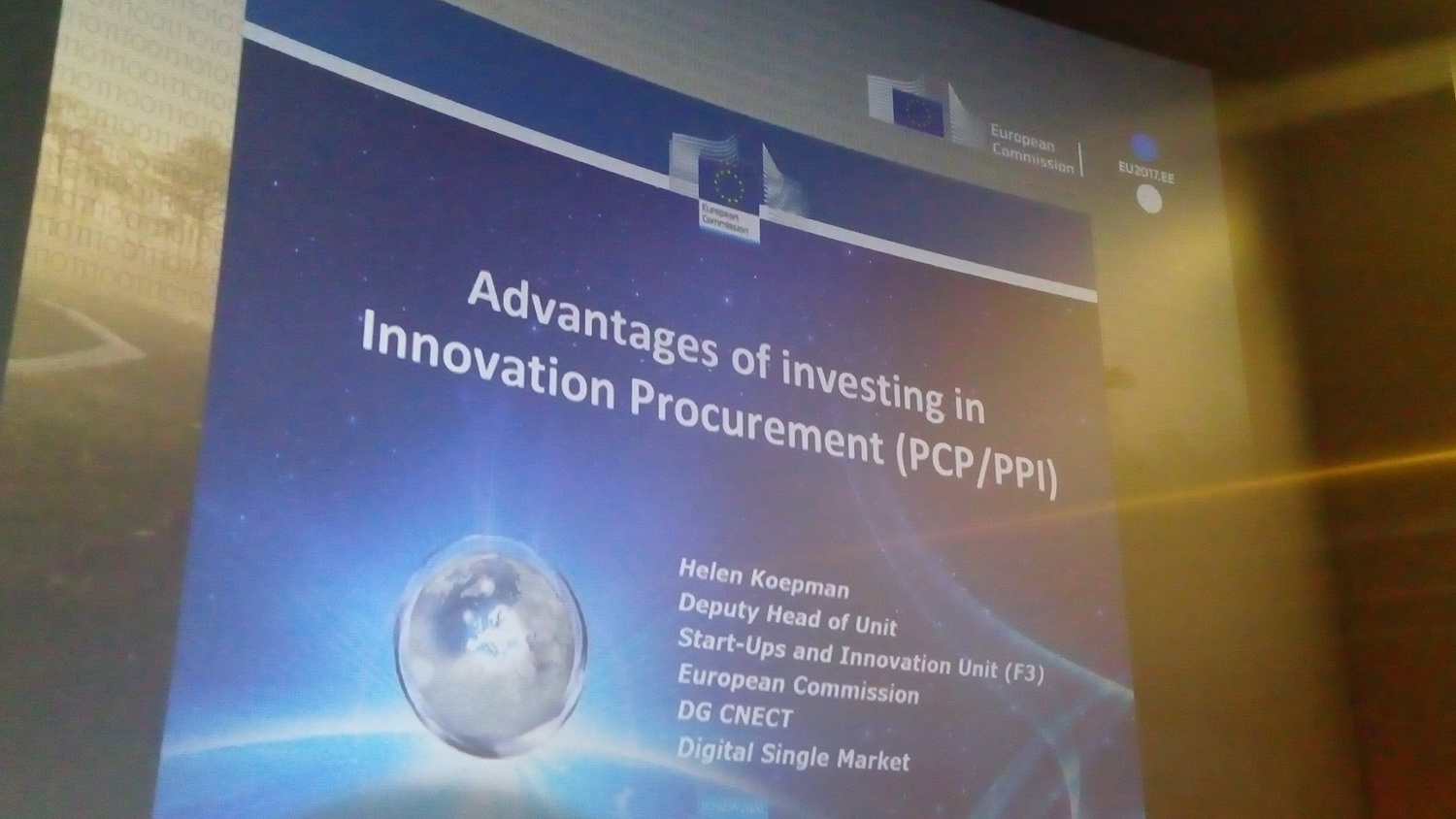
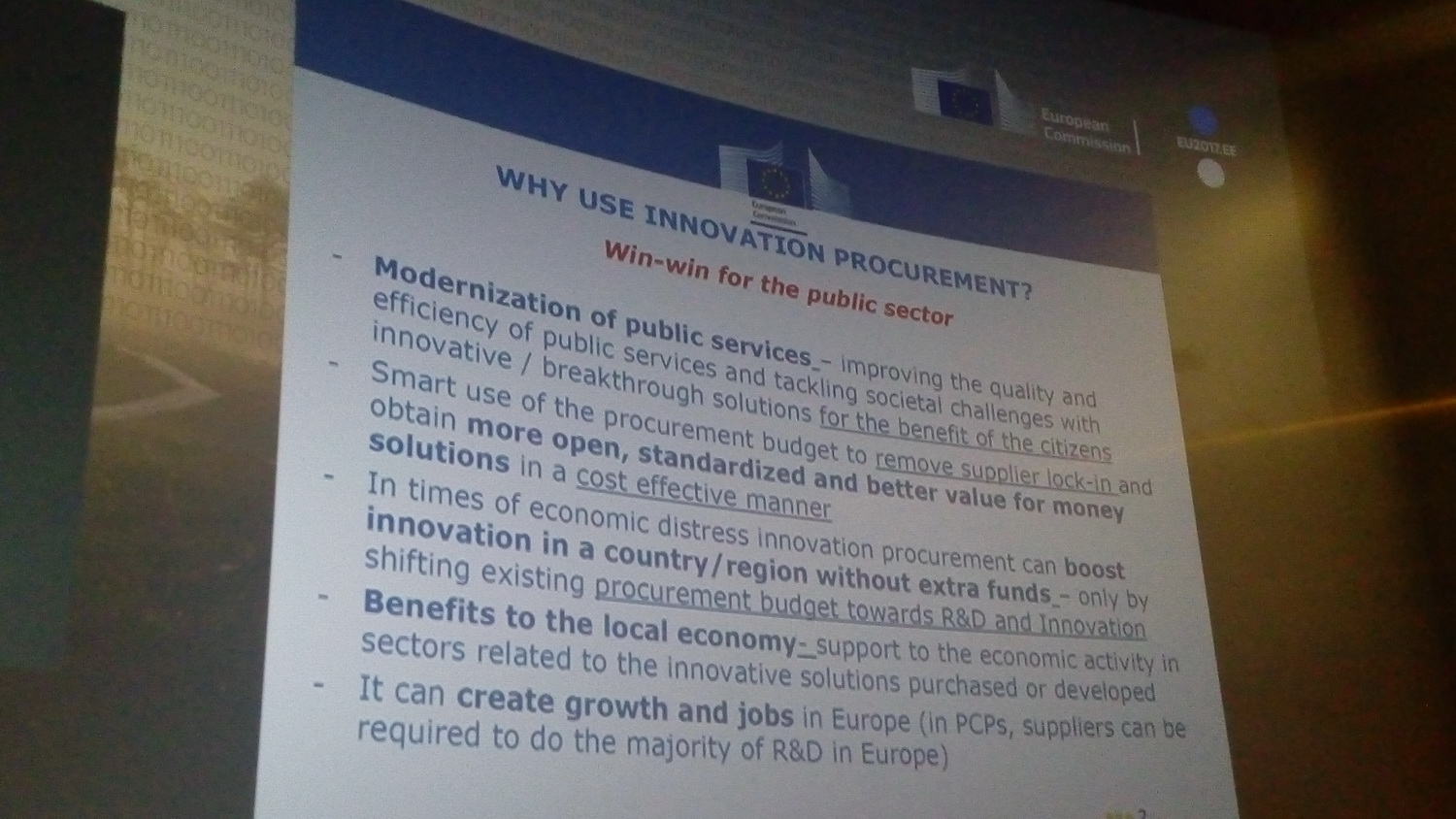
Helen Kopman, Deputy Head of Unit, Start-ups and Innovation Unit, Digital Single Market Directorate, DG CNECT, European Commission
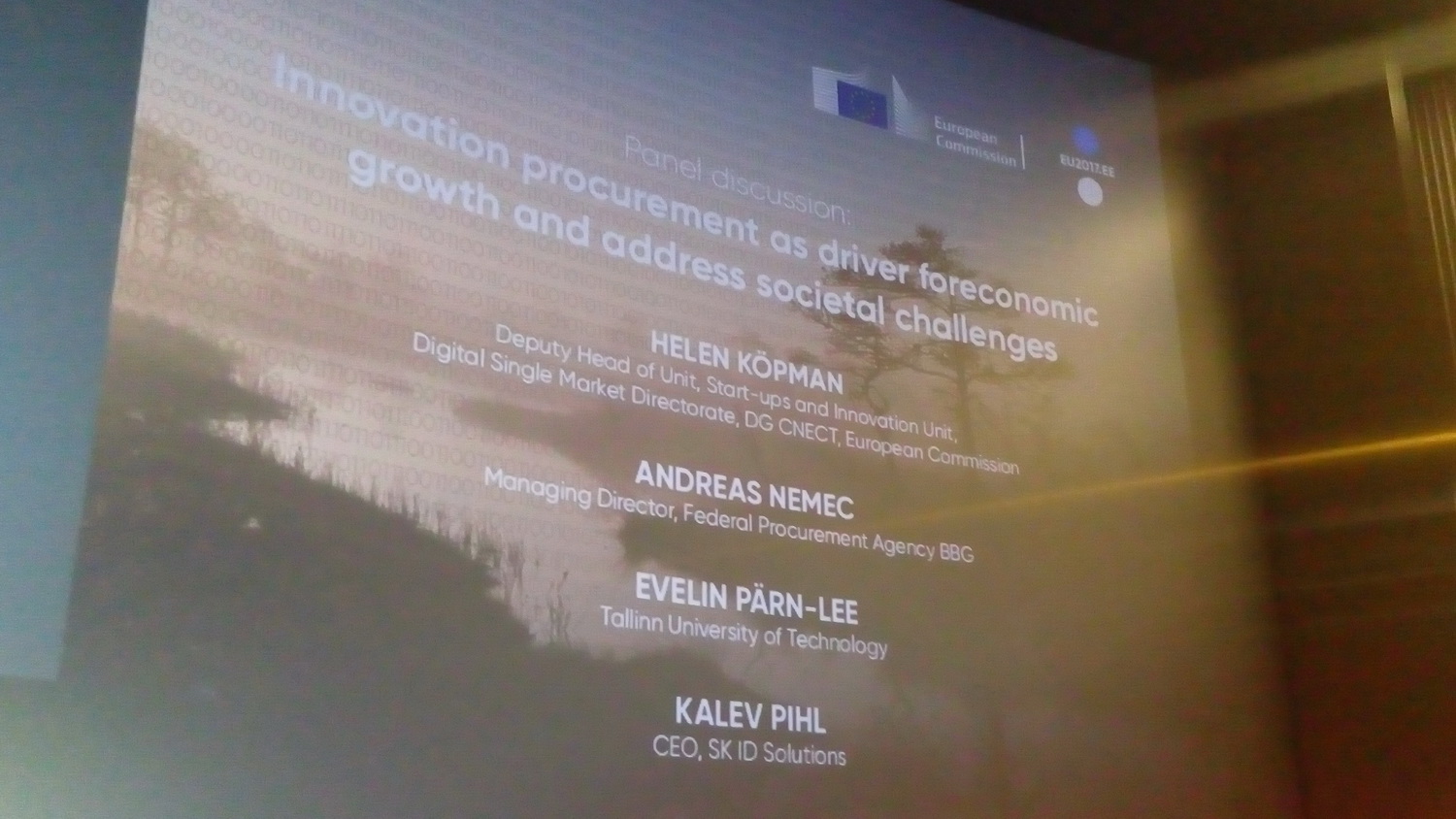






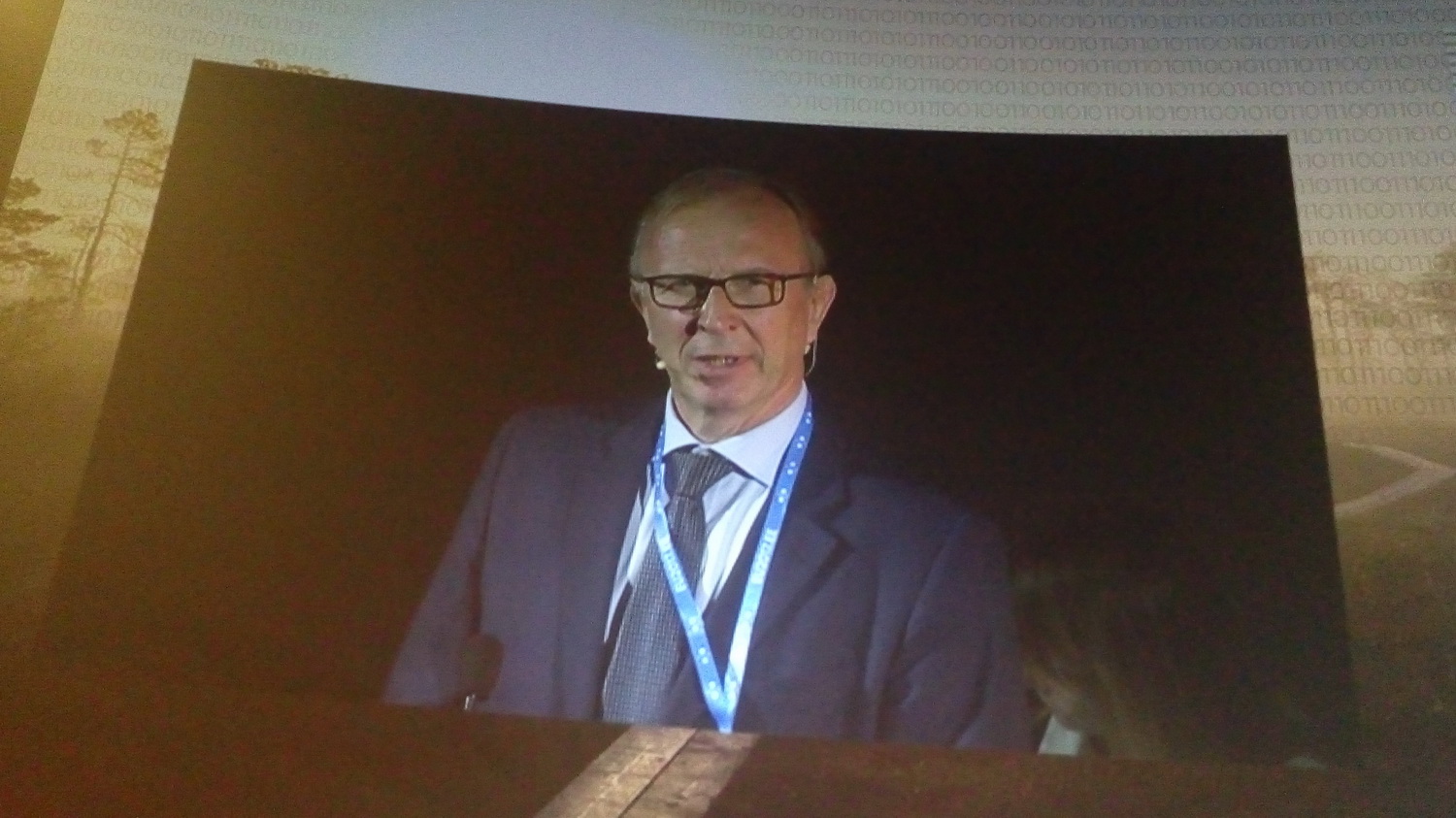
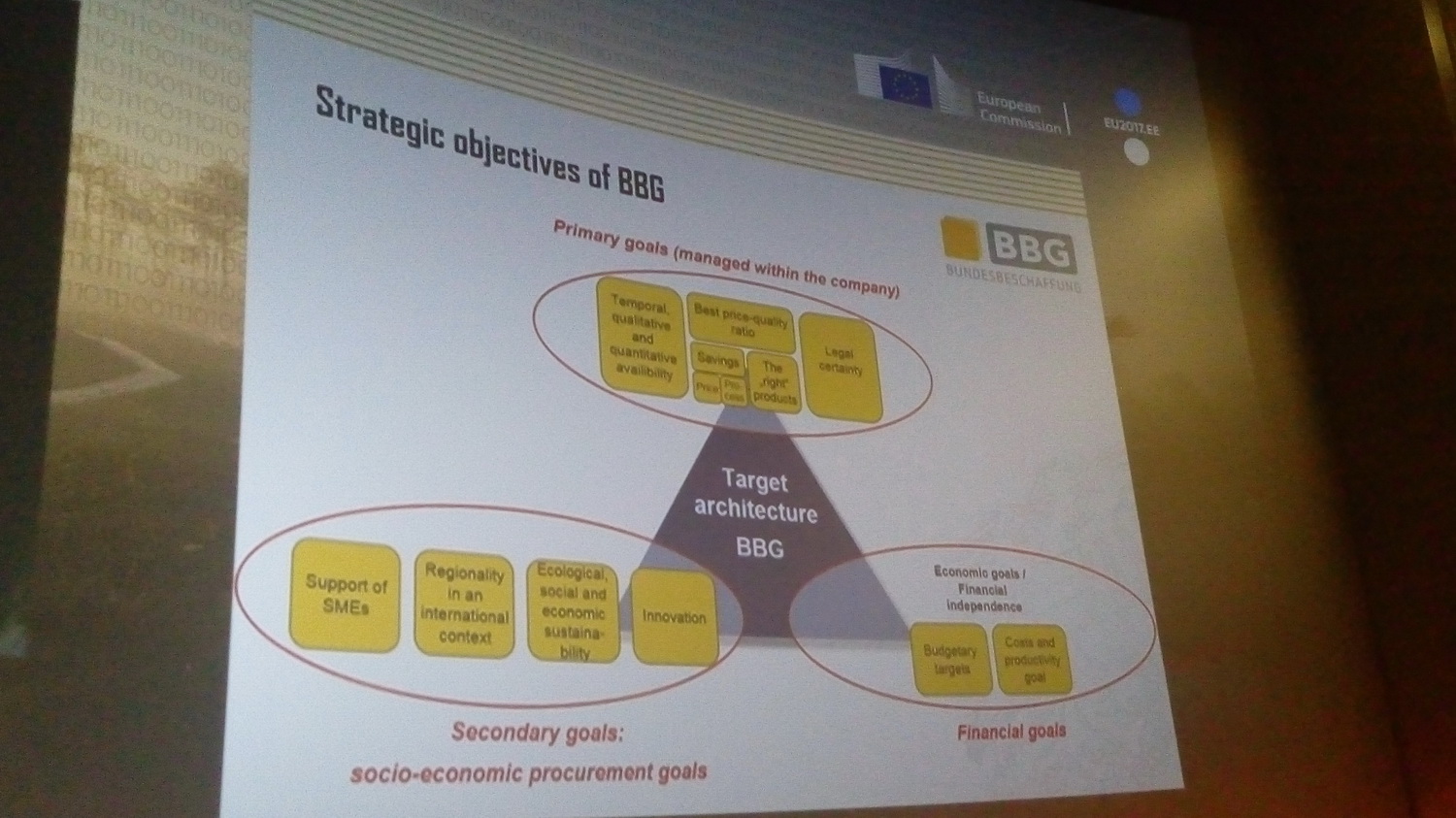
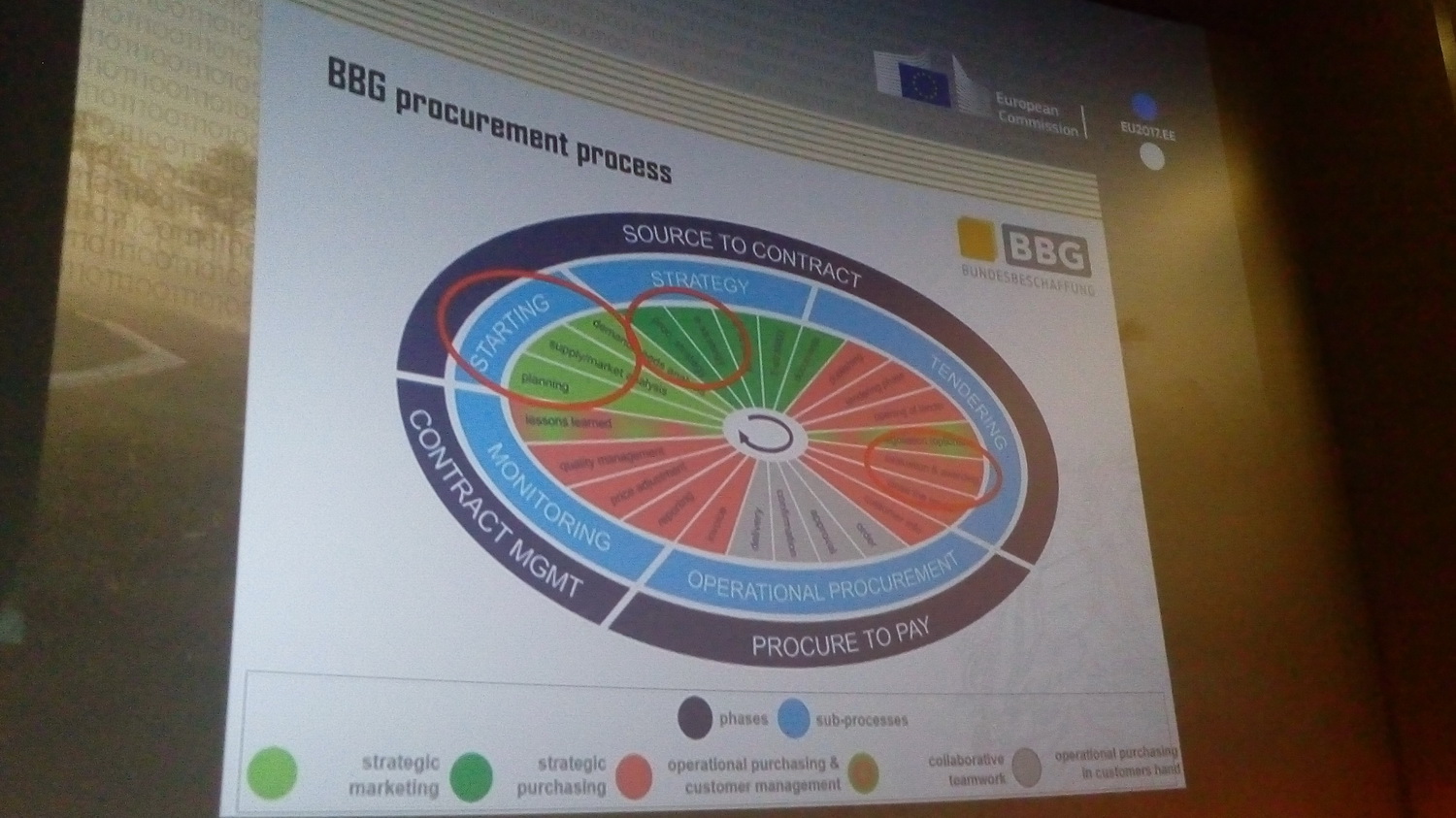
Andreas Nemec, Managing Director, Federal Procurement Agency BBG, Austria



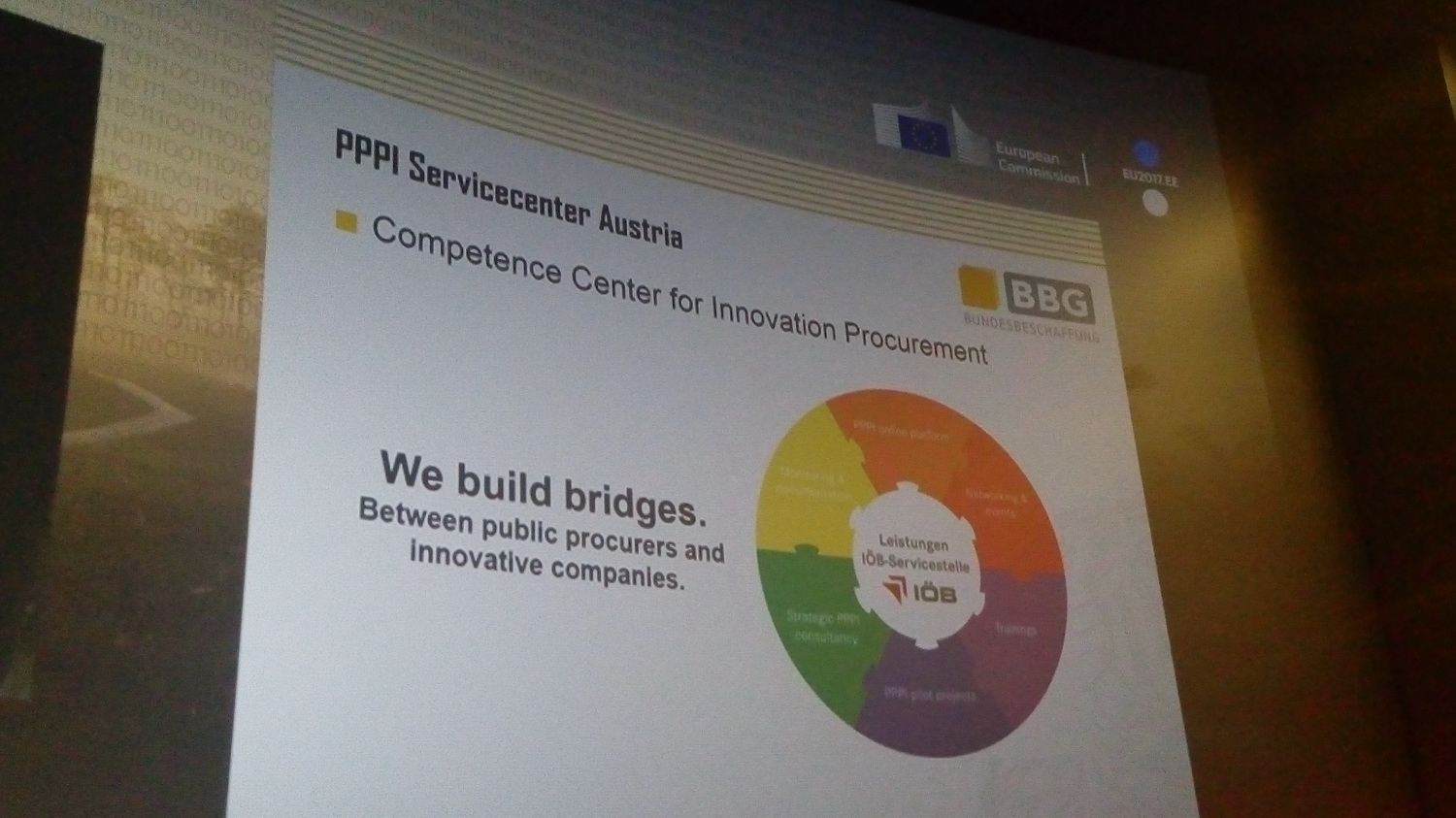
Evelin Porn-Lee, Tallinn University of Technology, Estonia

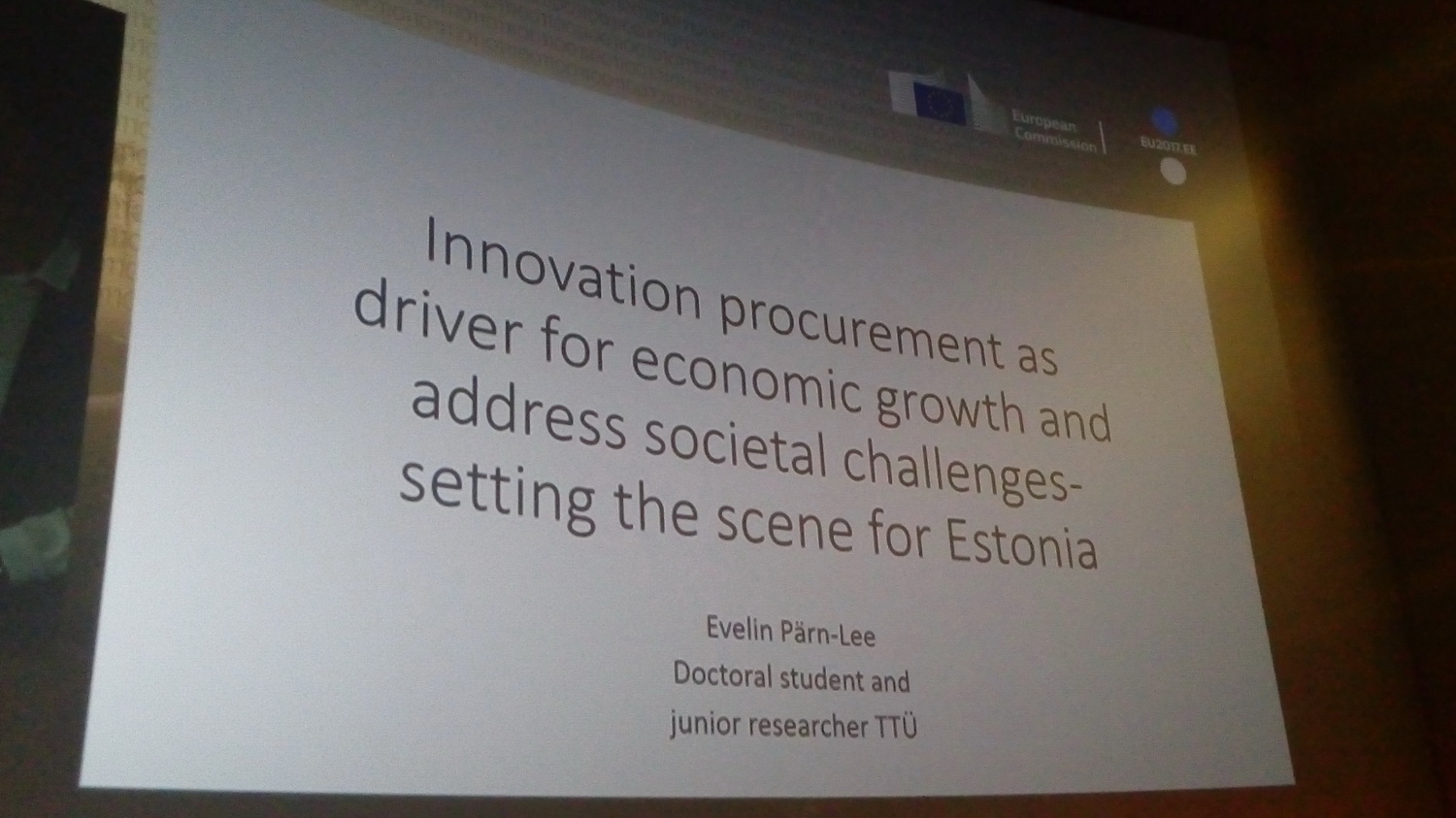
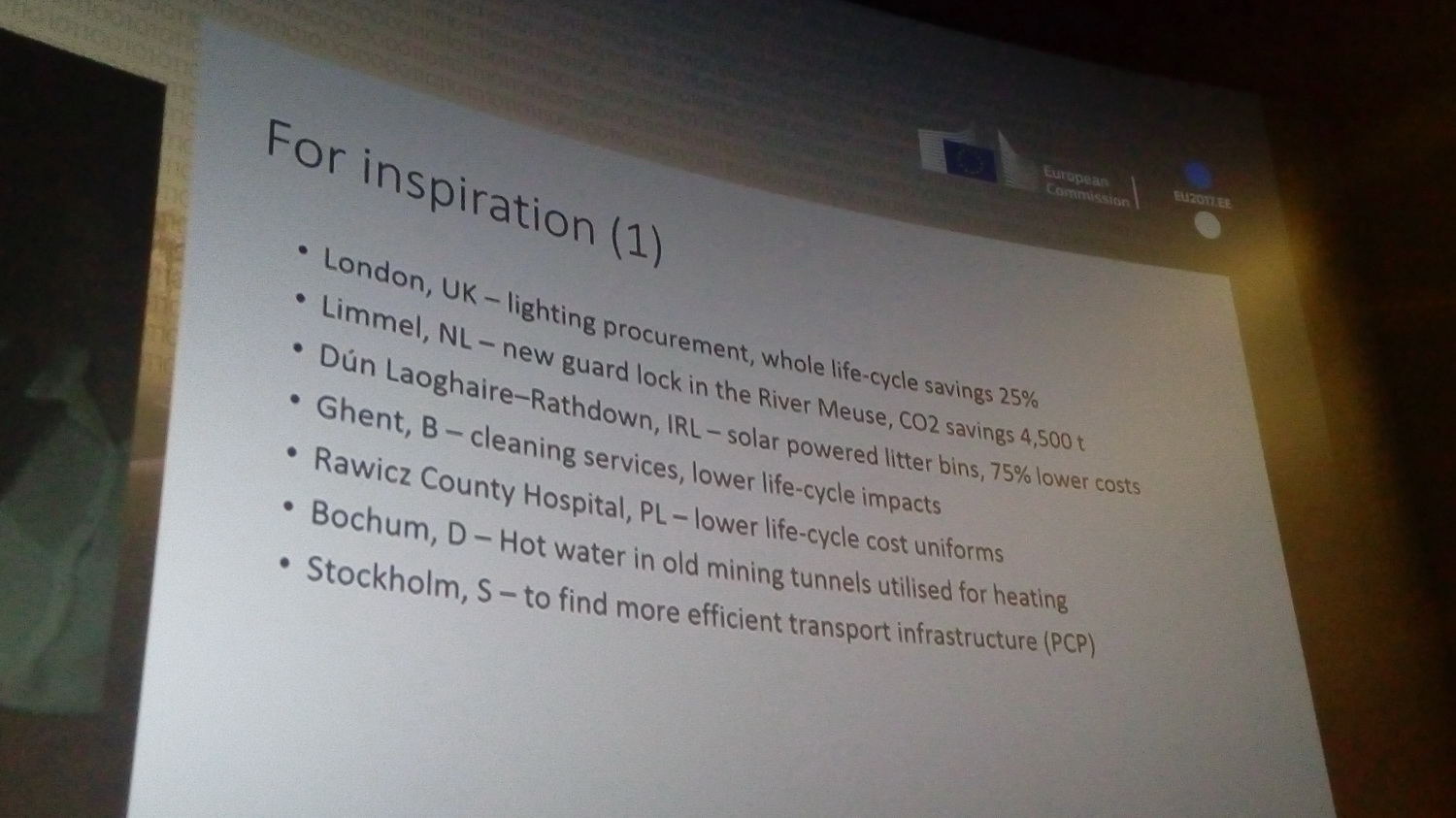
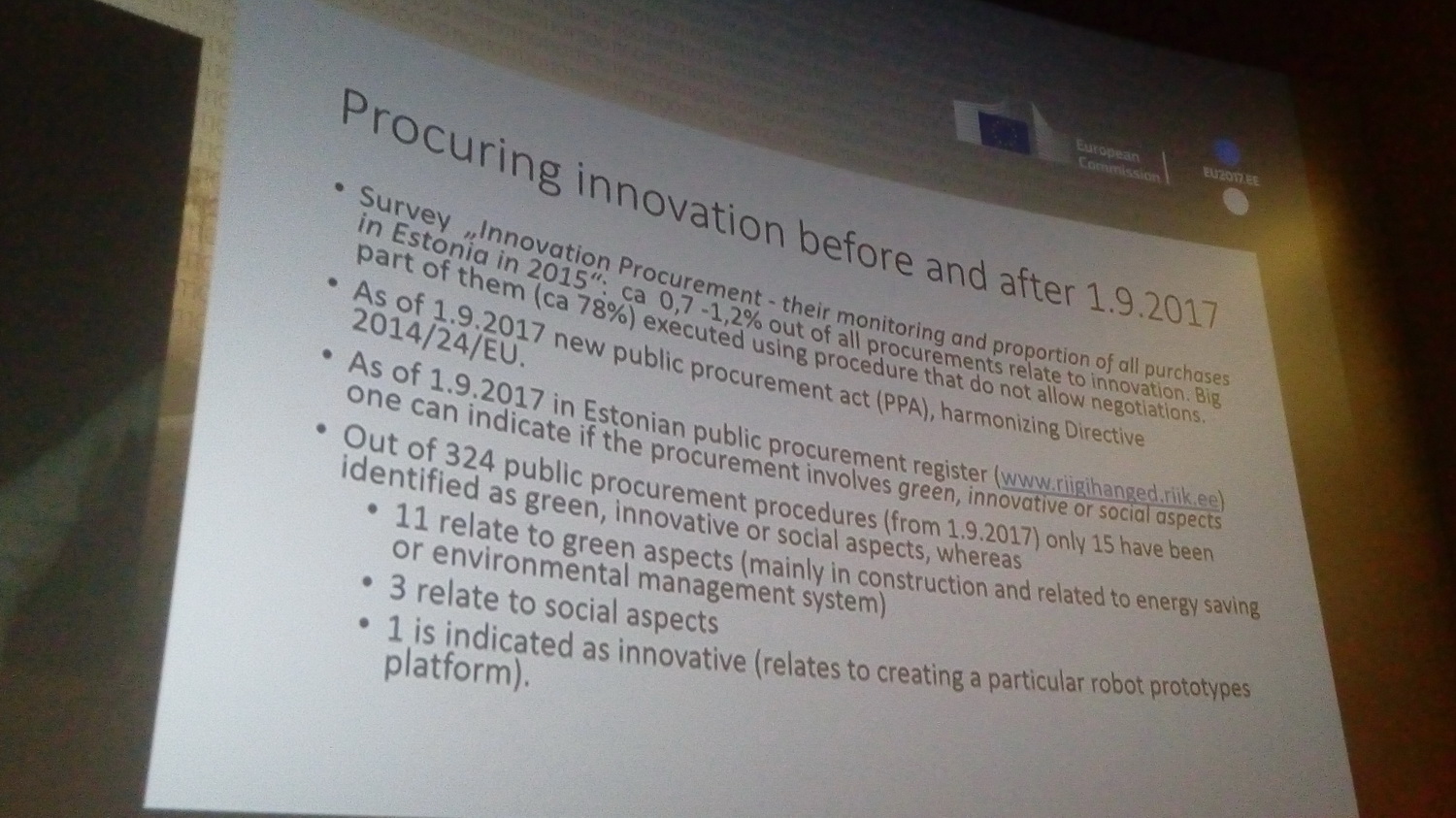

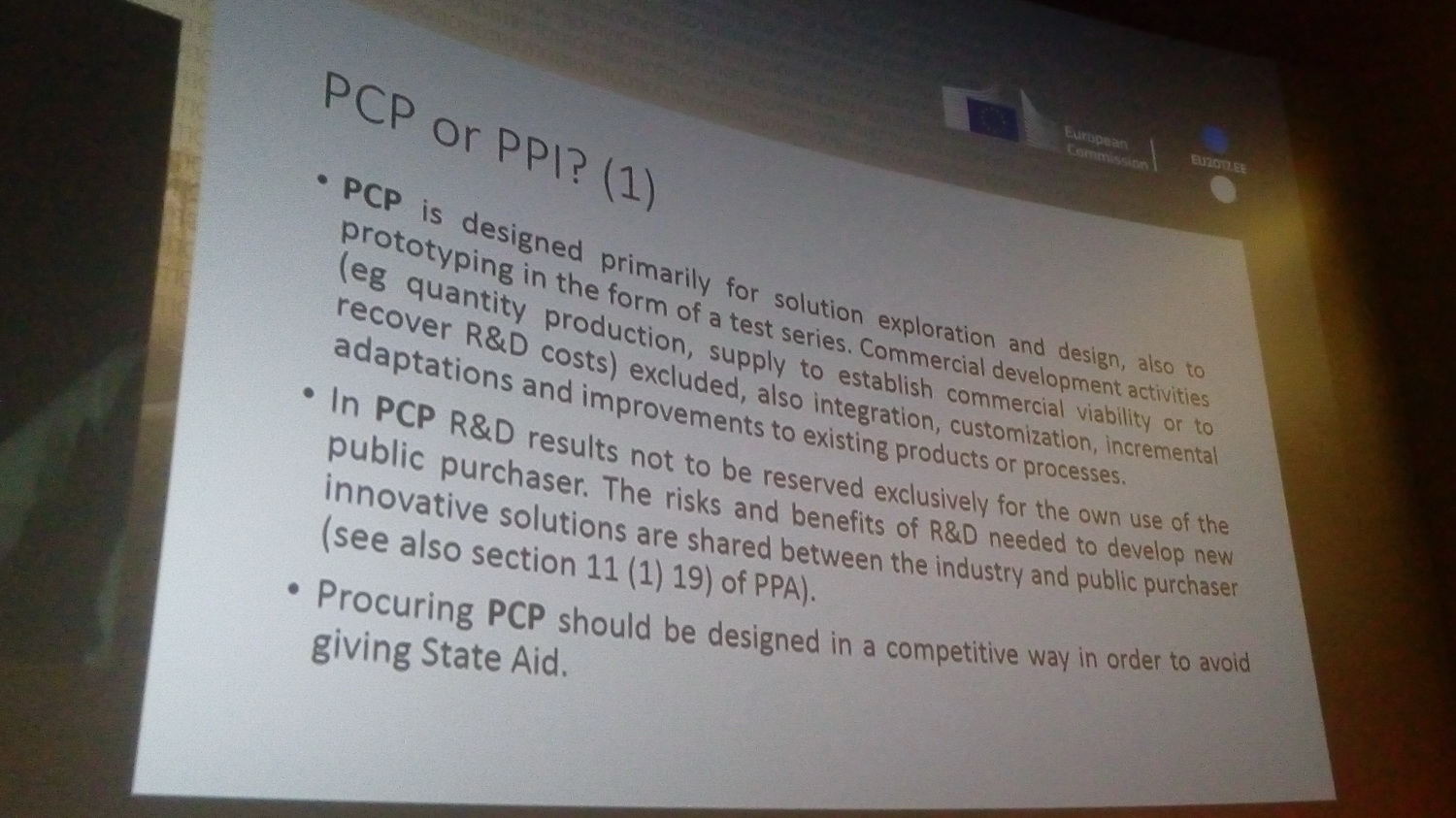
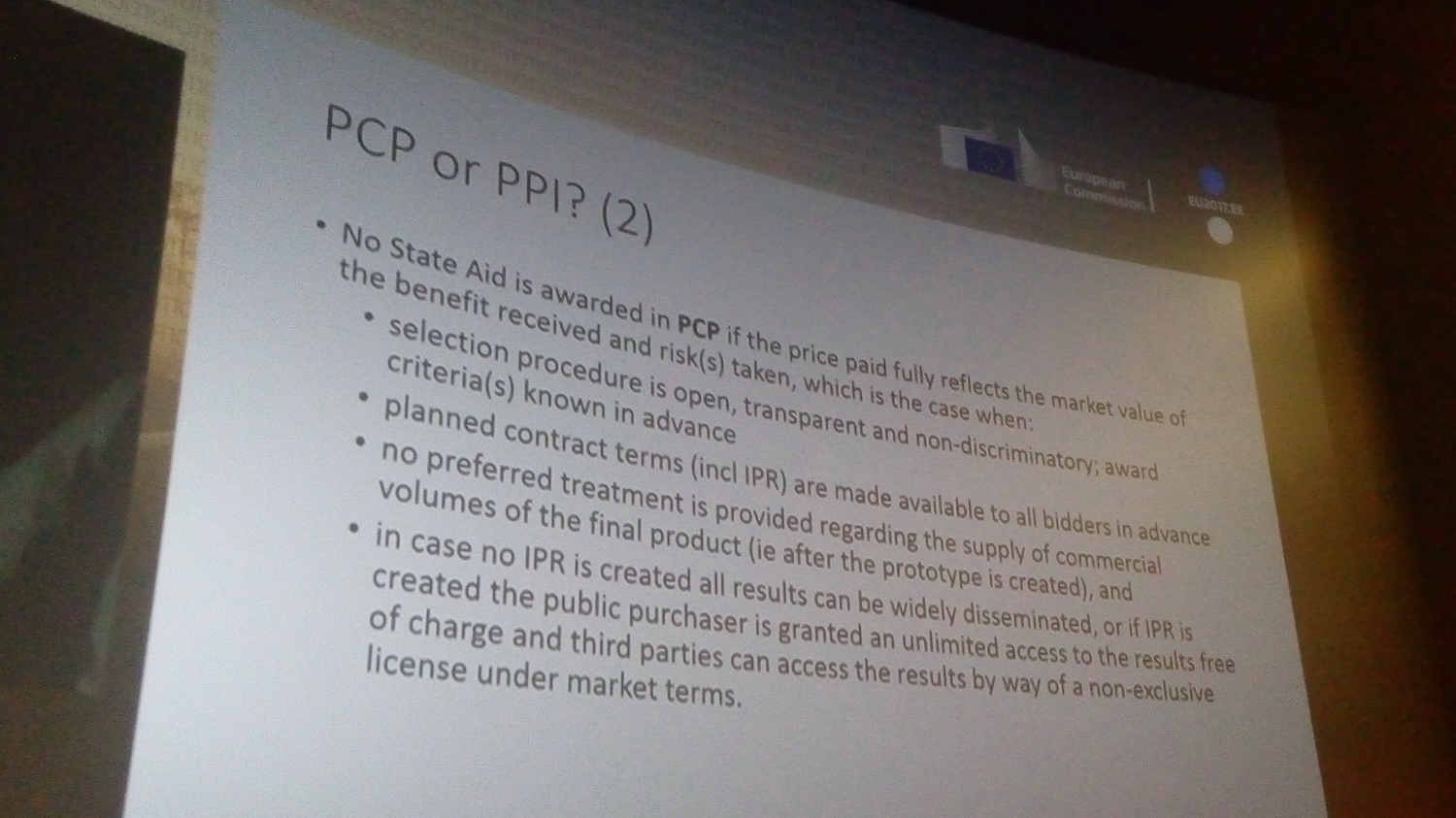

Kalev Pihl, CEO, SK ID Solutions, Estonia



Session: Innovation procurement experiences (Examples and analysis of innovation procurements across Europe)
Moderator: Gaynor Whyles, Director at JERA Consulting Ltd
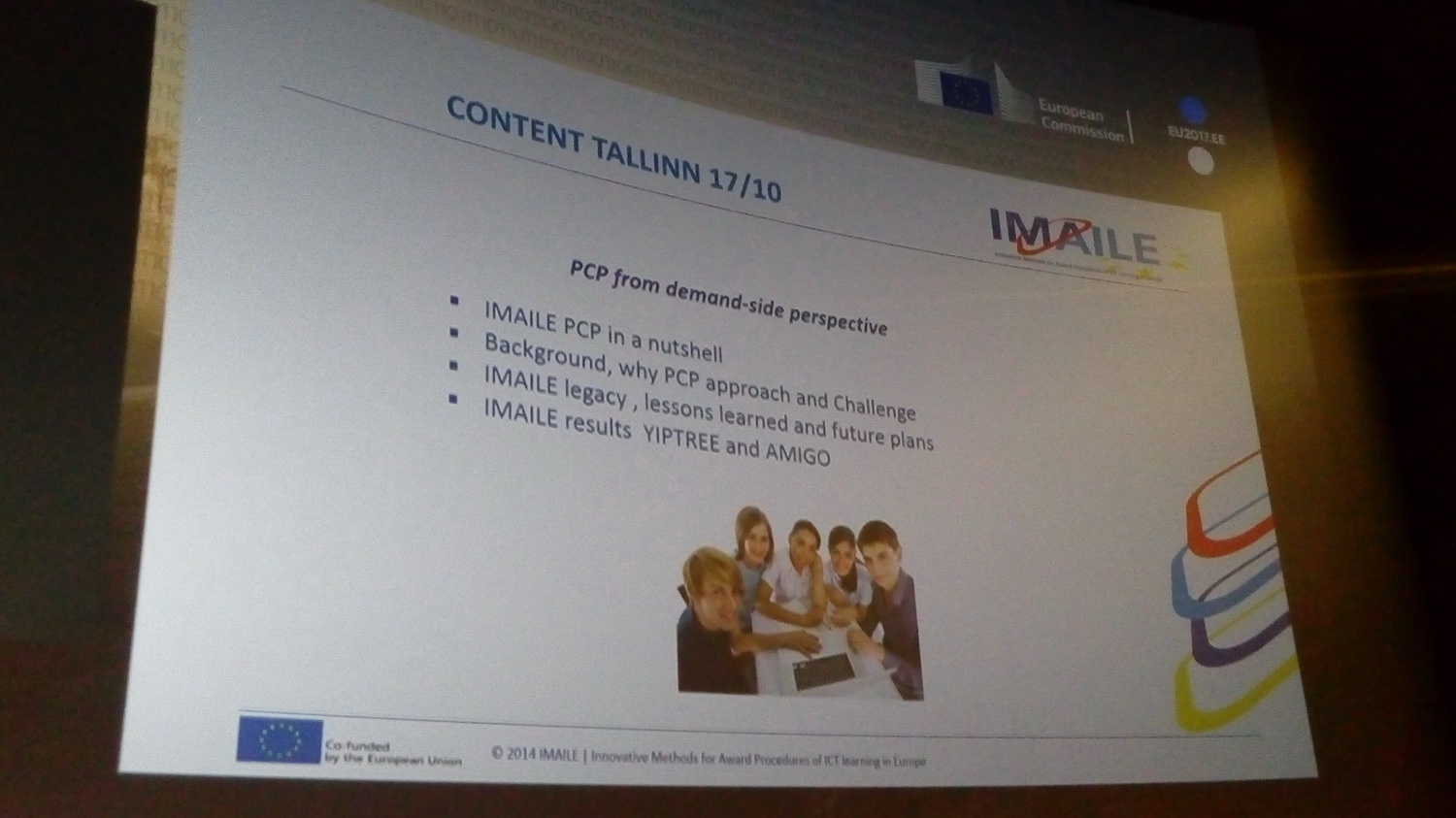
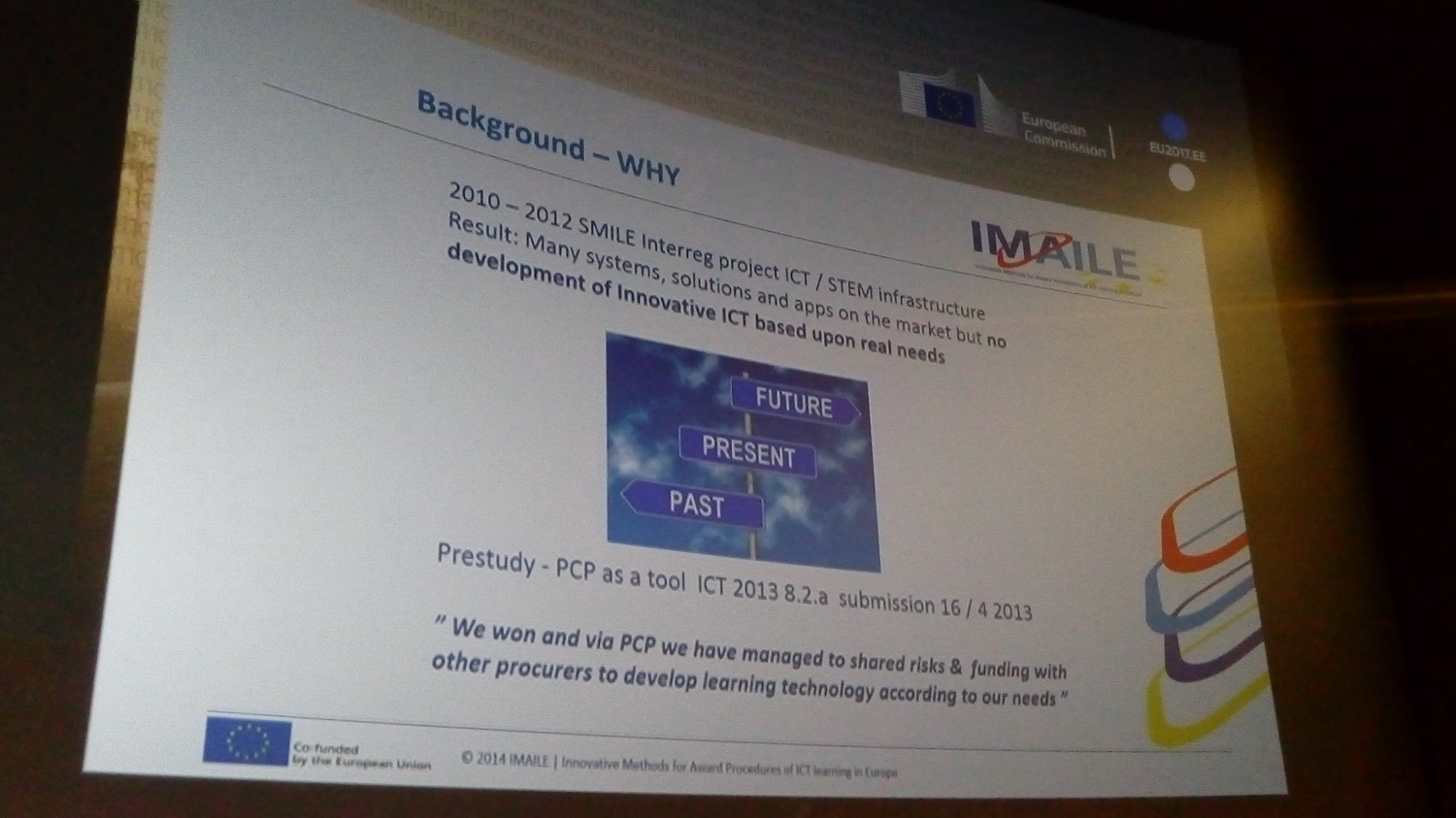
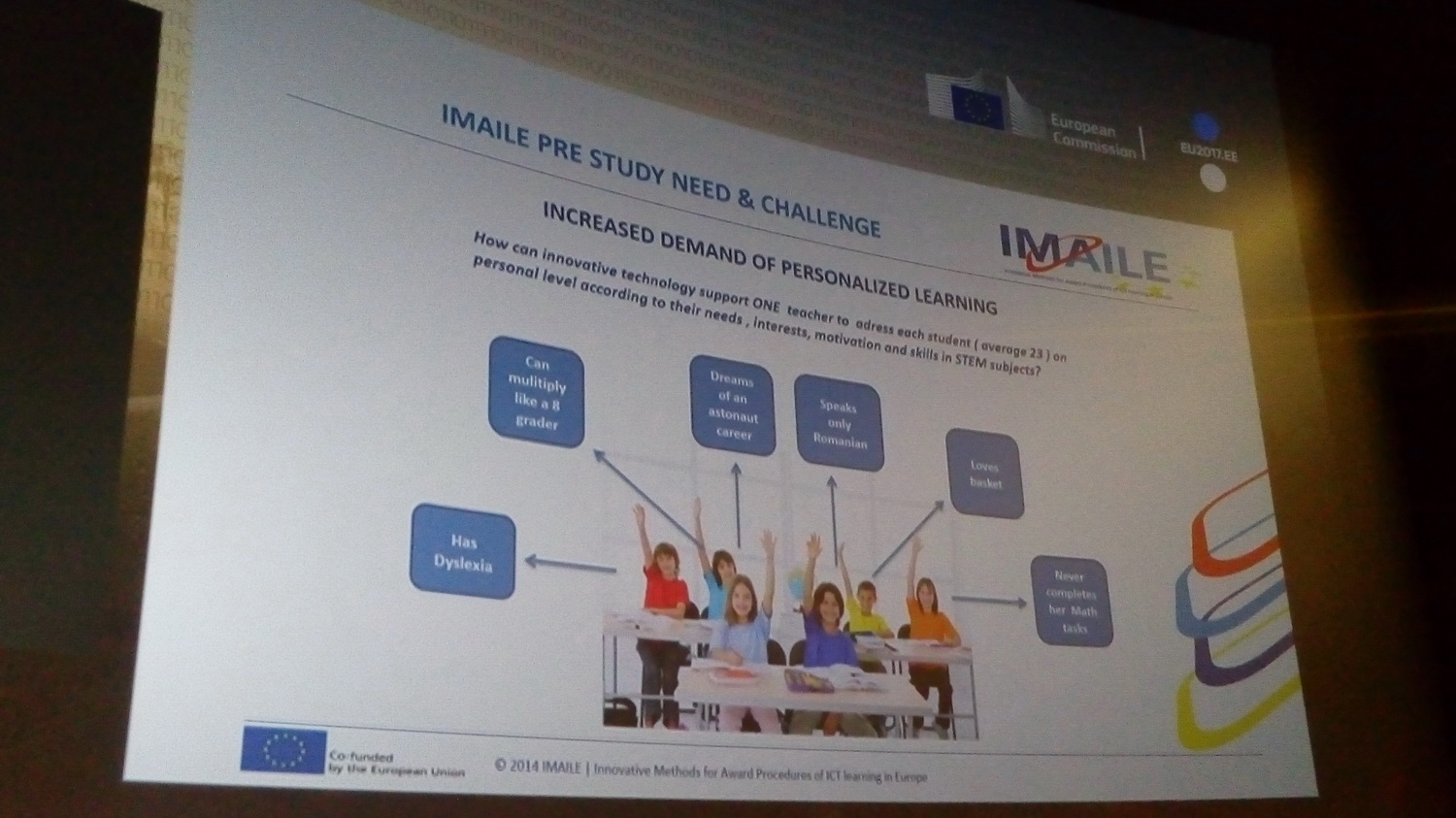
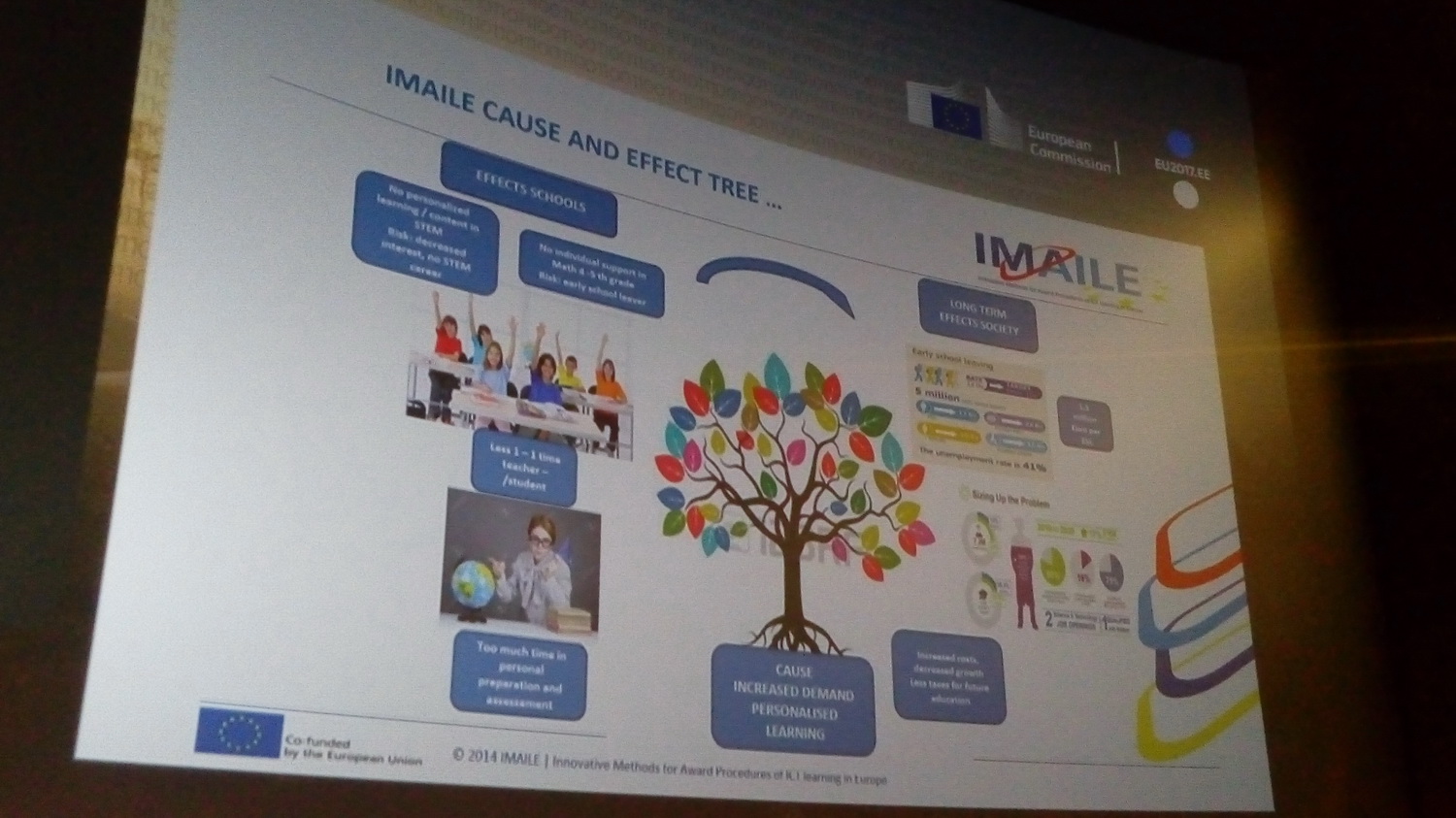
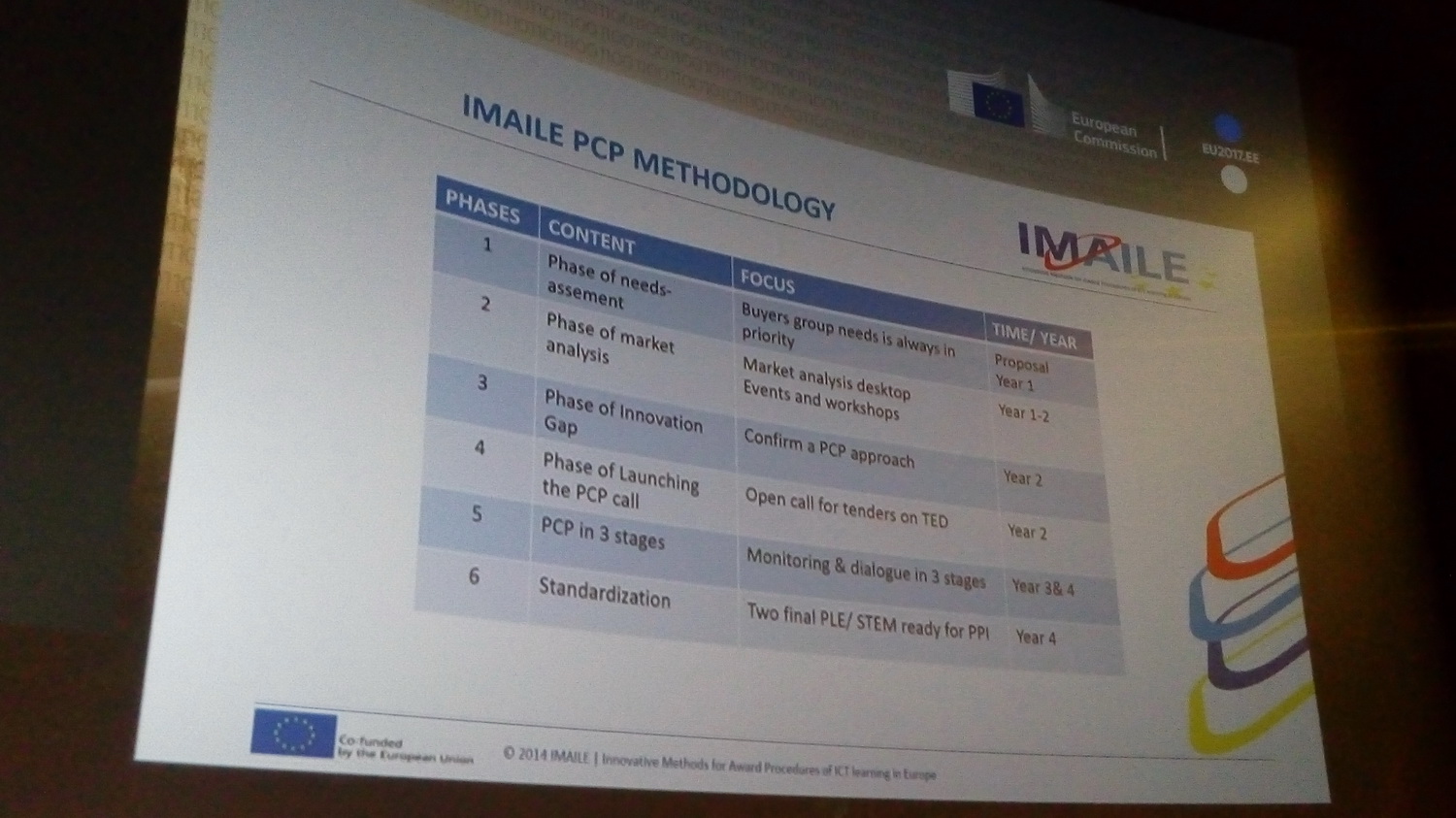
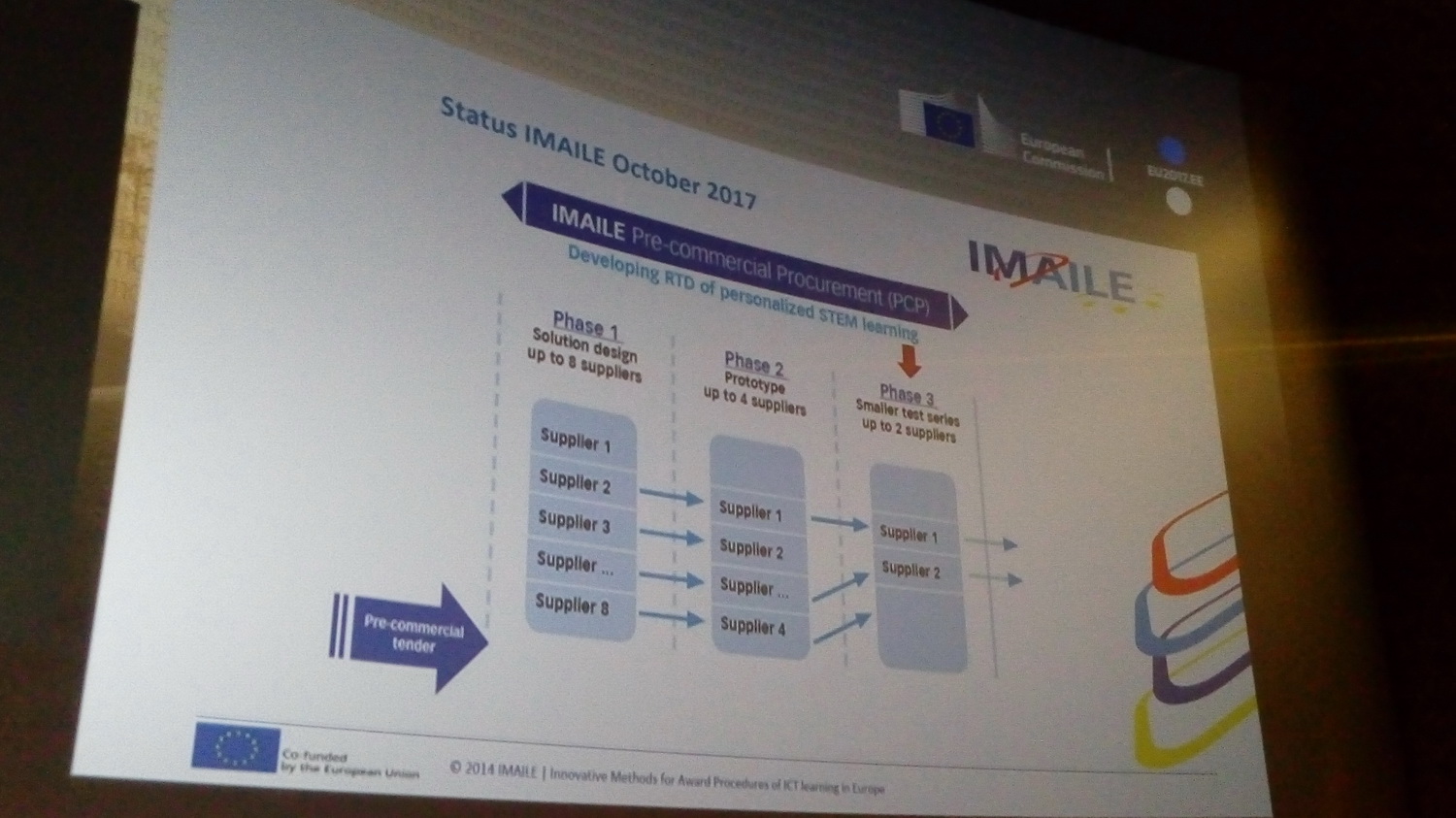
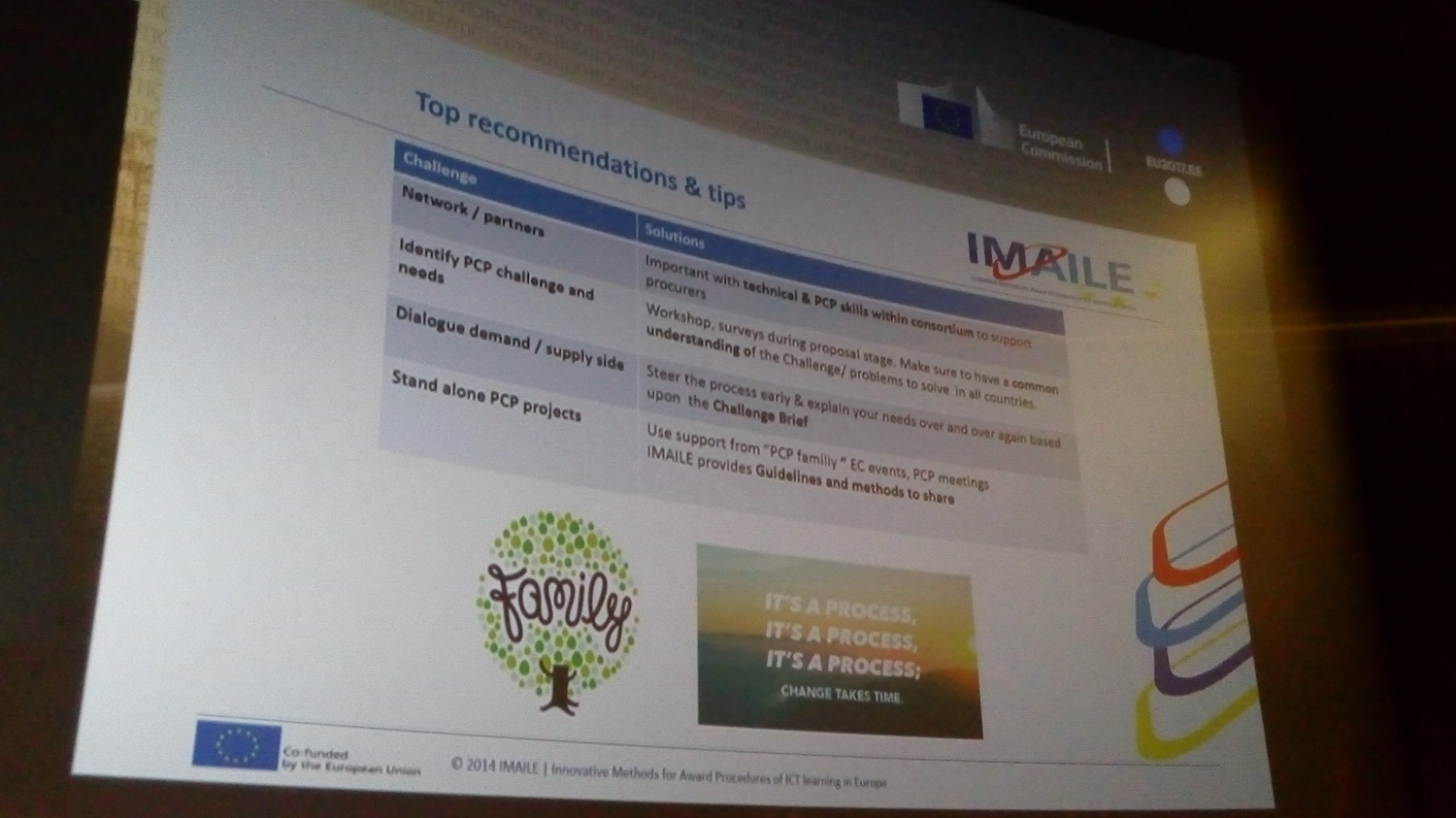
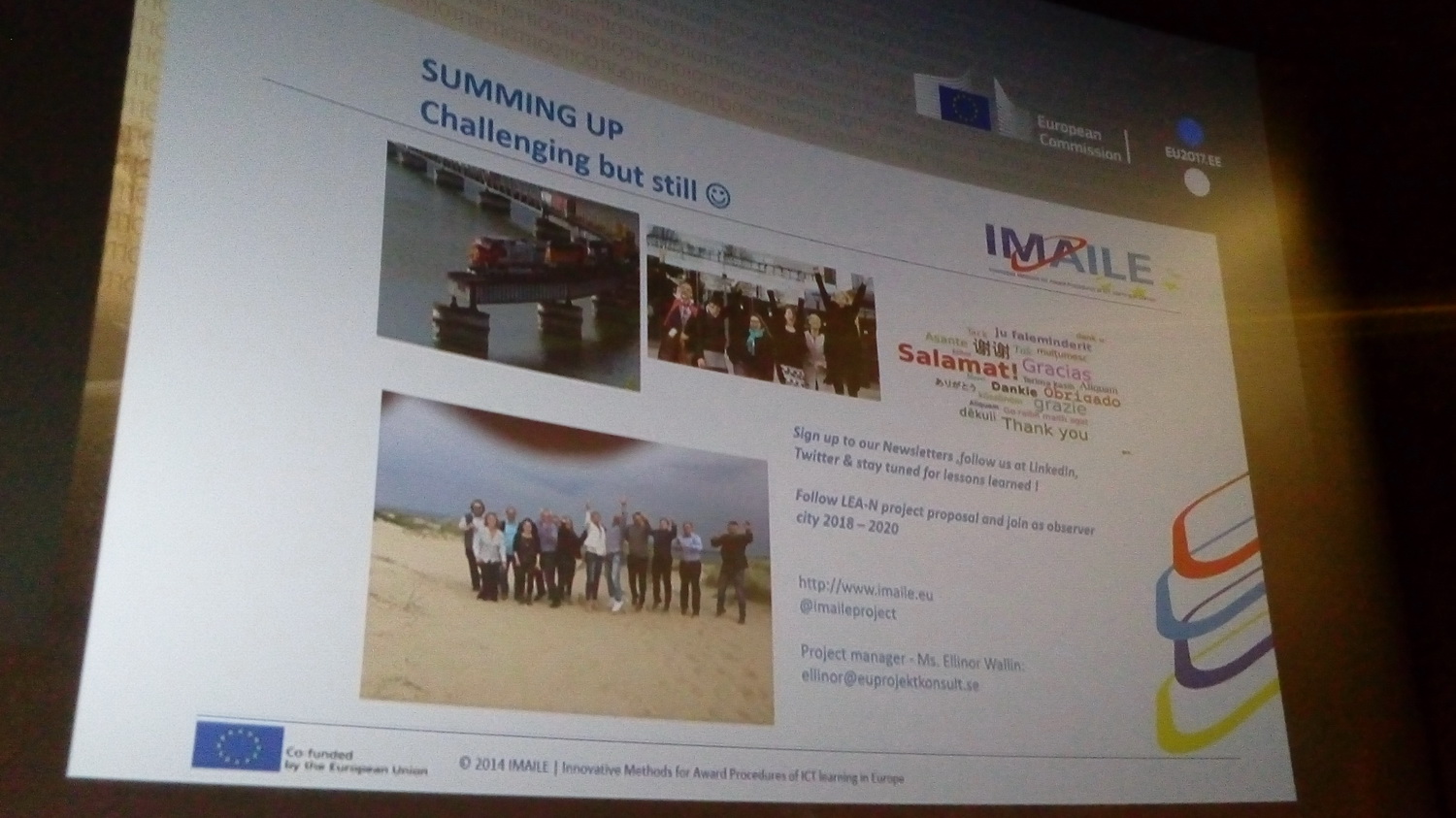
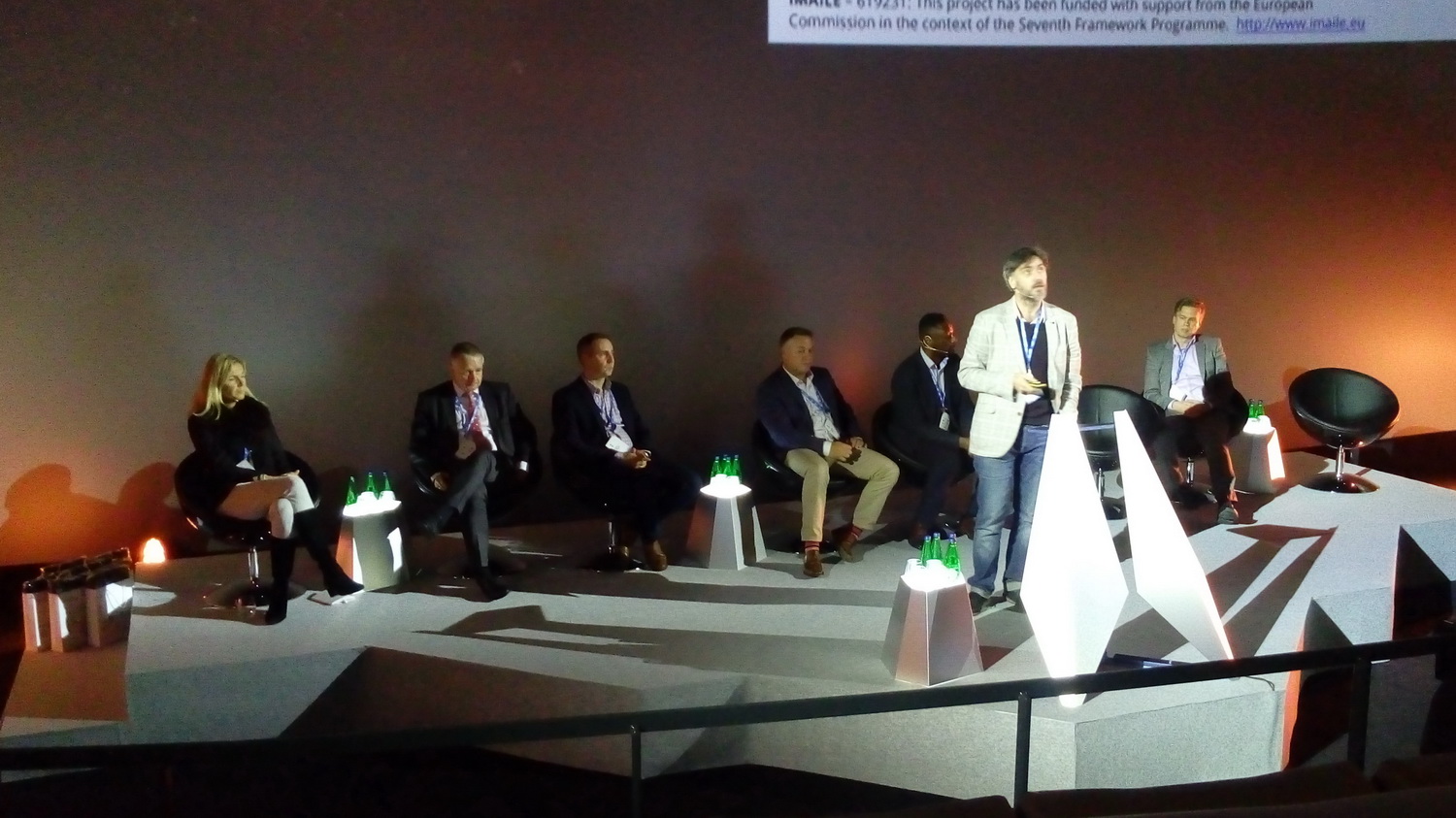
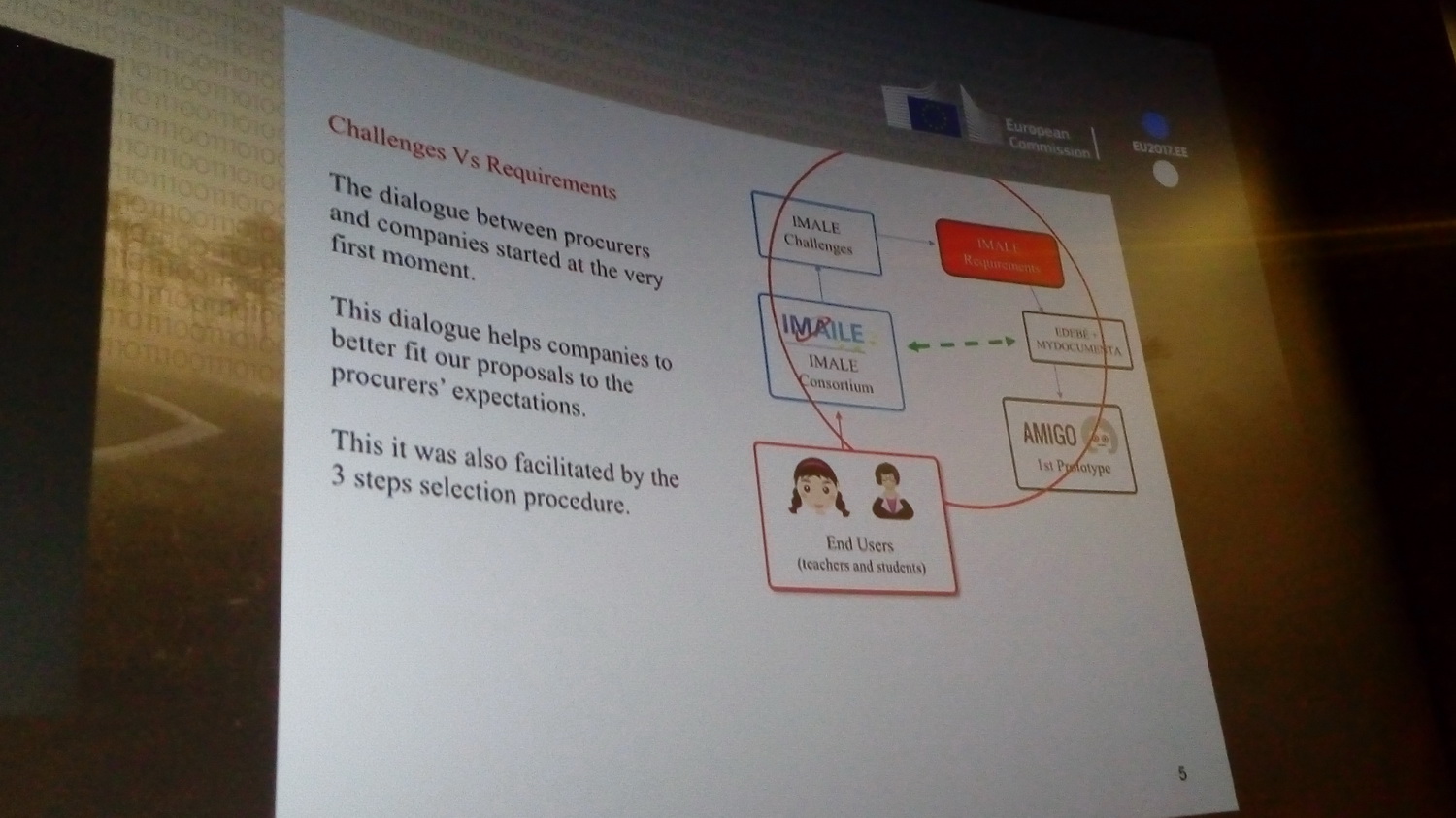
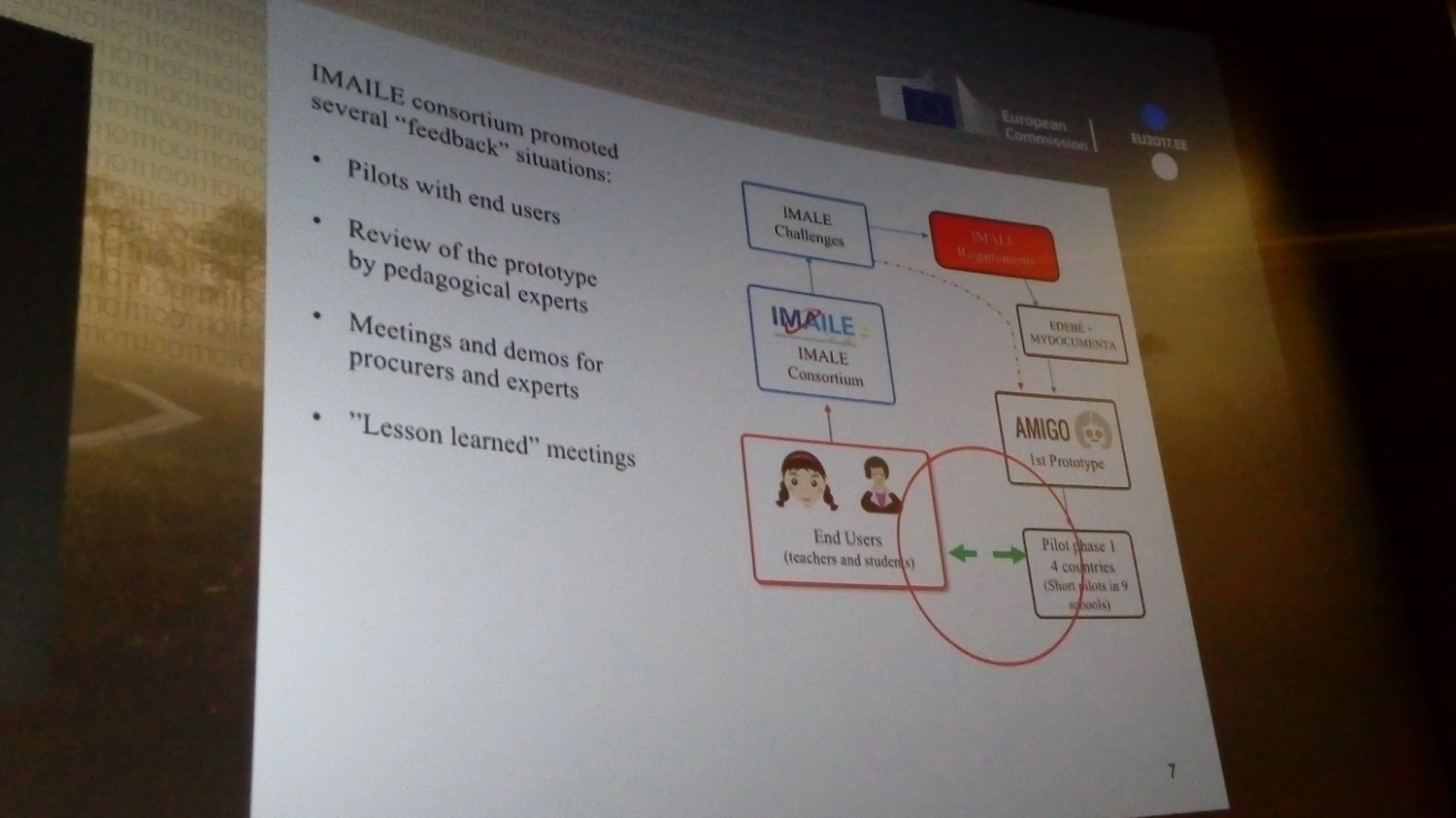
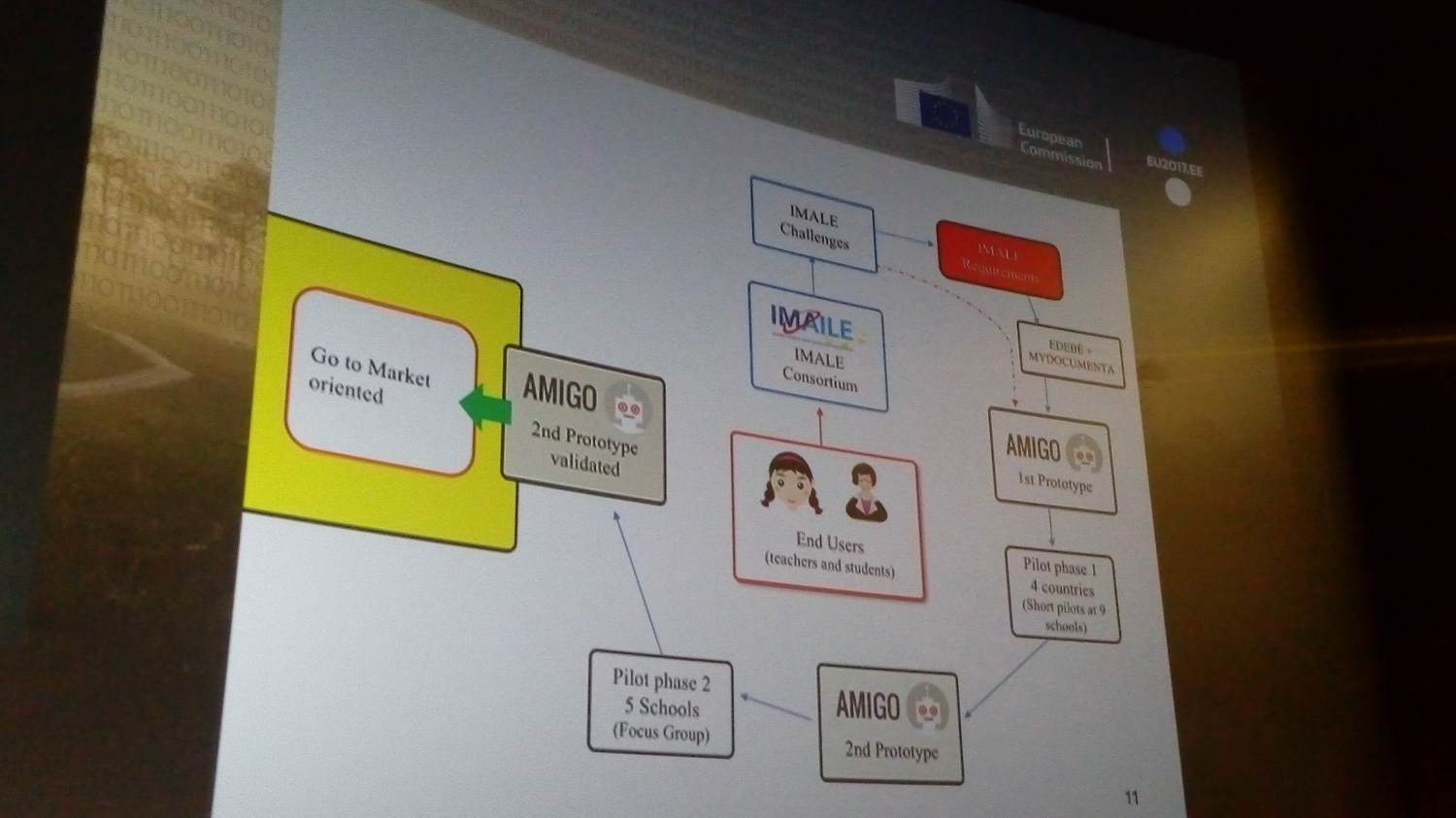
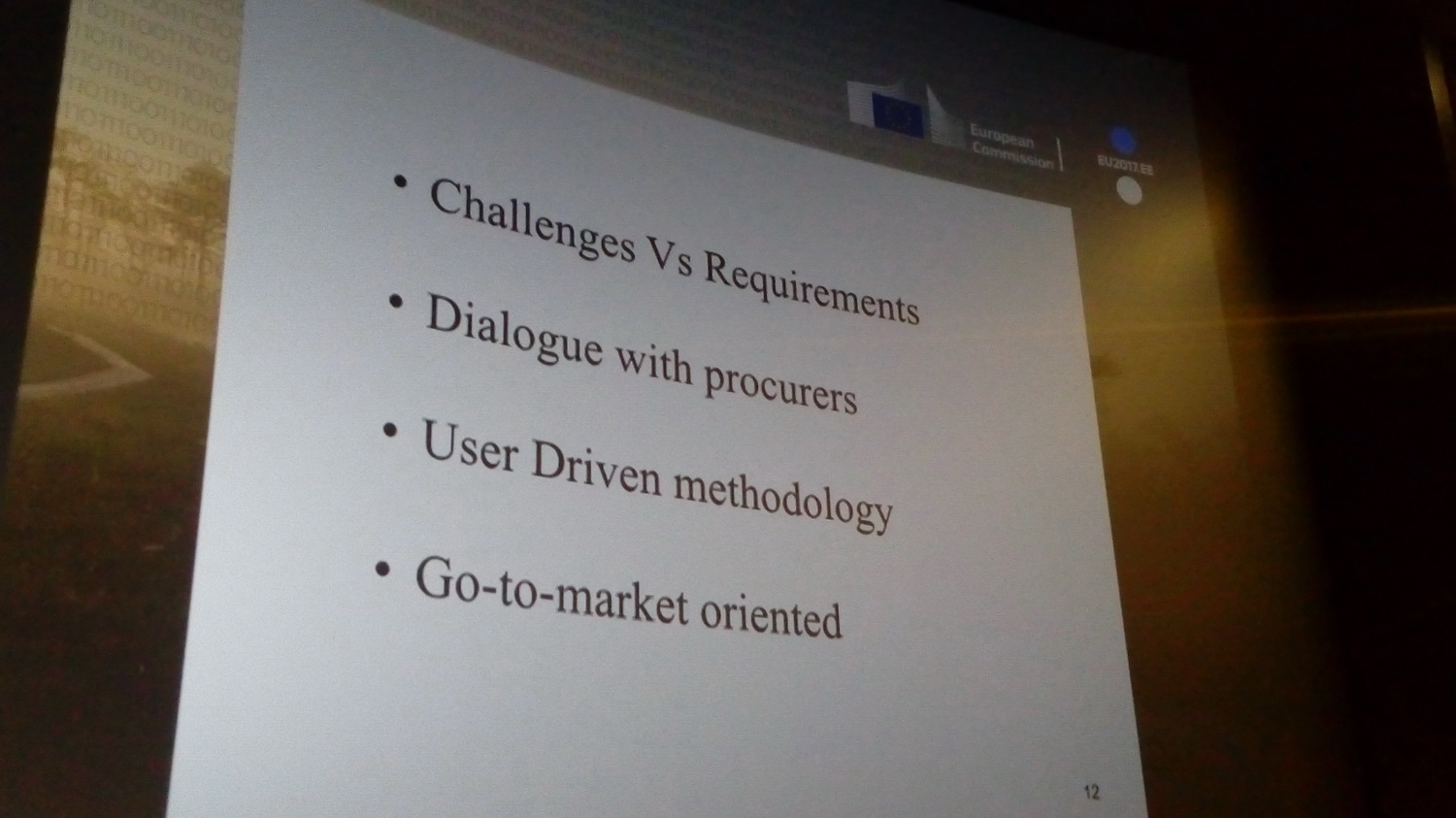
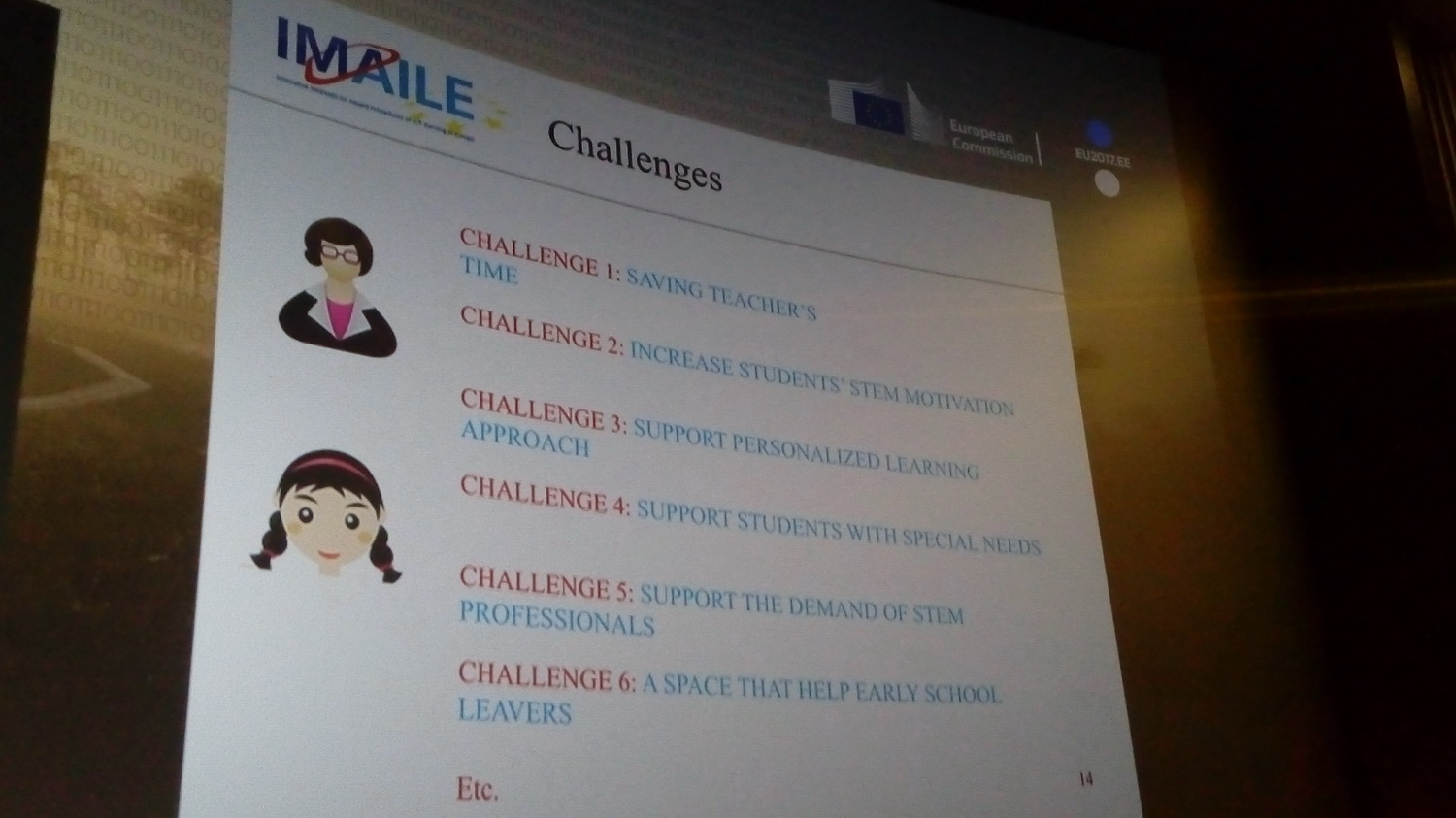
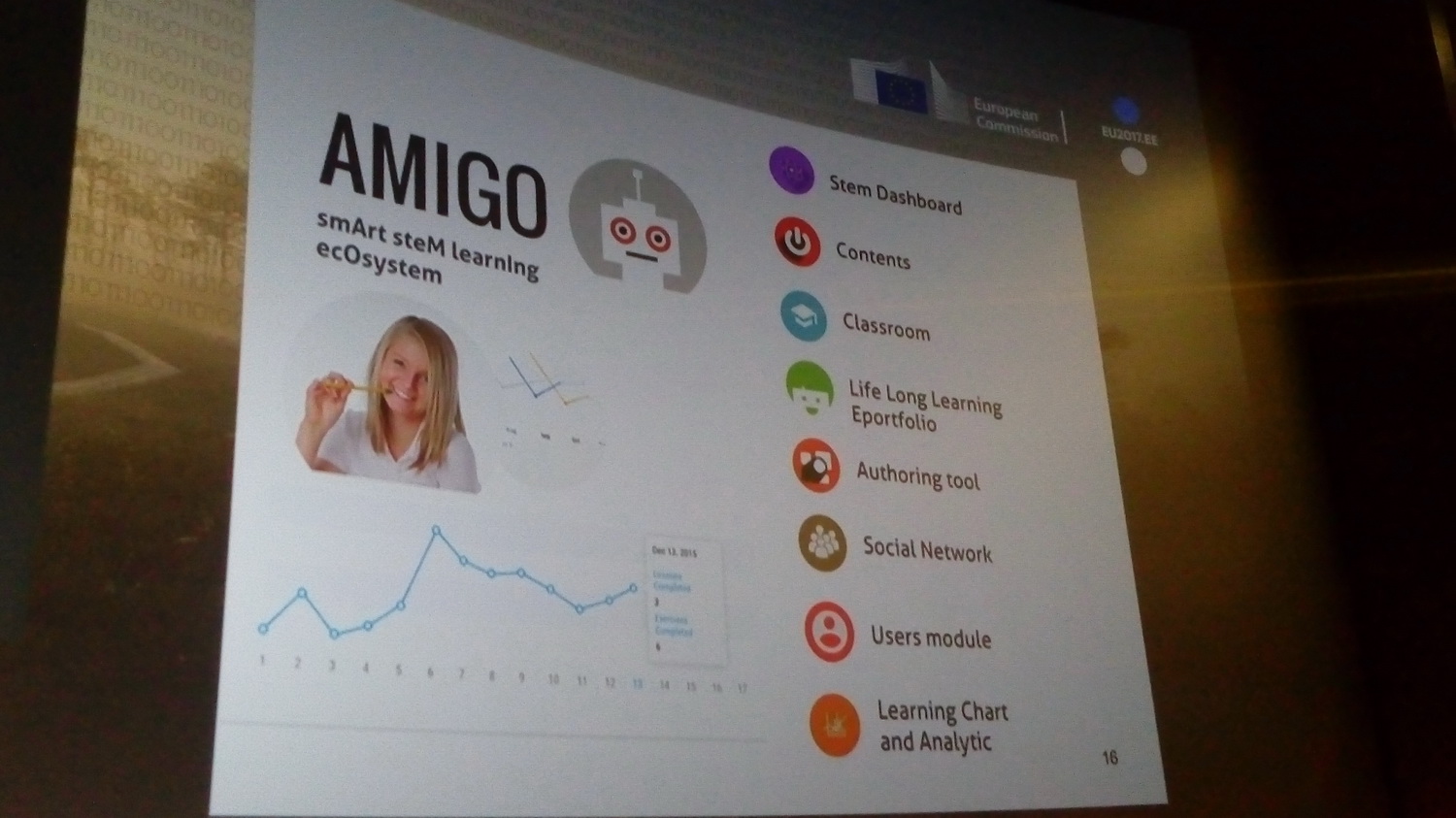
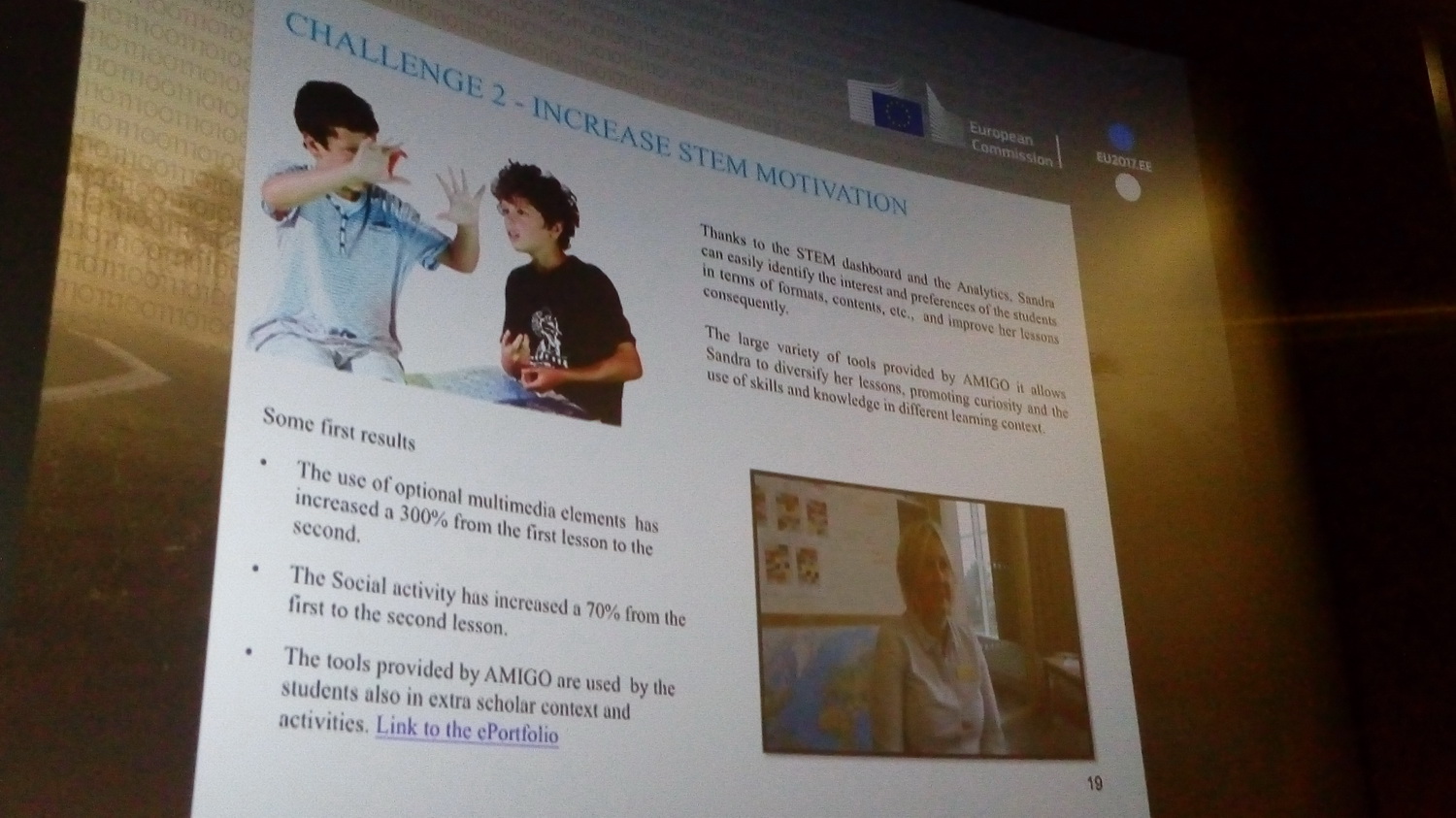
Innovation methods for award procedures of ICT learning in Europe. IMAILE
Ellinor Wallin, IMAILE project manager. Sweden
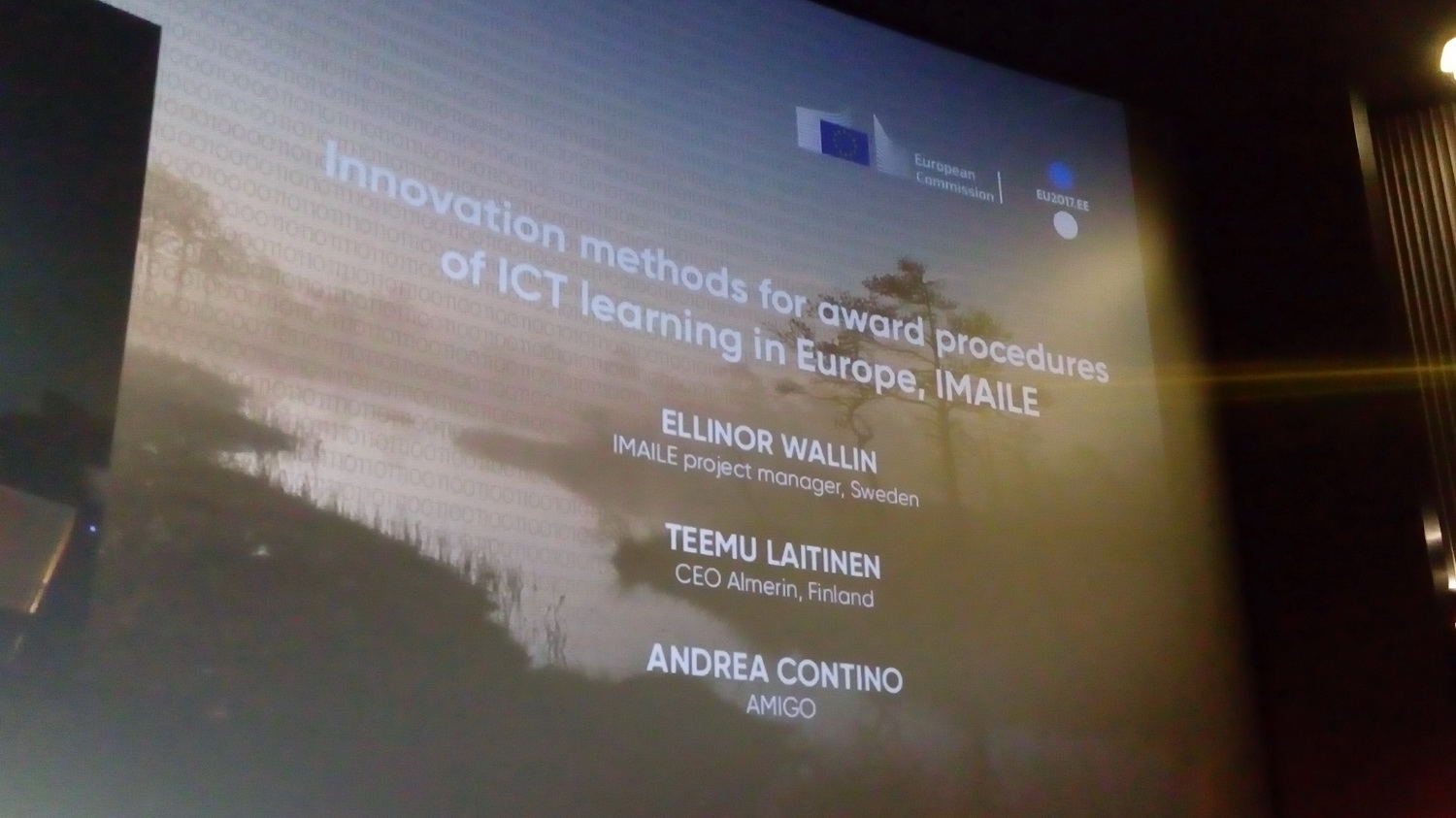




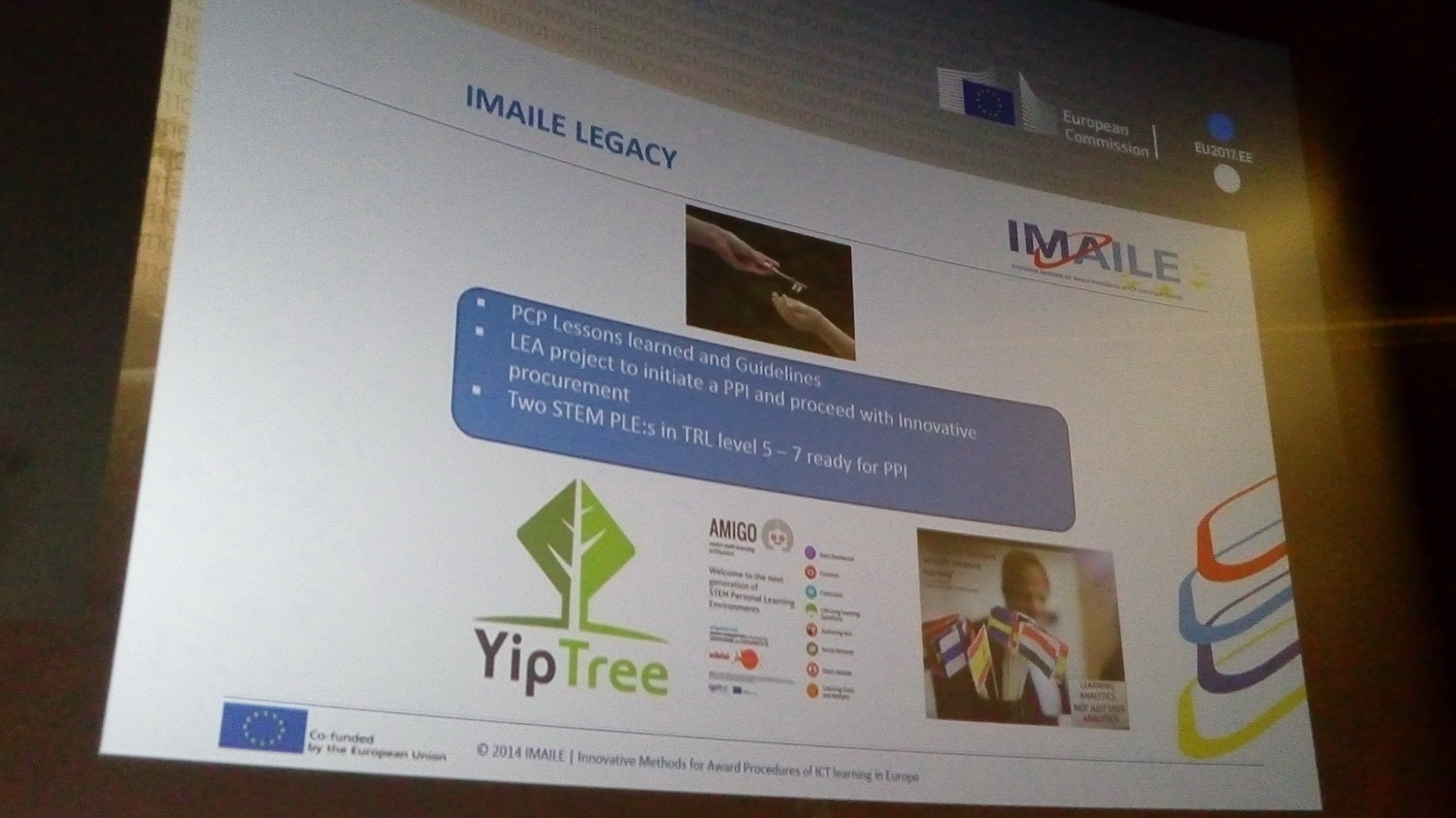

Teemu Laitinen. CEO Almerin. Finland

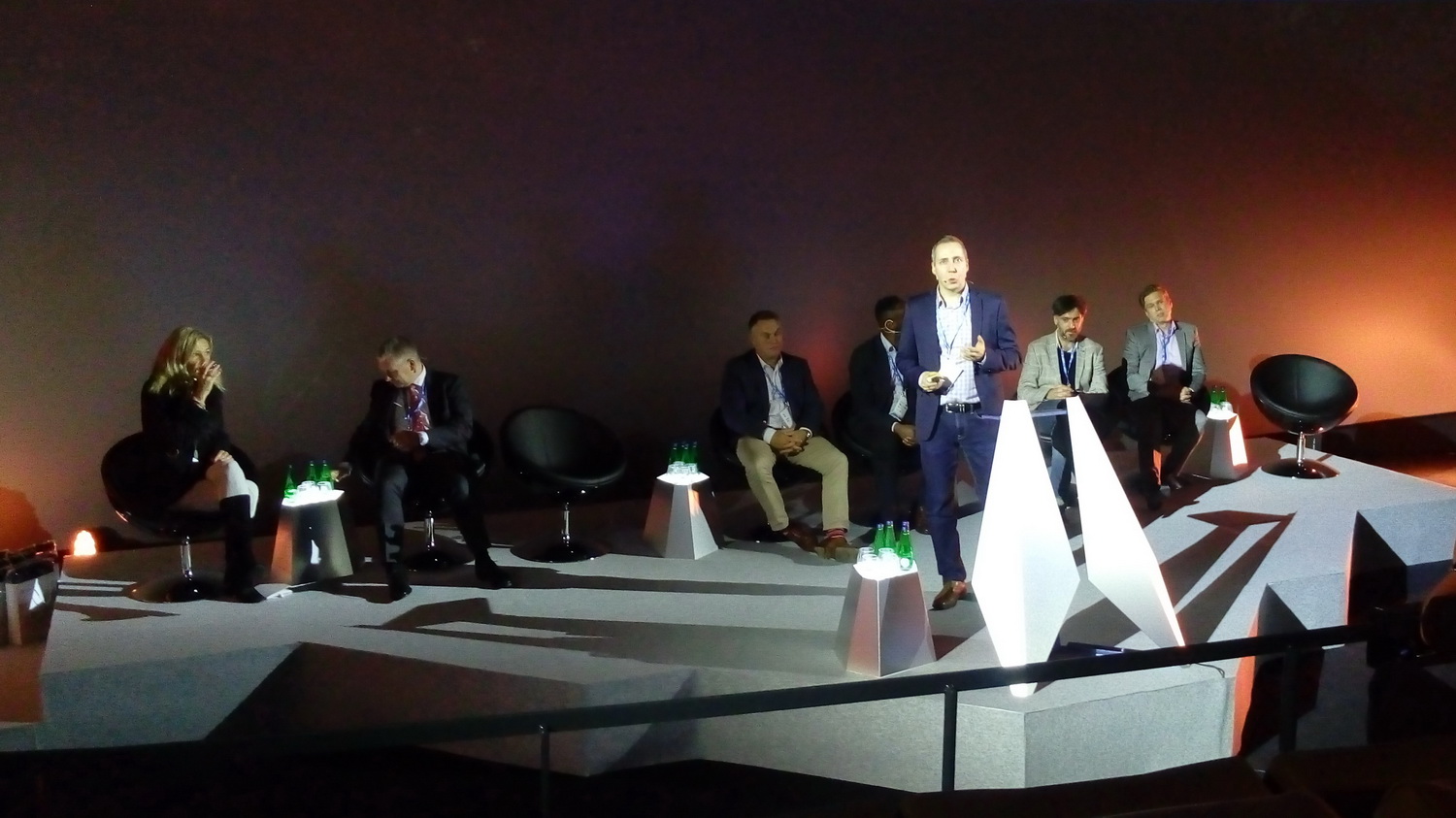
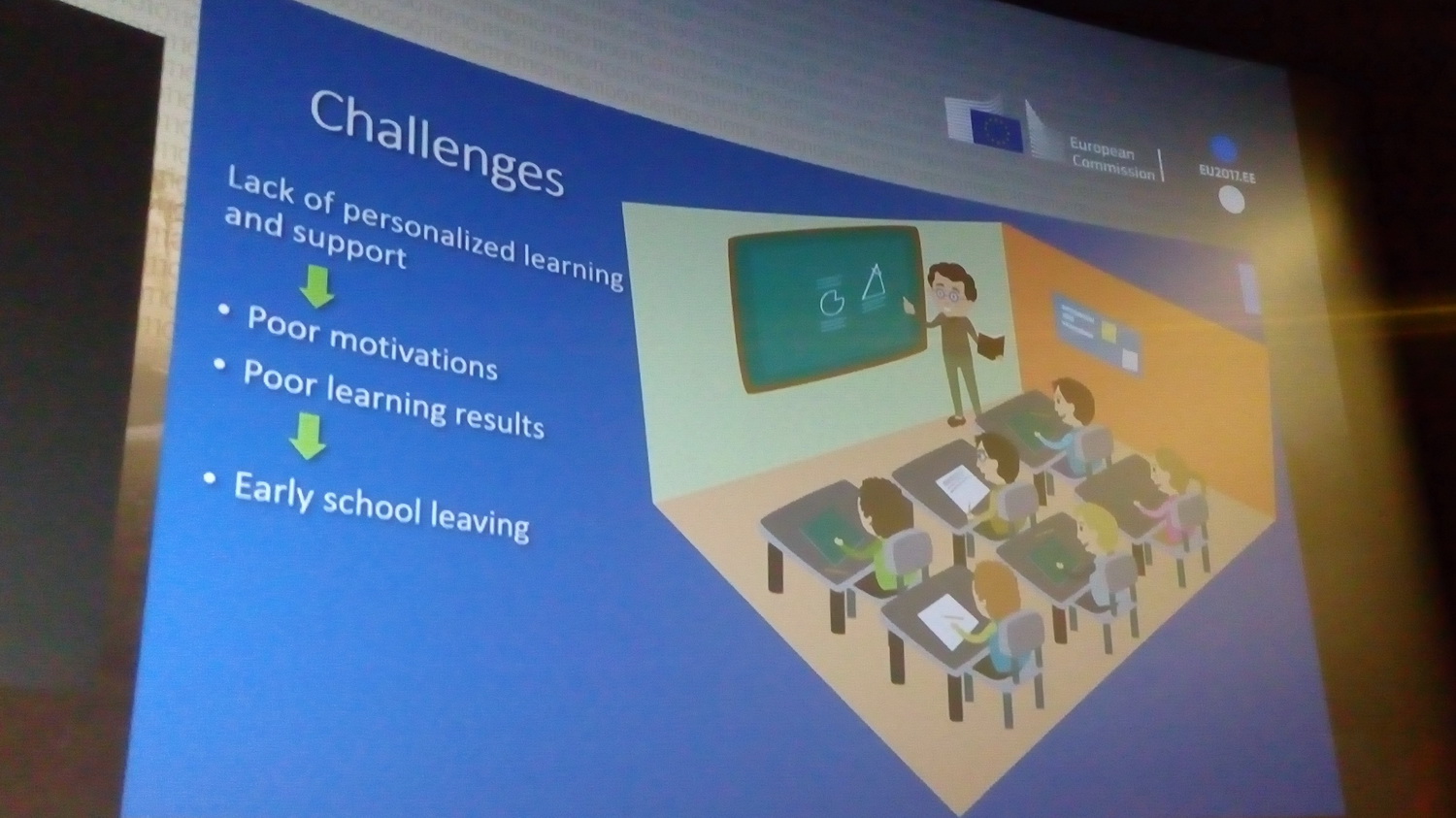
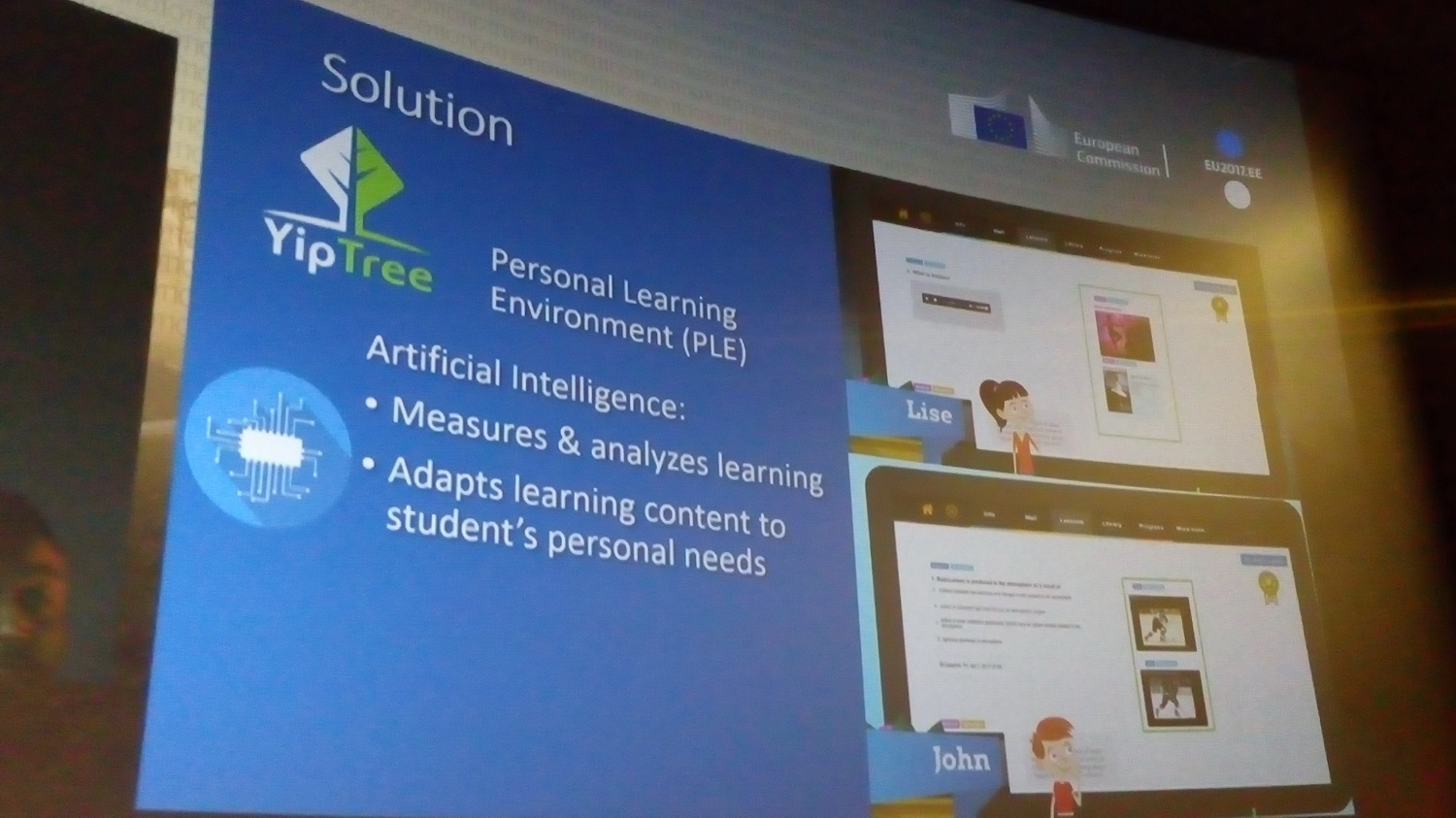


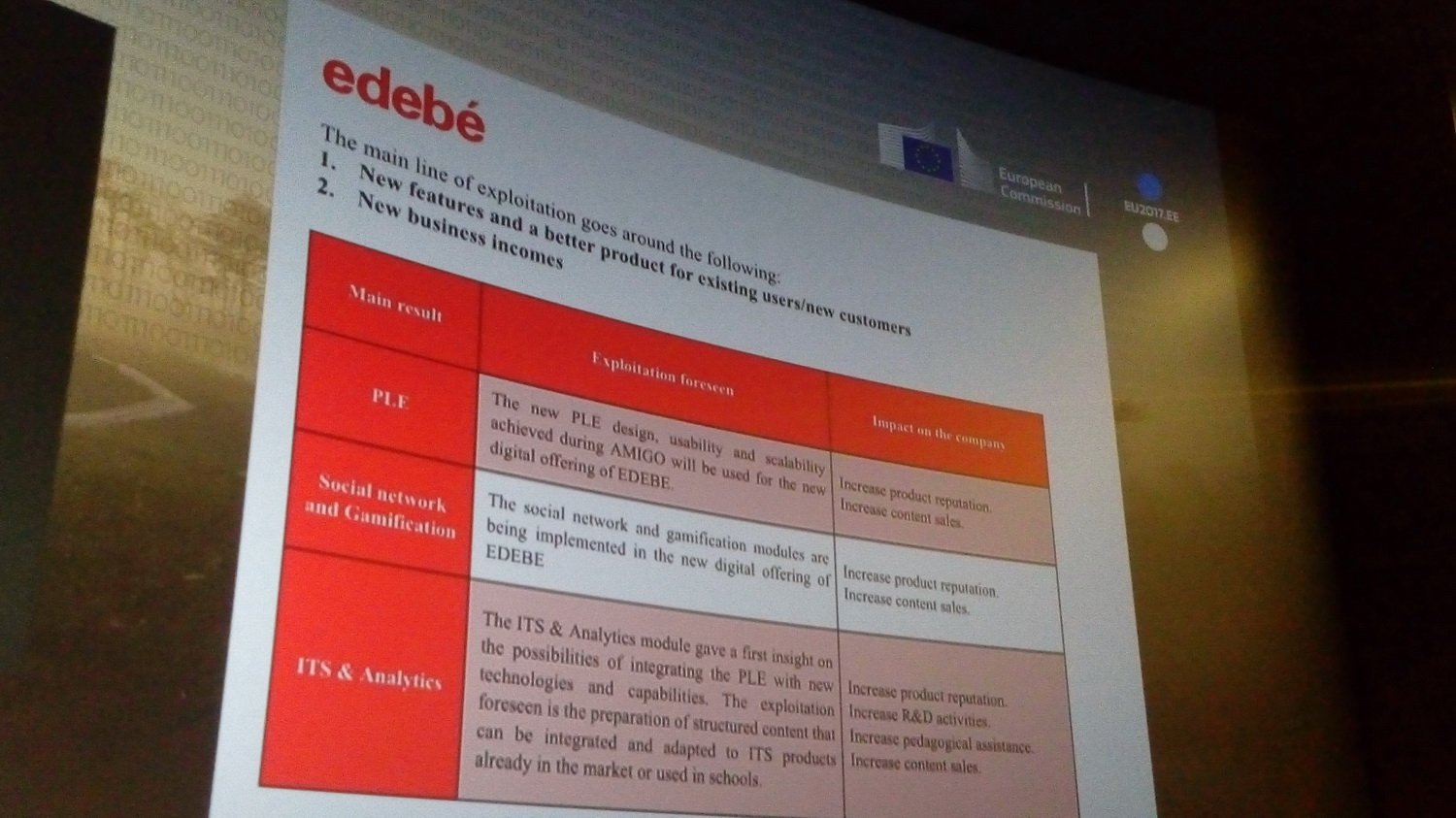
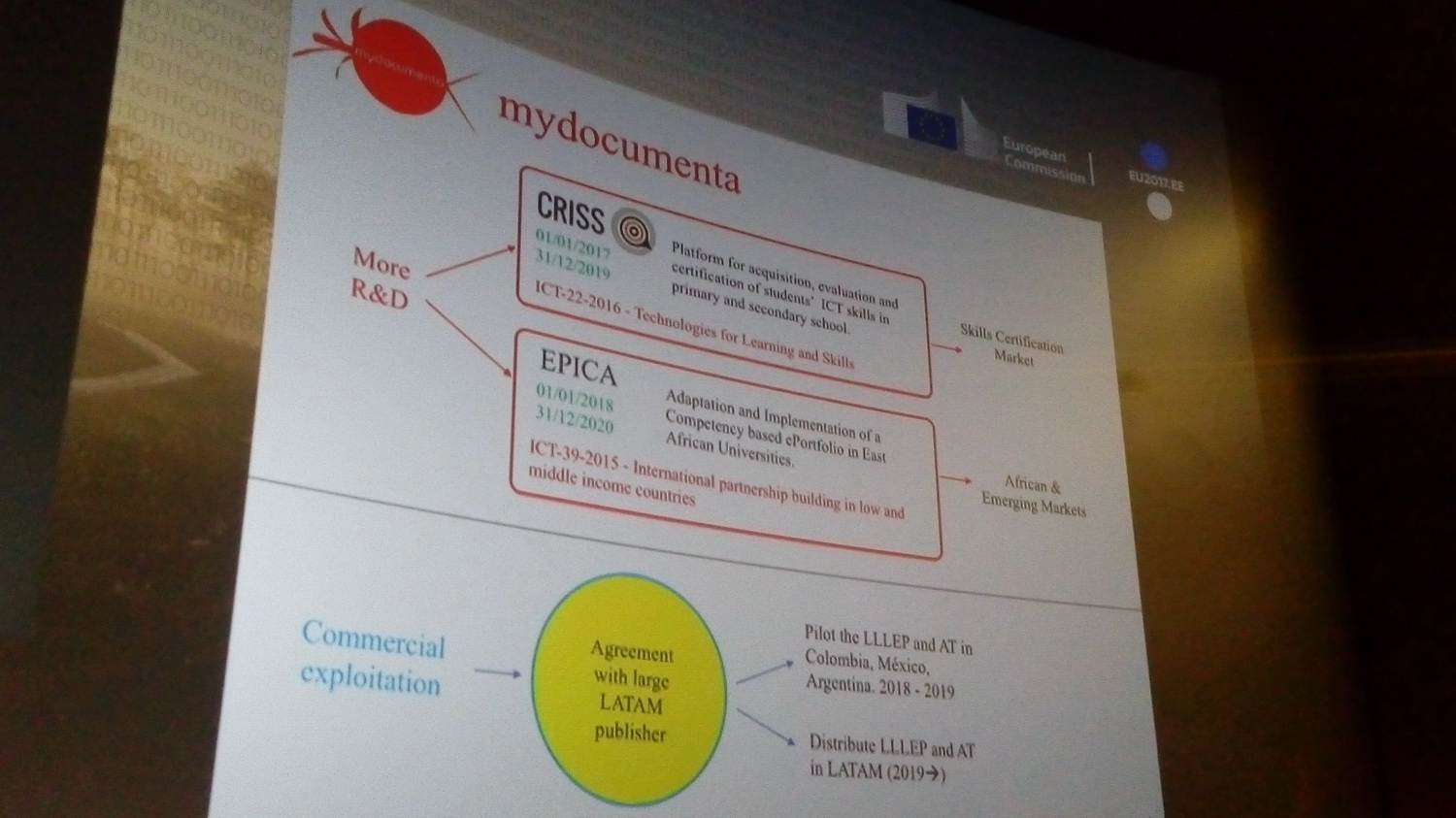
Andrea Contino. AMIGO. Spain




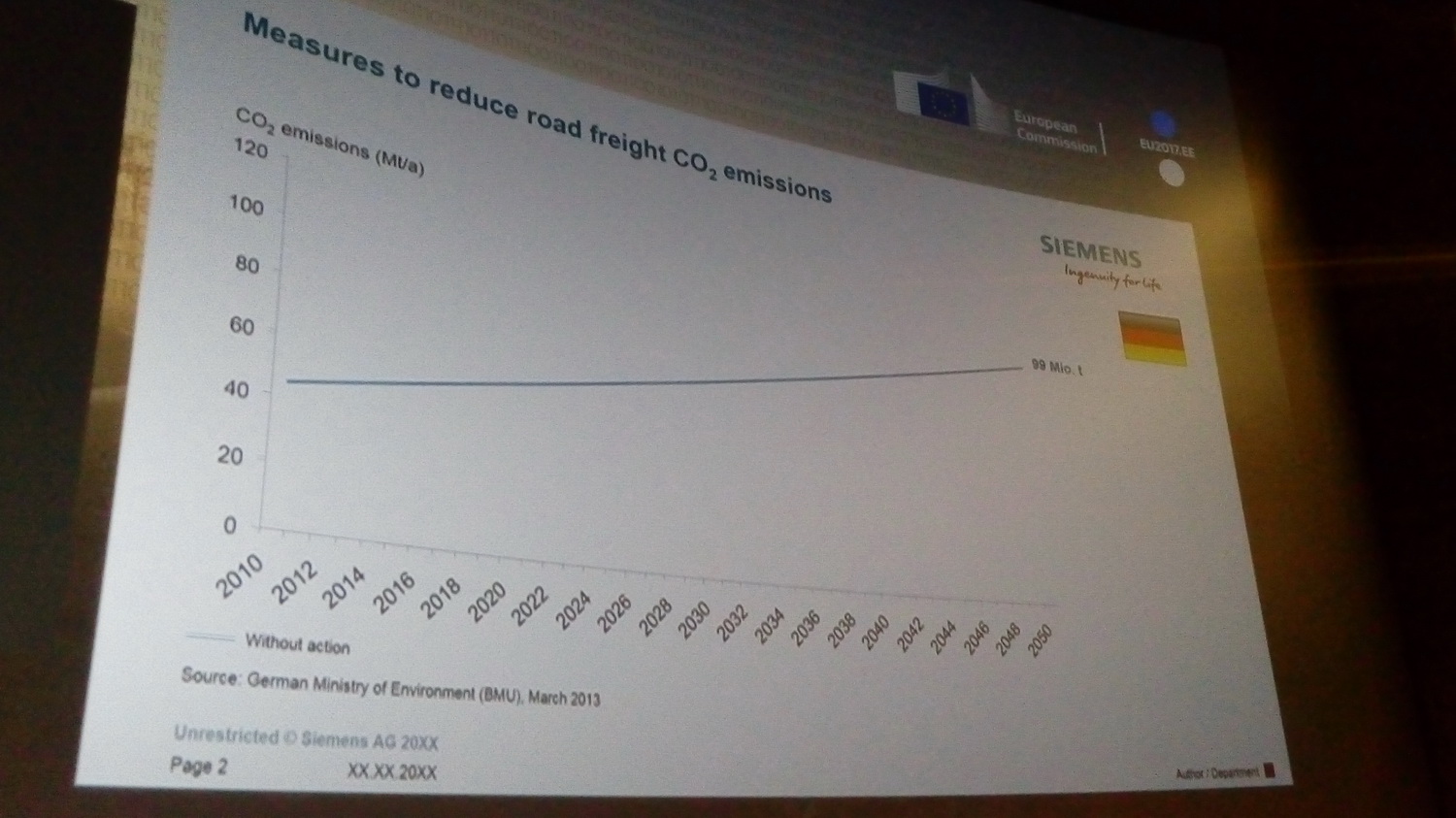
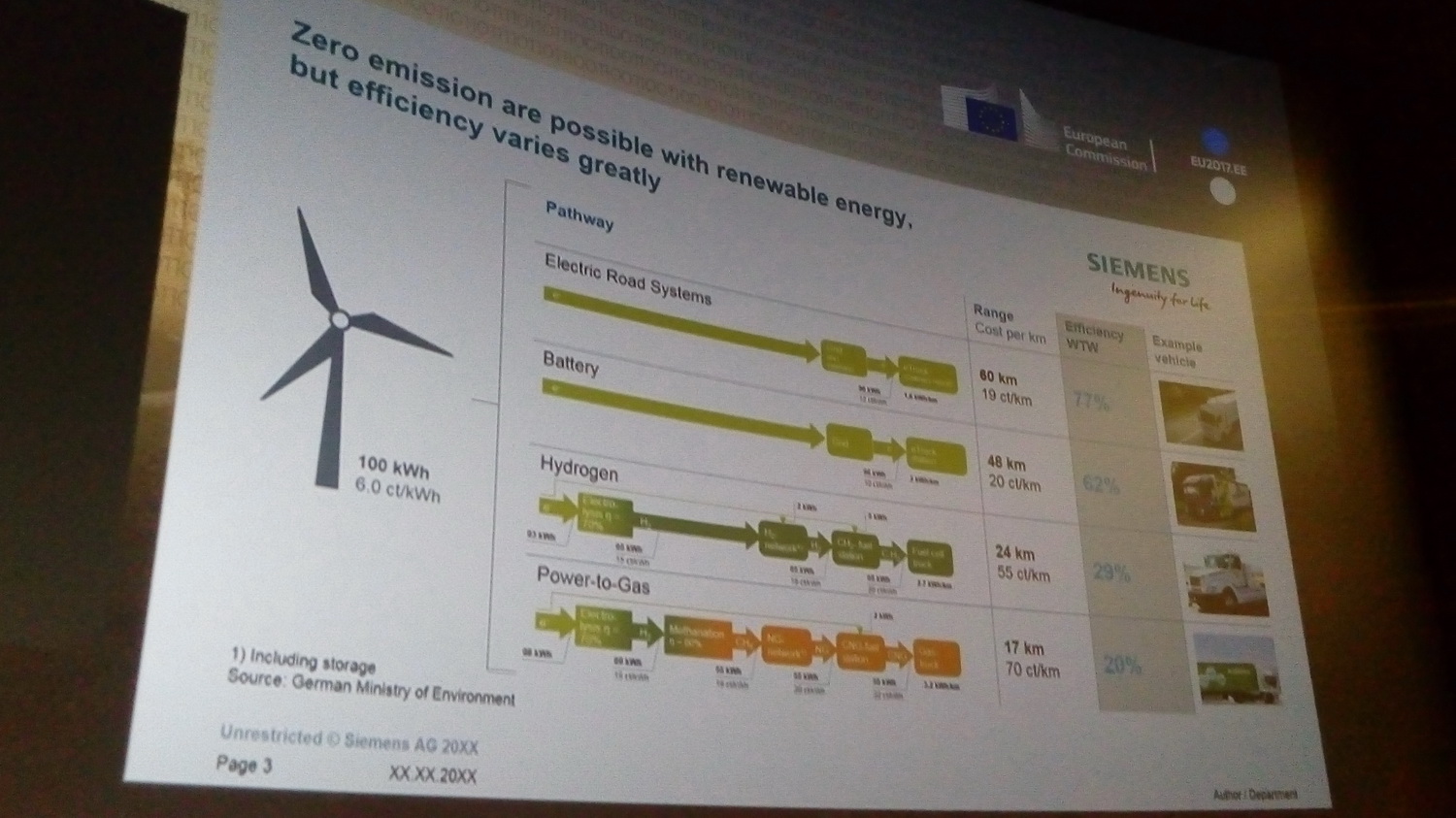
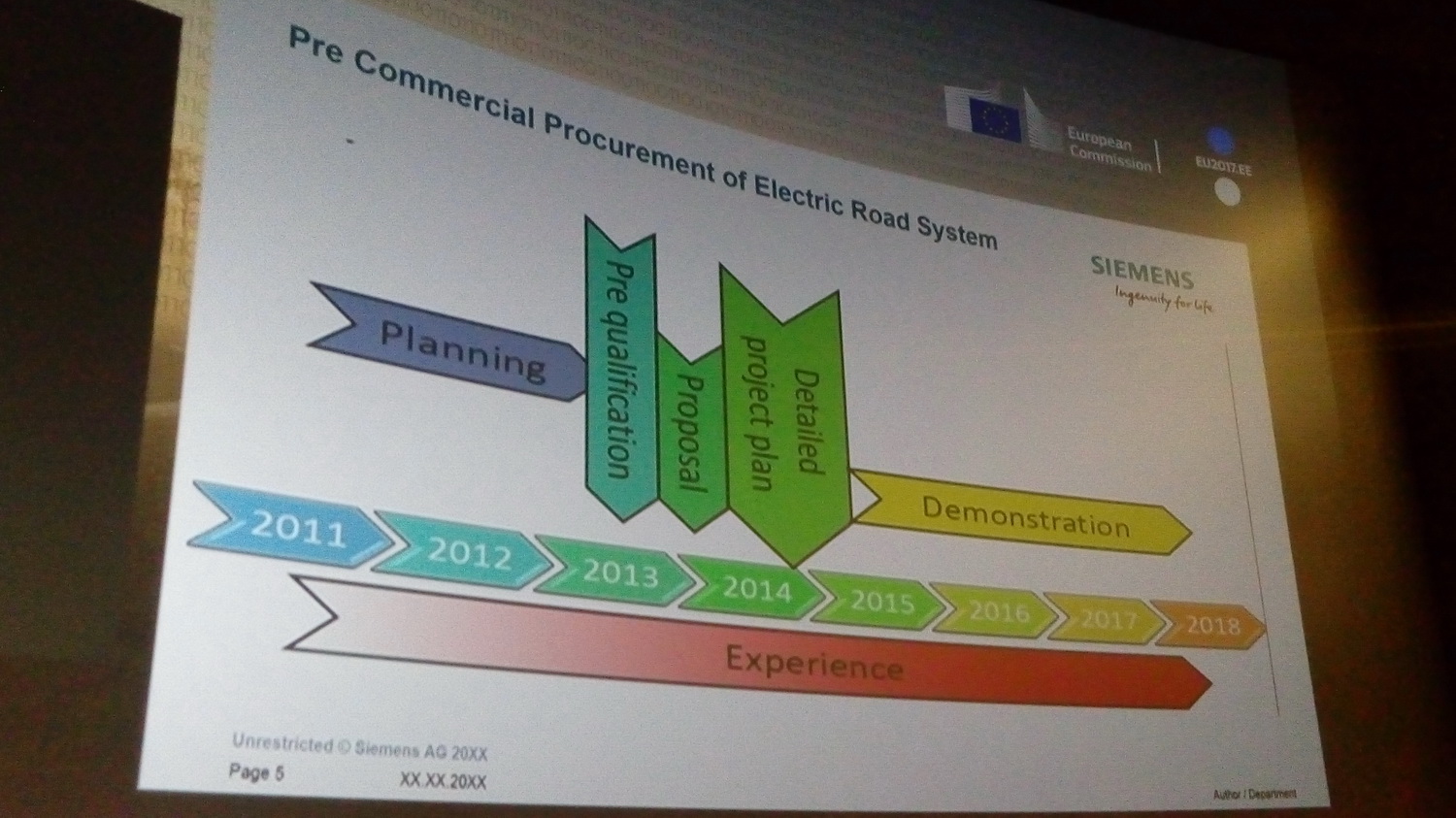
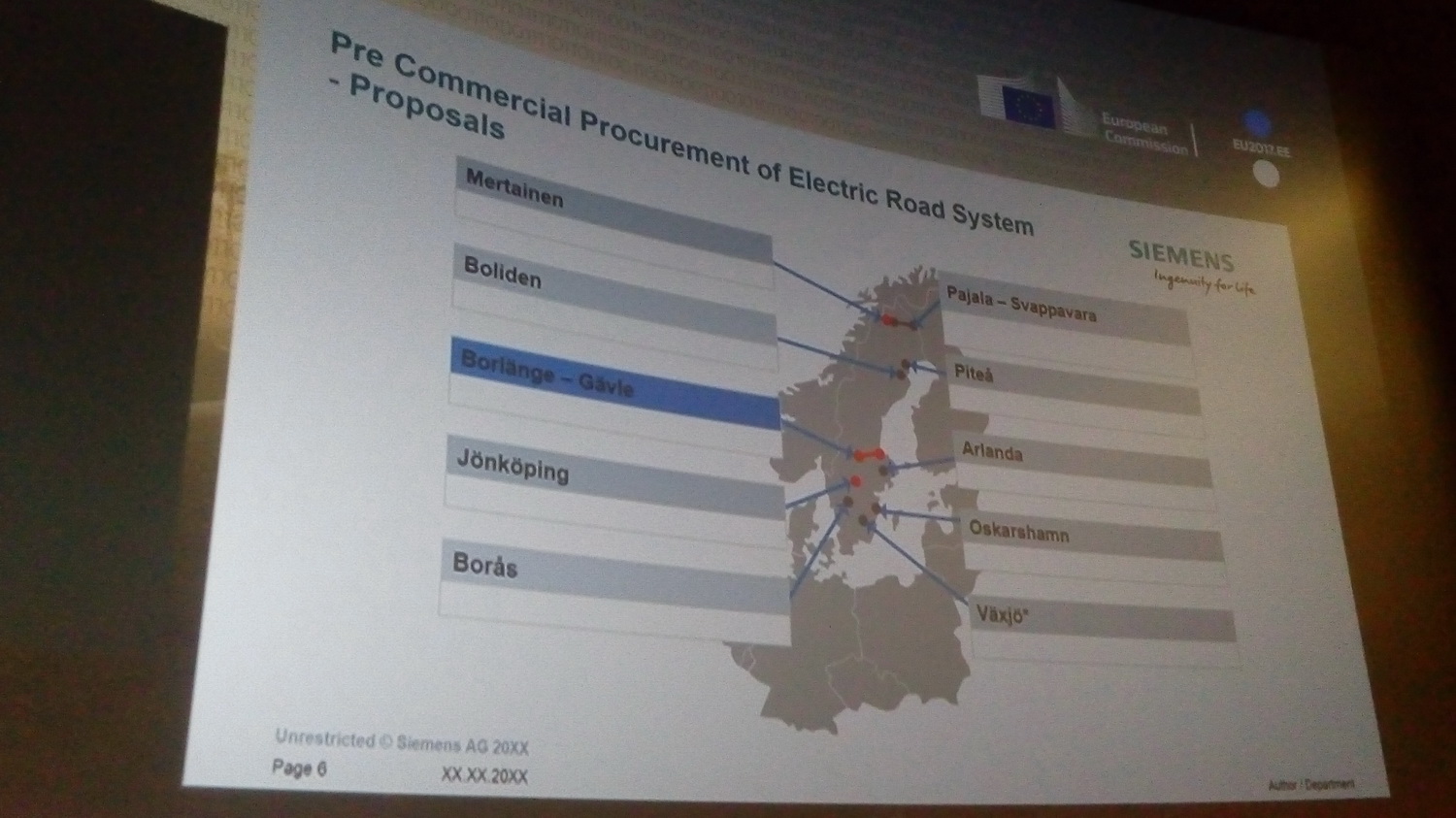
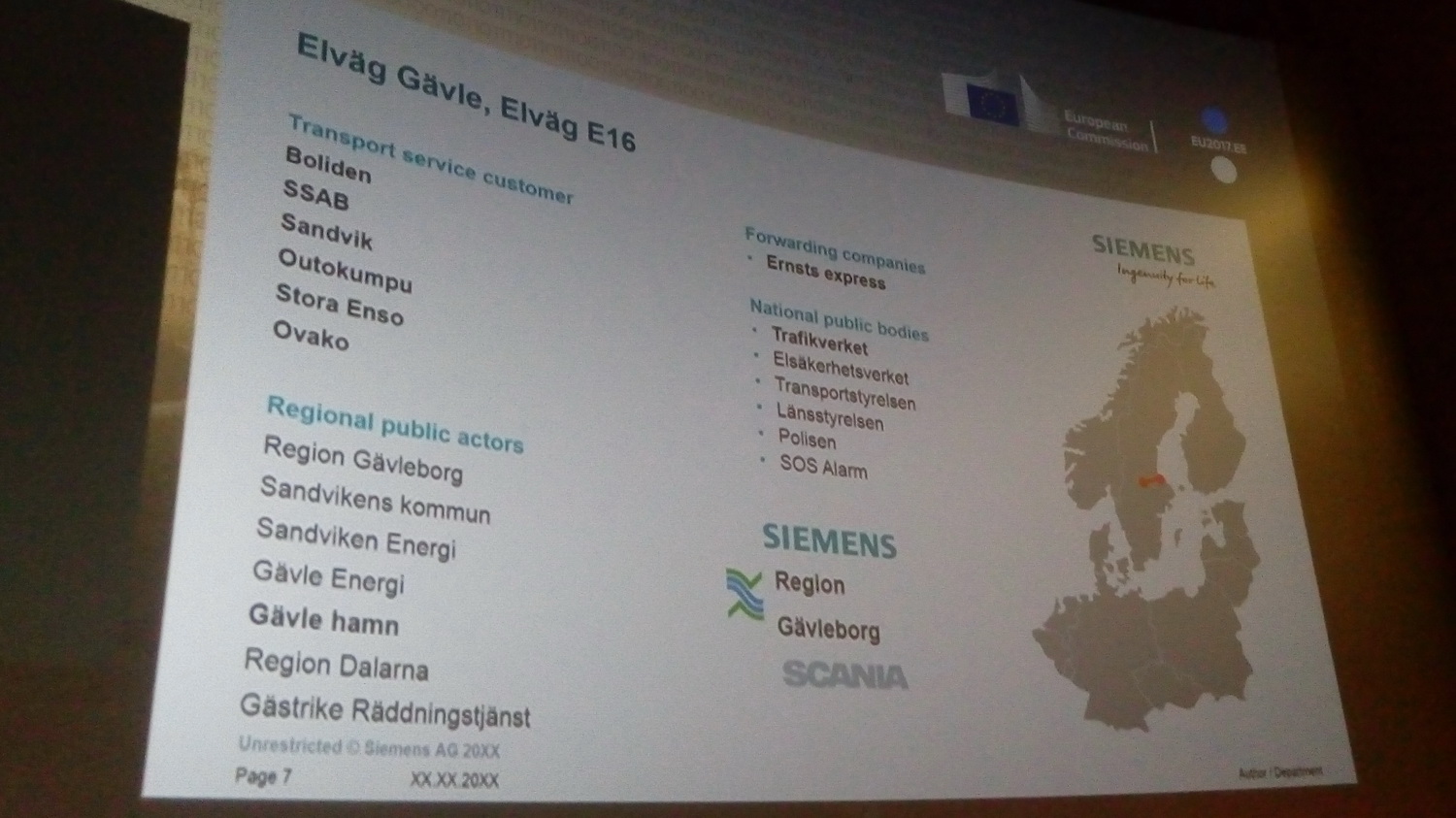
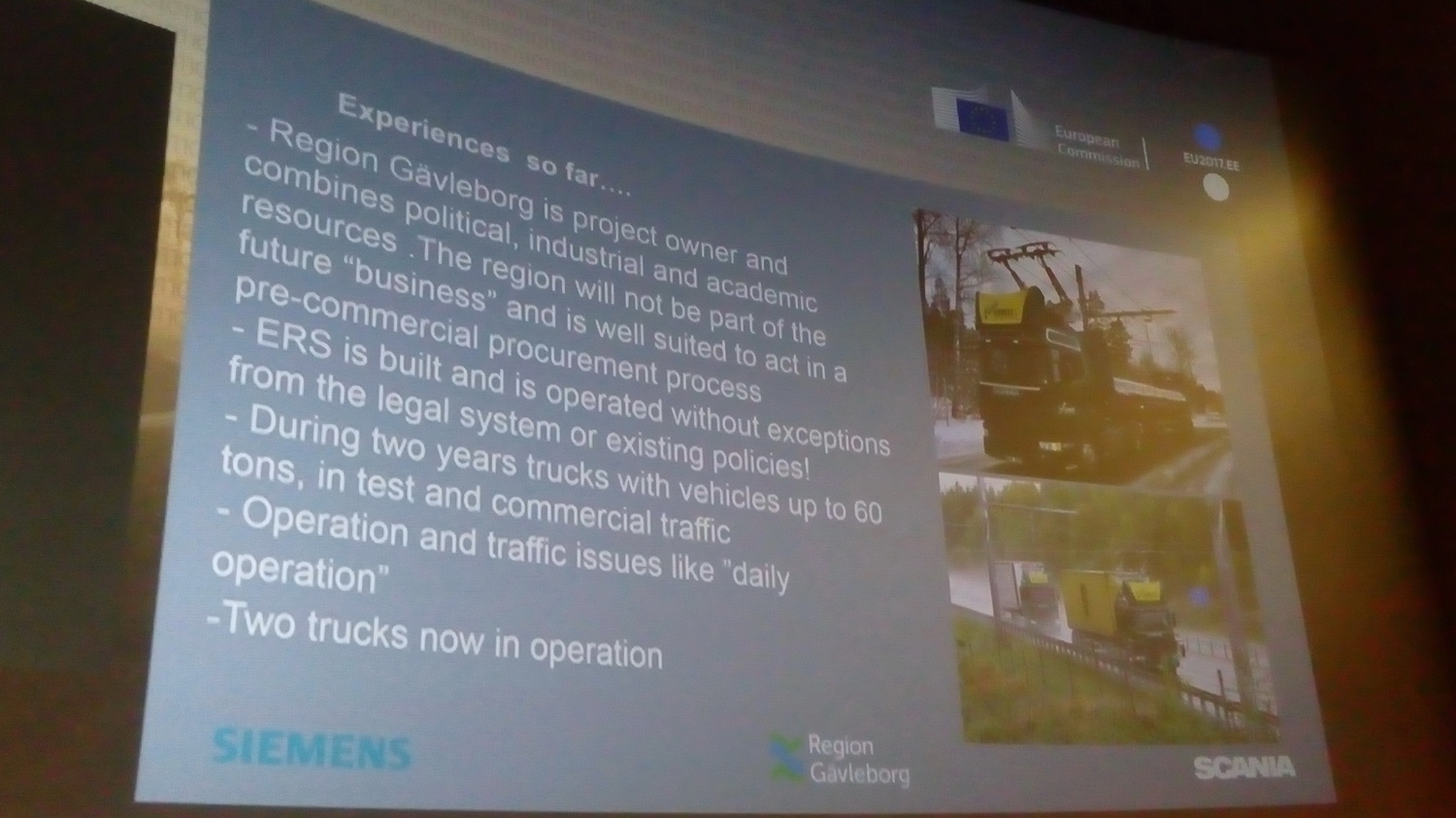
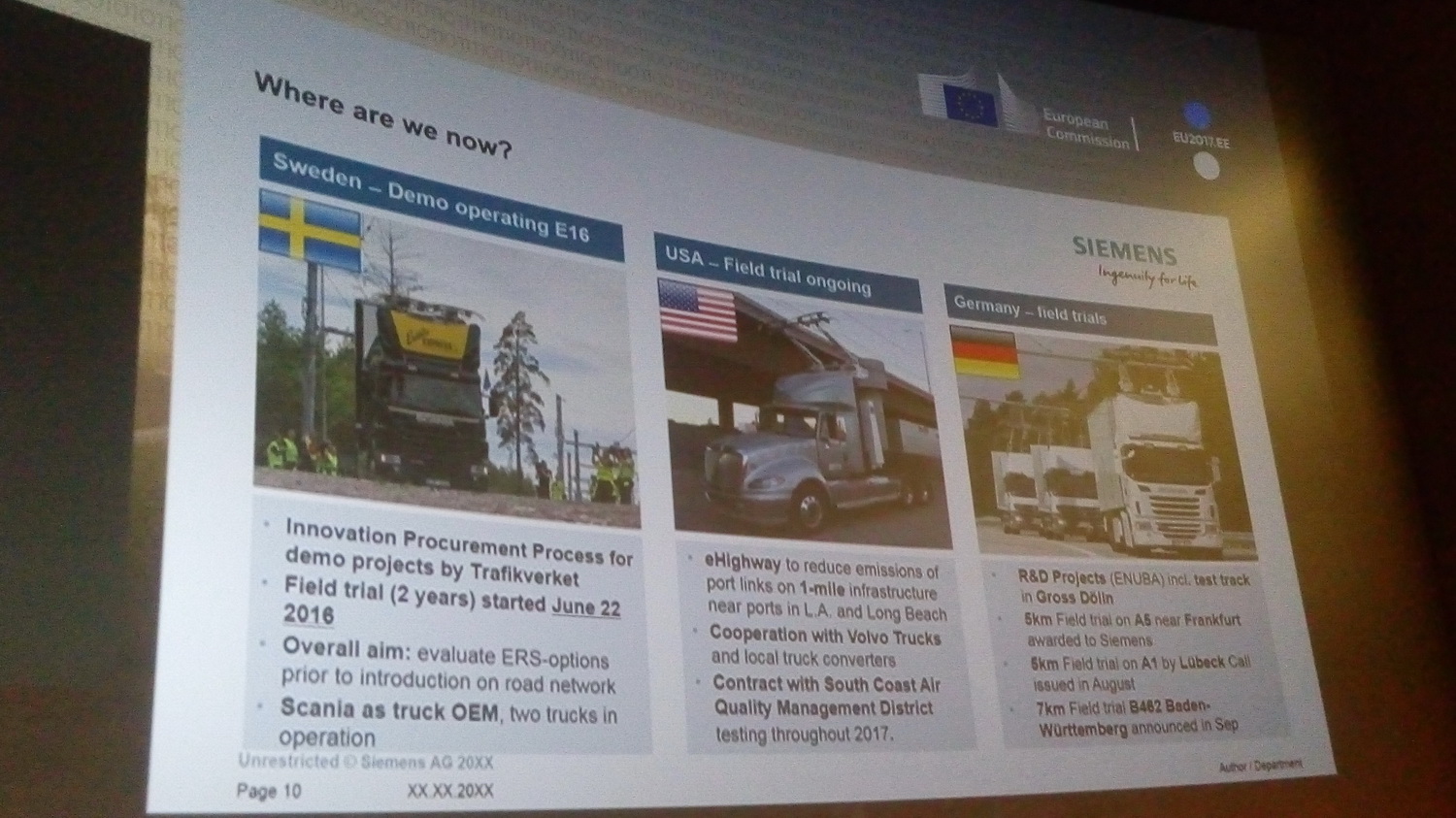
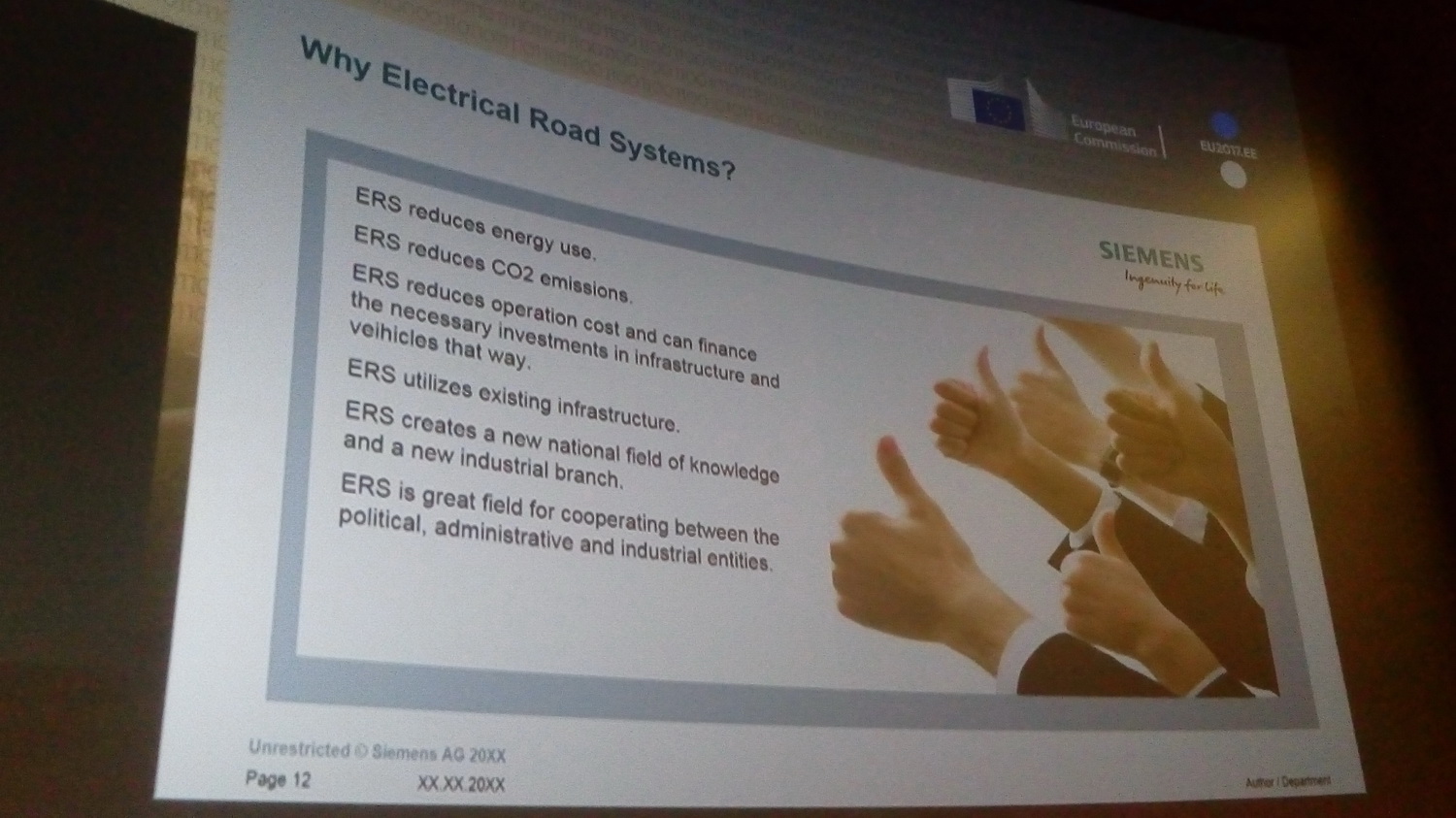
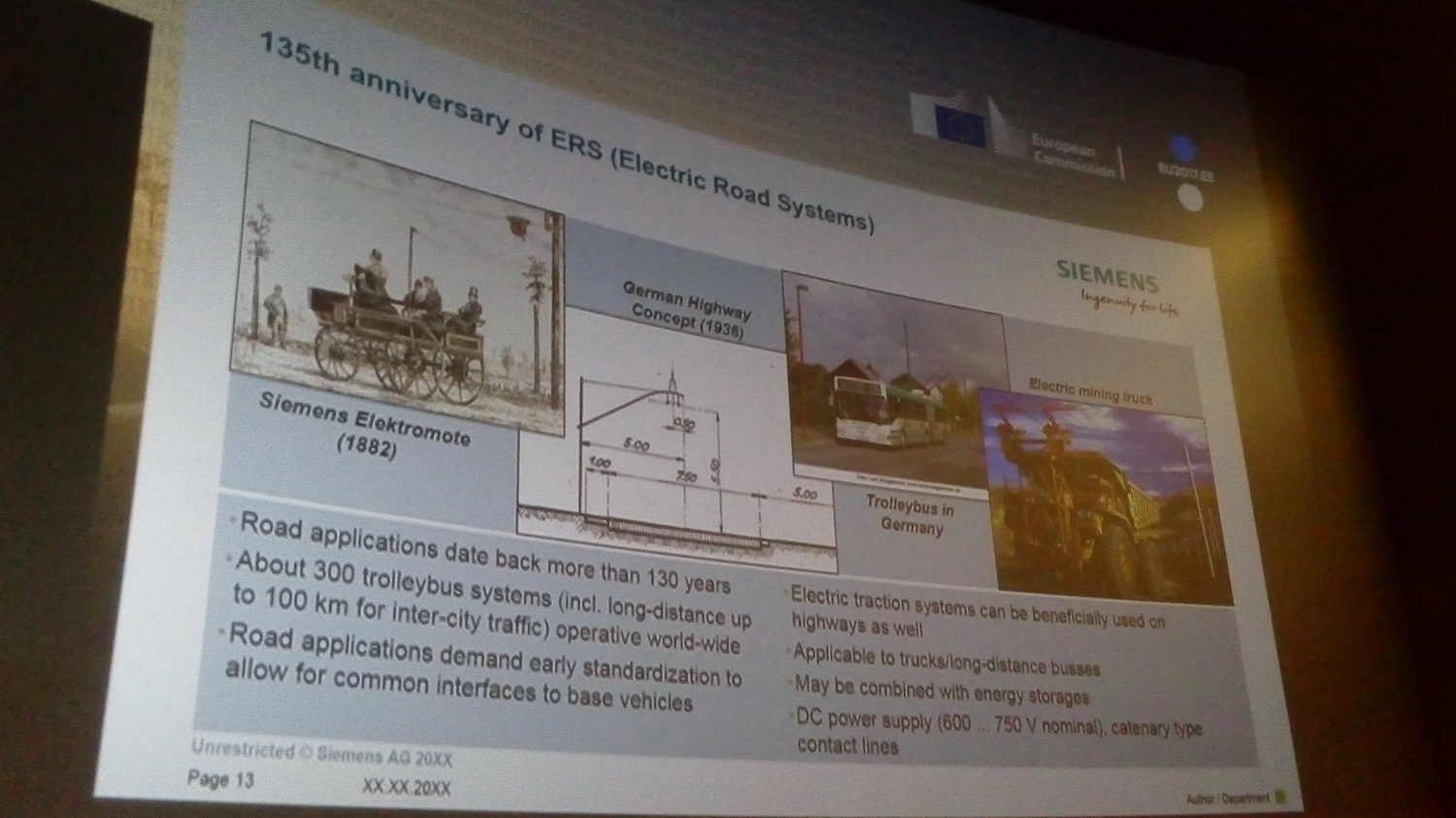
Sweden’s electric roads for heavy vehicles pre-commerciol procurement
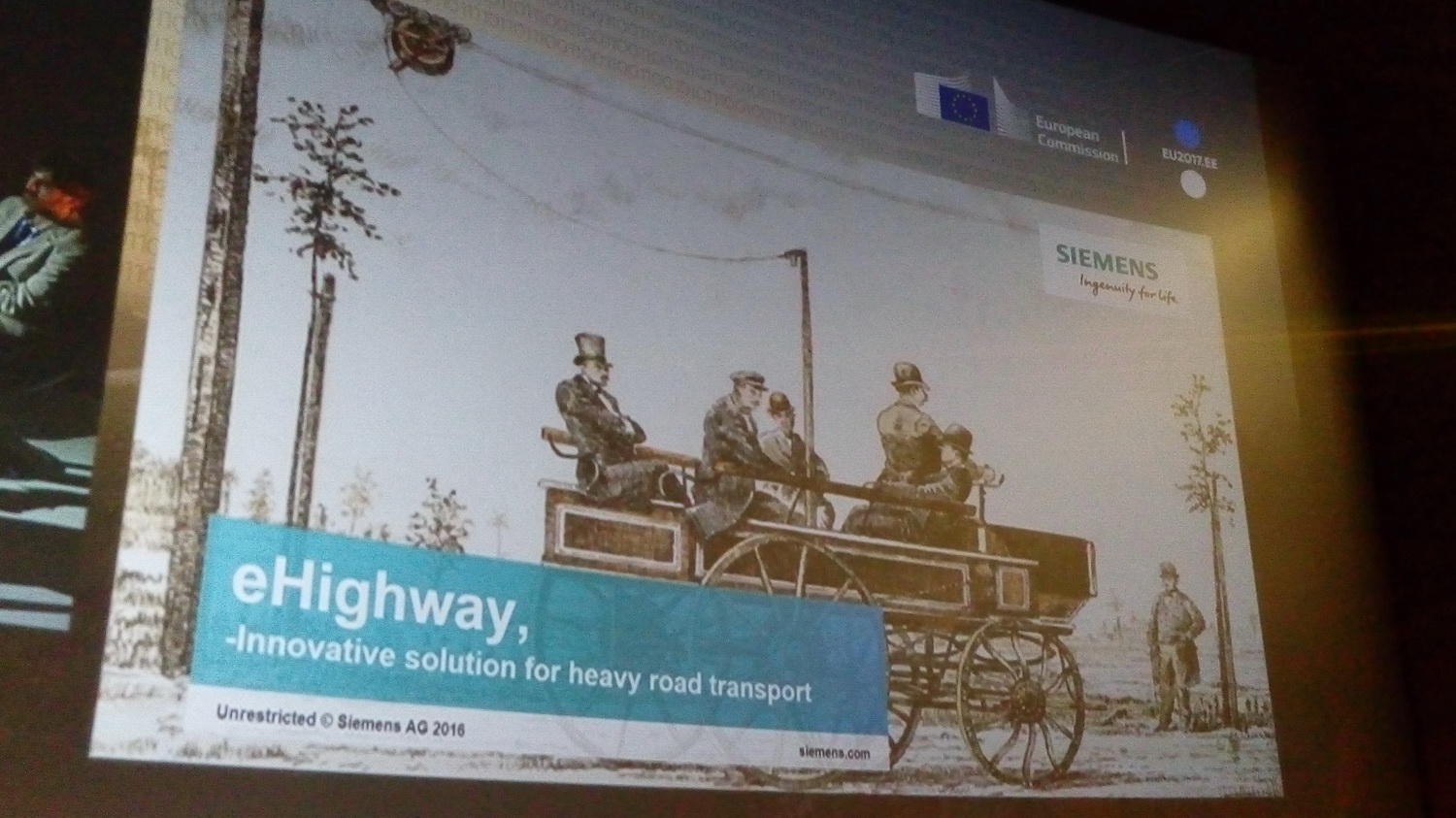
Anders Bylund, Head oi Rail and Road Electrification. Siemens Mobility. Sweden

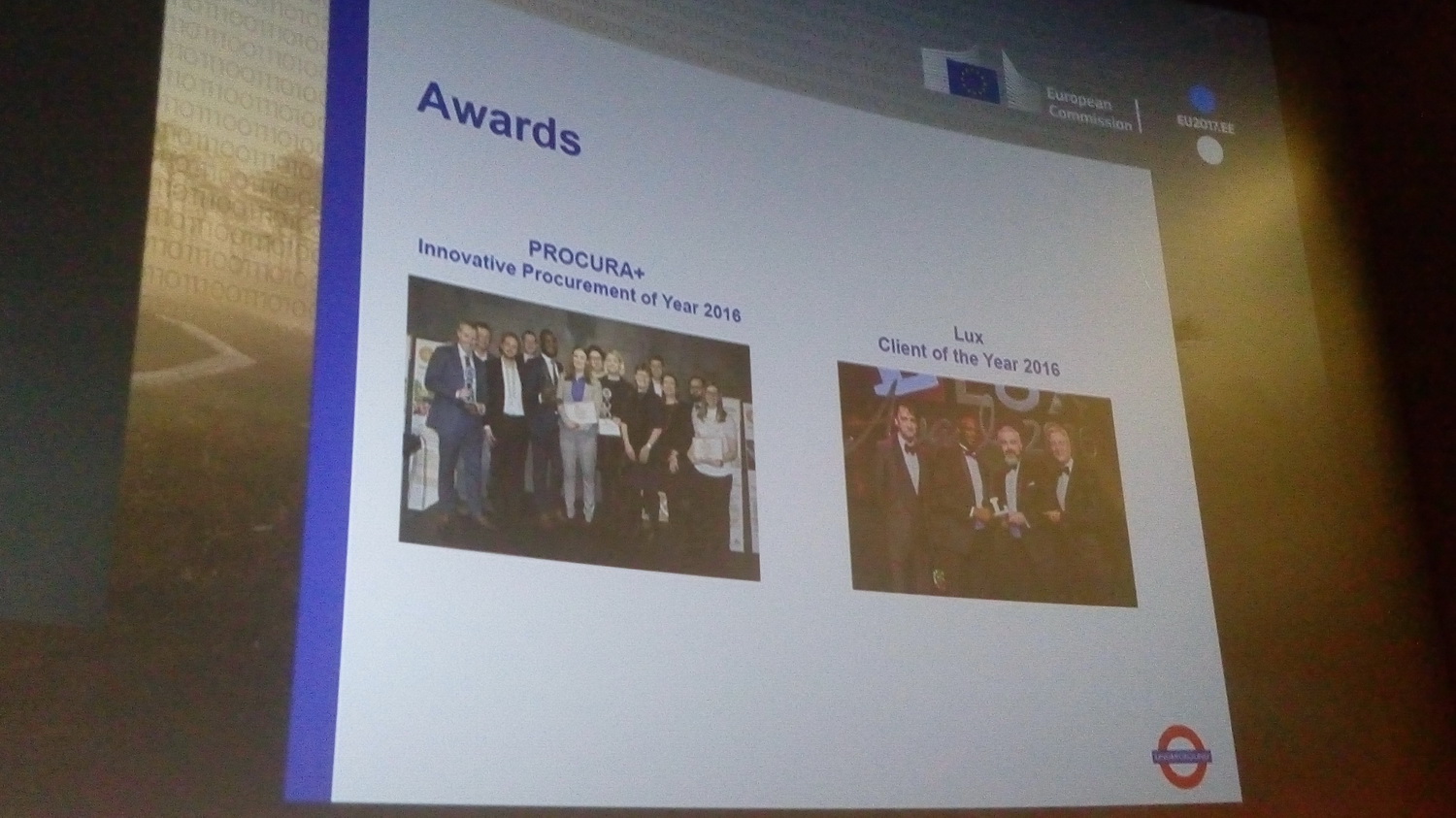
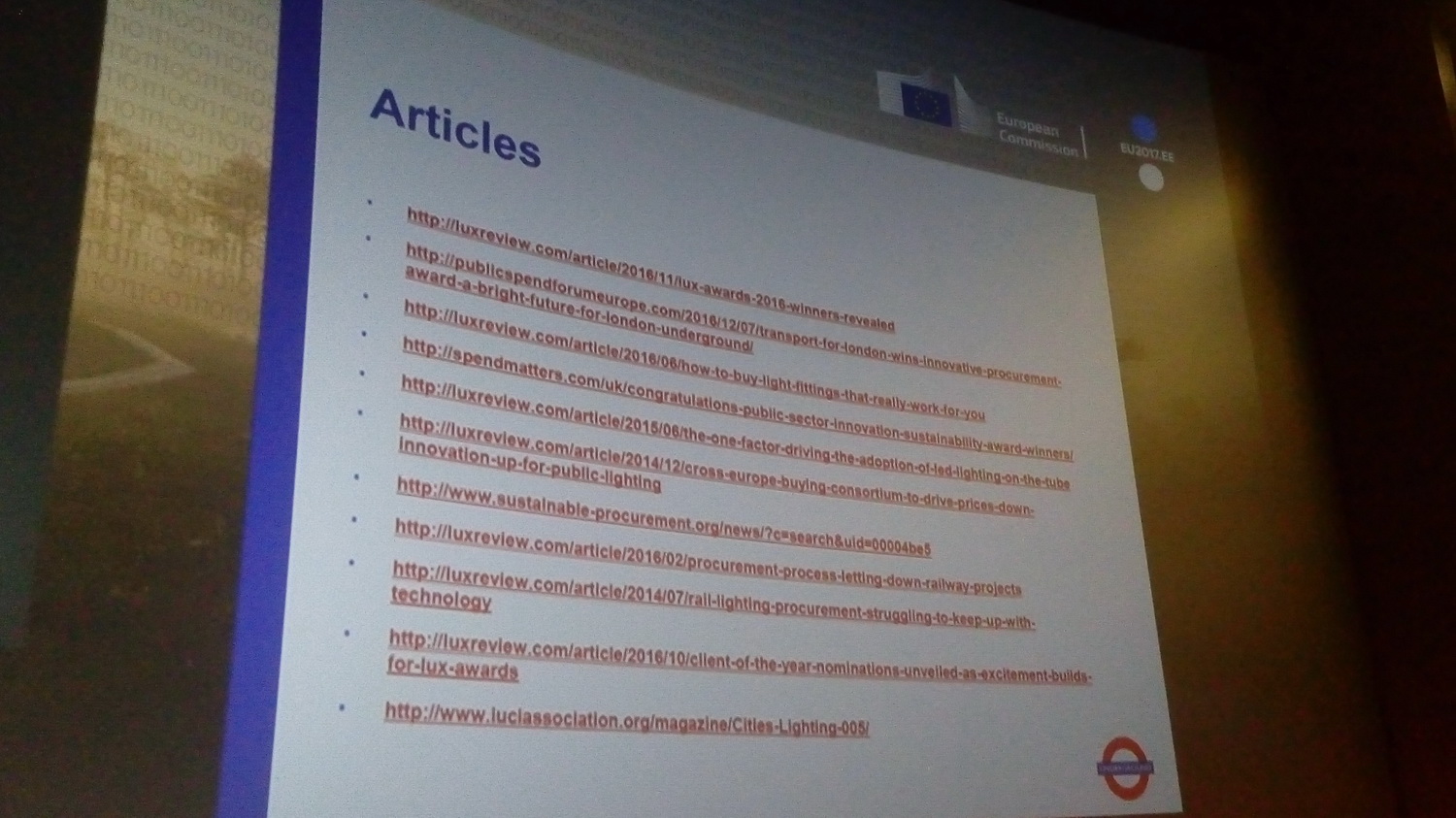
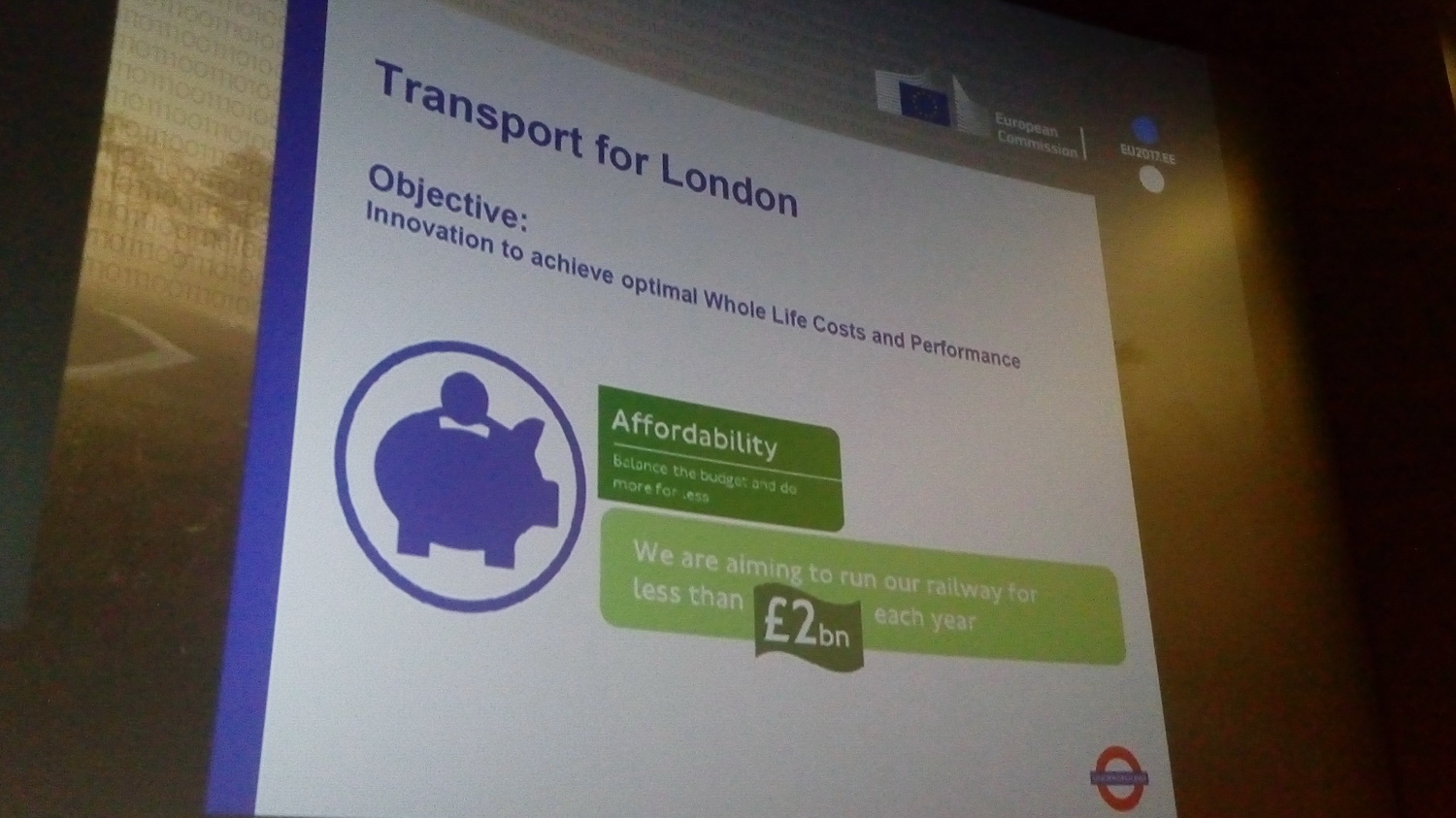
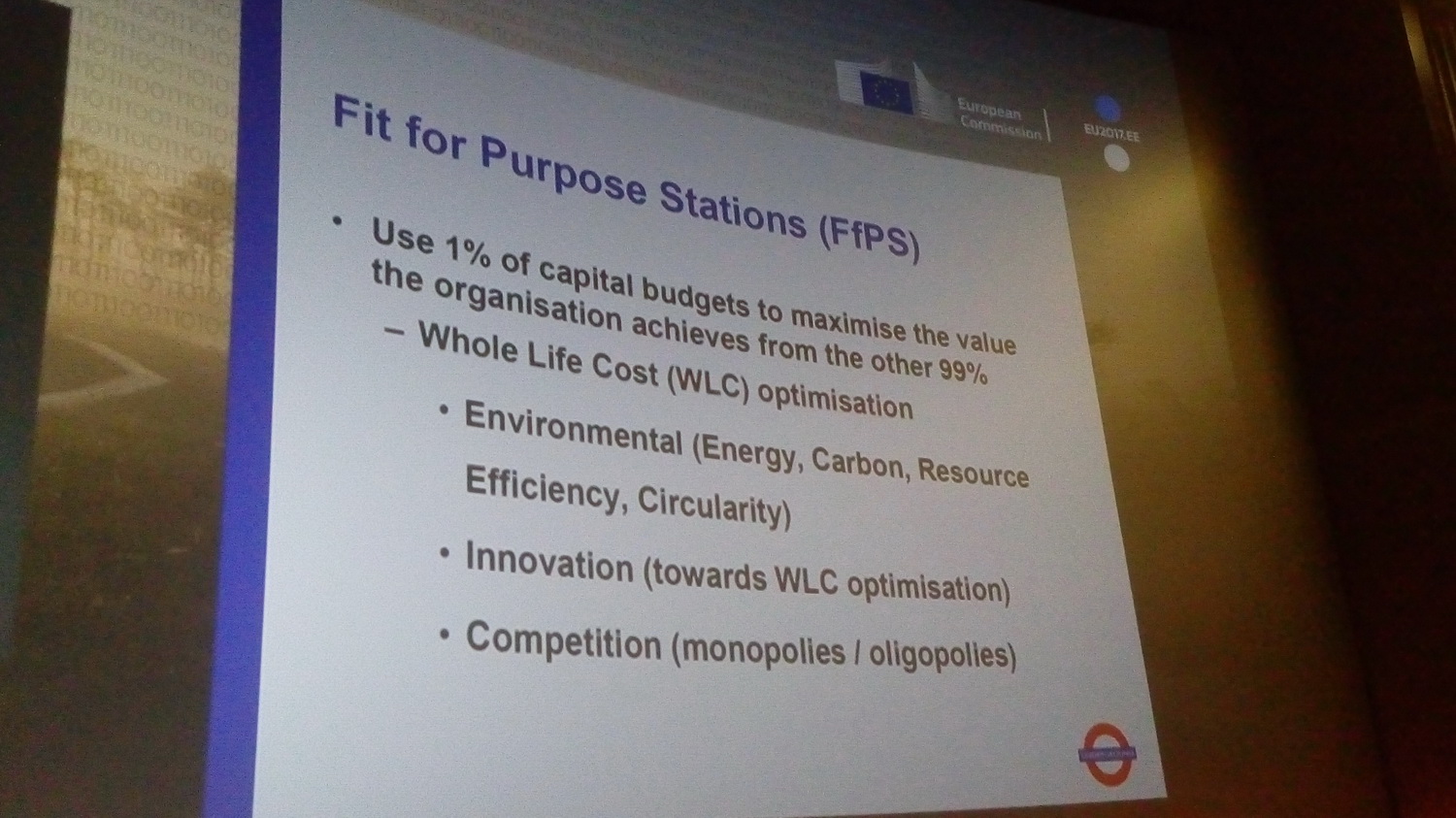
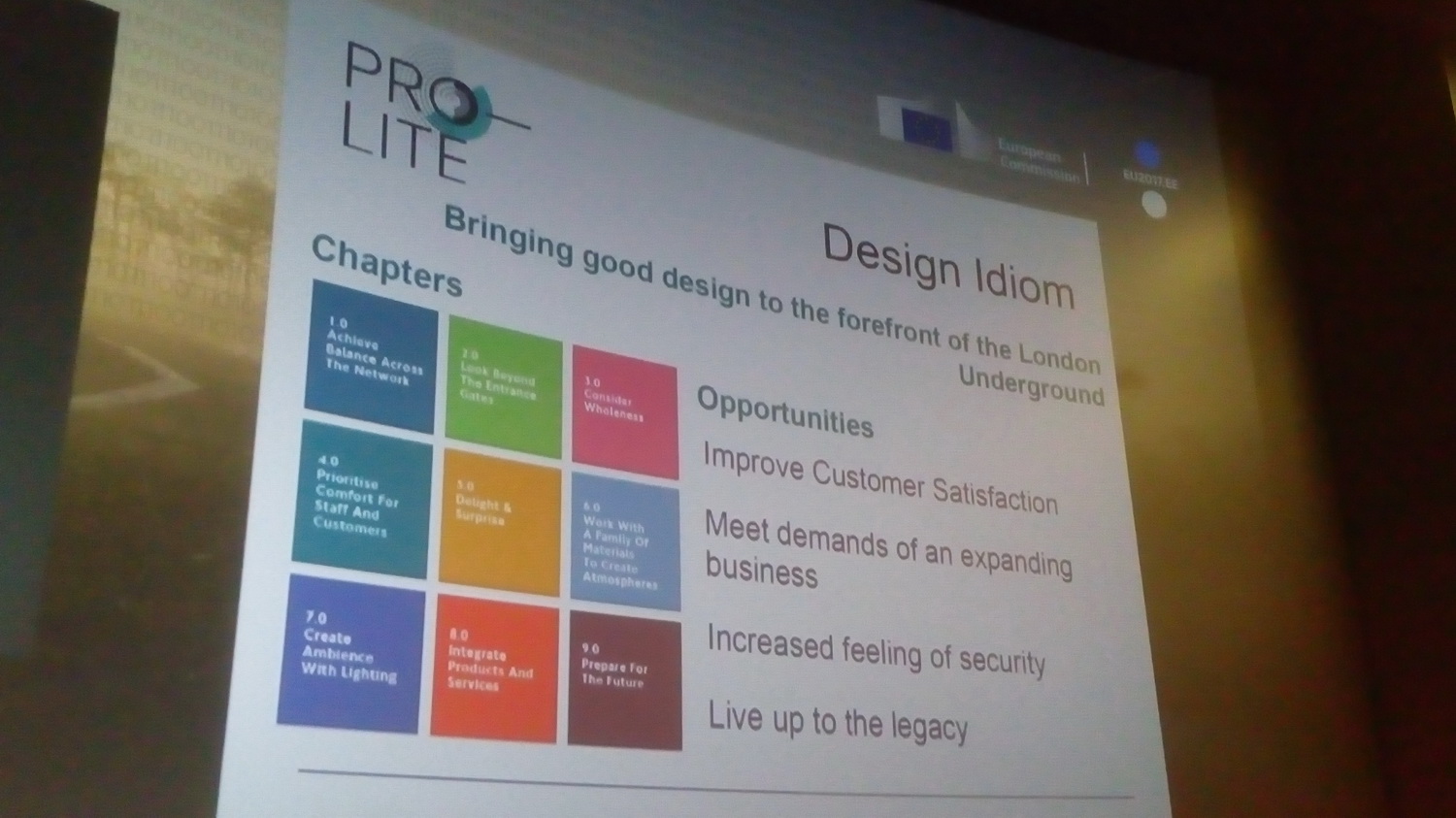
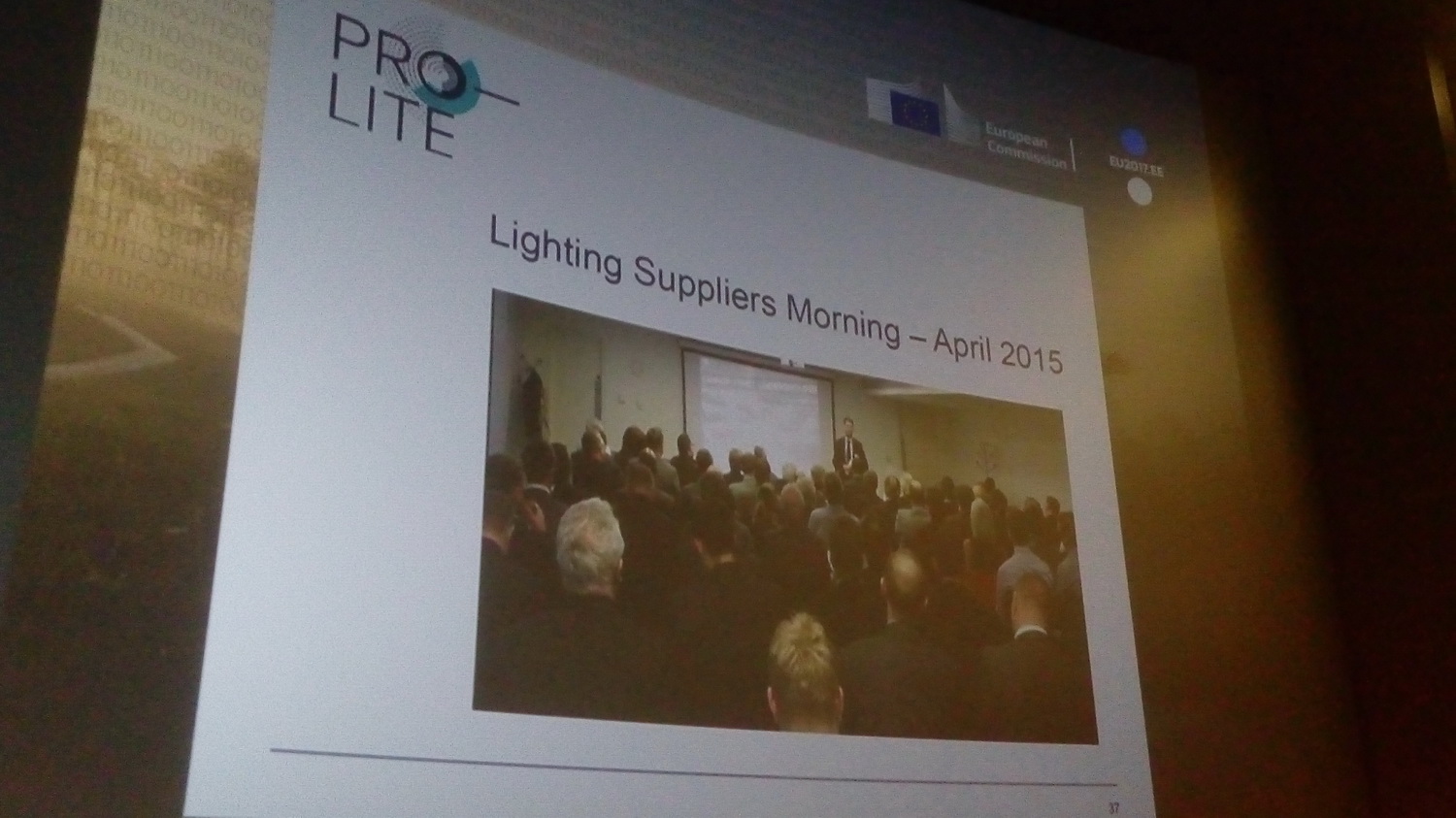
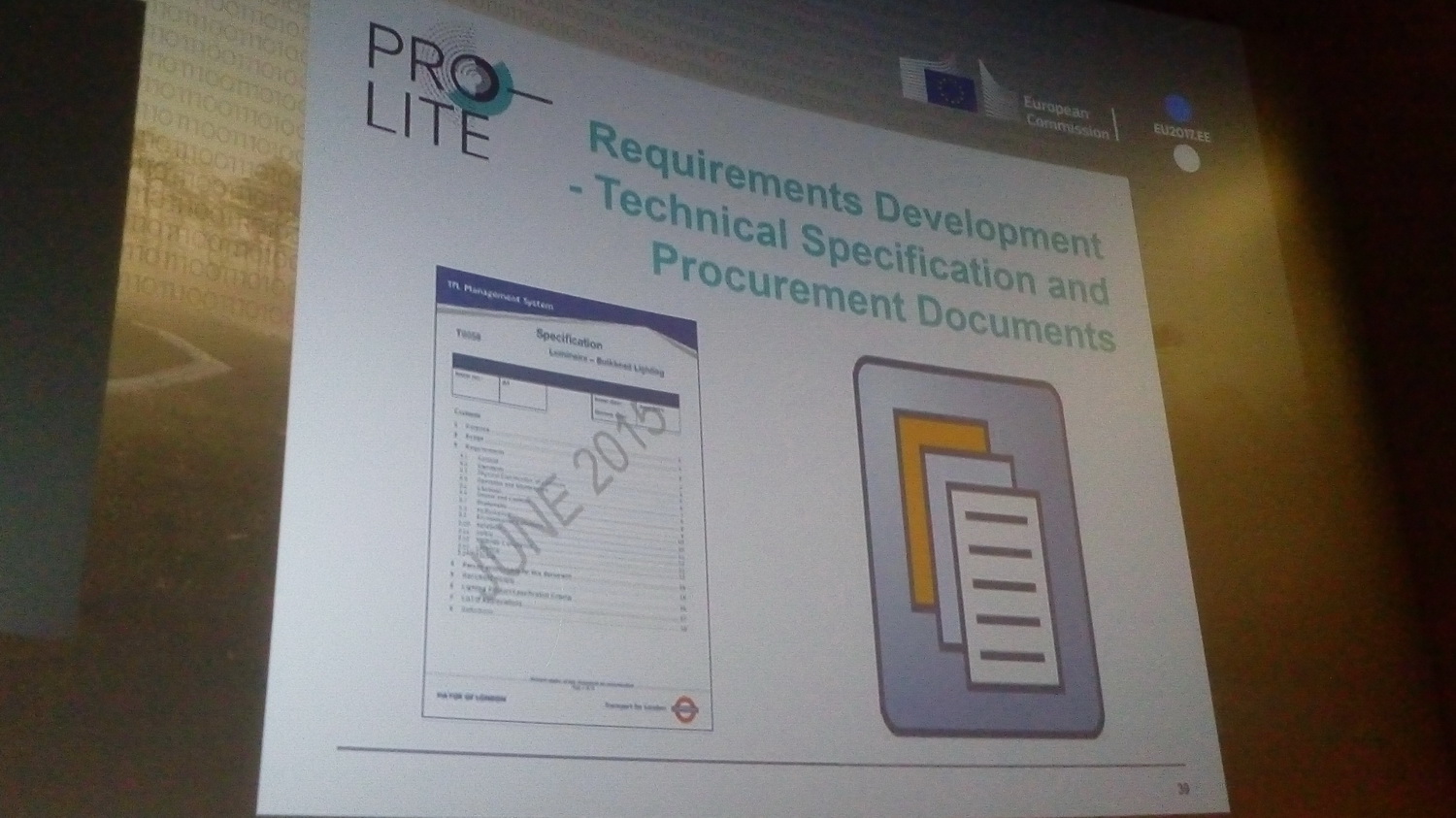
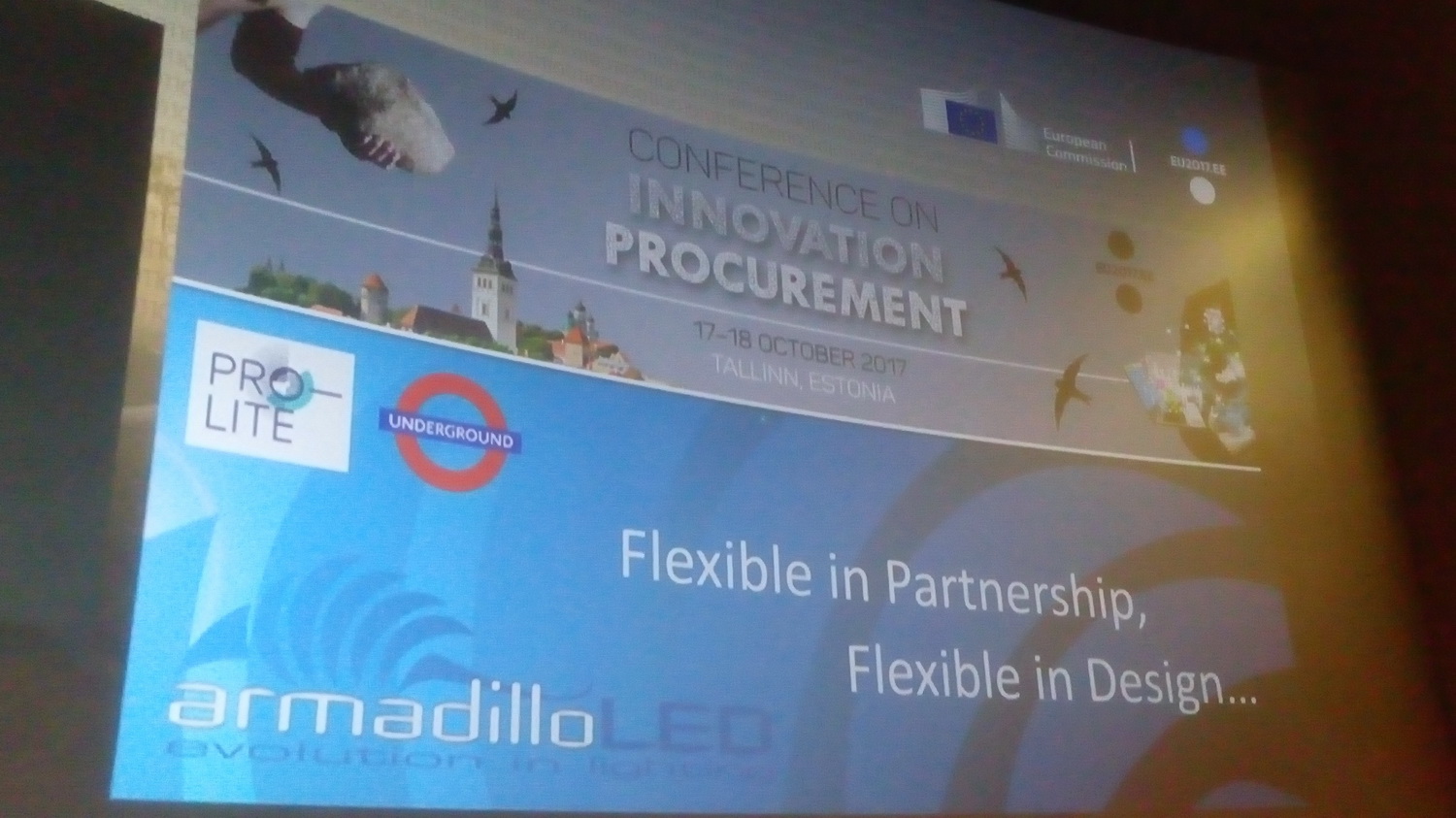
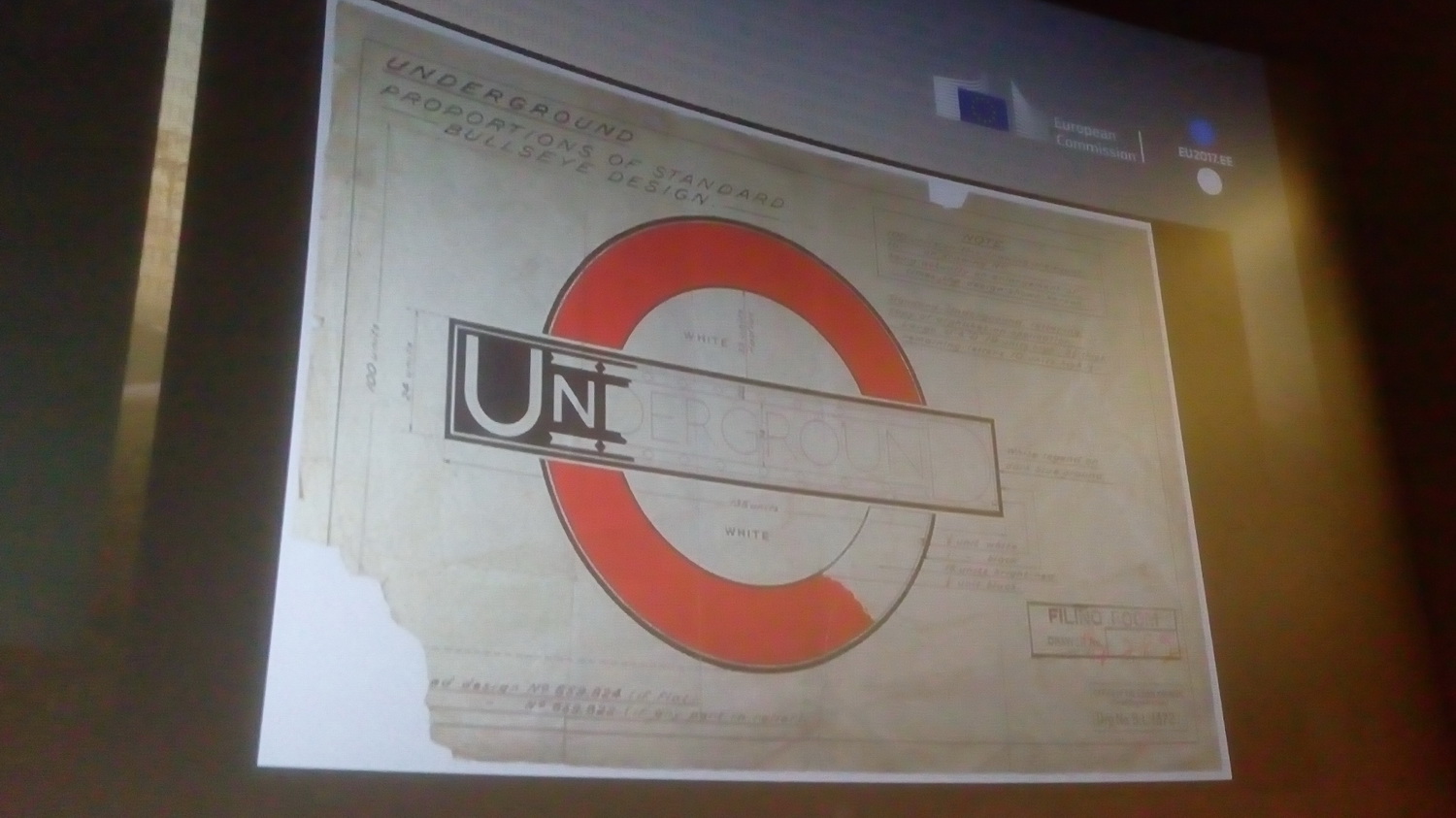
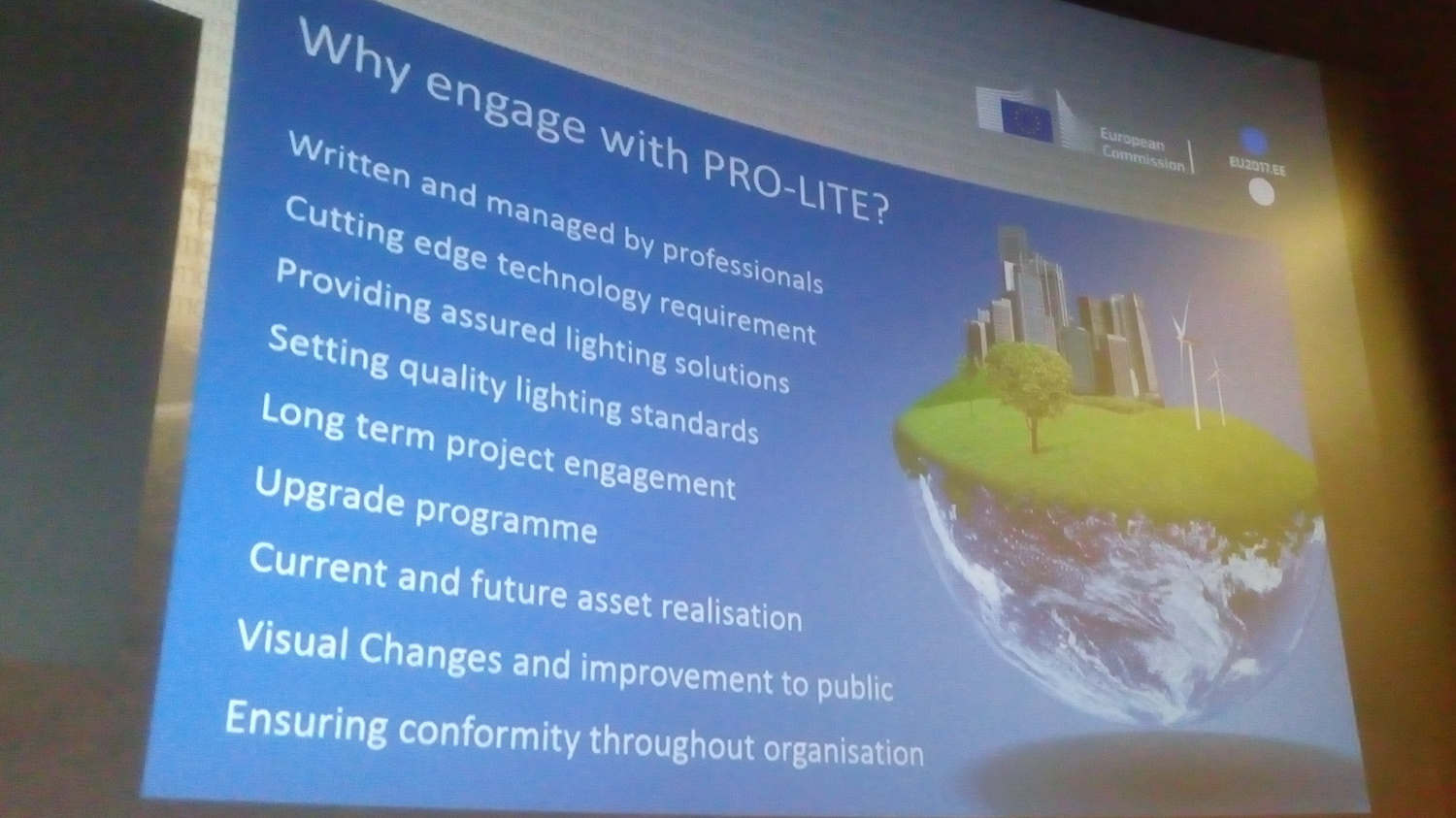
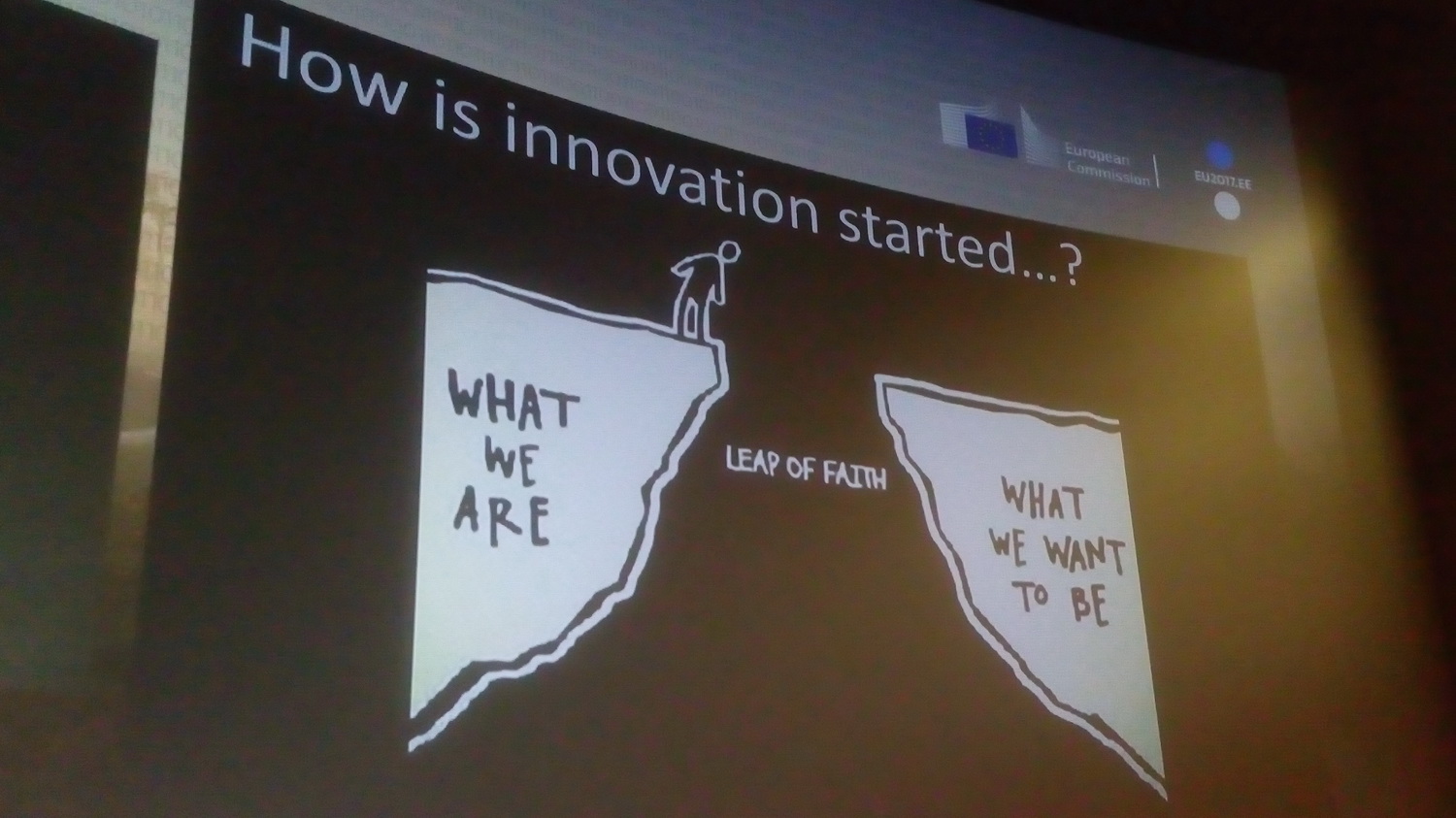
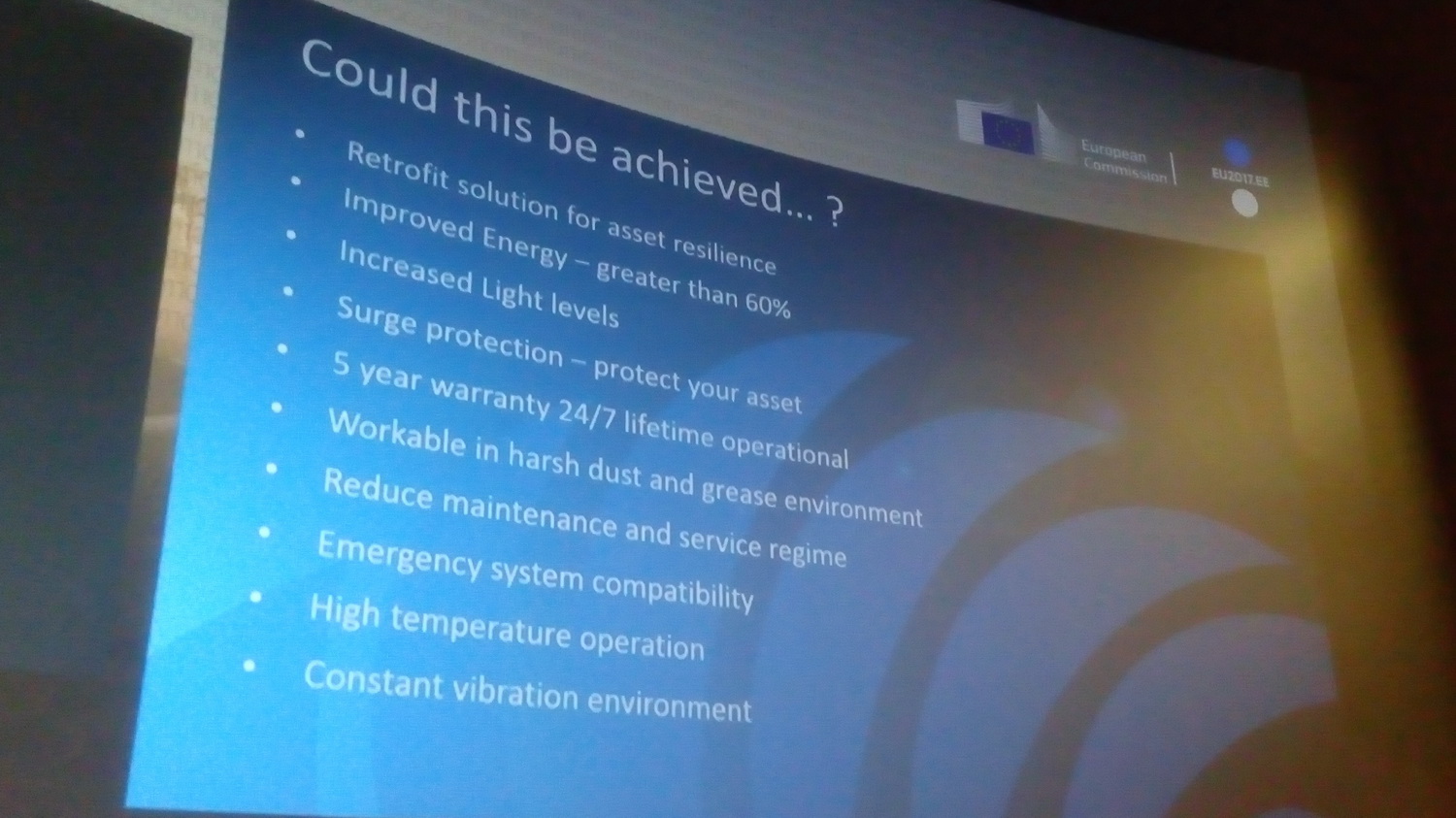
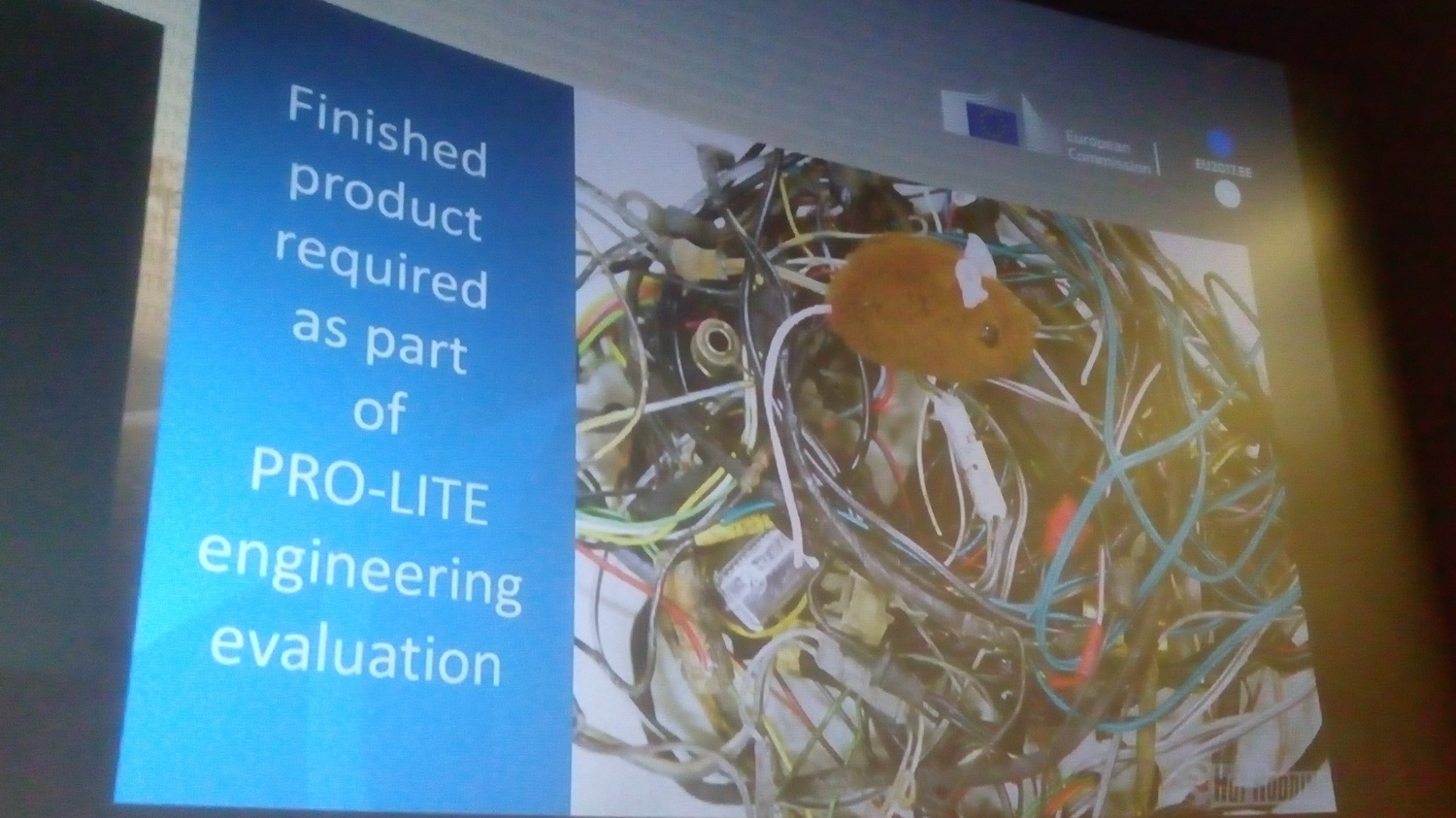
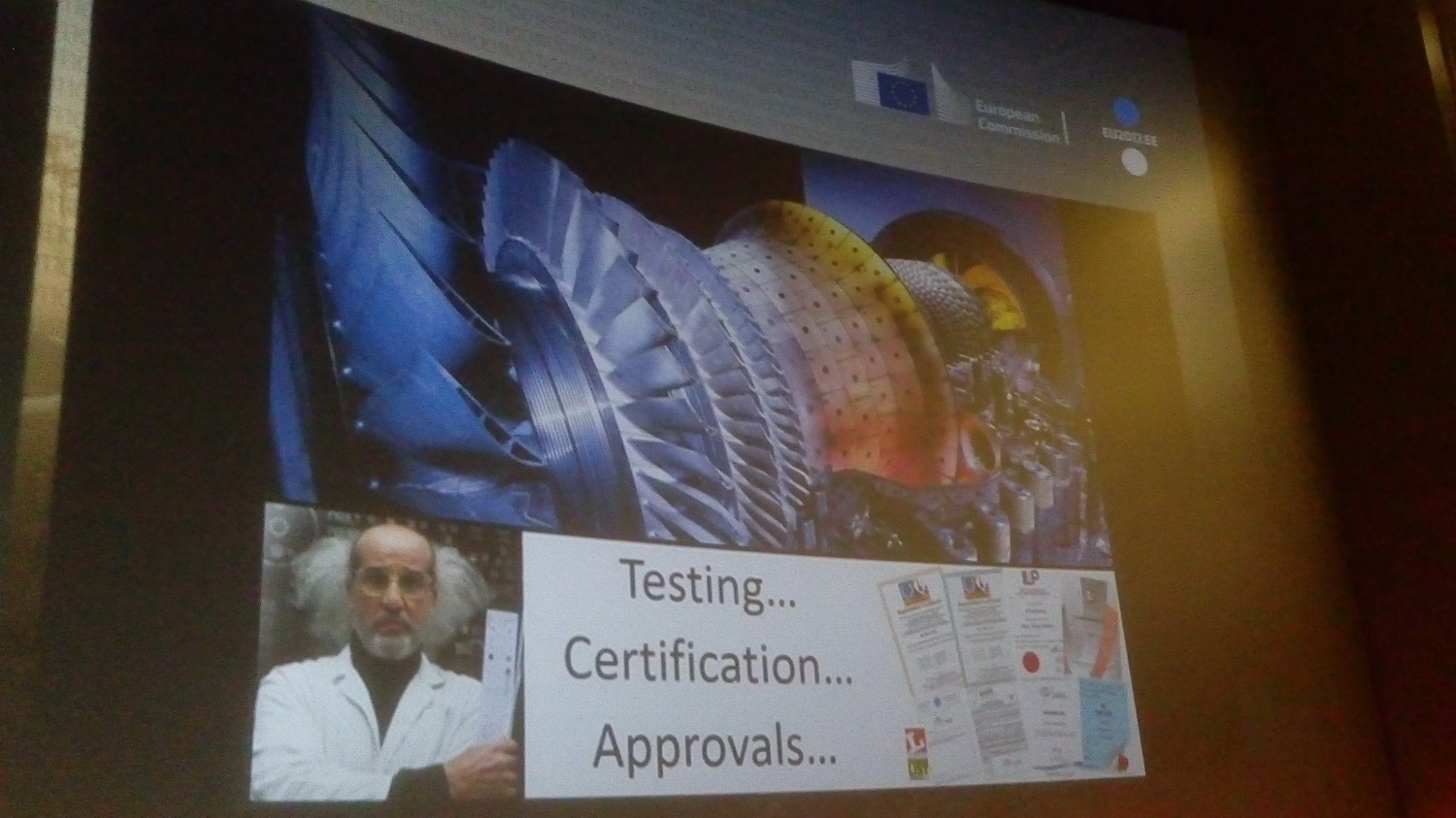
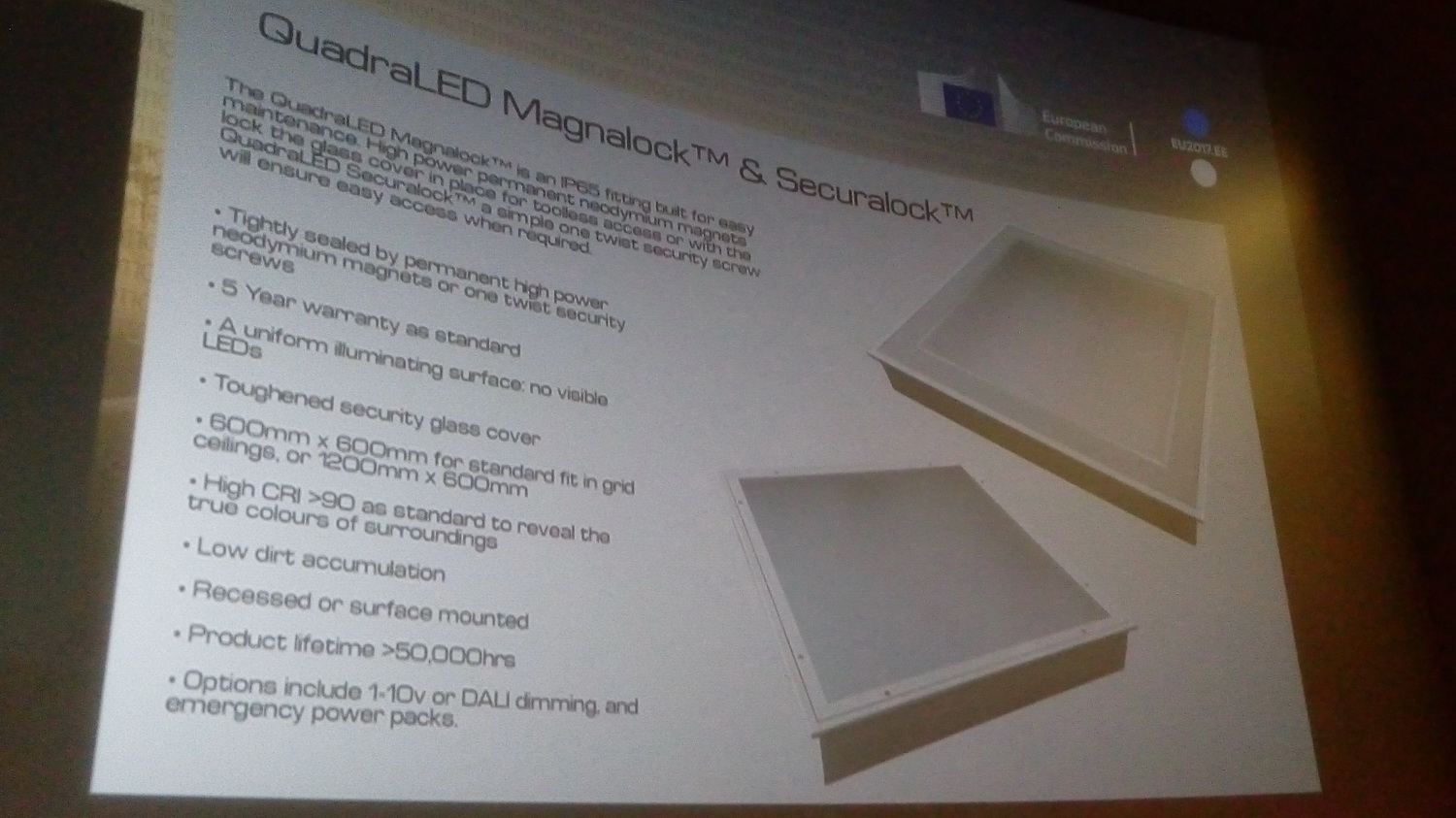
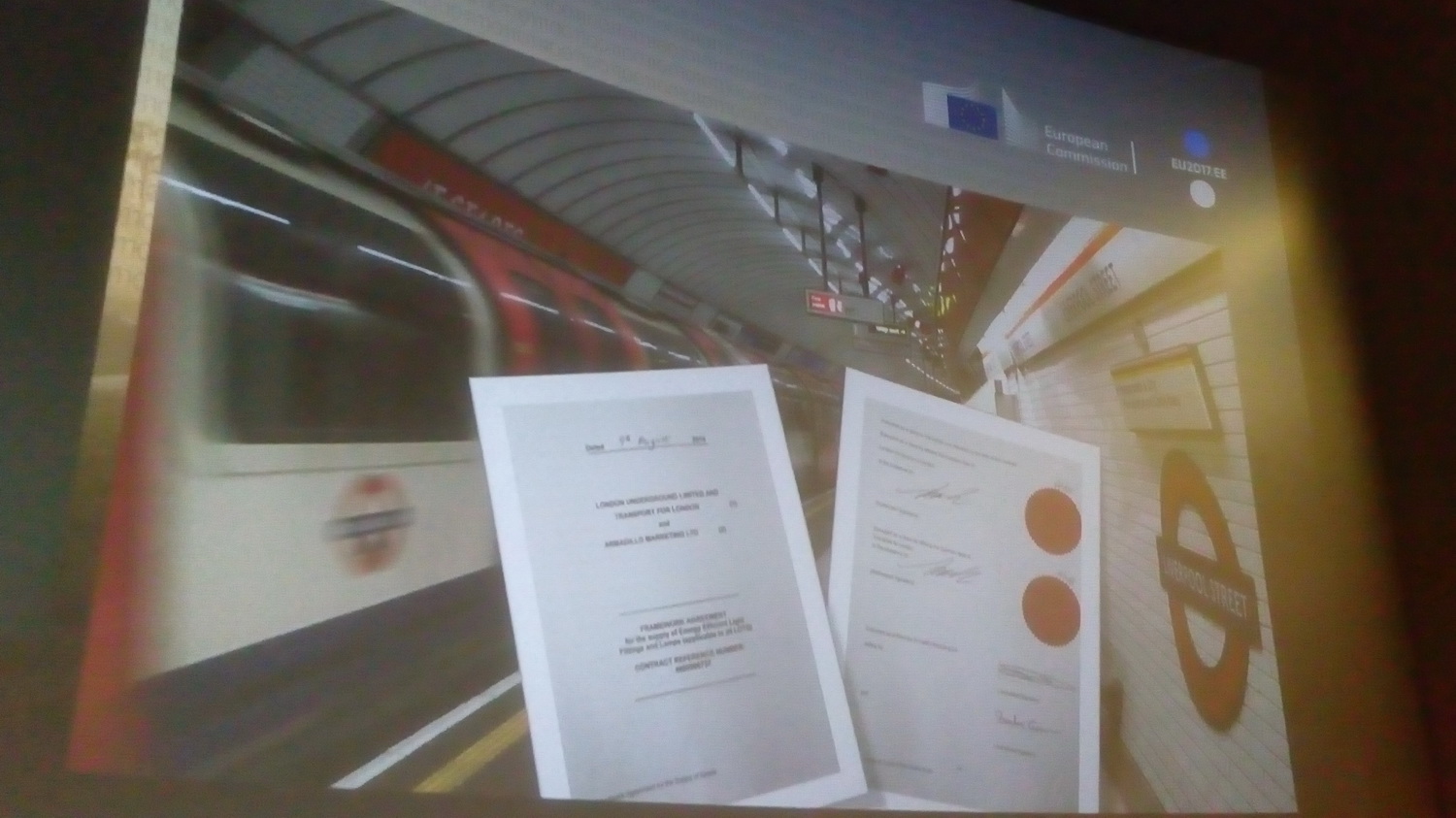
London underground PROLITE lighting PPI procurement, winner of the PROCURA+ Award Innovation Procurement of the Year 2016
Leon Smith, Manager technology and innovation, Transport for London, UK









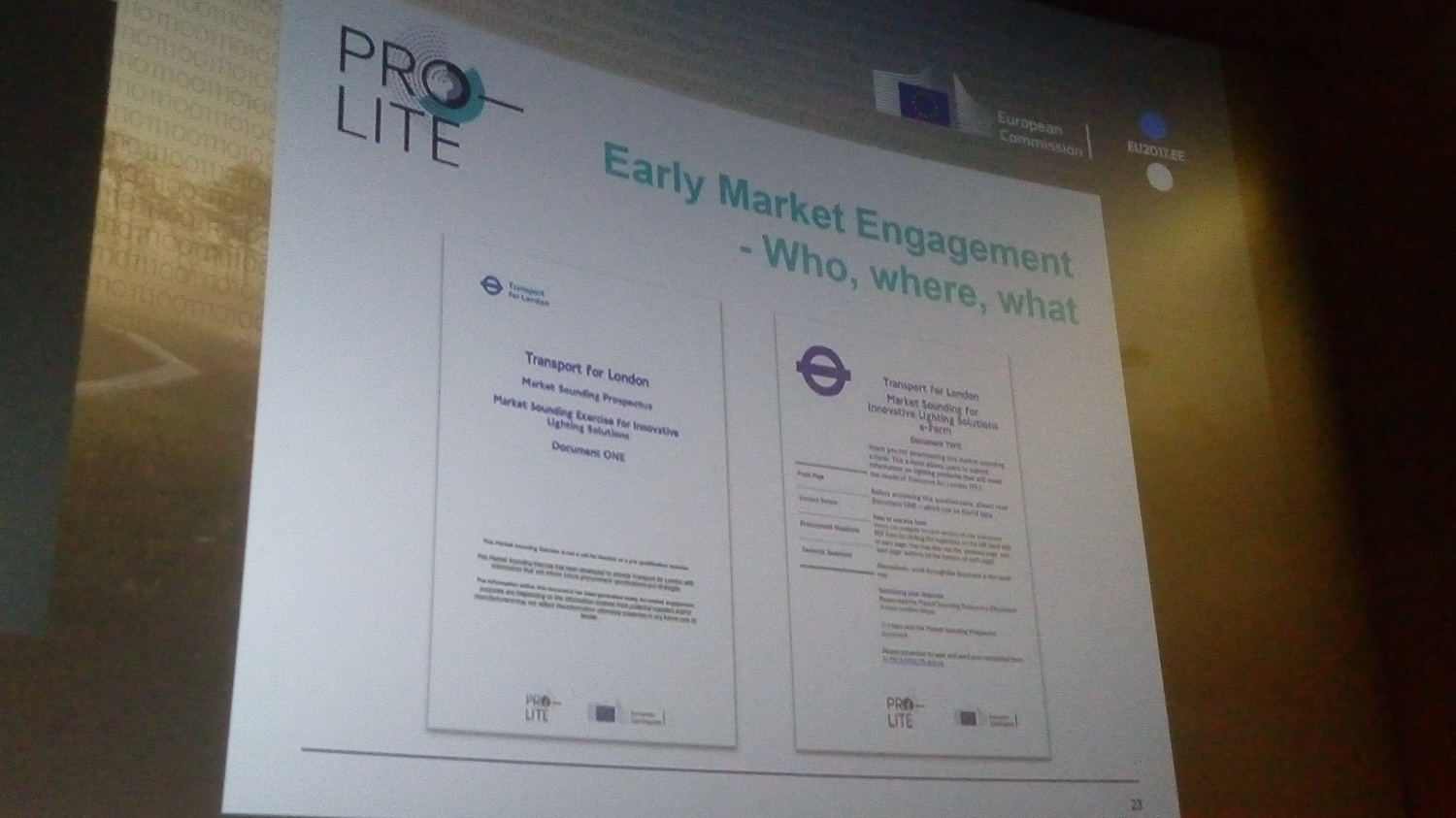
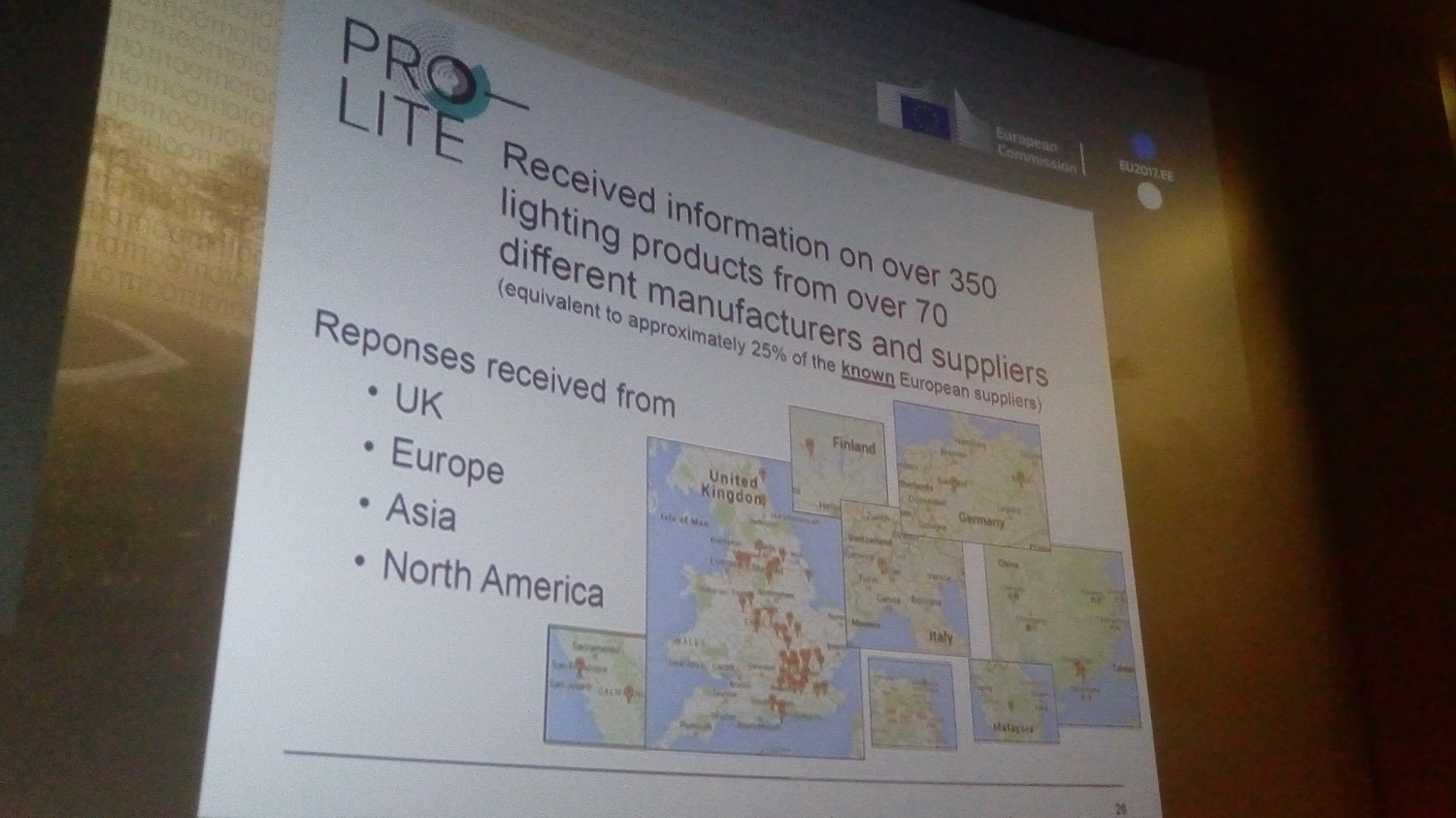

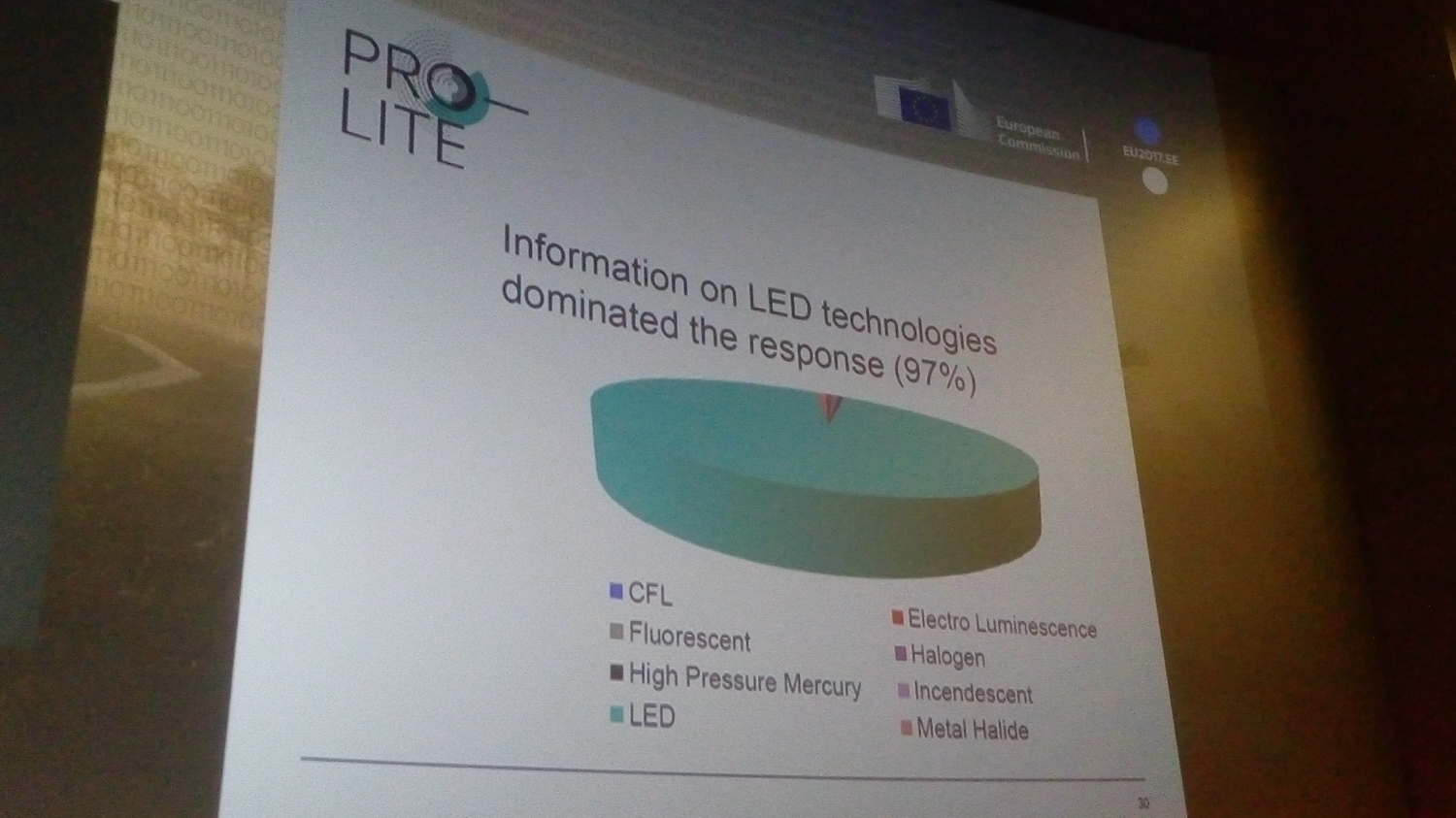
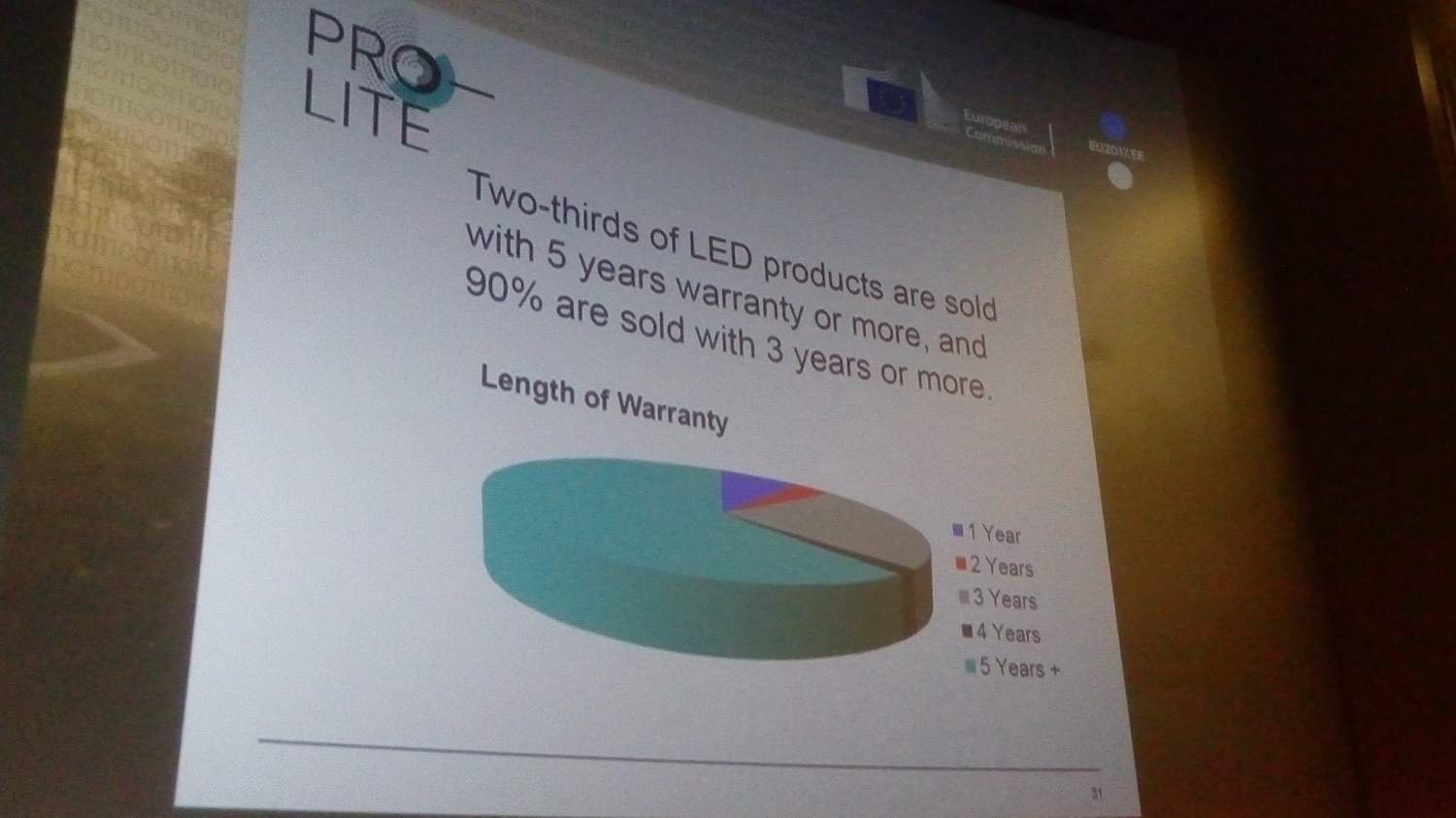


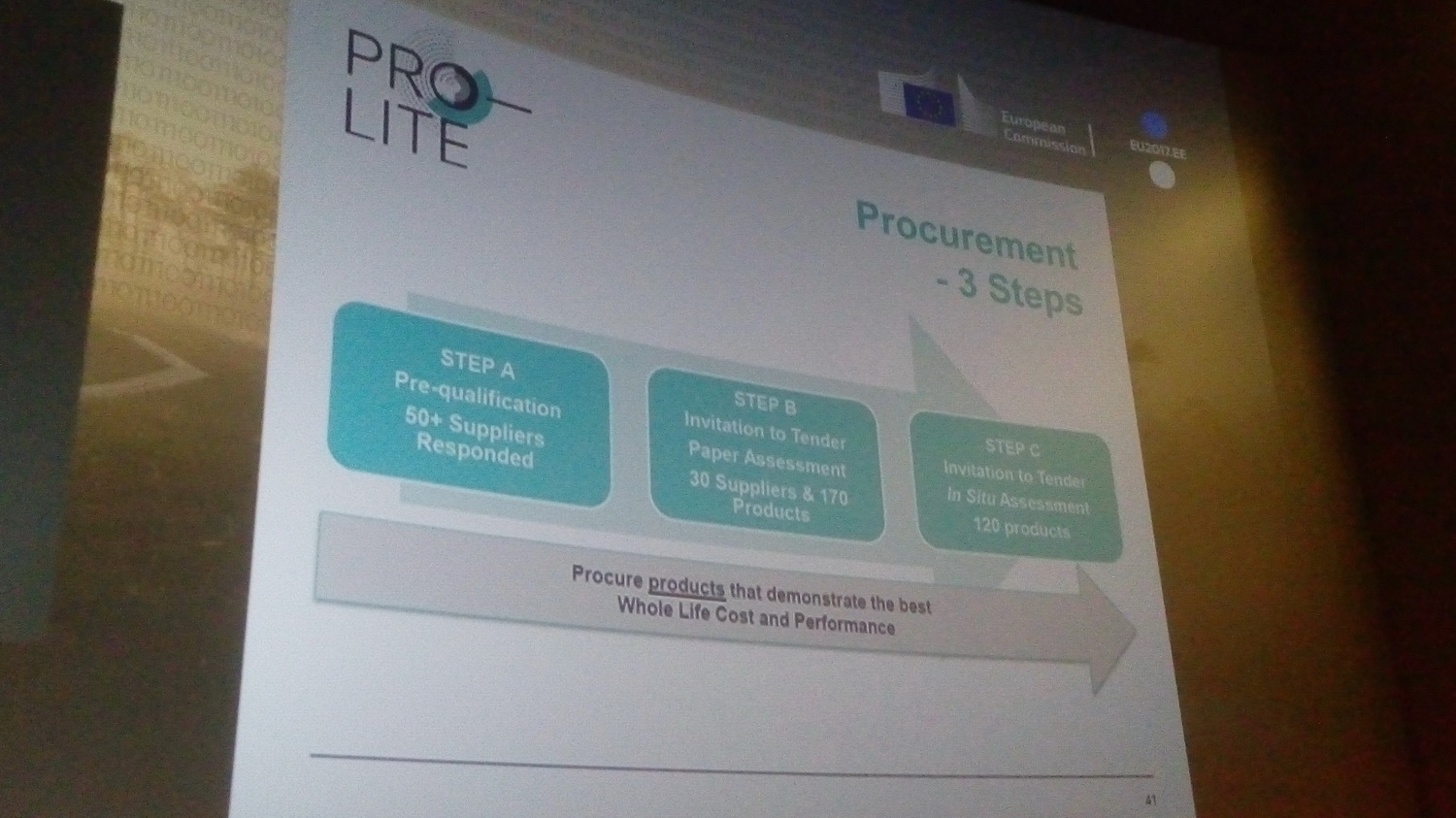
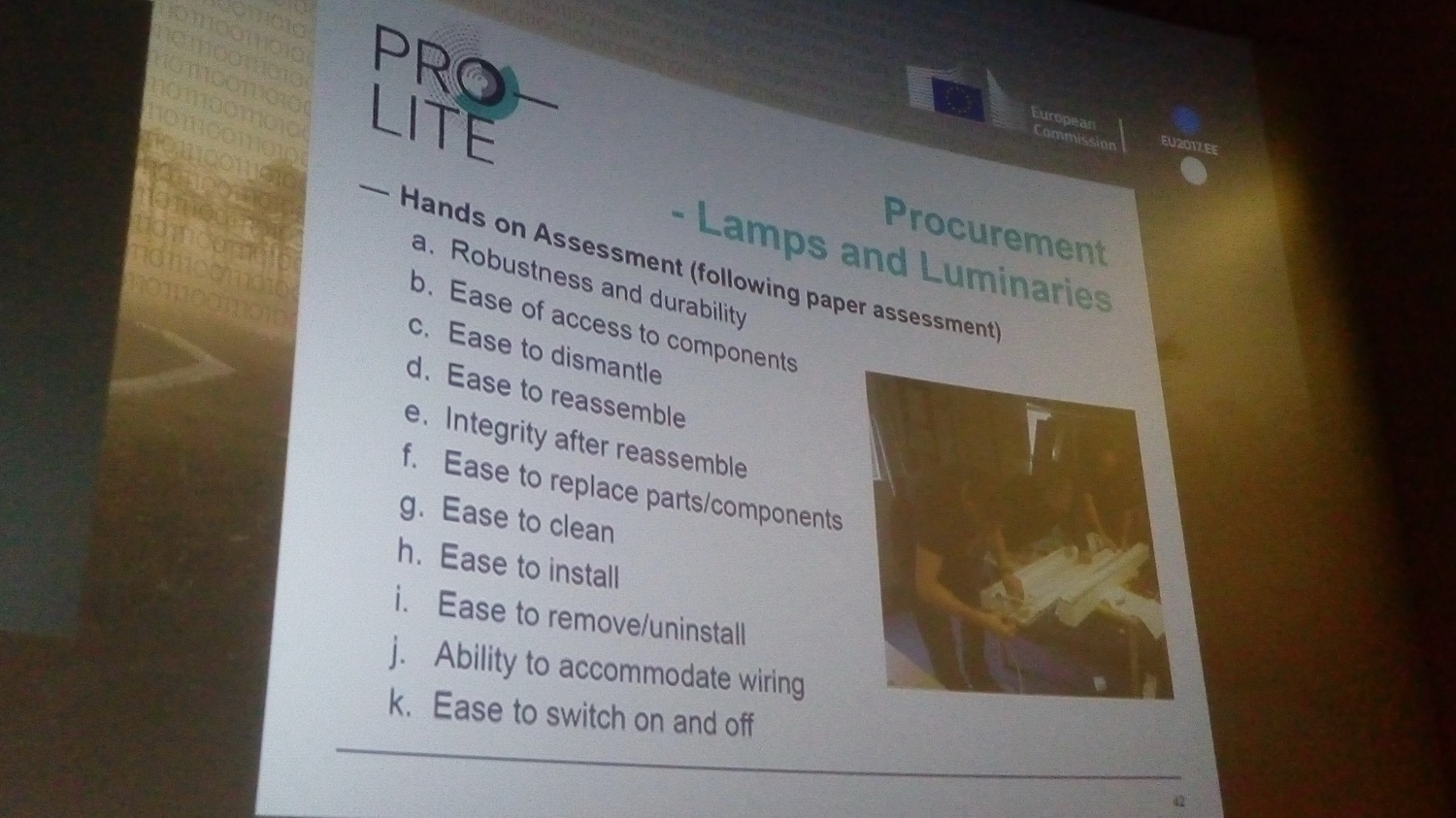
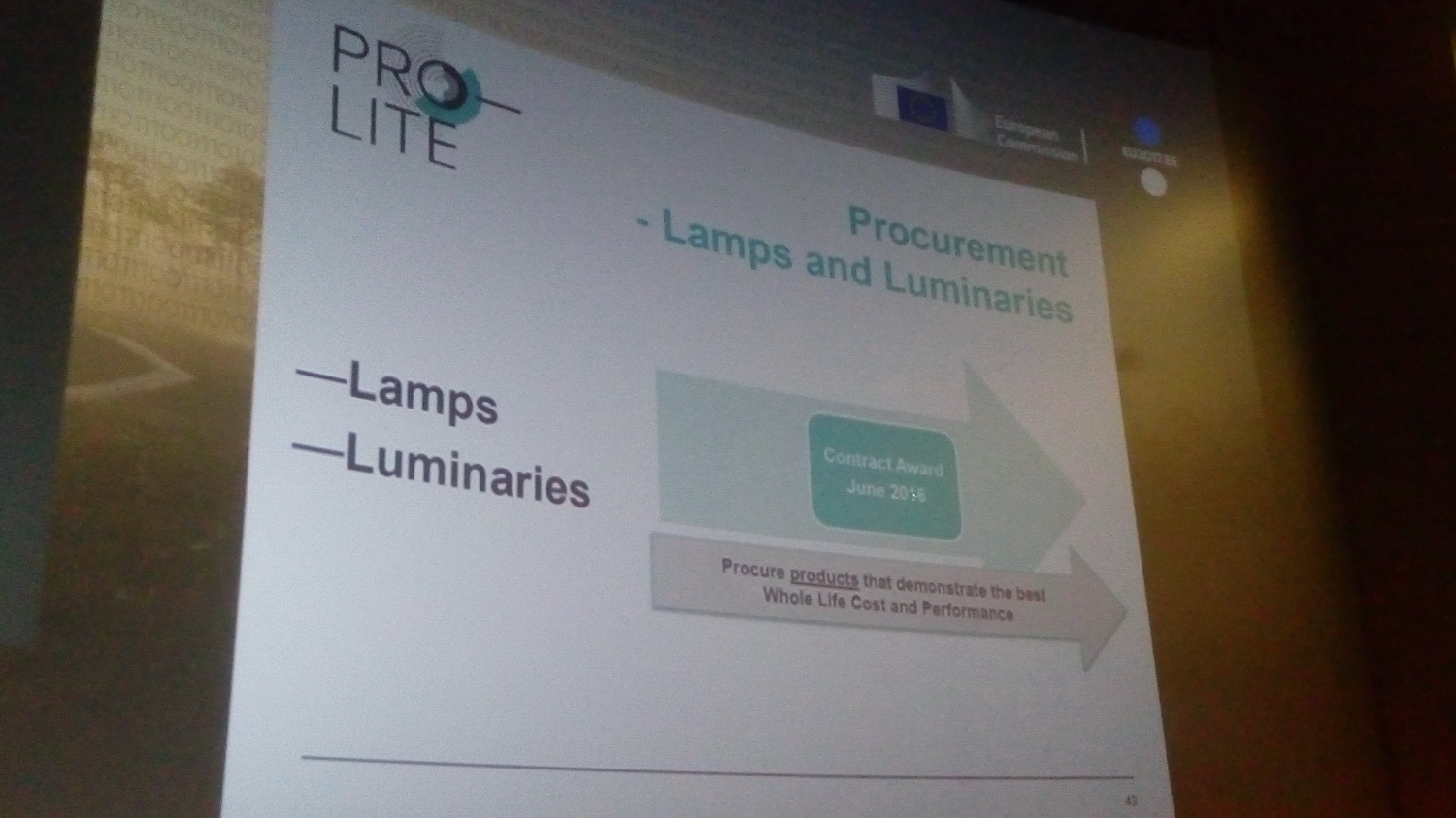
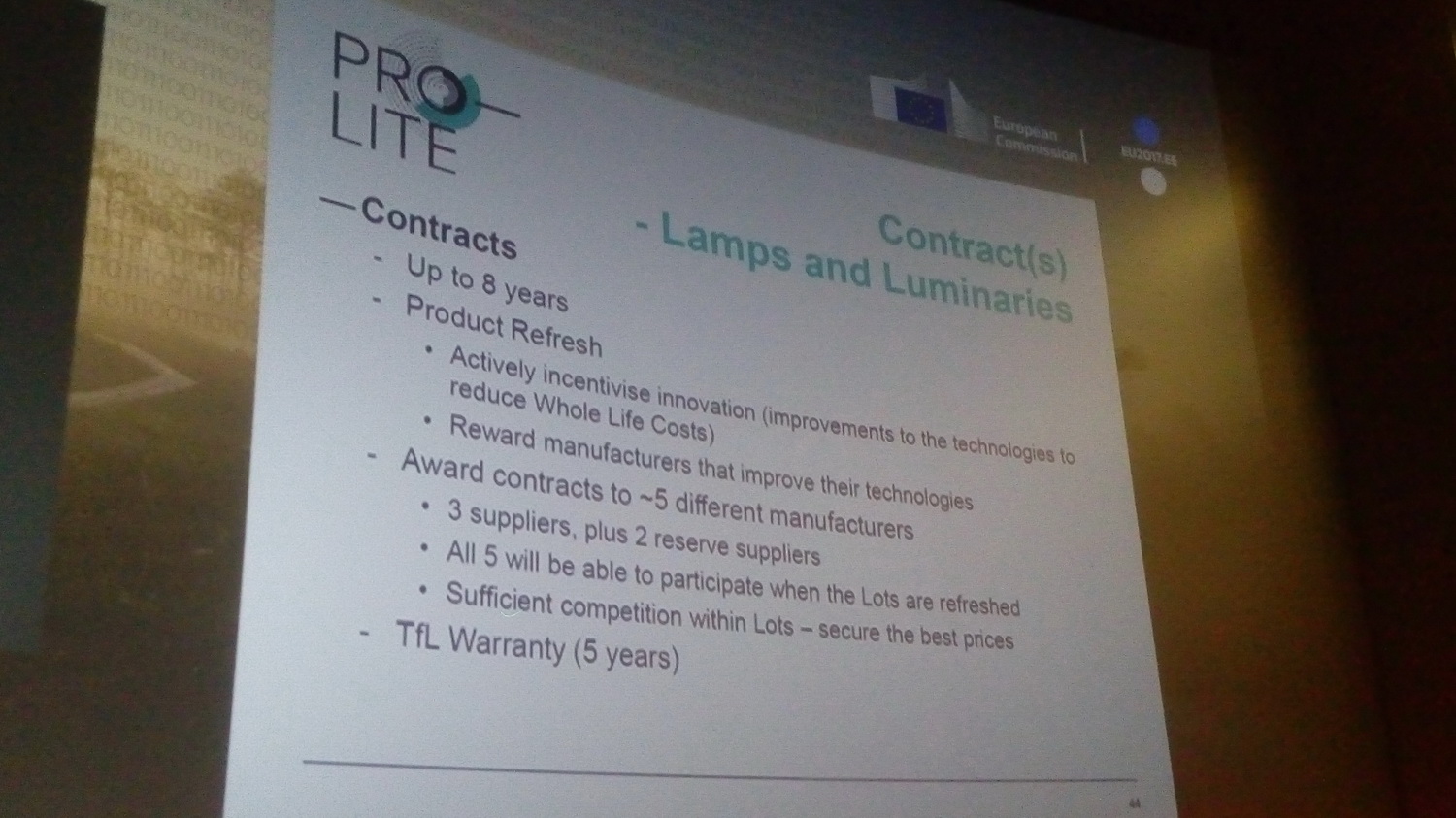
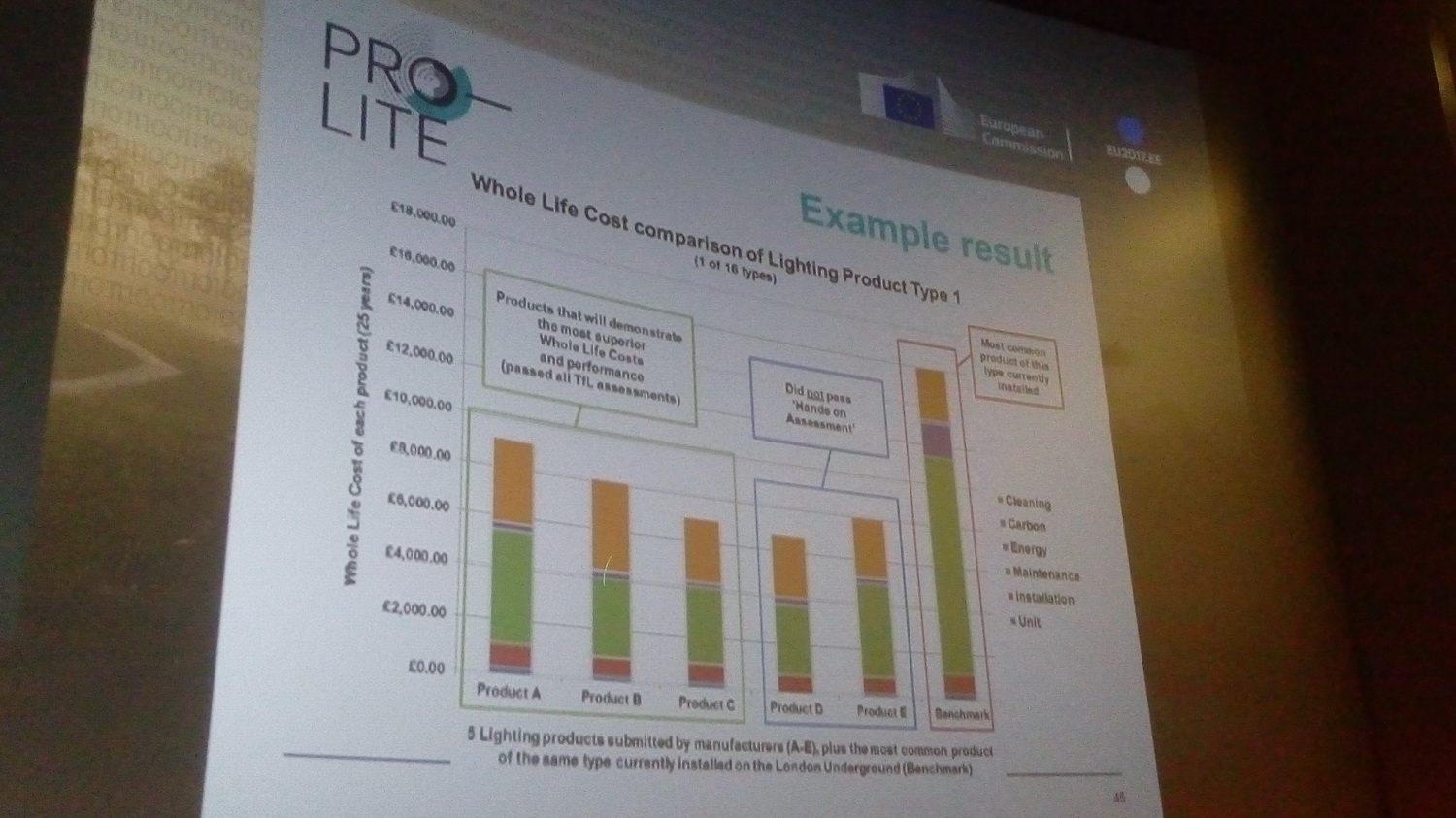

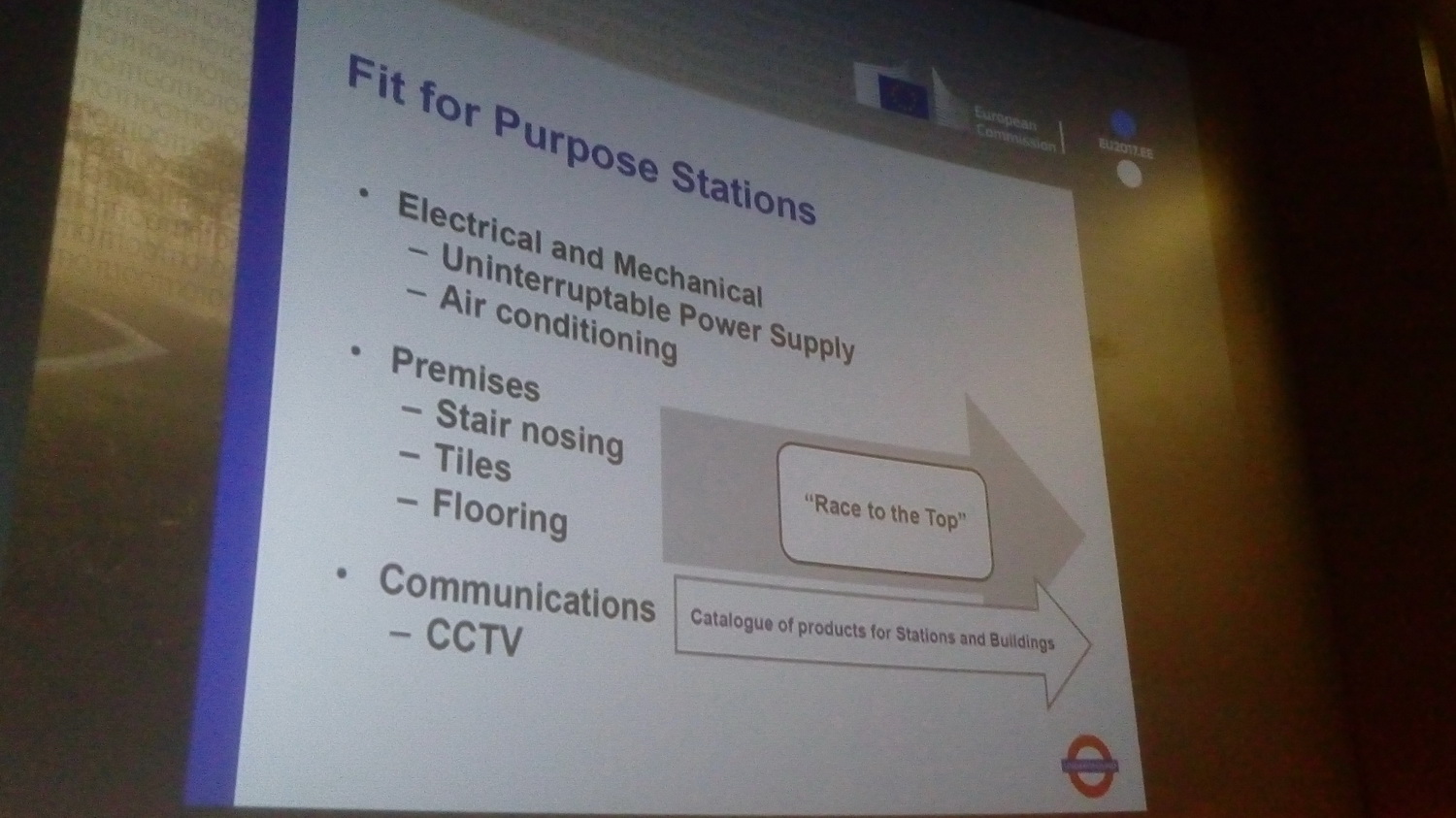
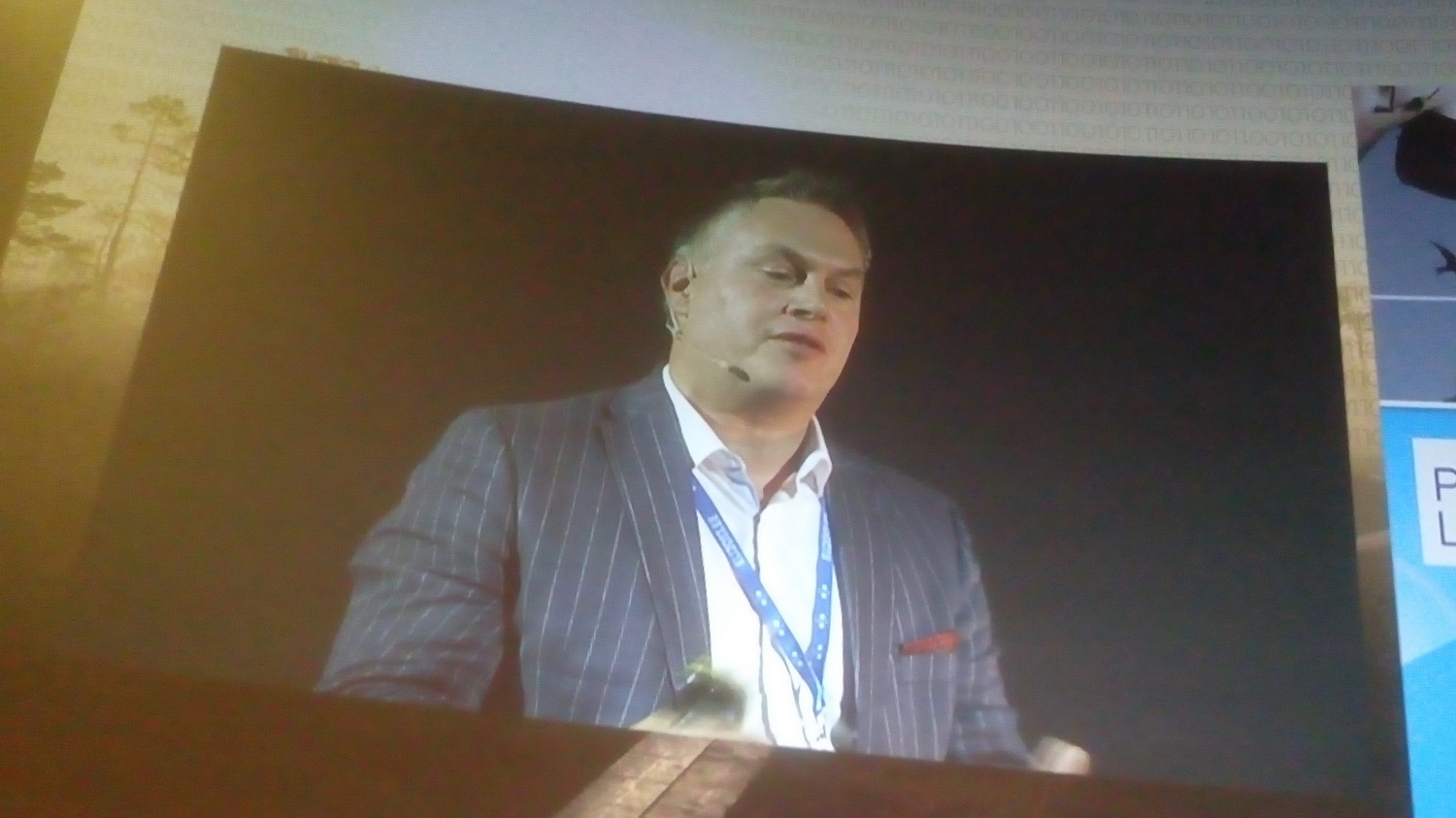
David Bide, Commercial Director, Armadillo-ED — Evolution in Lignting. UK


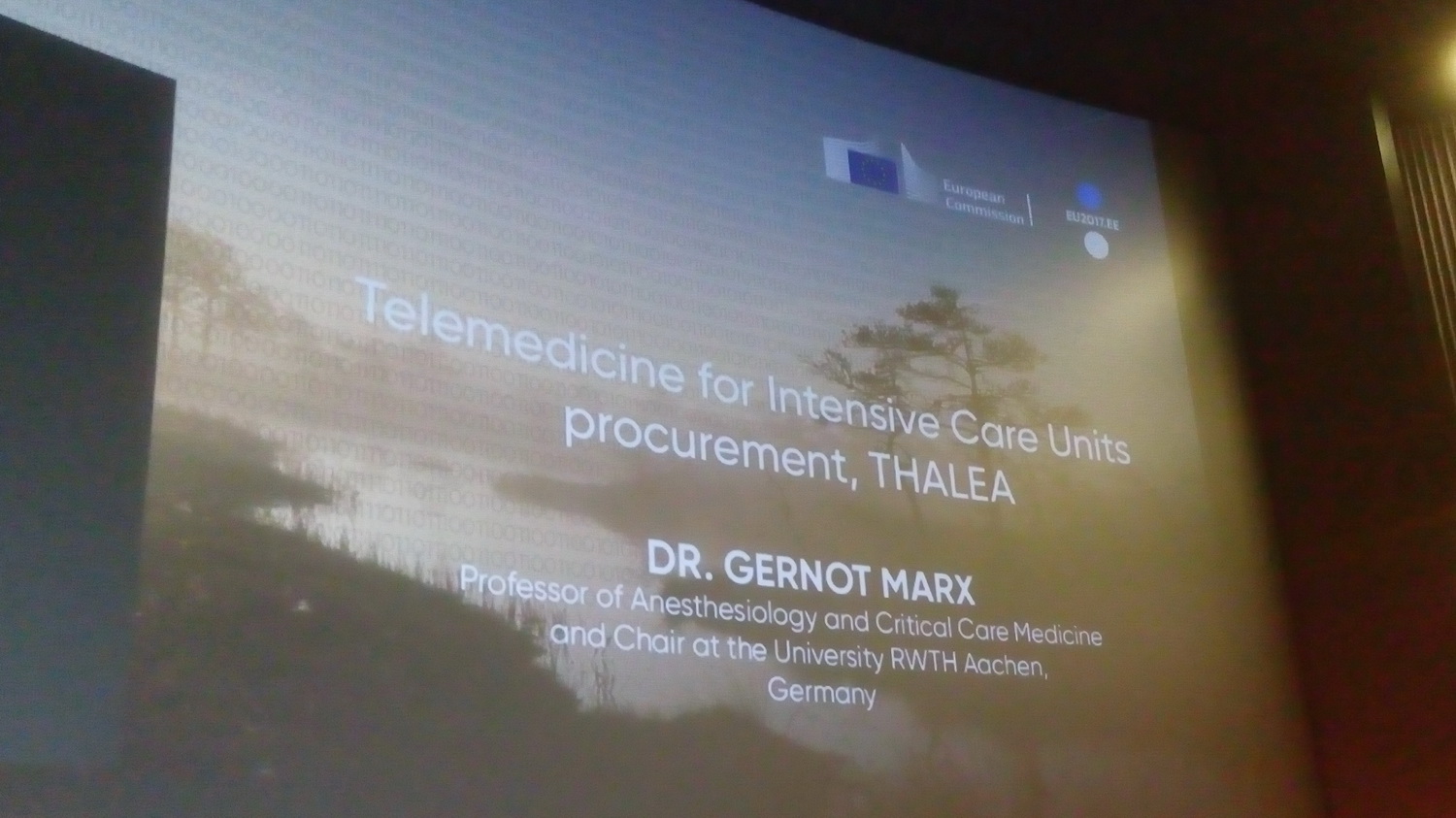
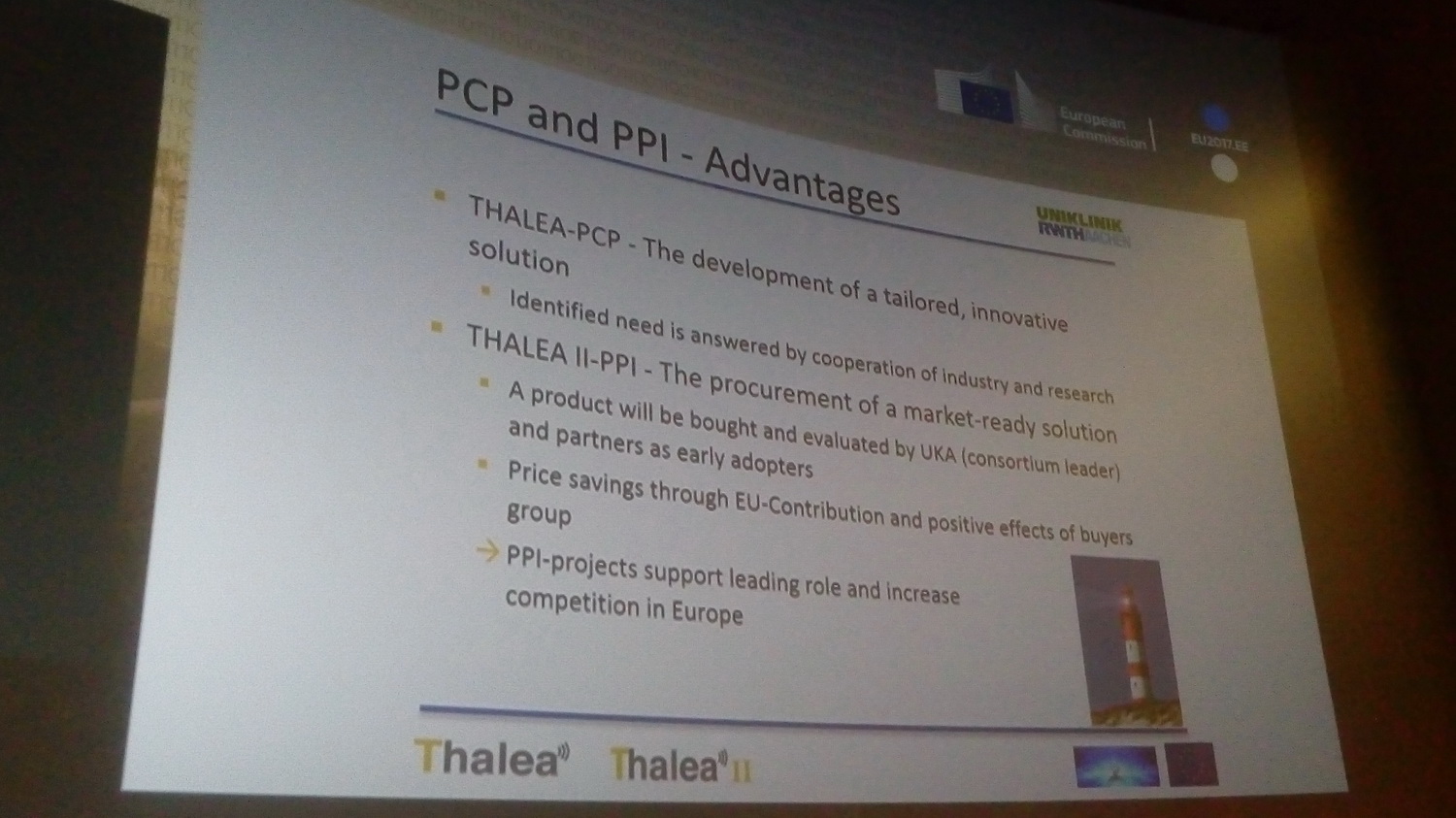
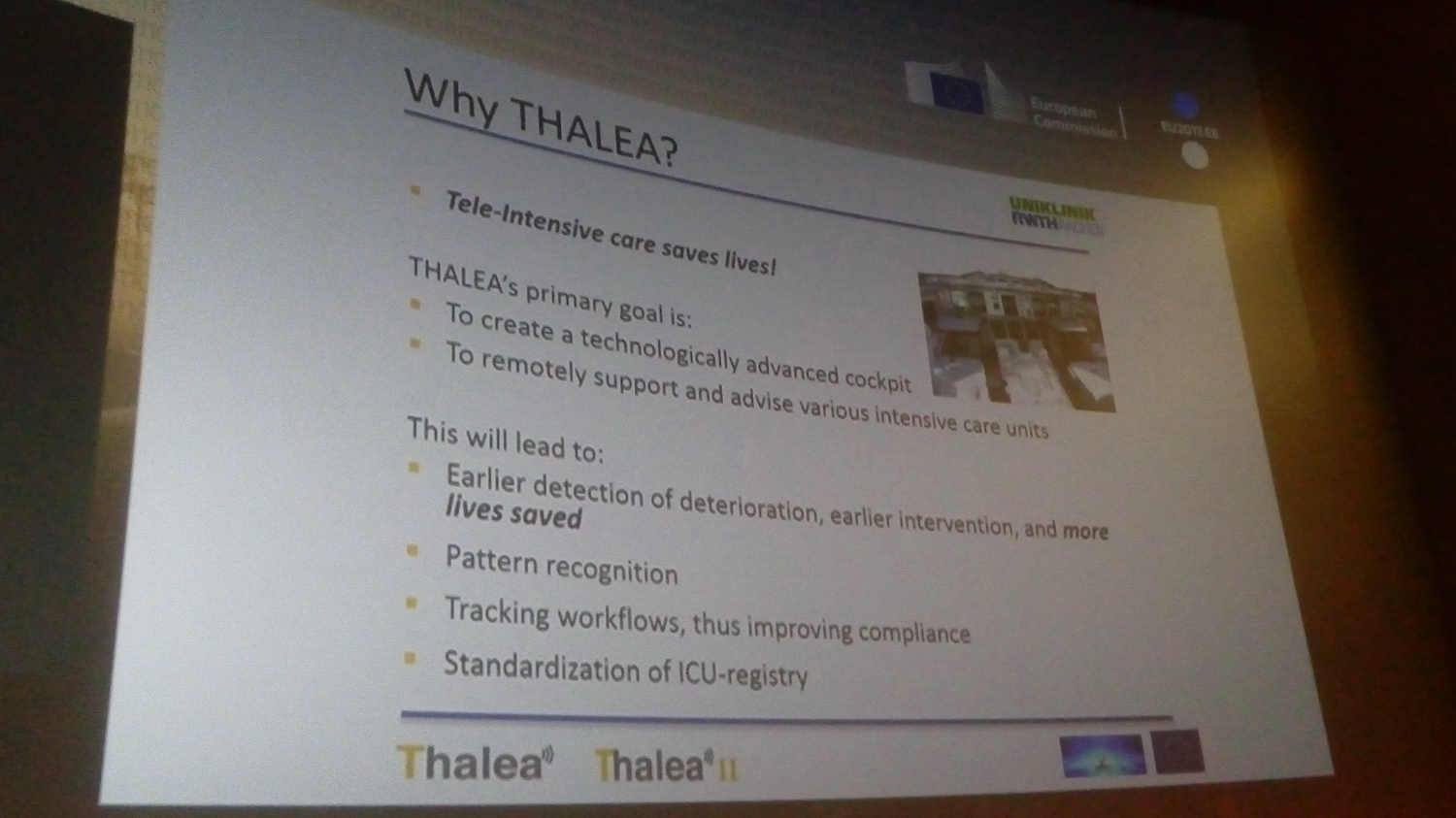
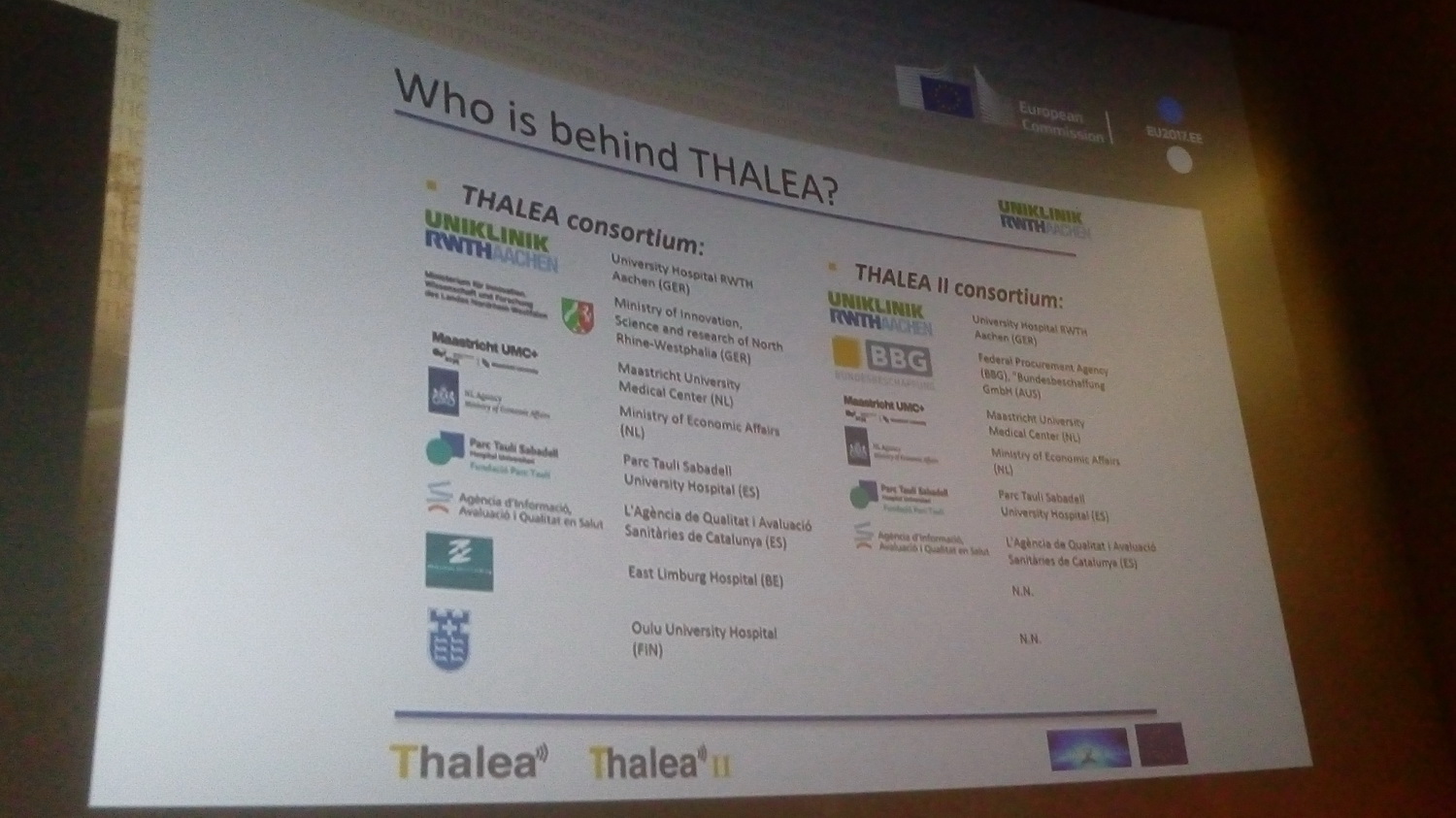
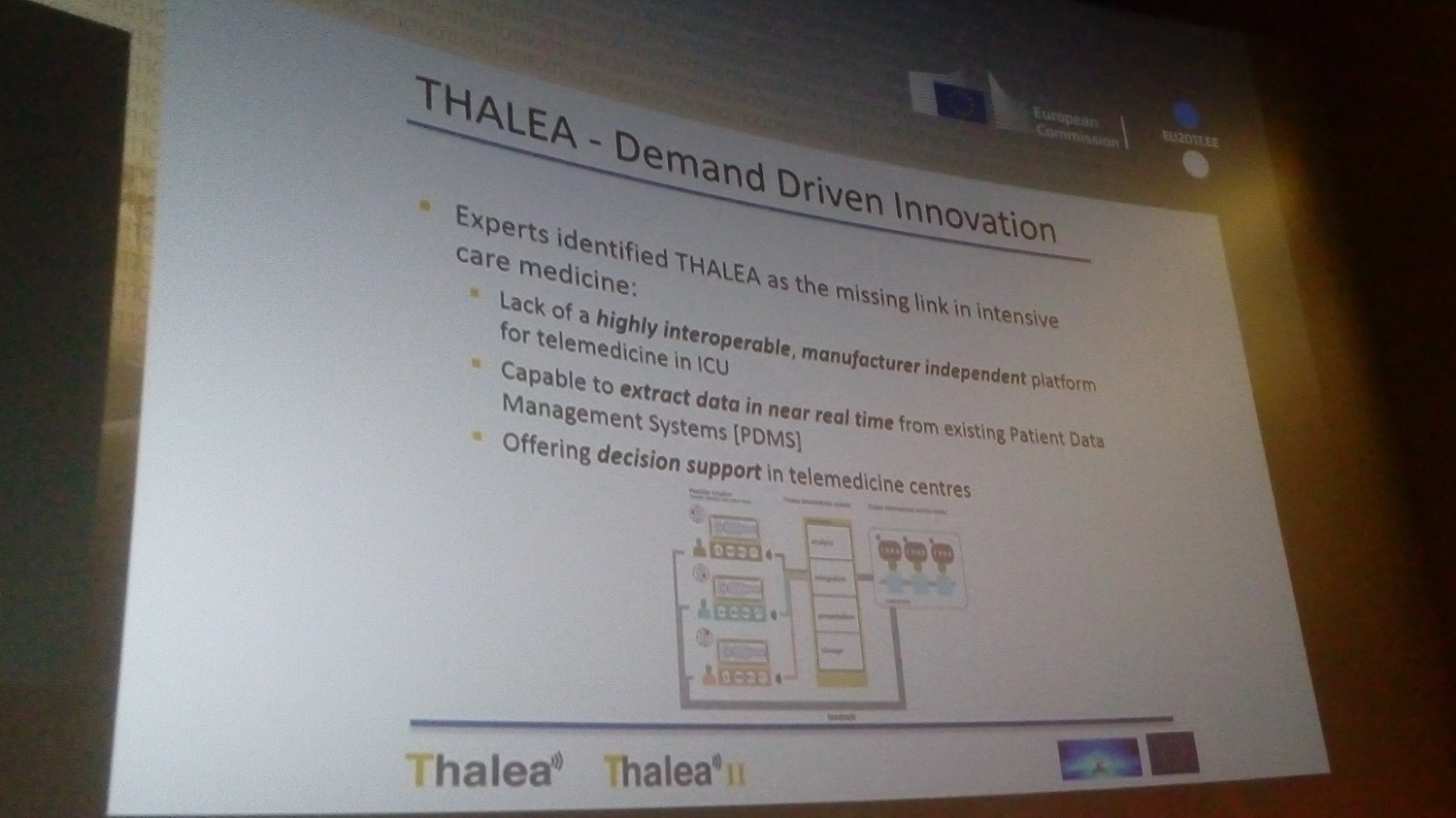
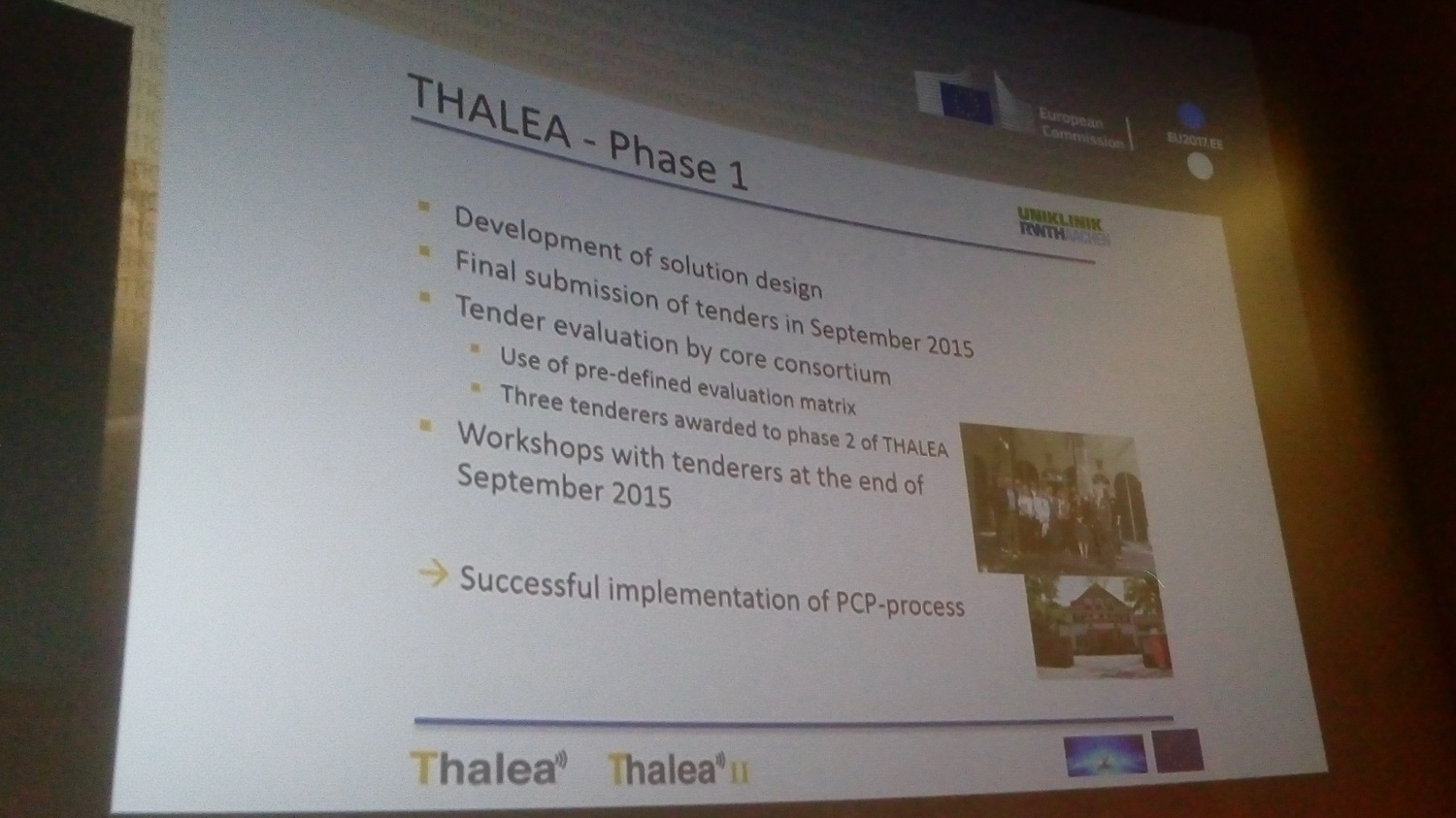
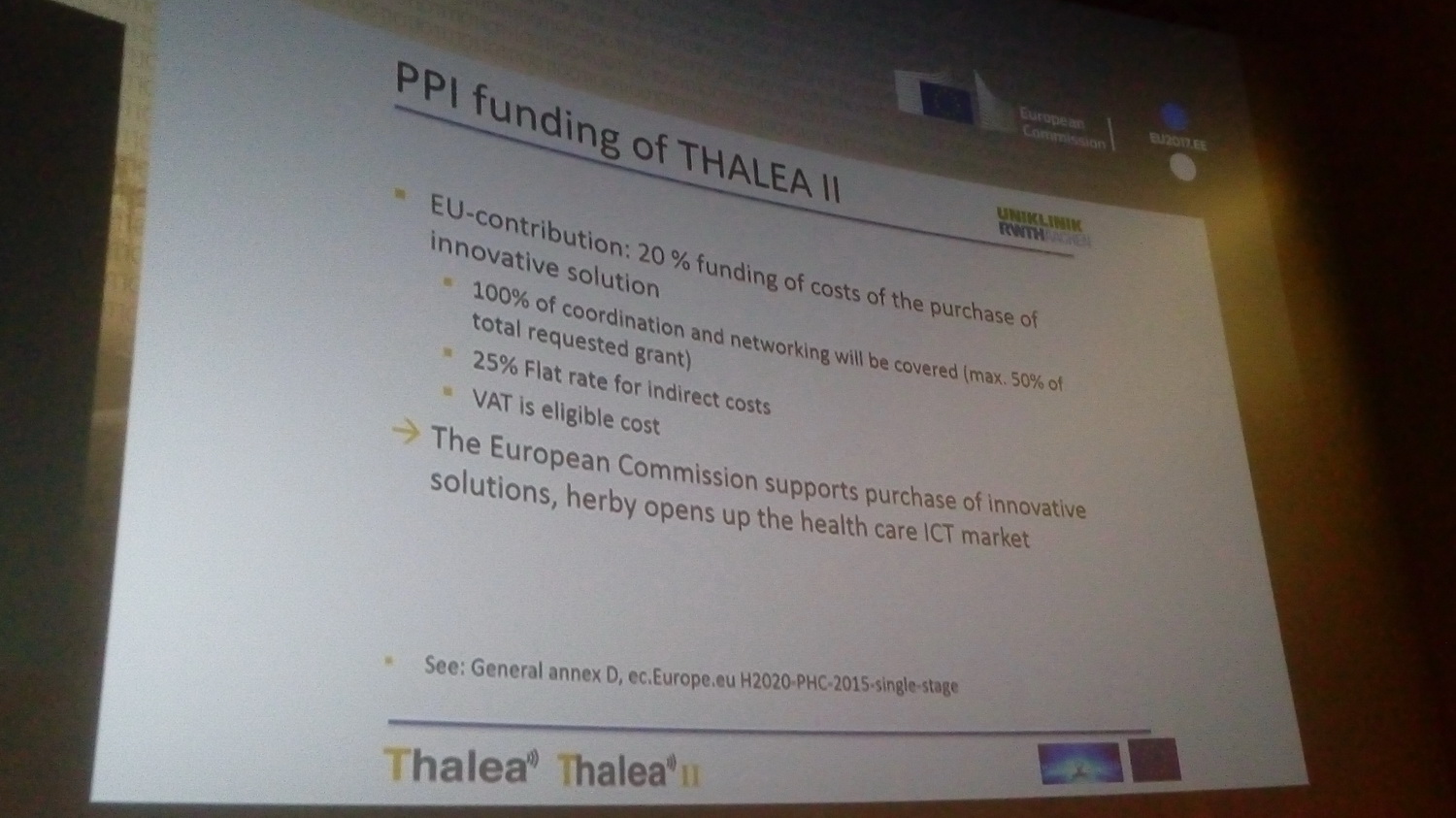
Telemedicine for Intensive Care Units procurement, THALEA
Dr. Gernot Marx, Professor ot Anesthesrology and Critical Care Medicine and Chair at the University RWTH Aachen, Germany




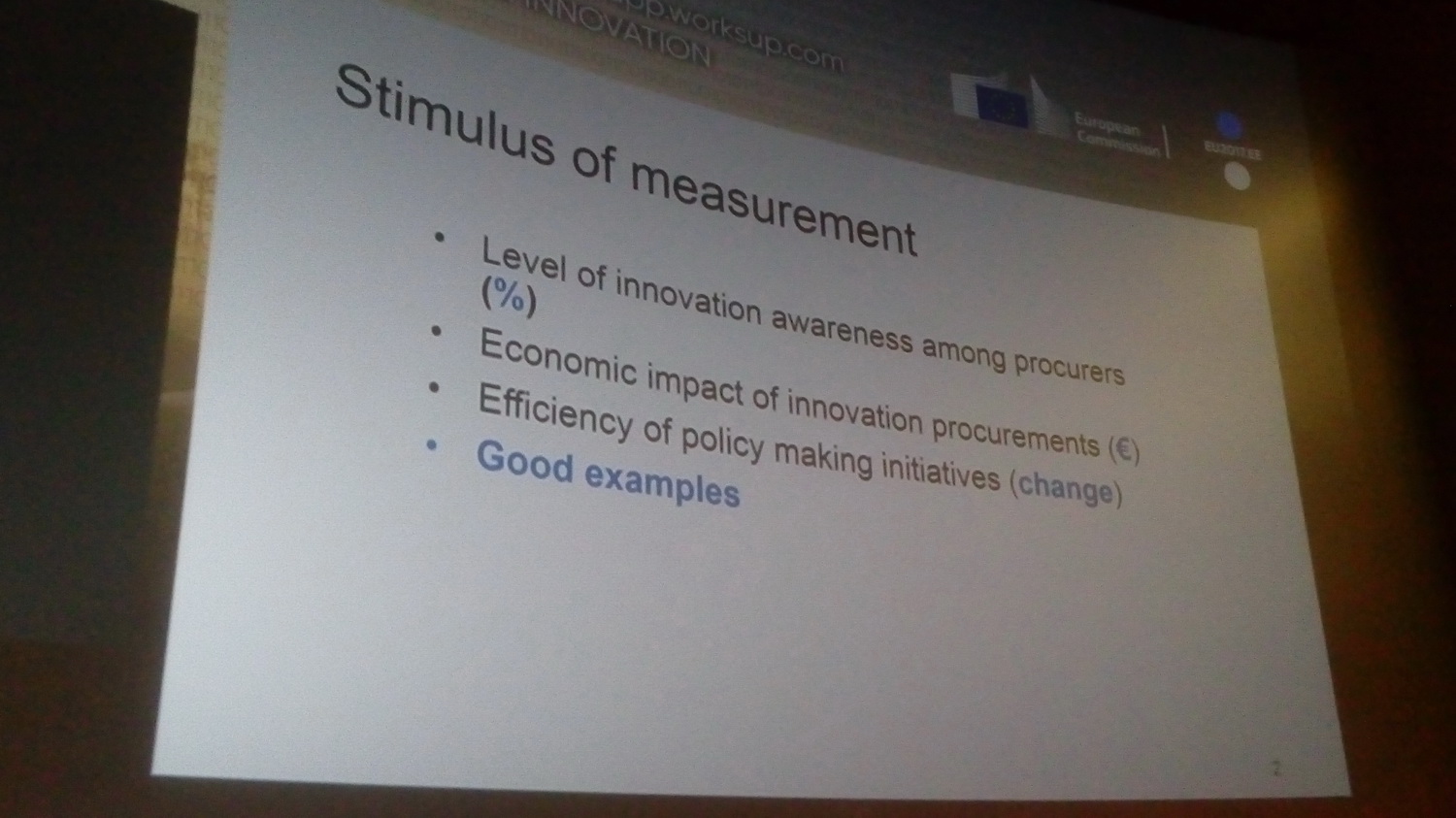
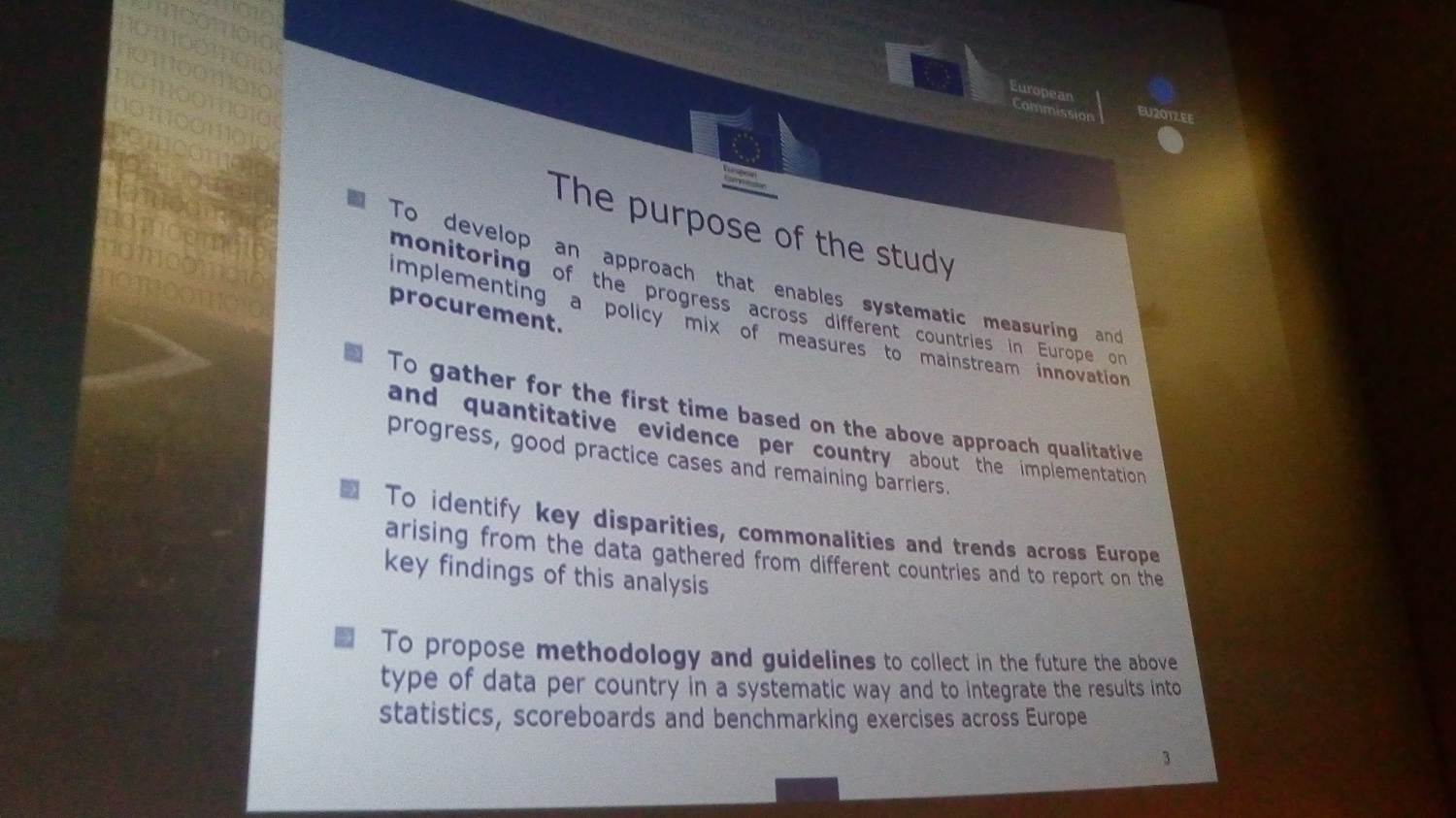
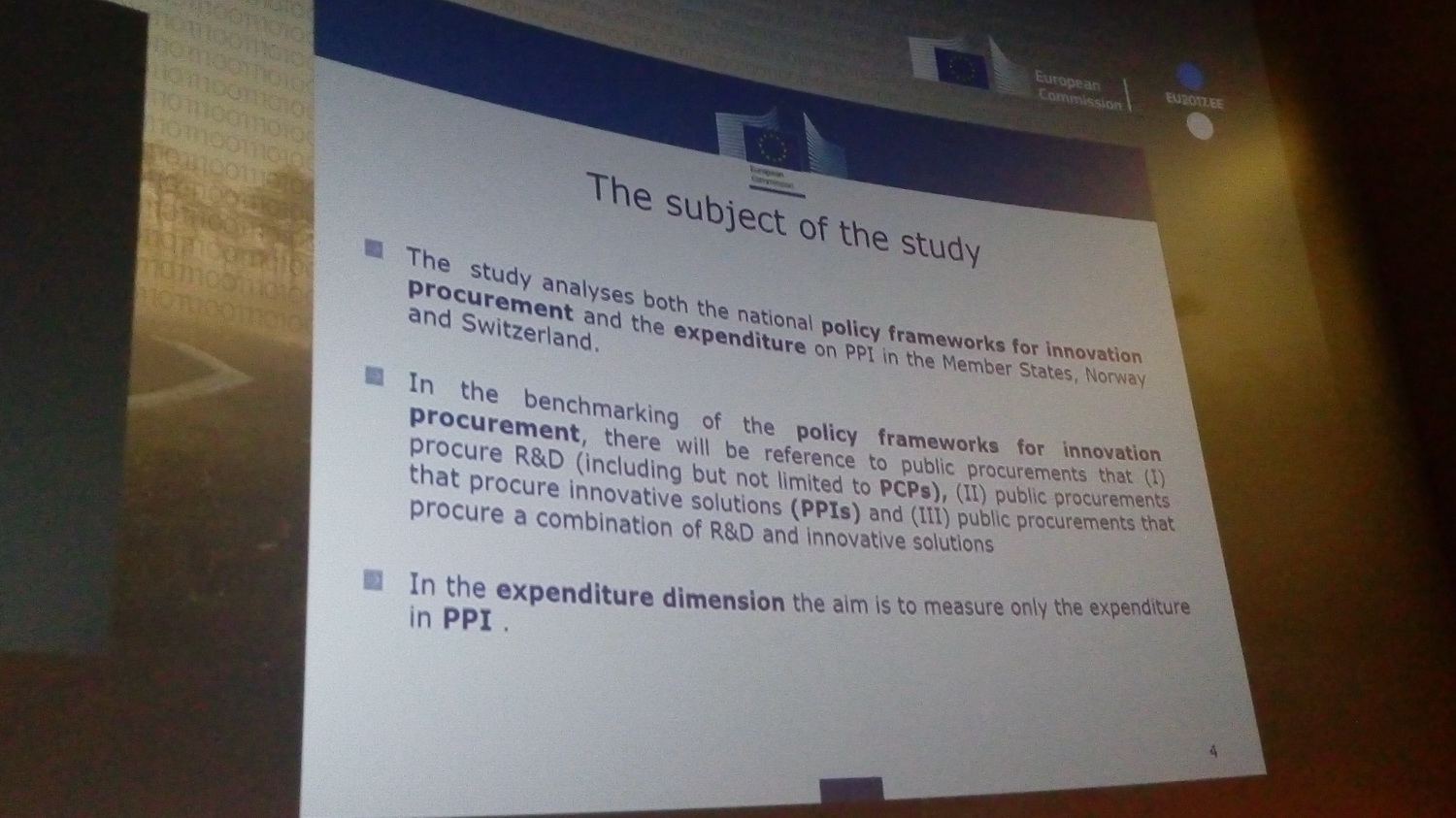
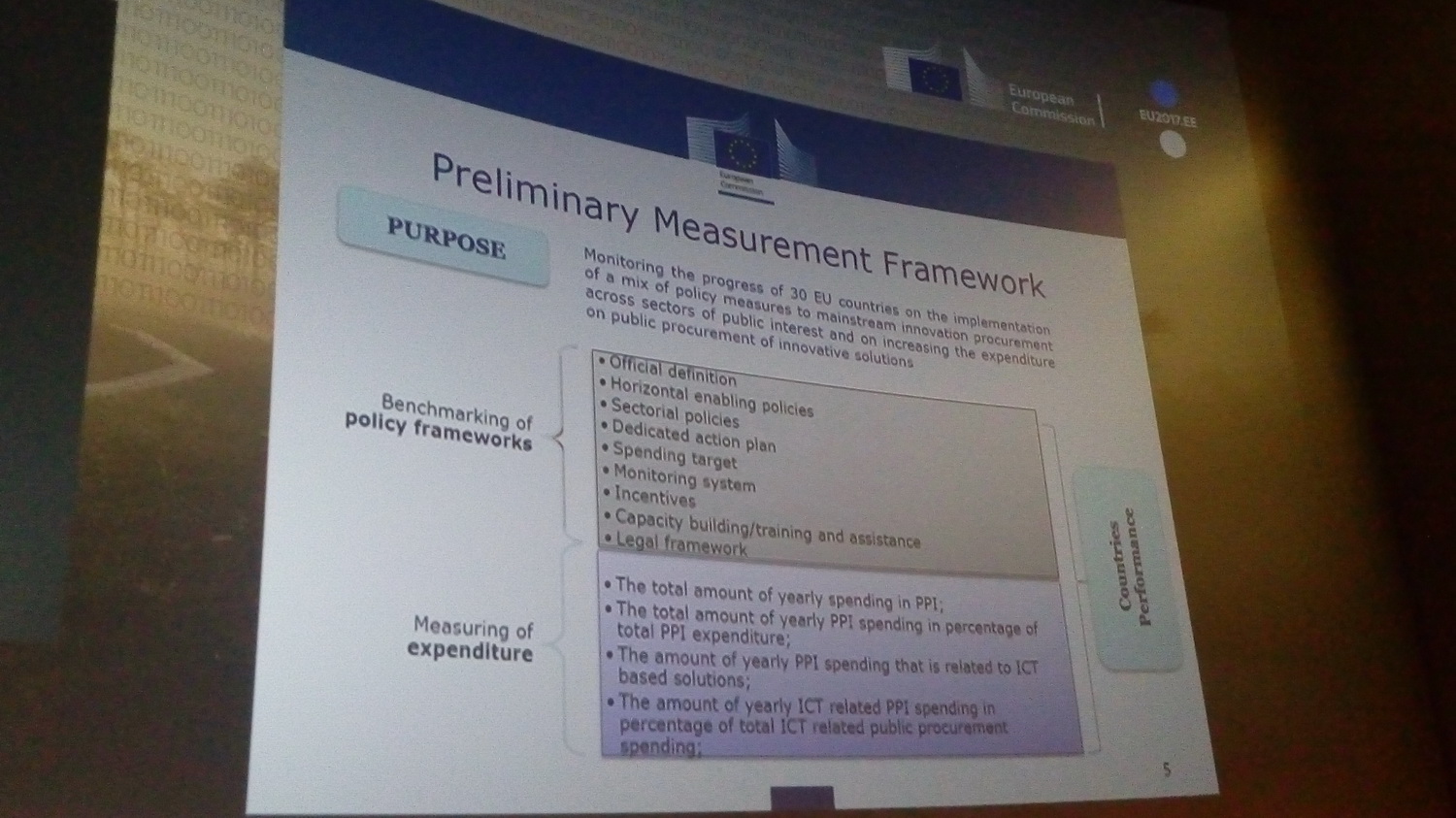
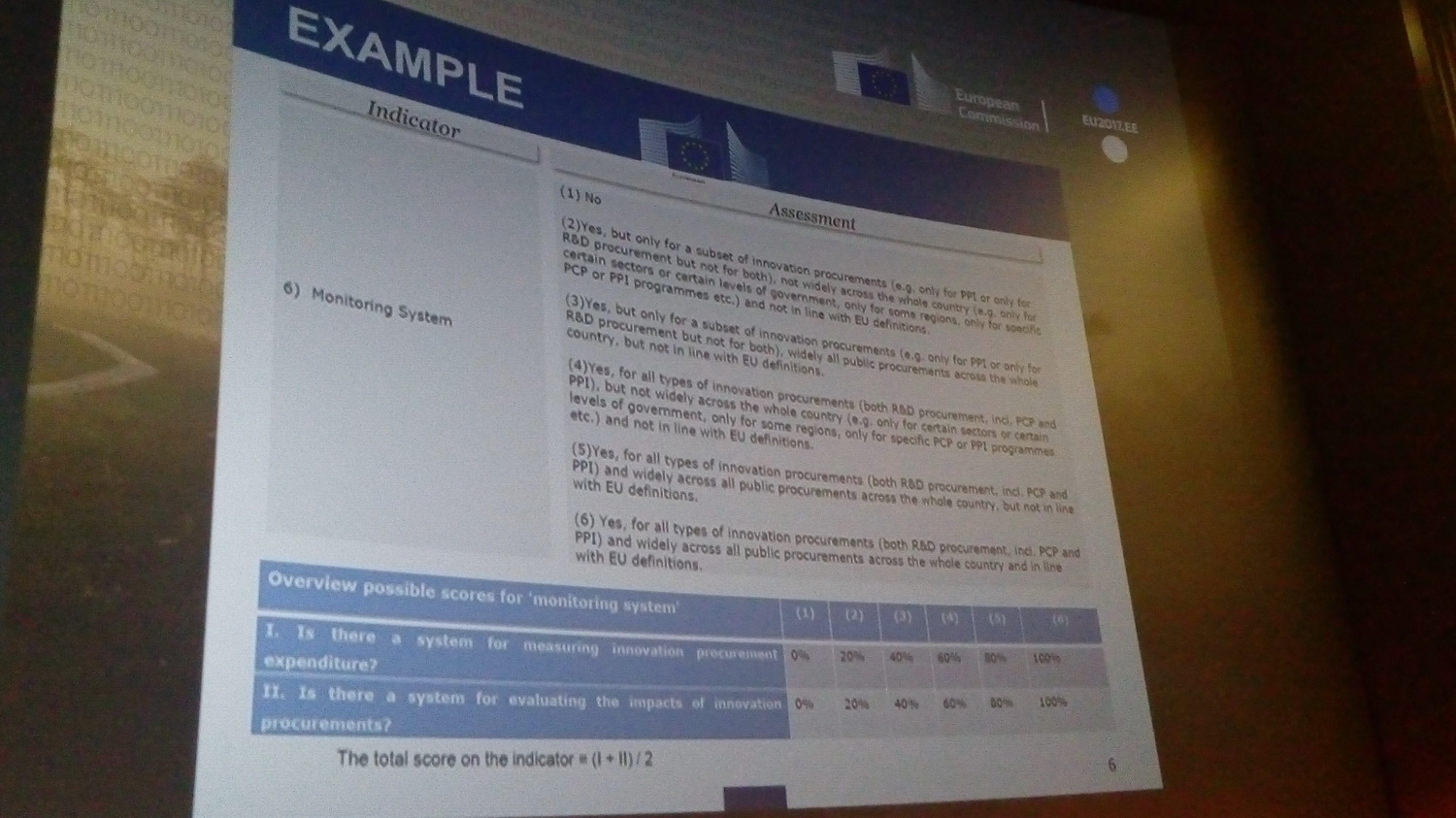
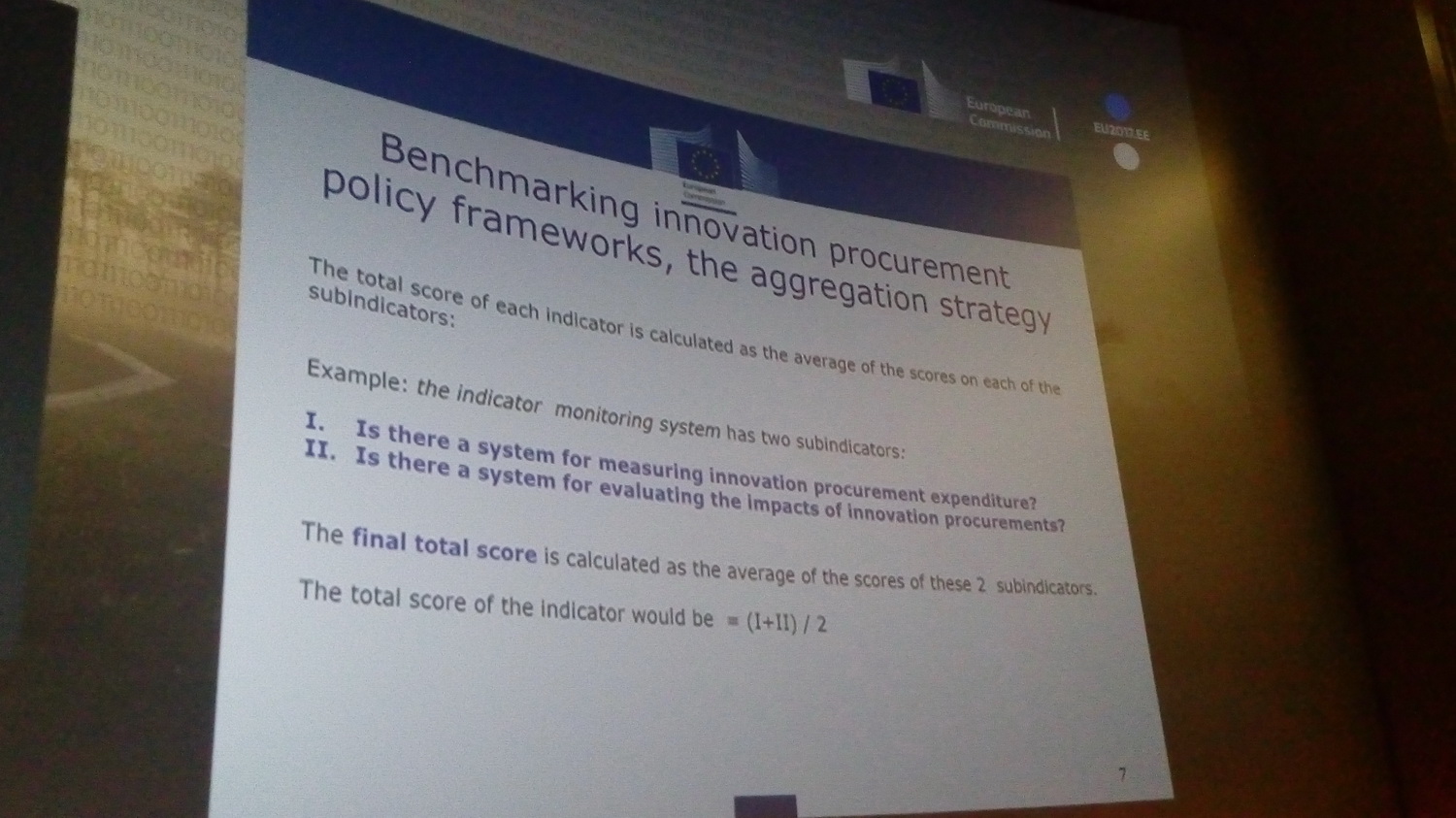
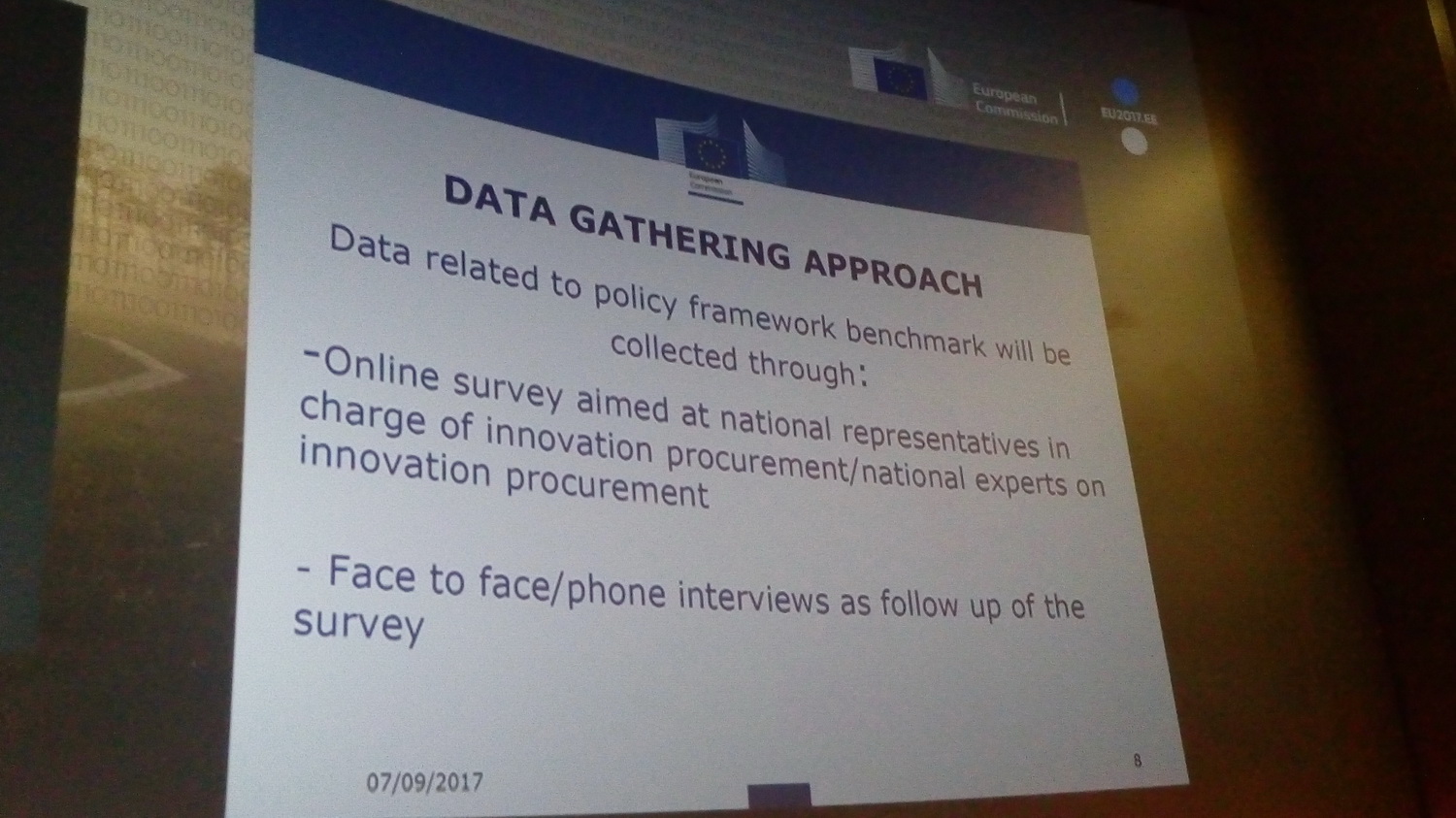
Panel discussion: Benchmarking the progress on innovation procurement across Europe: EU member states (Austria, Finland, Estonia, and European Commission) policy and measurement framework for innovation procurement
Moderator; Gaynor Whyies, Director, JERA Consulting Ltd. UK
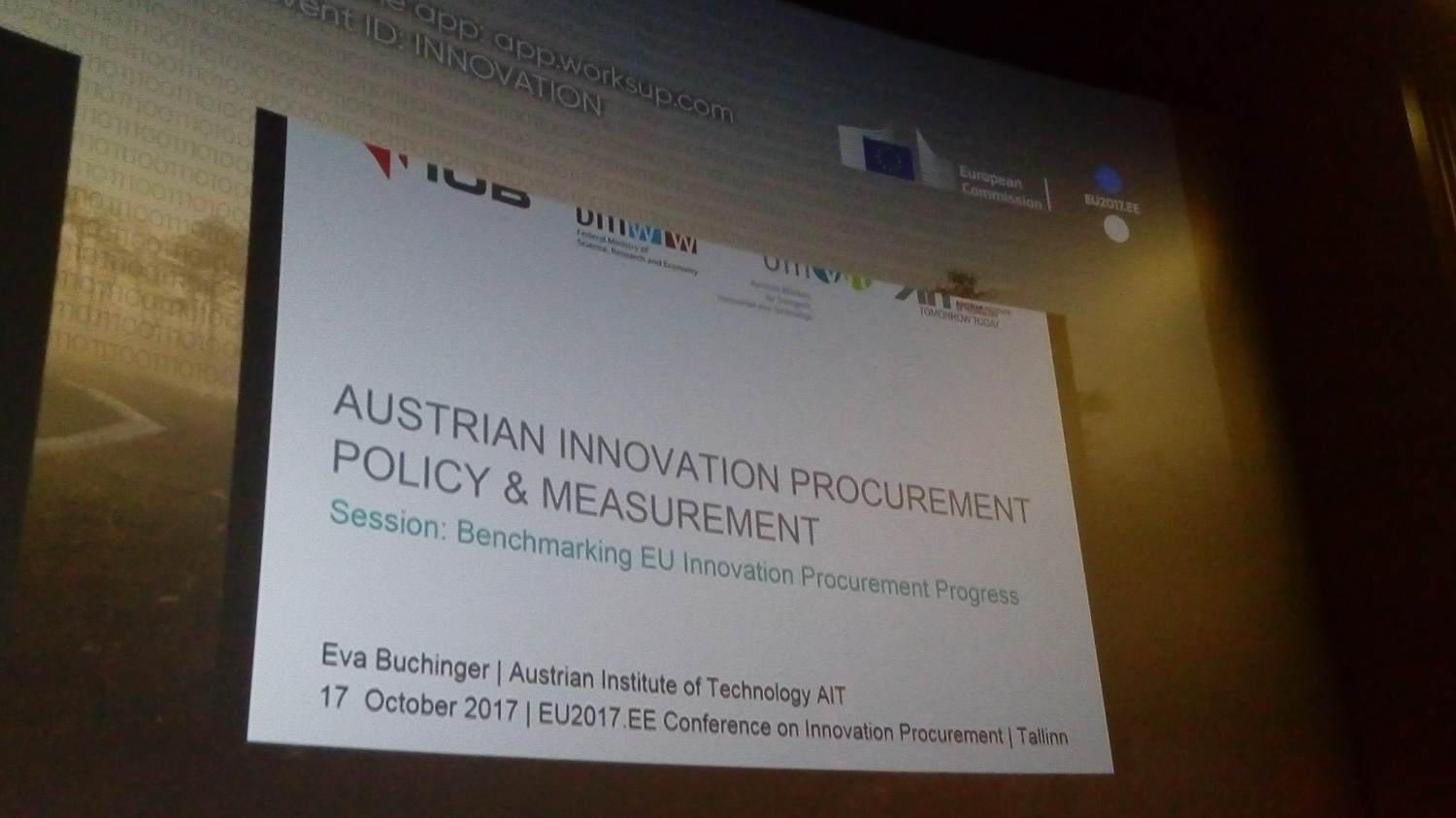
Eva Buchinger, Policy Advisor. Austrian Institute at Technology. Austria
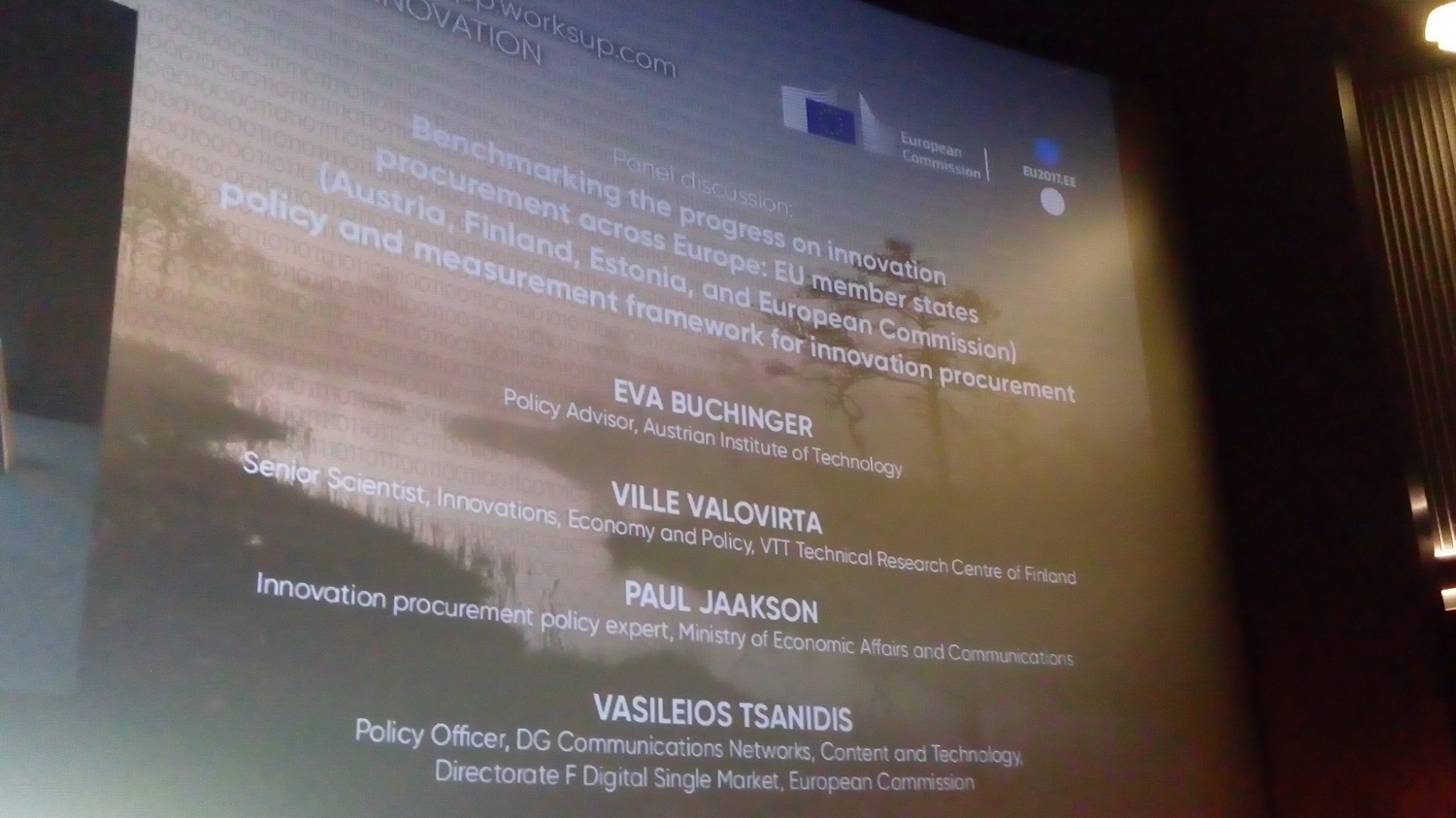

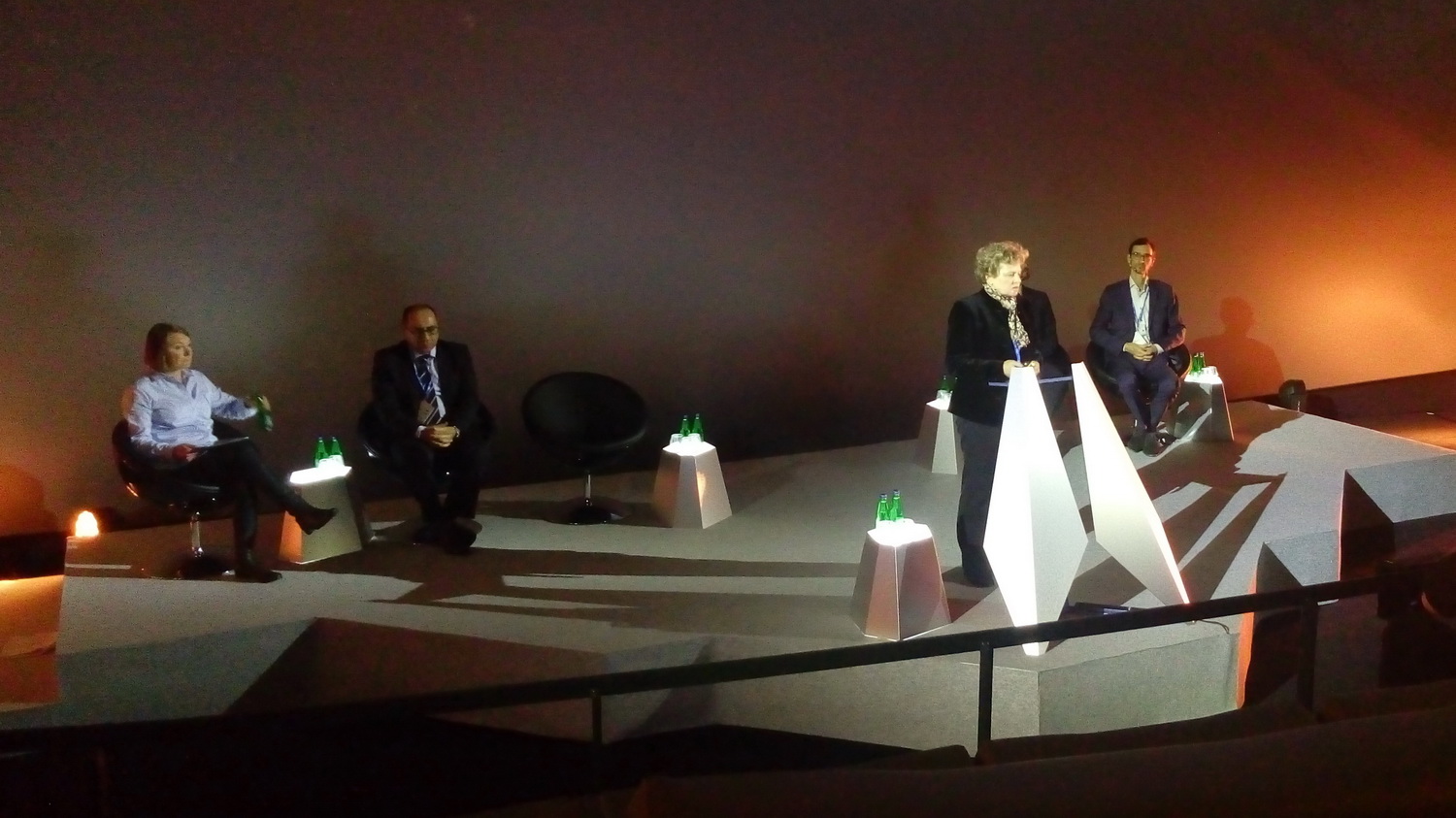
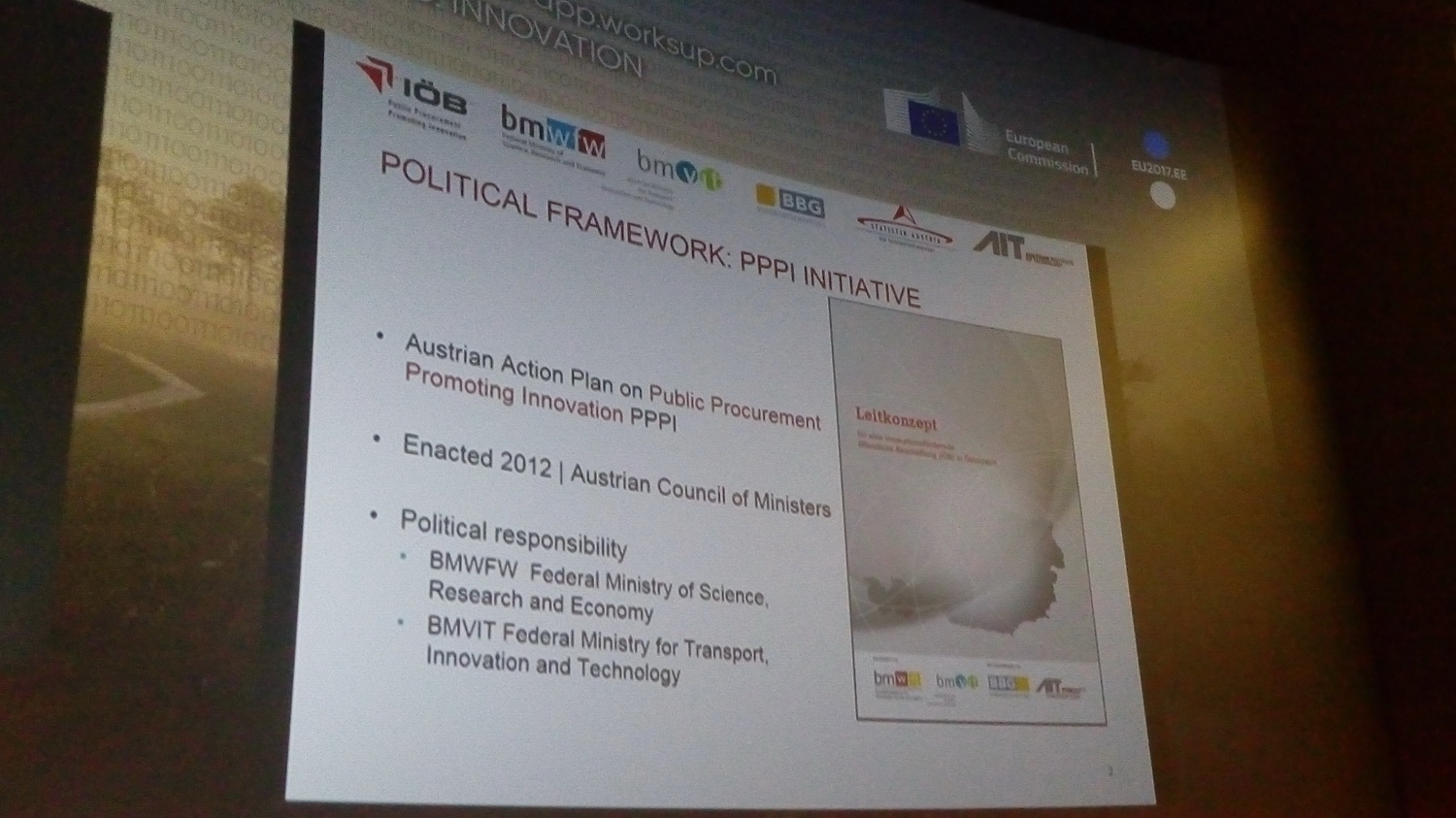
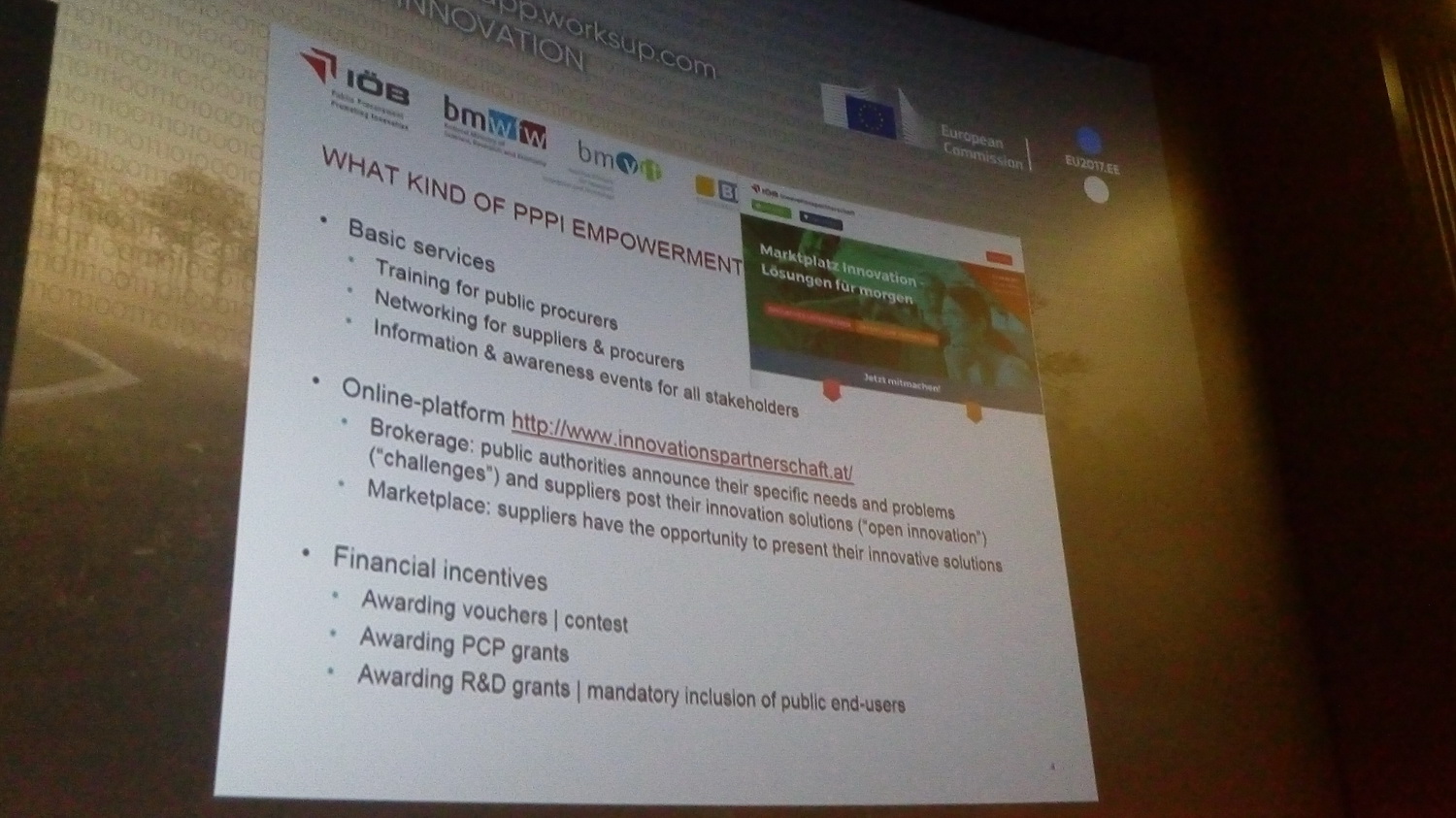
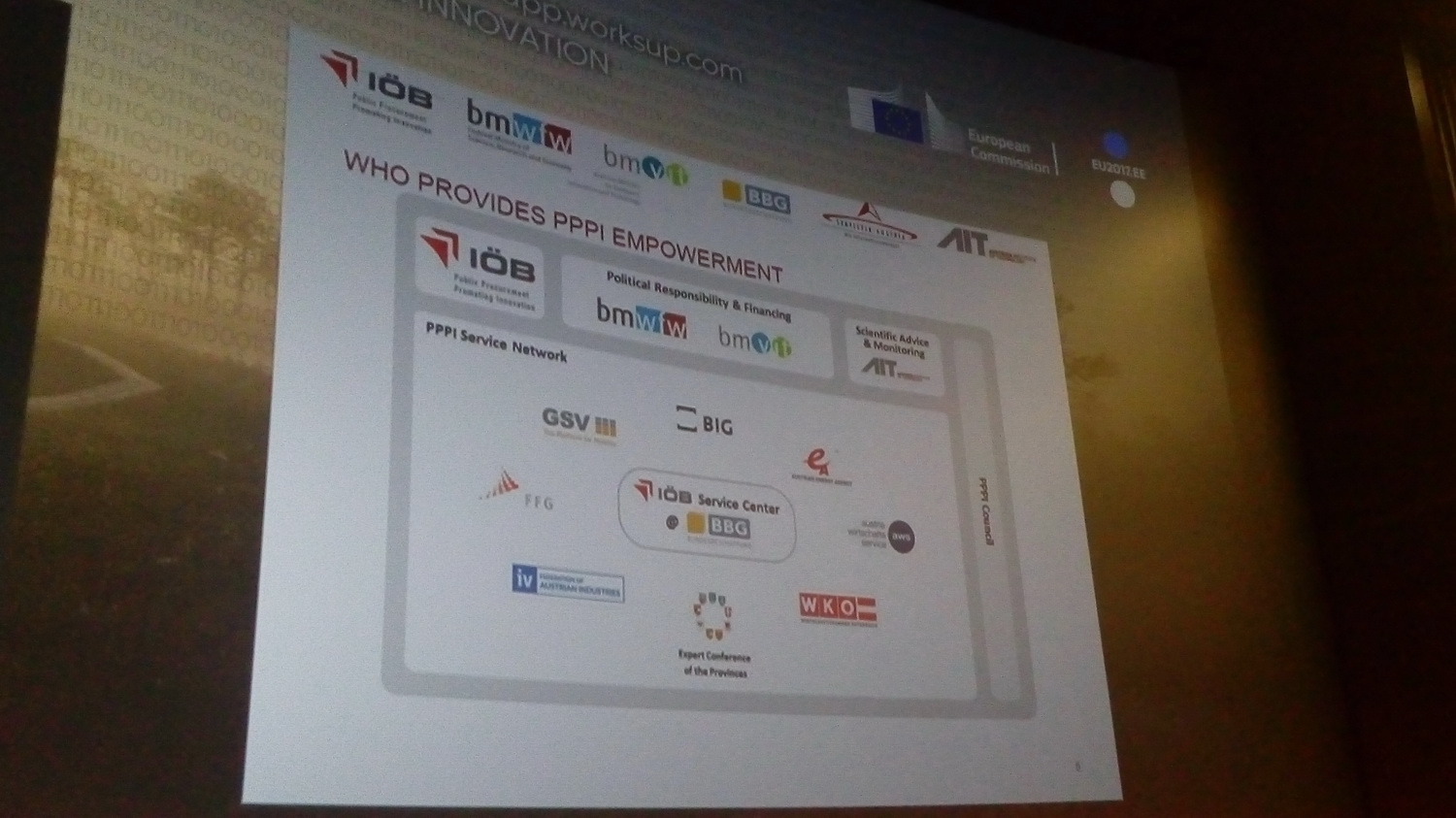
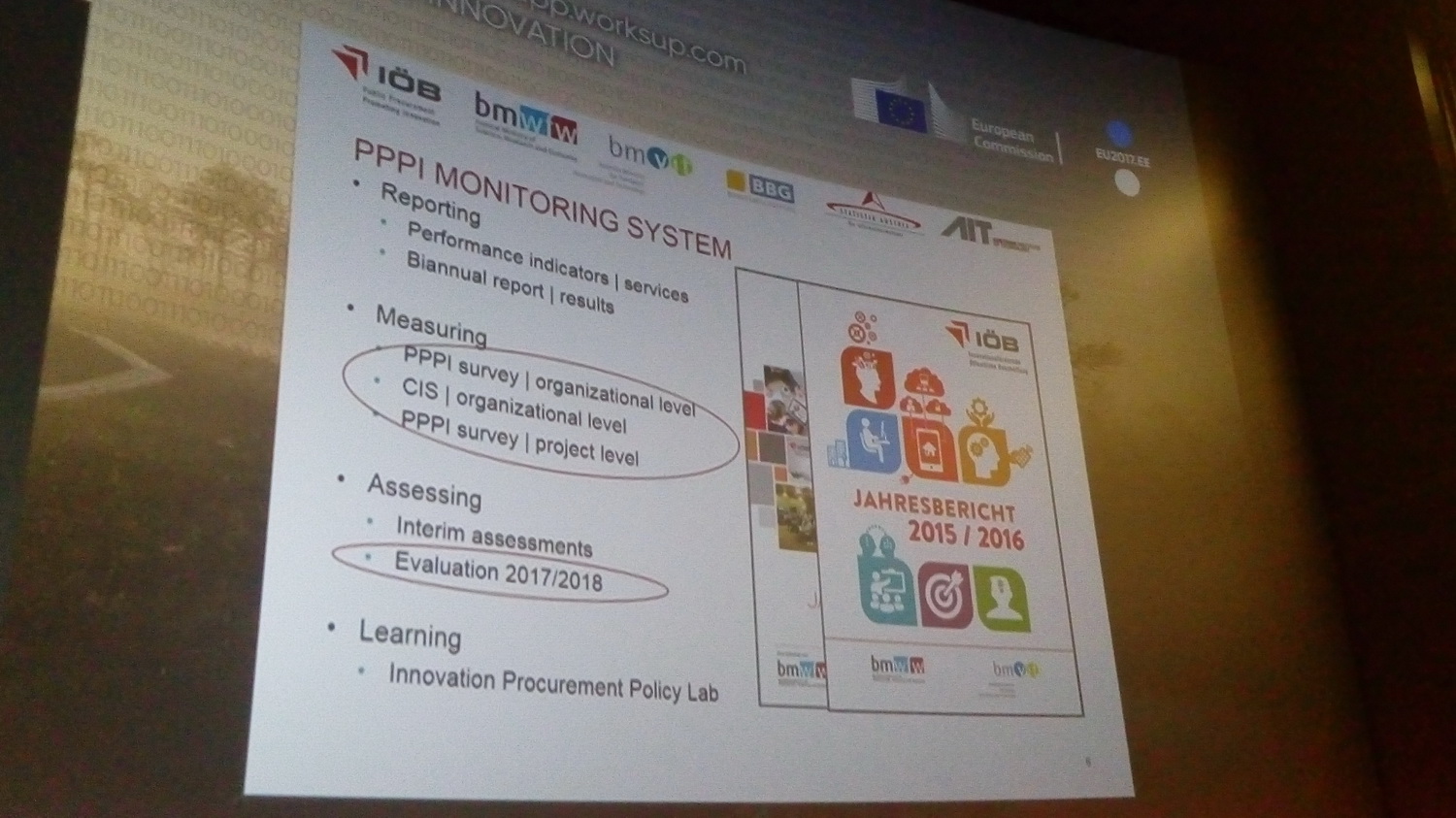

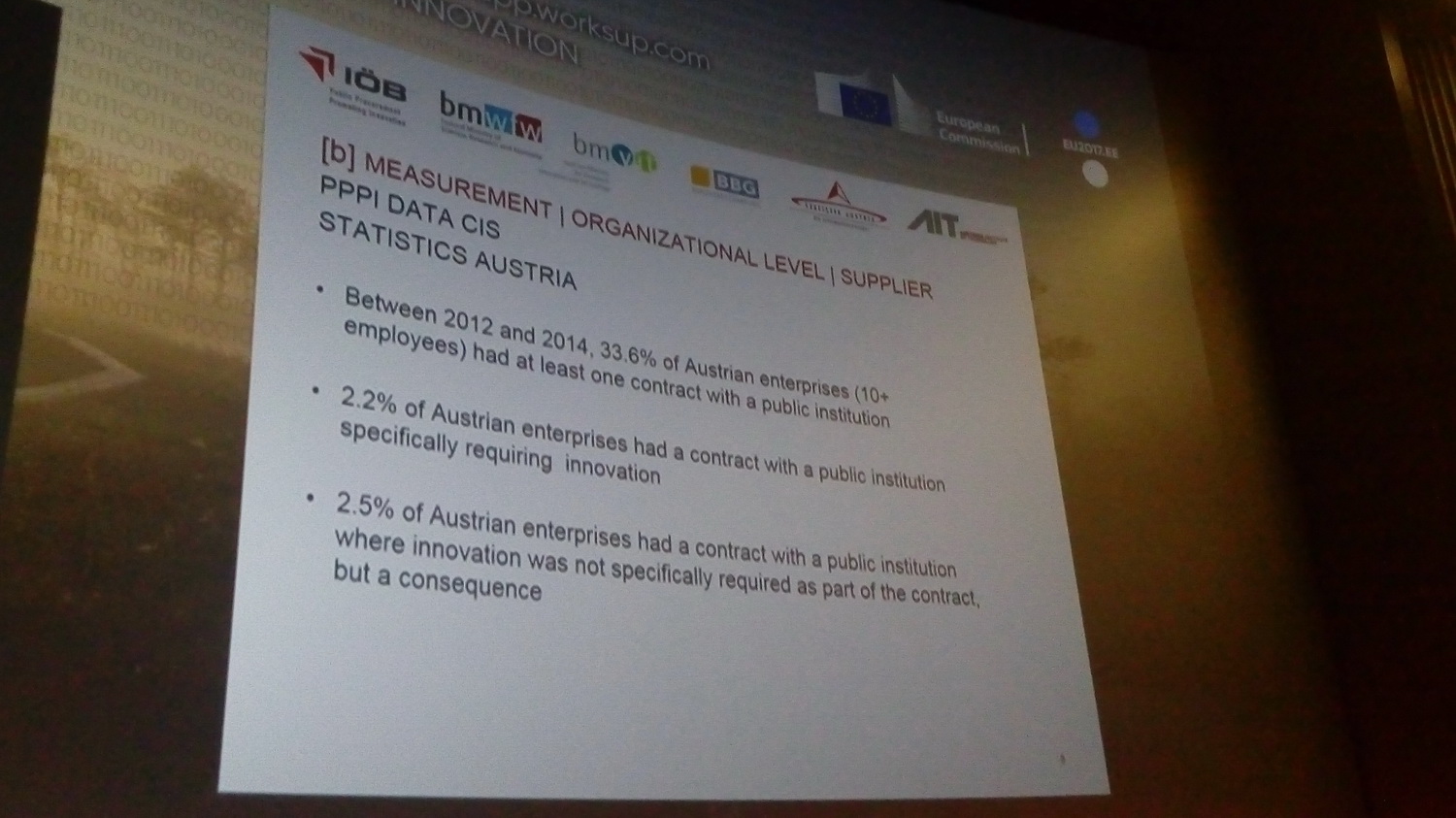
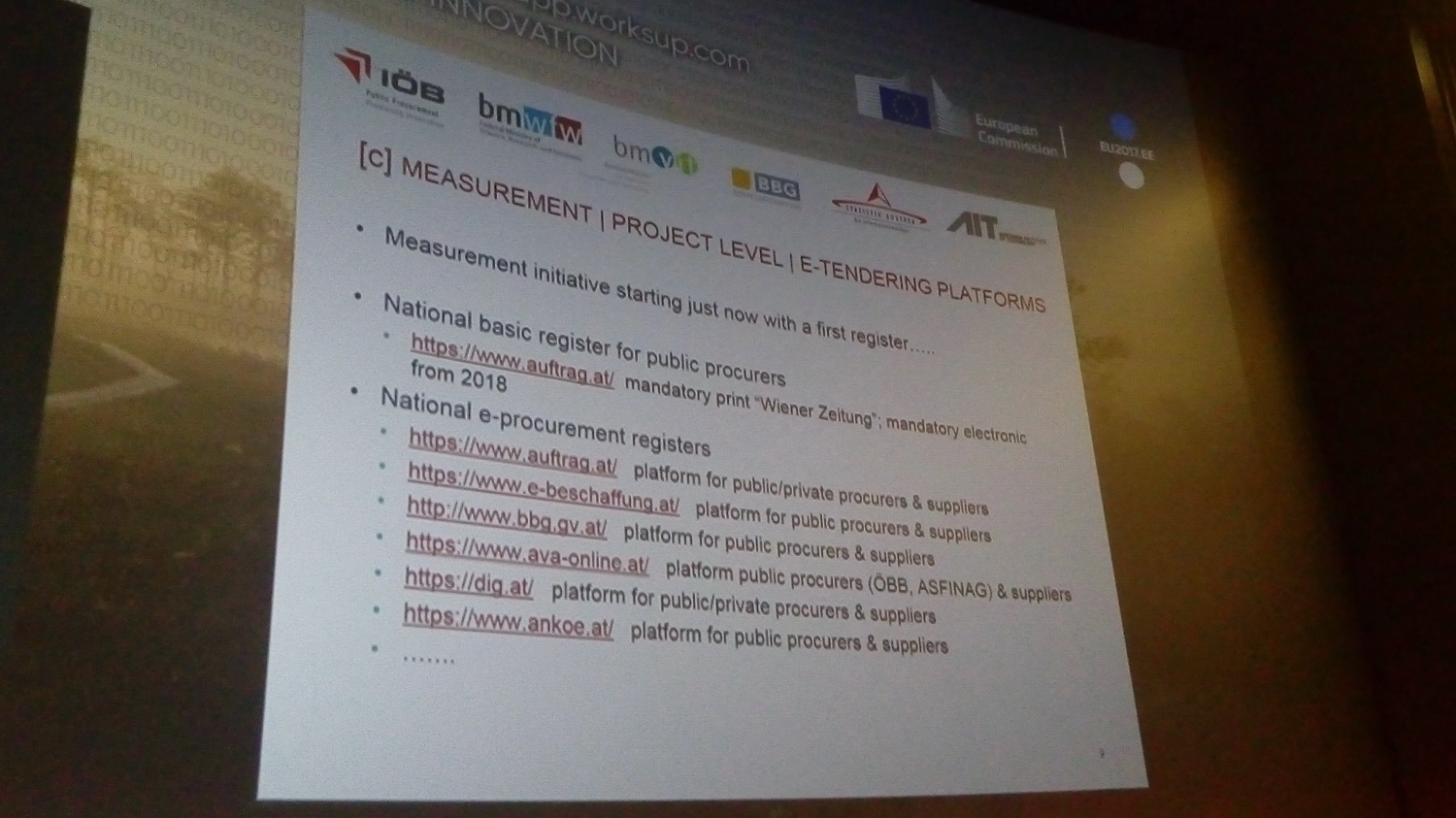
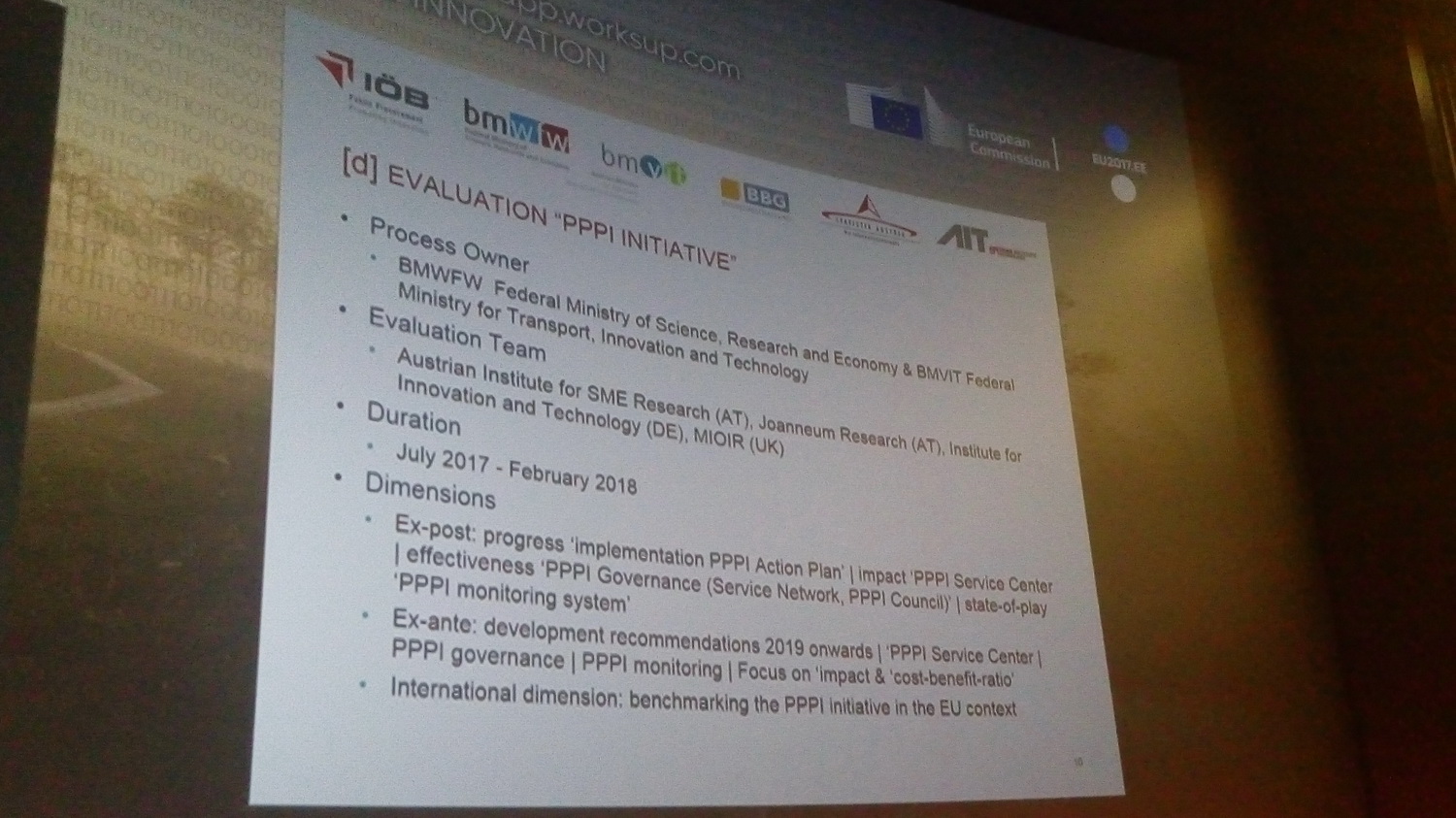
Ville Valovirta, Senior Screntist, lnnovations, Economy and Policy,VTT Technical Research Centre of Finland. Finland
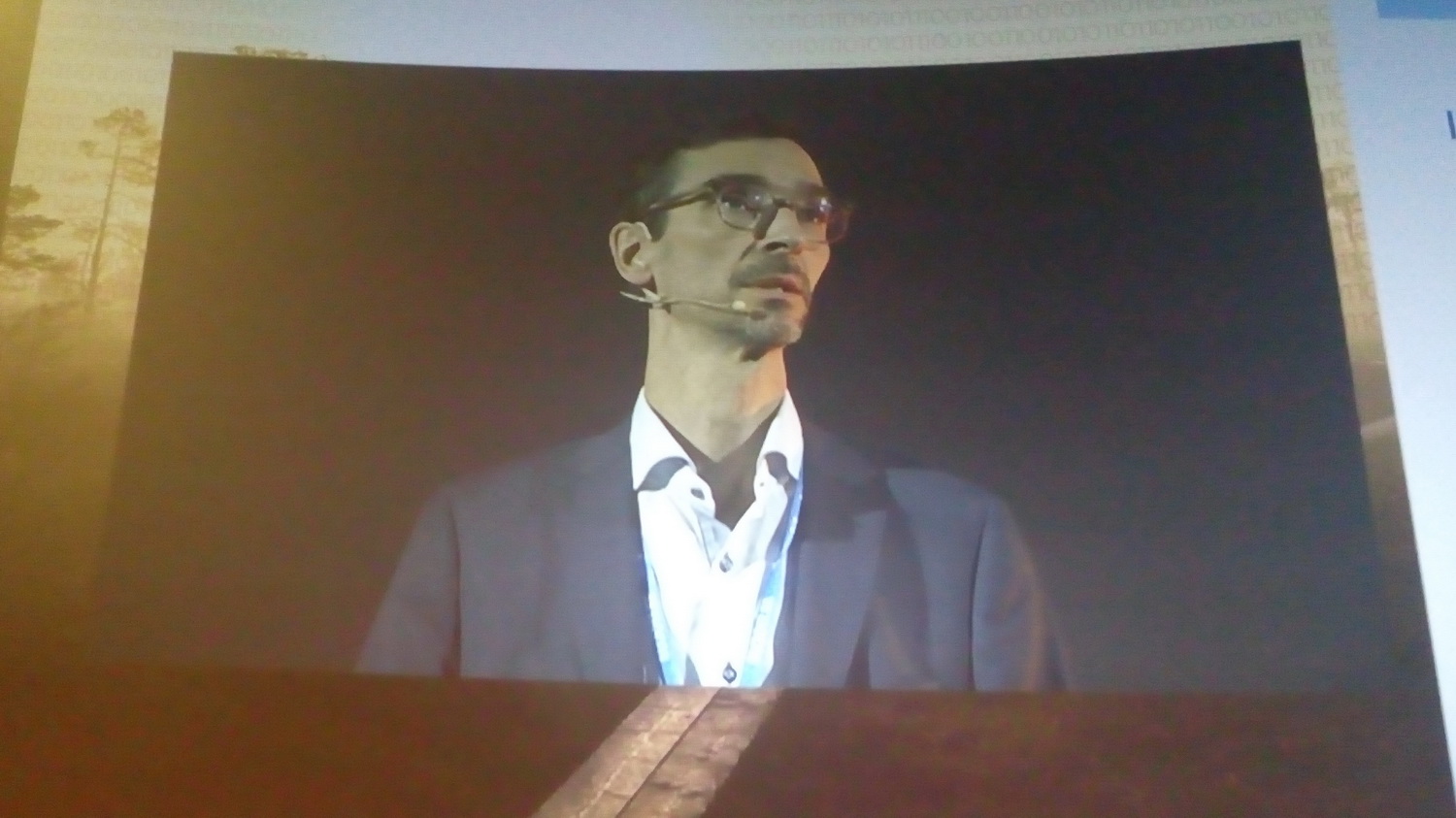

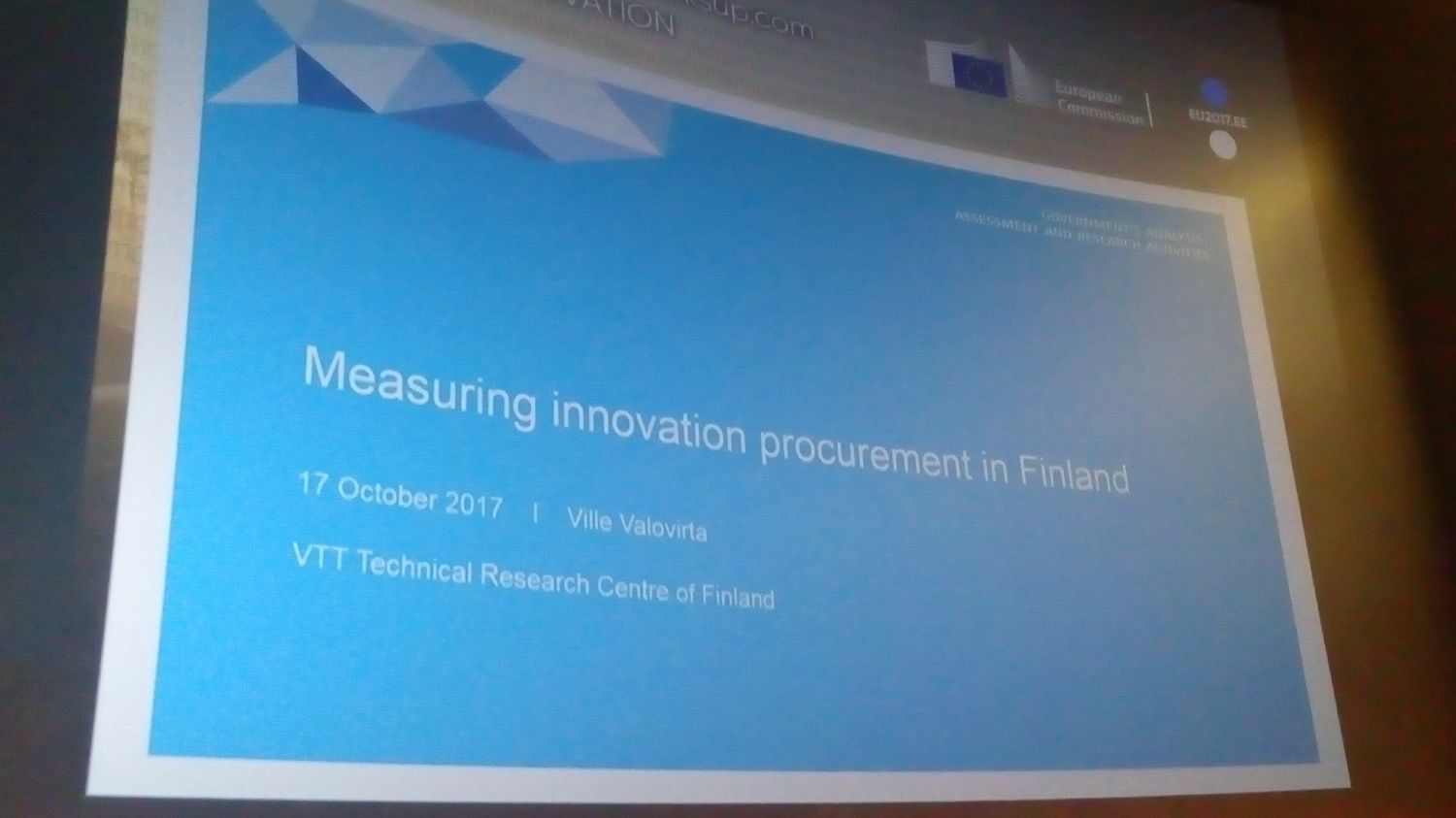


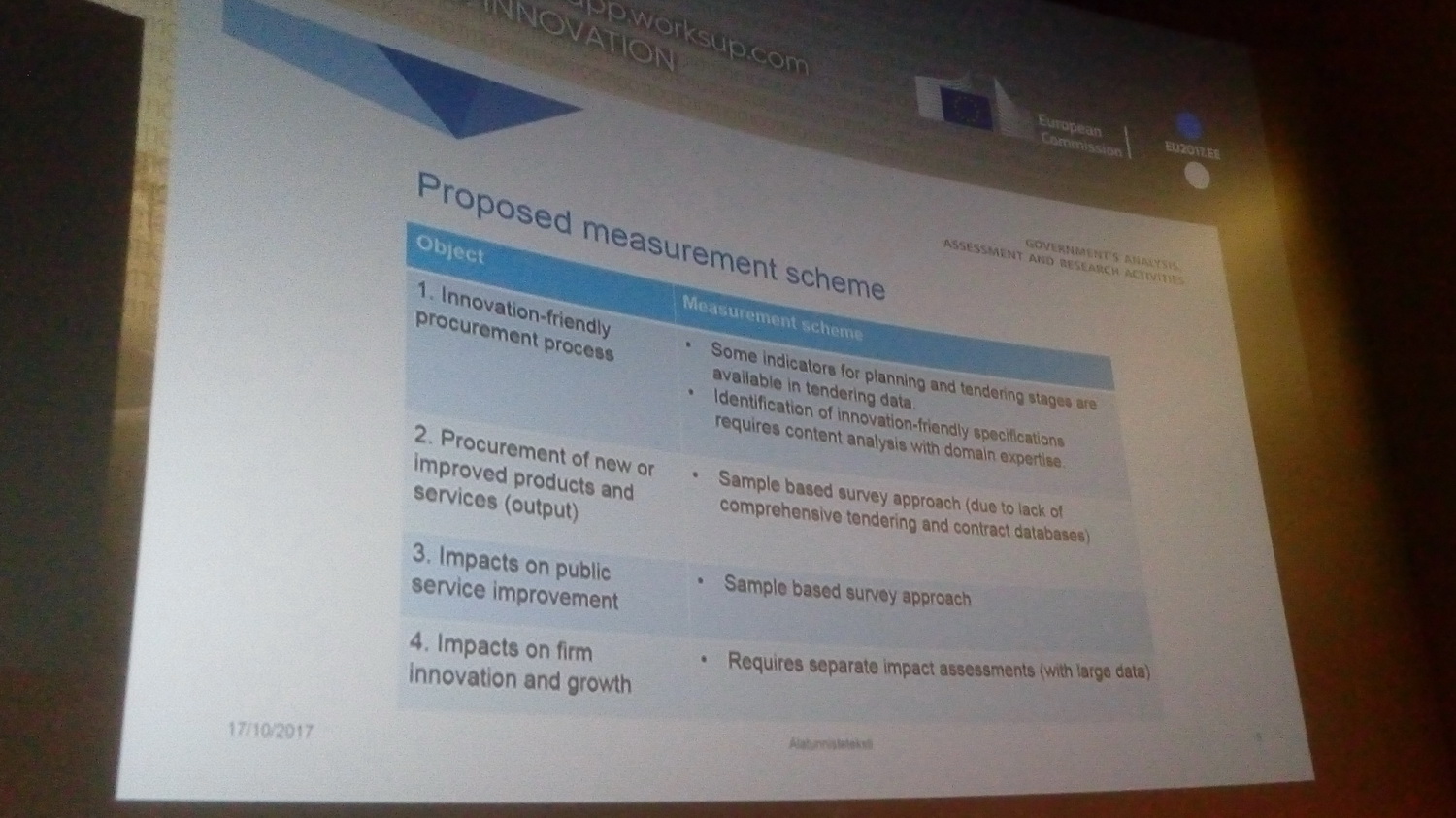
Paul Jackson, Innovation procurement policy expert, Ministry of Economic Alloirs and Communications. Estonia



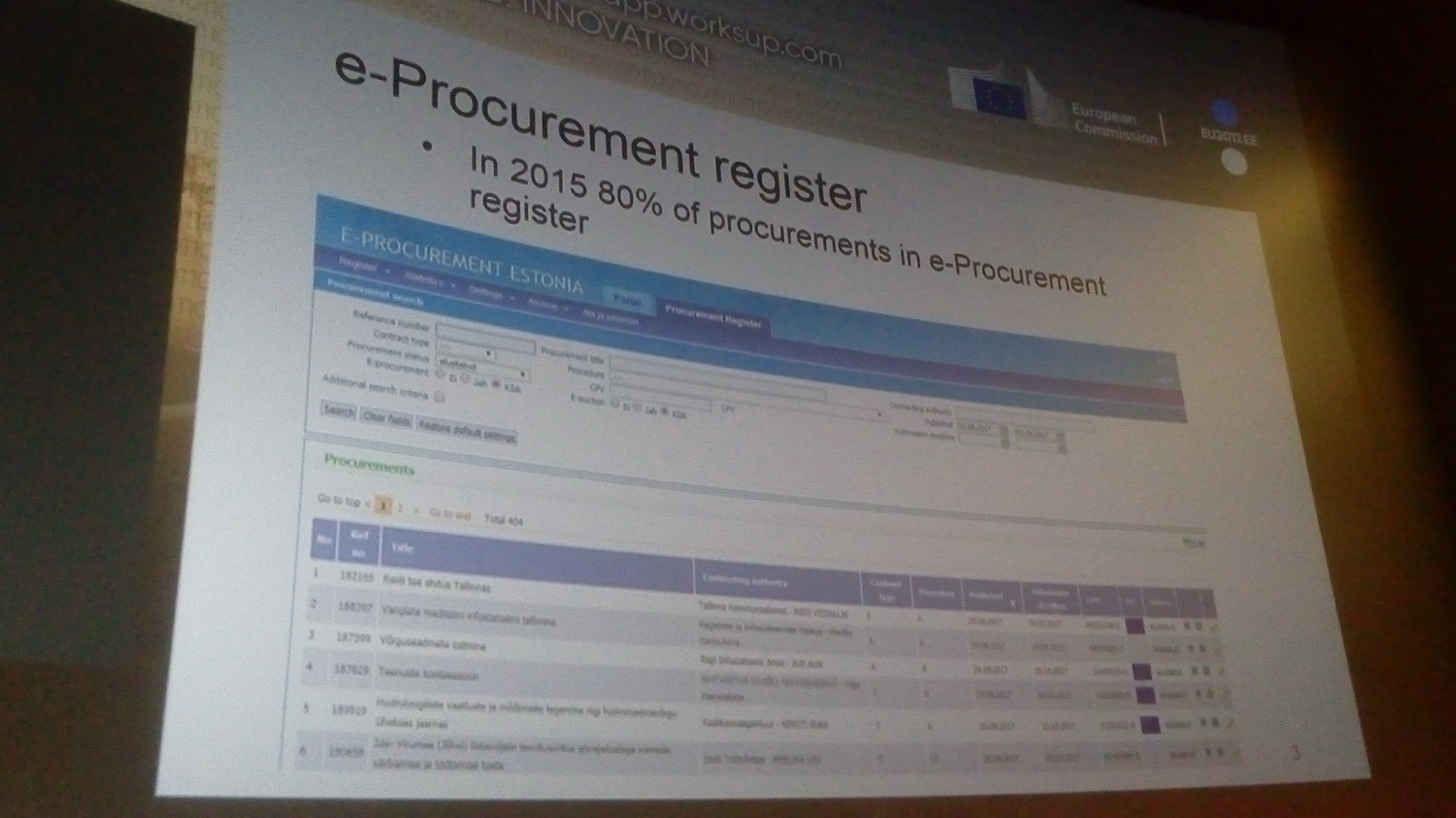
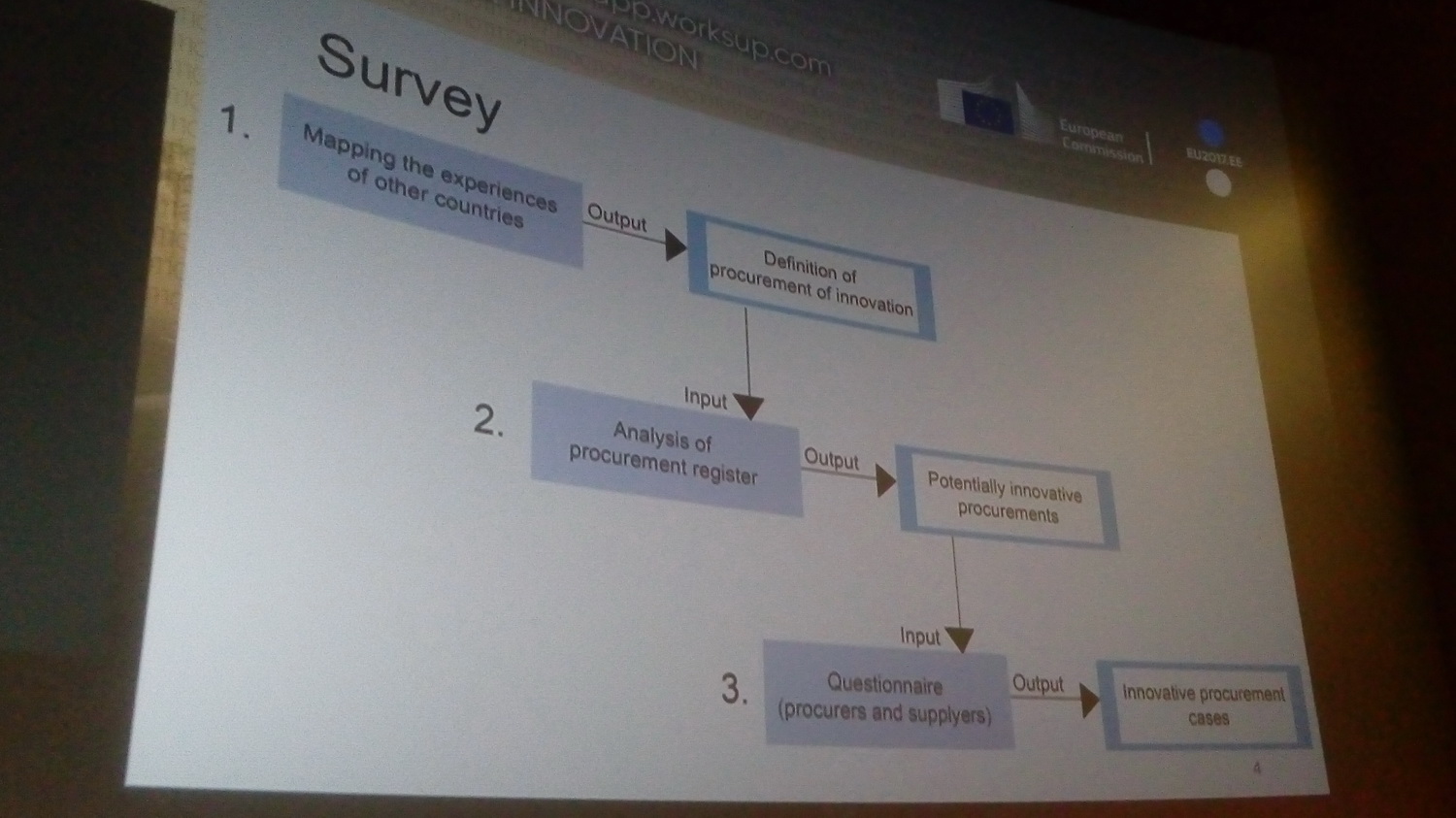

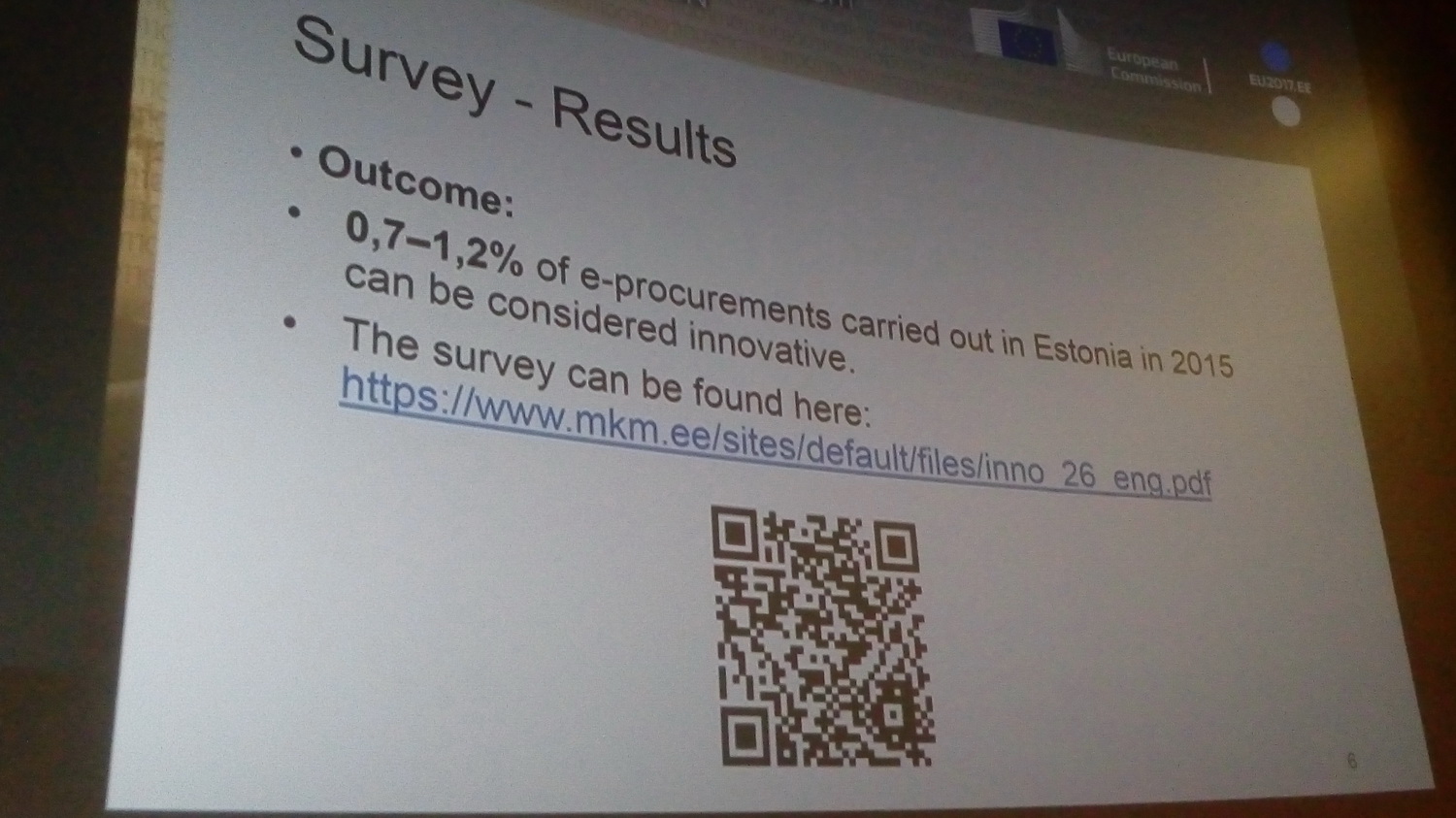


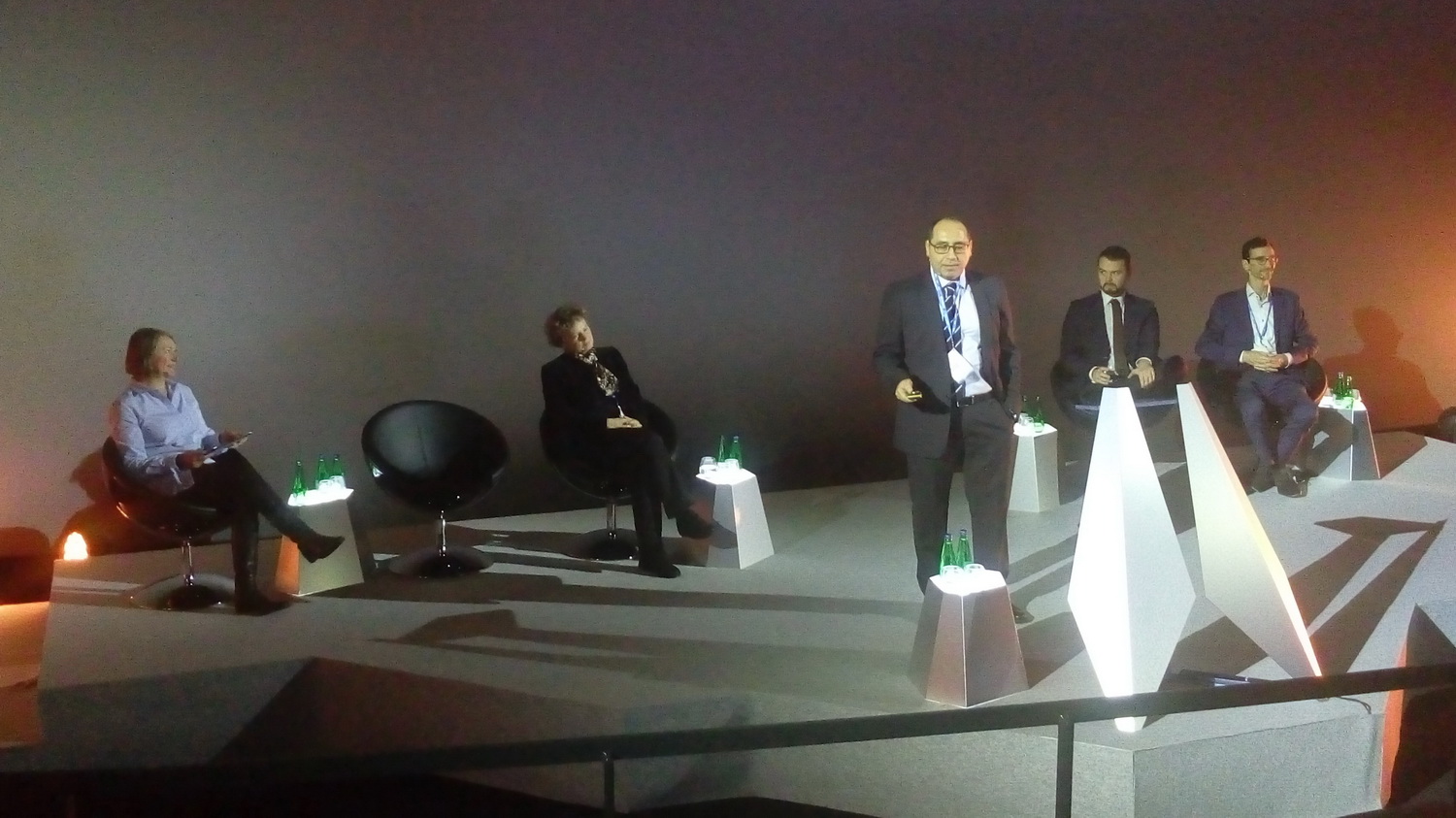
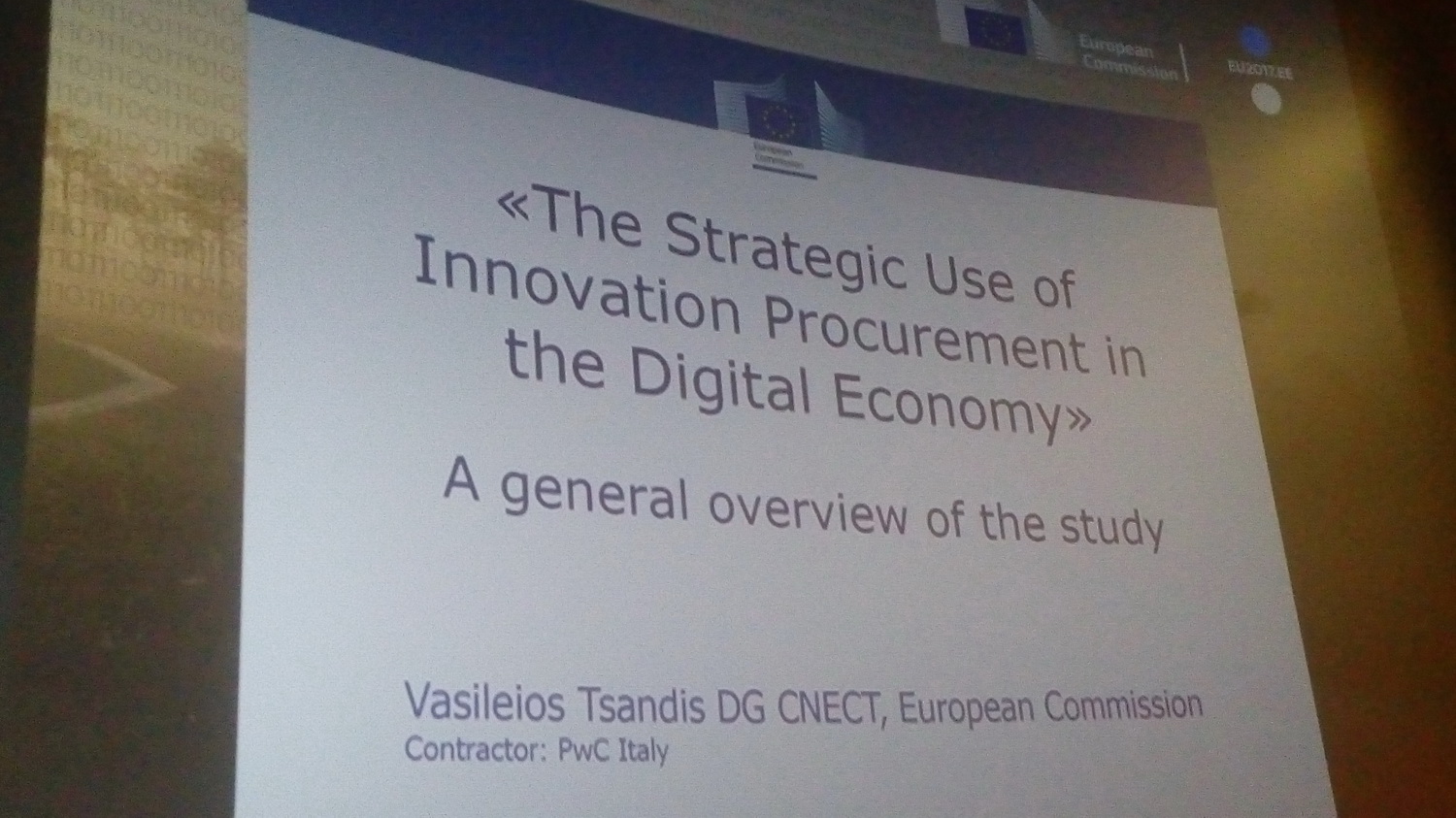
Vasileios Tsanidis, Policy Ollicer. DG Communications Networks, Content and Technology. Directorate F Digital Single Market, European Commission
Promo:

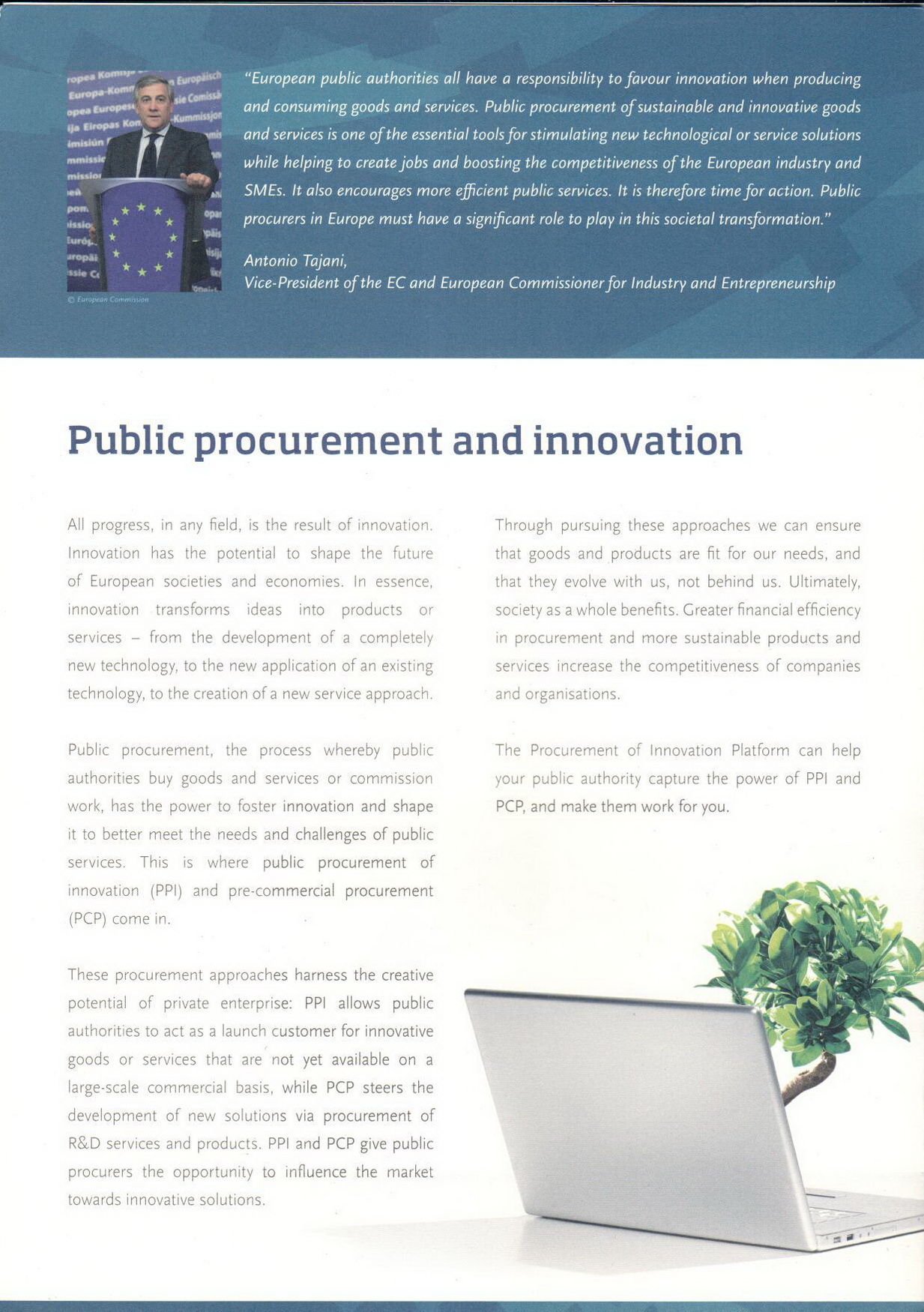


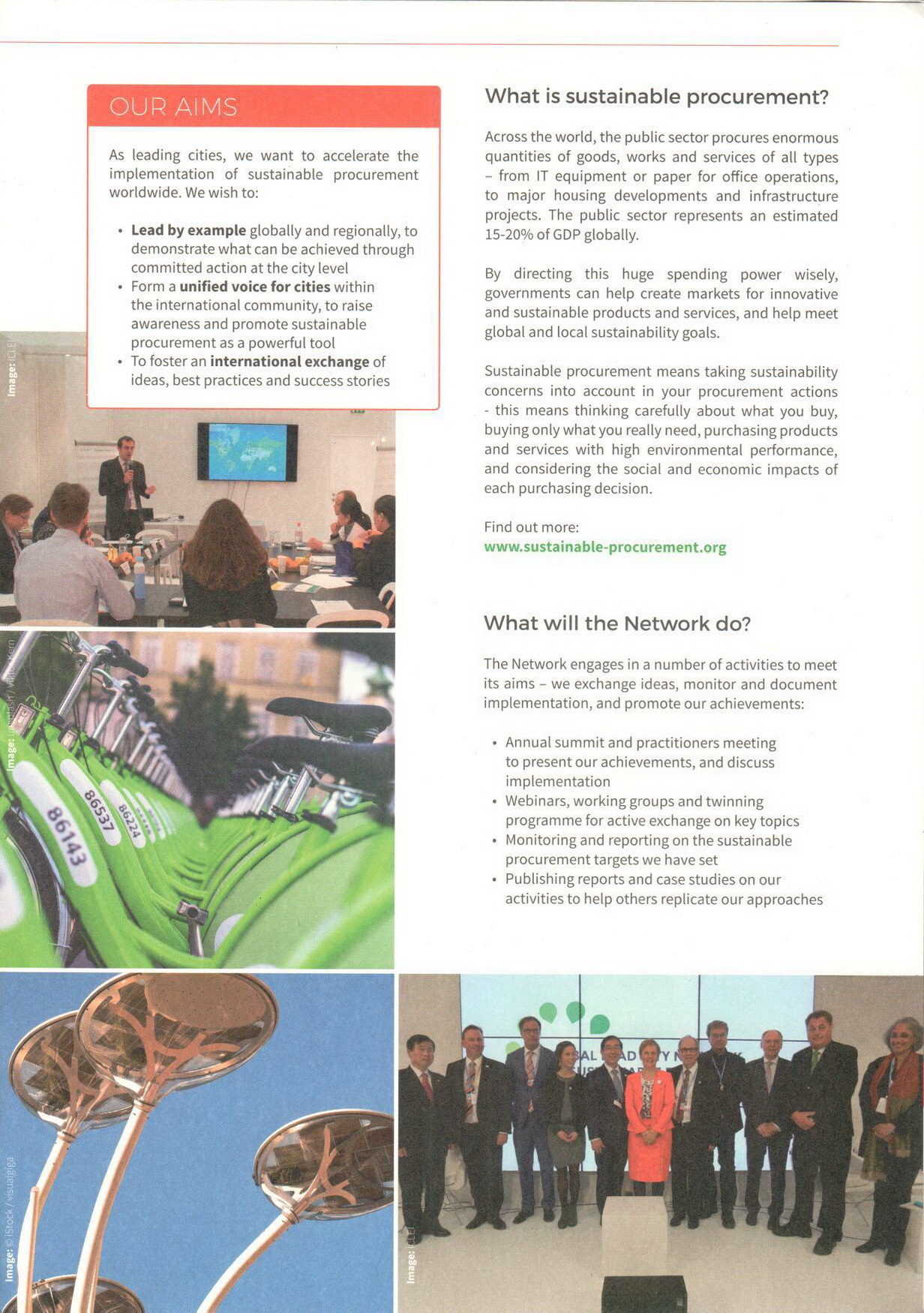


New York Consulting Procurement Conference 2017
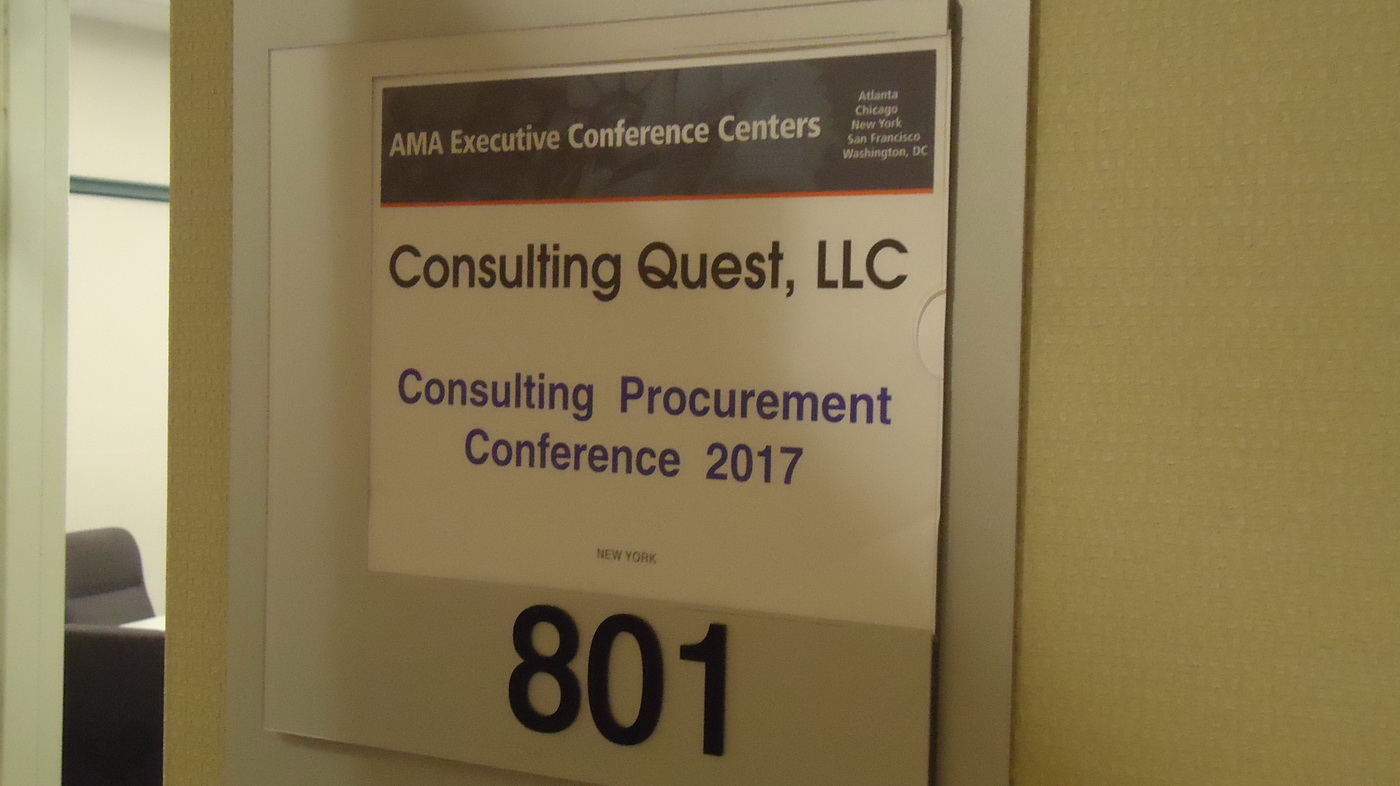
29.06.2017
American Management Association Times Square, New York, USA
The New York Consulting Procurement Conference is one-of-its-kind event that allows Executives interested in Procuring Consulting Services to connect with peers and experts of the domain to exchange about challenges, best practices and trends in the Consulting industry.
Presentations
What is innovation in the Digital Environment? George Hemingway, Partner at Stratalis Consulting
The impact of digital transformation on Organization. Thomas Bertels, Partner at Valeocon Management Consulting
How can traditional banks leverage Fintech practices to compete in a digital world? Bijon Mehta, President at Association of FinTech Professionals
Digital in Manufacturing Industries : Supply chain 2.0 ? What else ? Laurent Thomas, VP Strategy at Solvay Novecare
Digitalizing Procurement : Deja vu ? Rajiv Gupta
How digital is transforming Consulting Services ? David Tang, CEO of Flevy
Photos



The Chartered Institute of Procurement & Supply (www.cips.org)
Certificate in Procurement and Supply Operations
The CIPS Certificate in Procurement and Supply Operations is a vocationally related qualification. It has been accredited by the Office of Qualifications and Examinations Regulator (Ofqual) in the UK and appears on the Register of Regulated Qualifications. Please refer to register.ofqual.gov.uk
Procurement and Supply Principles
Learning Outcomes
1.0 Know the roles of procurement and supply within organisations
1.1 Define the common terms that describe aspects of procurement and supply
1.2 Describe the roles of procurement and supply in organisations
1.3 Describe the benefits of effective procurement for organisations
1.4 Identify the five rights of procurement and supply
2.0 Know how products and services are received from suppliers and delivered to customers
2.1 Describe the delivery of products and services that organisations make to customers
2.2 Describe the delivery of products and services made by external suppliers
3.0 Know the main stages of the sourcing process
3.1 Describe the main stages of a sourcing process
4.0 Understand what makes up the main components of a supply chain
4.1 Explain the main components of a supply chain
 Procurement and supply functions
Learning Outcomes
1.0 Know the main types of organisations and how they operate
1.1 Identify the main types of organisations
1.2 Describe how organisations operate
1.3 Identify the main operating functions with in organisations
2.0 Know the main elements of a procurement and supply function
2.1 Describe the use of mission and vision statements and objectives by a procurement and supply function
2.2 Describe the main roles and structures of a procurement and supply function within an organisation
2.3 Define the main procedures that can be created by a procurement and supply function
3.0 Know the main market factors that impact on a procurement and supply function
3.1 Identify the main economic sectors that impact on a procurement and supply function
3.2 Describe the impact of demand and supply on markets
3.3 Describe how market factors impact on the procurement and supply activities of an organisation
 Procurement and supply processes
Learning Outcomes
1.0 Know the main components of contractual agreements
1.1 Describe the main types of contracts
1.2 Identify the main kinds of pricing arrangements applied in commercial contracts
1.3 Describe the different documents that compose a contract for the purchase or supply of goods or services
2.0 Know the main sources of information on suppliers and customers
2.1 Describe the use of the Internet to locate details about suppliers and customers
2.2 Describe the use of credit rating agencies
2.3 Describe the use of intranet, extranet and internet sites to publicise information
3.0 Know the main types of systems for supplier selection, ordering and payment
3.1 Describe the use of electronic sourcing systems for supplier selection
3.2 Identify systems used in procurement and supply
3.3 Describe P2P (purchase to pay) systems for ordering from suppliers and payment to suppliers
 Procurement and supply administration
Learning Outcomes
1.0 Understand the need for the effective and efficient administration of purchases made with external suppliers
1.1 Define effective and efficient administration
1.2 Explain the administration of the pre contract stages of a sourcing process
1.3 Explain the administration of the award and post award stages of a sourcing process
1.4 Describe the need for approvals in the administration of procurement and supply
2.0 Know the main techniques used for ordering supplies
2.1 Describe what is meant by direct and indirect supplies
2.2 Identify the main costs associated with holding inventories
2.3 Describe techniques commonly used for ordering inventories
3.0 Know the main approachesto achieving timely deliveries of products or services
3.1 Define the processes that should be used when expediting supplies
3.2 Describe the importance of effective communication with suppliers and customers to achieve timely deliveries
3.3 Describe the use of forecasting to achieve timely deliveries of supplies
 Procurement and supply stakeholders
Learning Outcomes
1.0 Know the main stakeholders in procurement and supply
1.1 Identify the main external stakeholders in procurement and supply
1.2 Identify the main internal stakeholders that can be involved in purchases from suppliers and supplies delivered to customers
2.0 Know the main approaches for conflict resolution with stakeholders in procurement and supply
2.1 Describe how conflict can arise in the work of procurement and supply
2.2 Describe approaches to conflict resolution with stakeholders in procurement and supply
2.3 Explain the contribution that effective teamwork can make when dealing with conflict with stakeholders in procurement and supply
3.0 Know why quality management is important in procurement and supply
3.1 Define the main components of quality management in procurement and supply
3.2 Identify the costs of quality
3.3 Describe the main techniques associated with quality assurance and quality management
4.0 Know why clear ethical codes of practice should be used in procurement and supply
4.1 Describe the role of ethical codes in procurement and supply
4.2 Describe the details that should be included within standard ethical codes
4.3 Describe the impact of corporate governance on a procurement and supply function
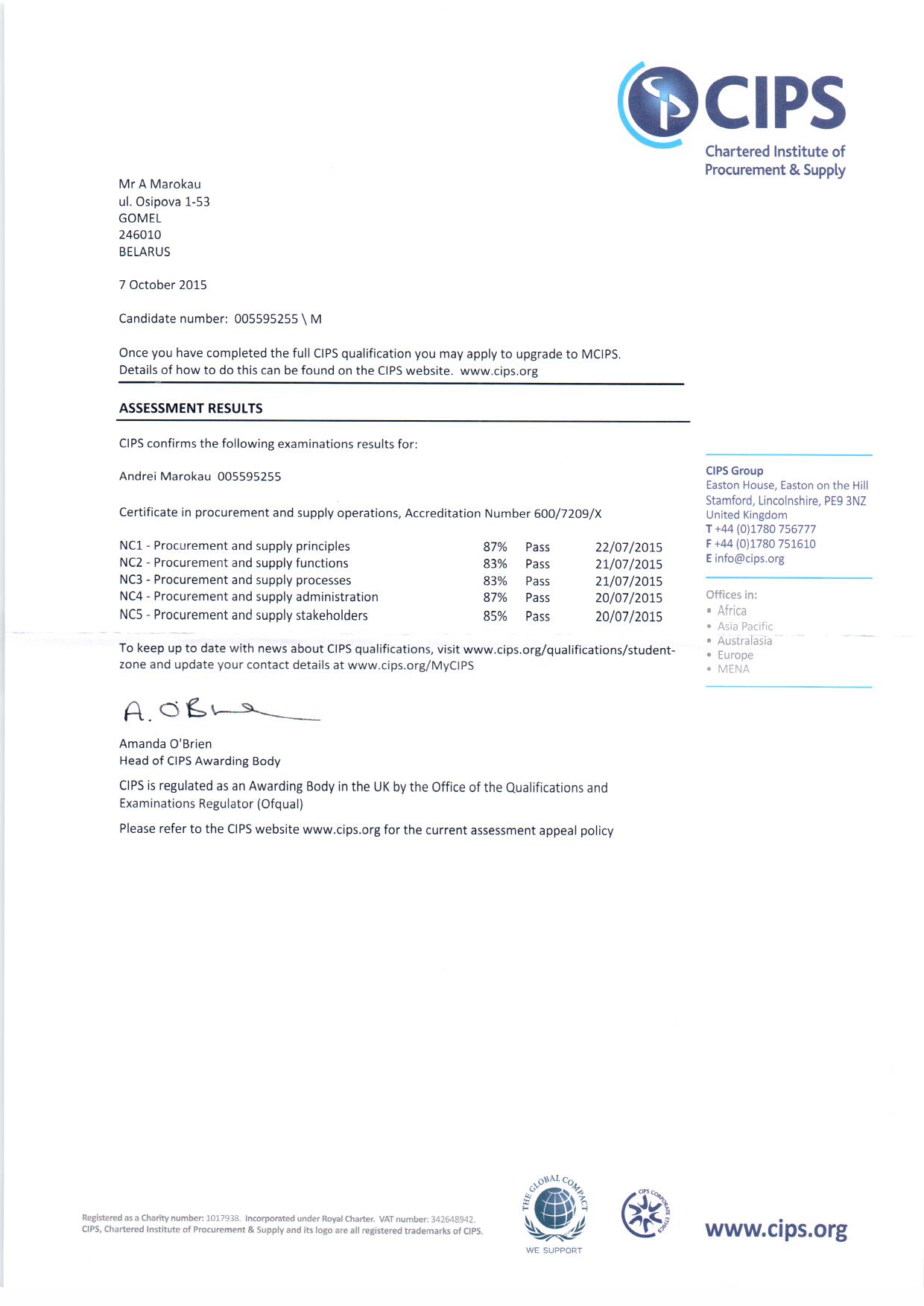
Exam Letter

Exam Results
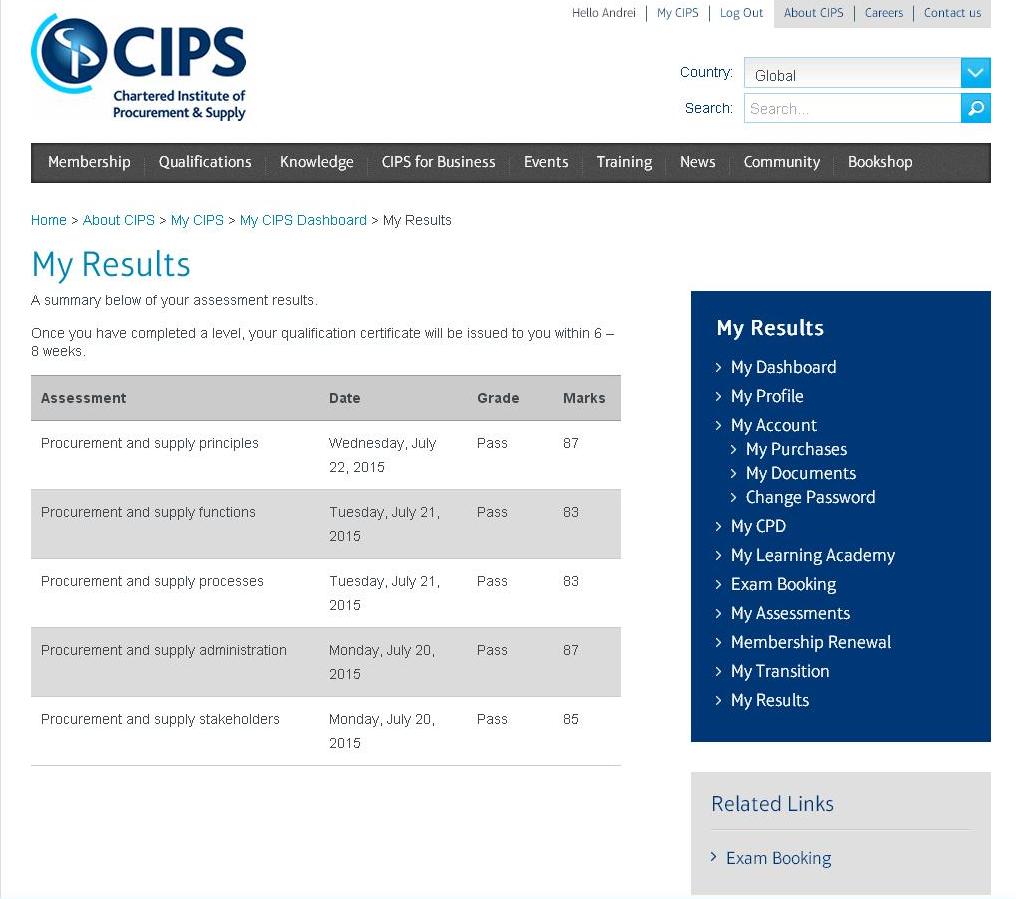
Exam Results Letter
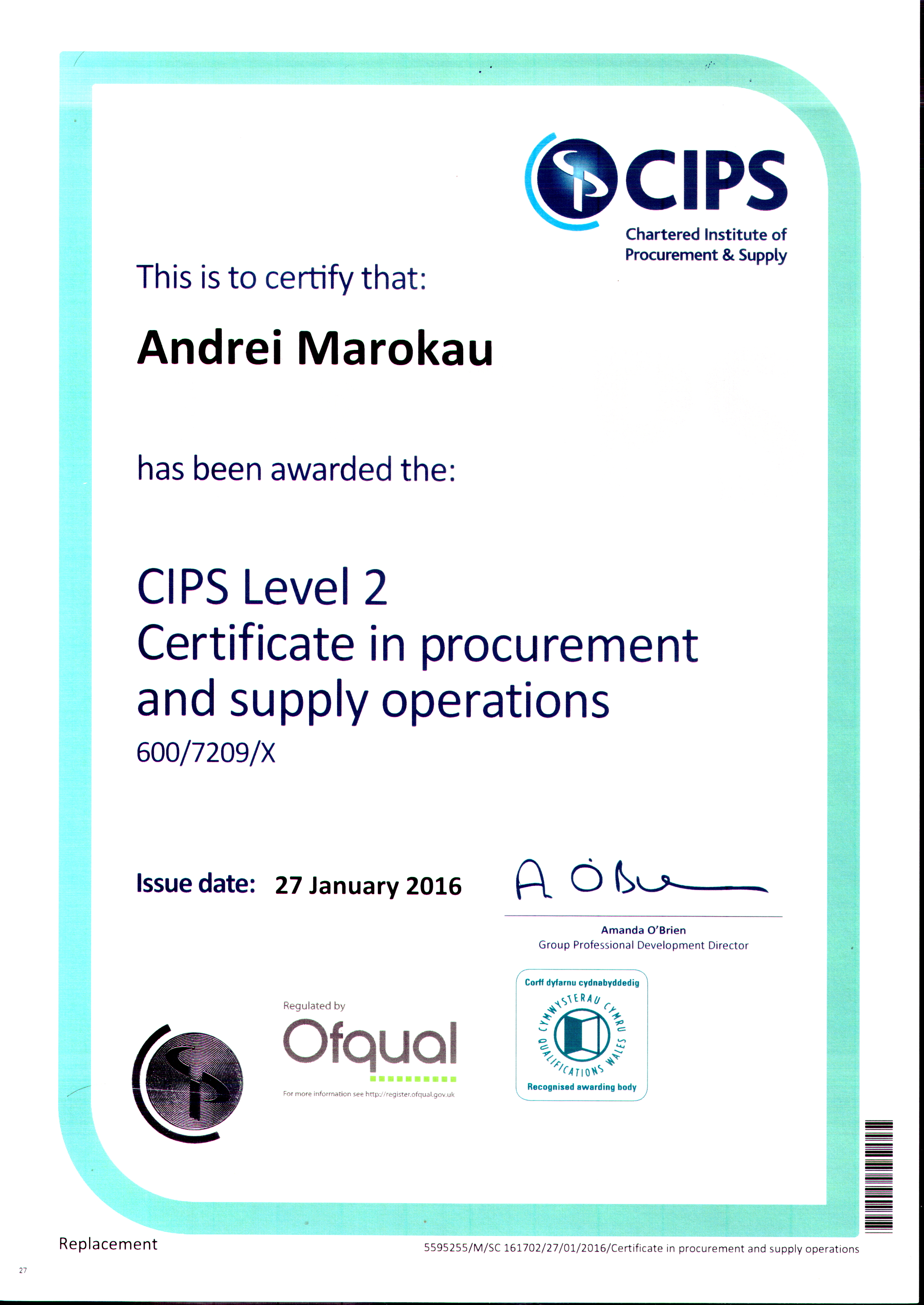
Certificate
 The Chartered Institute of Procurement & Supply
Church St, Easton on the Hill, Stamford, UK
CIPS Student Member Letter.pdf
CIPS Student Member Certificate.pdf
CIPS is the premier global organisation serving the procurement and supply profession. Dedicated to promoting best practice, CIPS provides a wide range of services for the benefit of members and the wider business community.
CIPS Qualifications
Throughout the world CIPS qualifications are recognised as driving leading edge thinking and professionalism in procurement. MCIPS is recognised worldwide as the standard for top quality procurement professionals.
CIPS offers five qualifications to support your professional development in procurement and supply. On successful completion of the Diploma, Advanced and Professional diplomas and in conjunction with three years’ experience in a role of responsibility in procurement and supply, you may apply for full membership of CIPS to use the designatory letters, MCIPS.
To find out more about entry requirements, please choose a link:
 Certificate in Procurement and Supply Operations
The ideal qualification if you’re just starting your career in procurement or if procurement and supply are part of your role. It will enable you to recognise and describe the key processes in procurement and build your professional knowledge and competence.
Unit Title:
Typical job titles:
 Advanced Certificate in Procurement and Supply Operations
This qualification is designed for those in an operational role who need the capability to carry out procurement and supply tasks. You will develop the knowledge to understand demand management, arrange supply logistics and implement new contracts.
Unit Title:
Typical job titles:
Diploma in Procurement and Supply
A valuable management tool for those moving into junior and middle management procurement roles or those supervising the procurement function. It focusses on organisational procedures and processes including negotiation, planning, risk management and data analysis.
Unit Title:
Typical job titles:
 Advanced Diploma in Procurement and Supply
Provides senior buyers, contract and supply chain managers with the expertise to improve organisational procurement and to fulfil organisational objectives. It gives you the knowledge base to reduce cost, improve quality and timescales, manage the supply chain and deal with legal issues.
Compulsory units:
Optional units:
Typical job titles:
 Professional Diploma in Procurement and Supply
Aimed at senior procurement professionals and heads of department. It is targeted at building strategic direction and advice, in areas such as change management, stakeholder management and team leadership.
On successful completion of the Diploma, Advanced and Professional diplomas along with 3 years’ experience in a postion of responsiblility in procurement and supply you will be awarded MCIPS status.
Compulsory units:
Optional units:
Typical job titles:
Student Member Letter & Certificate:


6th International Public Procurement Conference
14.08 – 16.08.2014
Dublin City University, Dublin, Ireland
Delegate List: Delegate List.pdf
Conference Programme: Conference Programme.pdf
Book of Proceedings: Book of Proceedings (pages 1-590).pdf, Book of Proceedings (pages 591-1153).pdf, Book of Proceedings (pages 1154-1351).pdf
Prepared materials for the conference
Title: Сost-based approach for determining evaluation criteria weights of commercial offers based on the analysis of the total cost of ownership for the product
Paper Number: 232.00
Presentation Type: Poster
Paper Status: Accepted as Oral Presentation
Abstract: Abstract.pdf
Full paper: Full paper.pdf
Title: Essential issues of evaluating the effect of planned obsolescence of products during procurement procedures
Paper Number: 231.00
Presentation Type: Poster
Paper Status: Accepted as Poster Presentation
Abstract: Abstract.pdf
Full paper: Full paper.pdf
Title: Essential issues of developing improved methods of scoring commercial offers during the procurement procedure
Paper Number: 229.00
Presentation Type: Poster
Paper Status: Accepted as Oral Presentation
Abstract: Abstract.pdf
Full paper: Full paper.pdf
Title: Essential issues of commercial offers comparison during procurement procedures
Paper Number: 230.00
Presentation Type: Poster
Paper Status: No Paper Status Allocated
Abstract: Abstract.pdf
Full paper: Full paper.pdf
Presentations
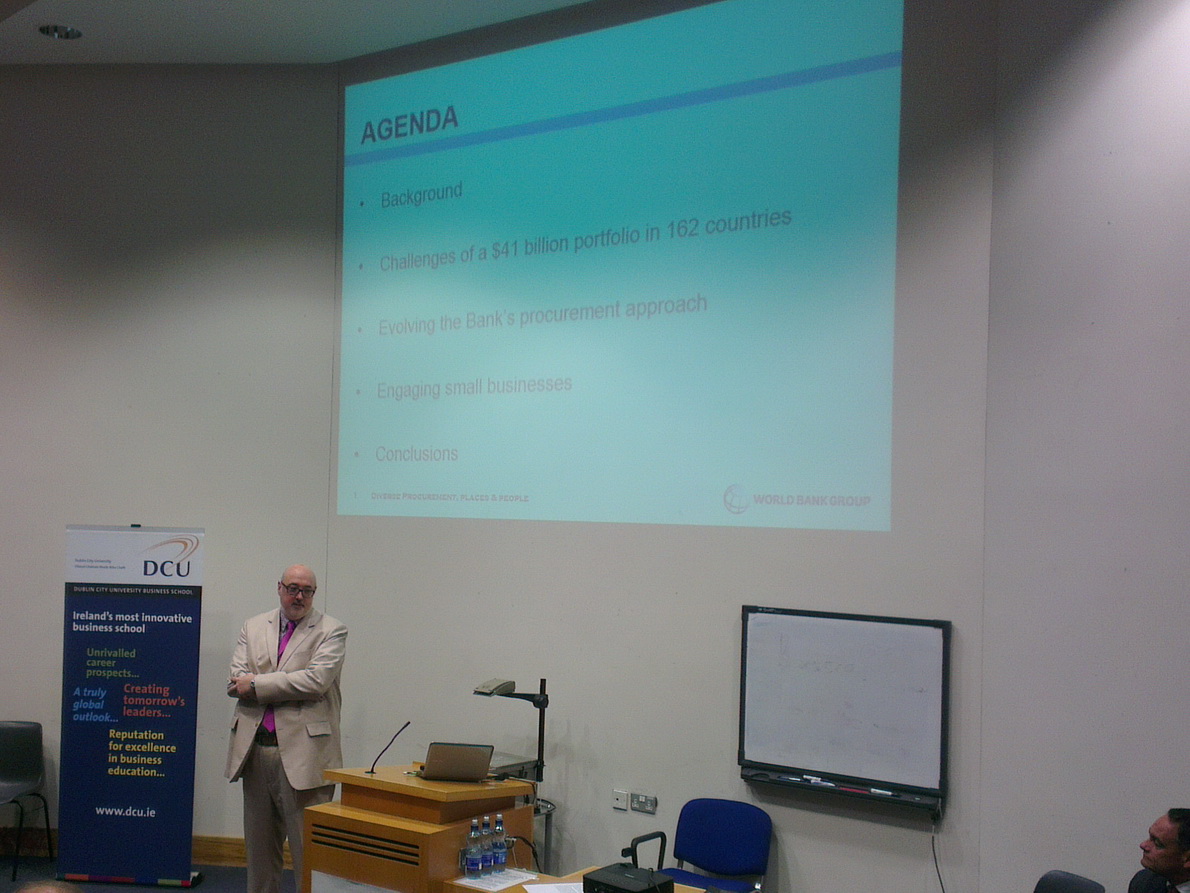
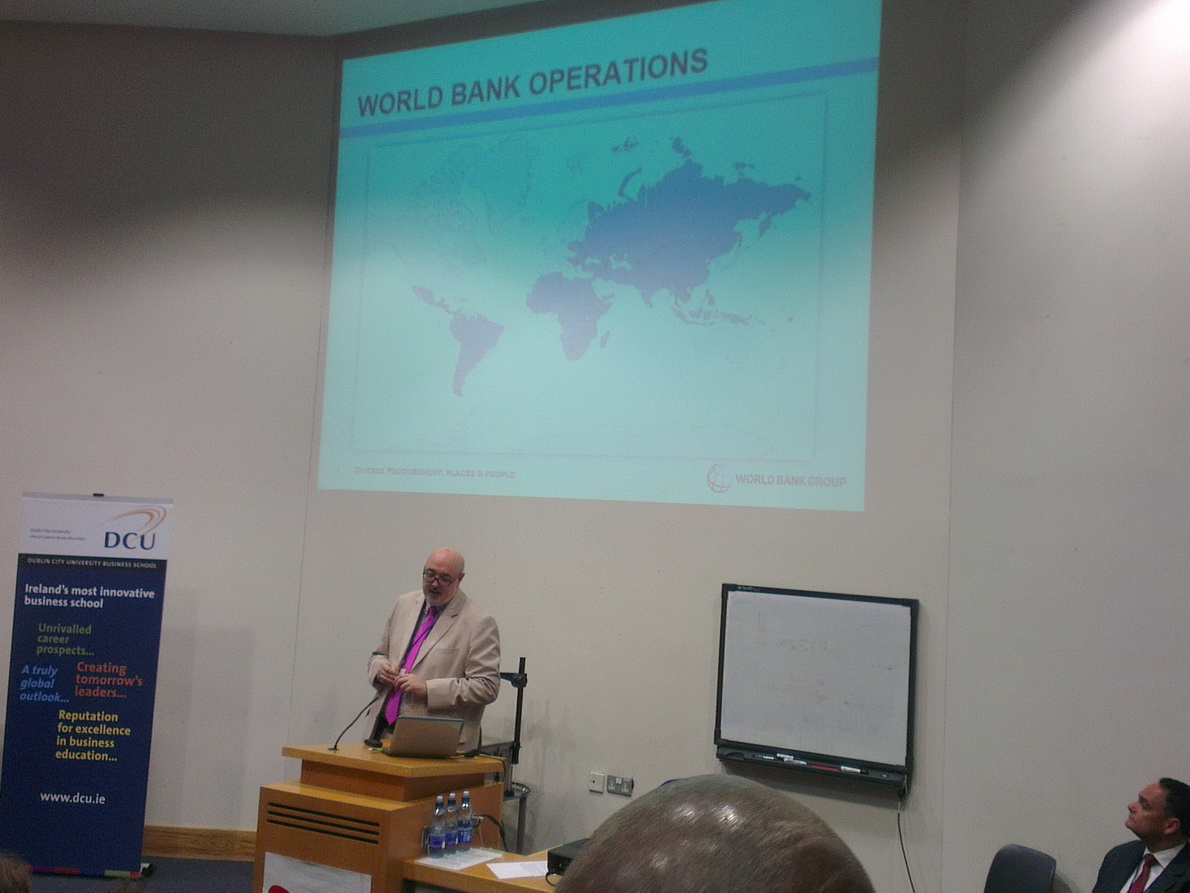
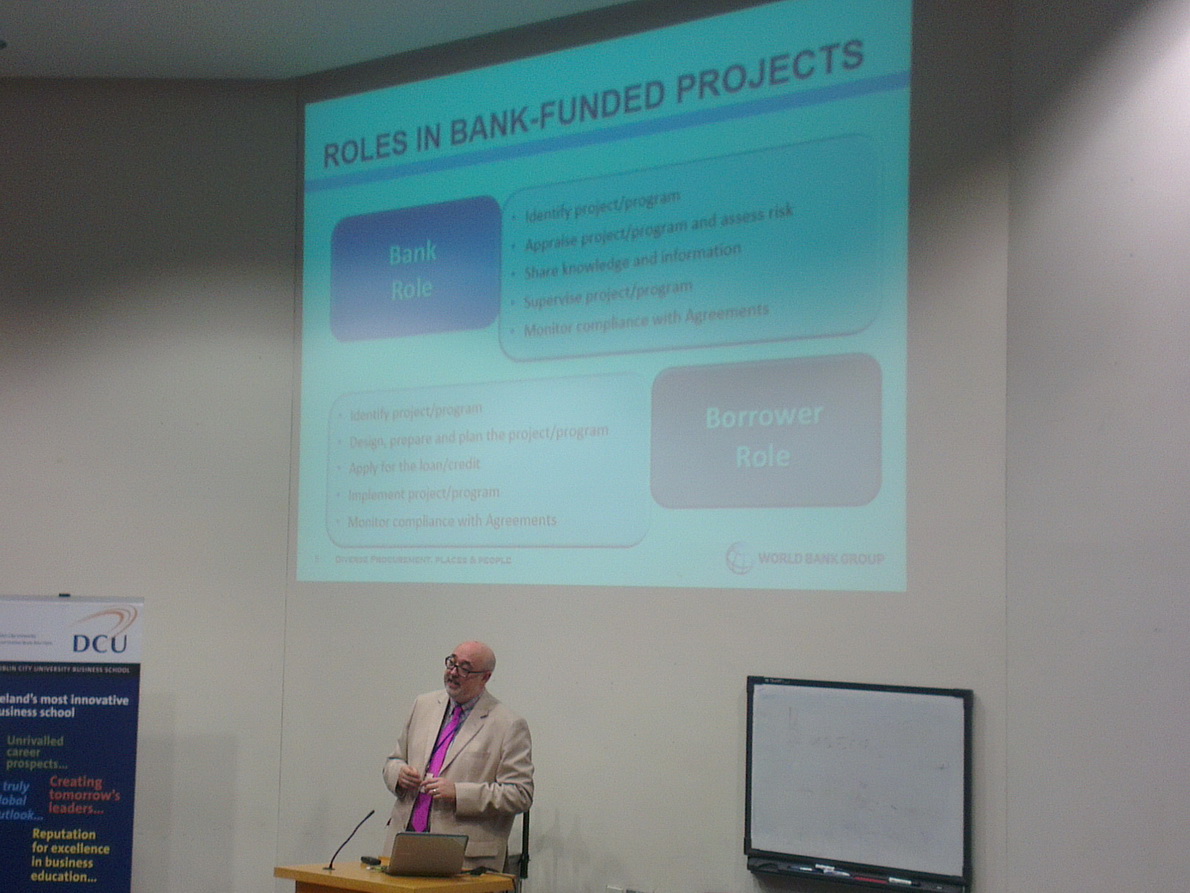
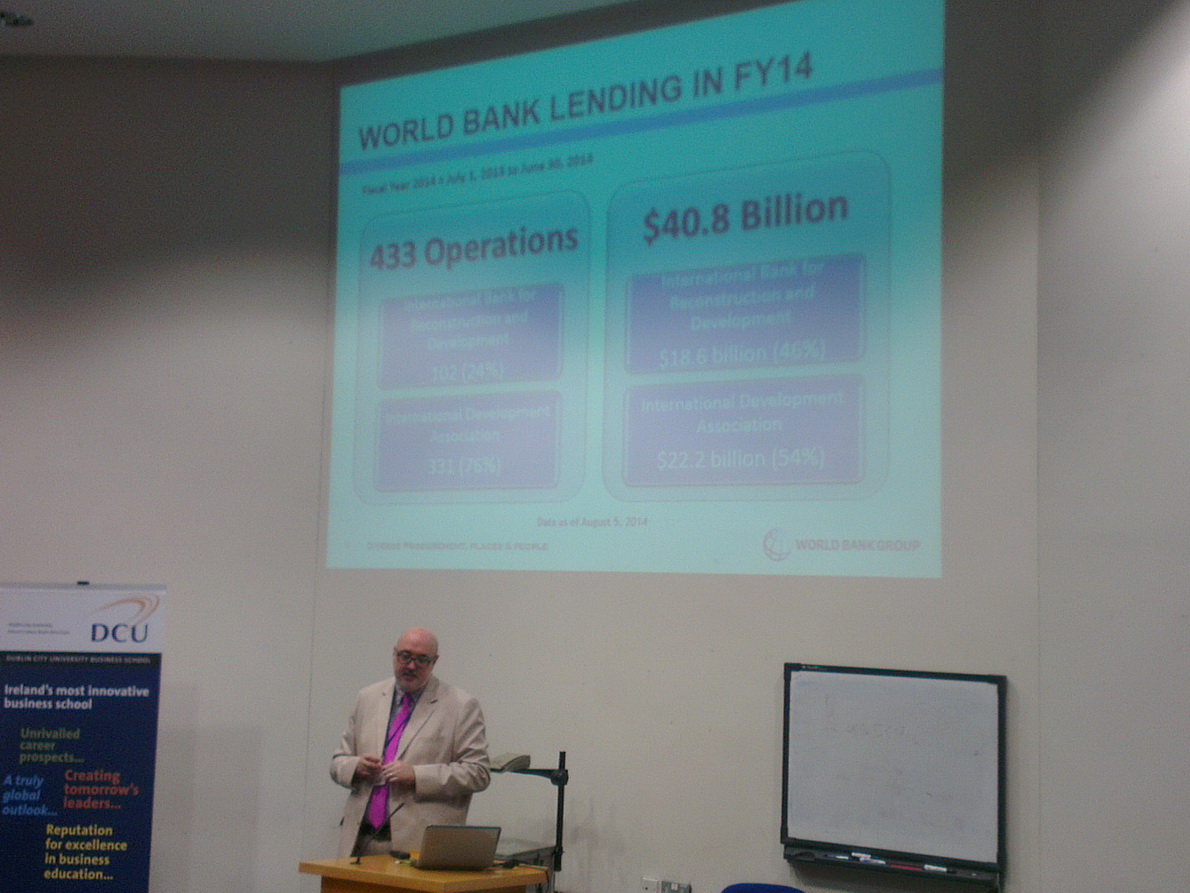
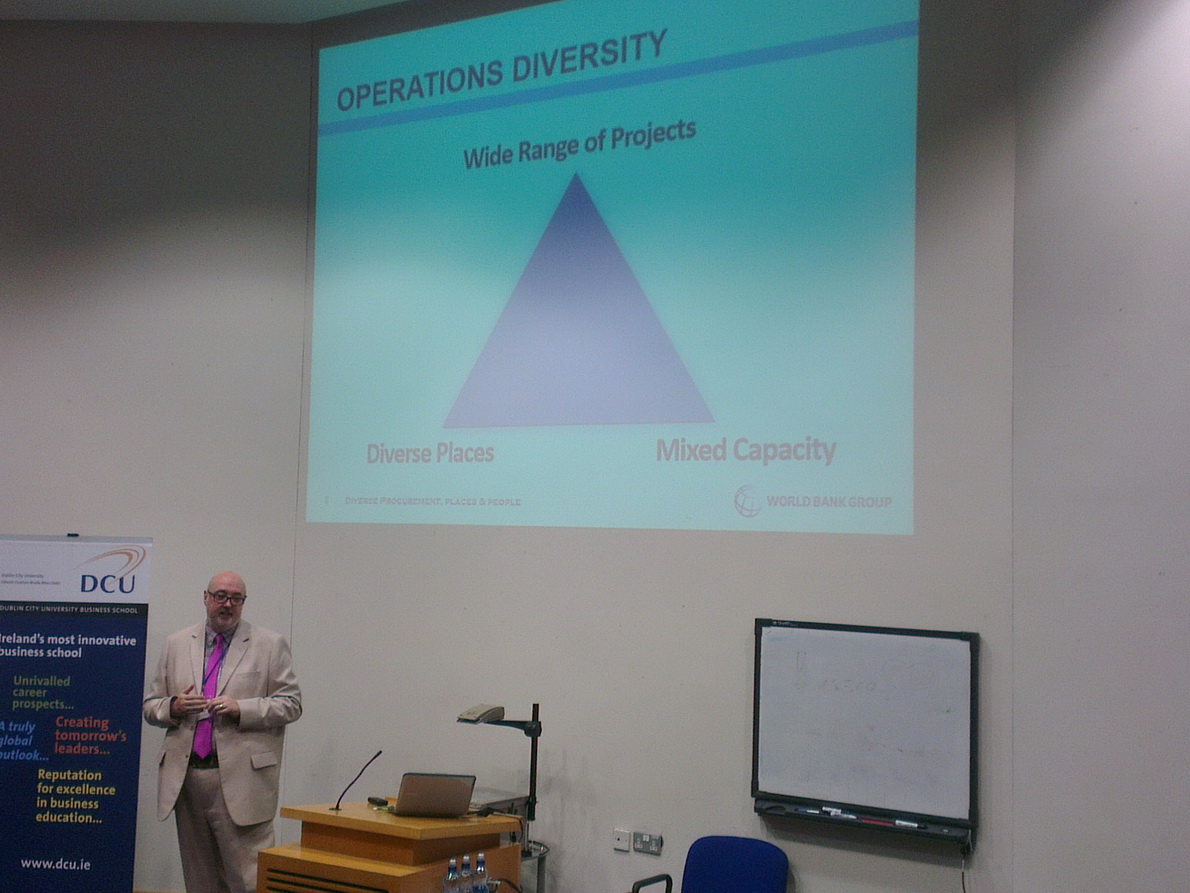
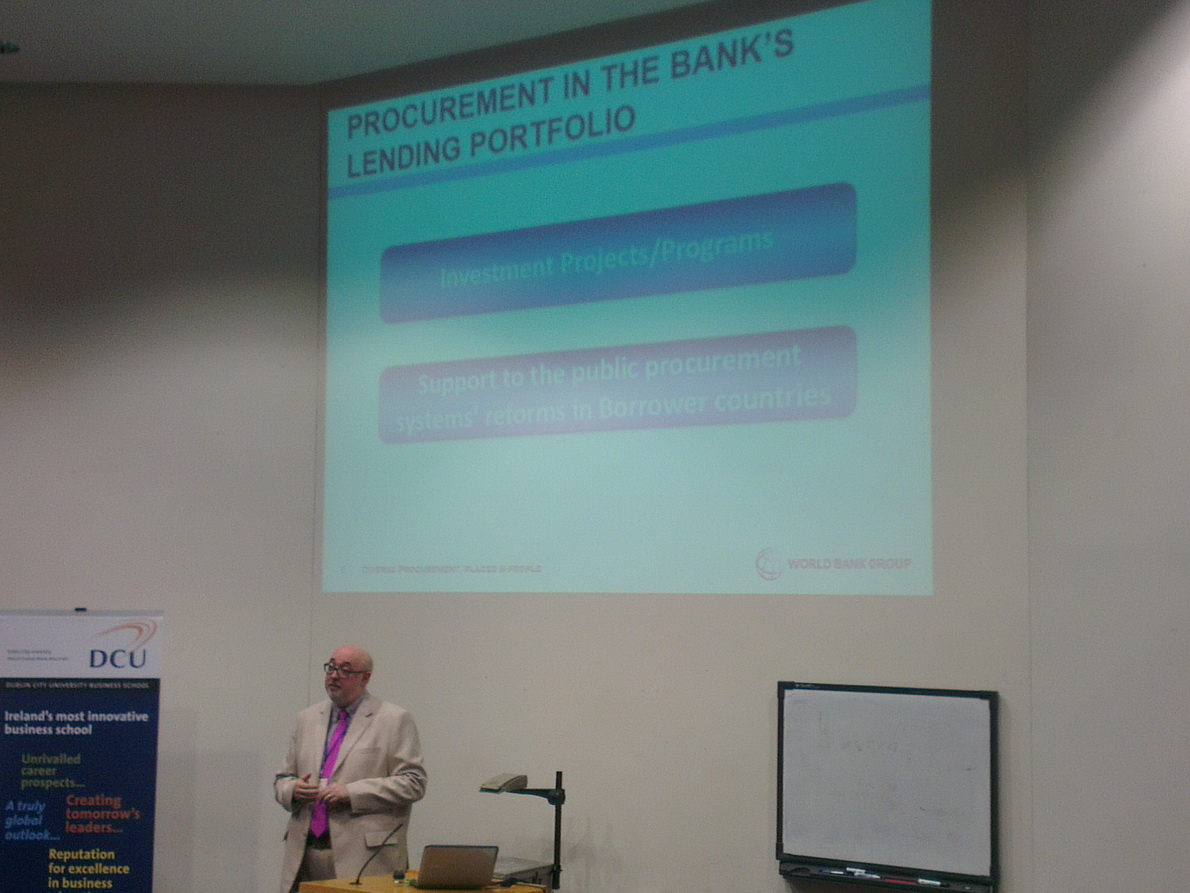
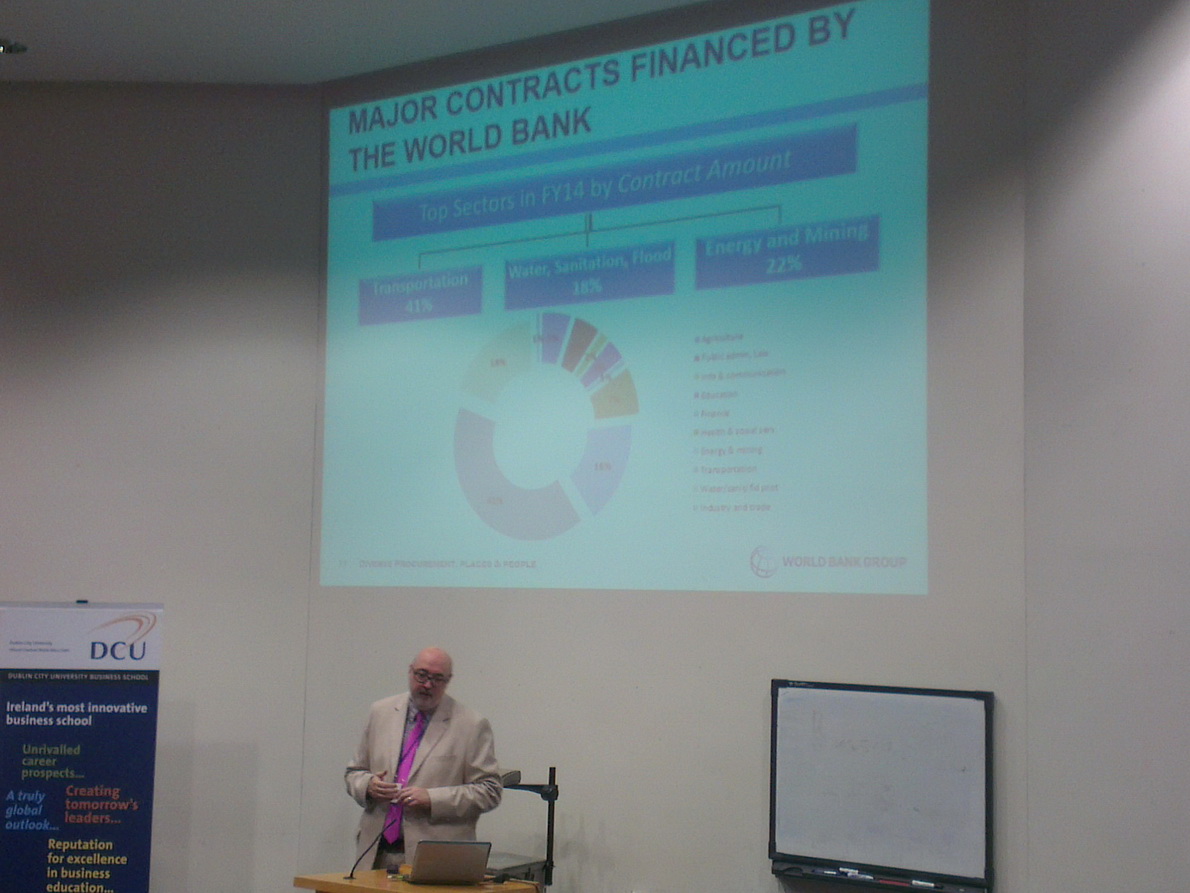
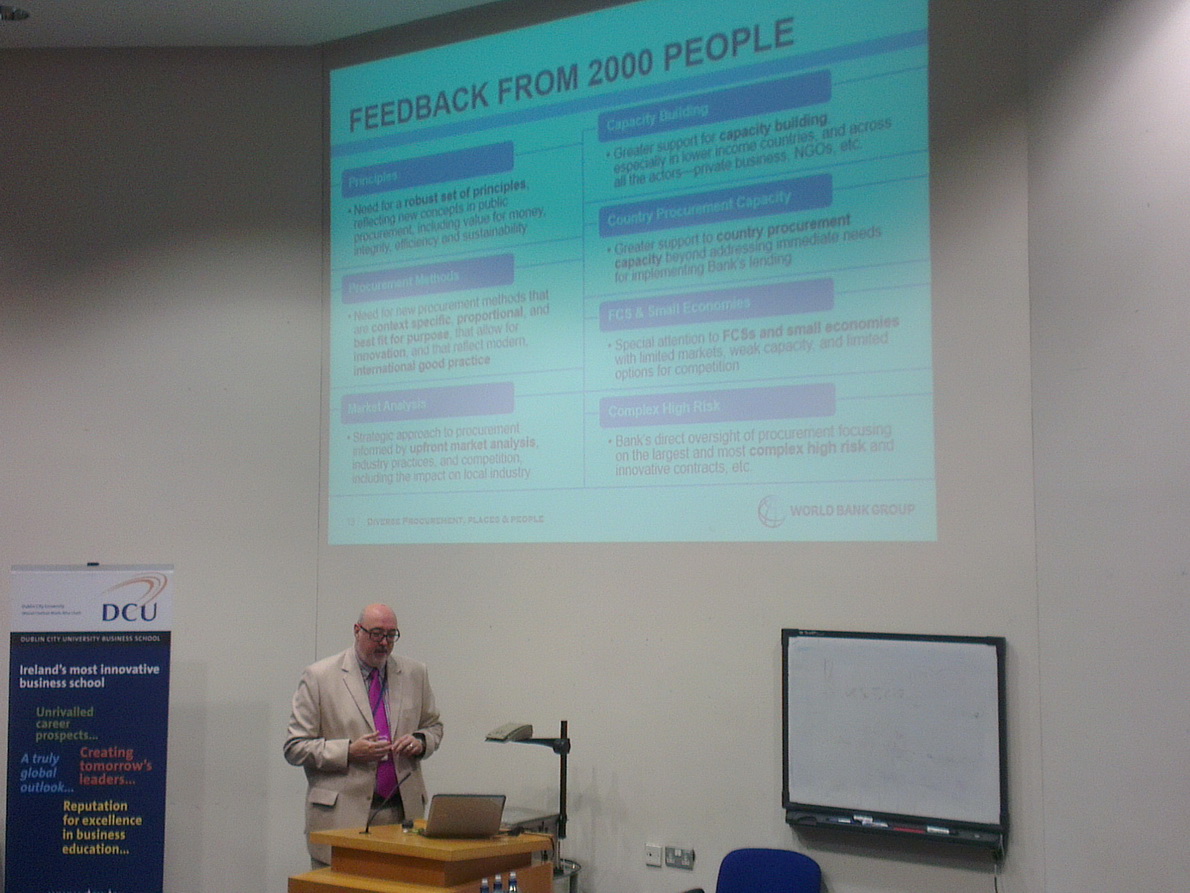
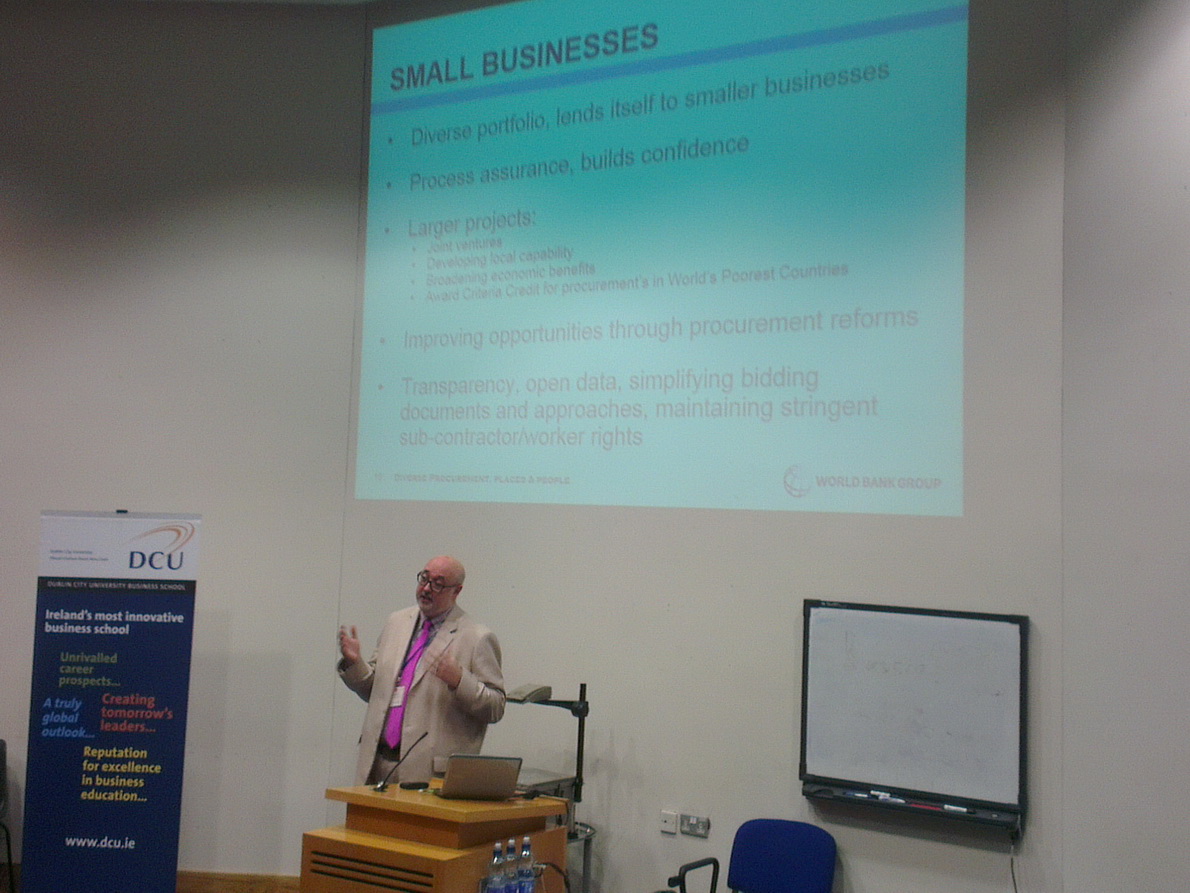
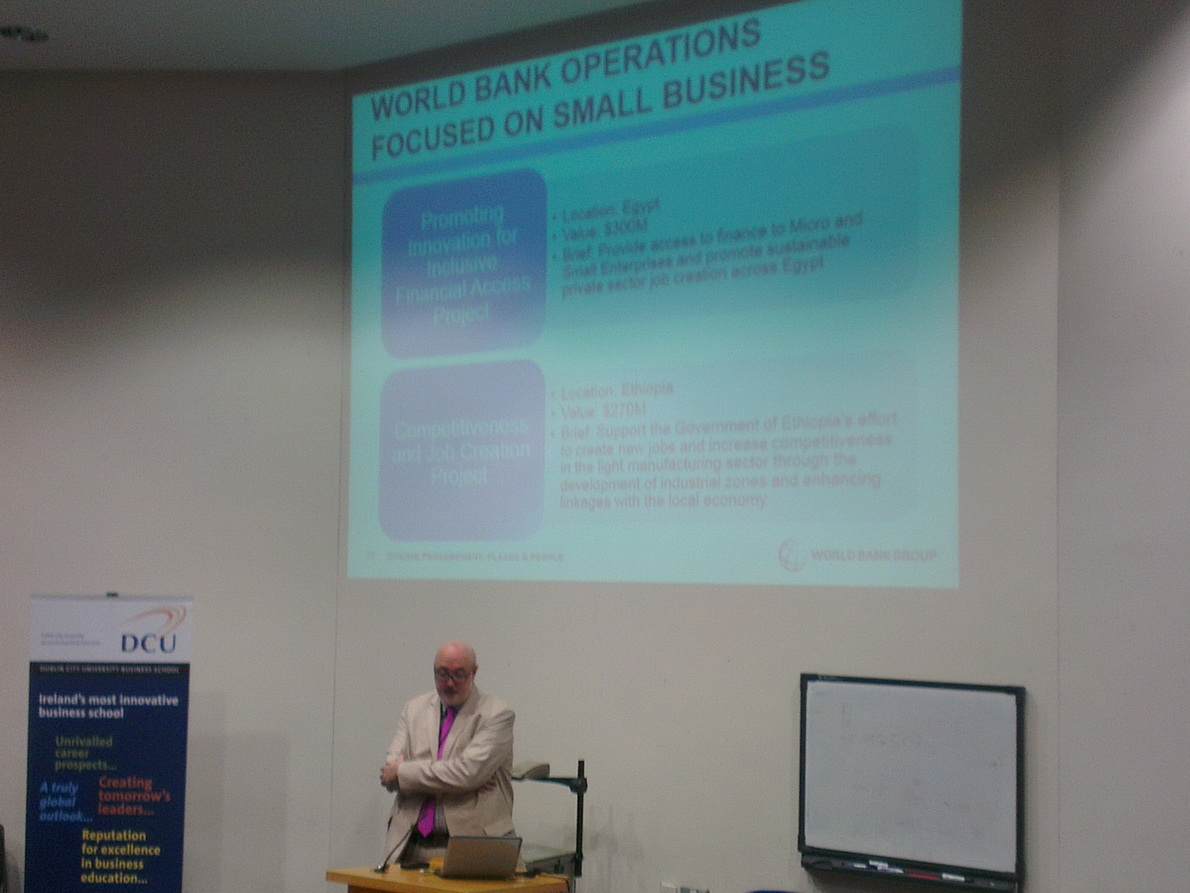
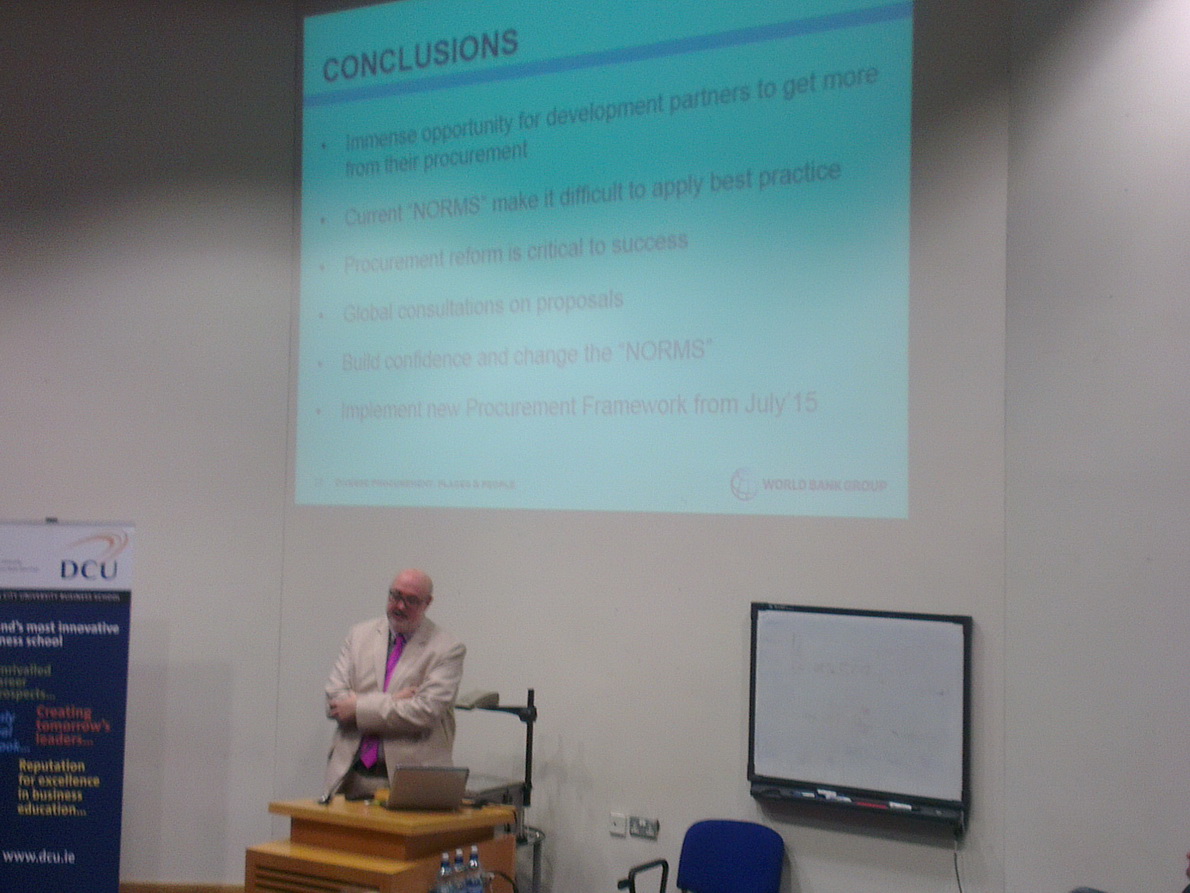
The World Bank. Chris Browne, Chief Procurement Office World Bank





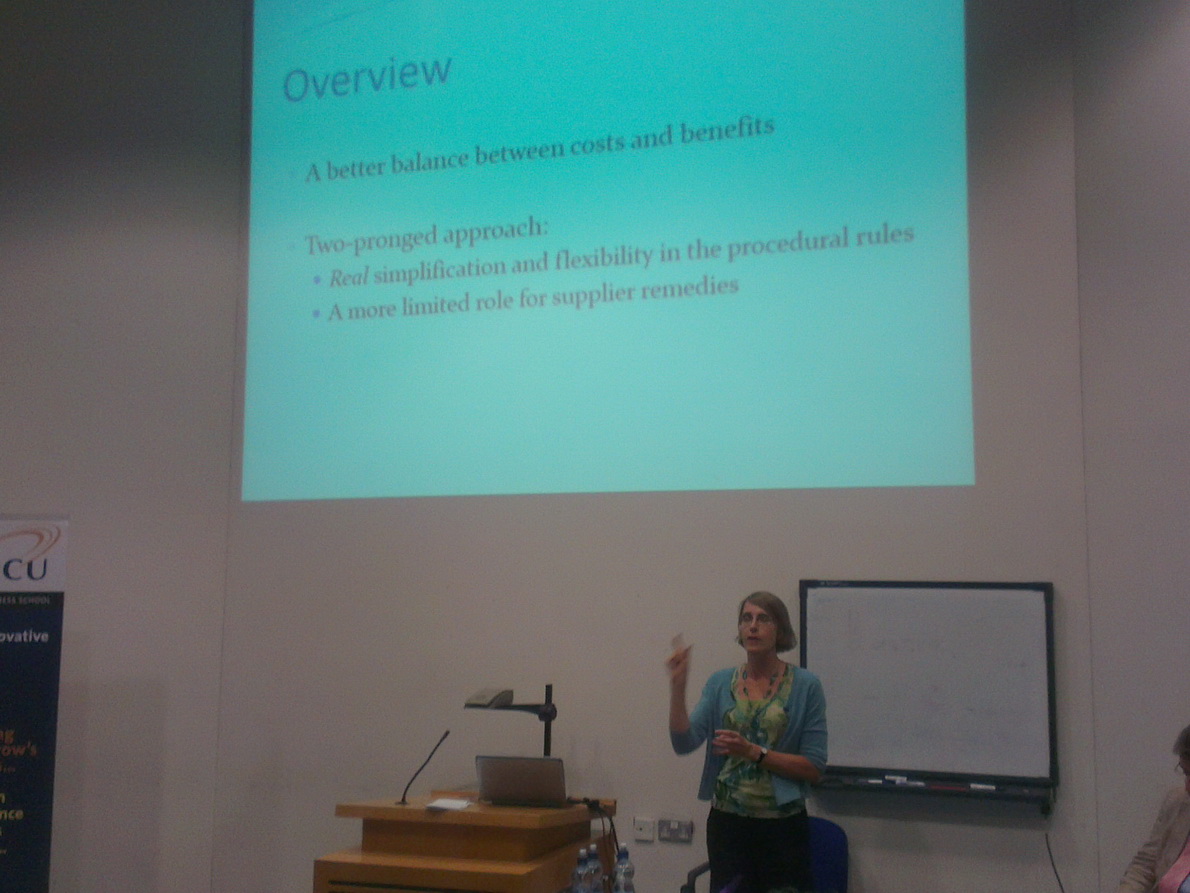
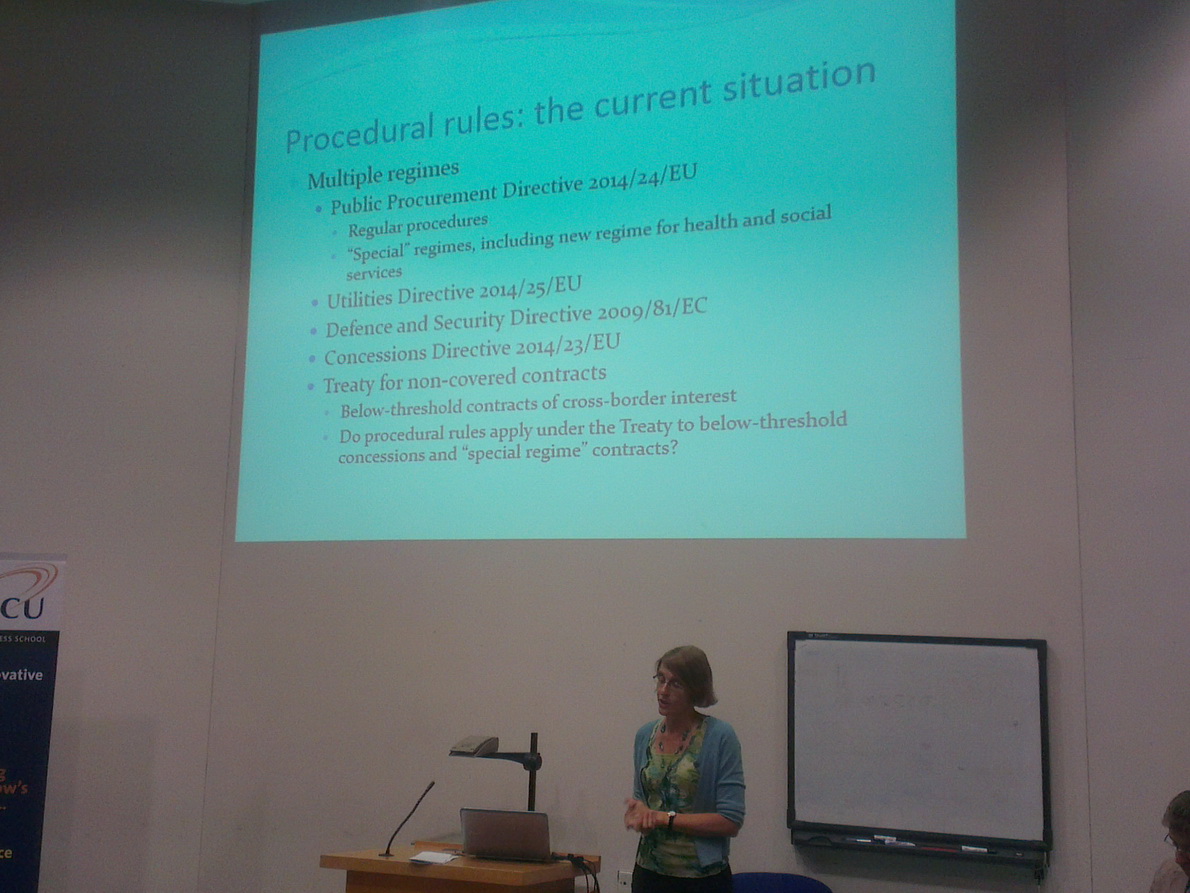
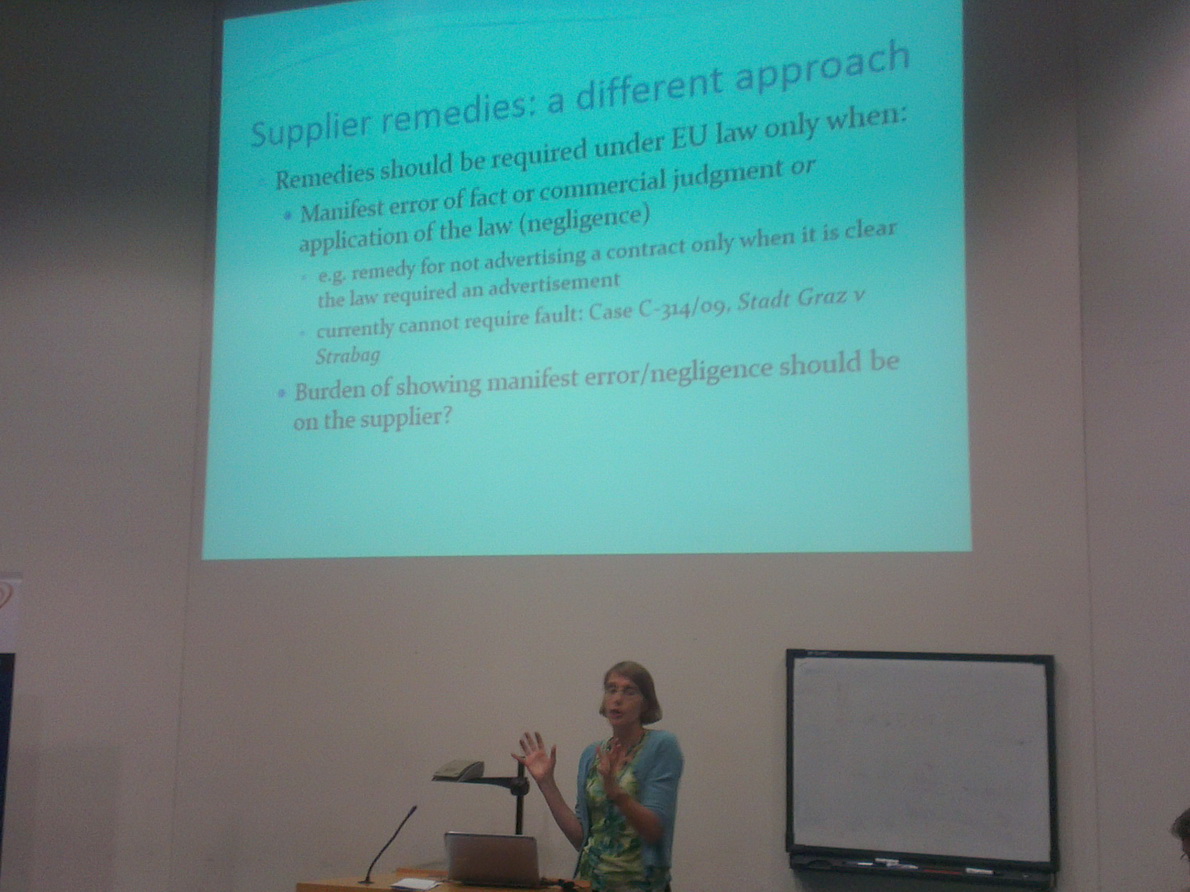
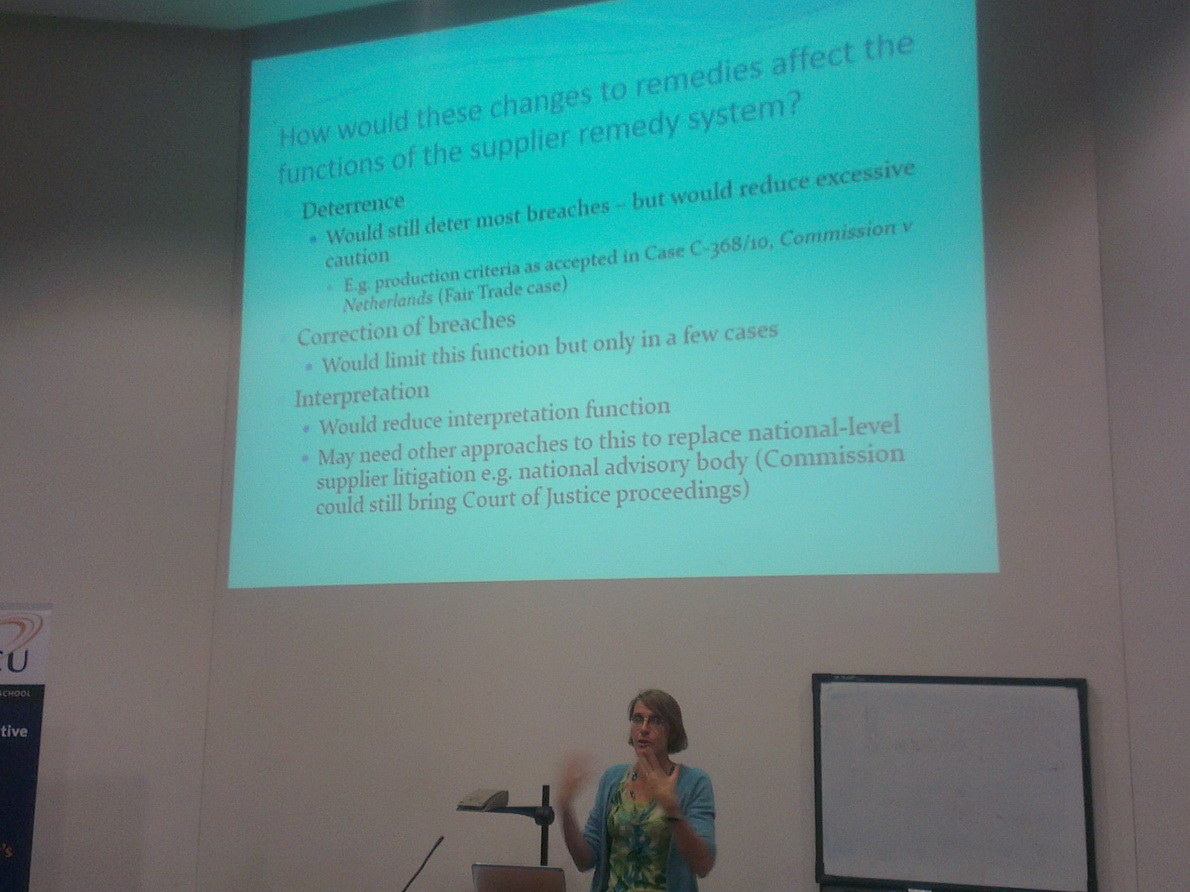
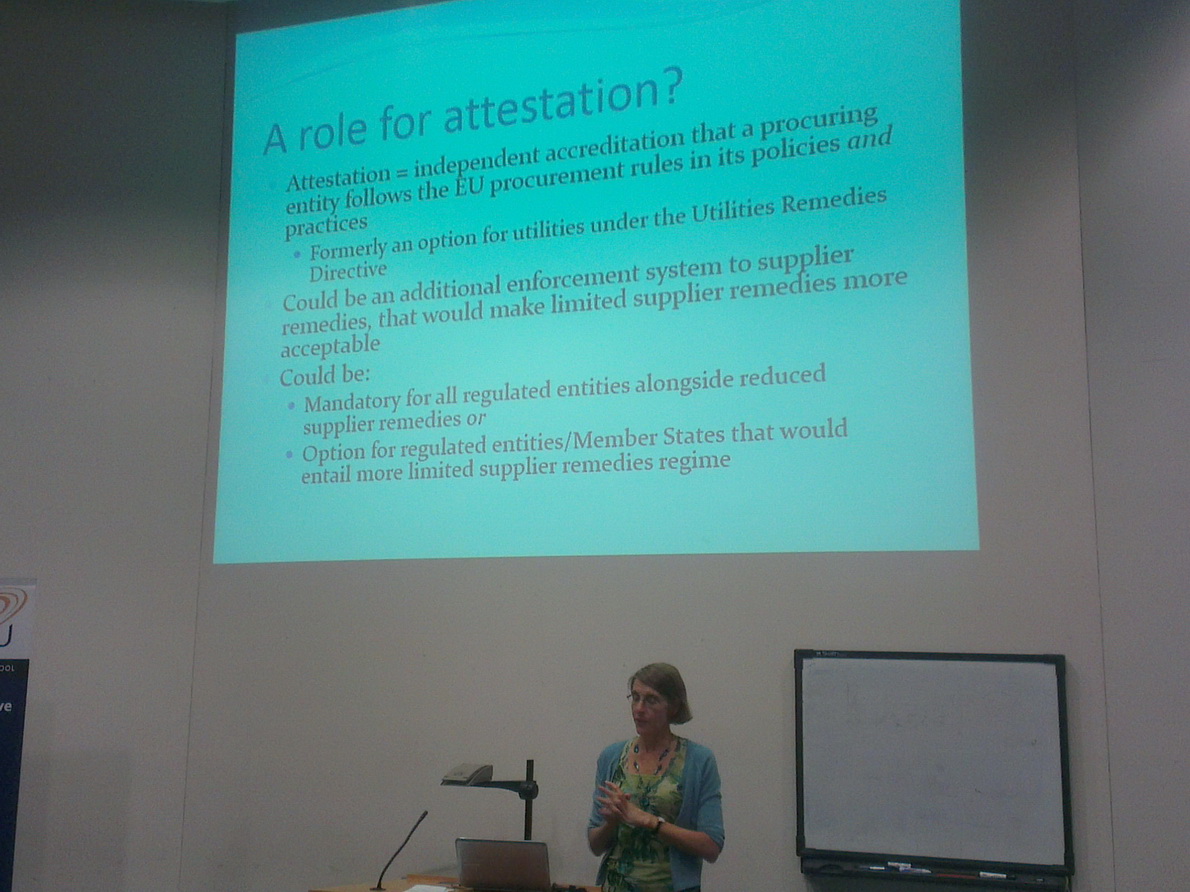
Rethinking Procurement. Sue Arrowsmith
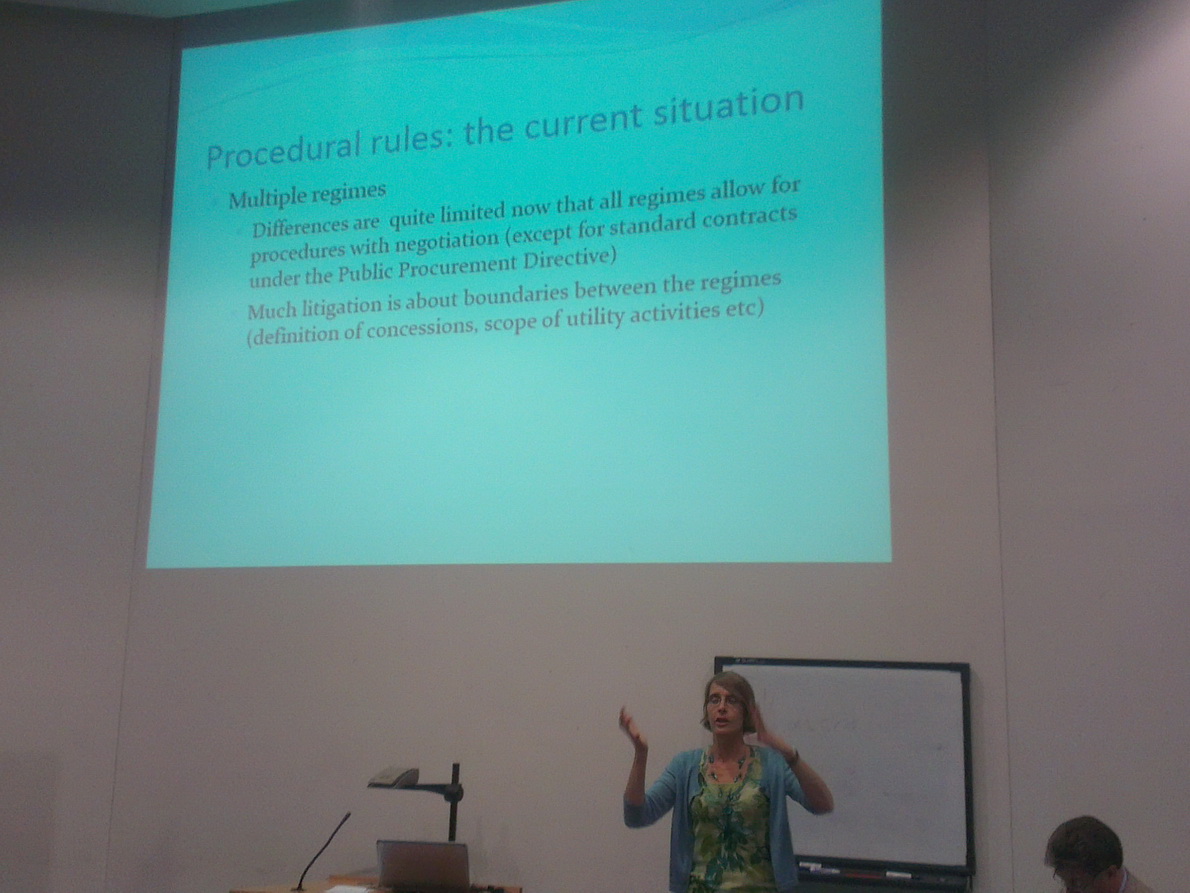
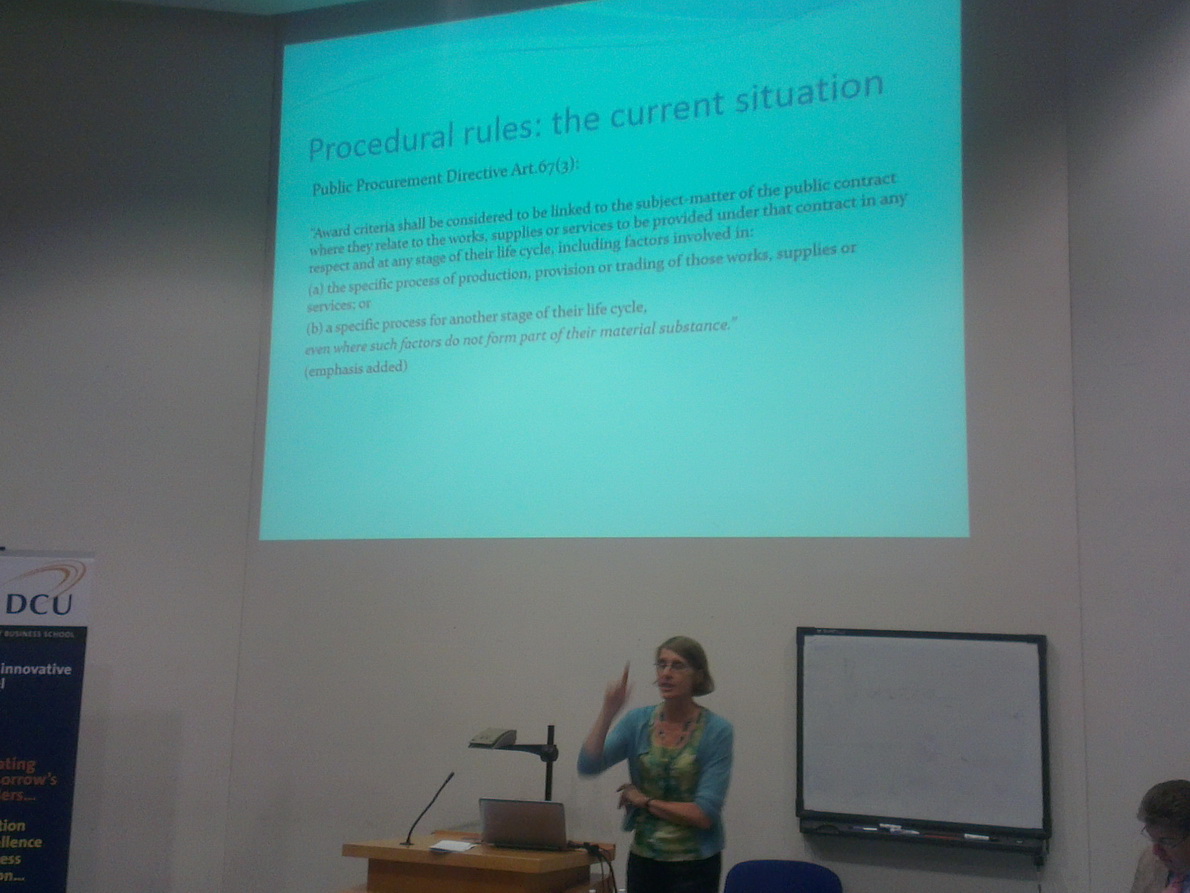
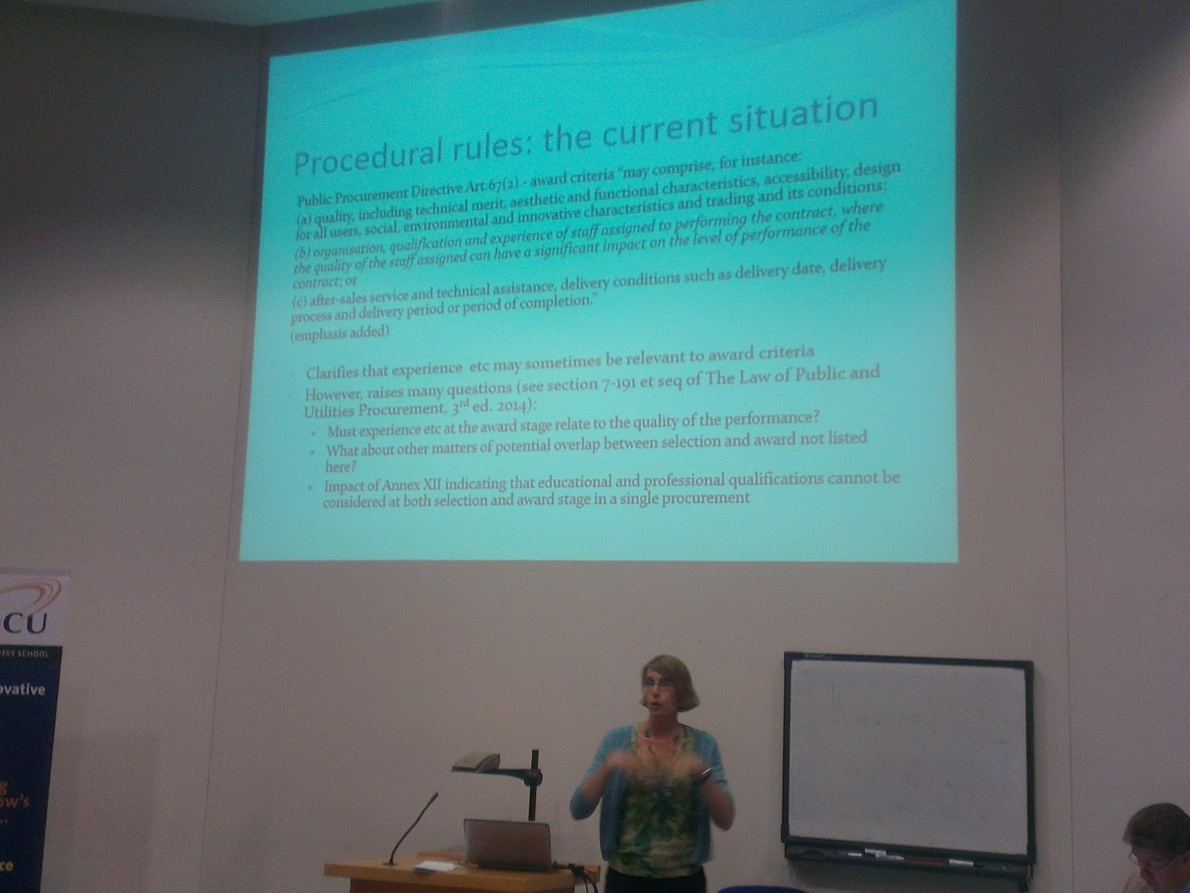
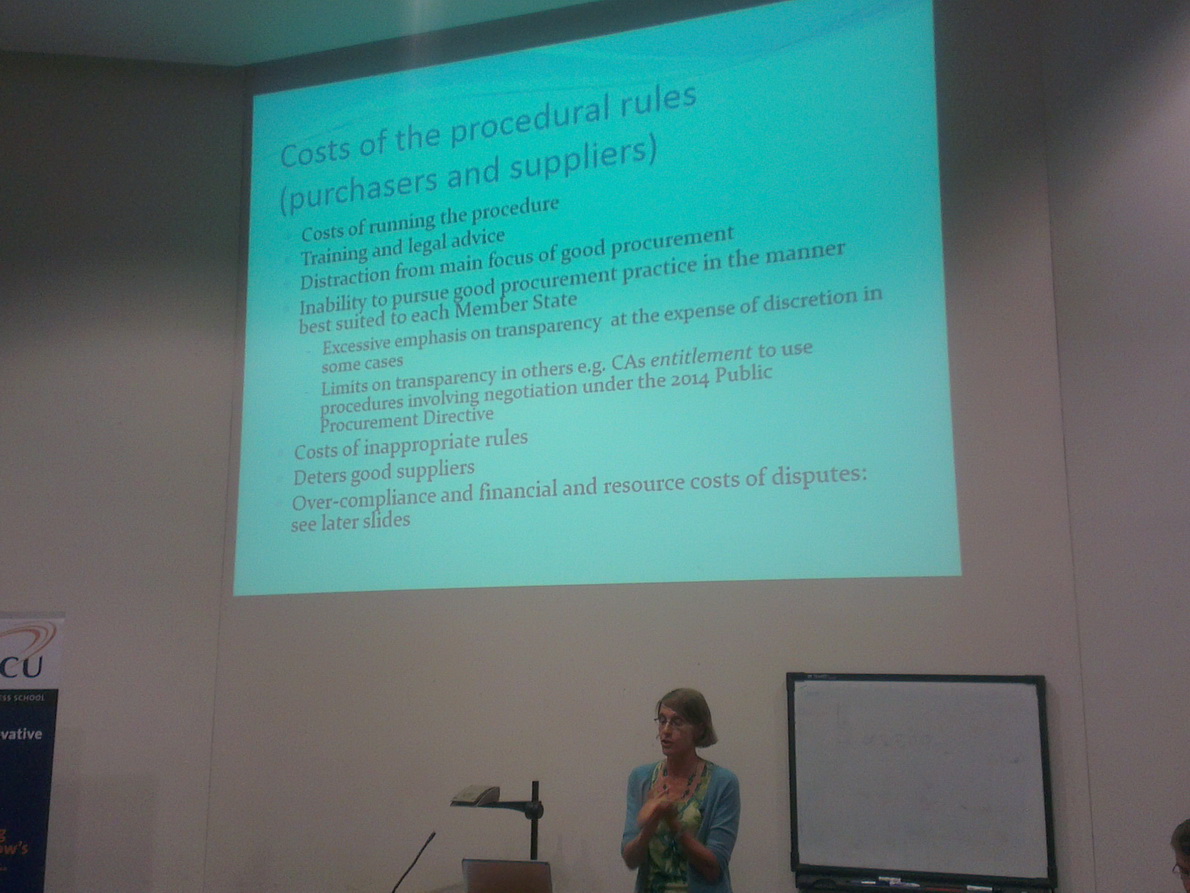
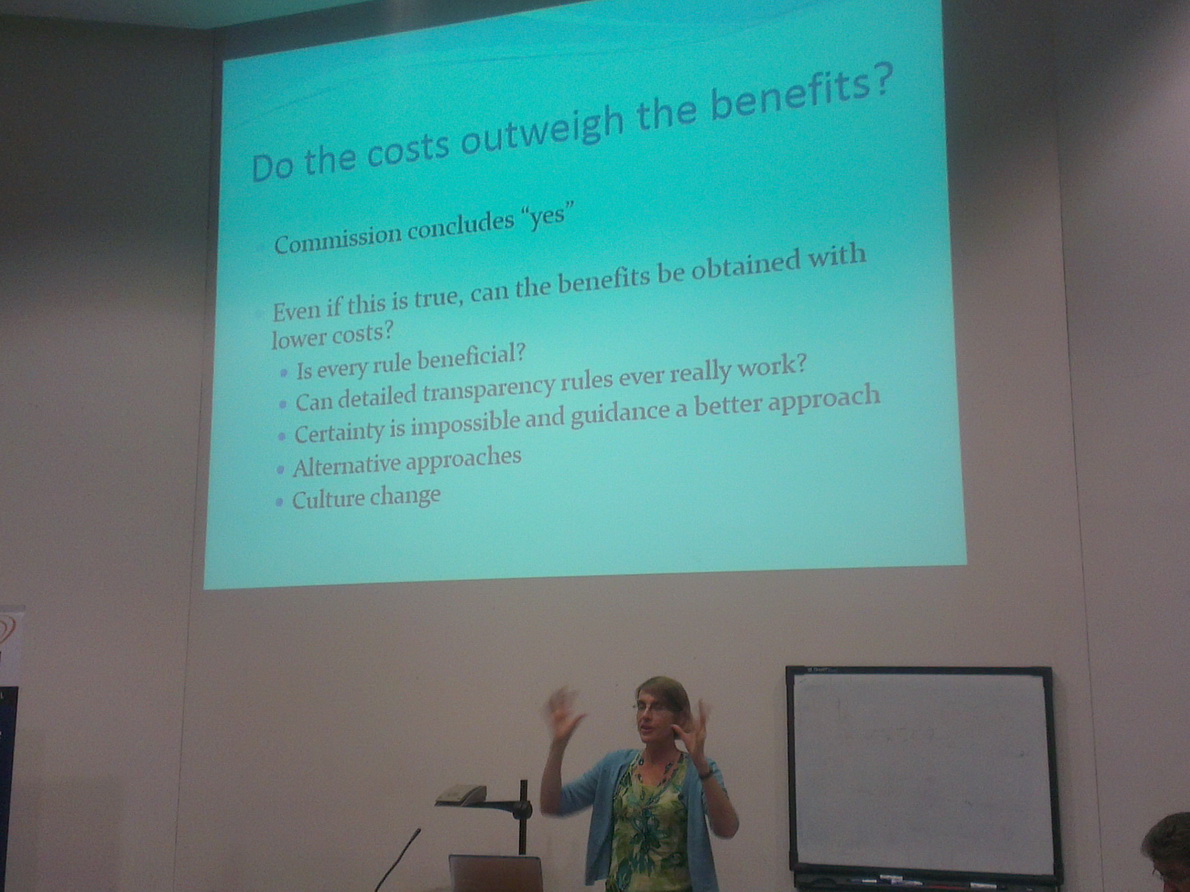
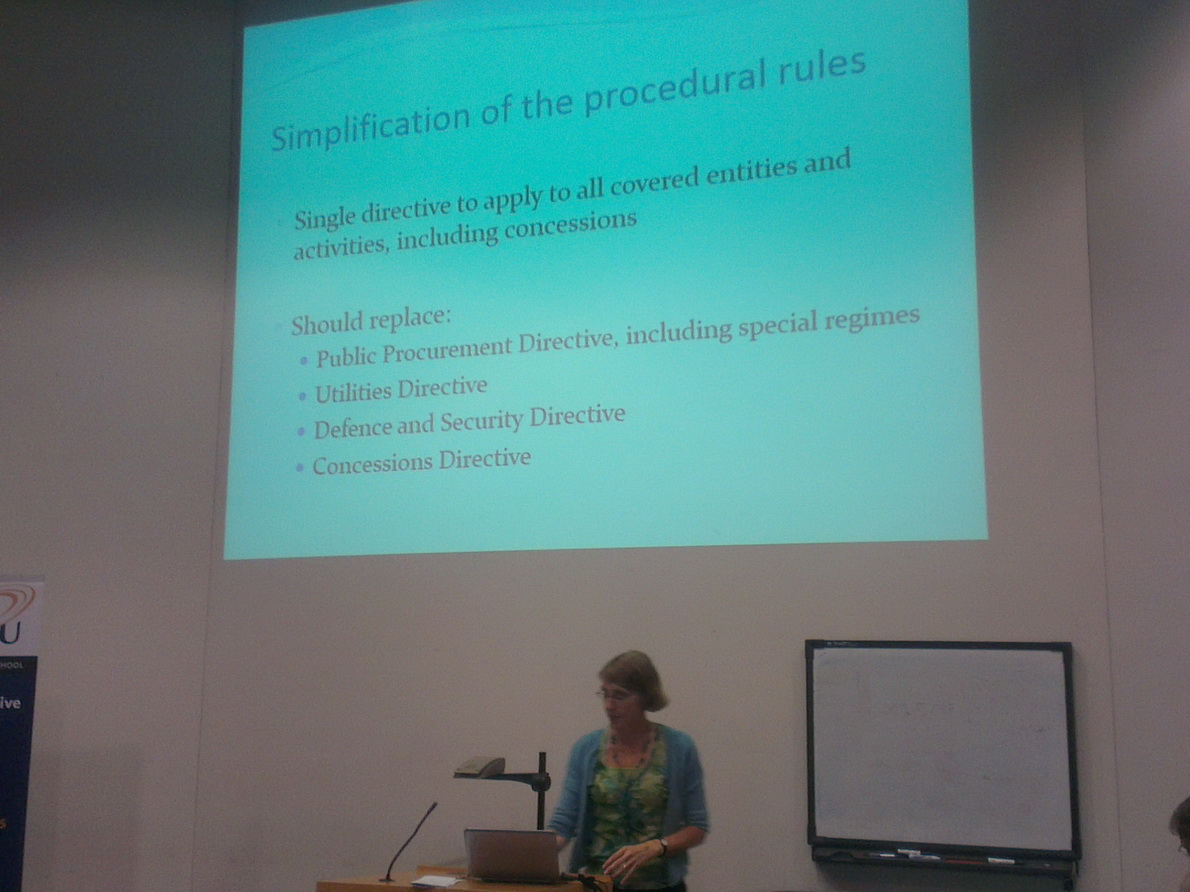
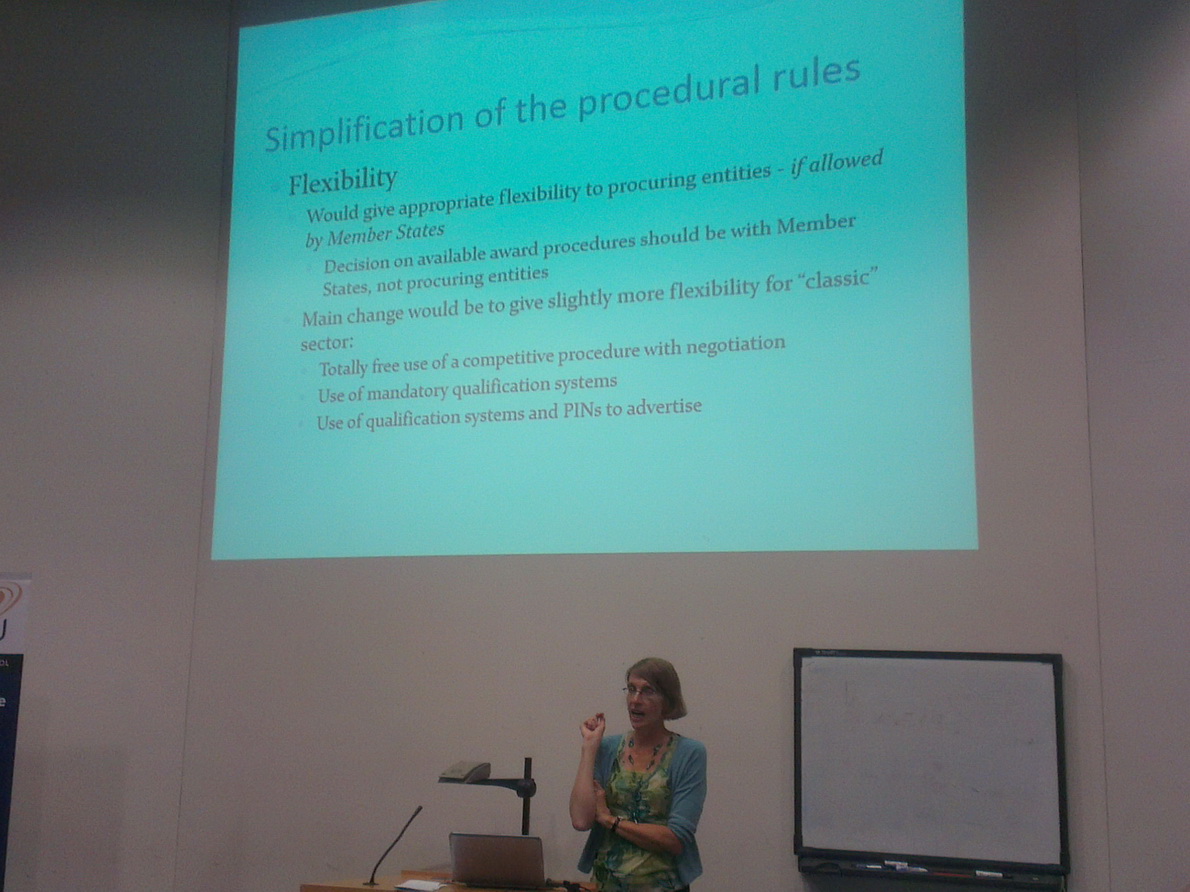
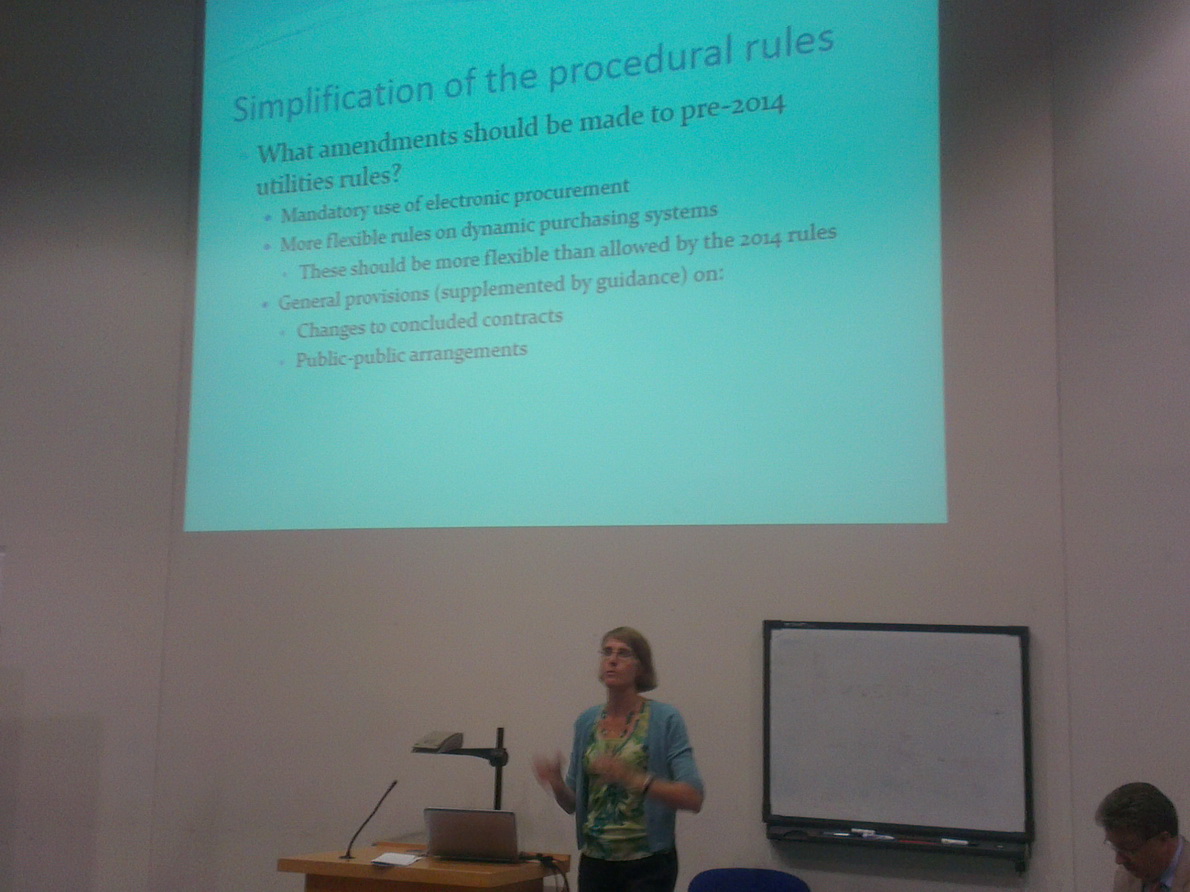
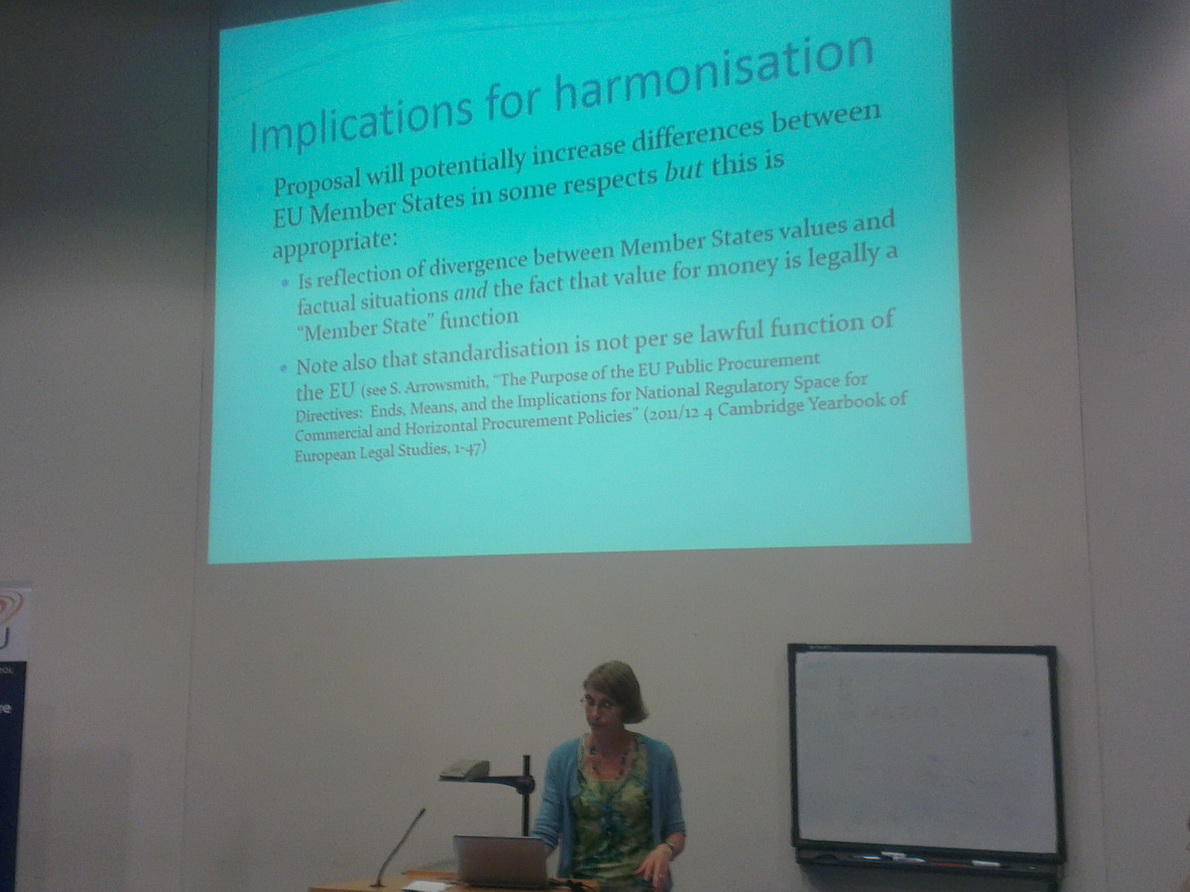
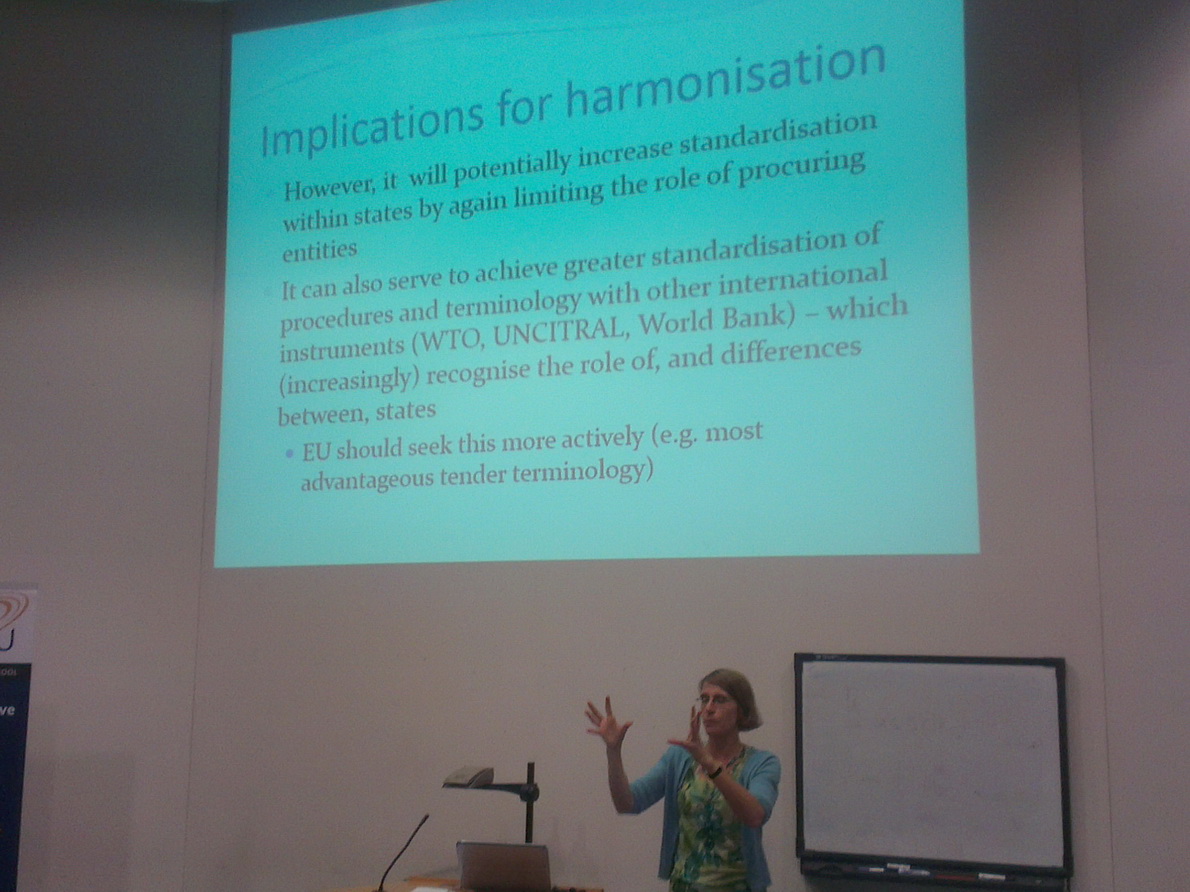
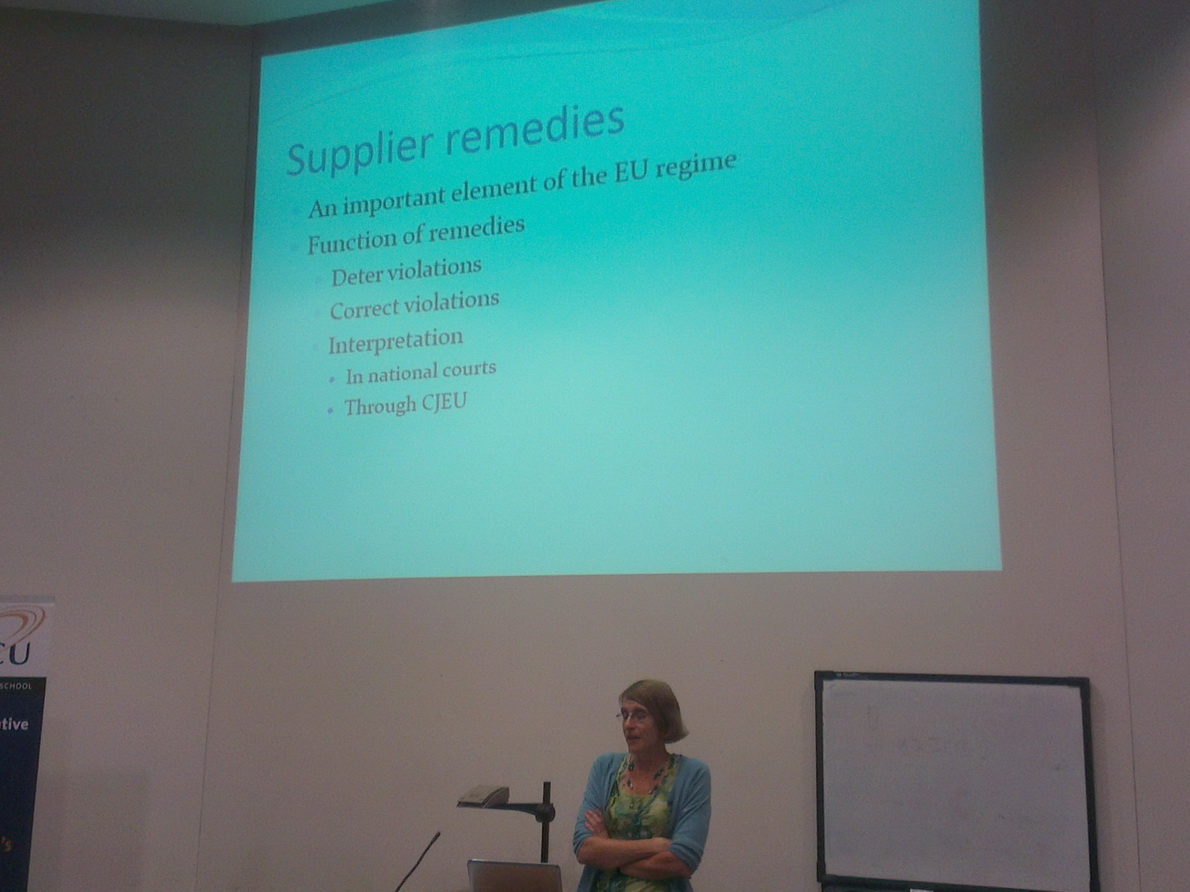
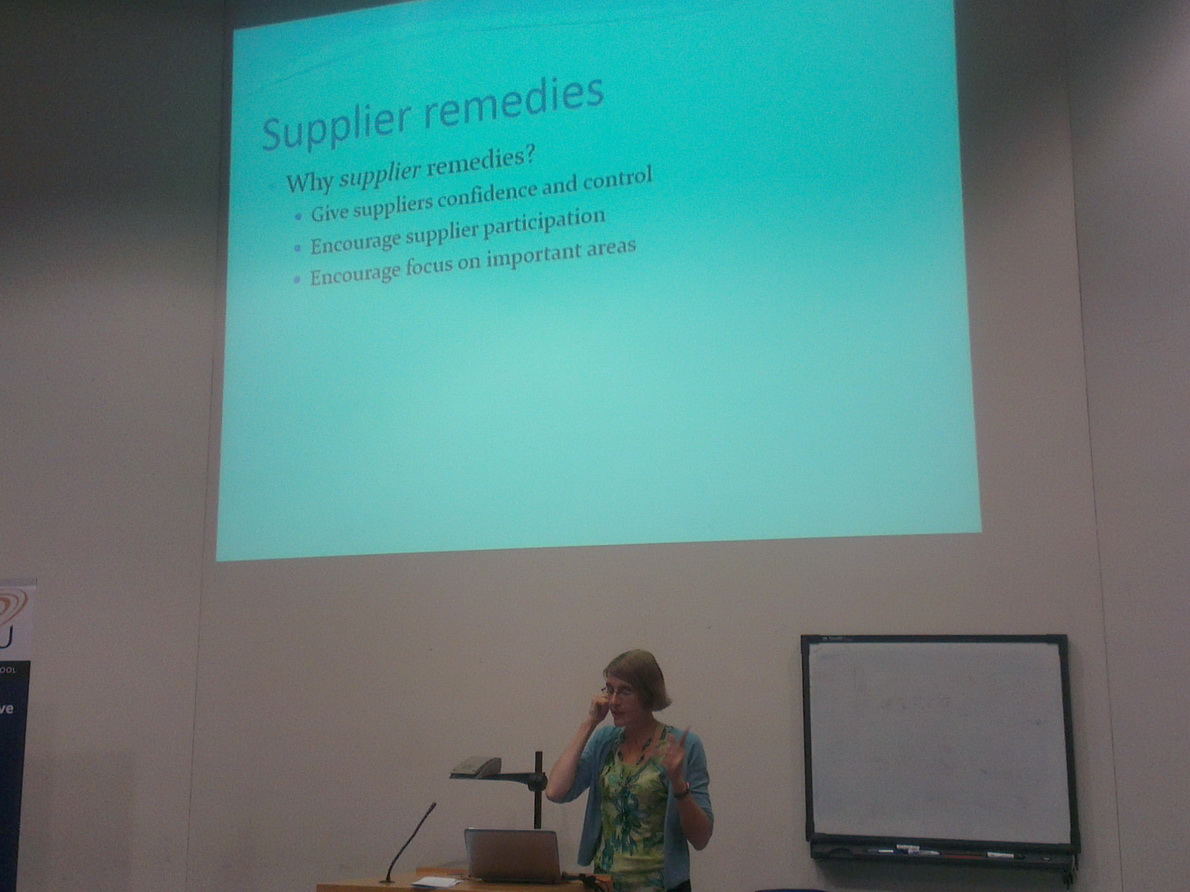



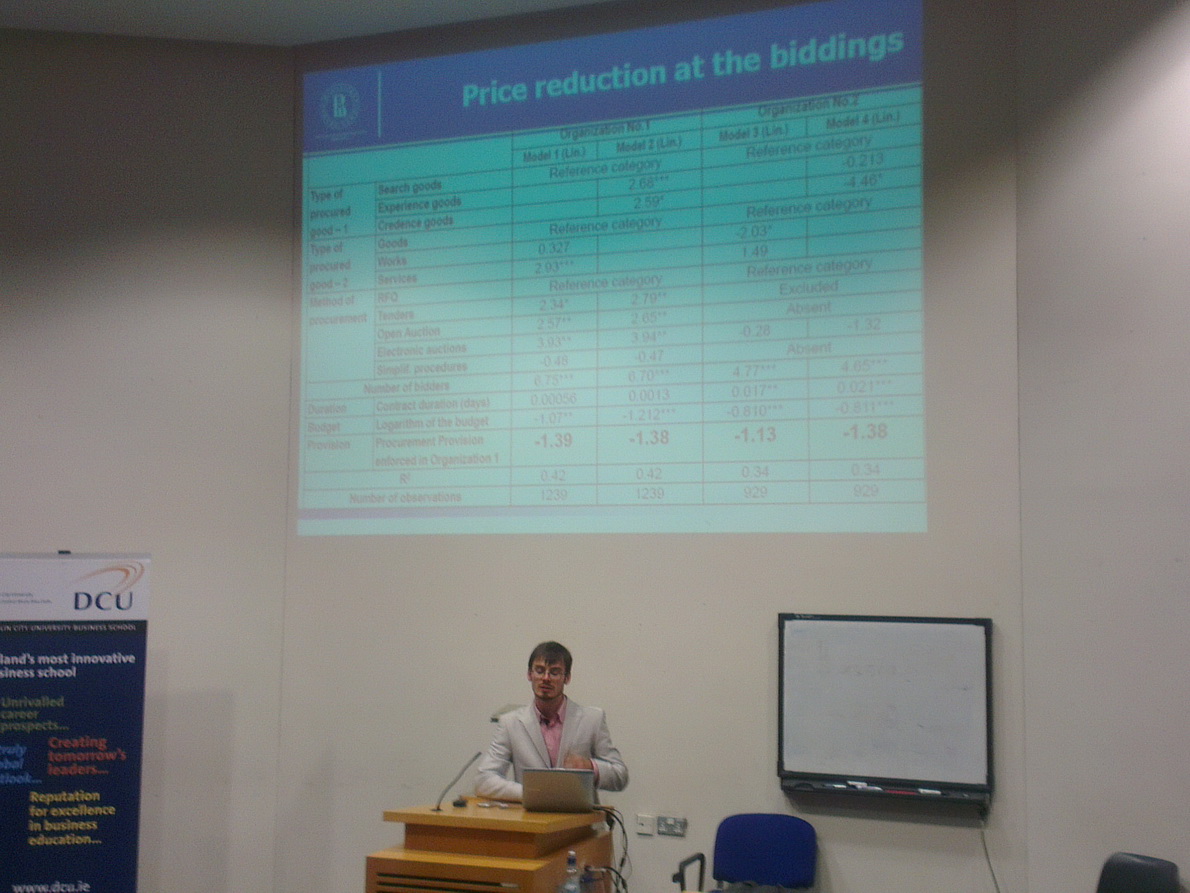
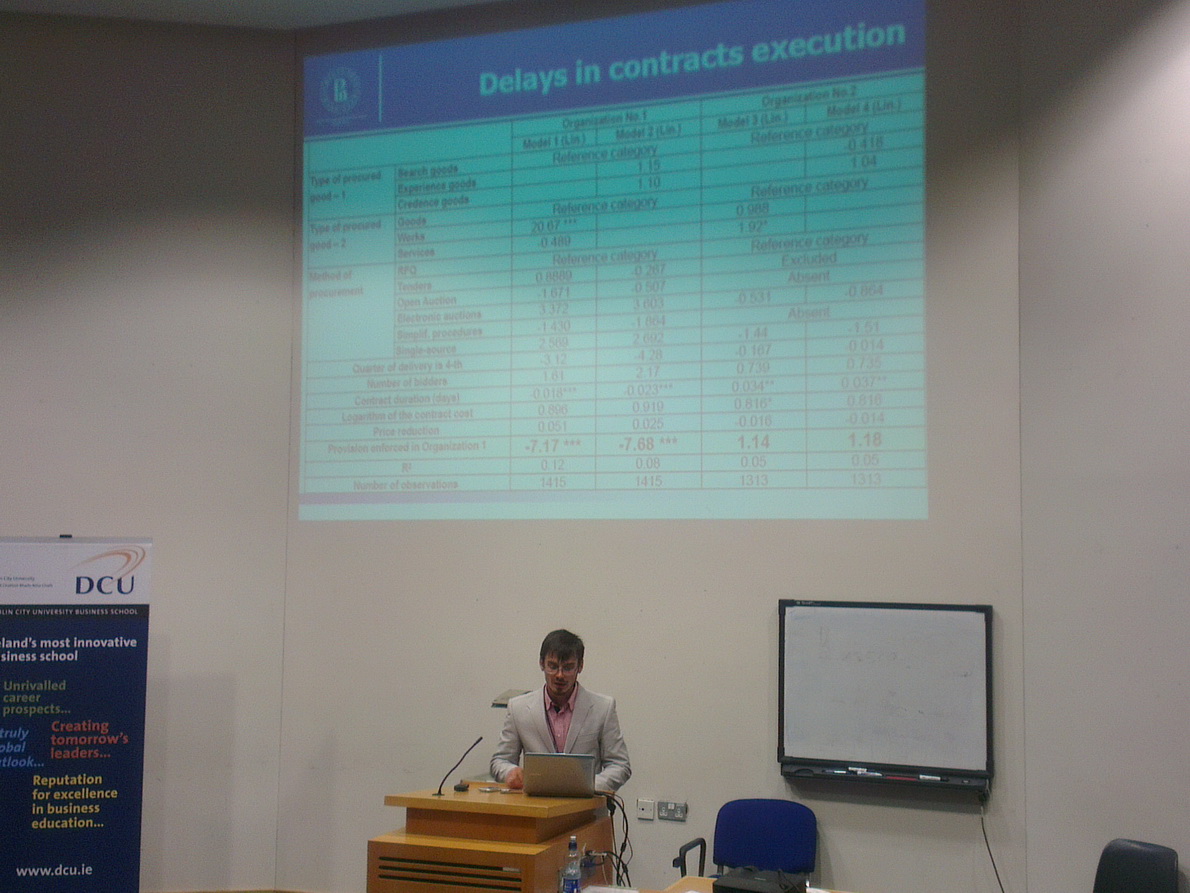
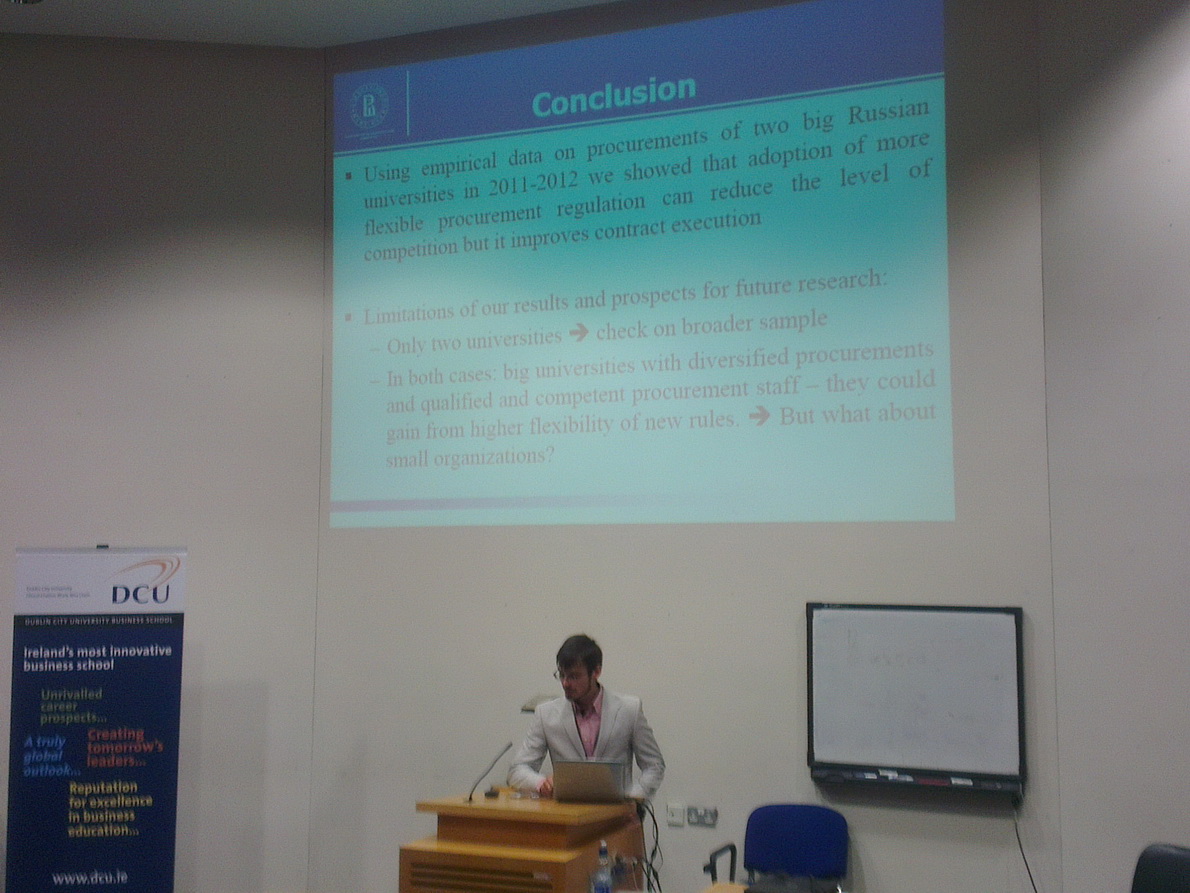
Comparative Analysis Of Public Procurement Efficiency Under Different Regulation Regimes. Andrey Tkachenko
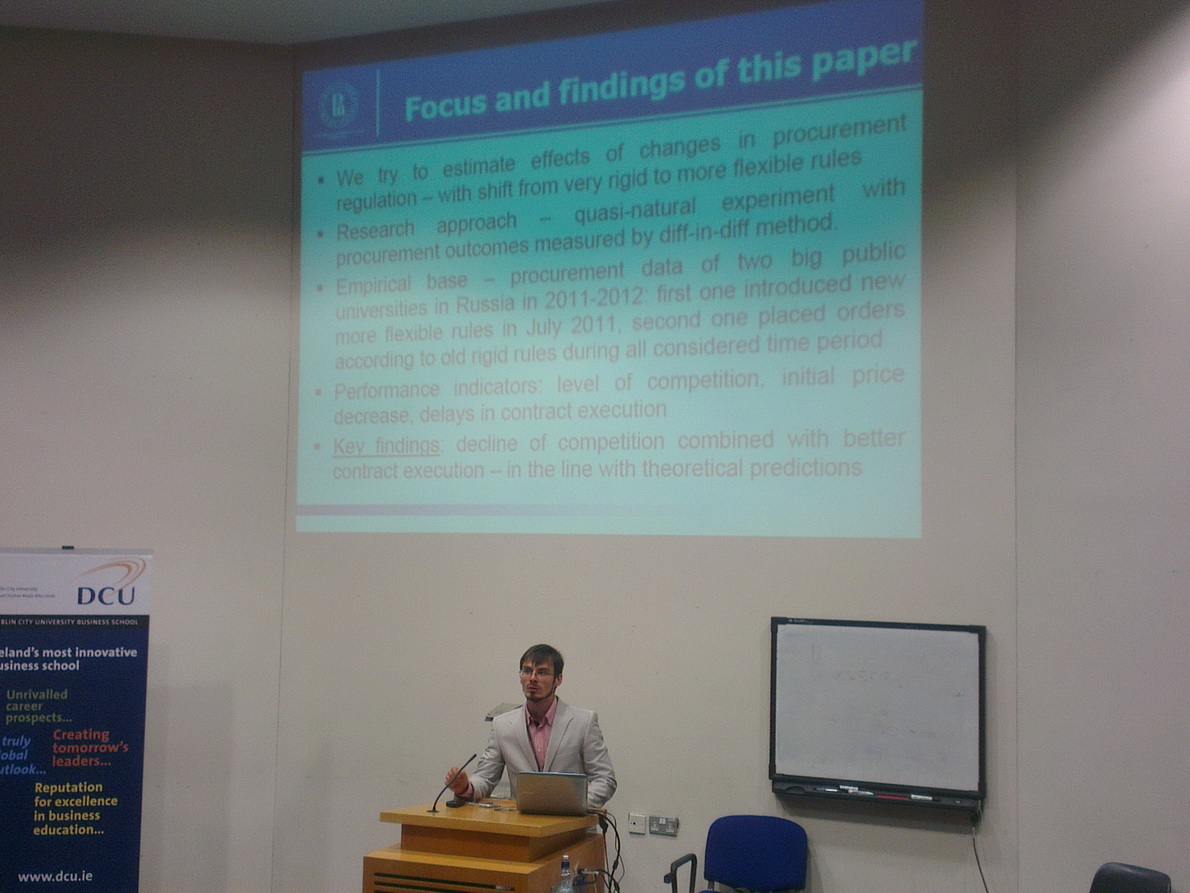
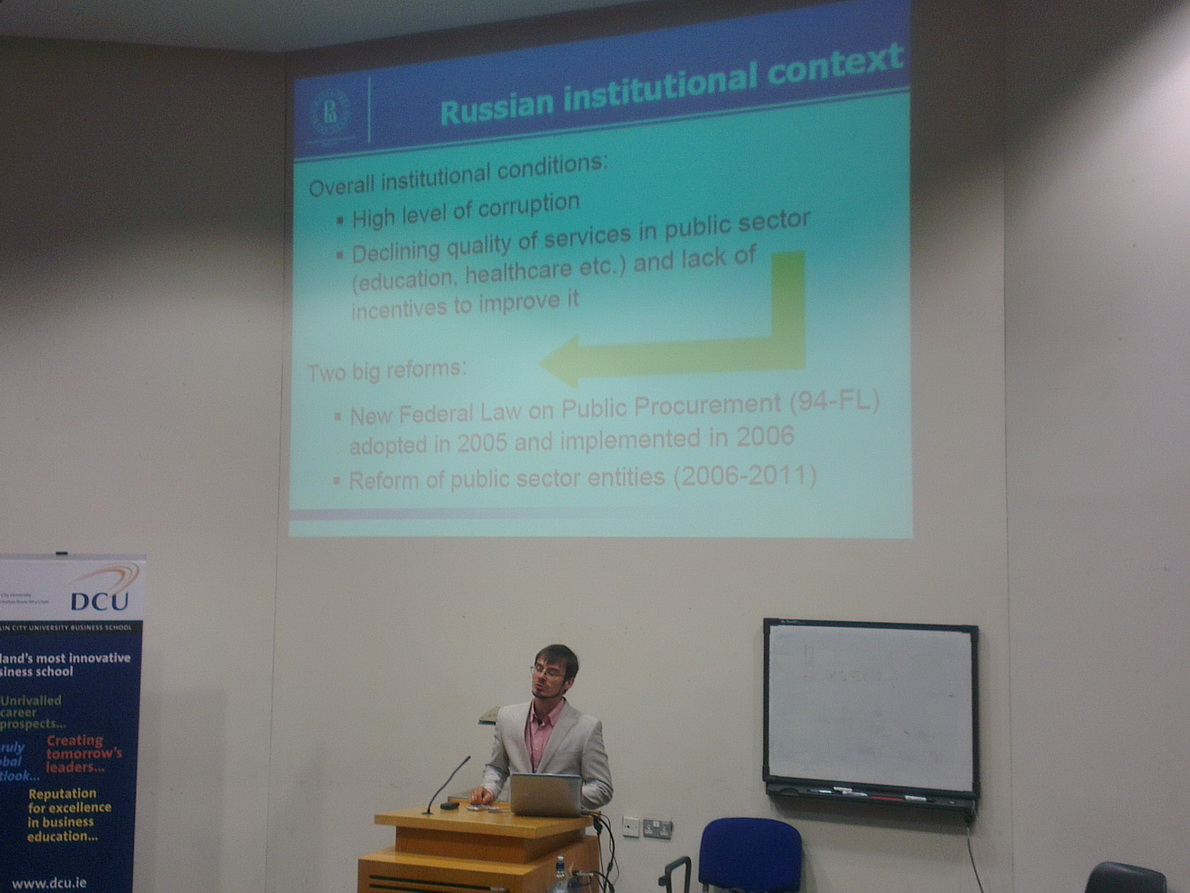
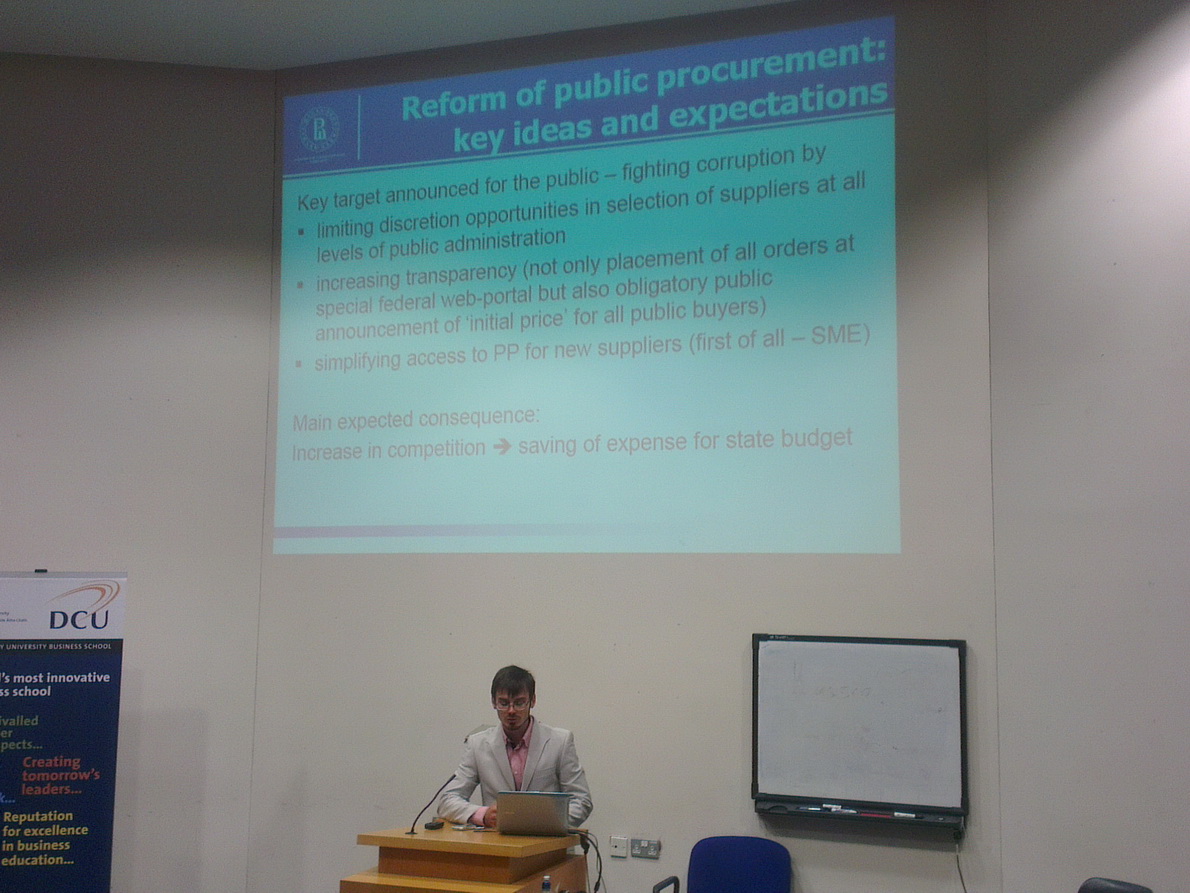
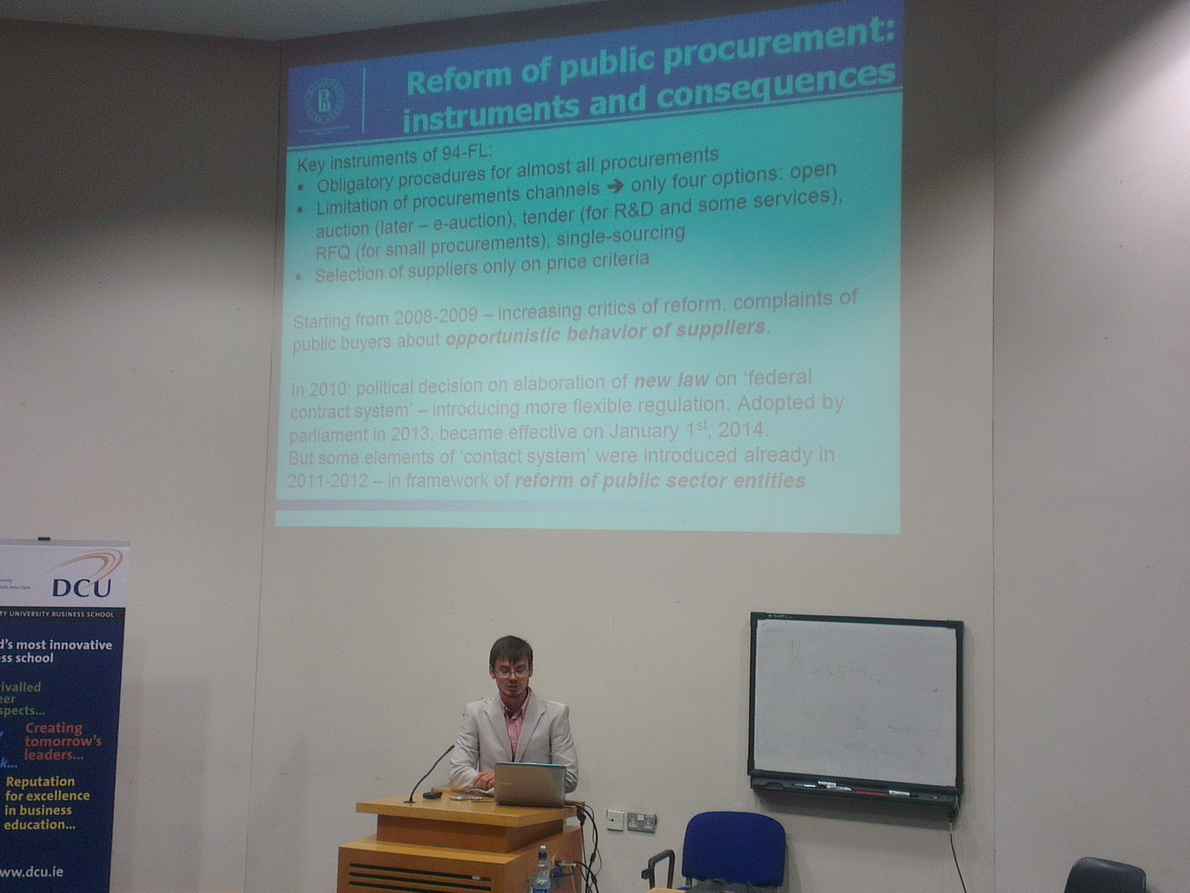
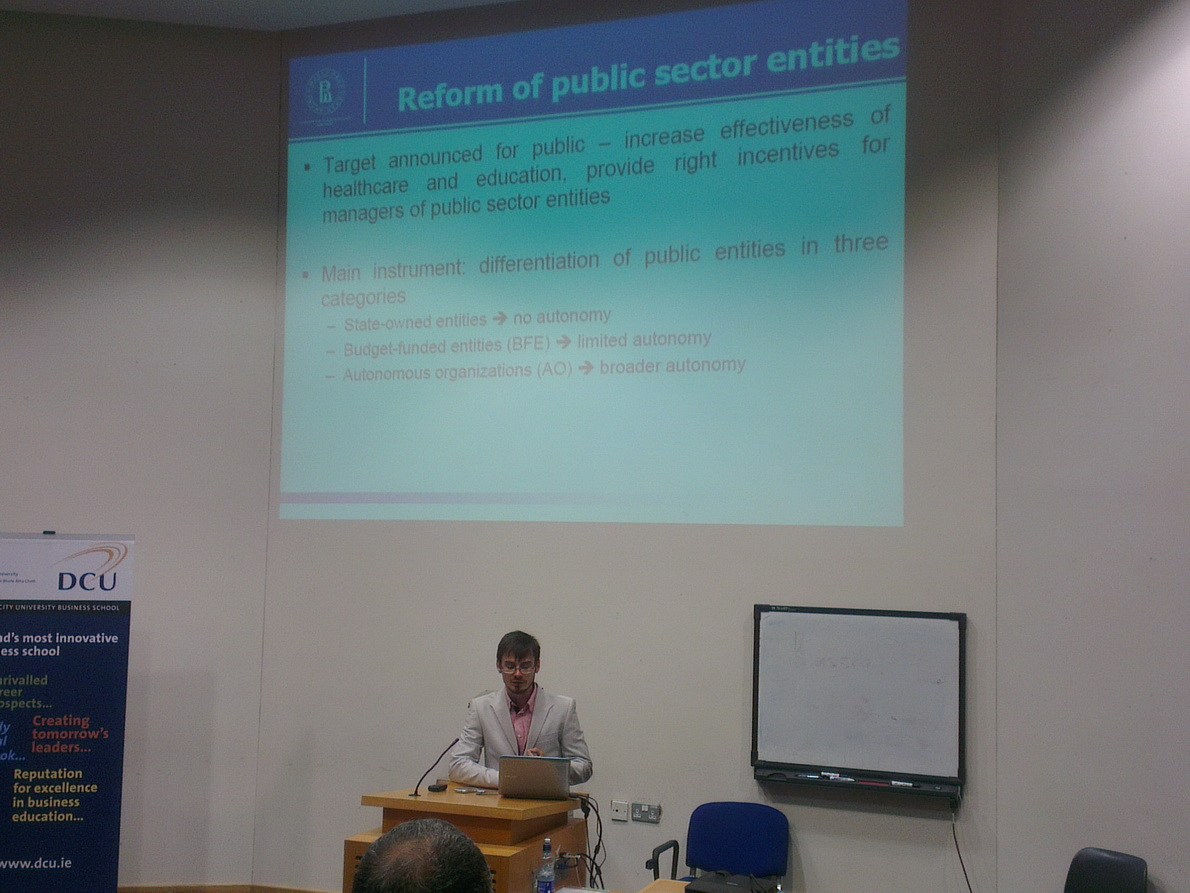
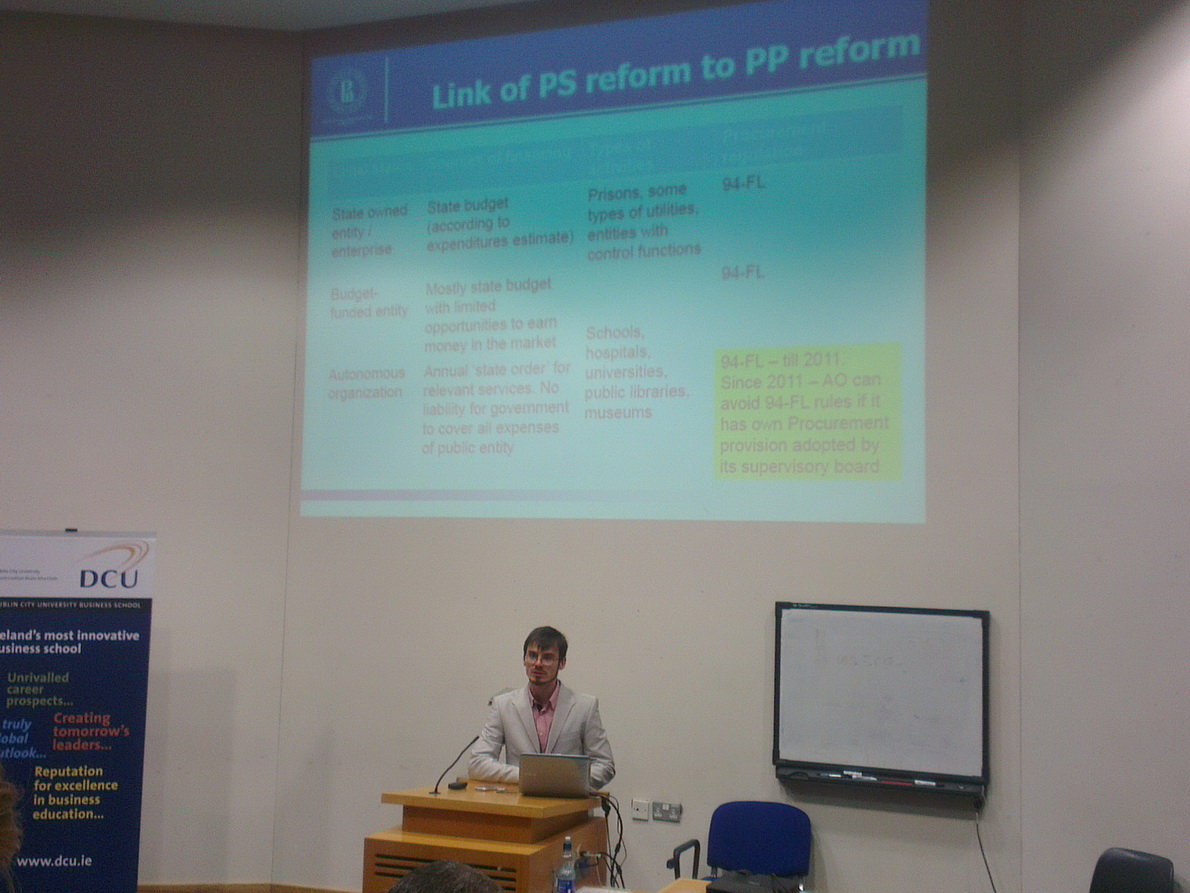
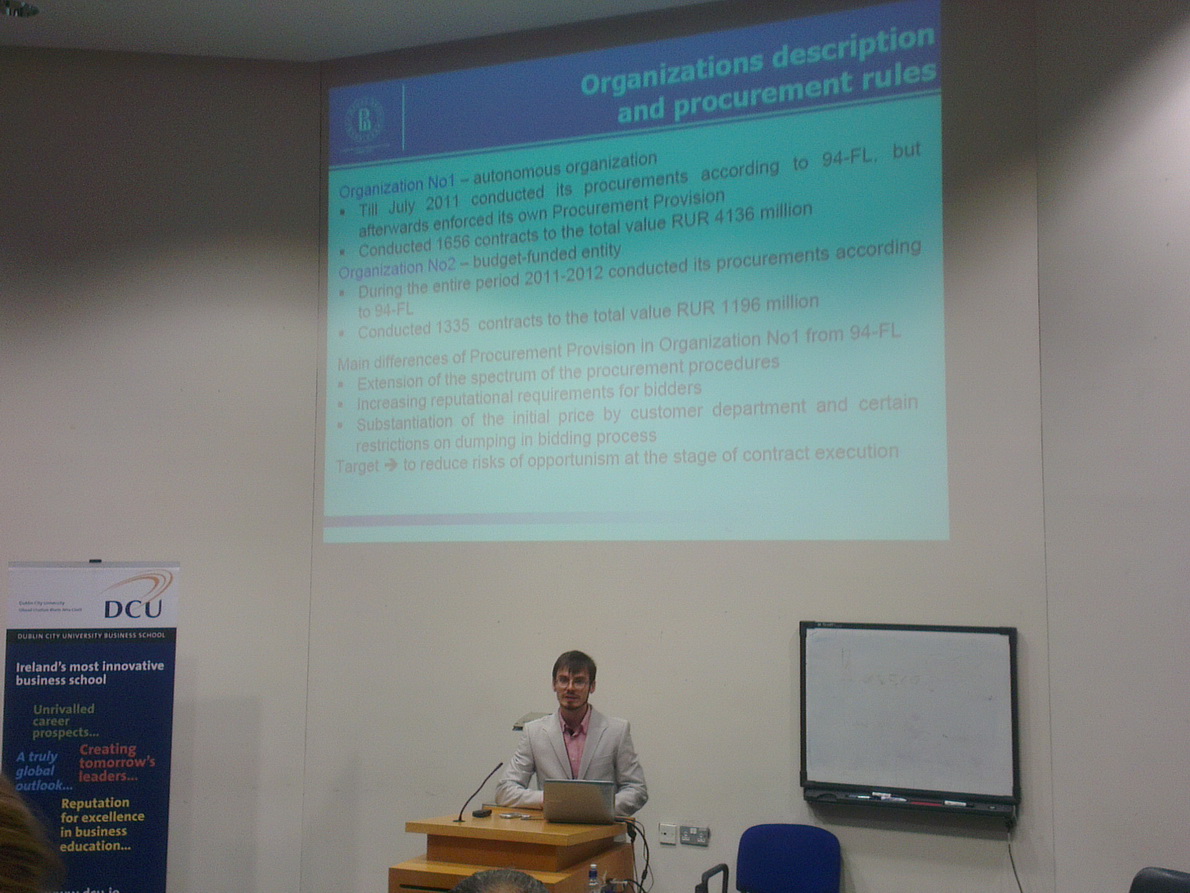
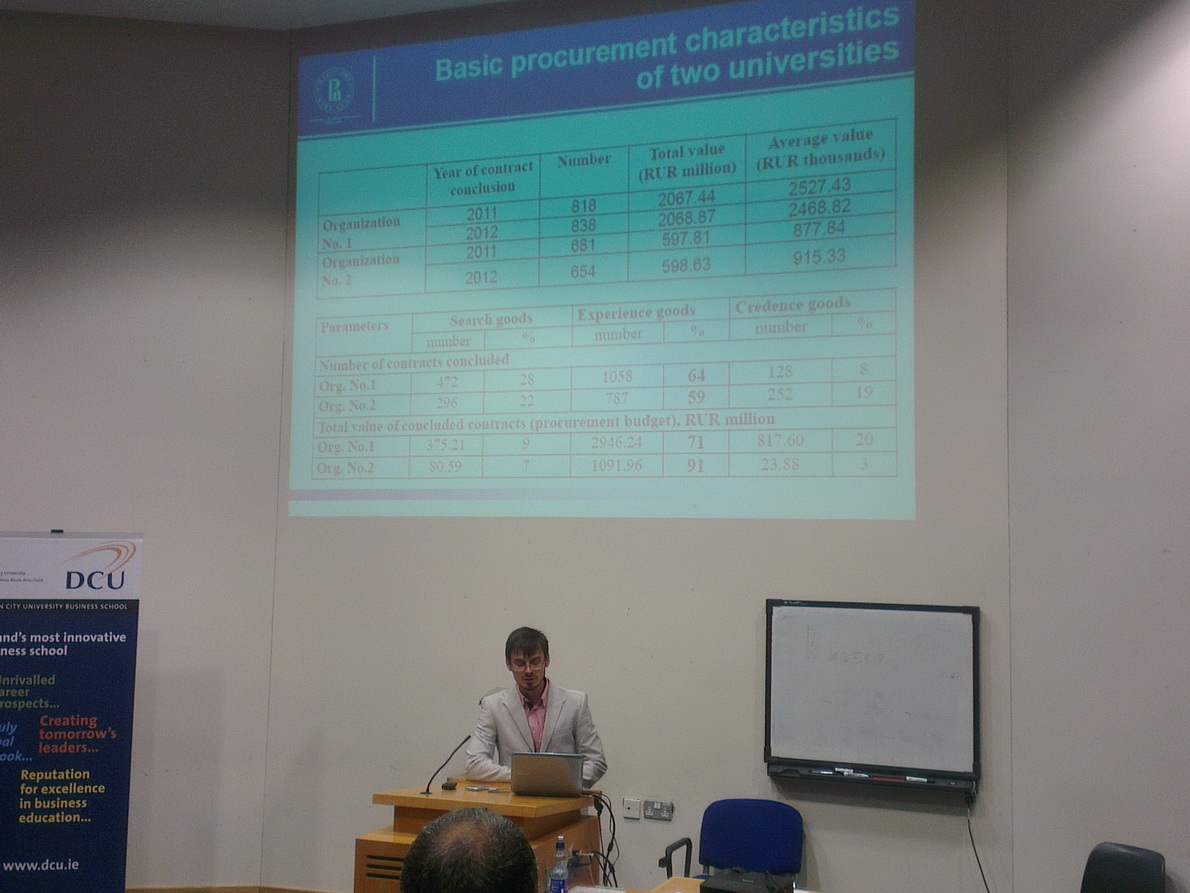
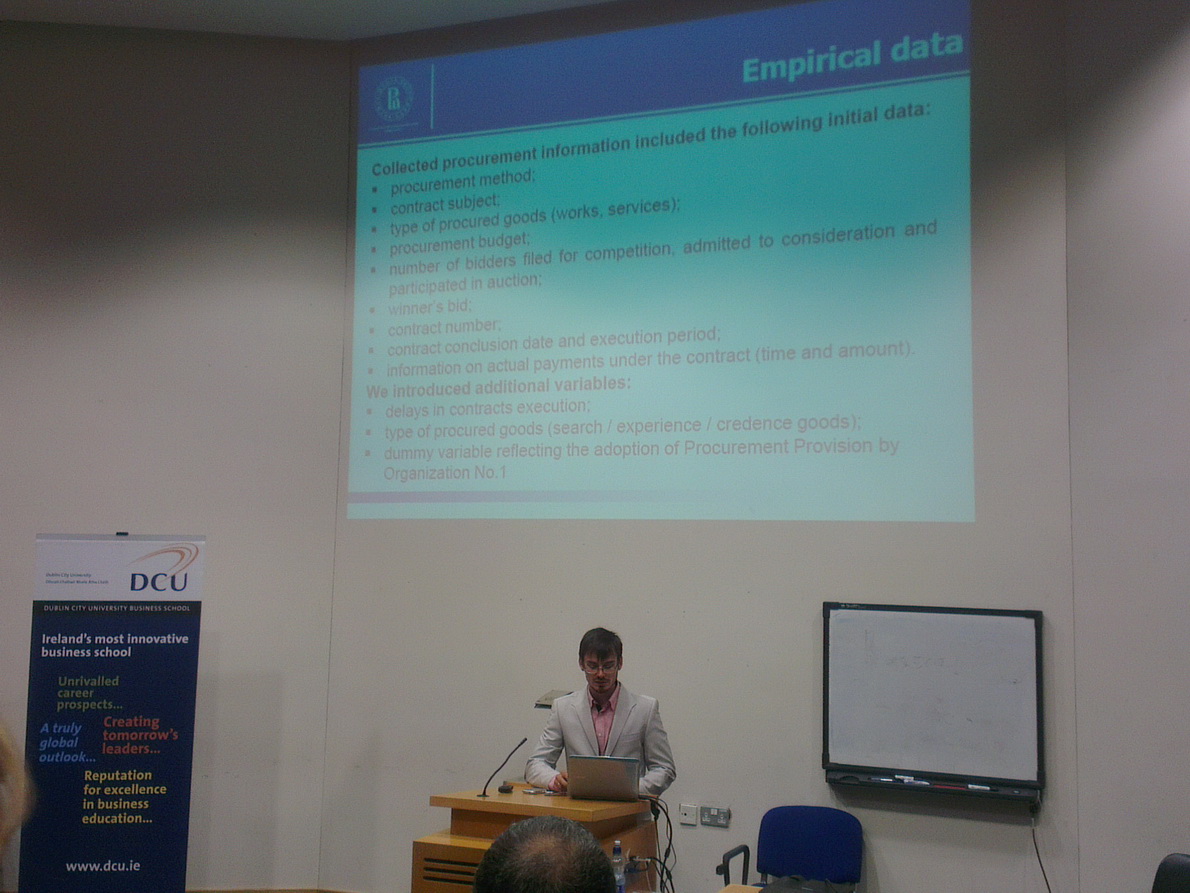
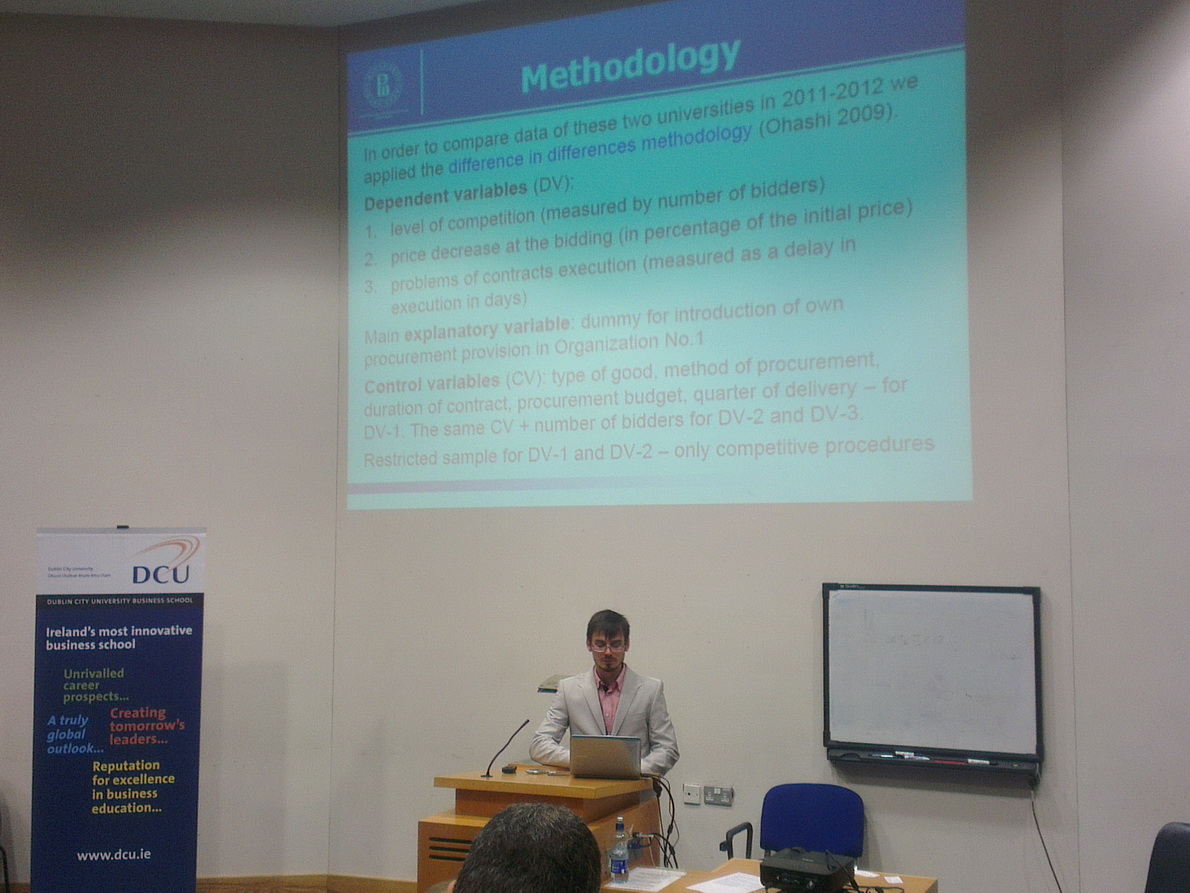
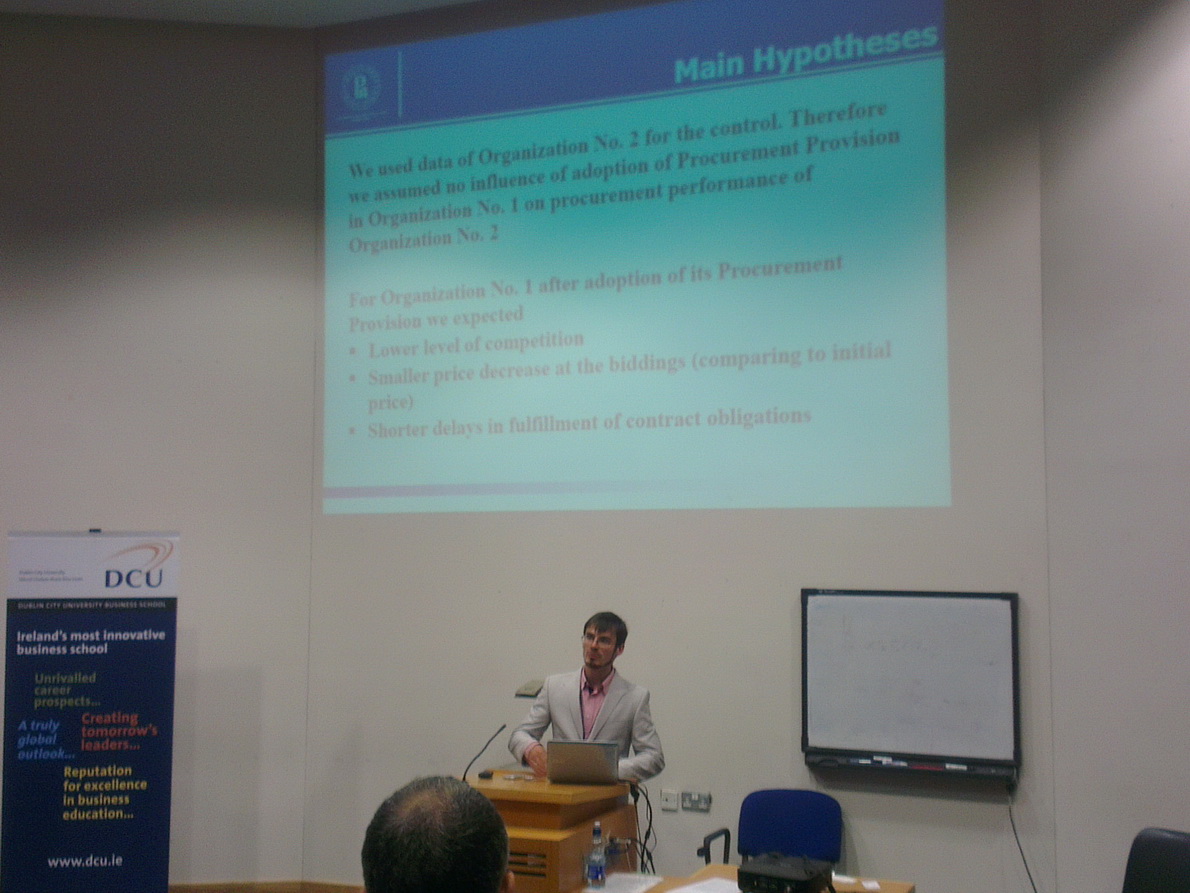
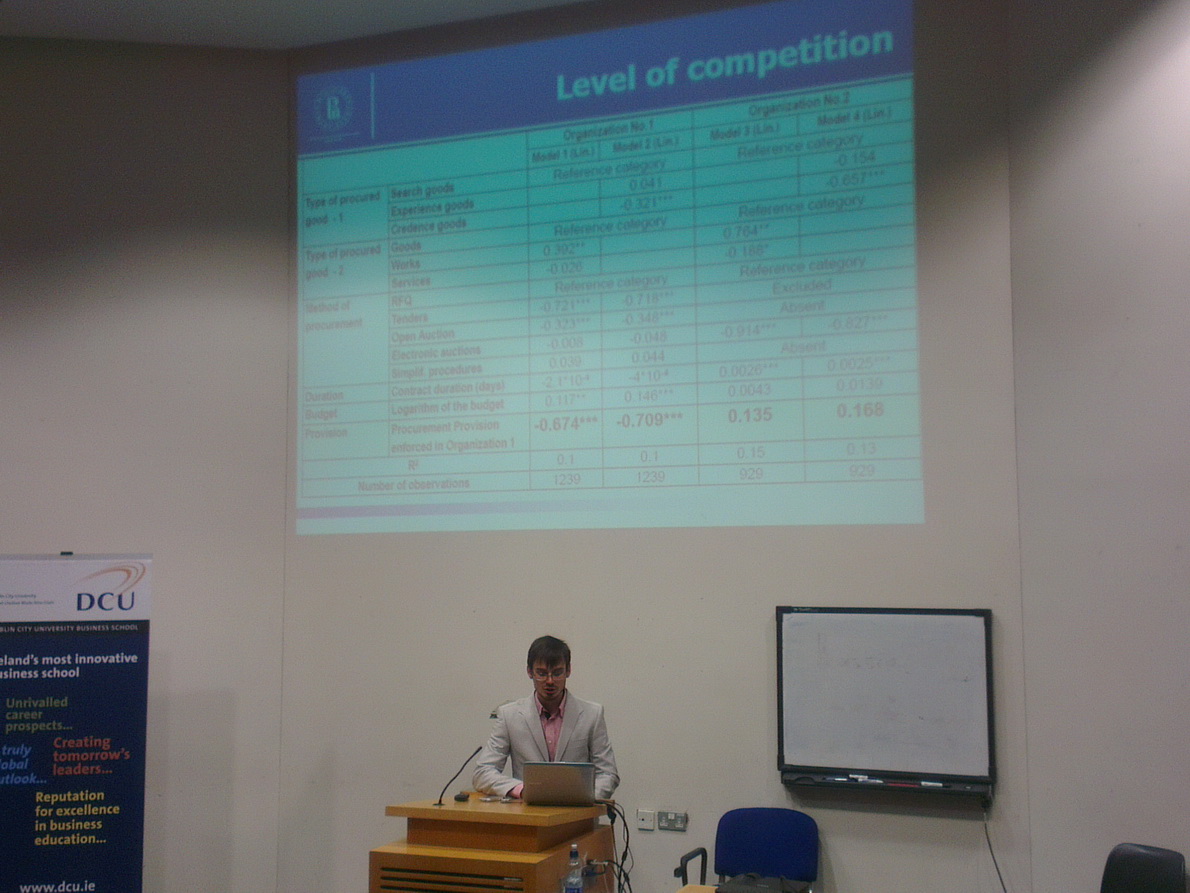
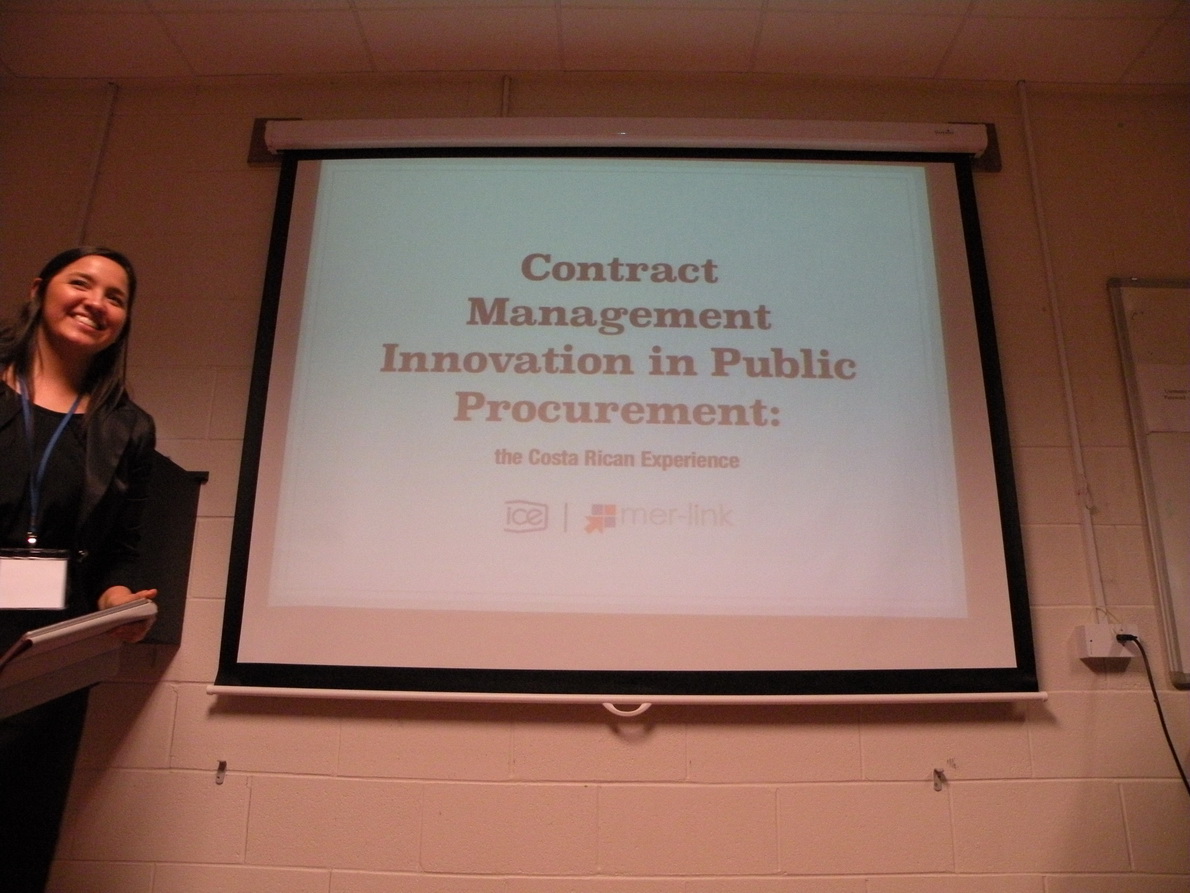
Contract Management Innovation In Public Procurement: The Costa Rican Experience. Ileana Palaco

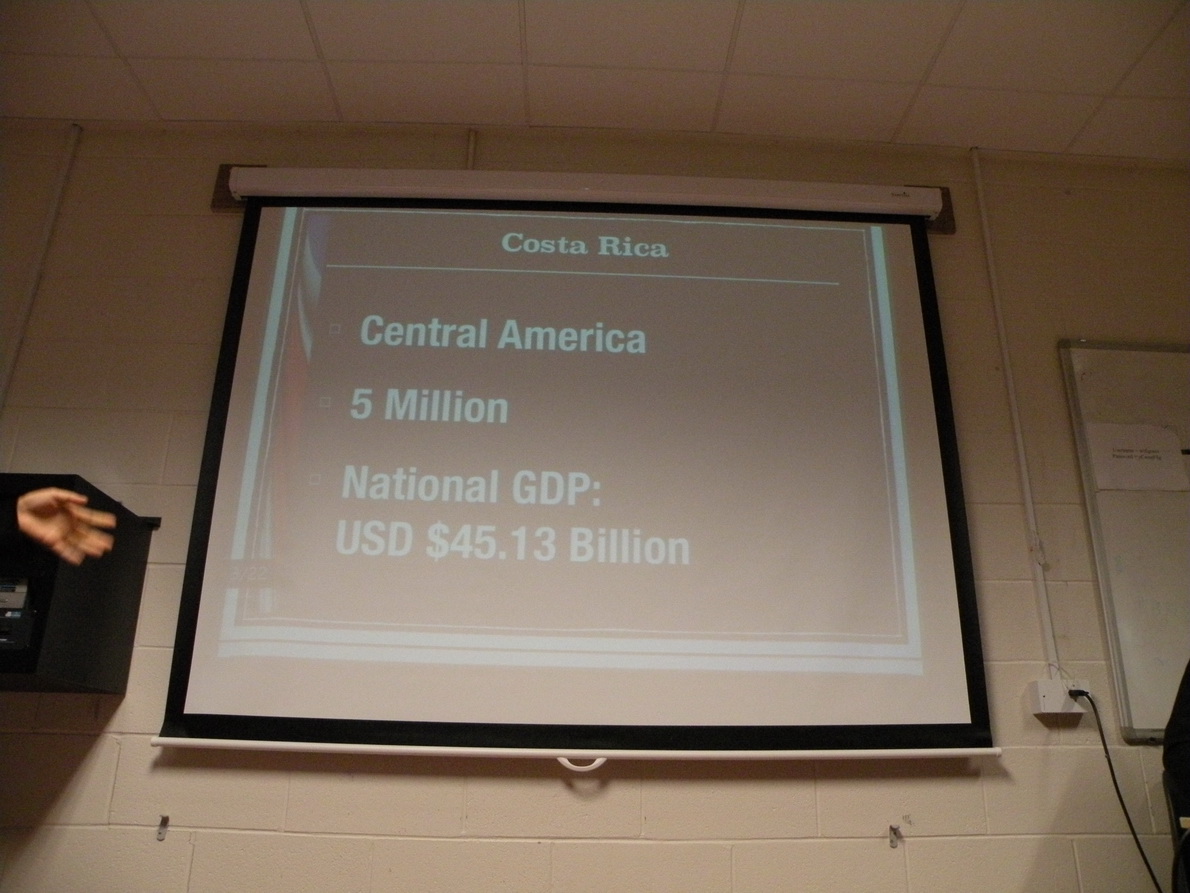
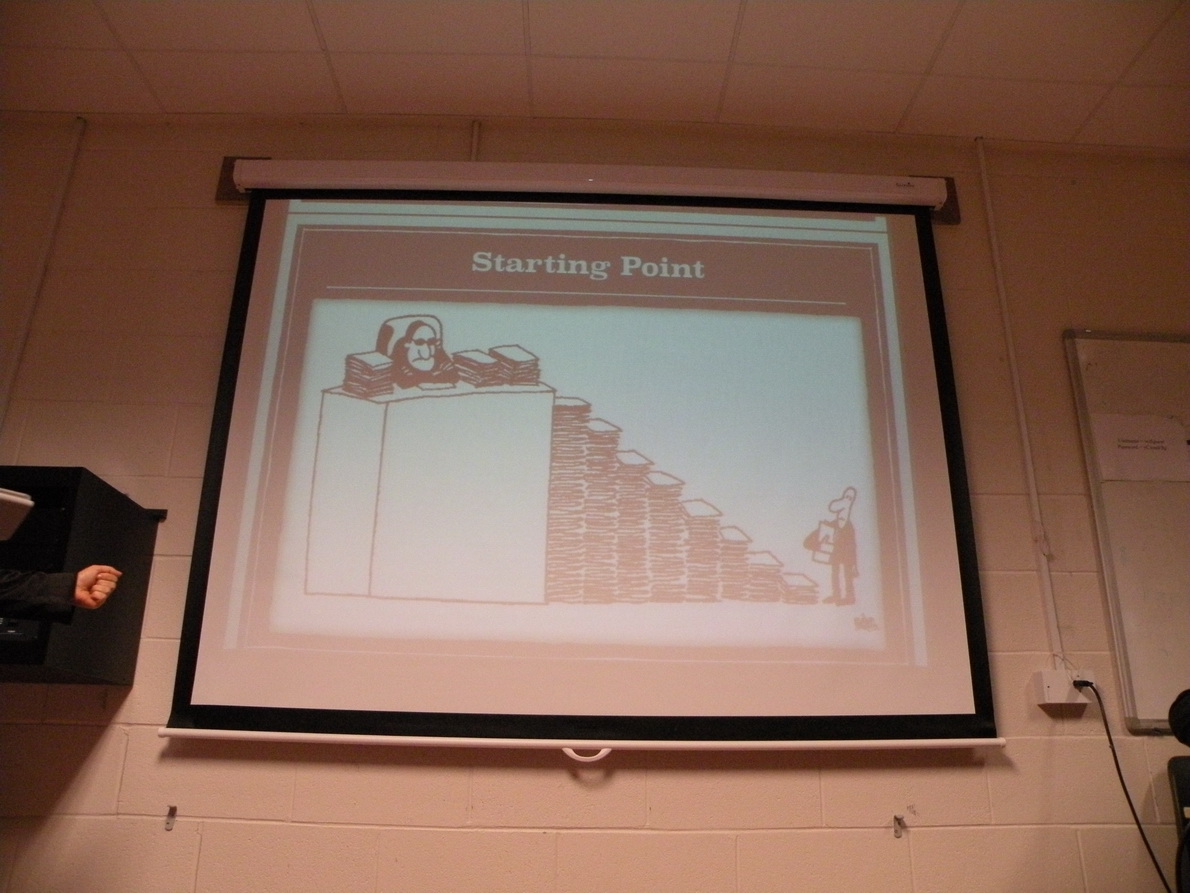
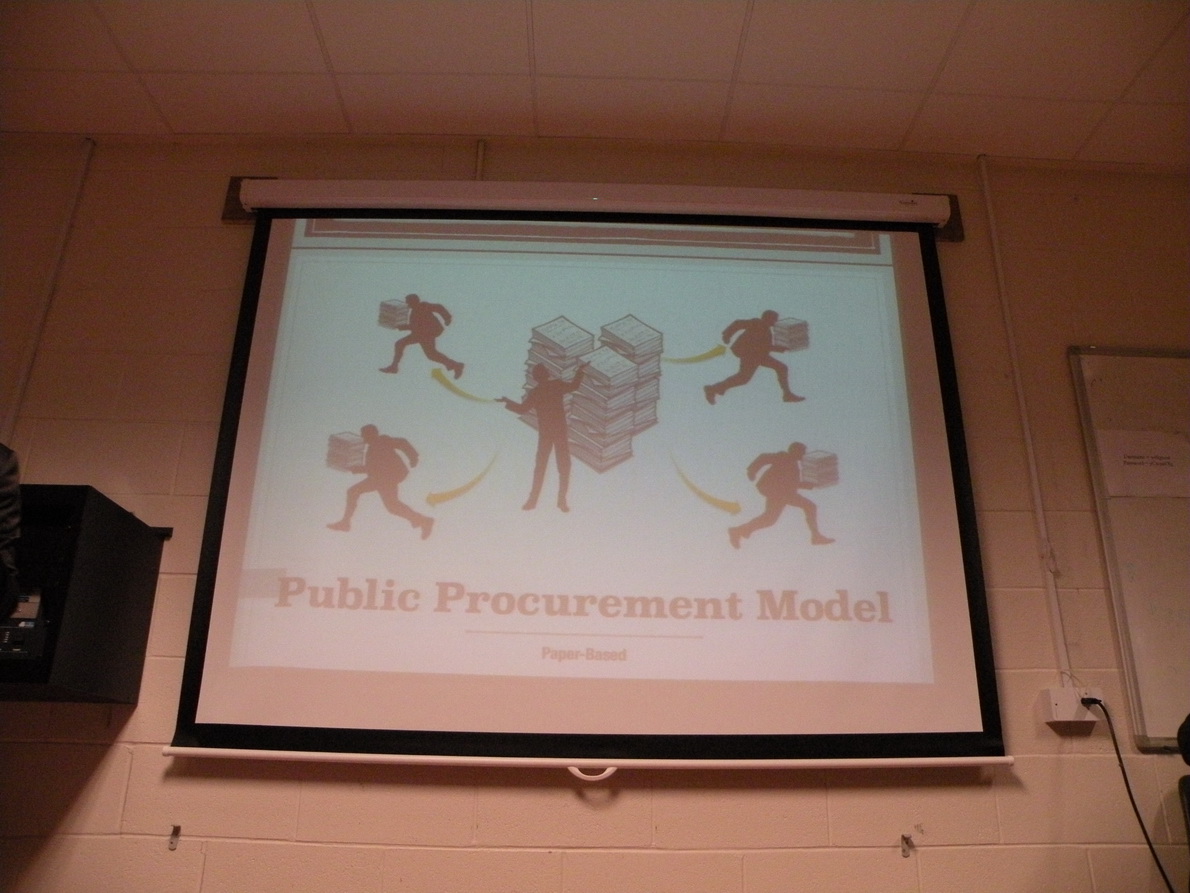
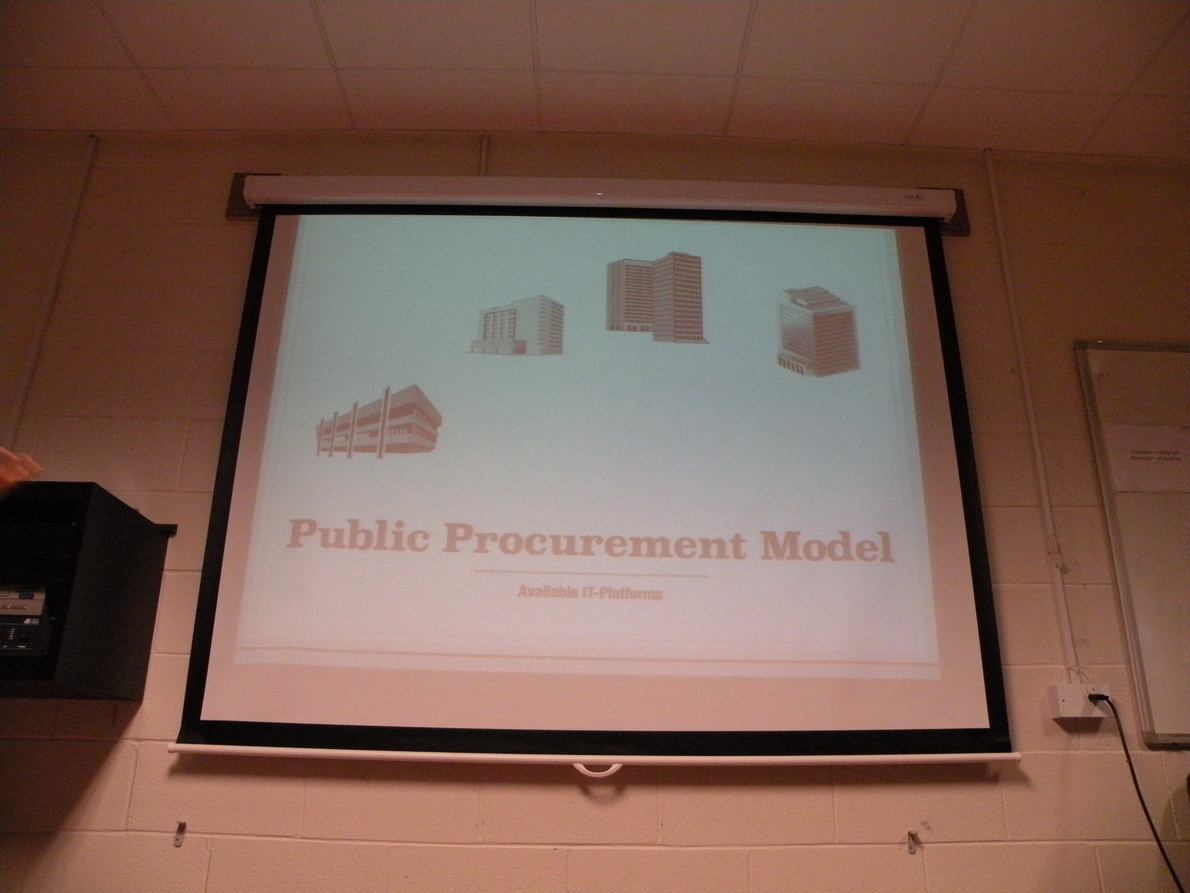
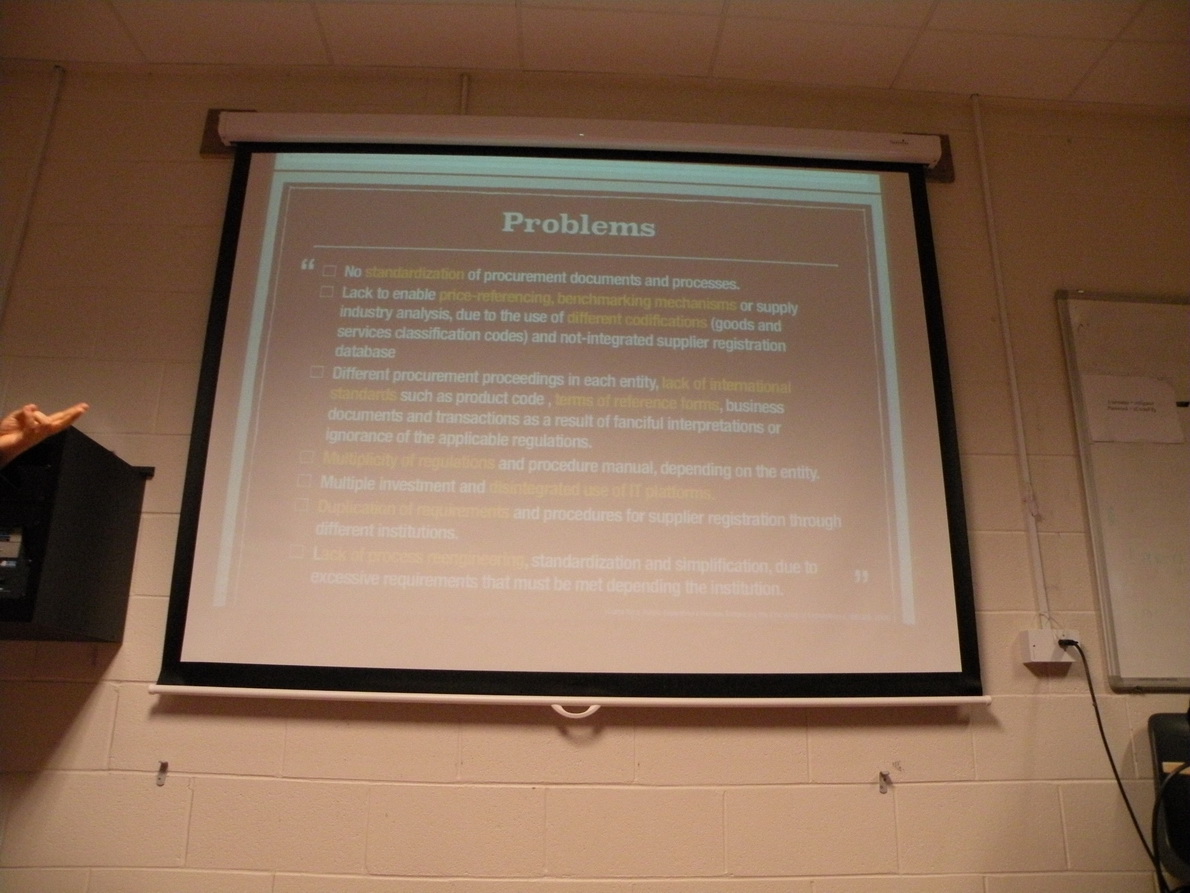
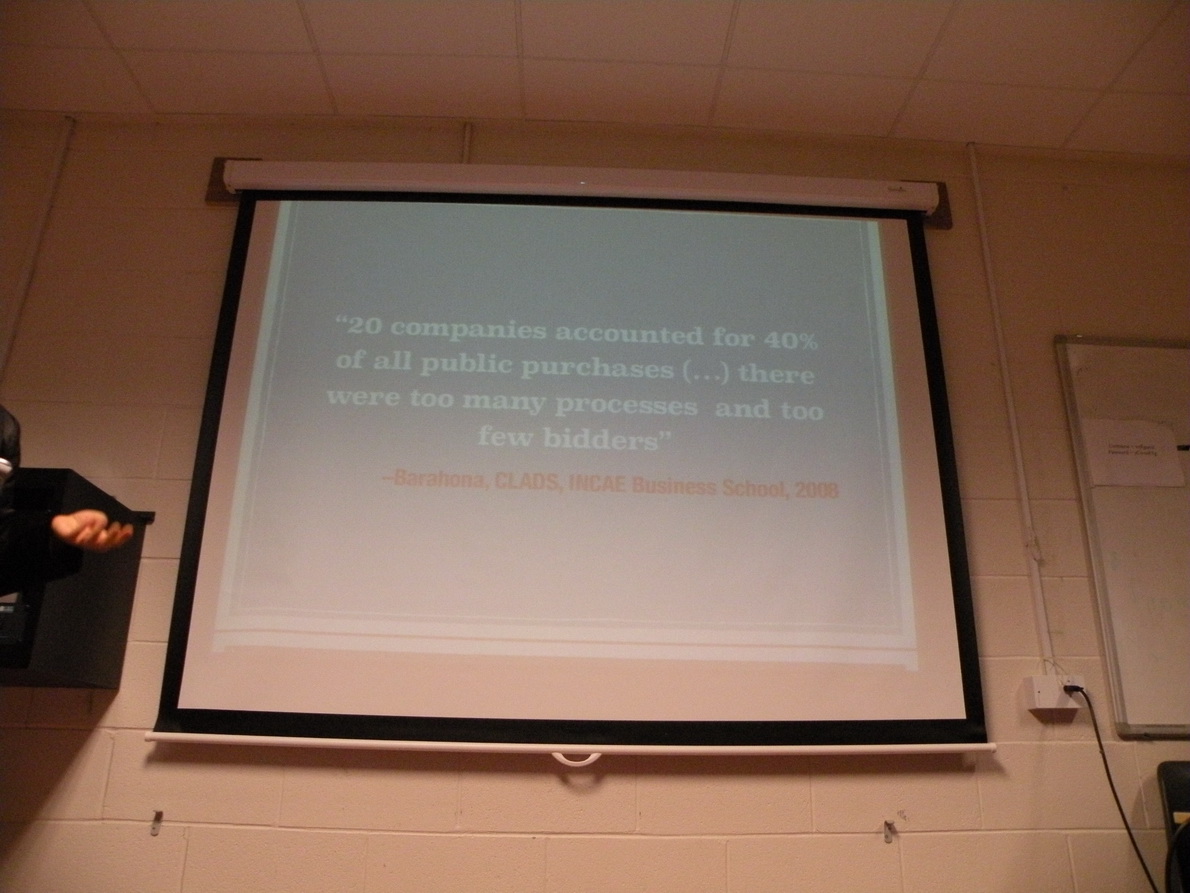
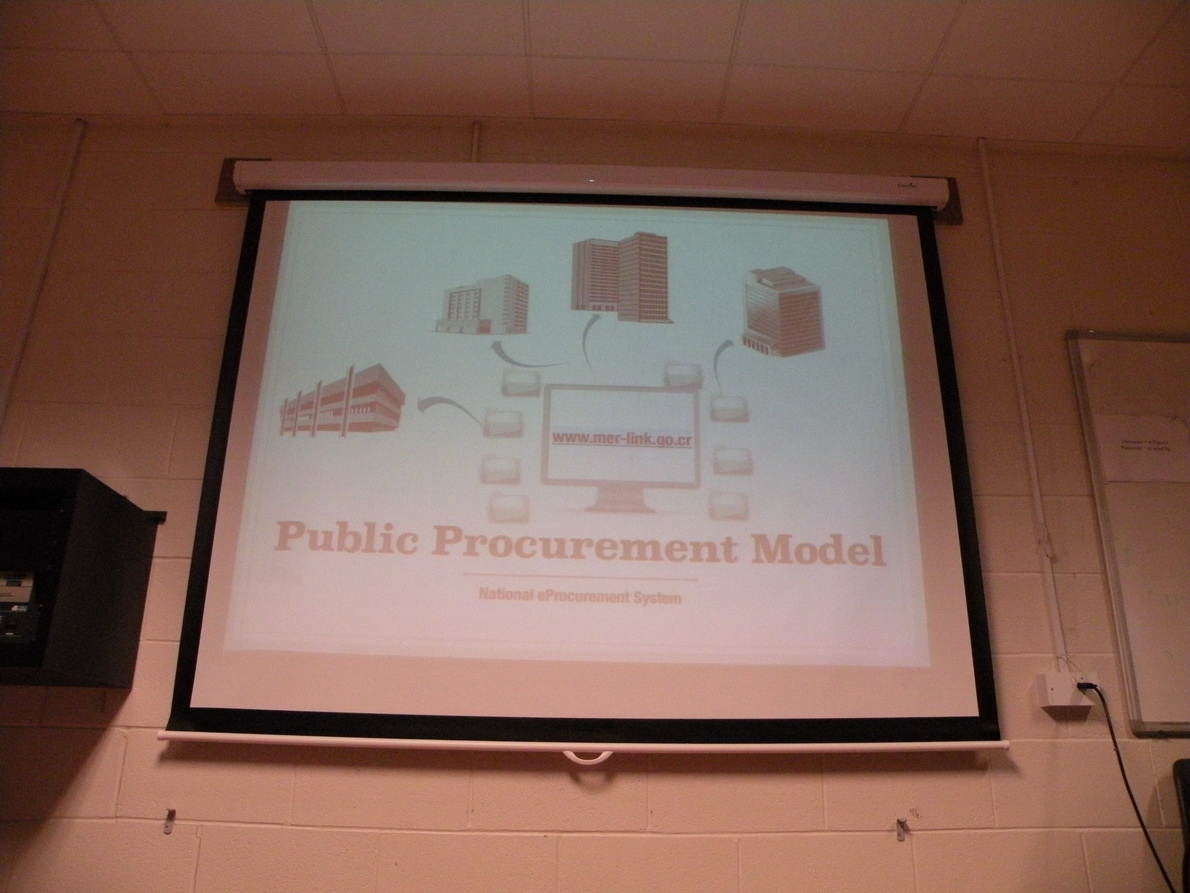

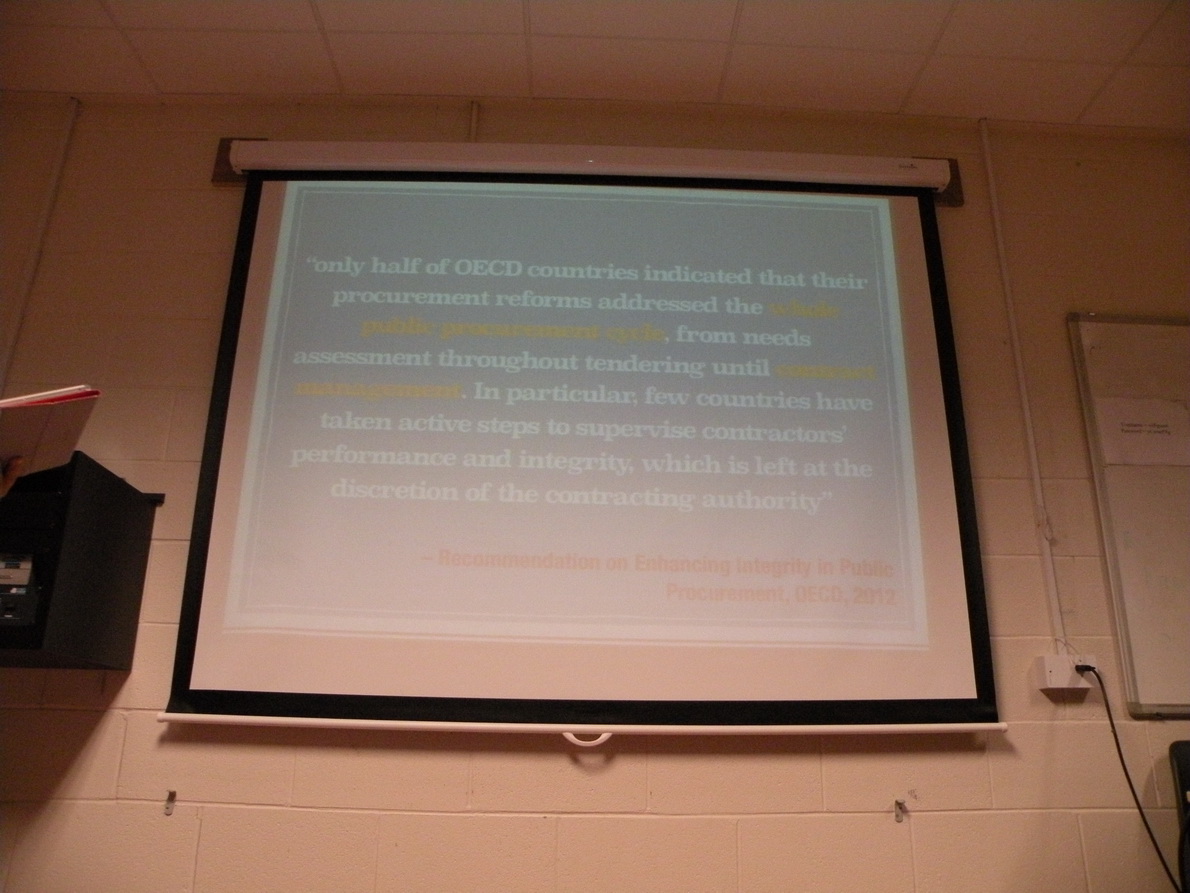
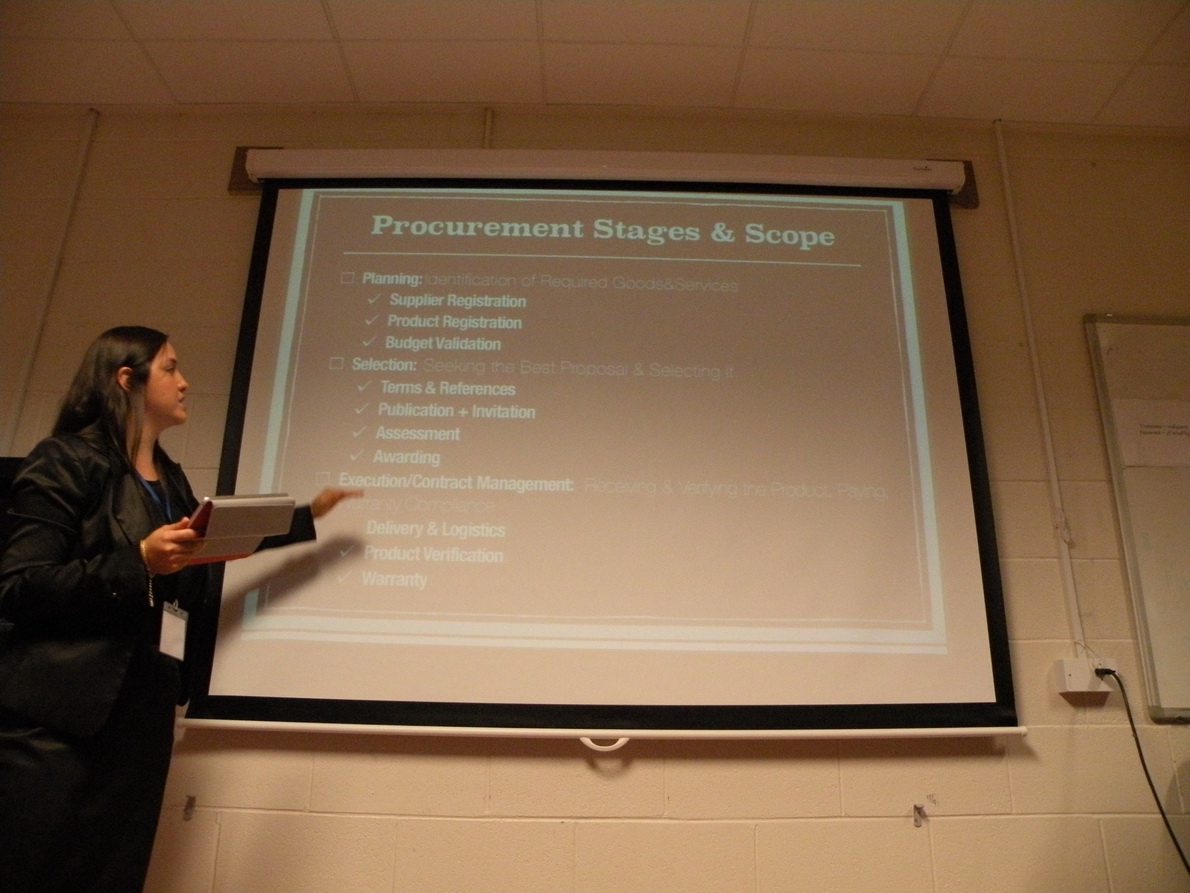
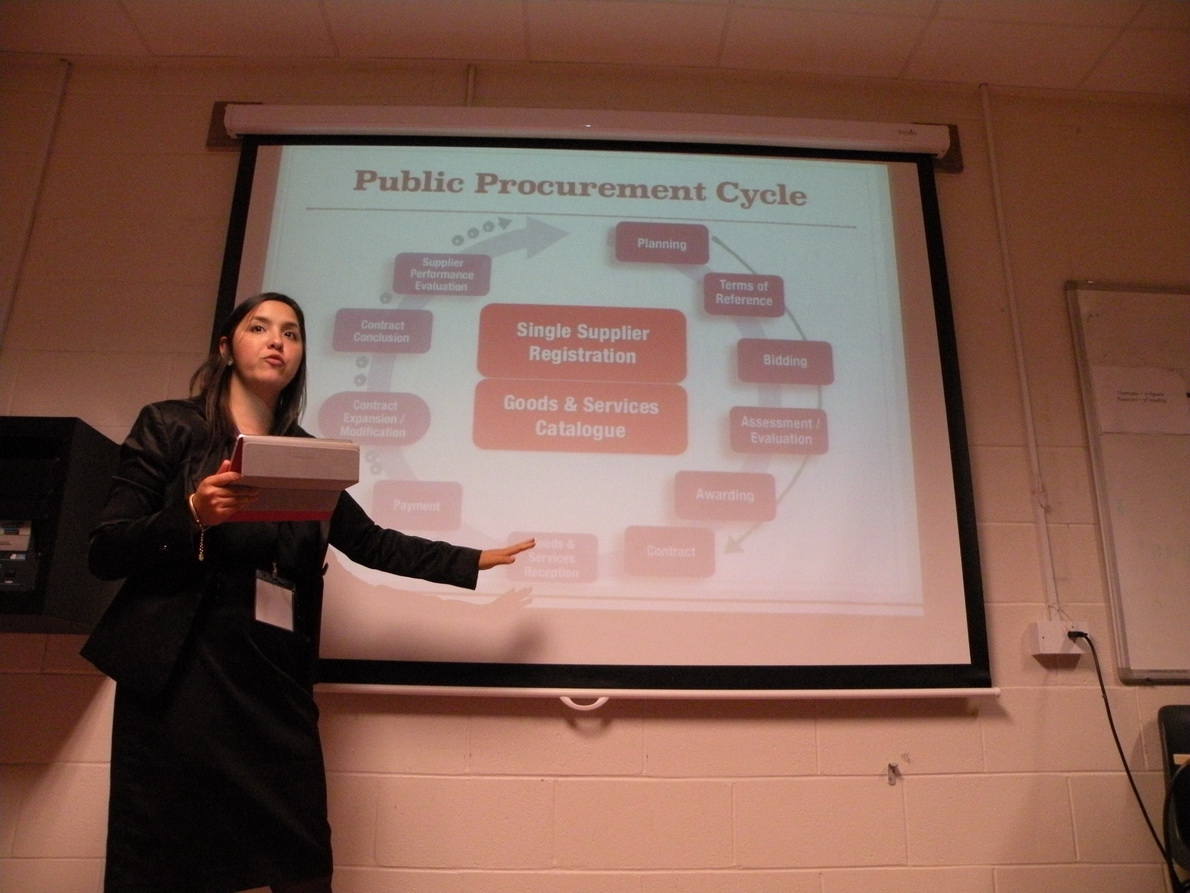
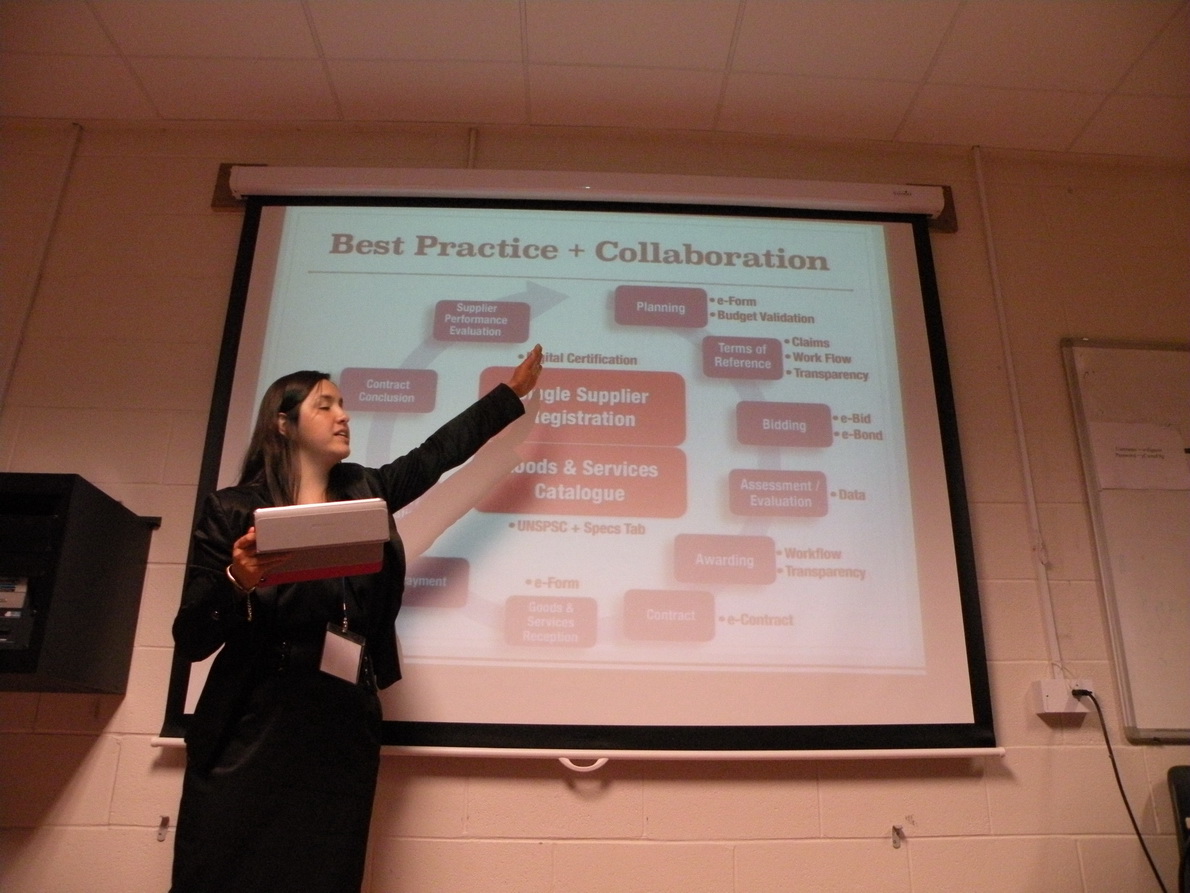
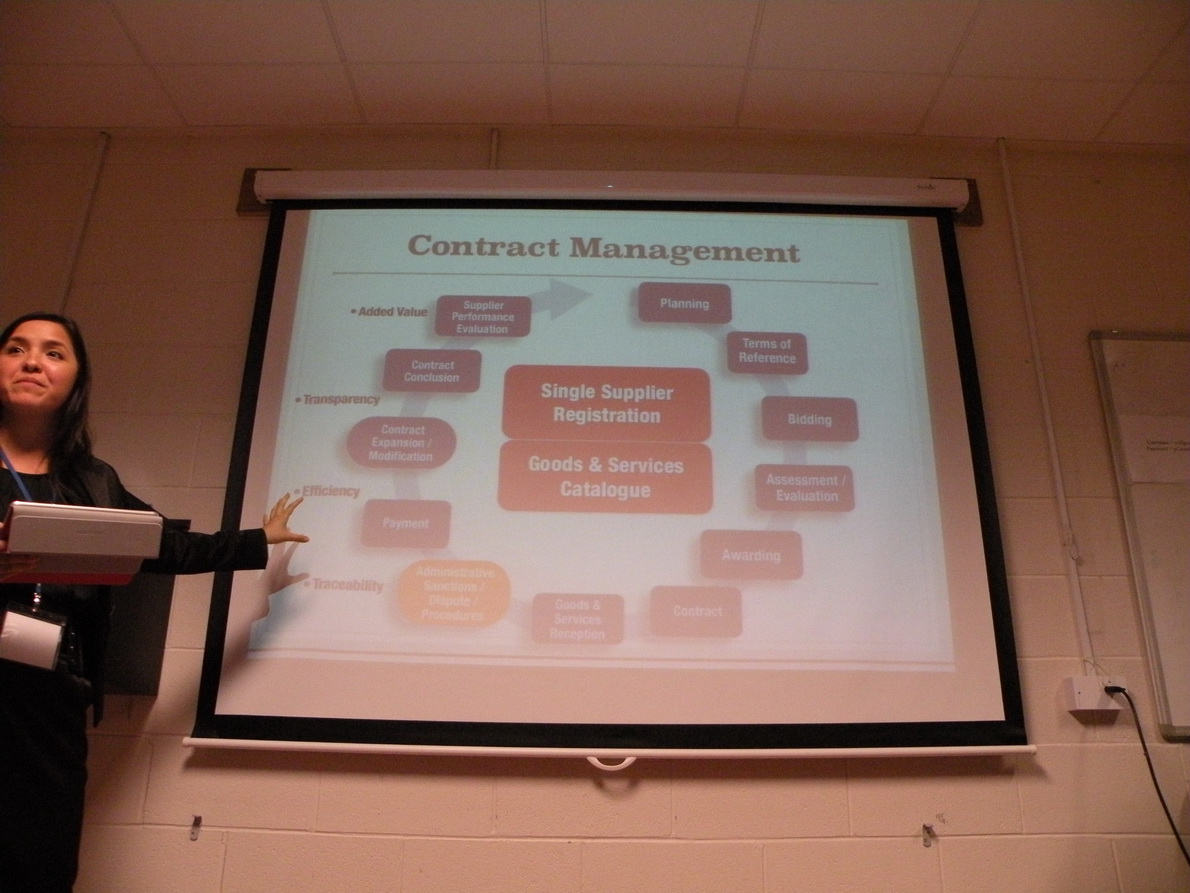
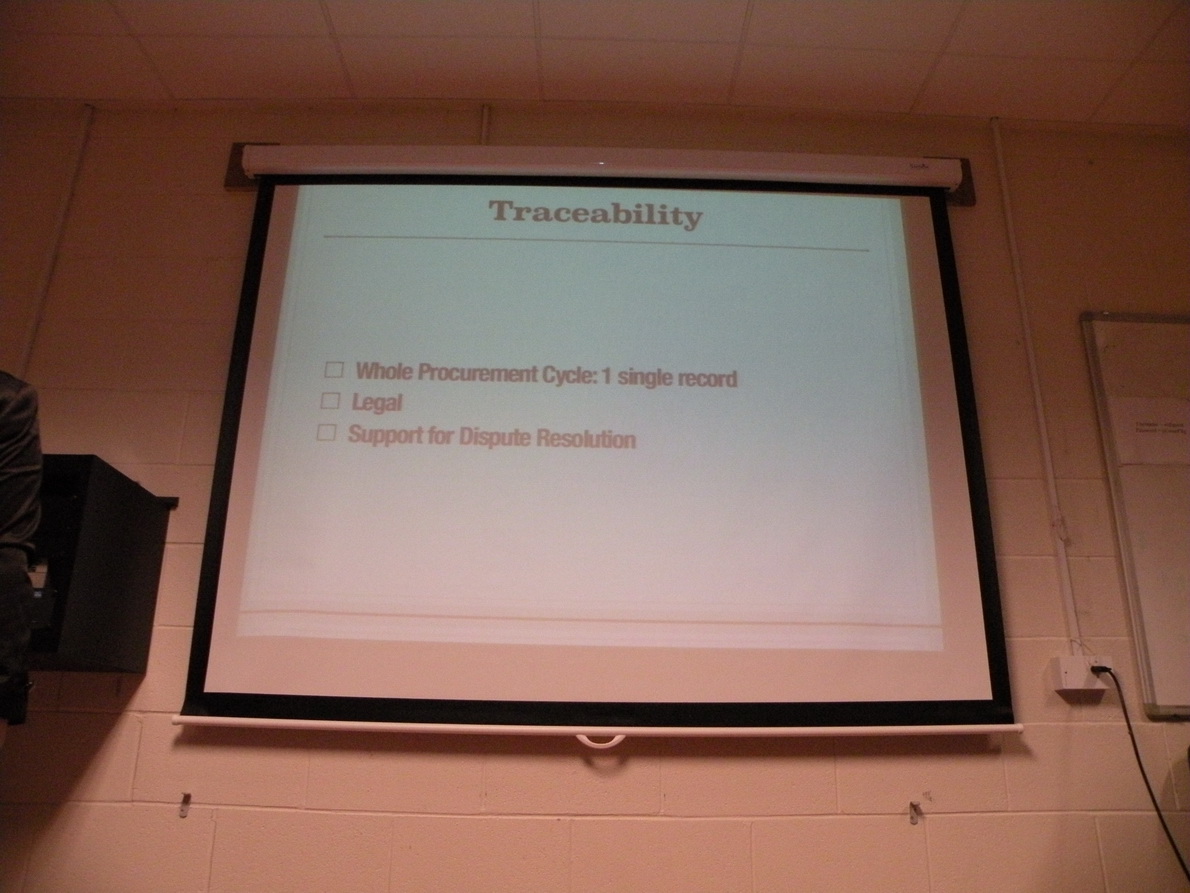
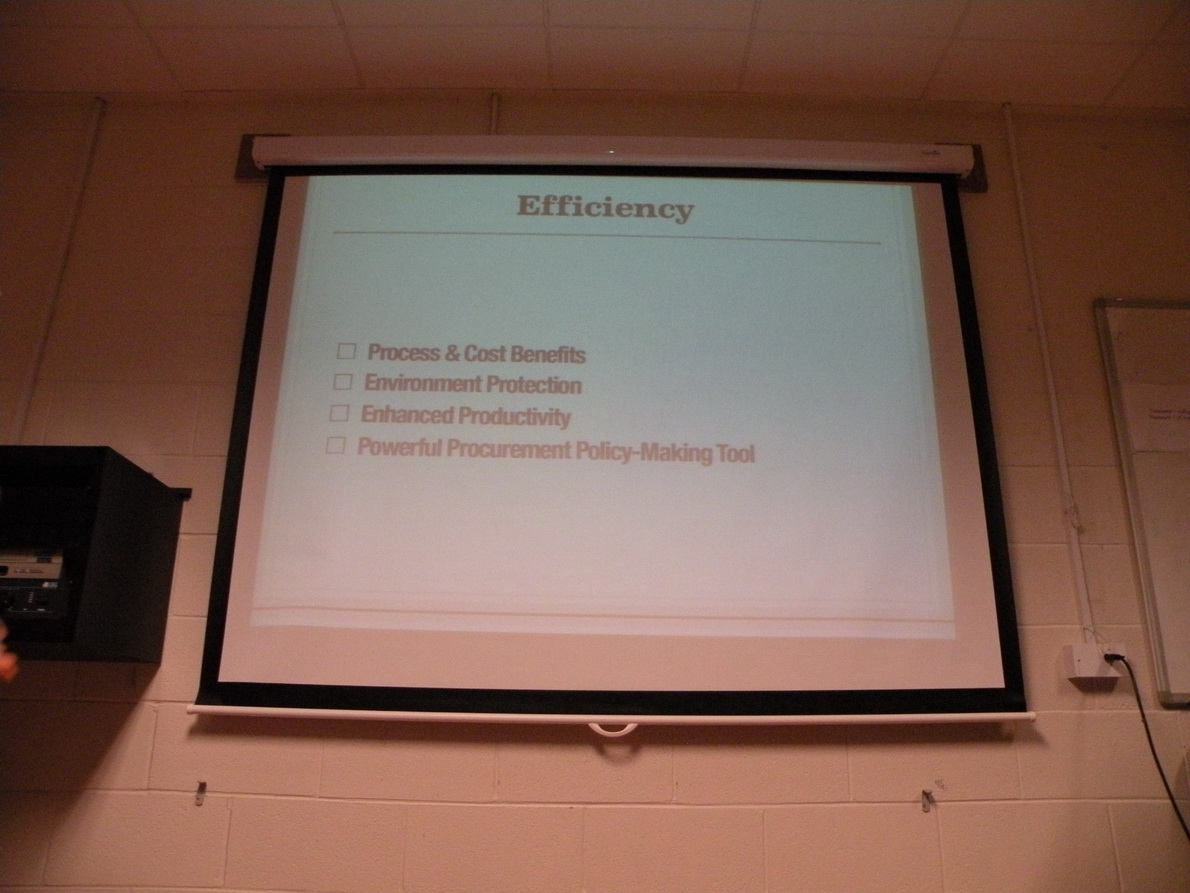
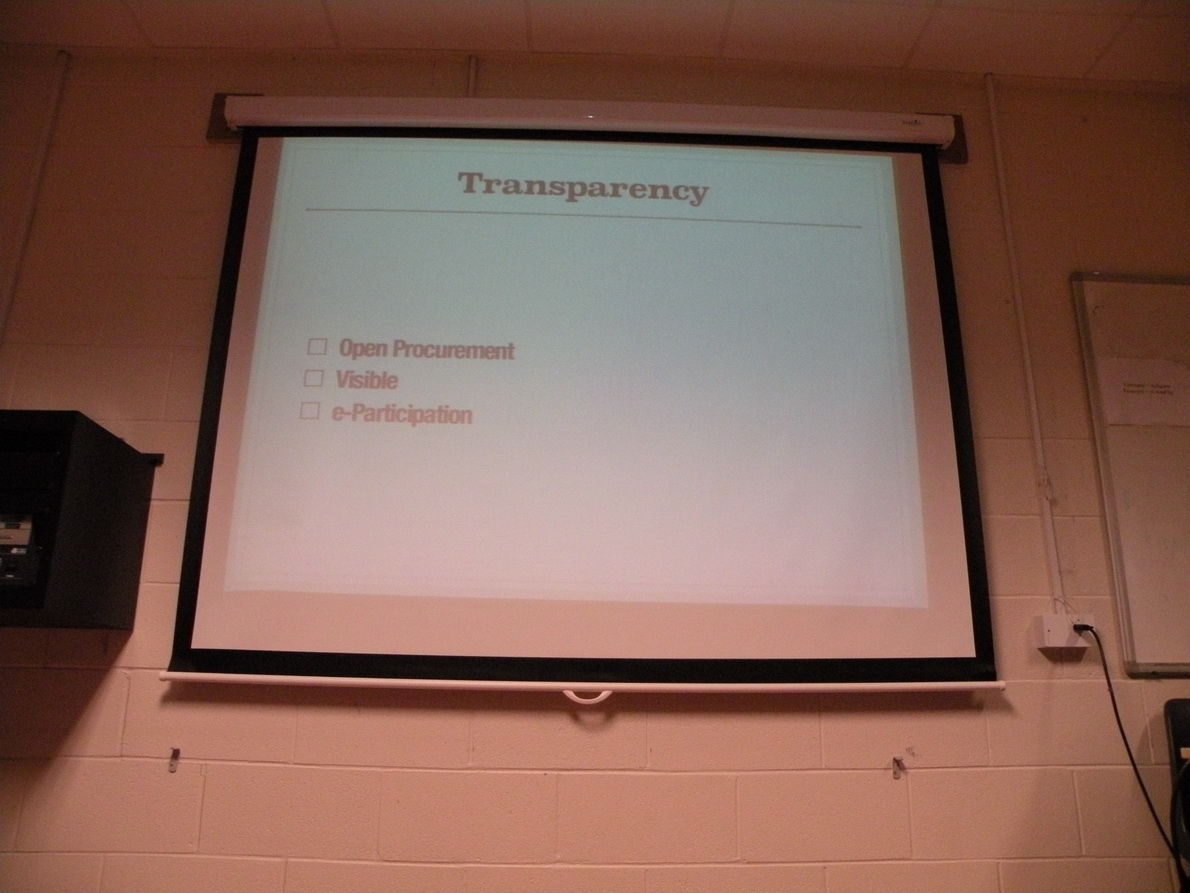

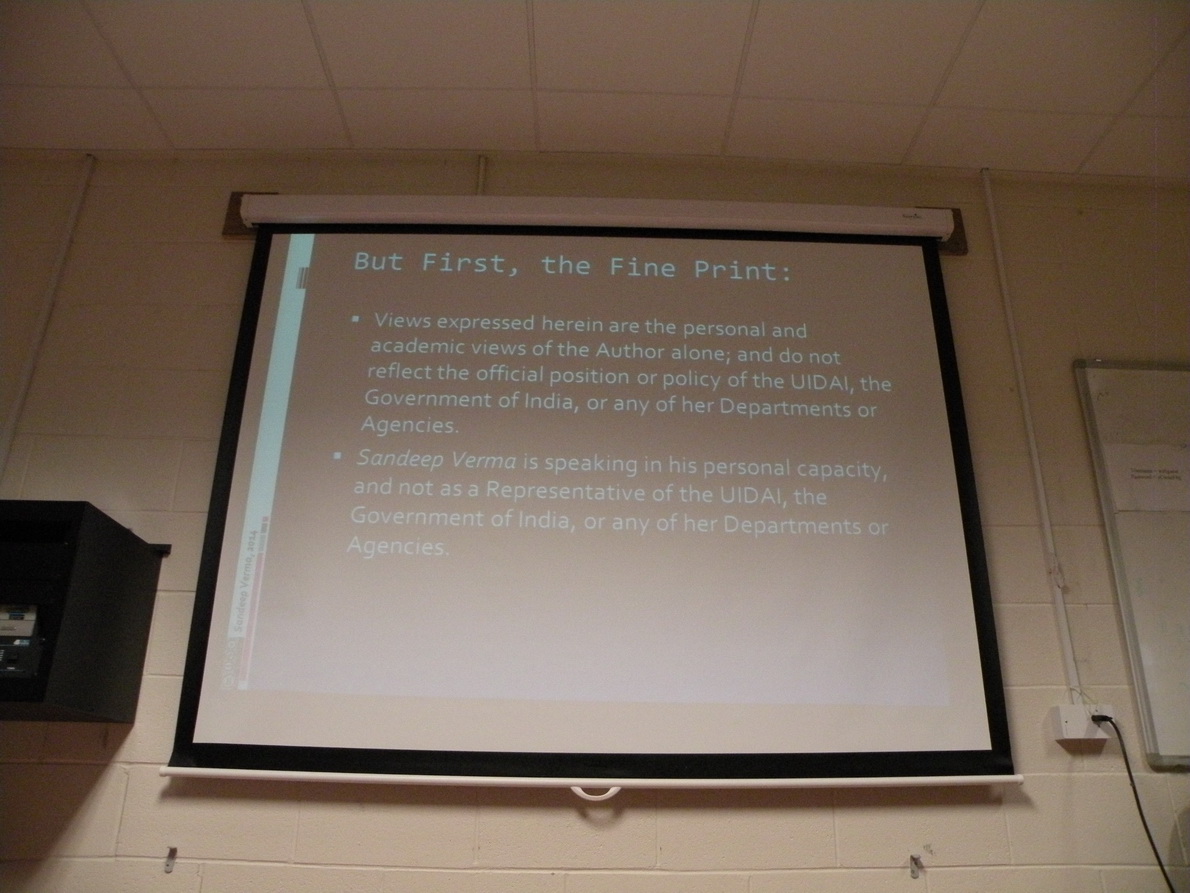
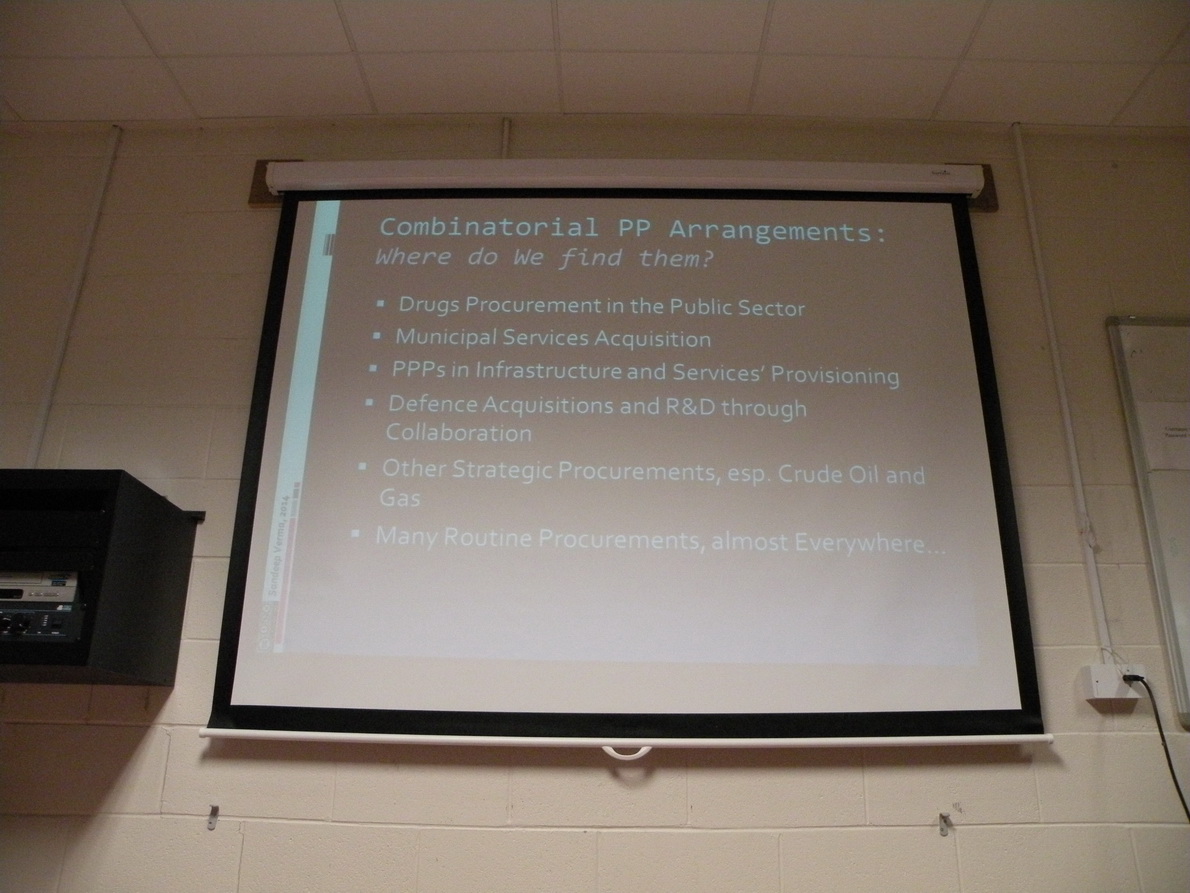
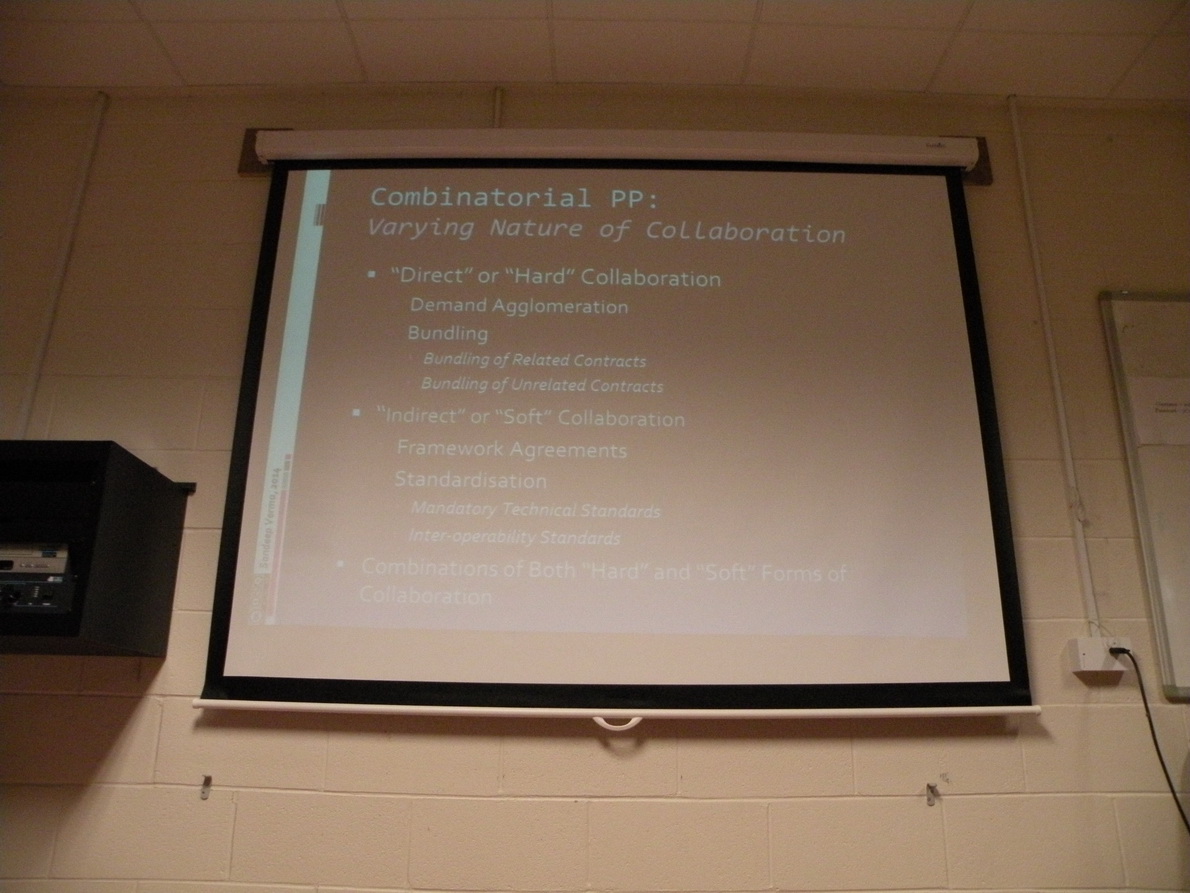
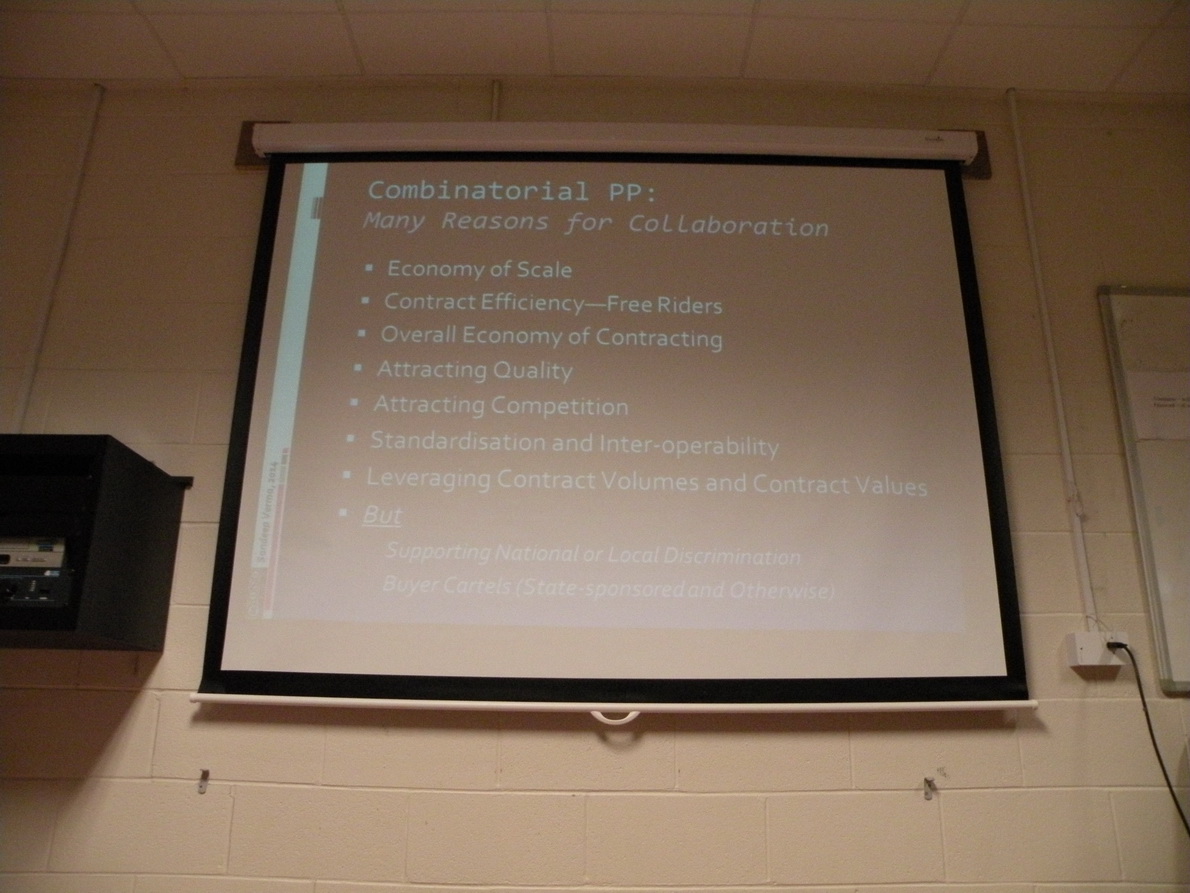
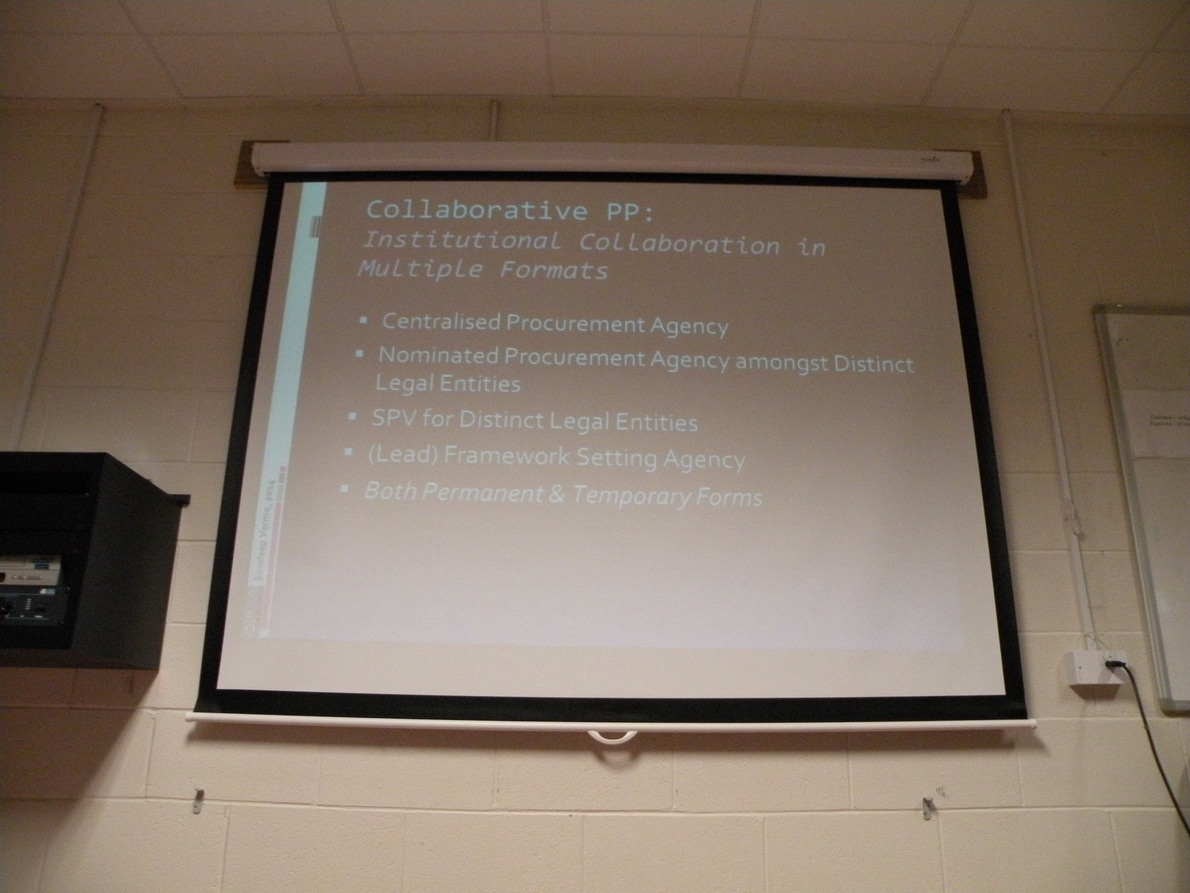
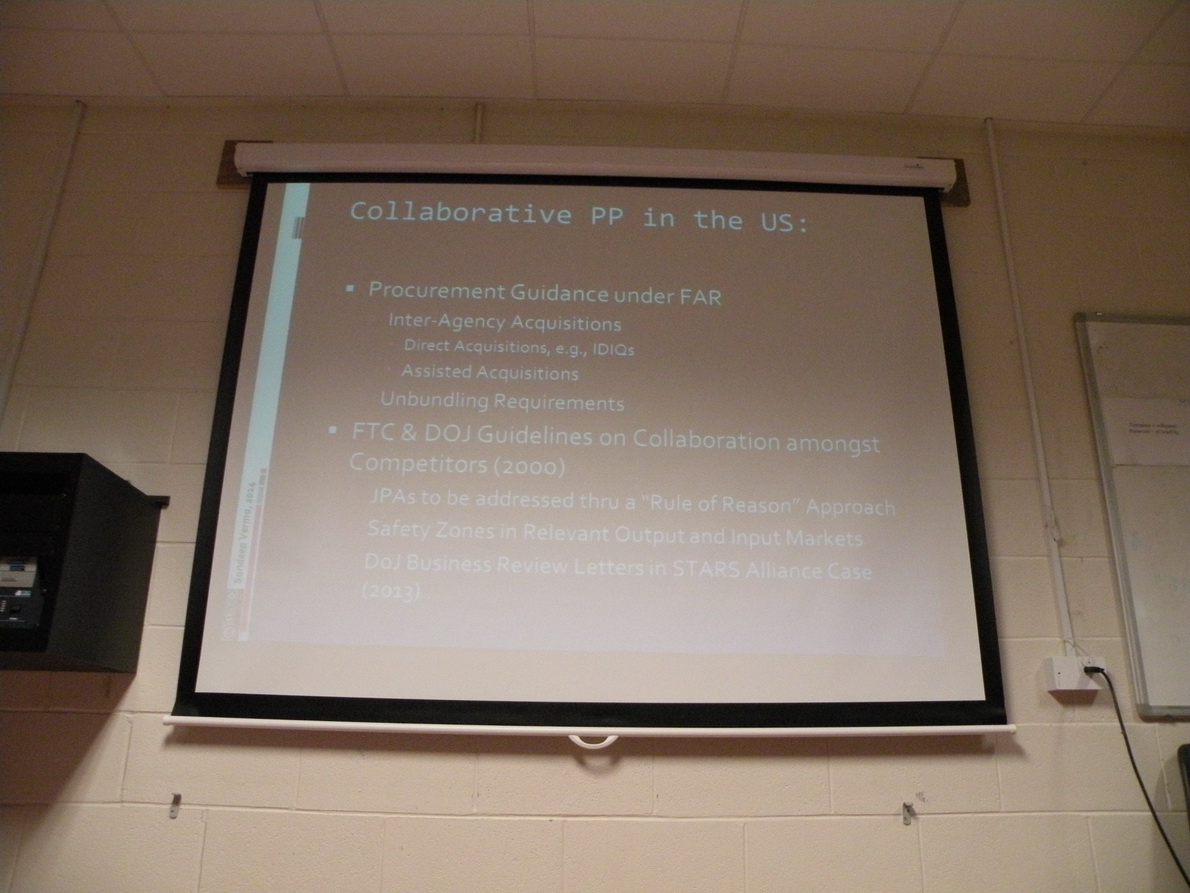
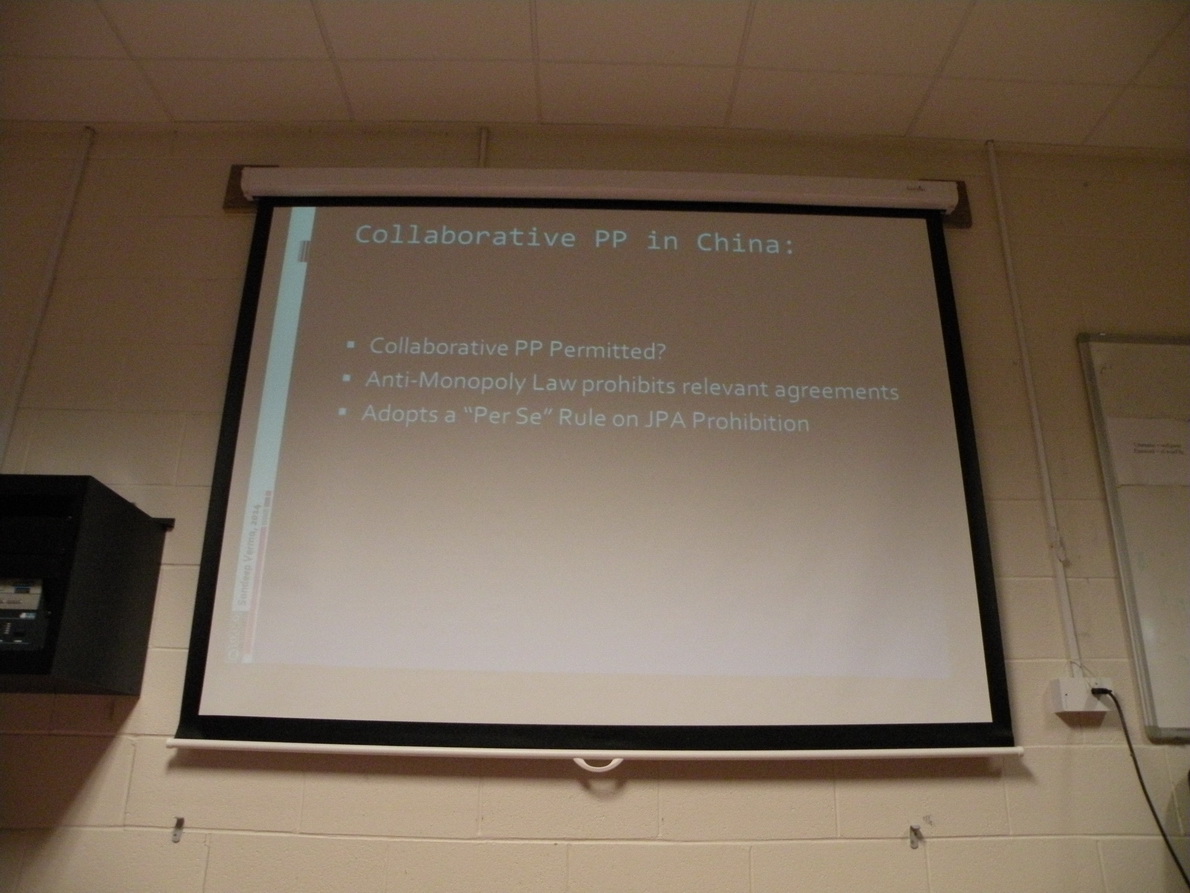
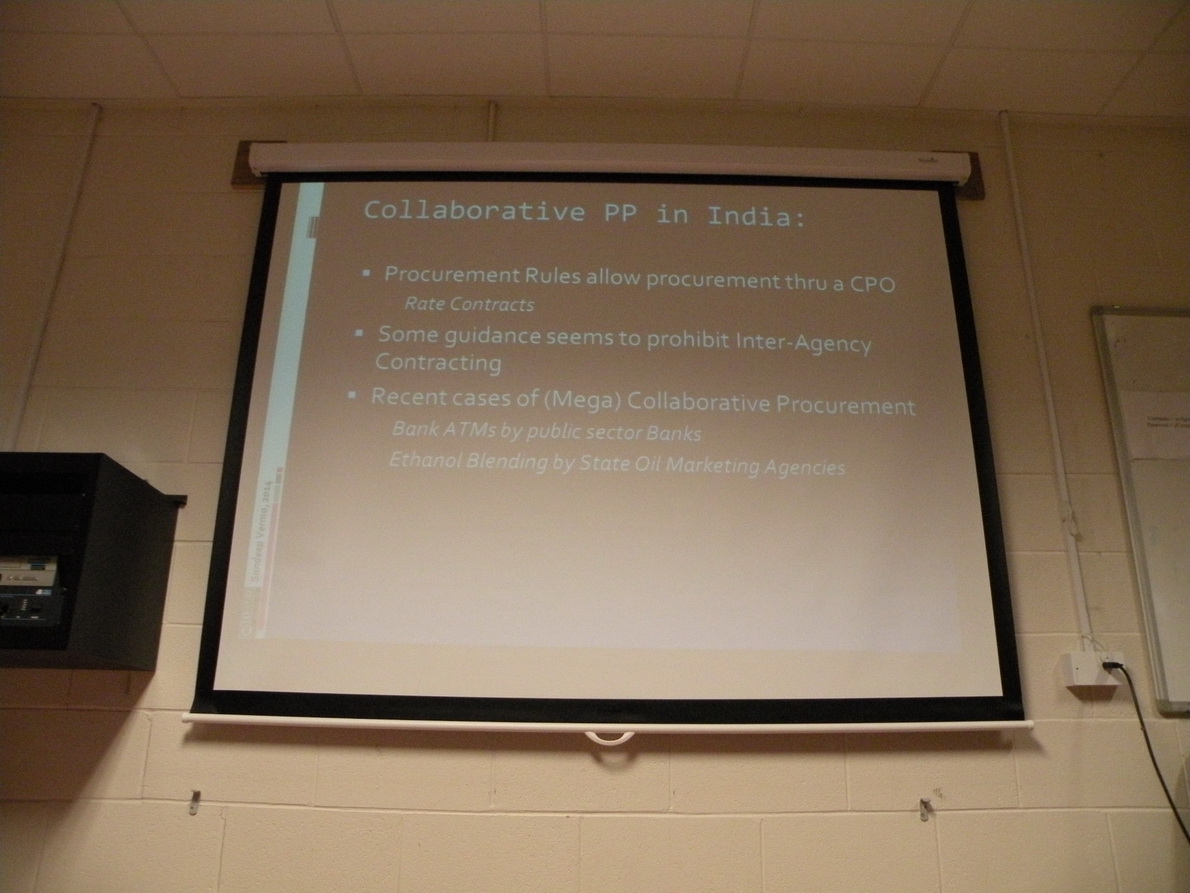
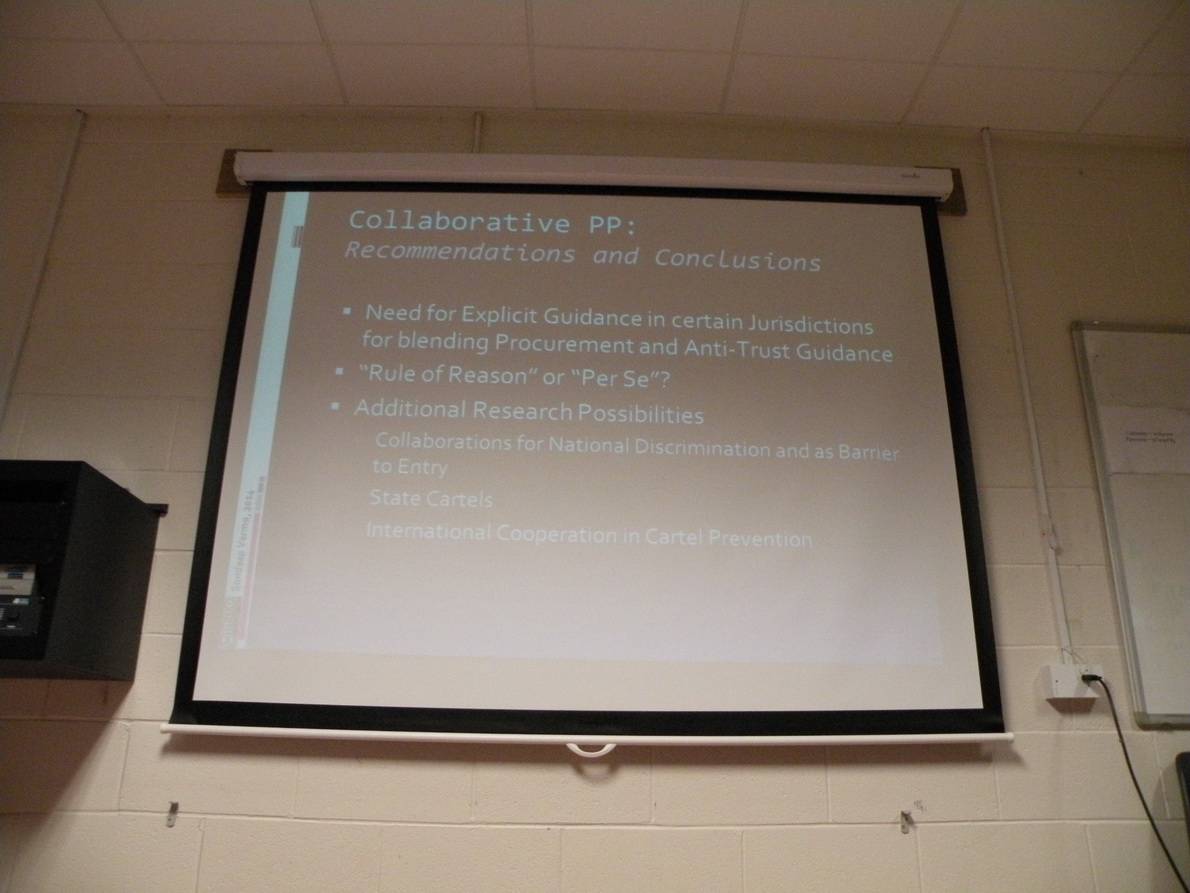
Collaborative Public Procurement: A Comparative Review Of International Practices On Pooled Procurement. Sandeep Verma




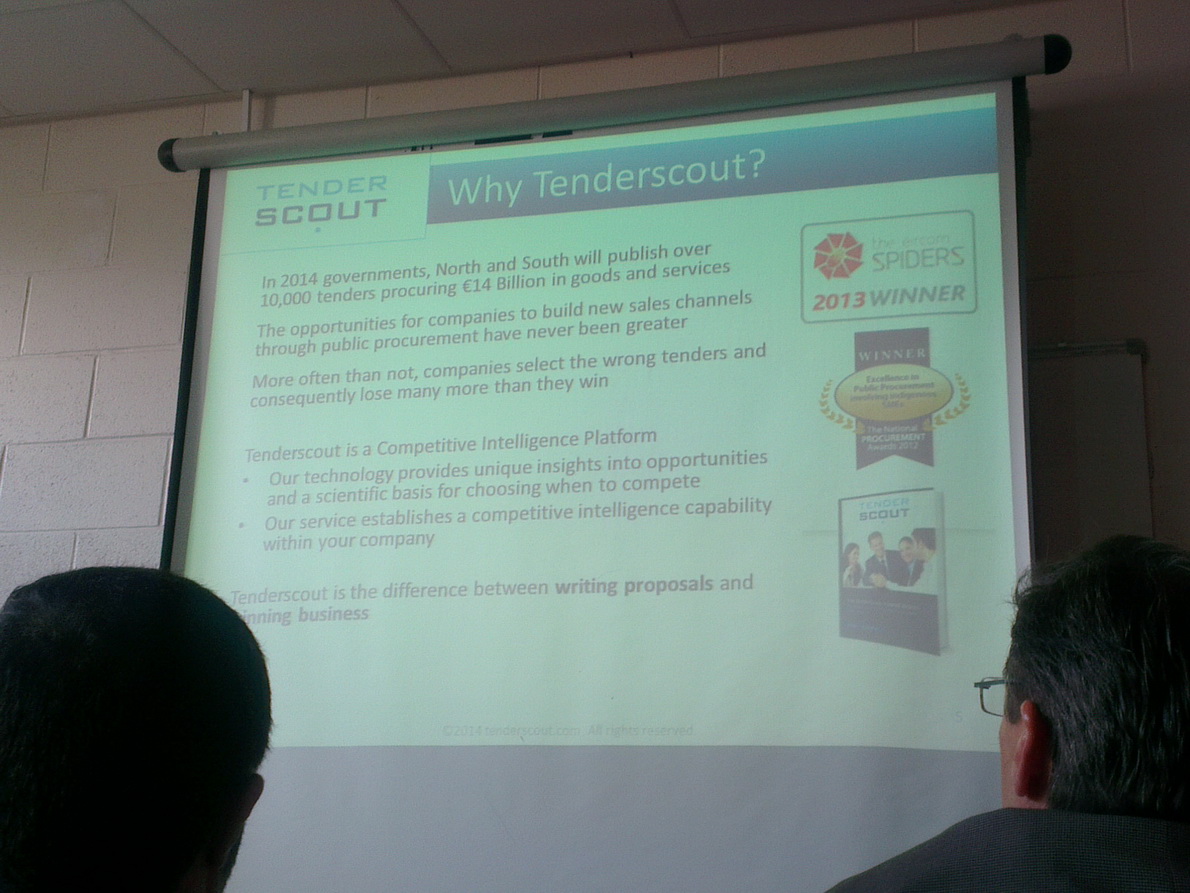
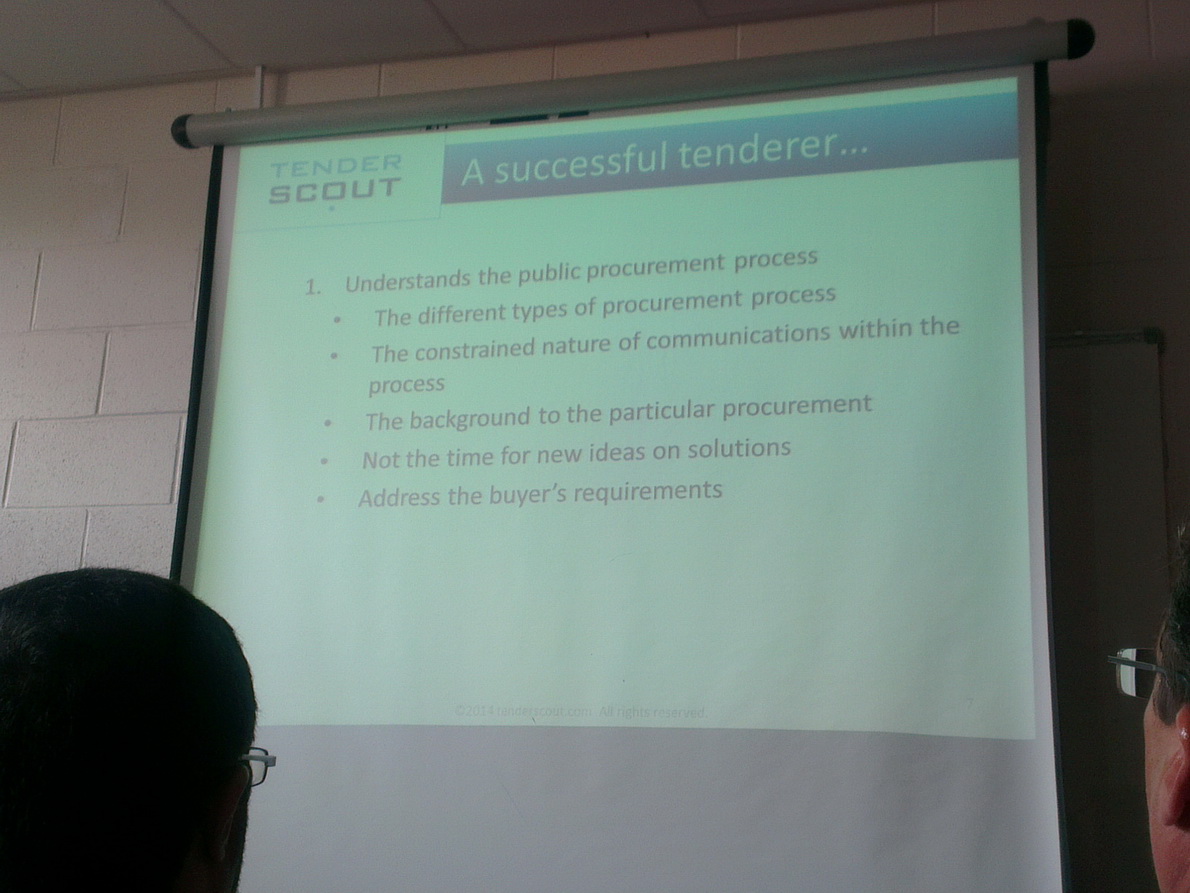
An SME Perspective on Public Procuremment. Padraig Coakley


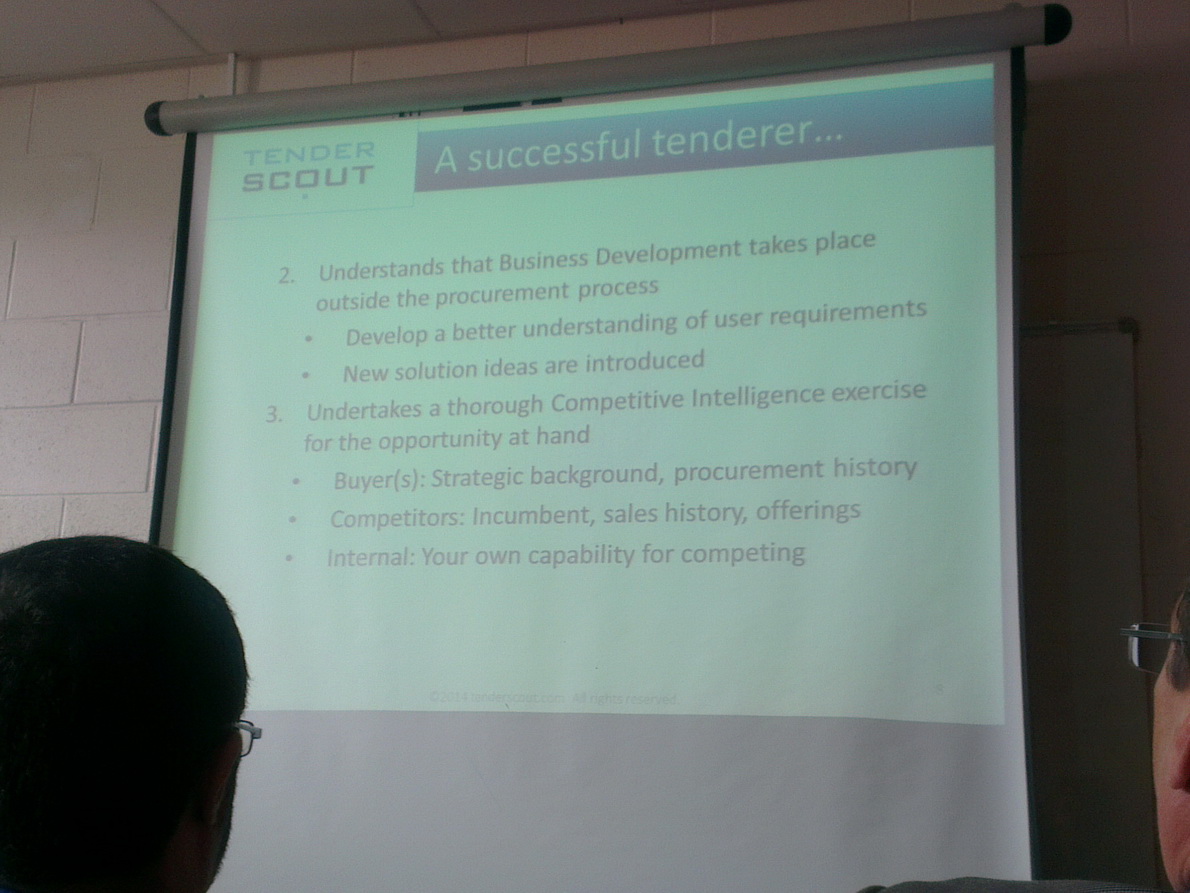
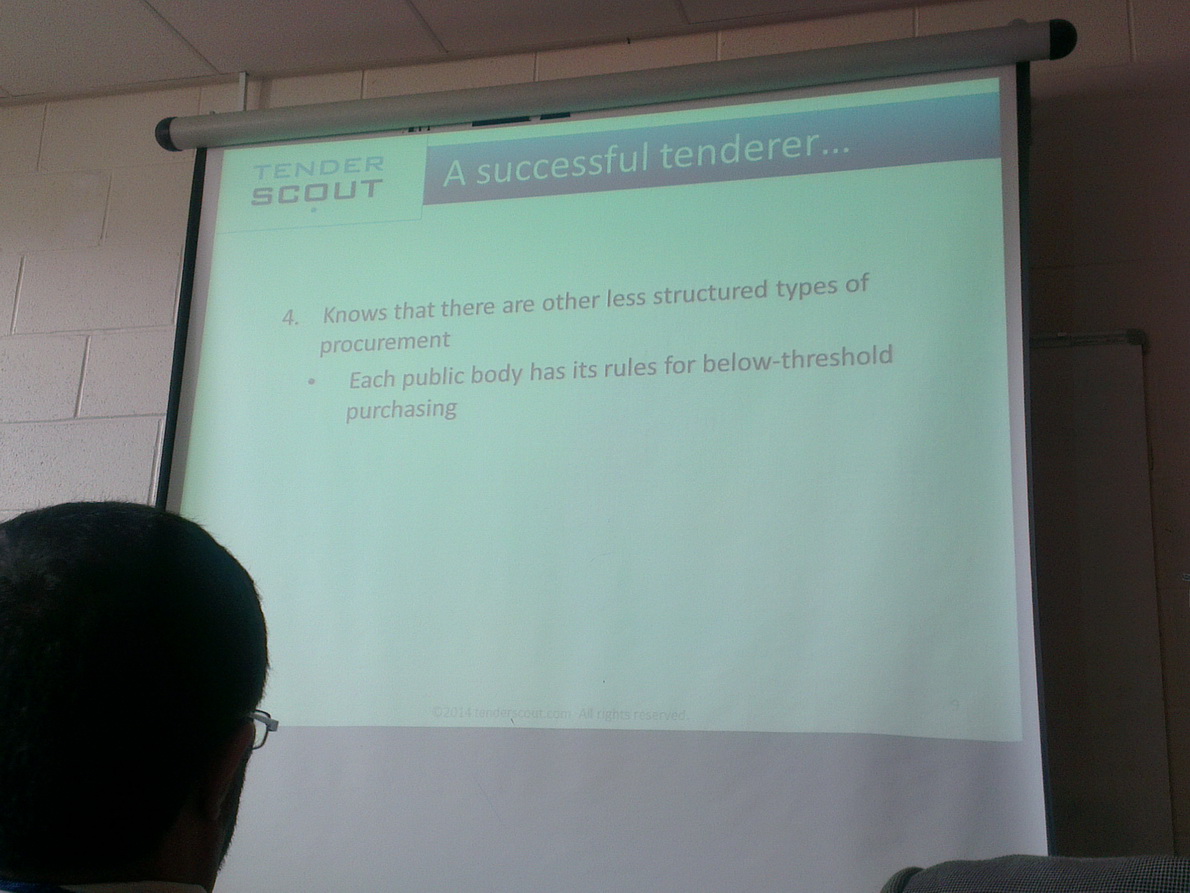
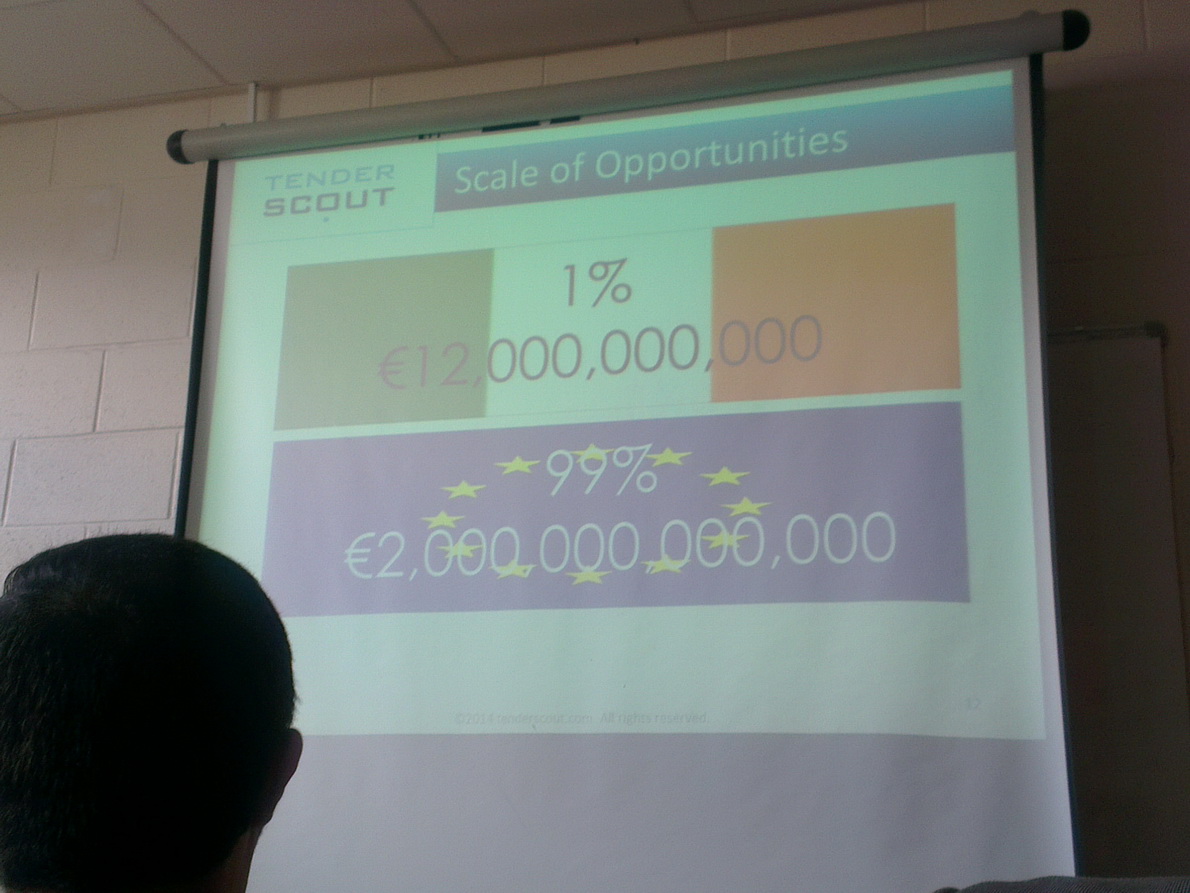
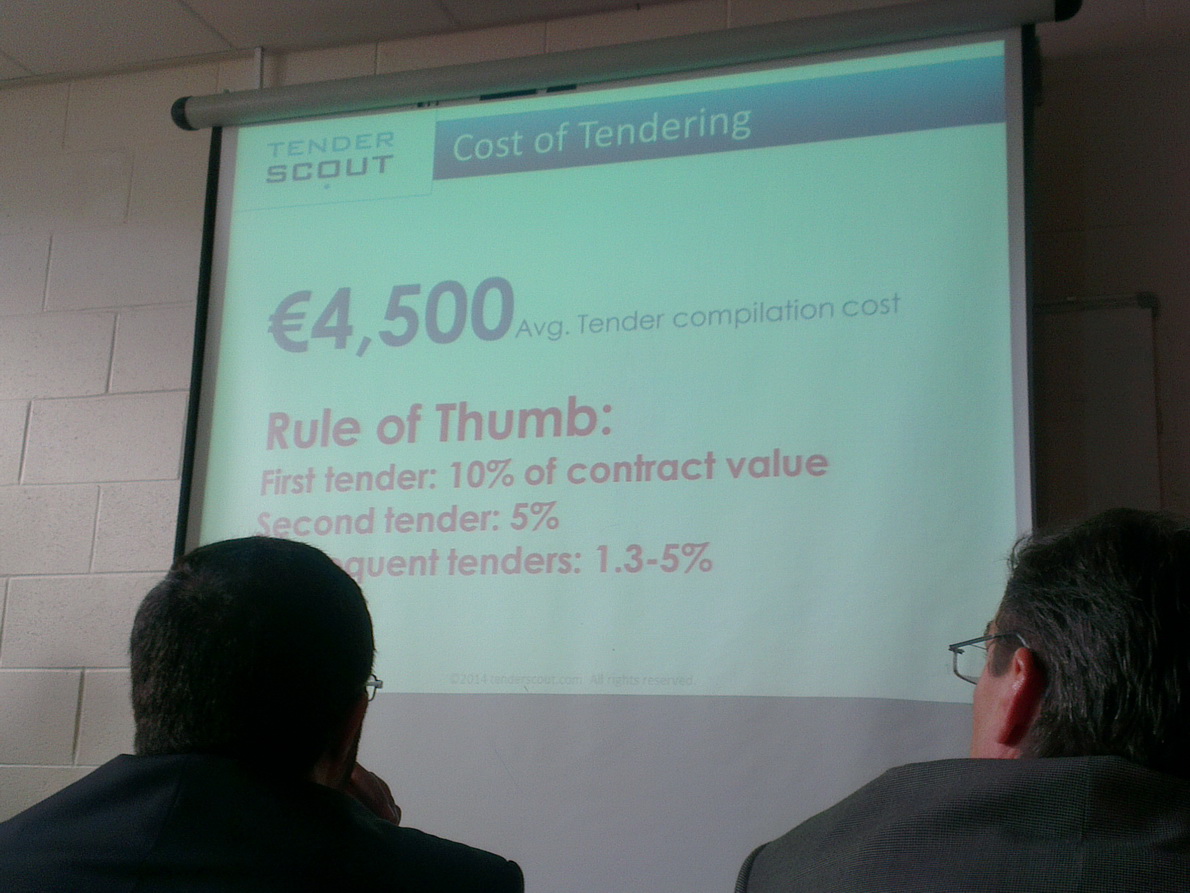
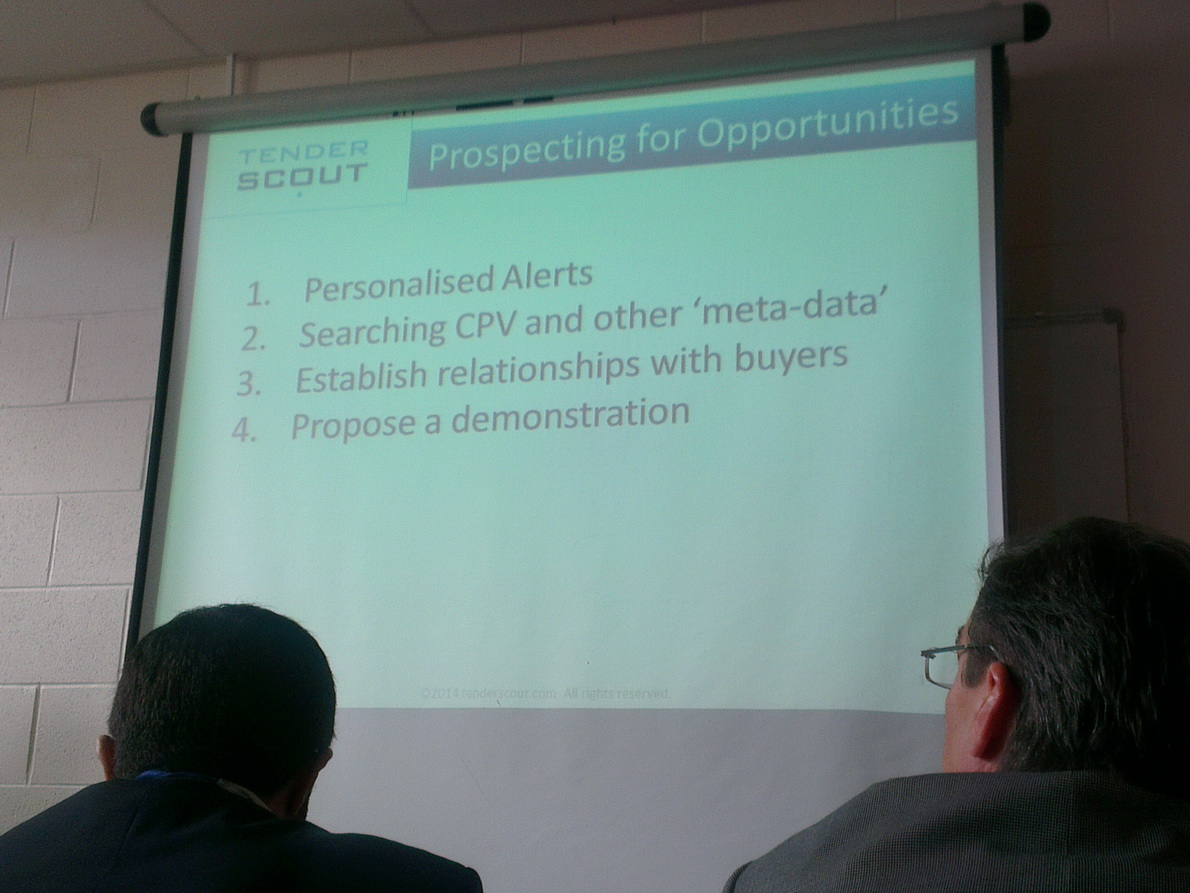
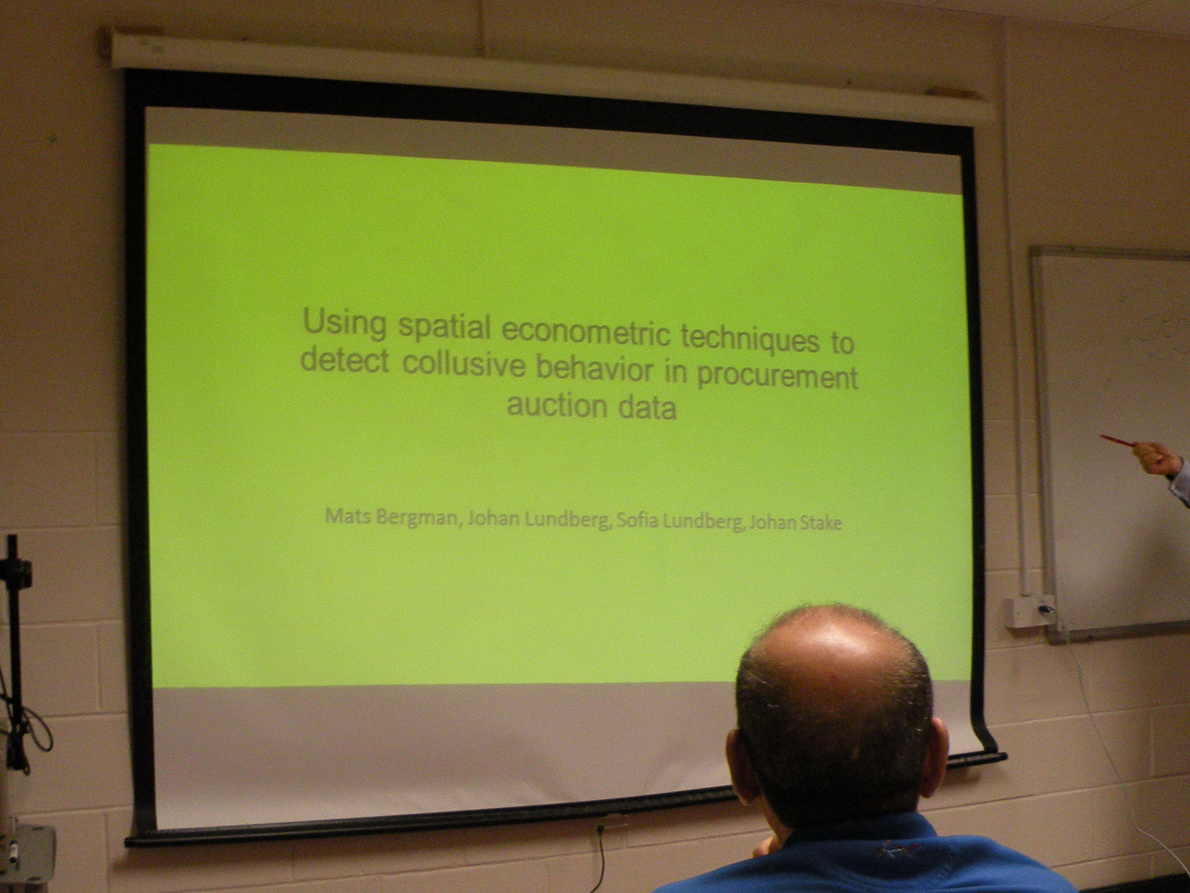
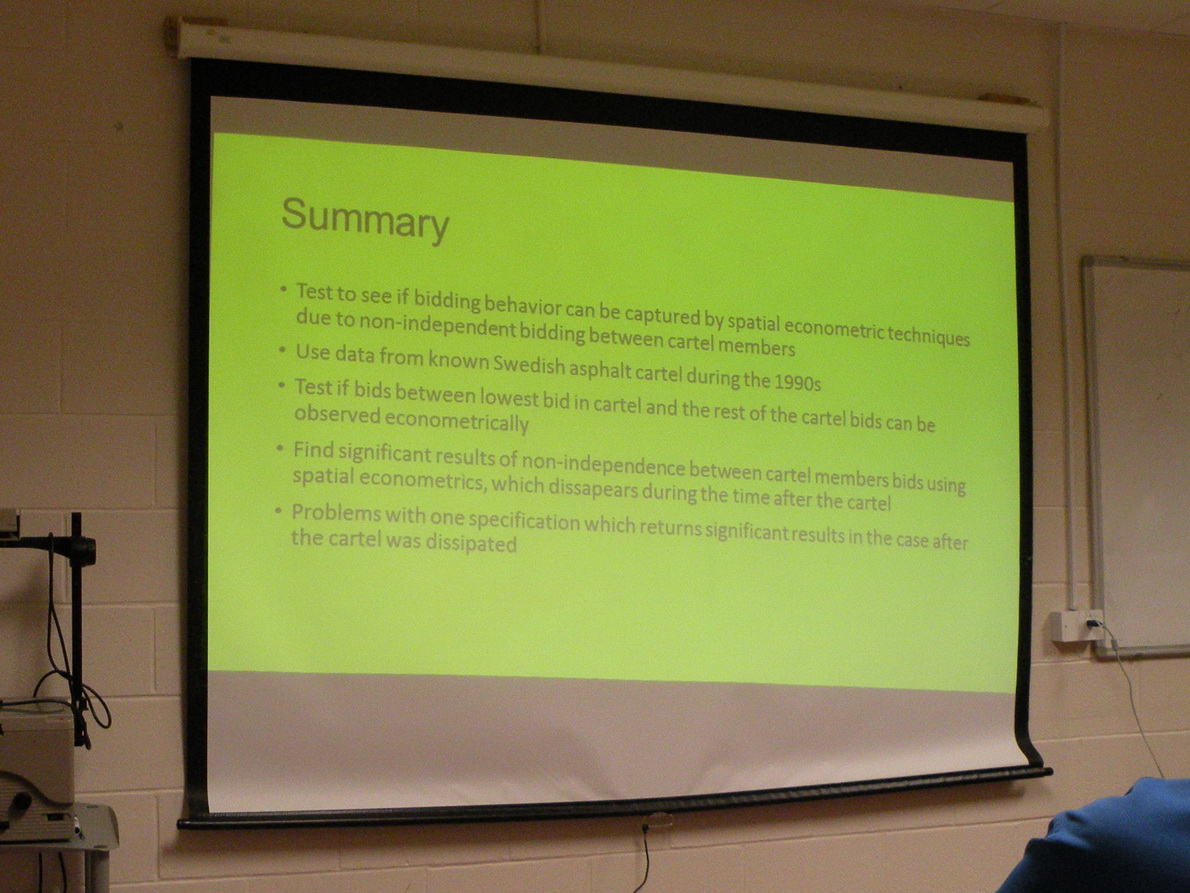
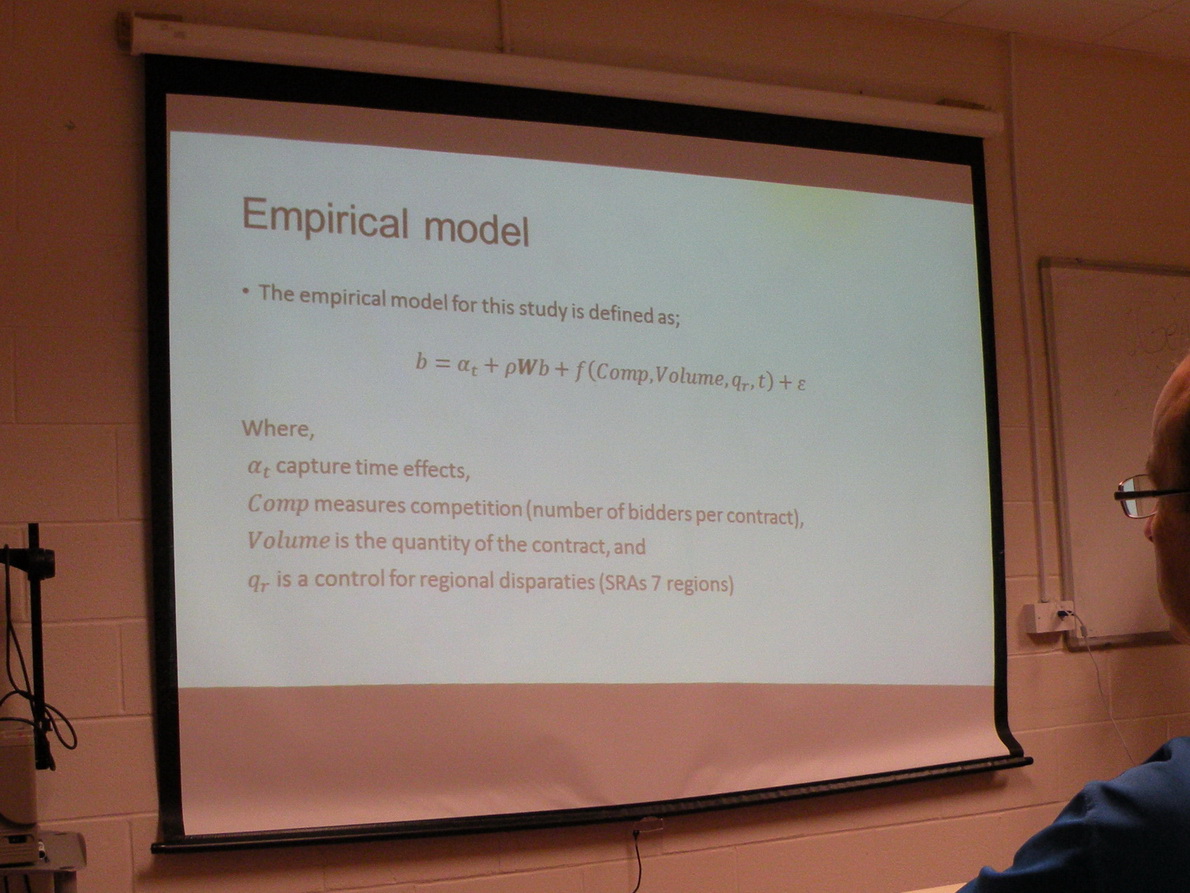
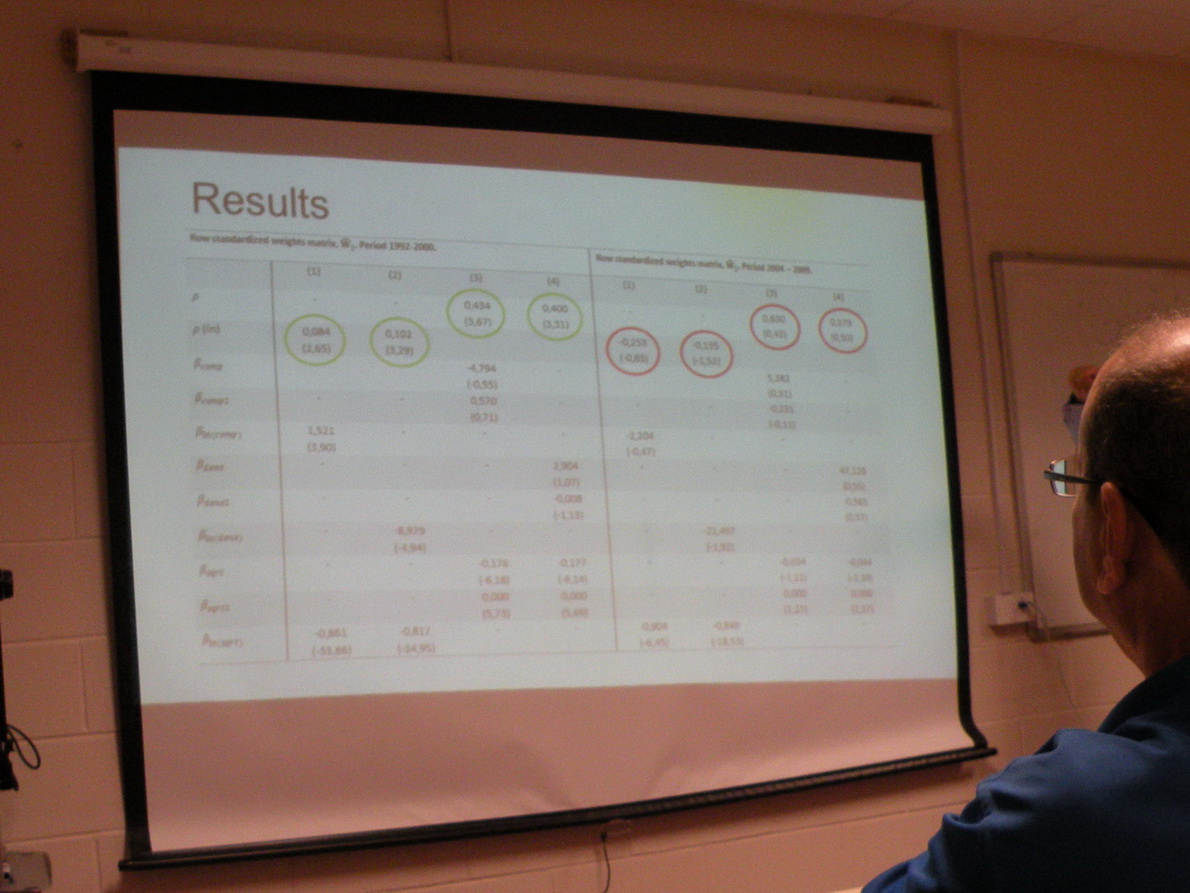
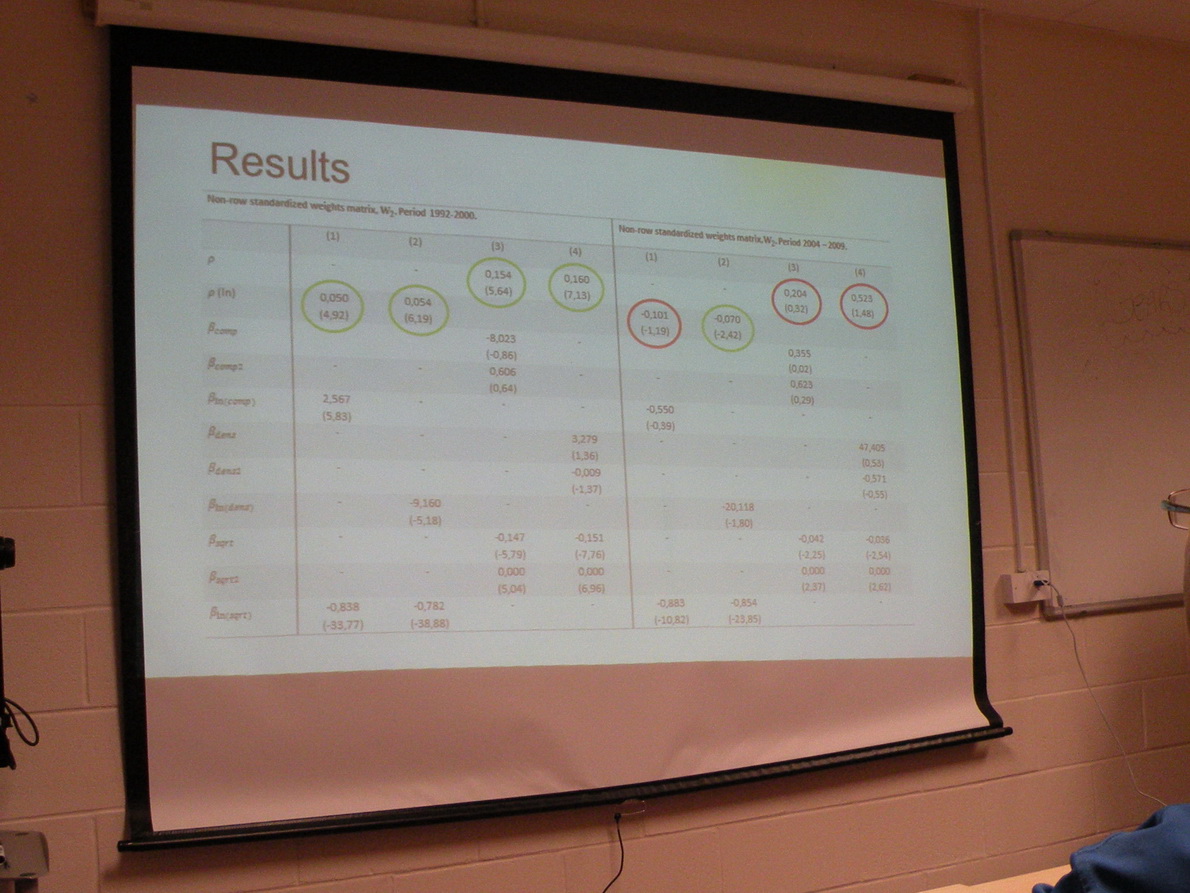
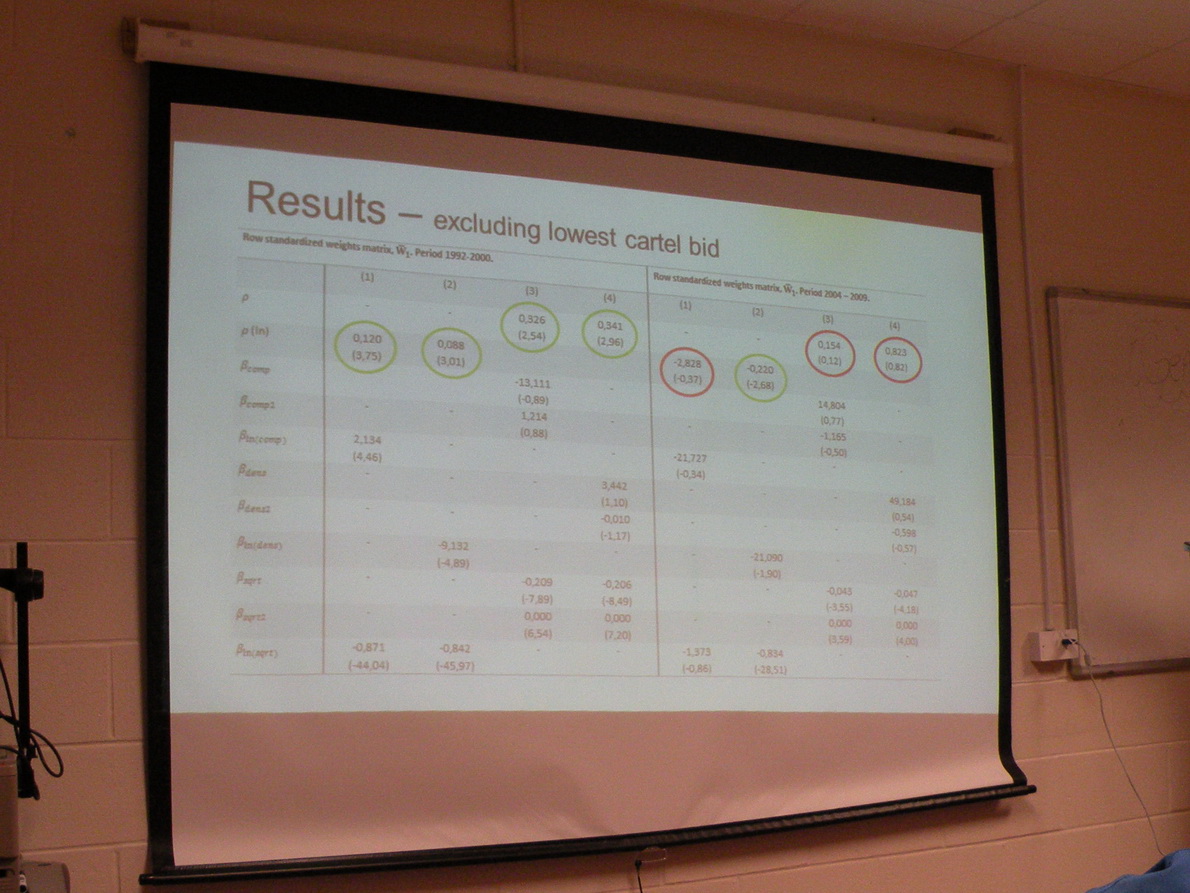
Using Spatial Econometrics To Detect Collusive Bidder Behavior In Public Procurement Auctions. Johan Lundberg
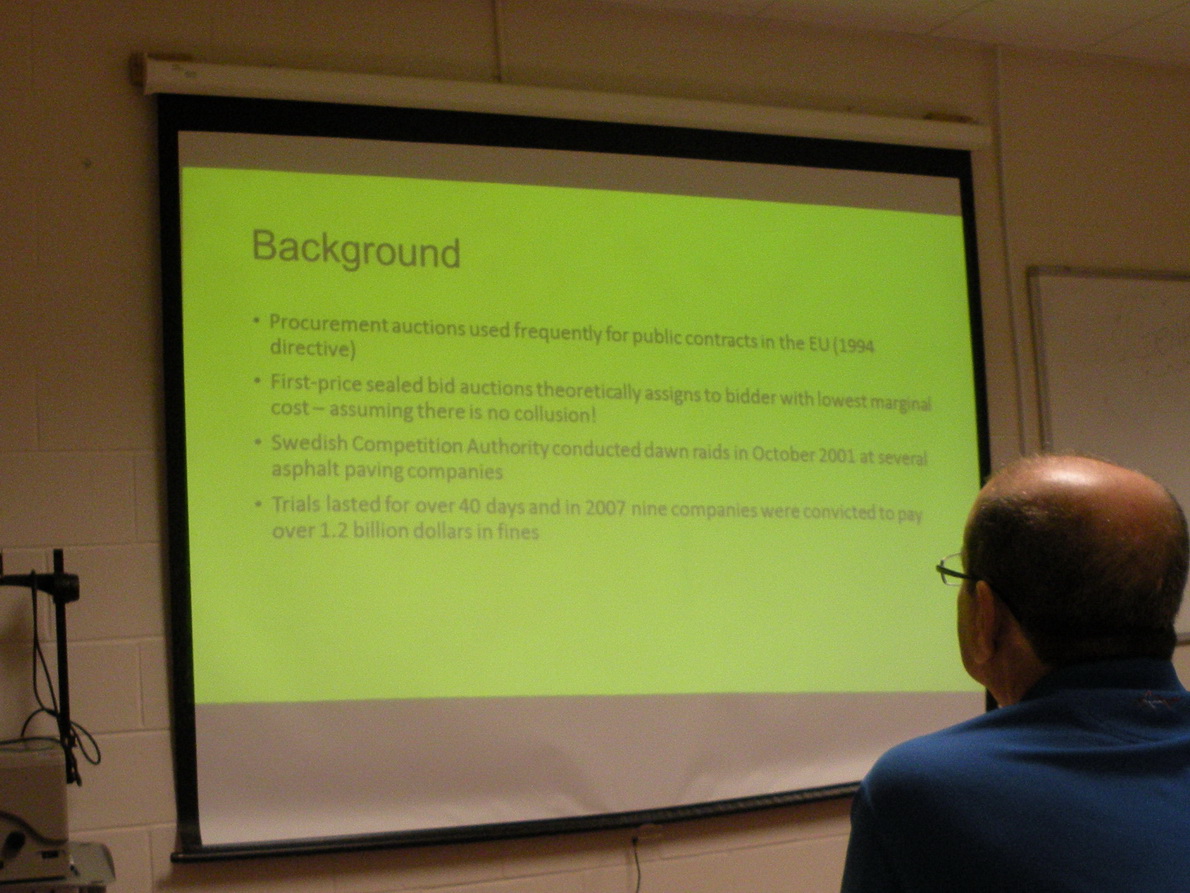

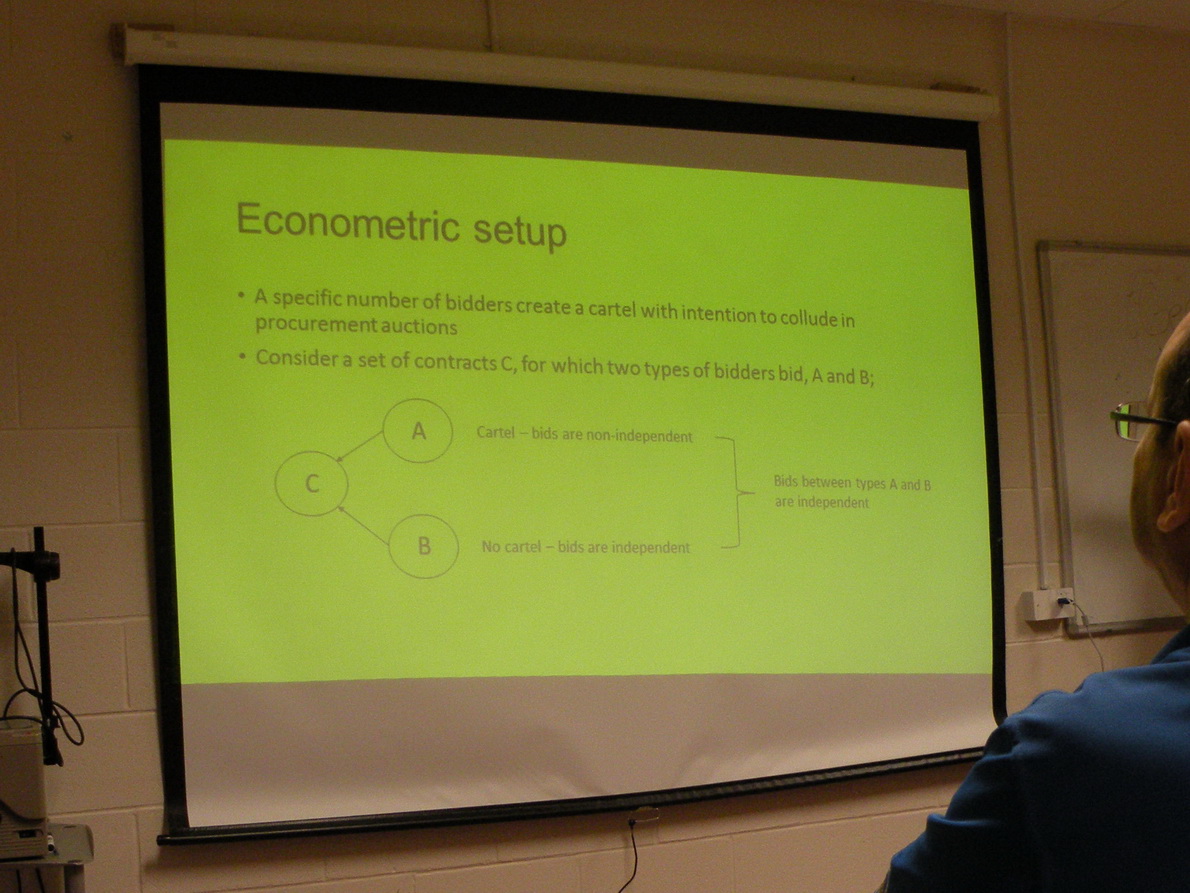
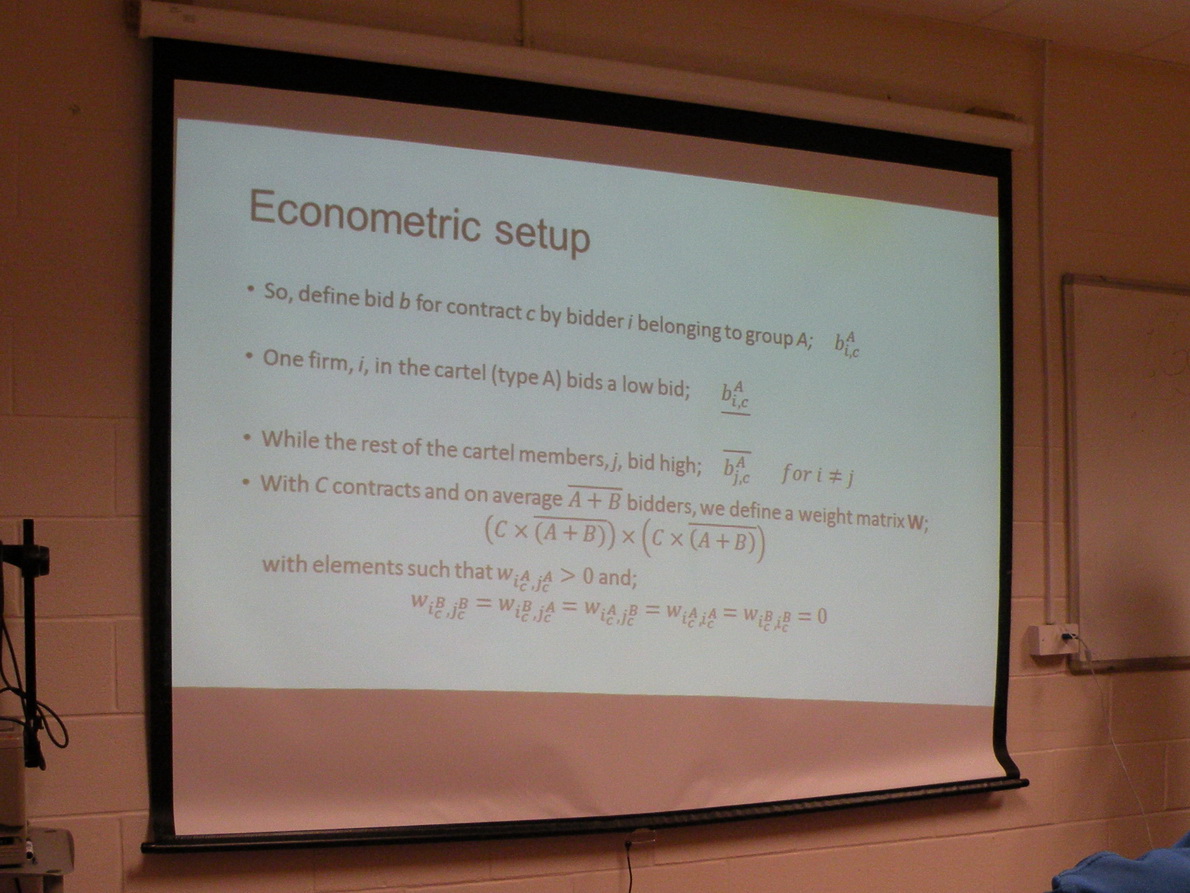
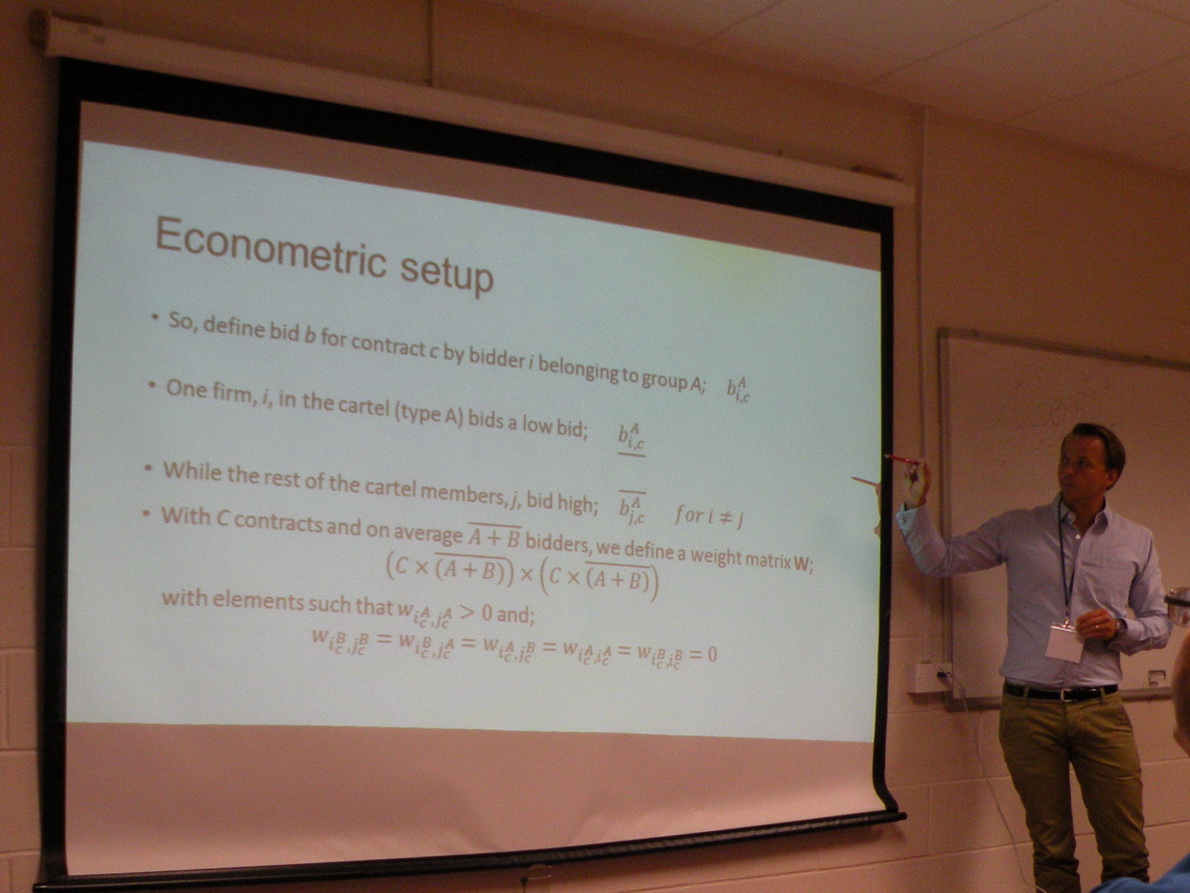

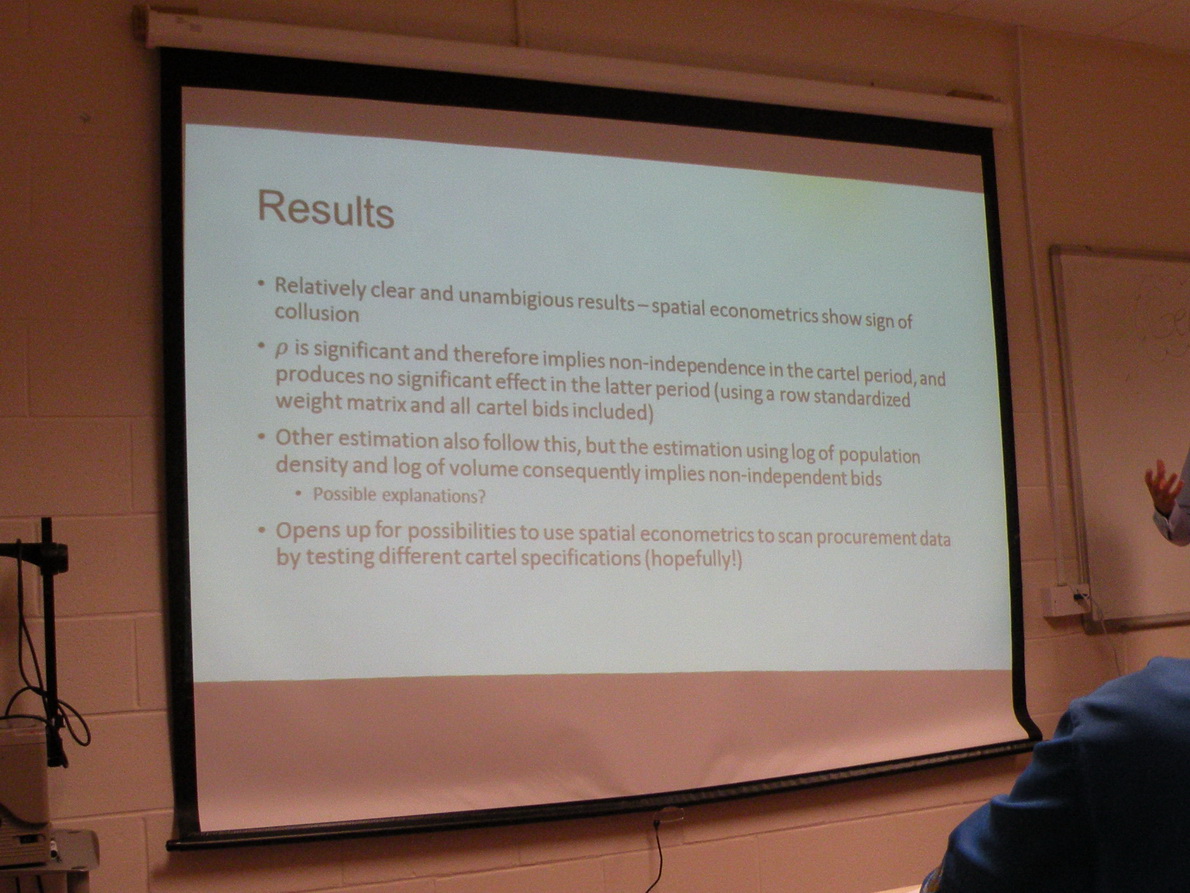
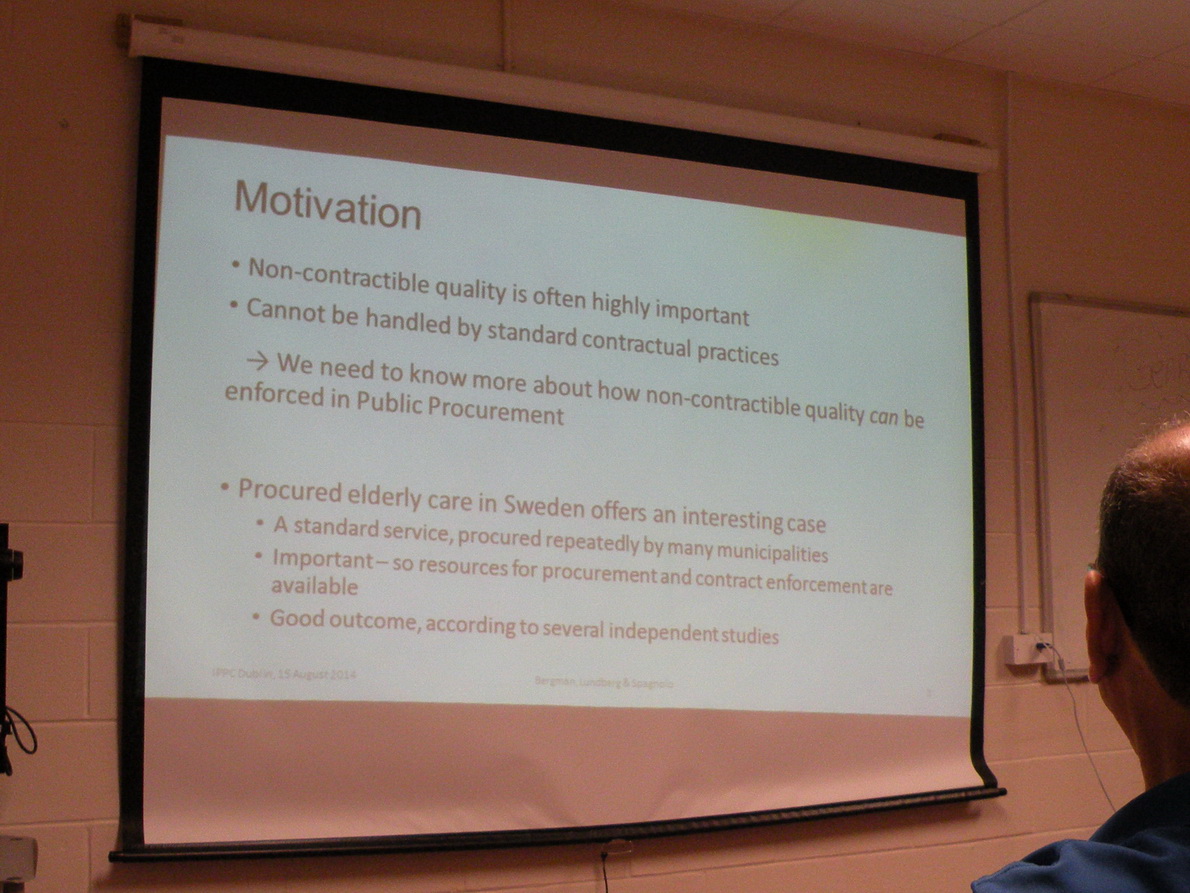
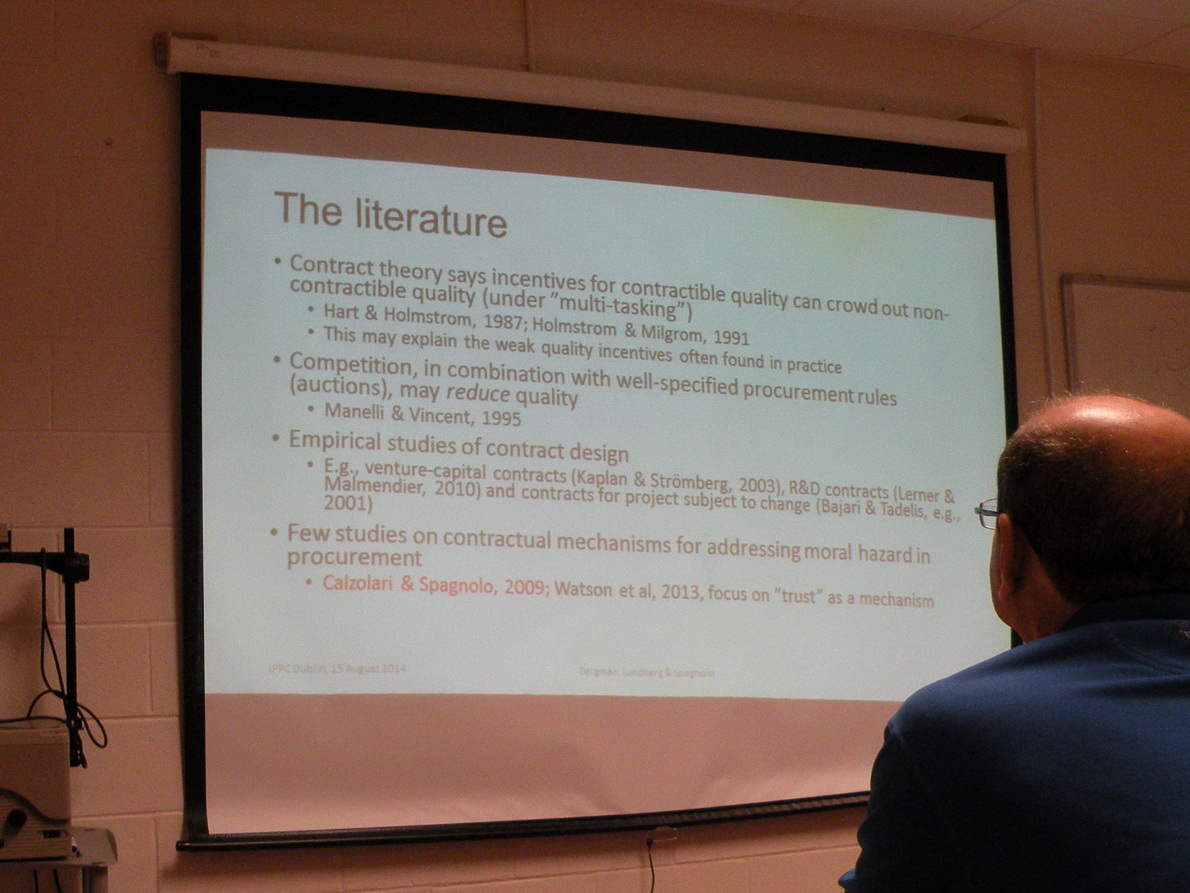
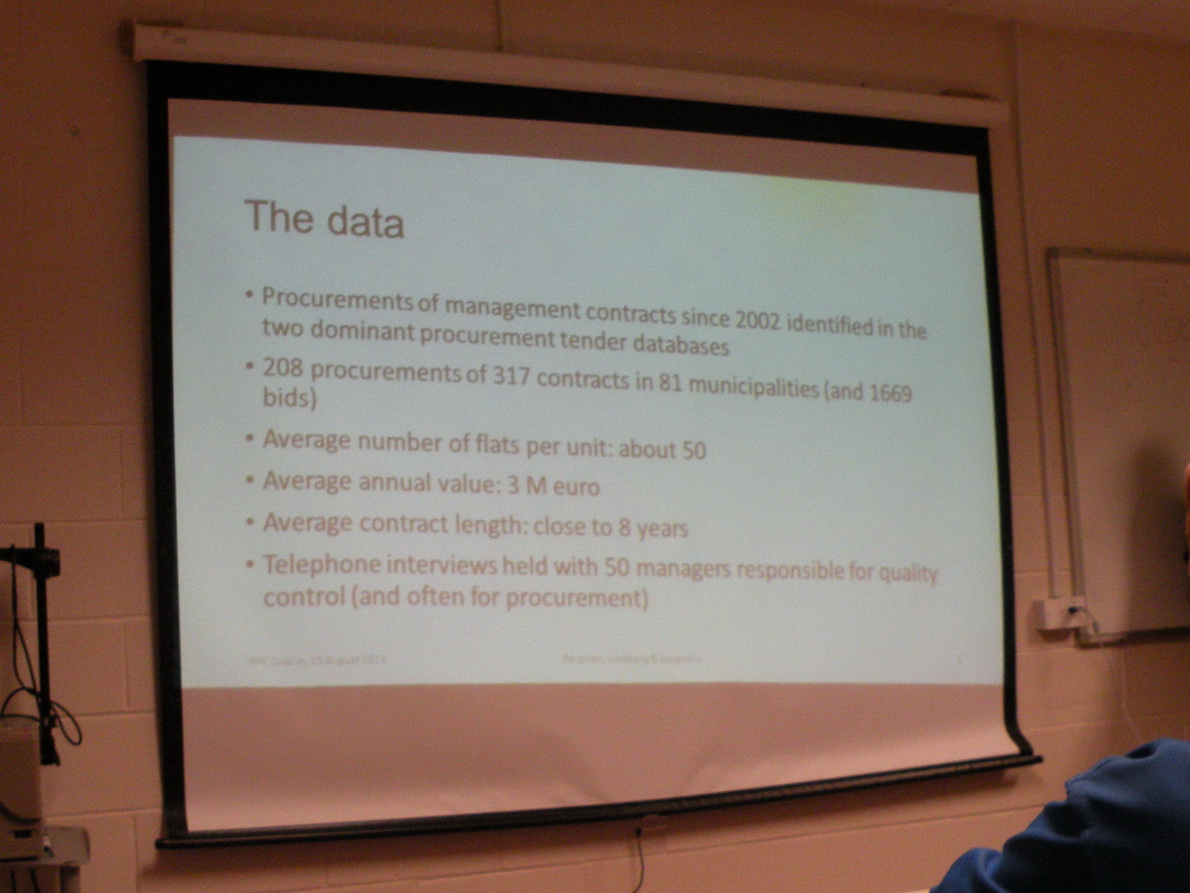
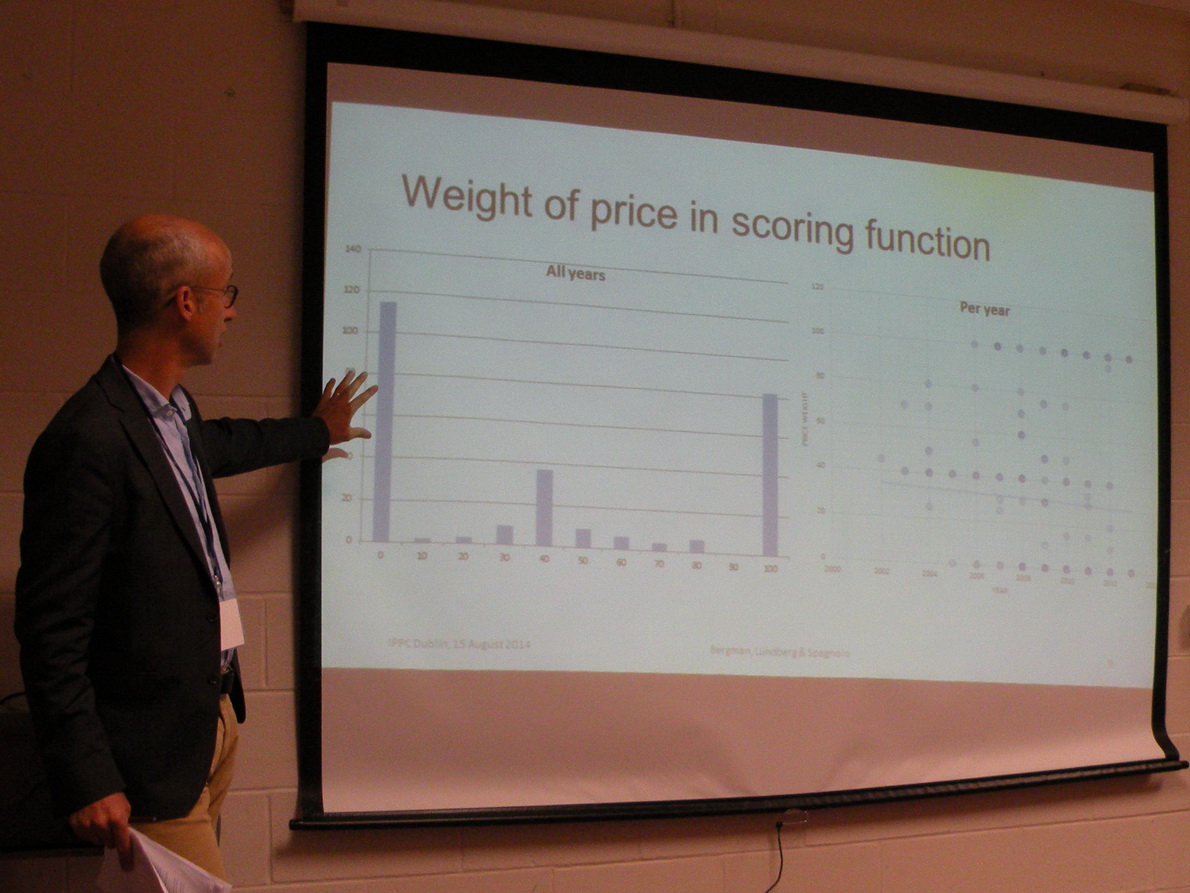
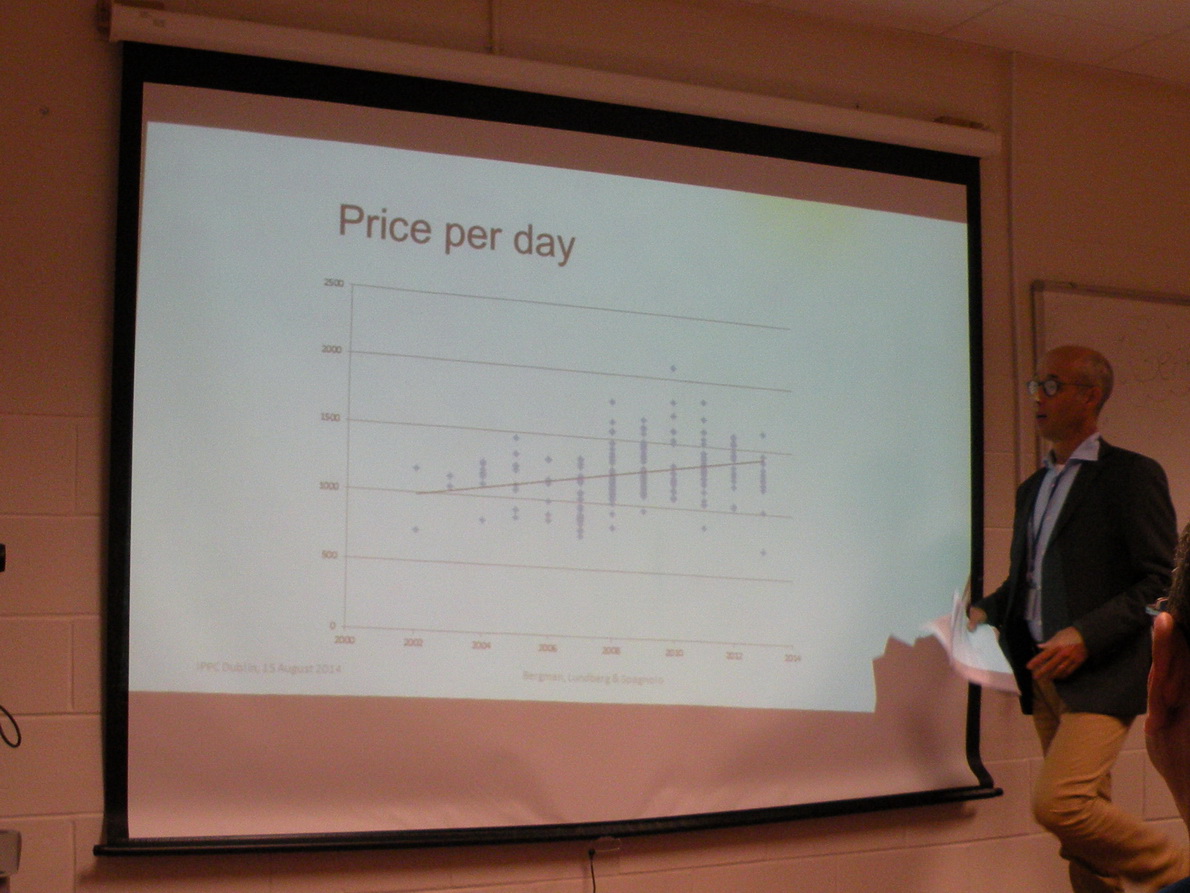
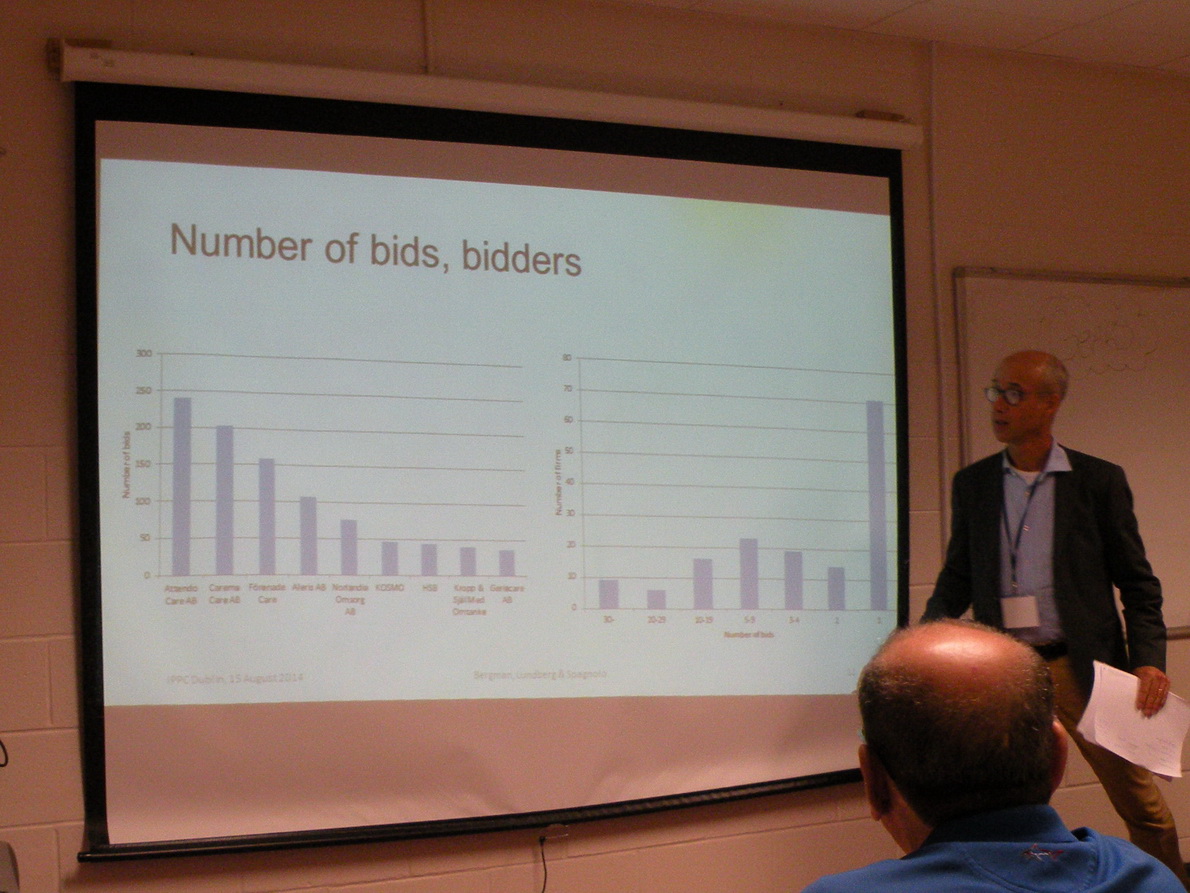
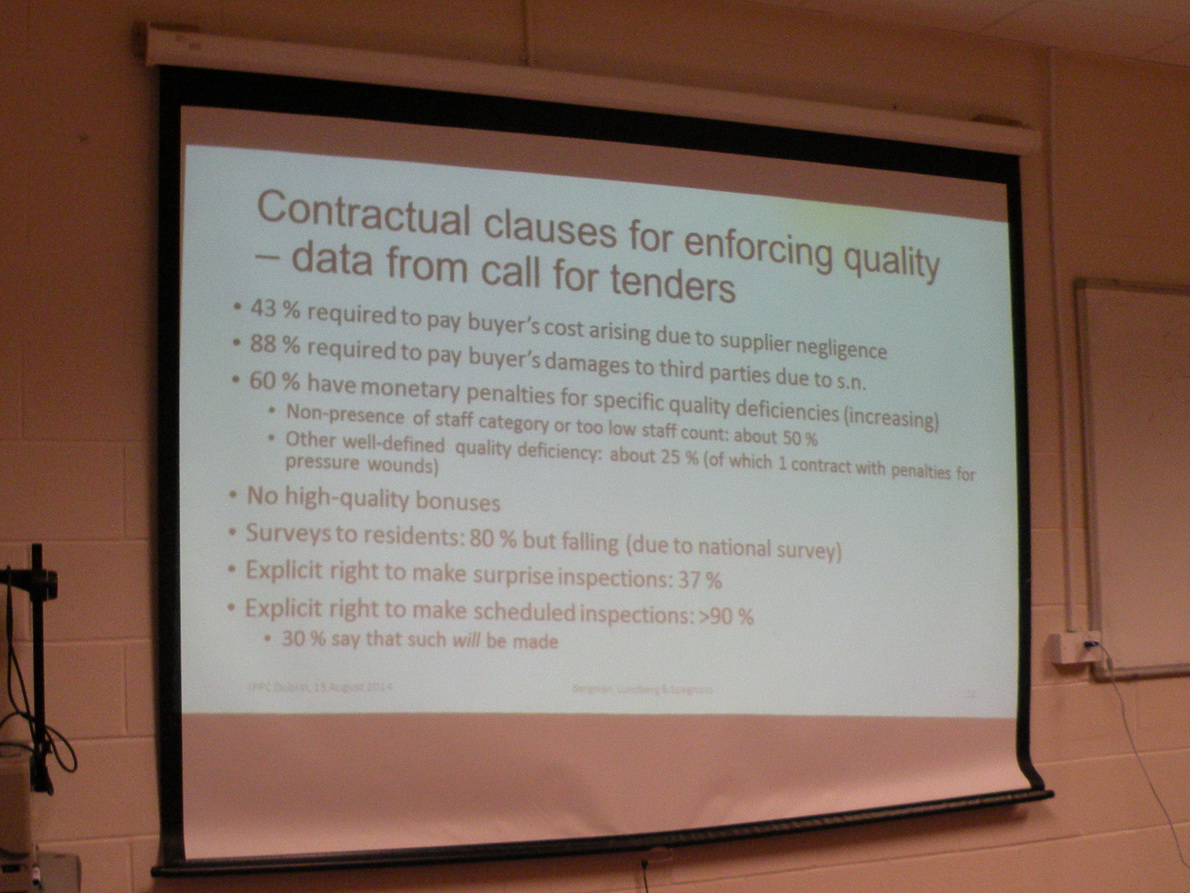
Ex-Ante Contracts And Ex-Post Performance In Public Procurement: Theory And Evidence From Sweden. Mats Bergman


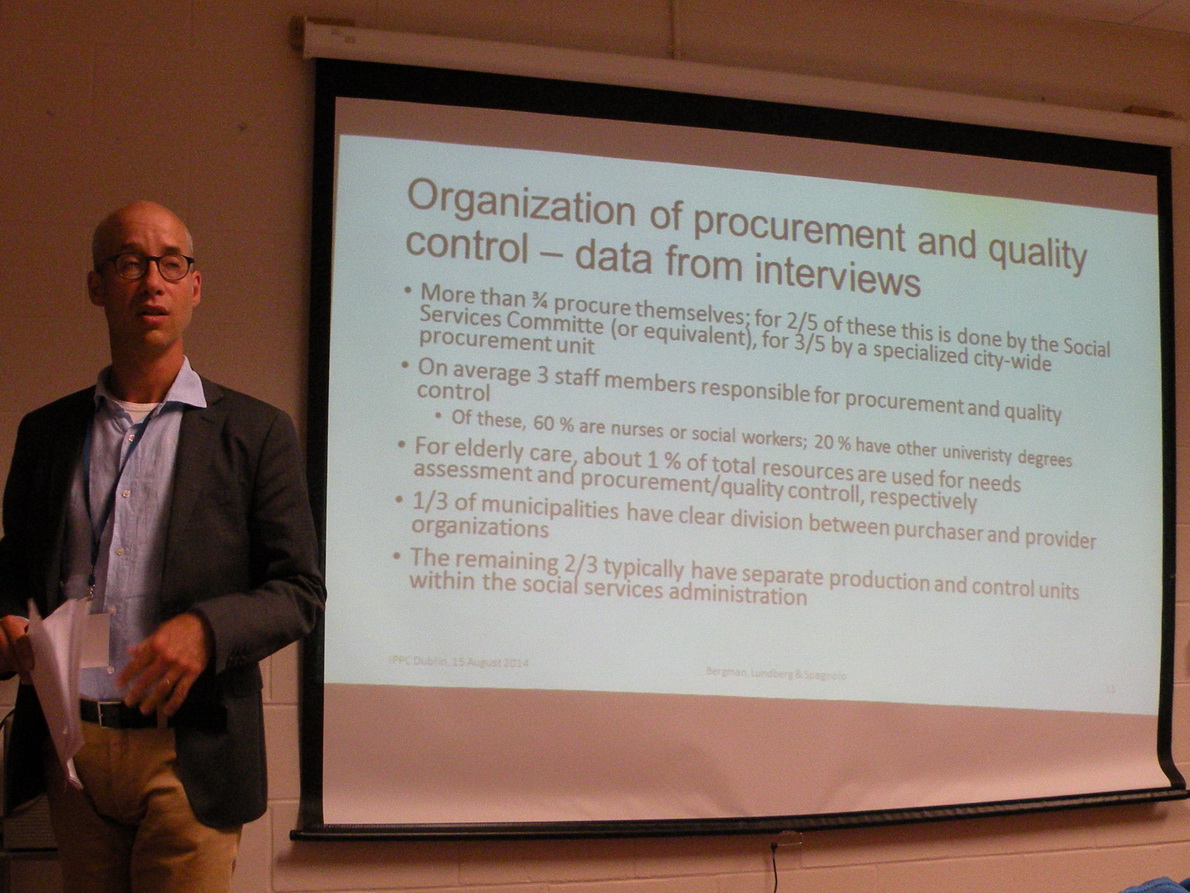
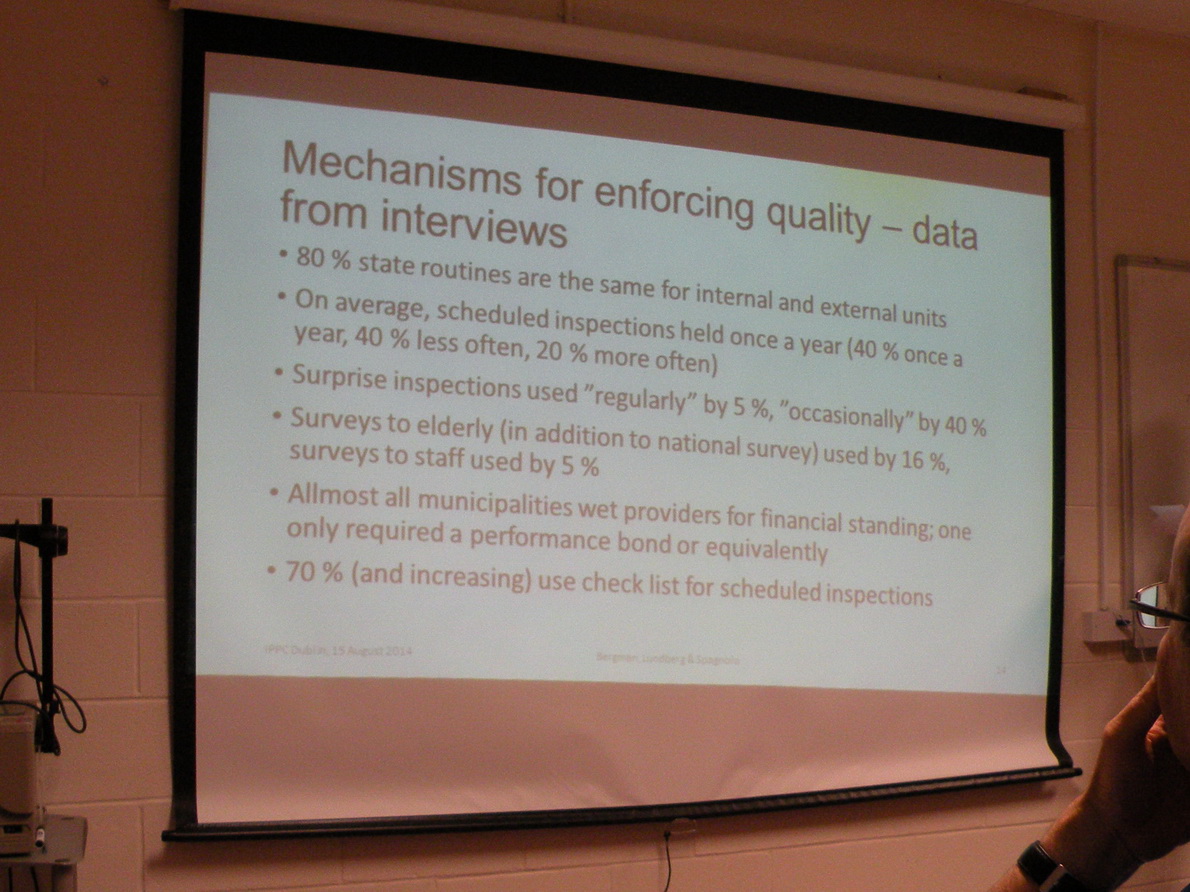
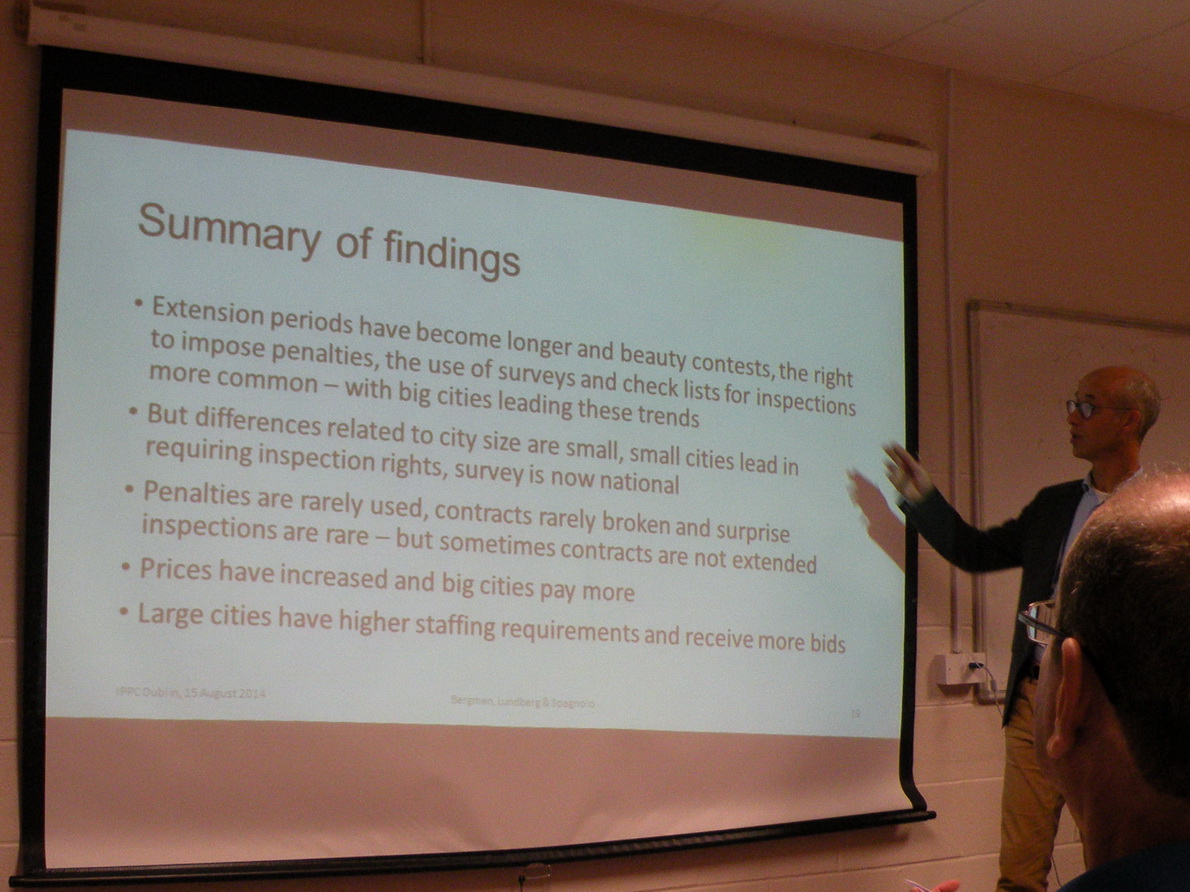

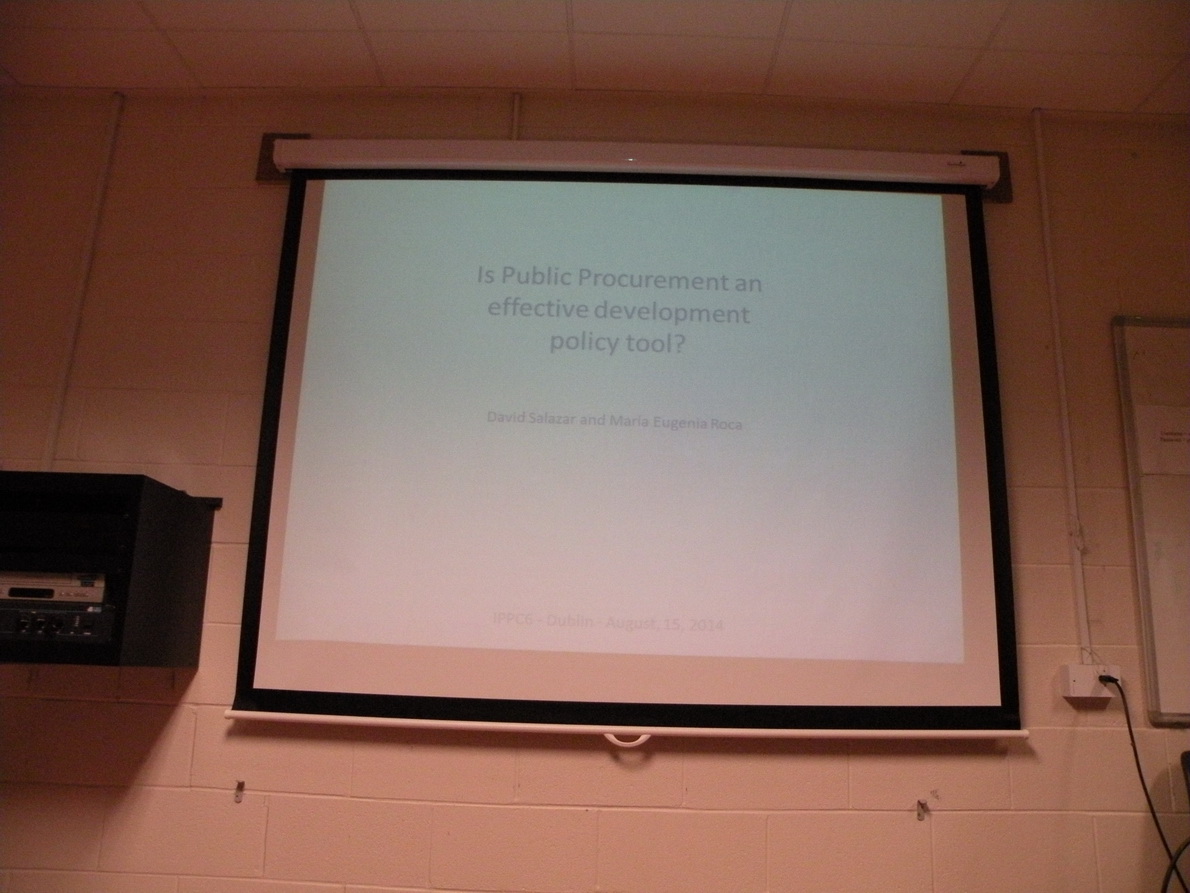
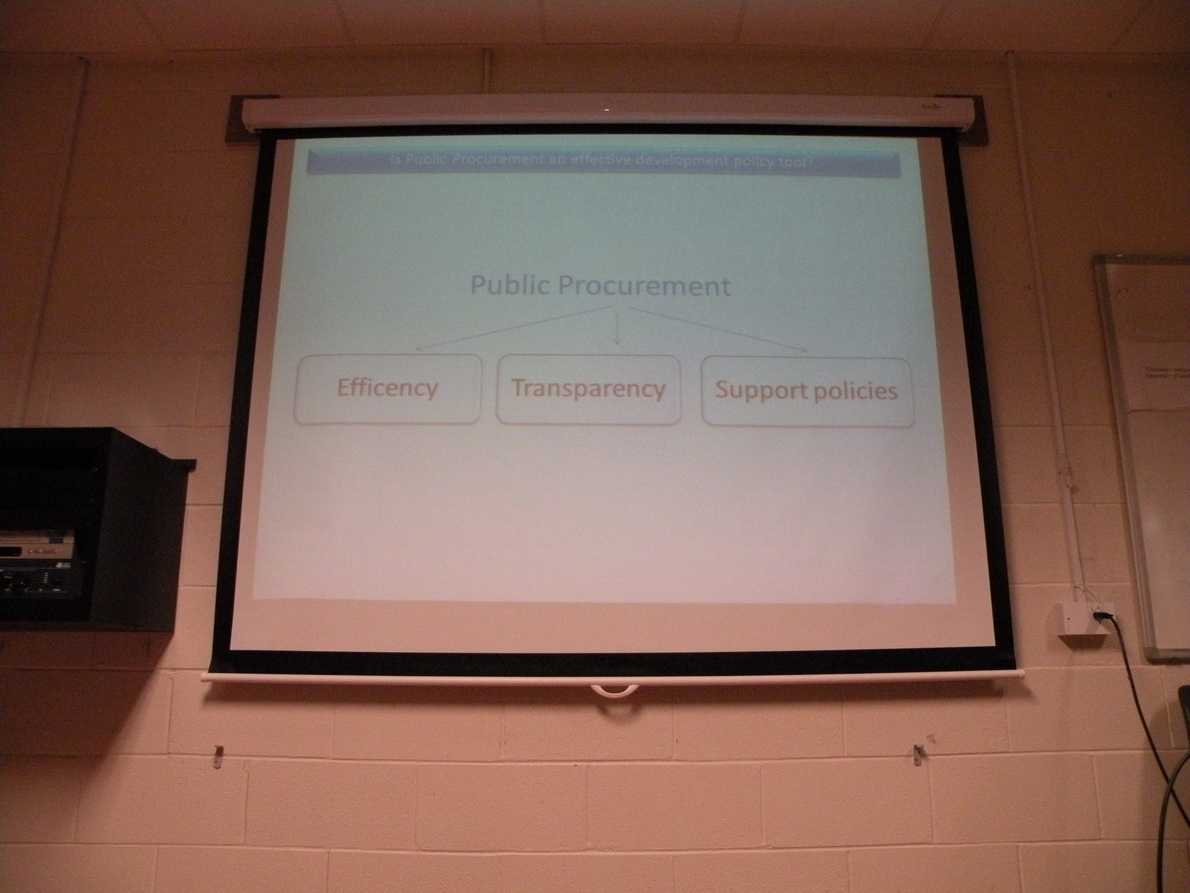
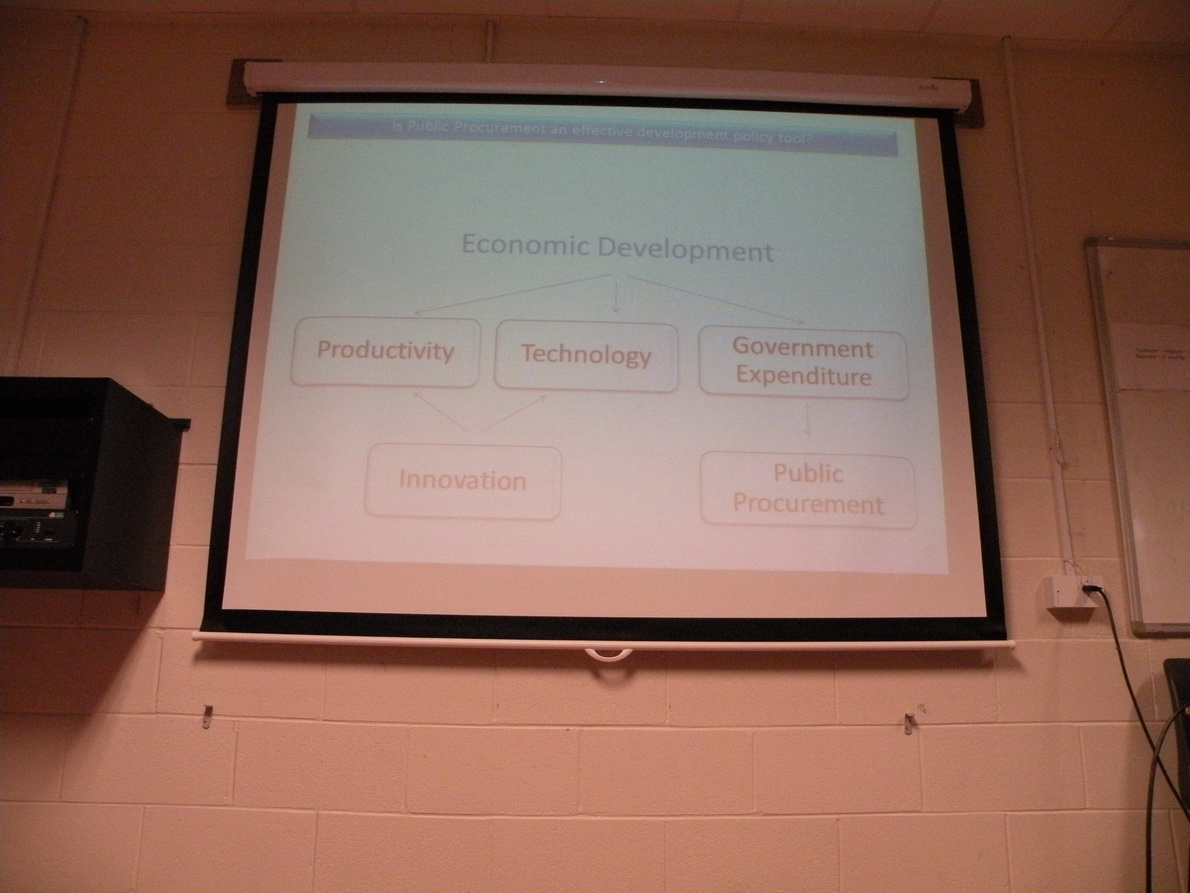
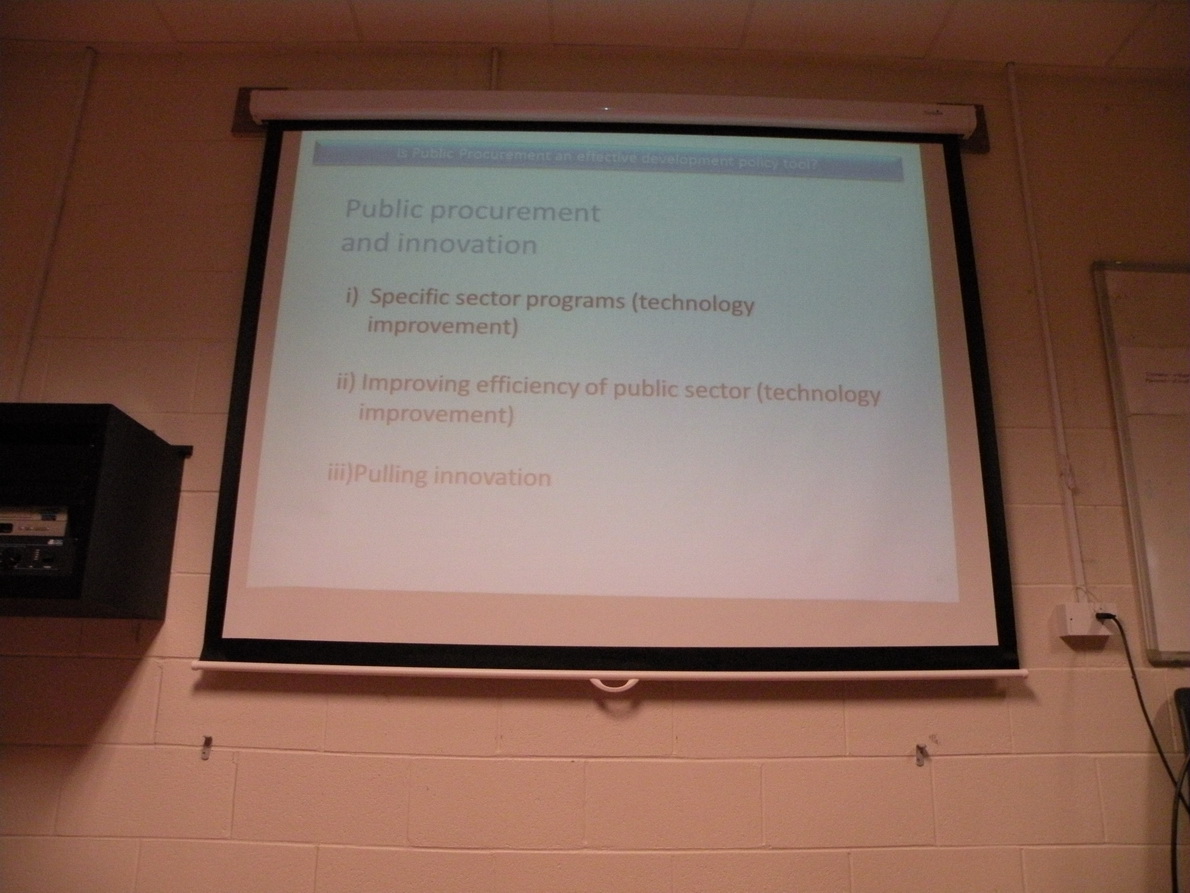
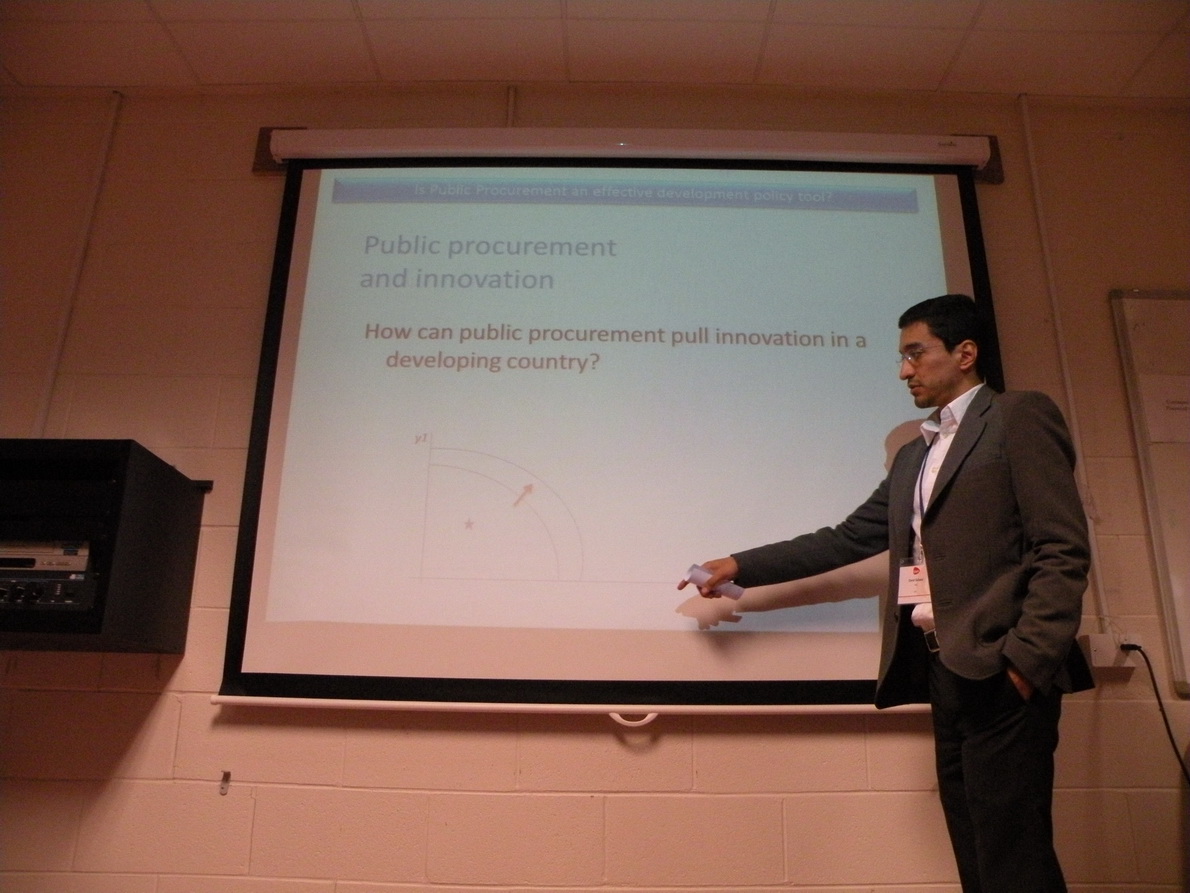
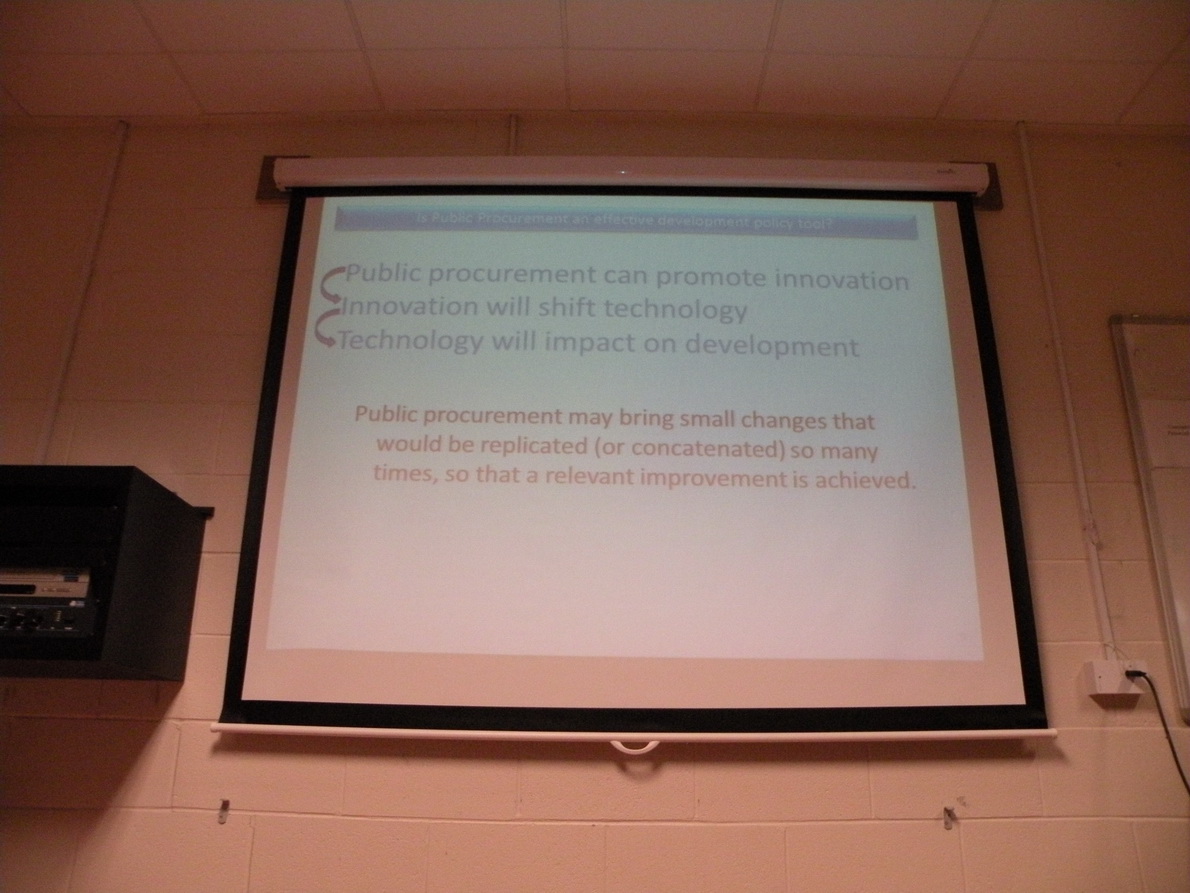
Is Public Procurement An Effective Development Policy Tool? David Salazar

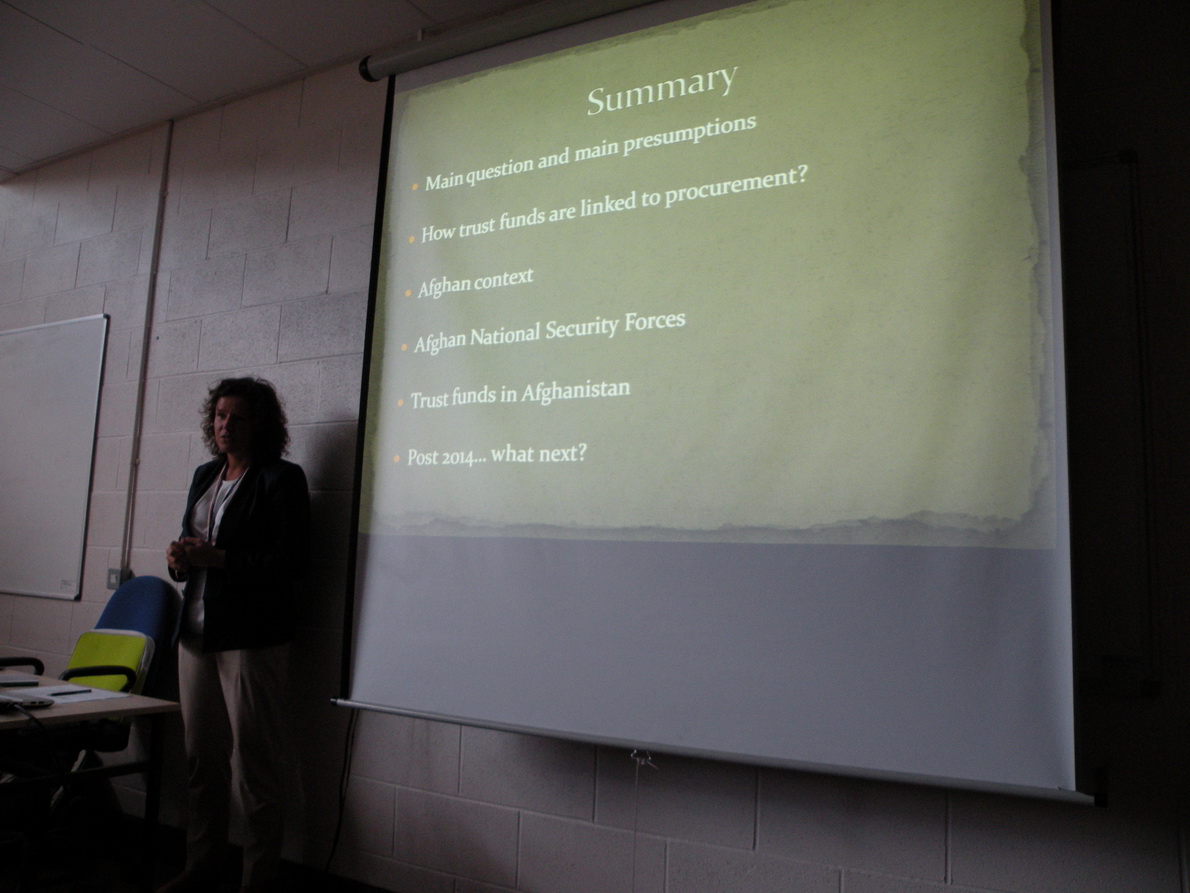
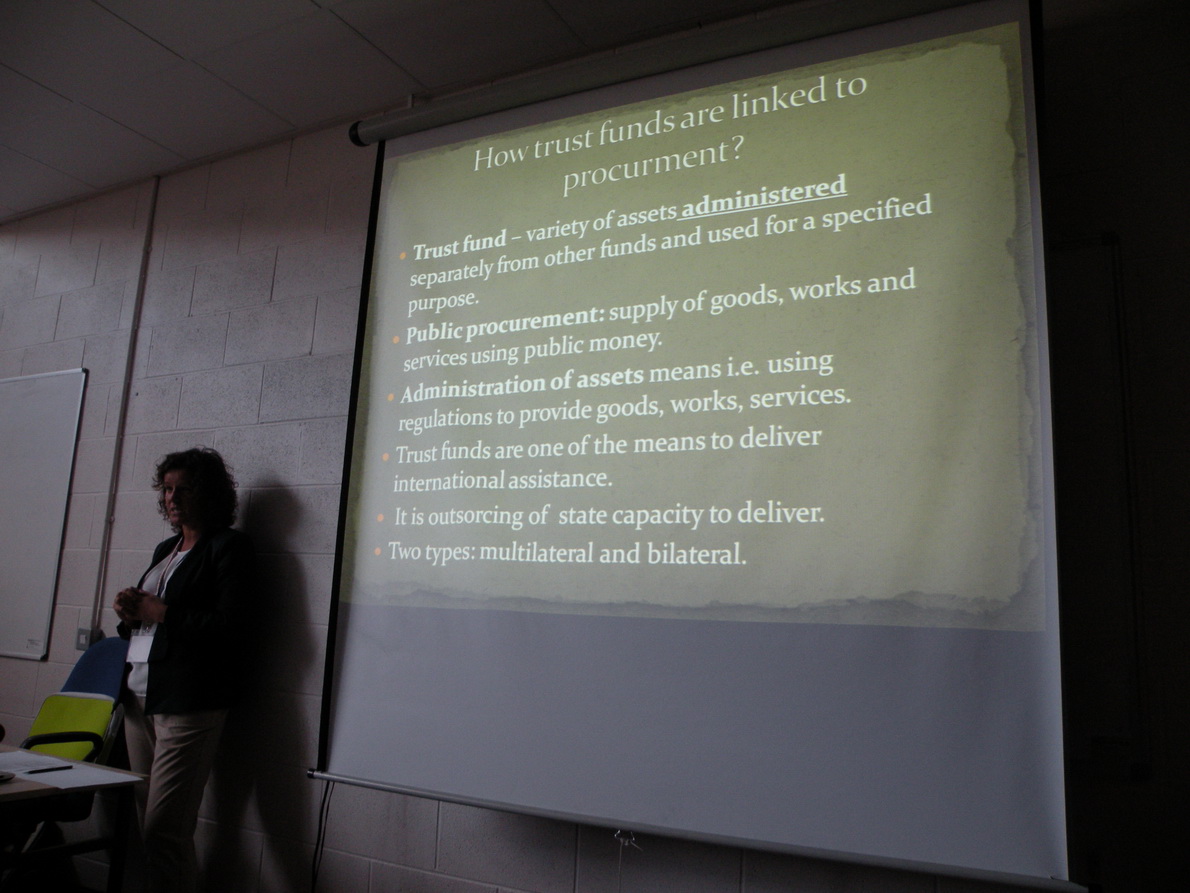
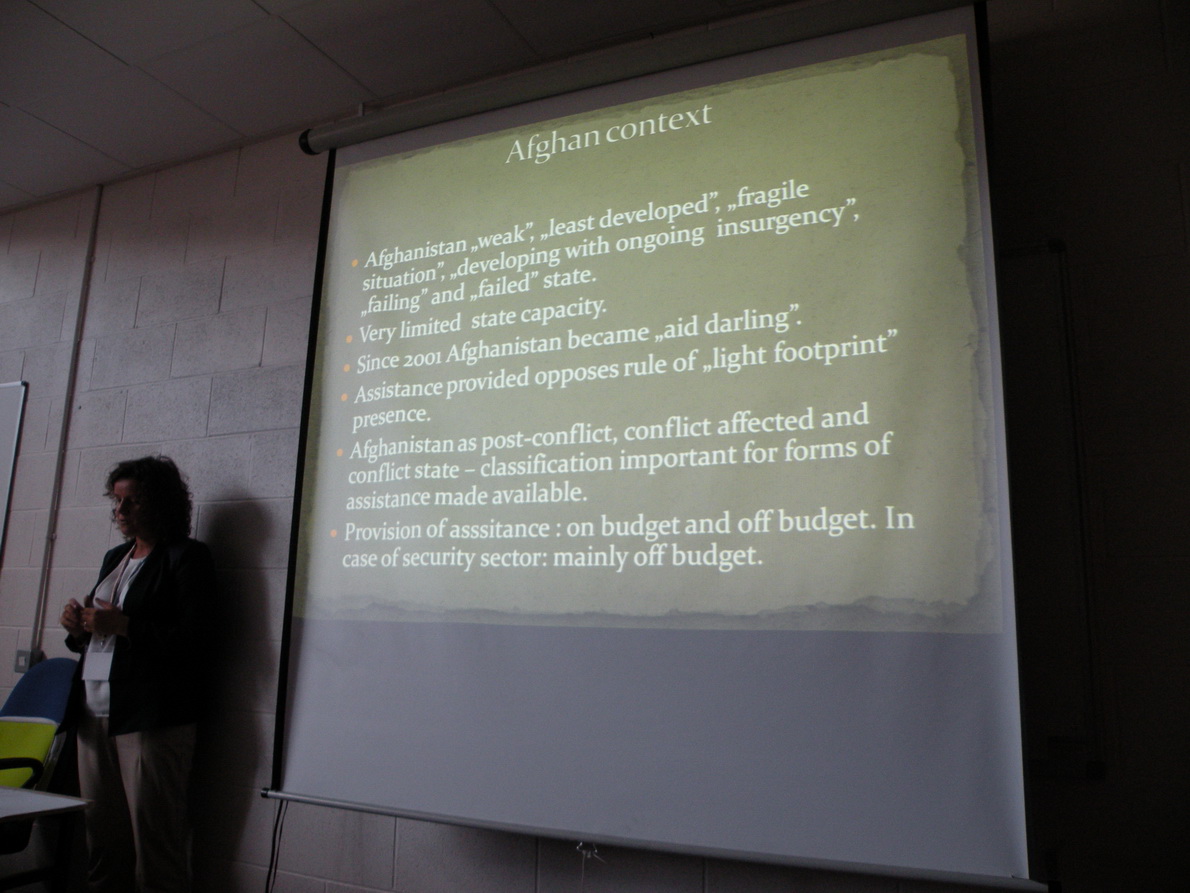
TRUST FUNDS FOR SECURITY. HELPING THE AFGHAN NATIONAL
SECURITY FORCES TO BE SELF-SUSTAINABLE? Ewa M. Suwara


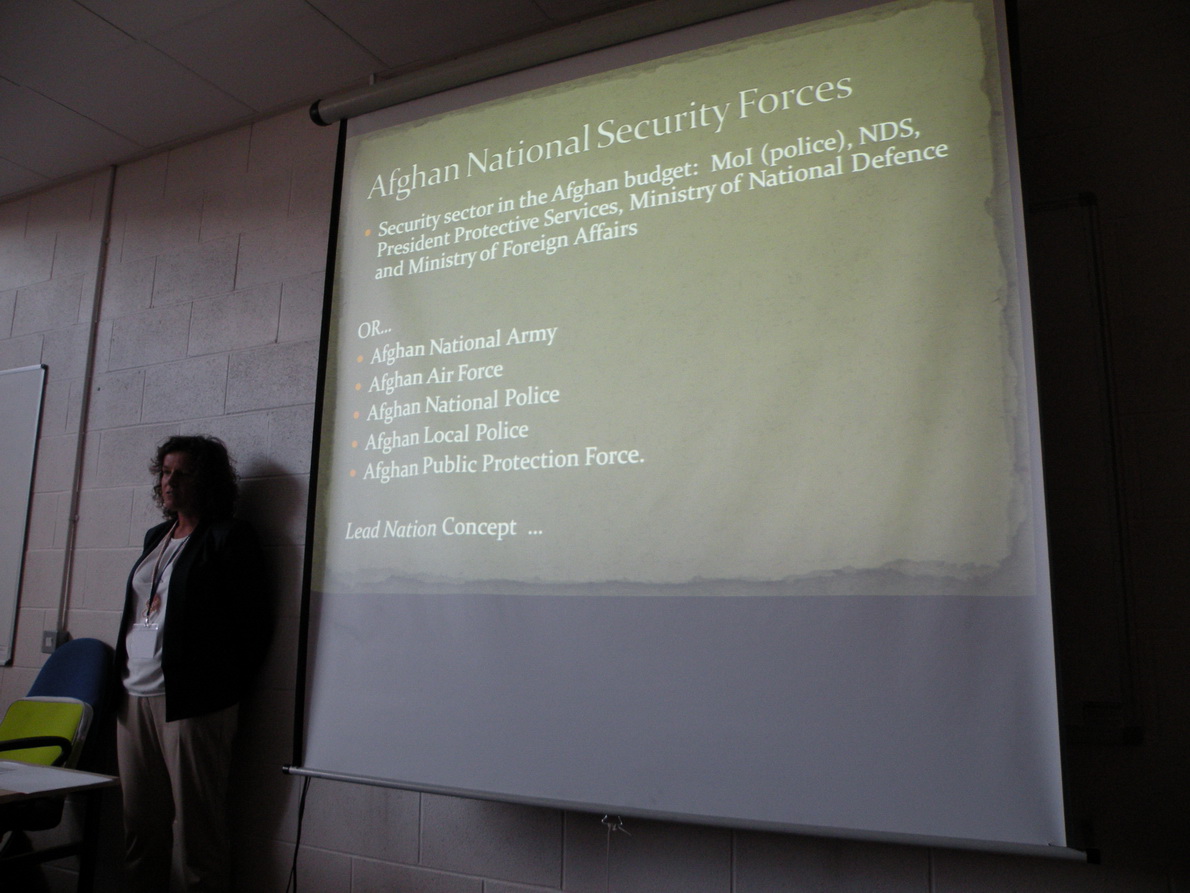

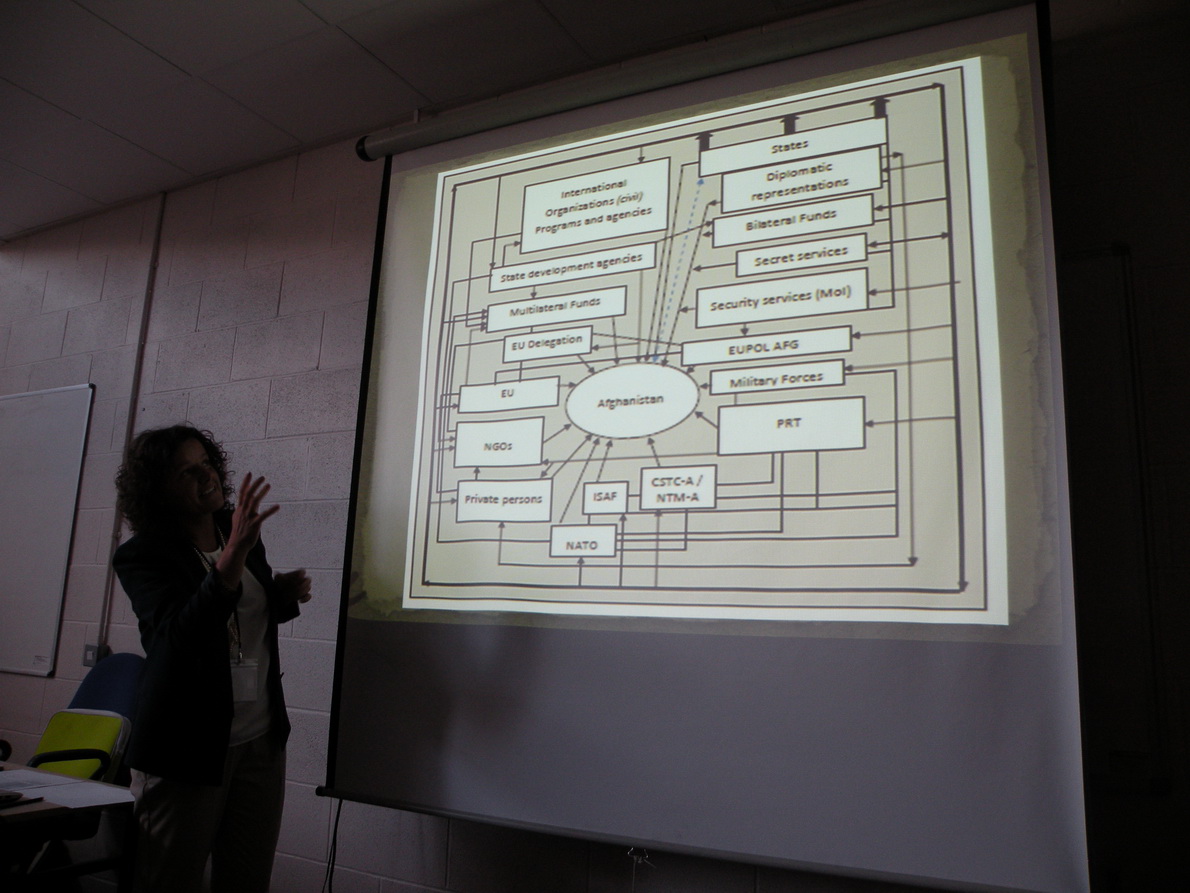
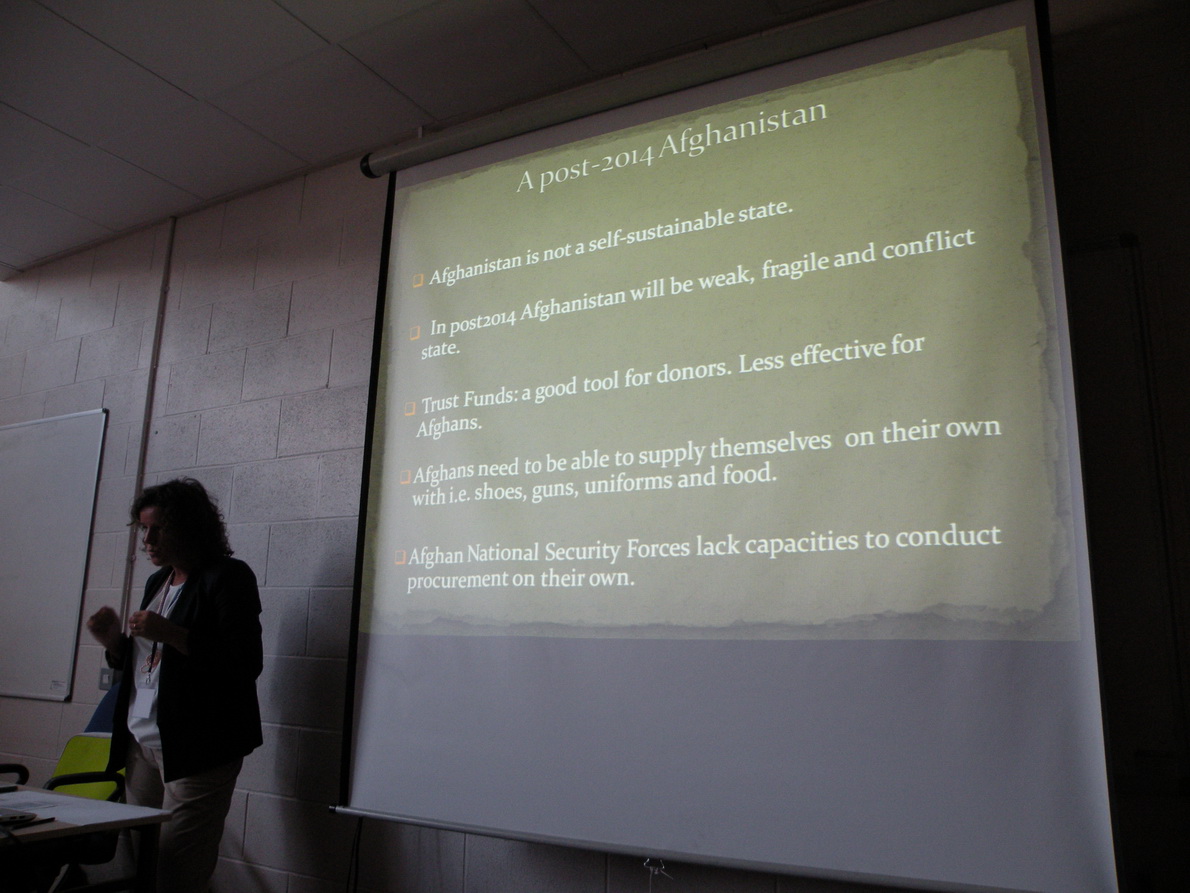
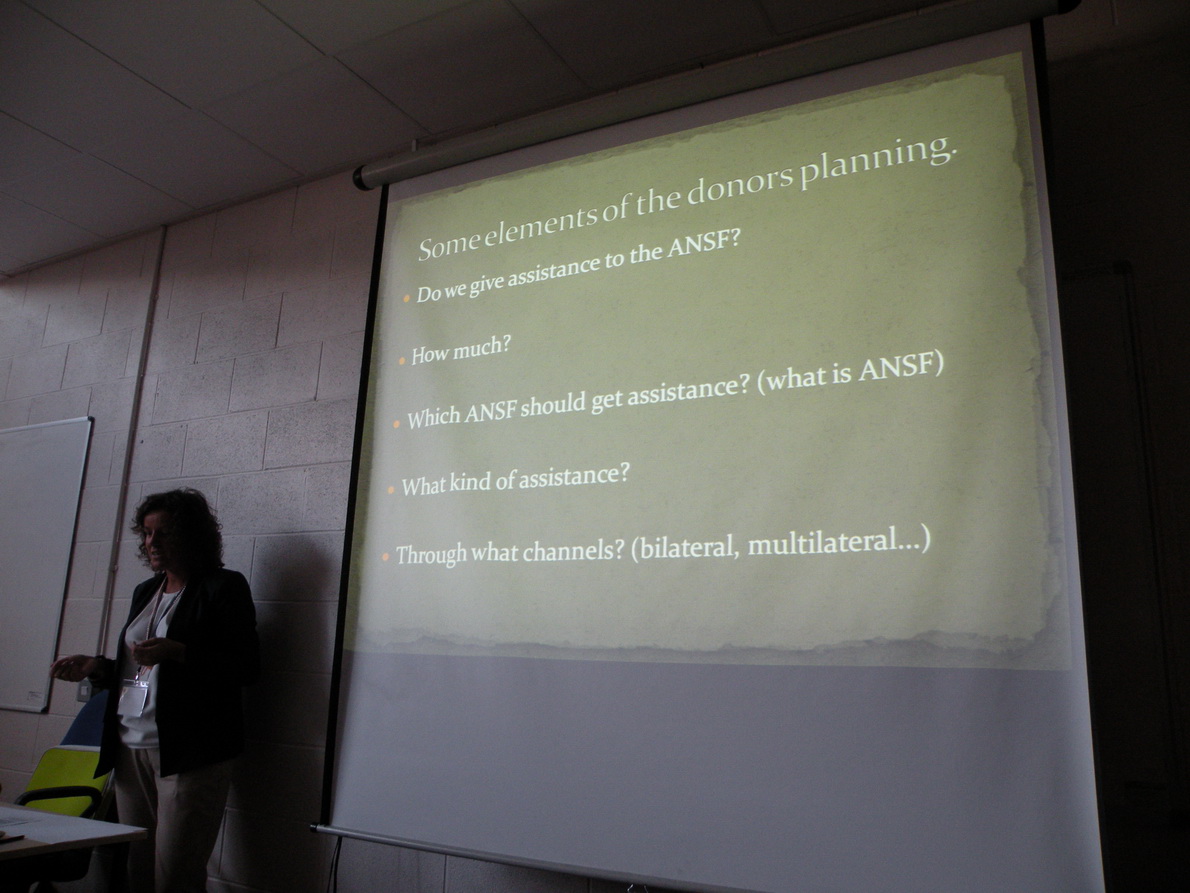
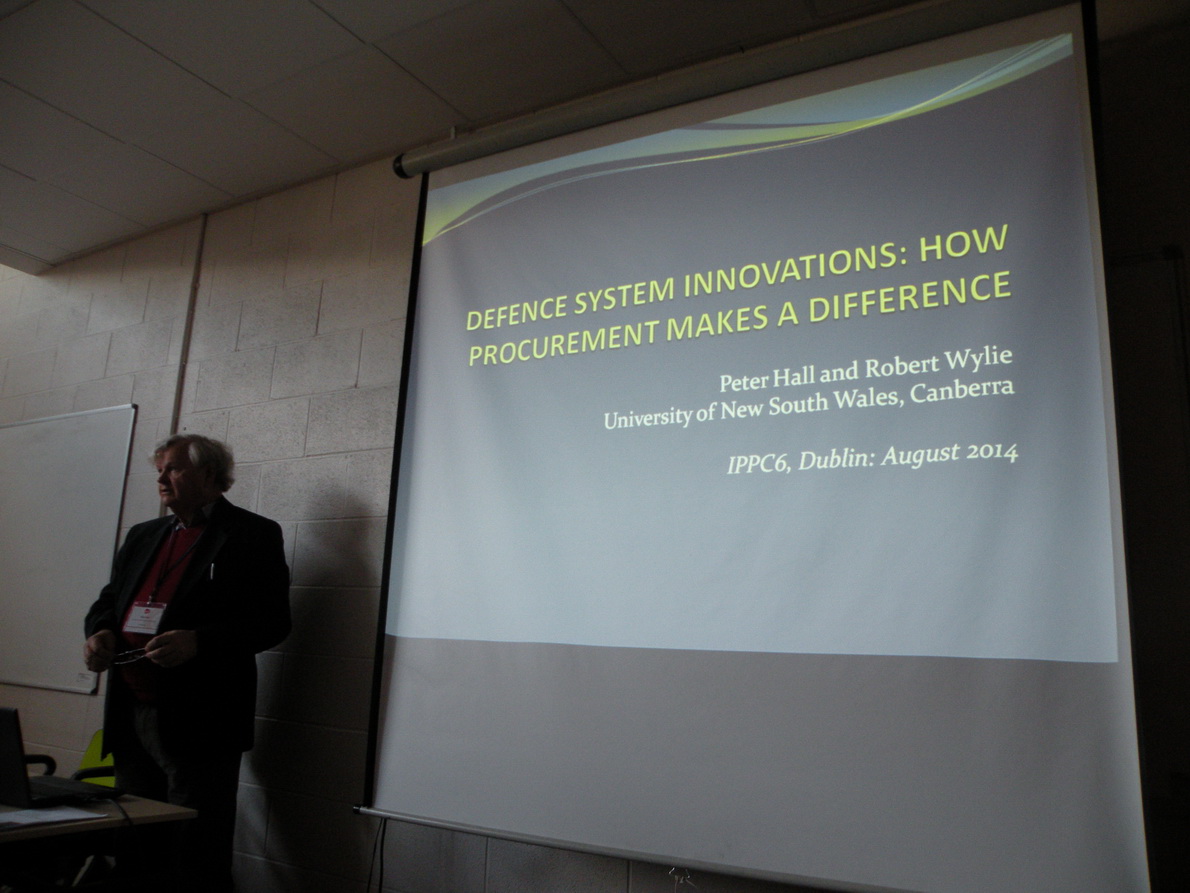
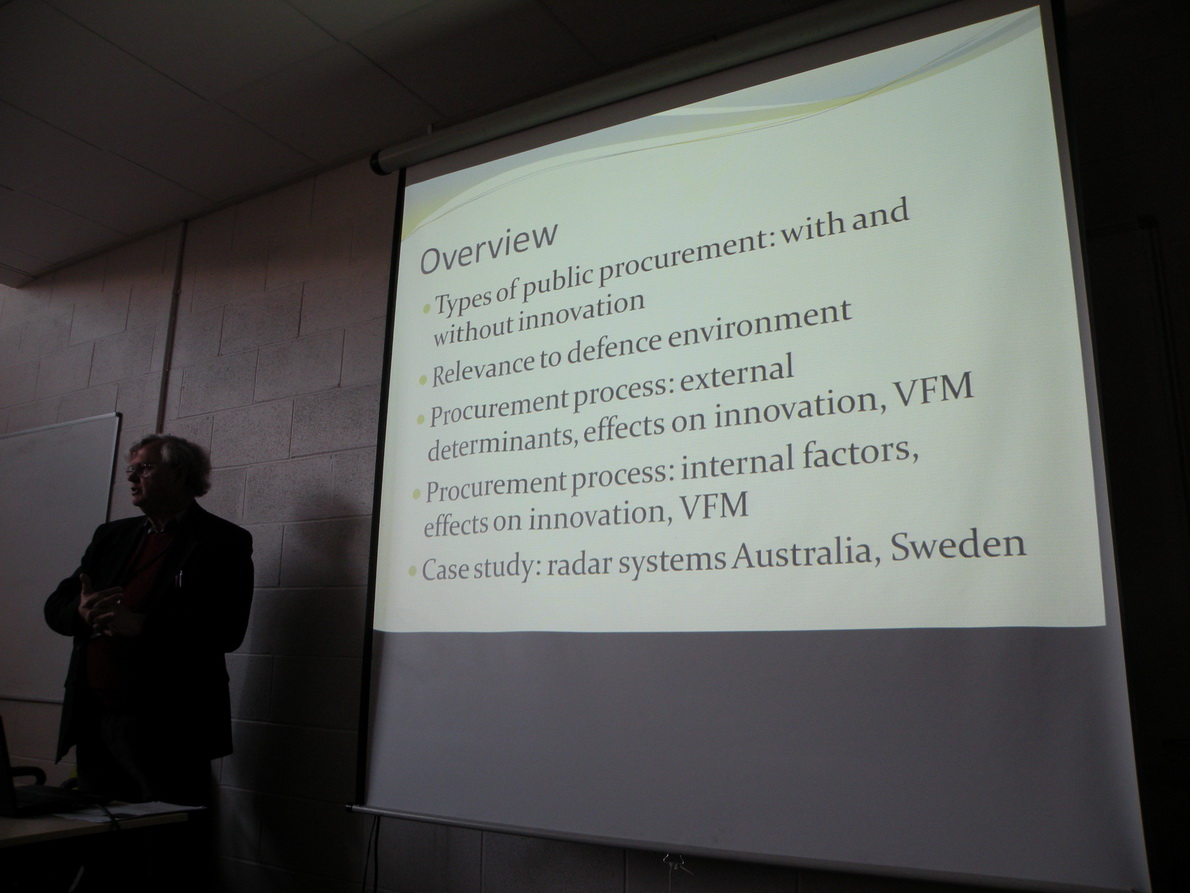
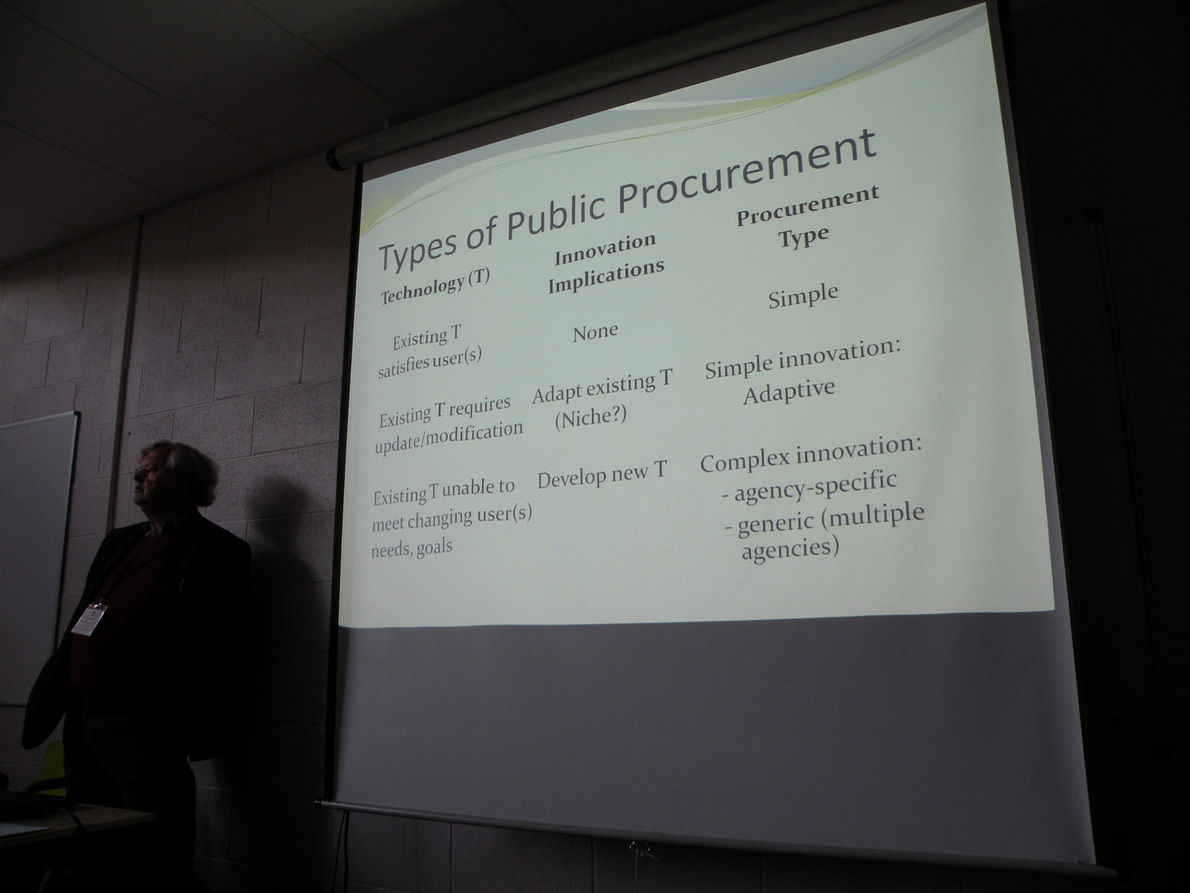
DEFENSE SYSTEM INNOVATIONS: HOW PROCUREMENT MAKES A DIFFERENCE. Peter Hall

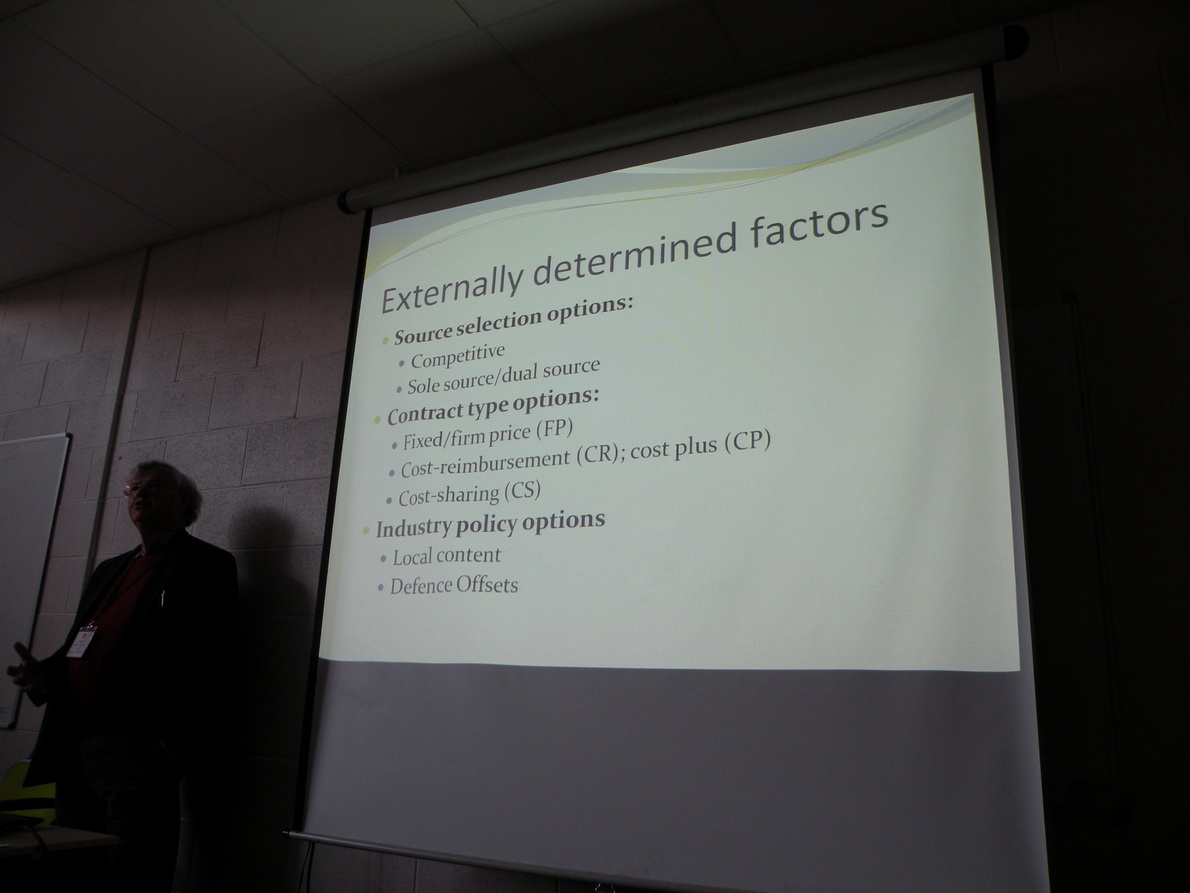

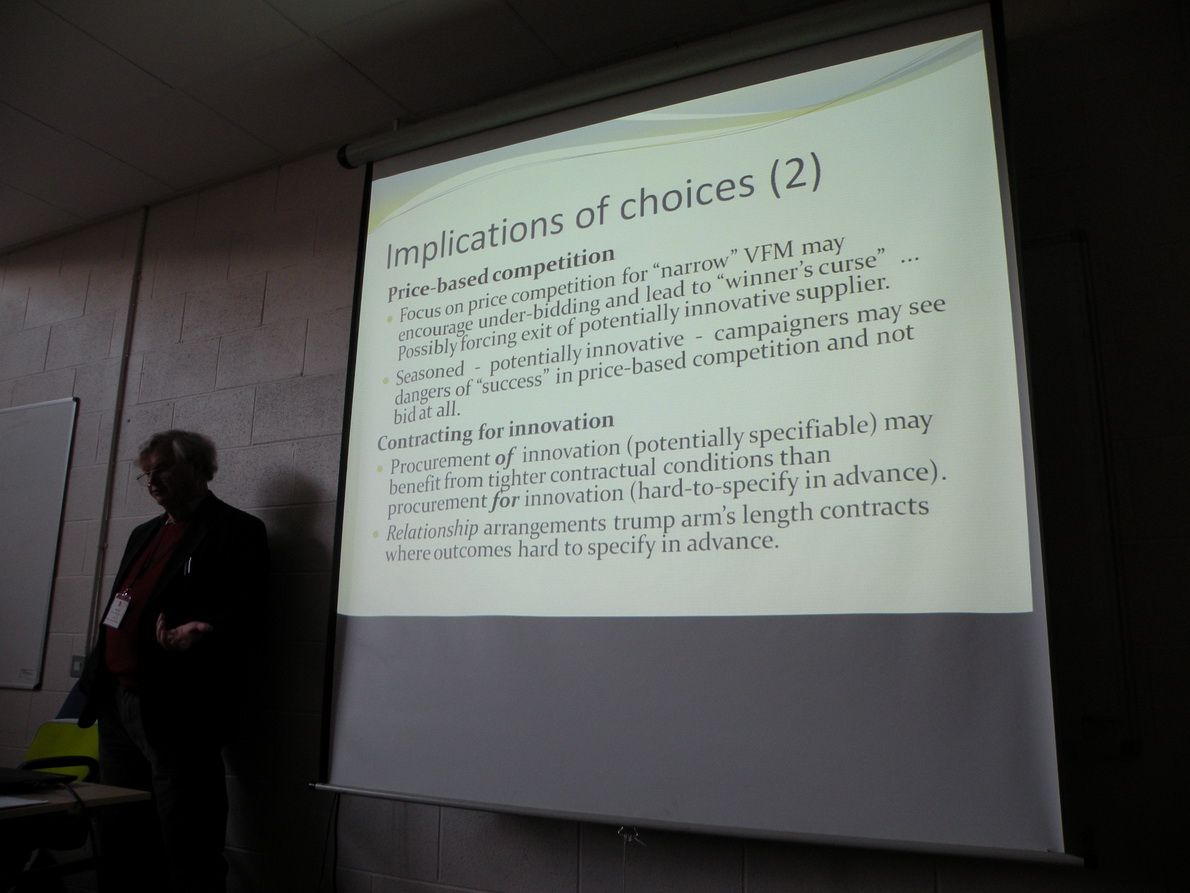

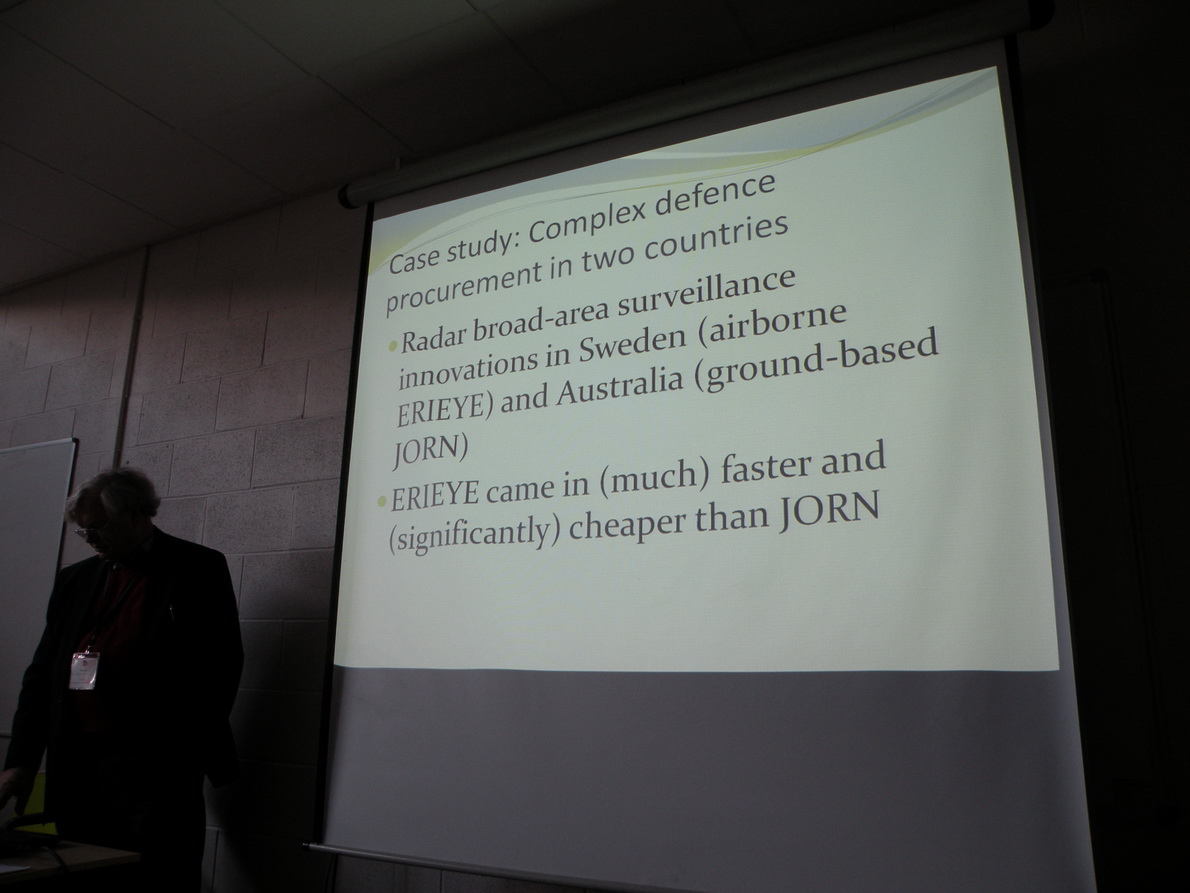
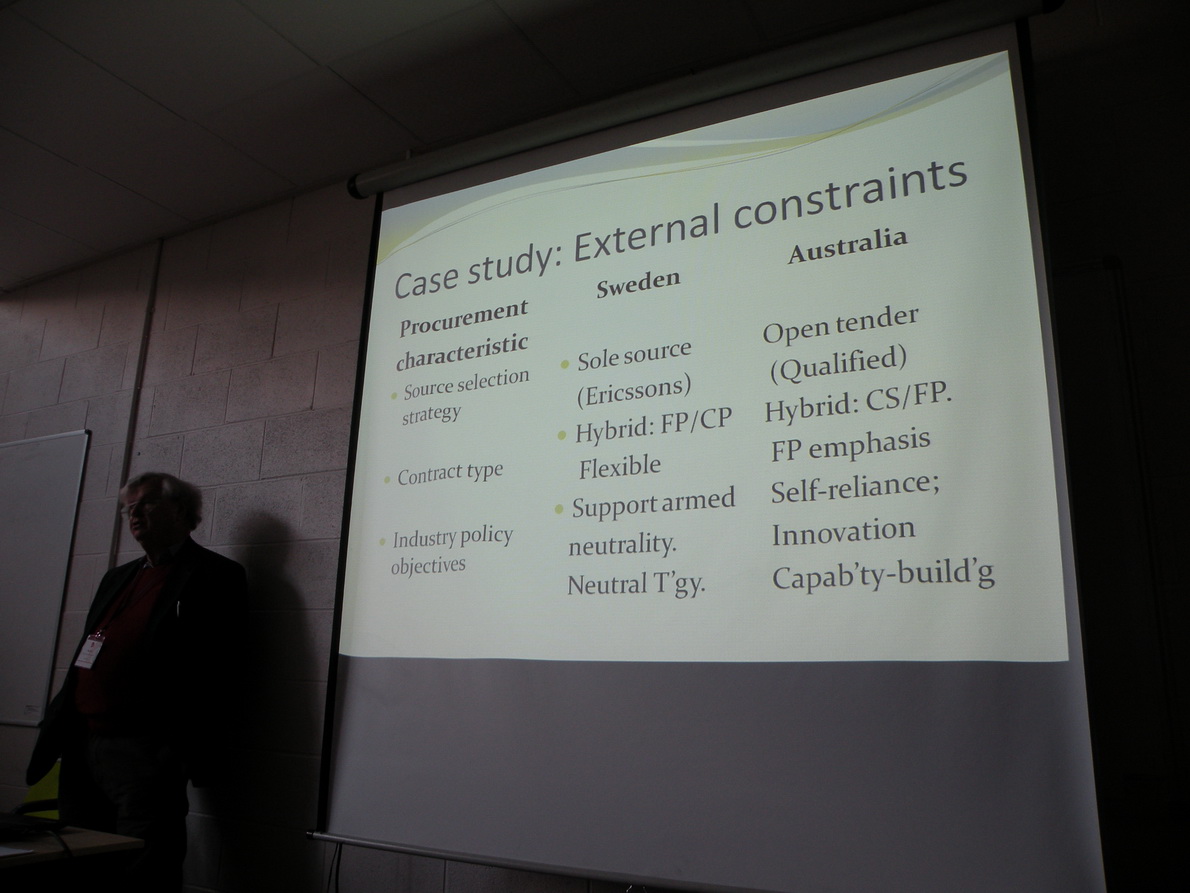
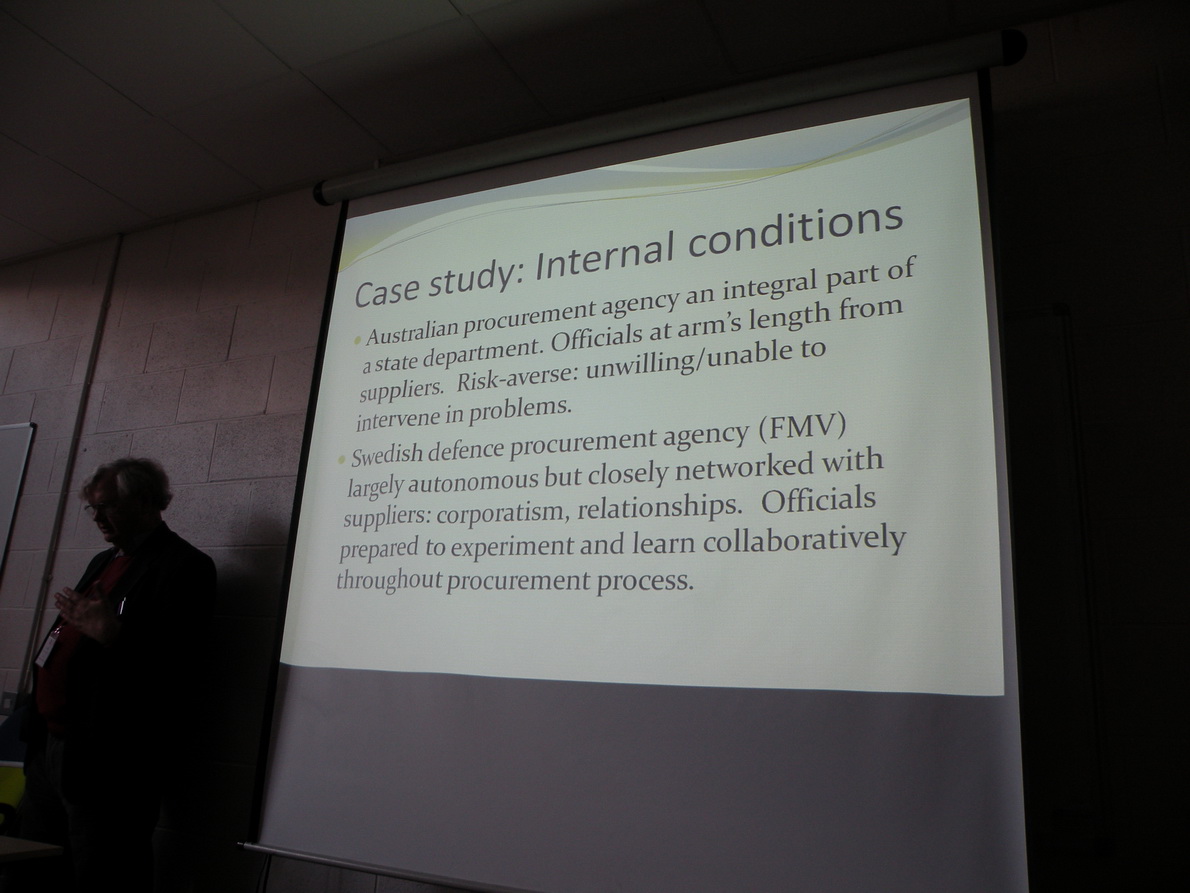
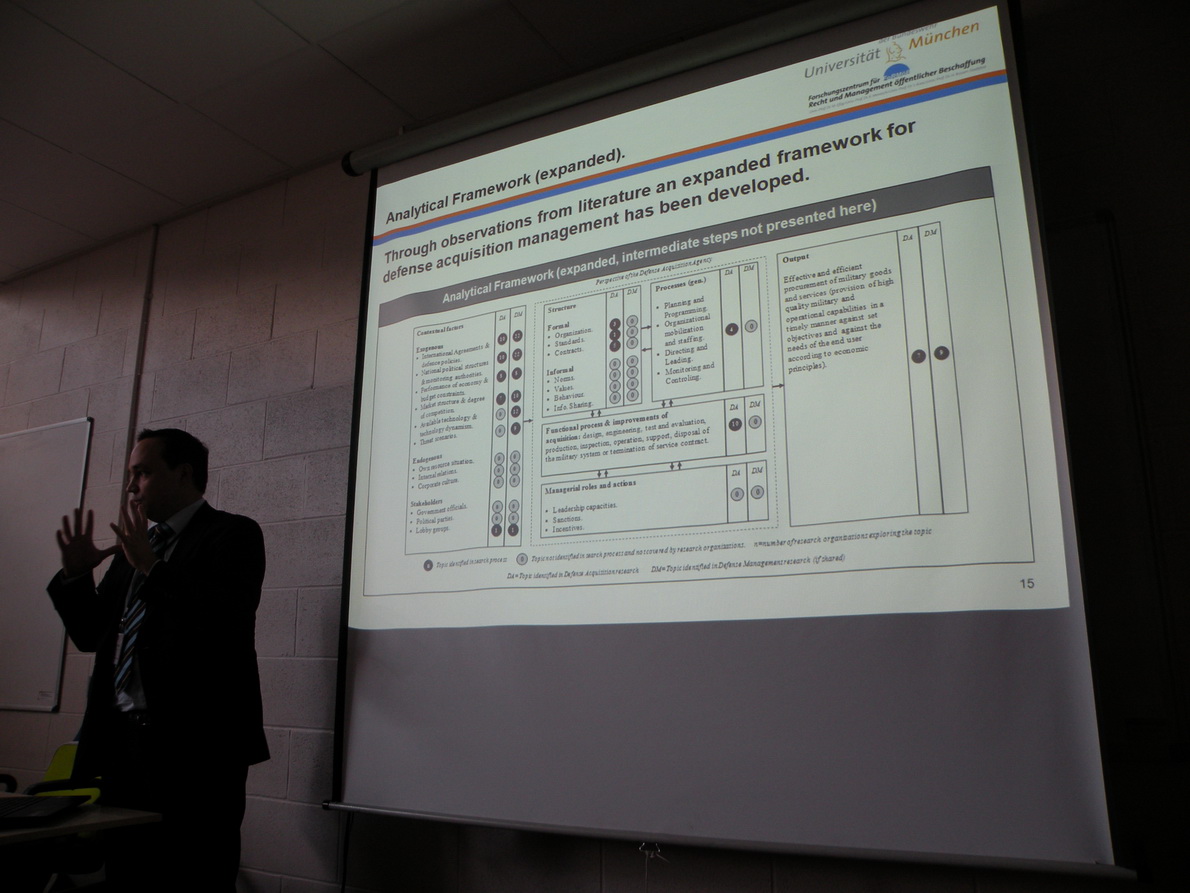
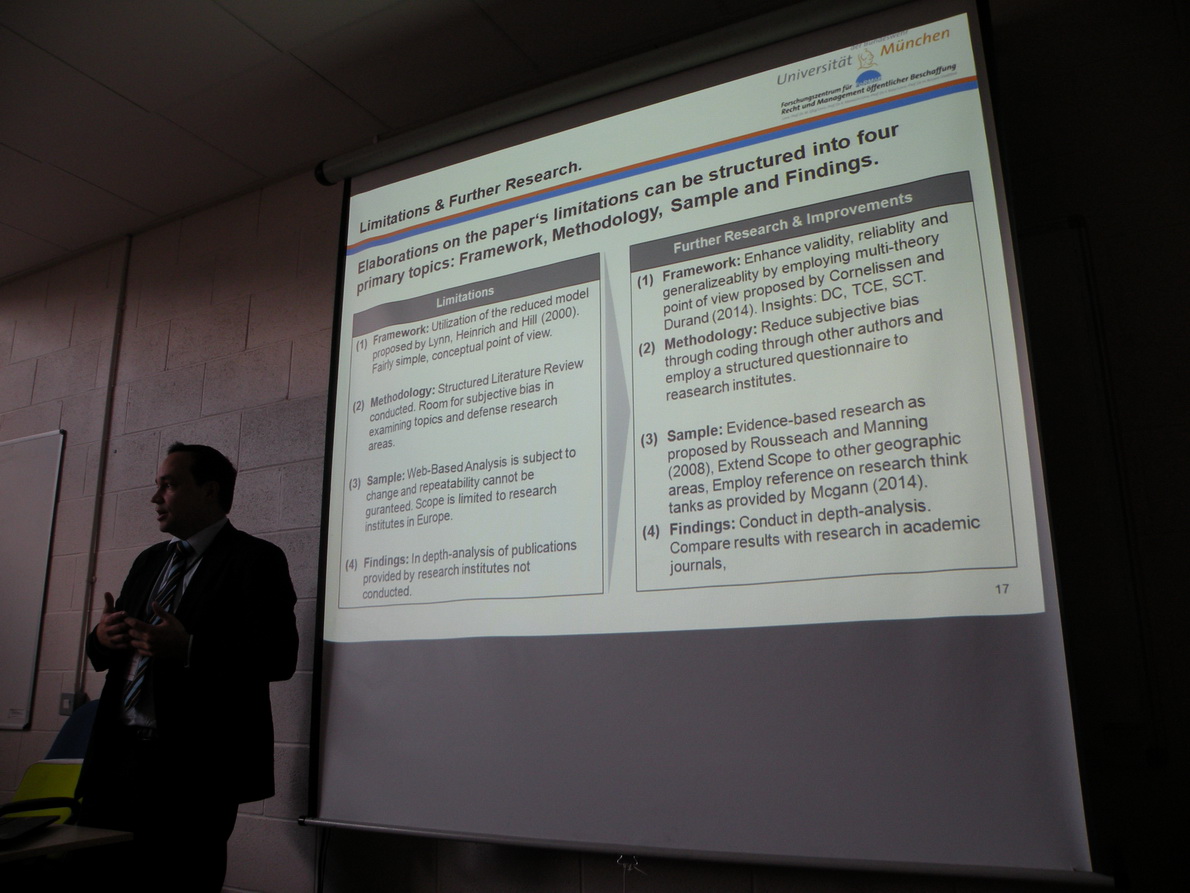
DEFENSE MANAGEMENT RESEARCH CAPACITIES AND TOPICS. Christian v. Deimling
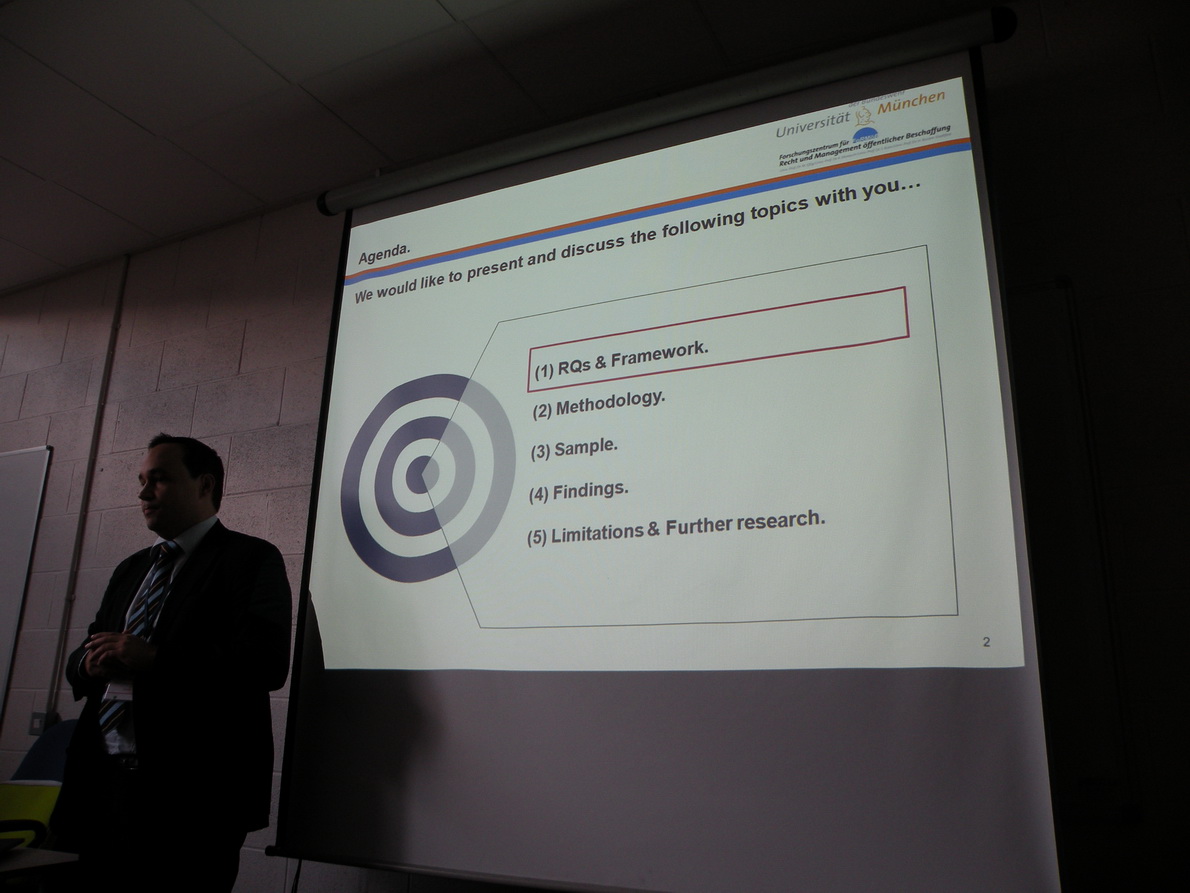
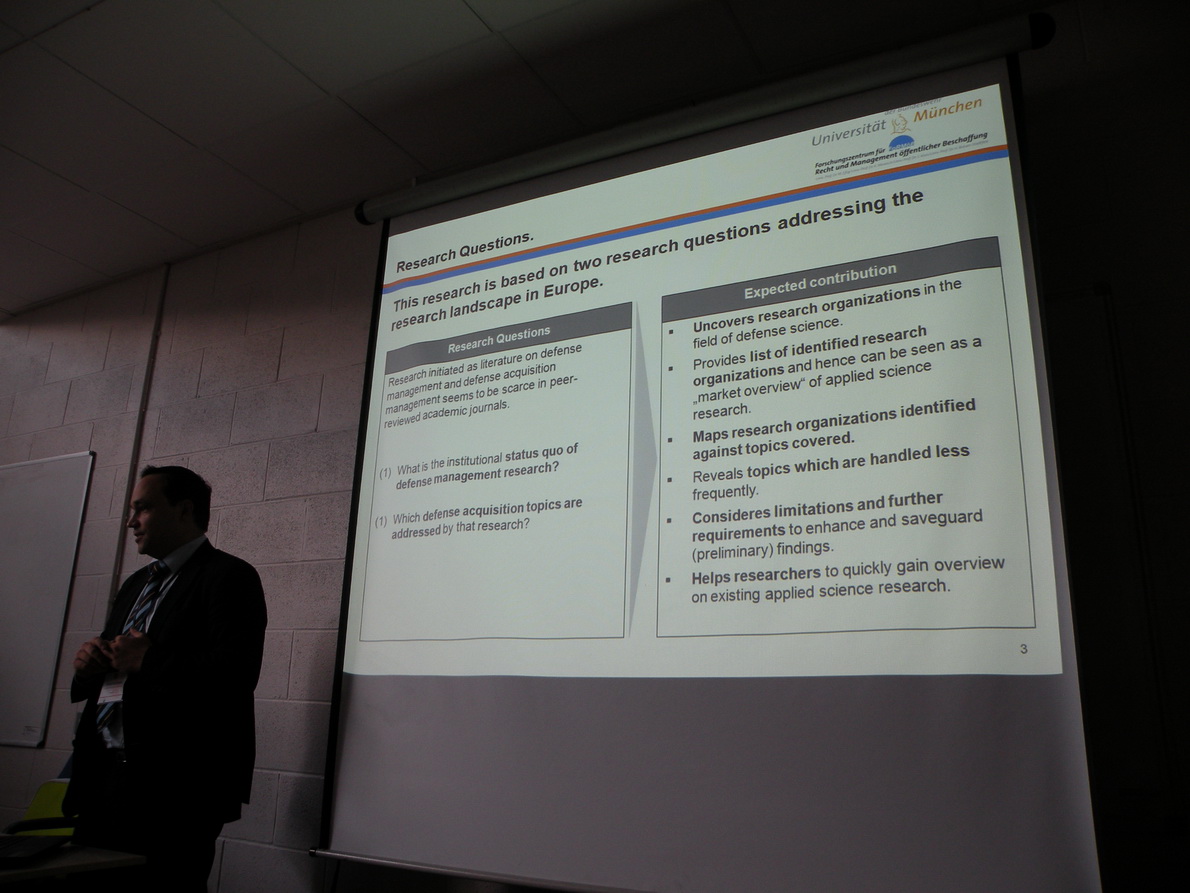
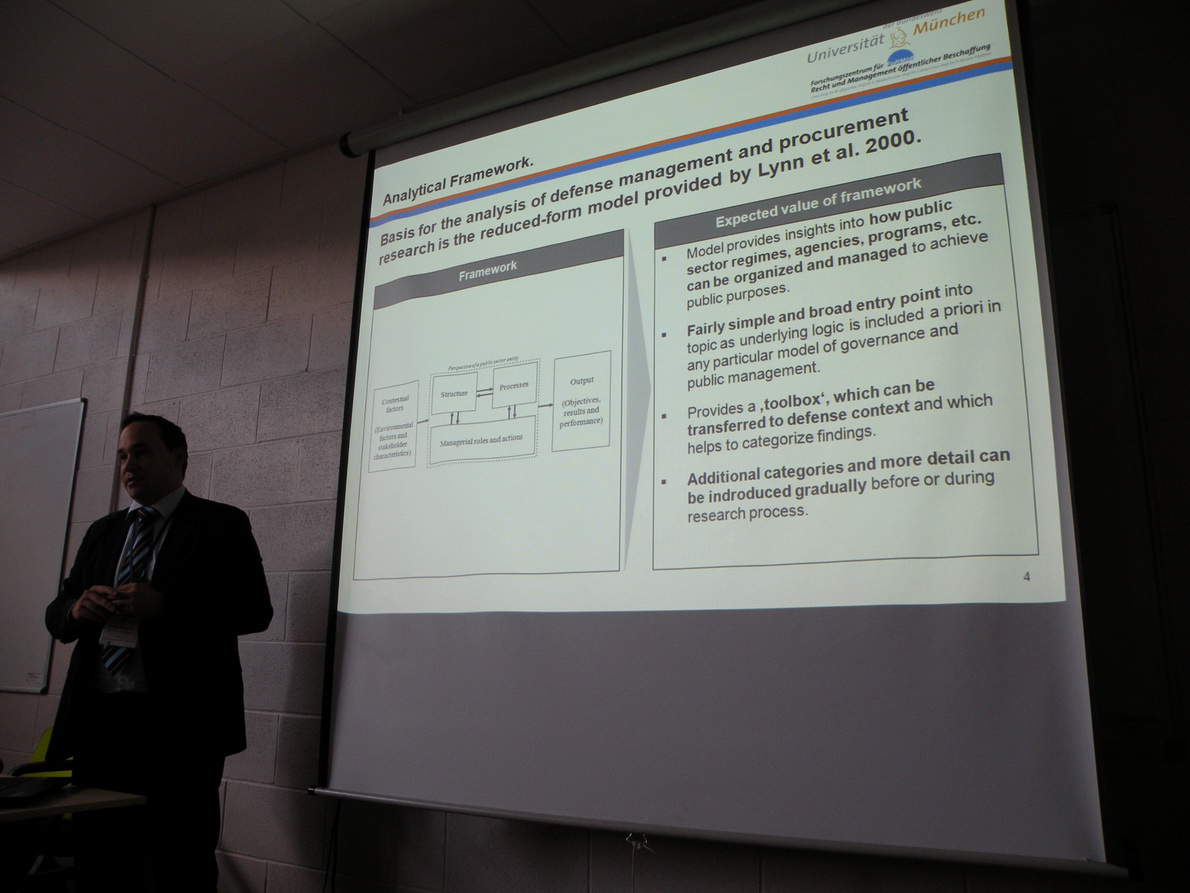
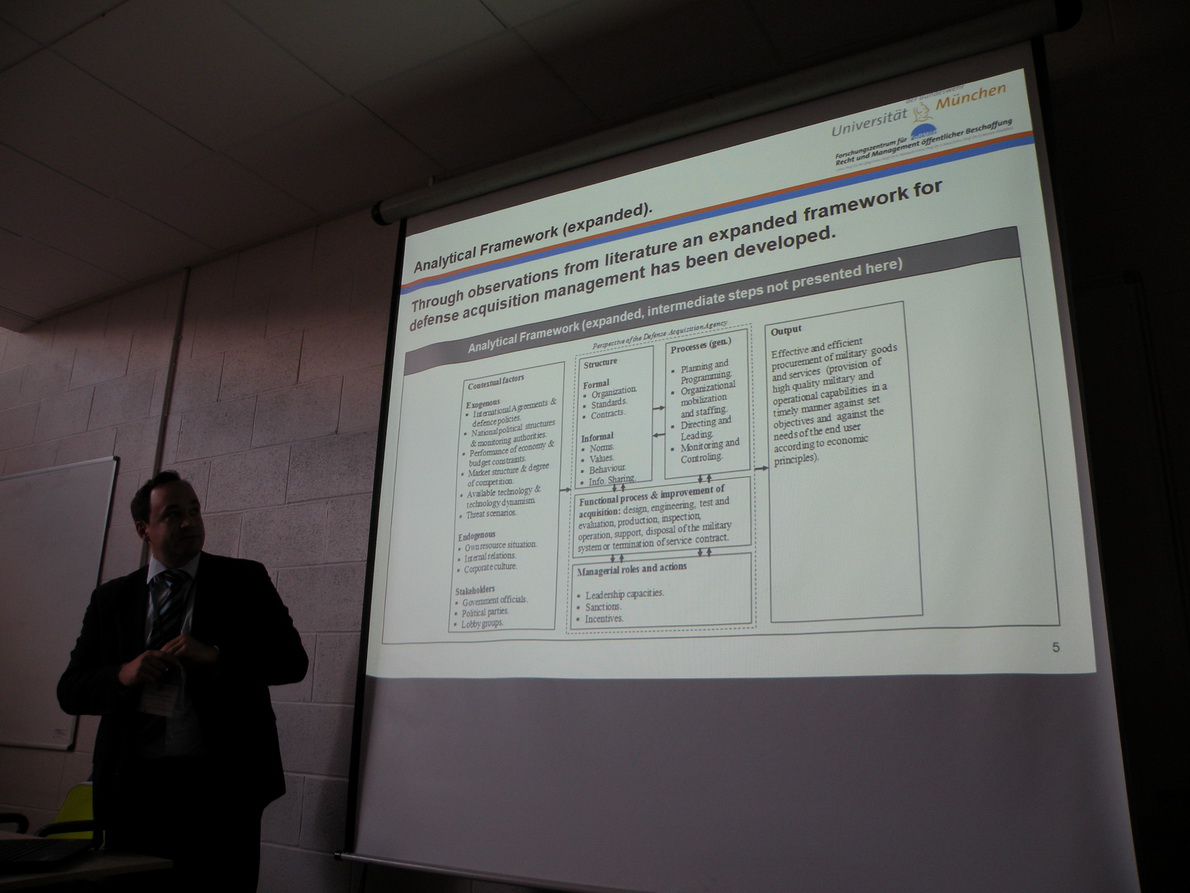
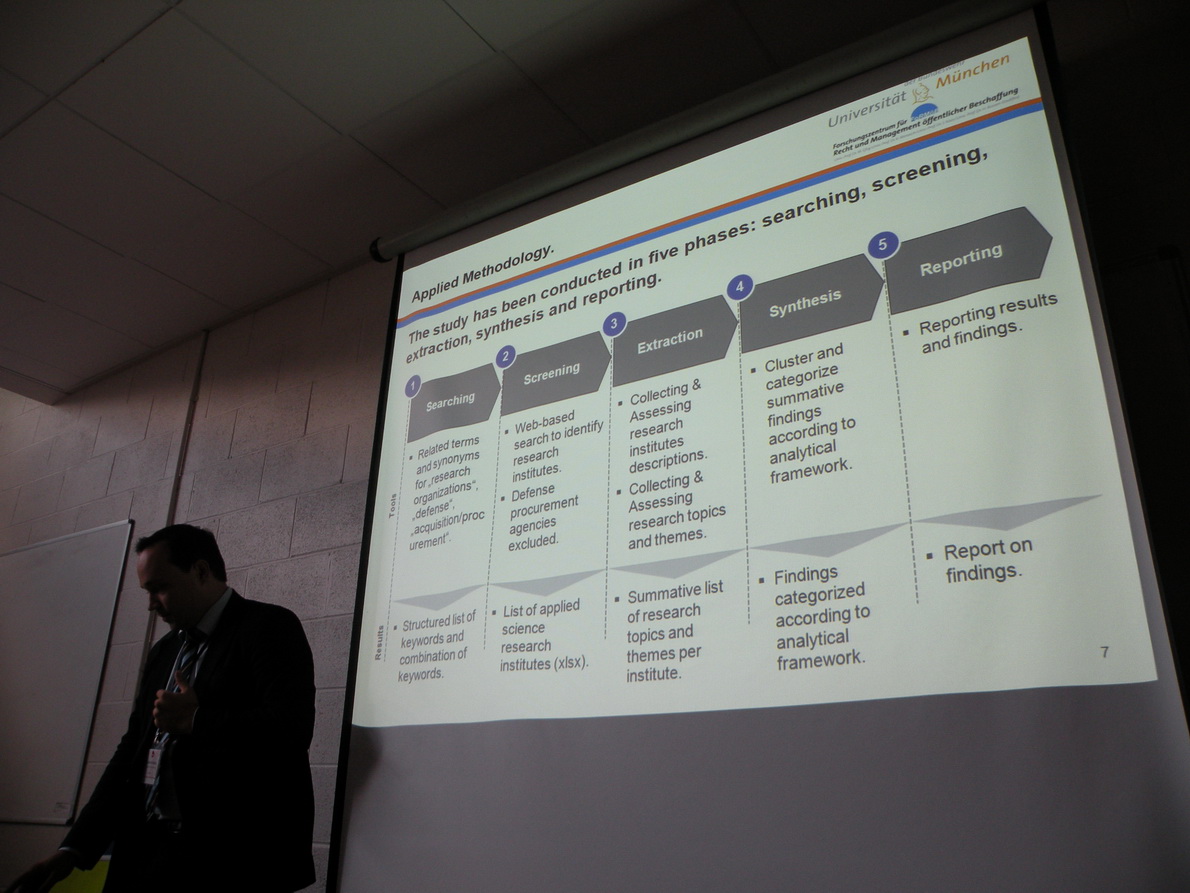
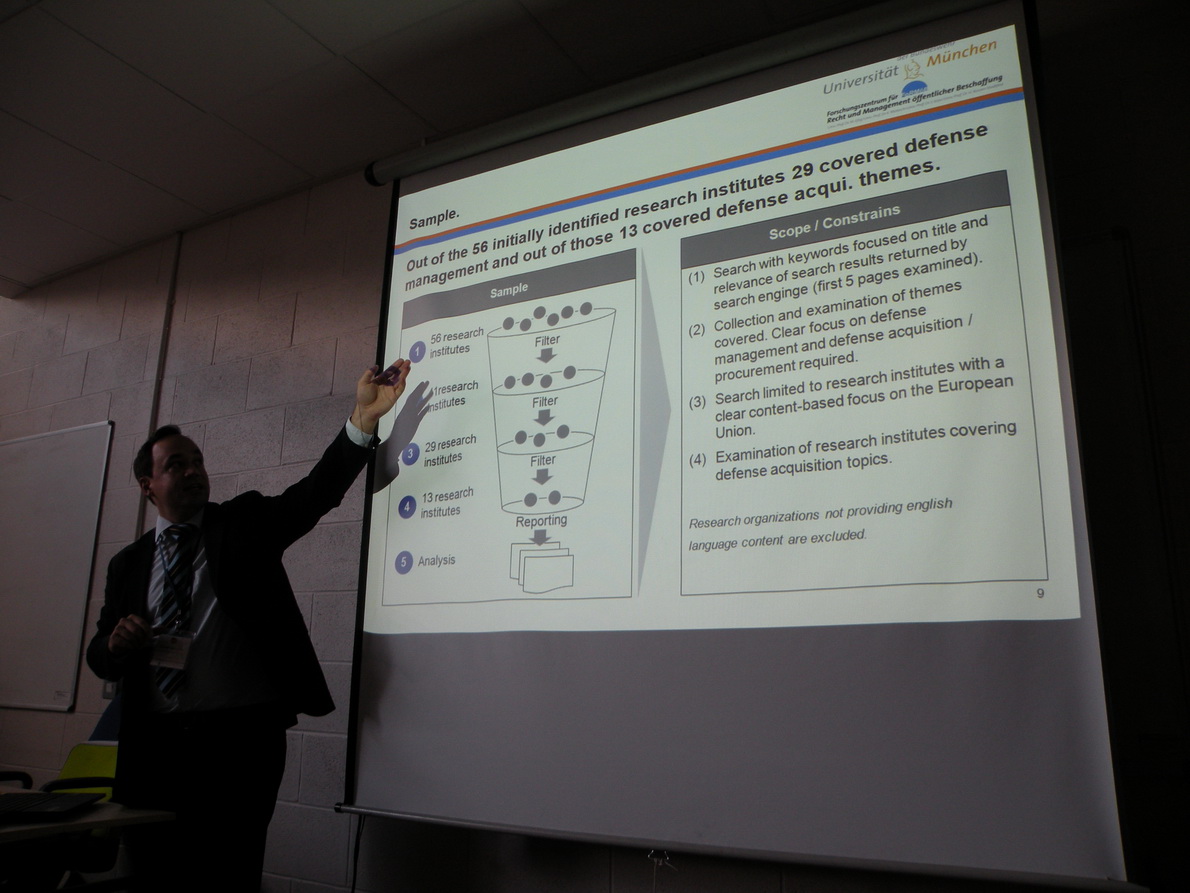


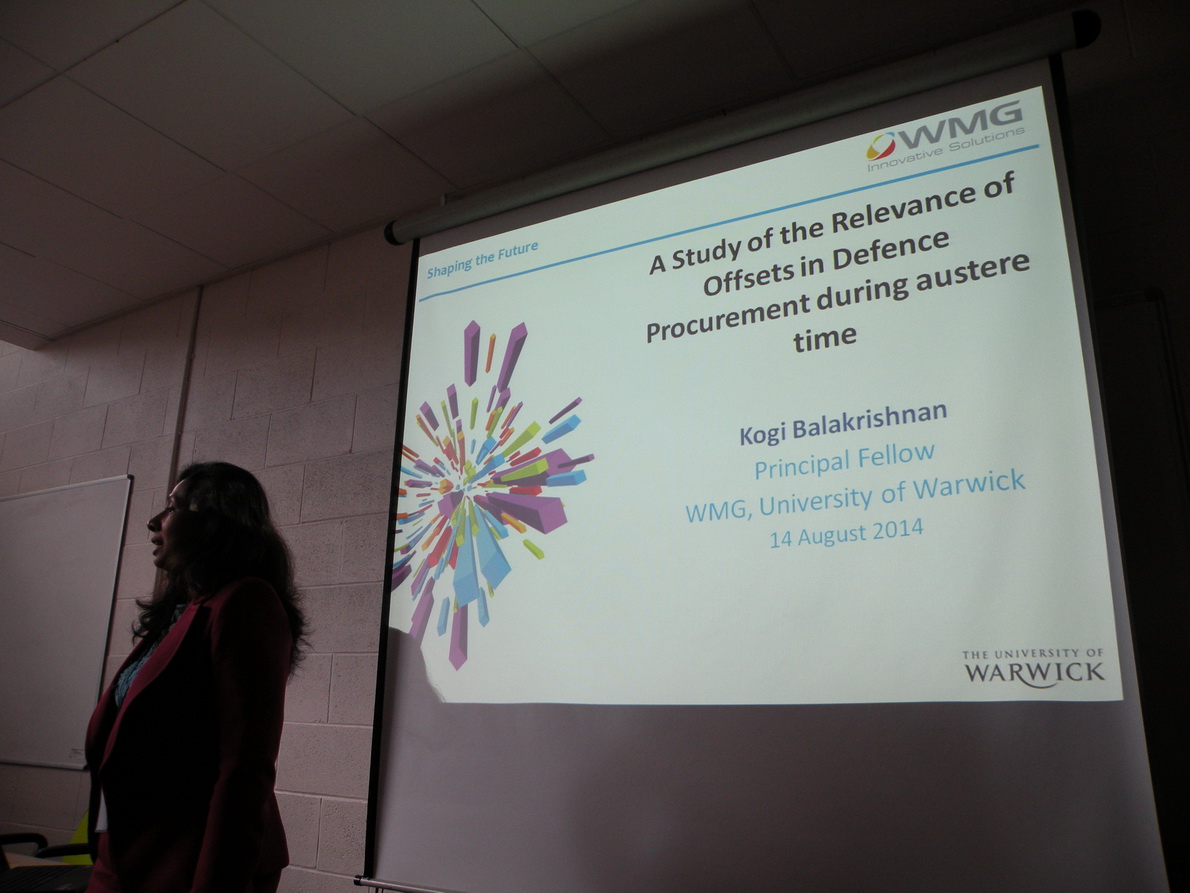
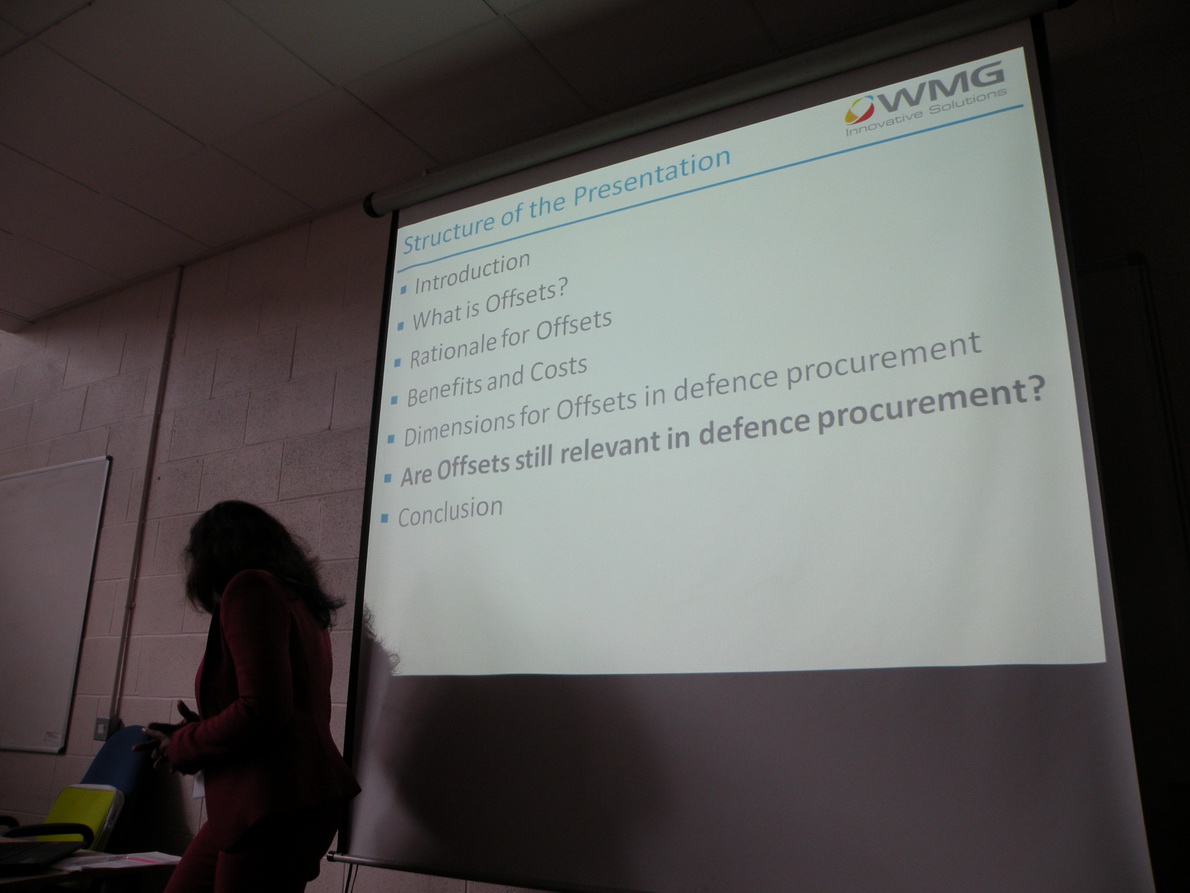
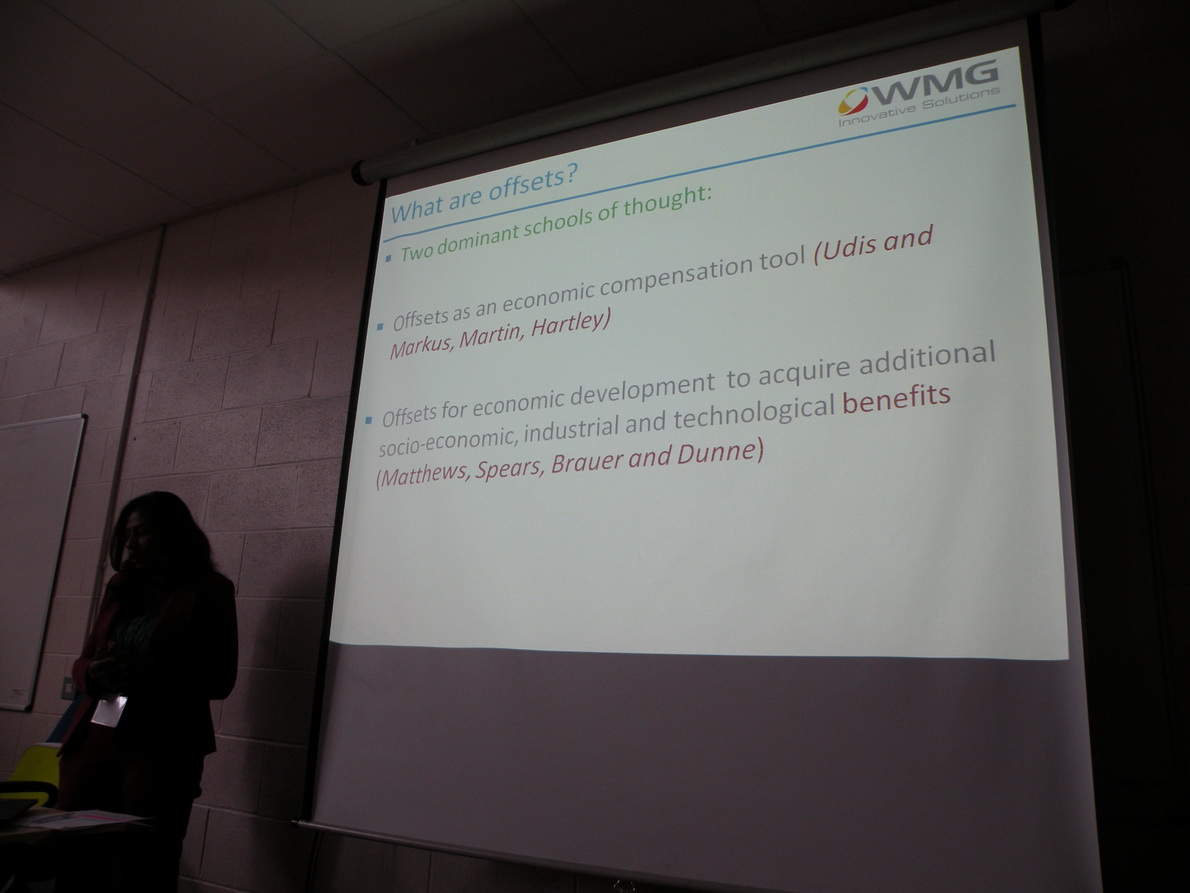
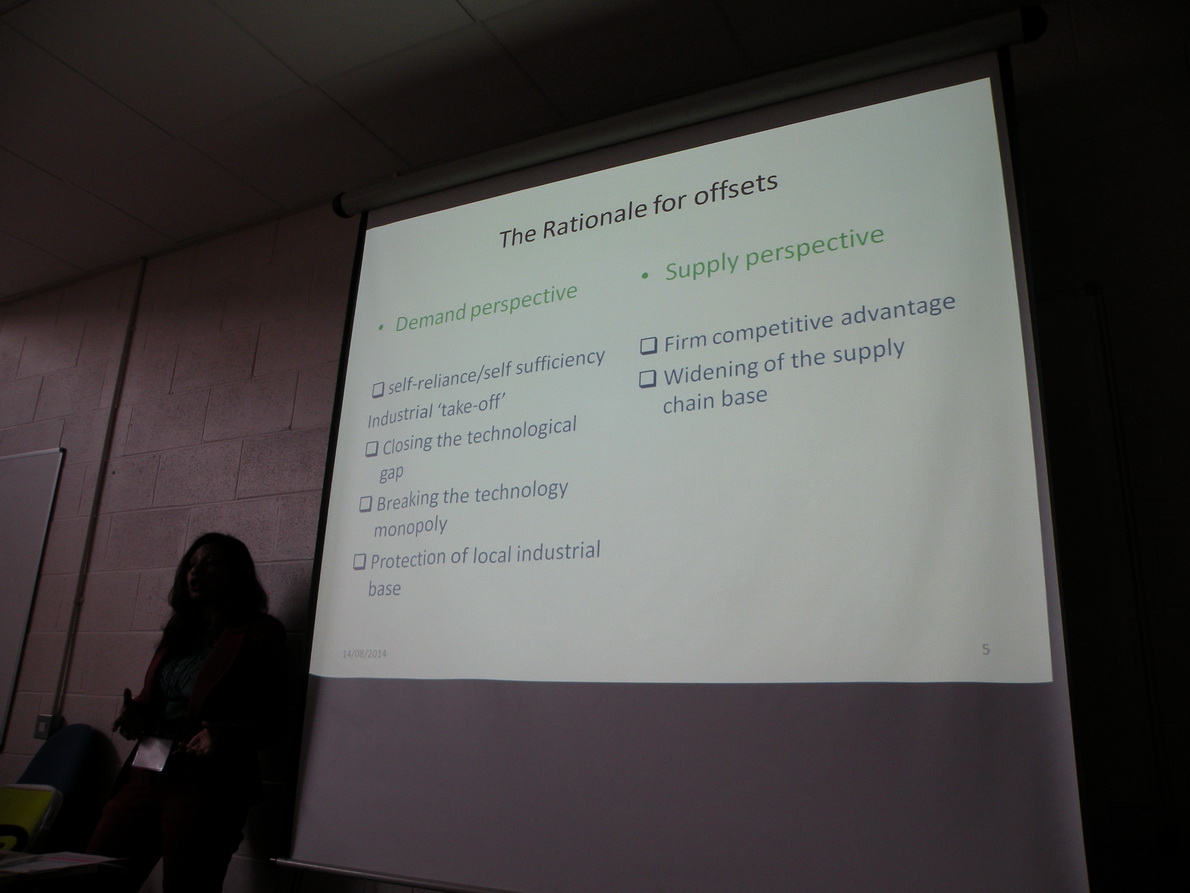
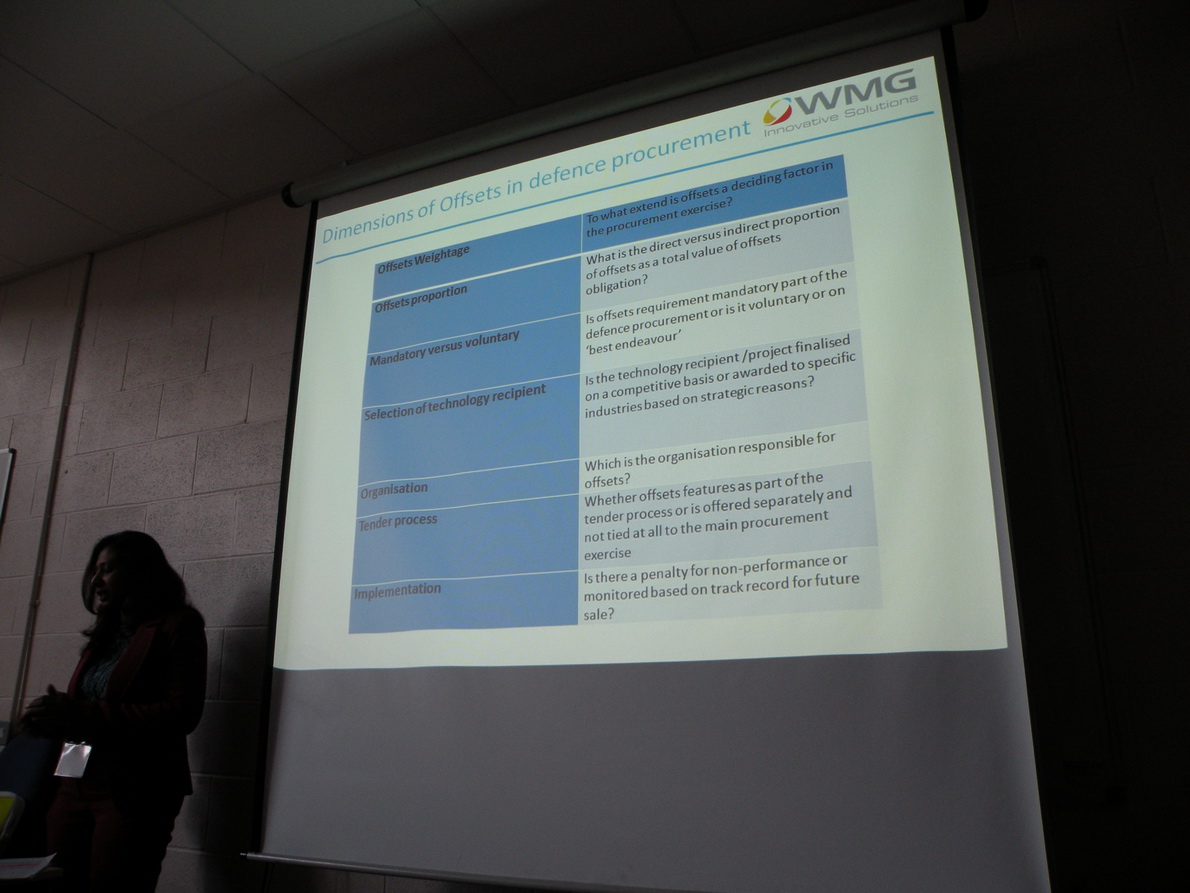
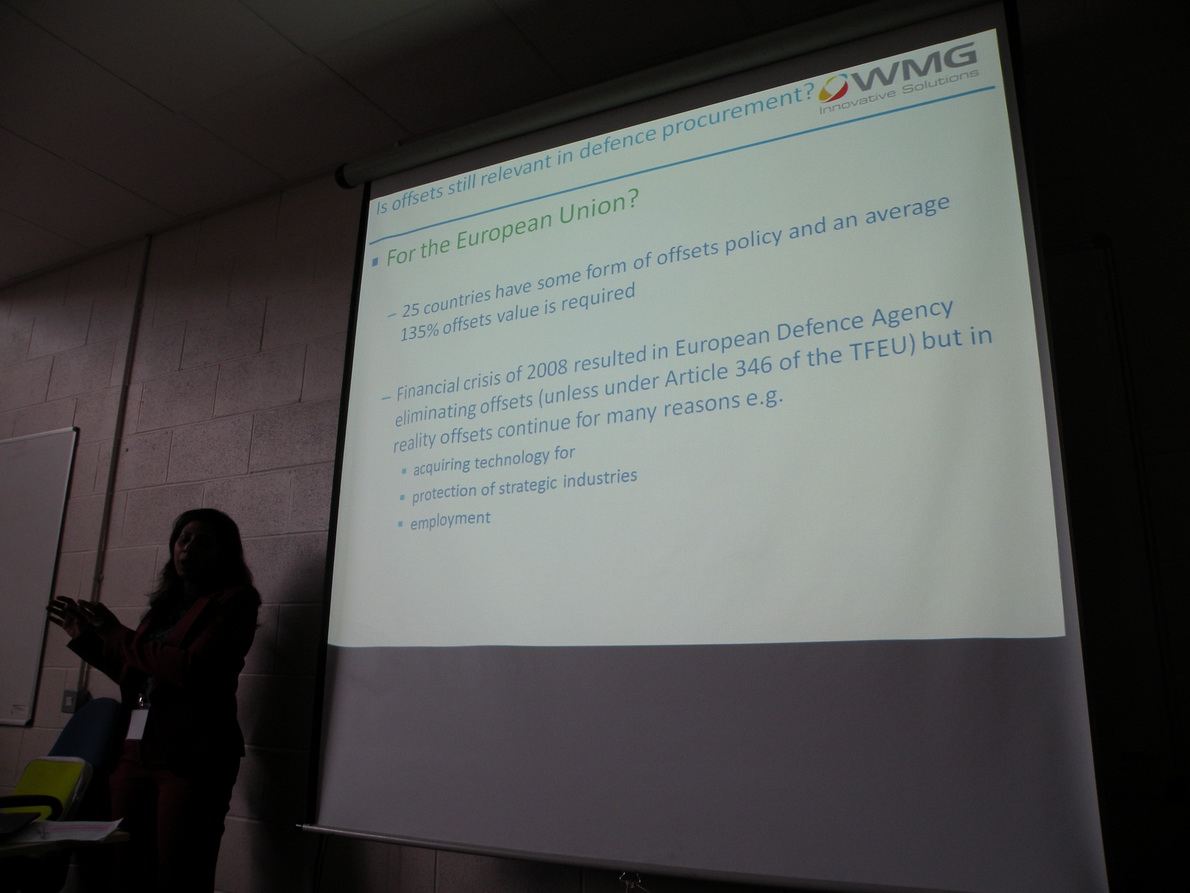
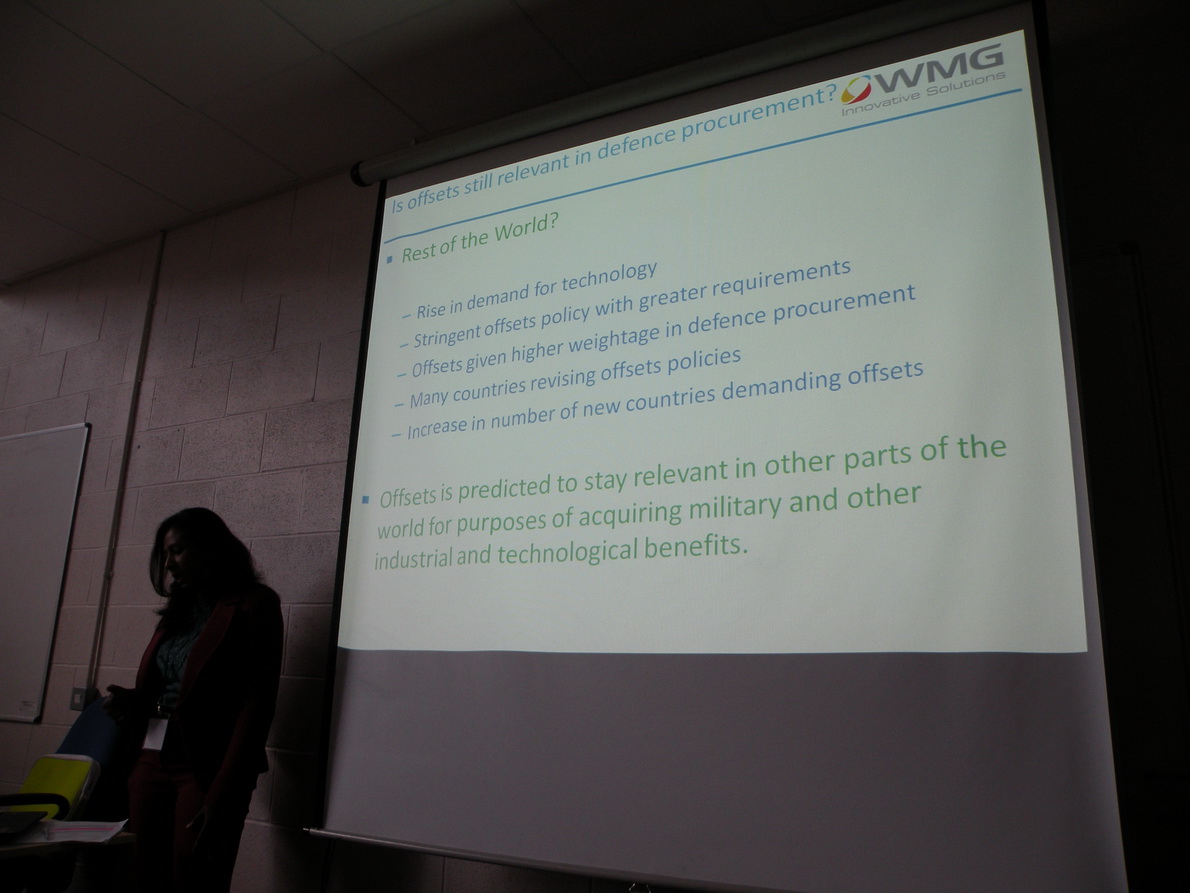
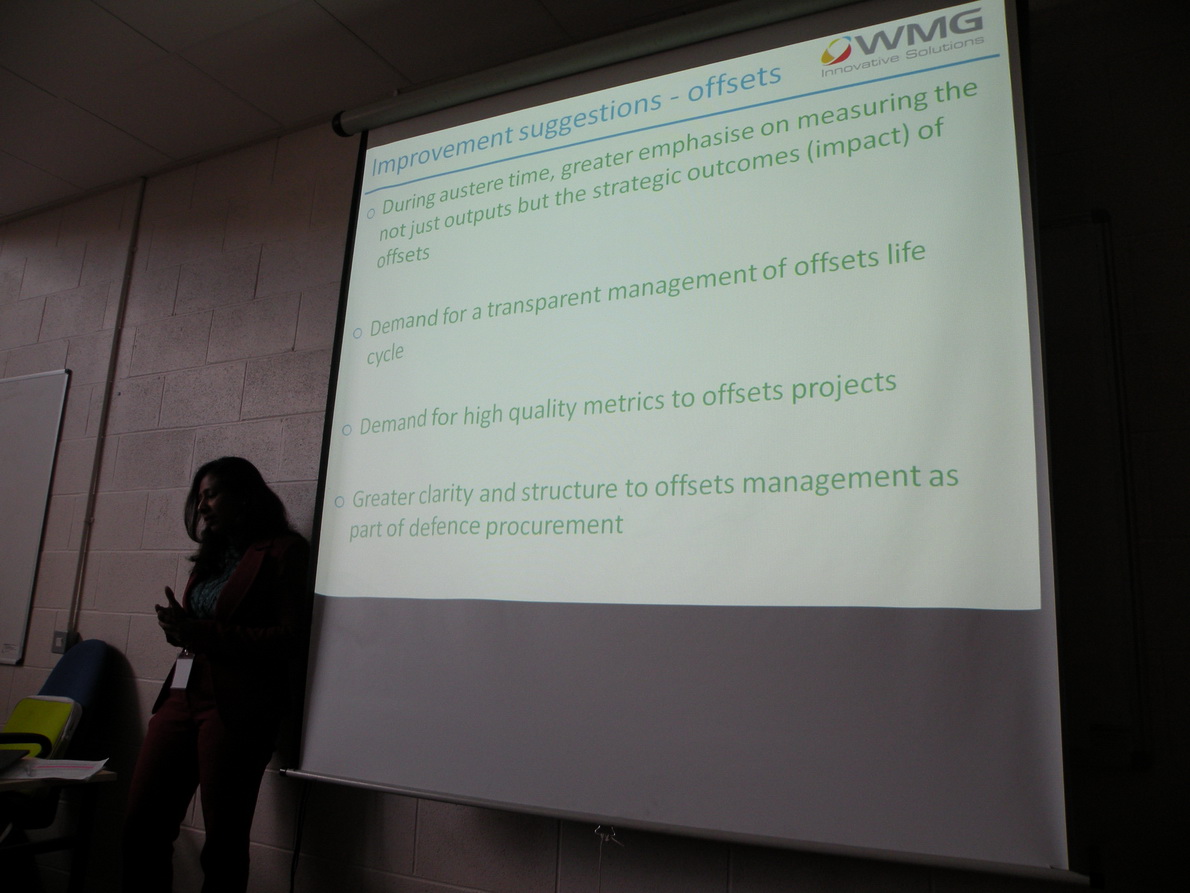
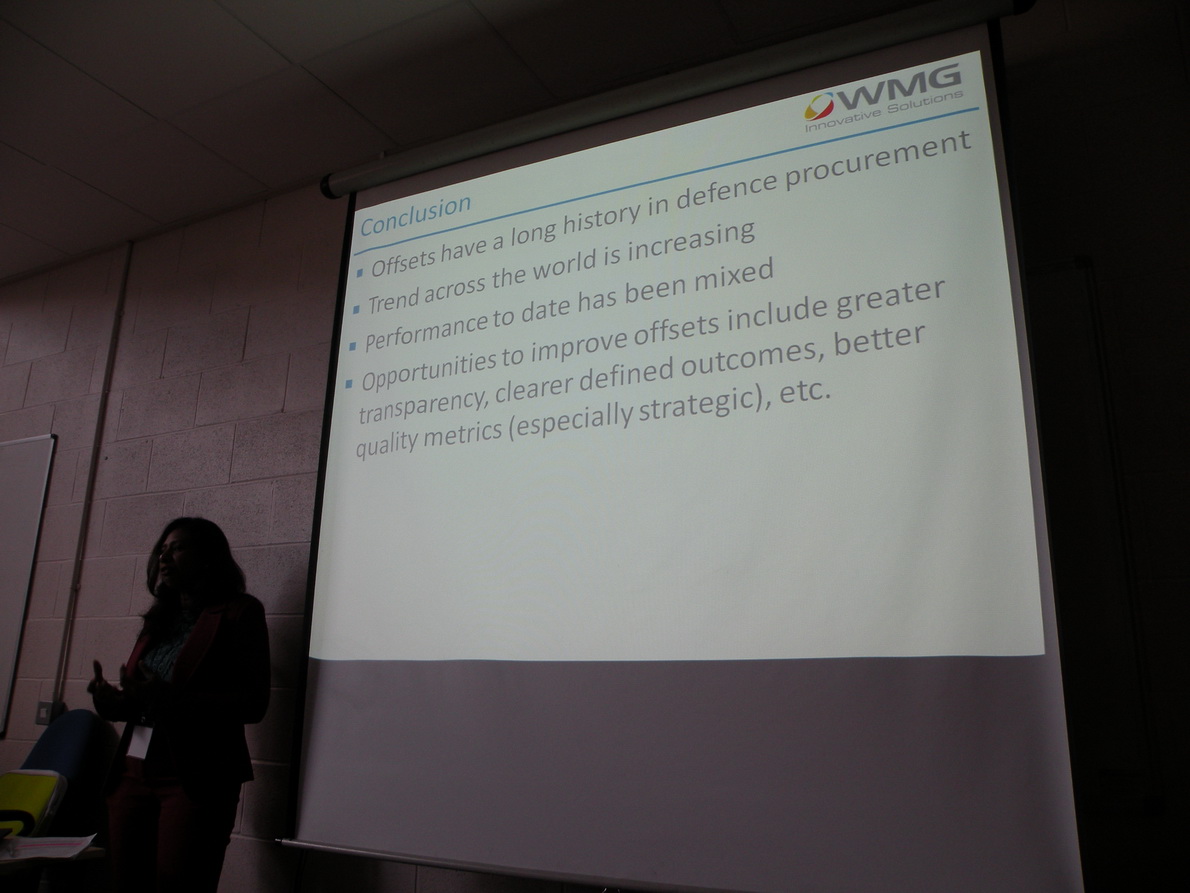
IMPLICATIONS FOR OFFSETS IN DEFENCE PROCUREMENT DURING AUSTERE TIME. Kogila Balakrishnan

Contacts
Joshua I. Schwartz. E.K. Gubin Professor of Government Contracts Law; Co-Director, Government Procurement Law LL.M. Program; Co-Faculty Advisor, Federal Circuit Bar Journal, The George Washington University Law School, Washington DC
Dr. Tunde Tatrai. Associate Professor, Institute of Business Economics, Department of Logistics and Supply Chain Management, Budapest
Mats Bergman. Professor, Economics School of Social Sciences, Department of Economics, Stockholm
Ewa Suwara. Head of Section Multilateral and General Affairs, Asia and Pacific Department, Ministry of Foreign Affairs of Poland, Warsaw
Conghu/Tiger Wang. Associate Professor, Department of Public Administration Renmin University of China. Specialist Consultant, China Government Procurement Website http://www.ccpg.gov.cn. Faculty Fellow, Public Procurement Research Center Florida Atlantic University
Andrey Tkachenko. Researcher, National Research University, Higher School of Economics, Institute of Industrial and Market Studies, Moscow
Henry Lv. Assistant Professor, State Information Center, Beijing
Richo Andi Wibowo. Candidate in Administrative Law, Utrecht University, Institute of Constitutional and Administrative Law, Utrecht
Materials
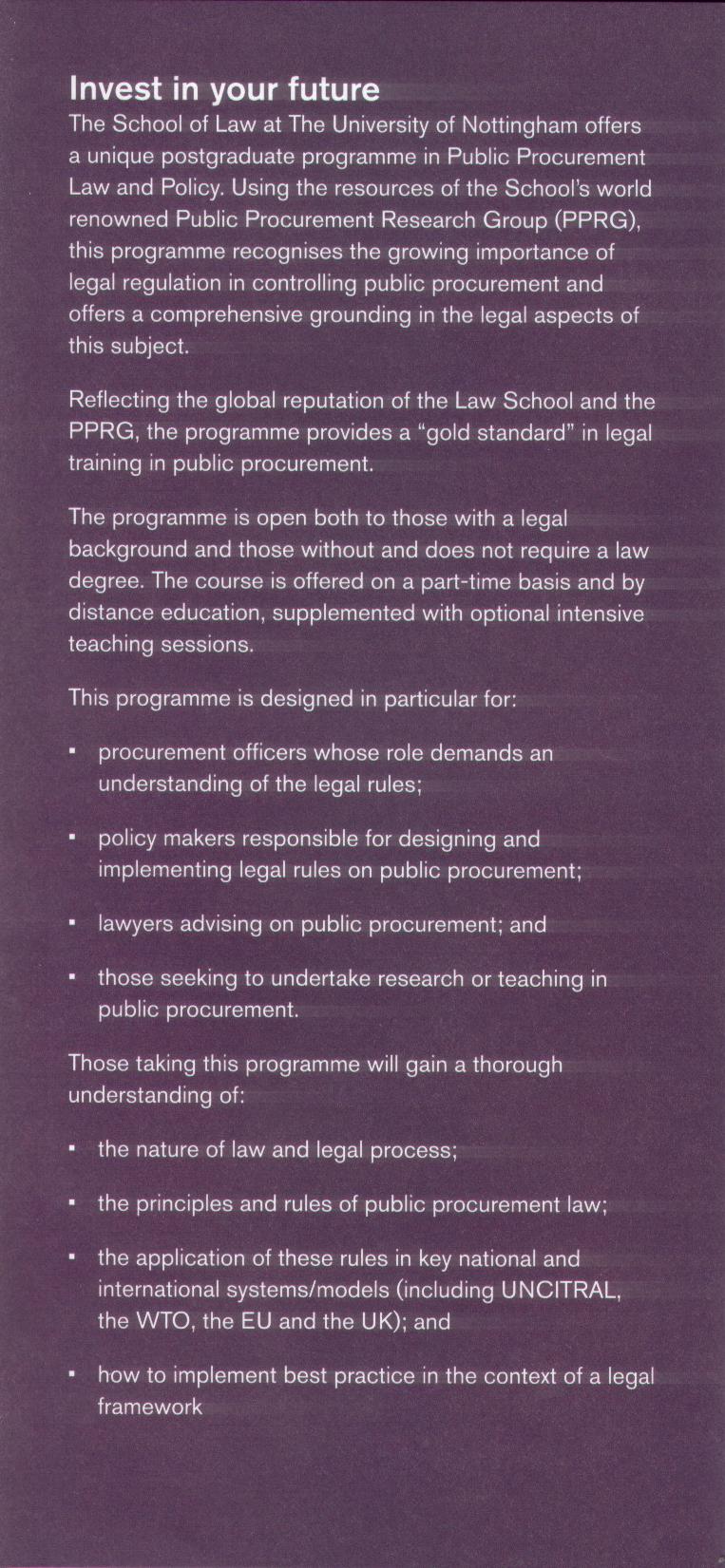
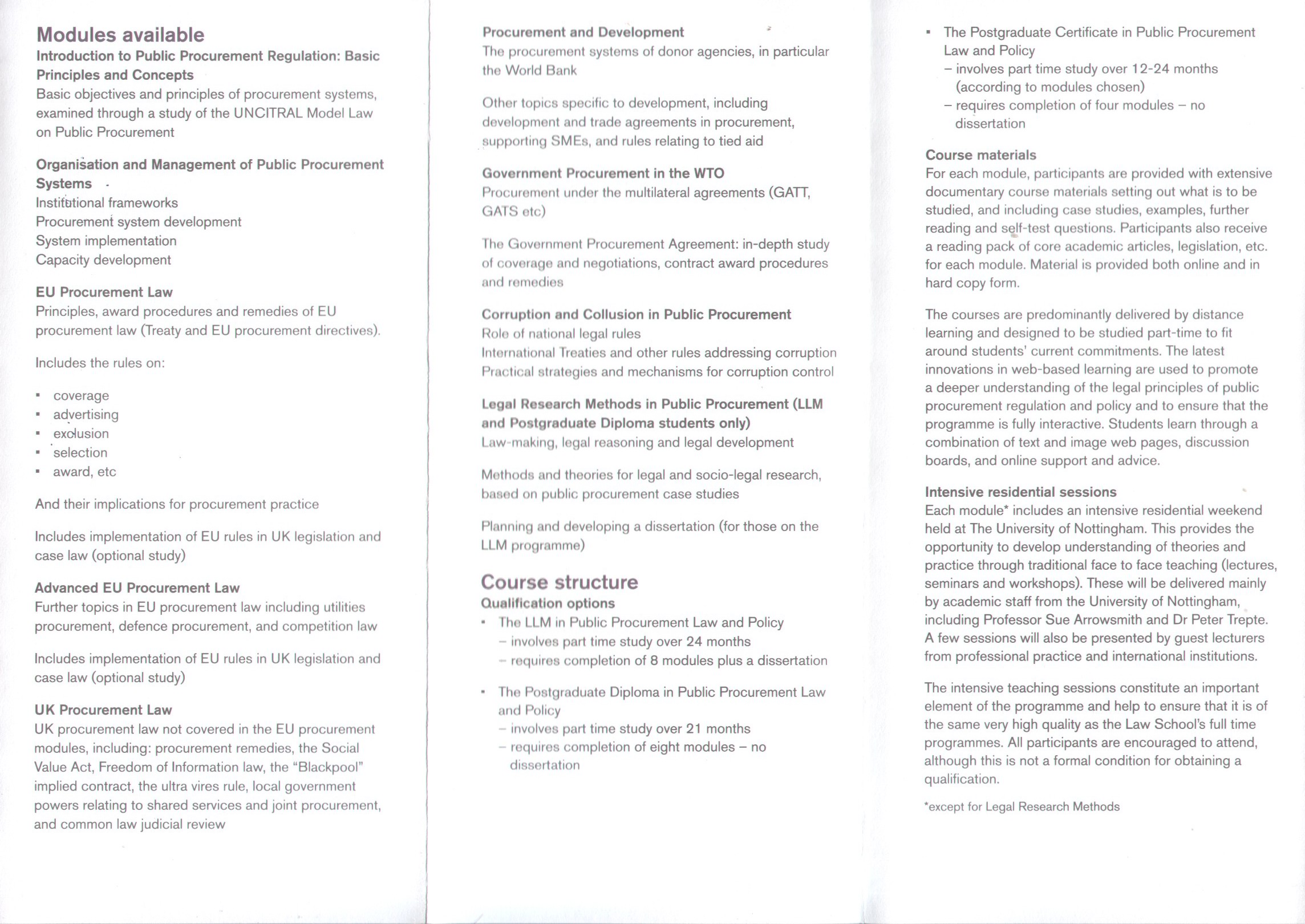
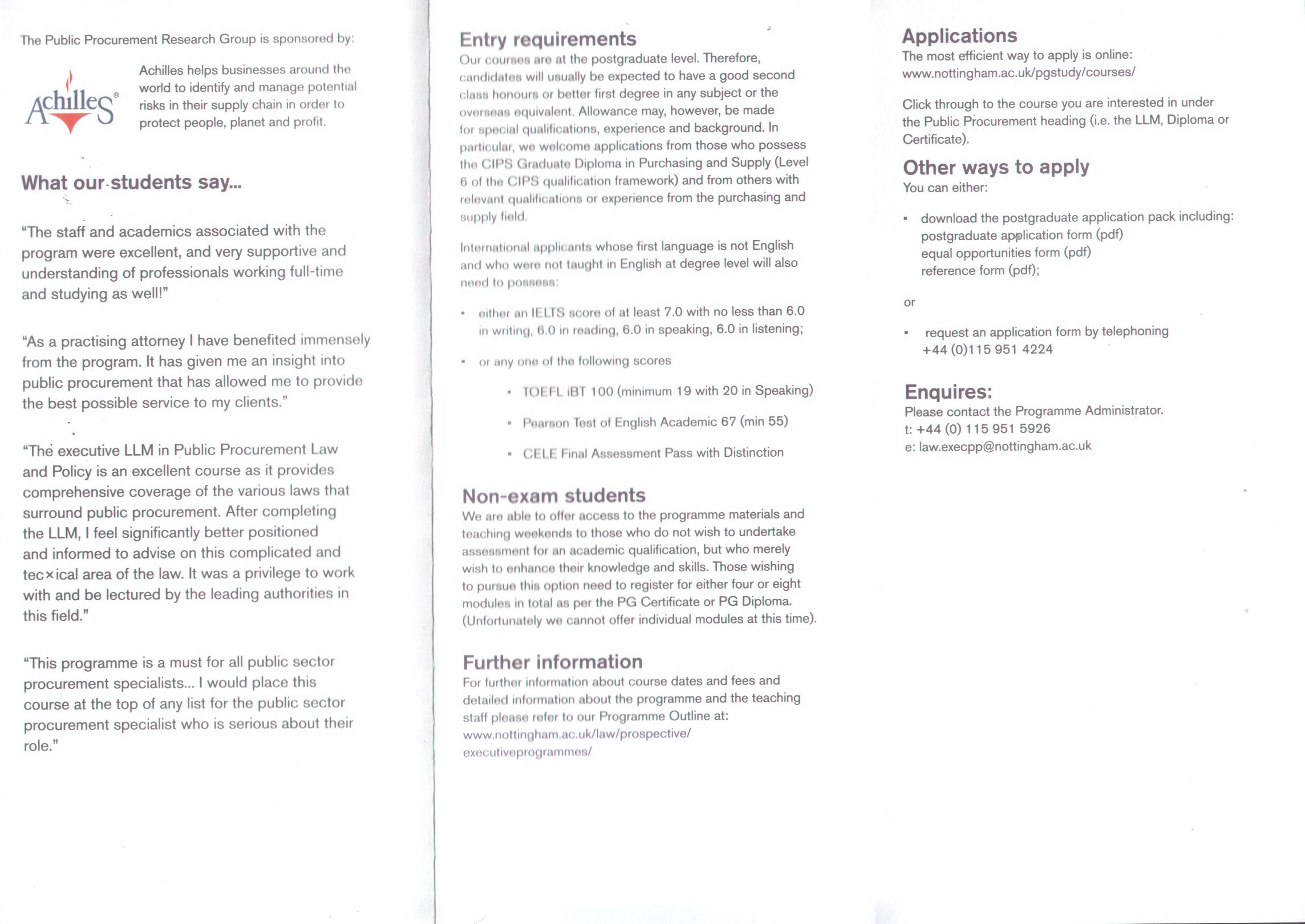
School of Law. The University of Nottingham. Executive Programme in Public Procurement Law and Policy
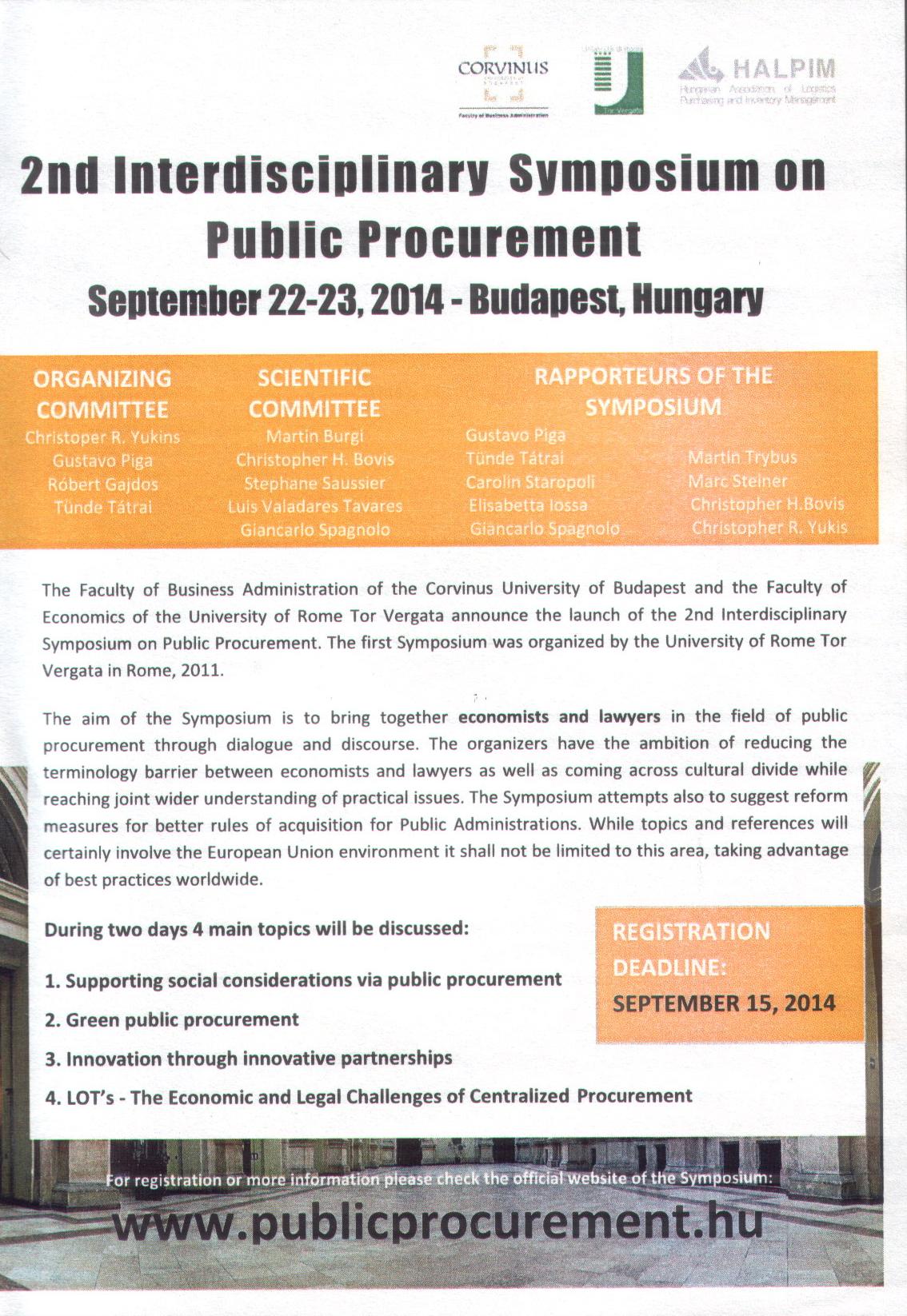
2nd Interdisciplinary Symposium in Public Procurement
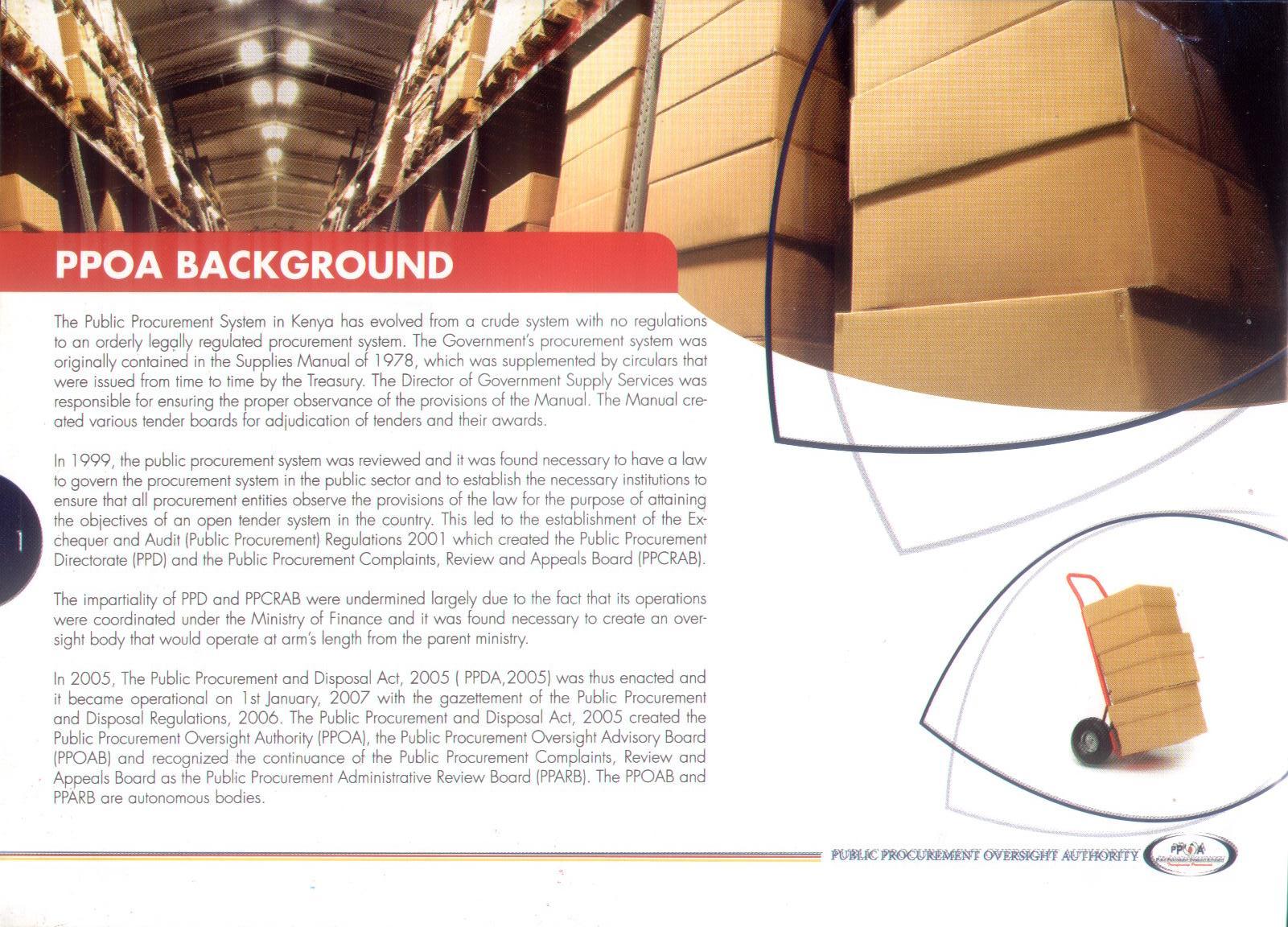
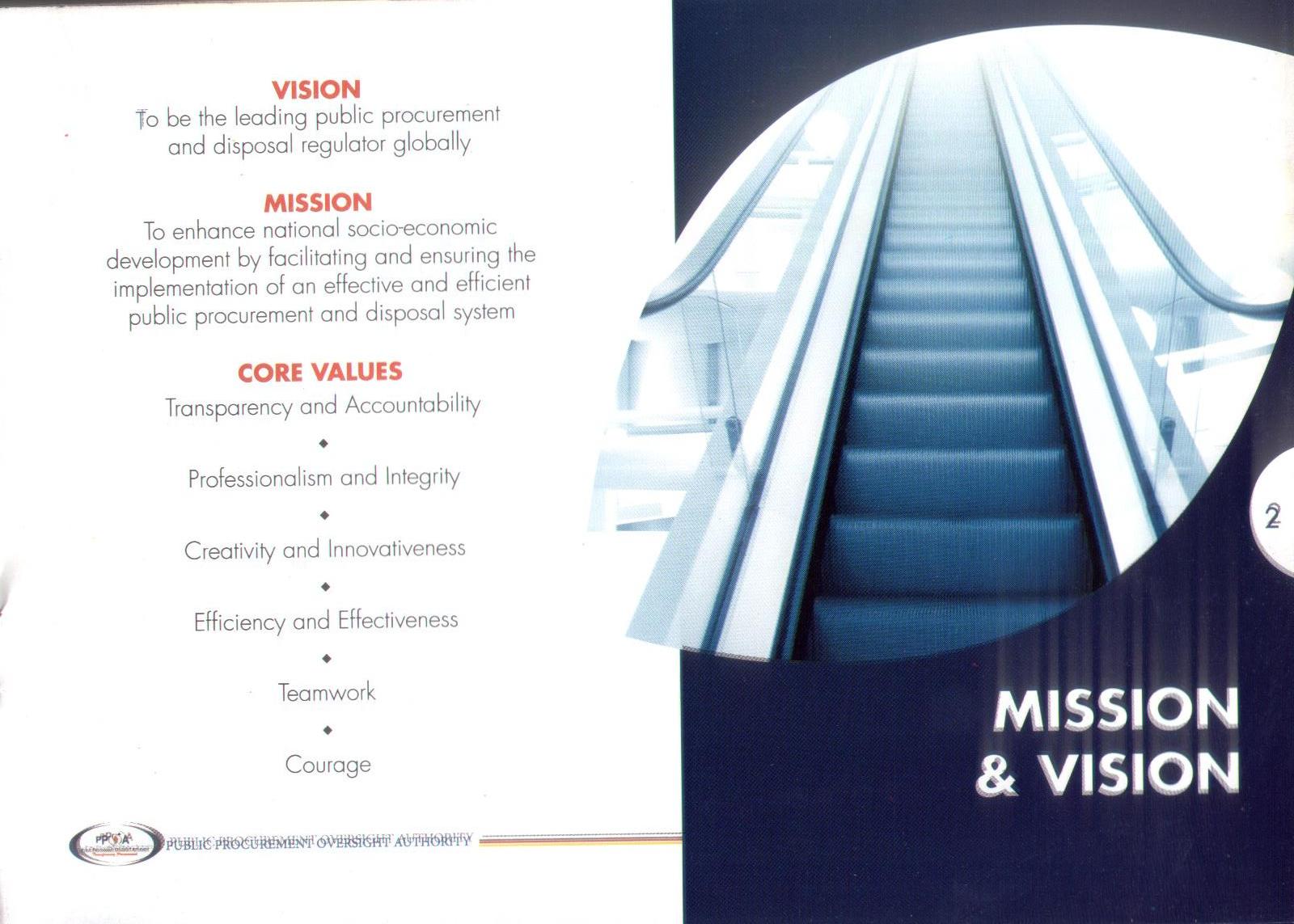
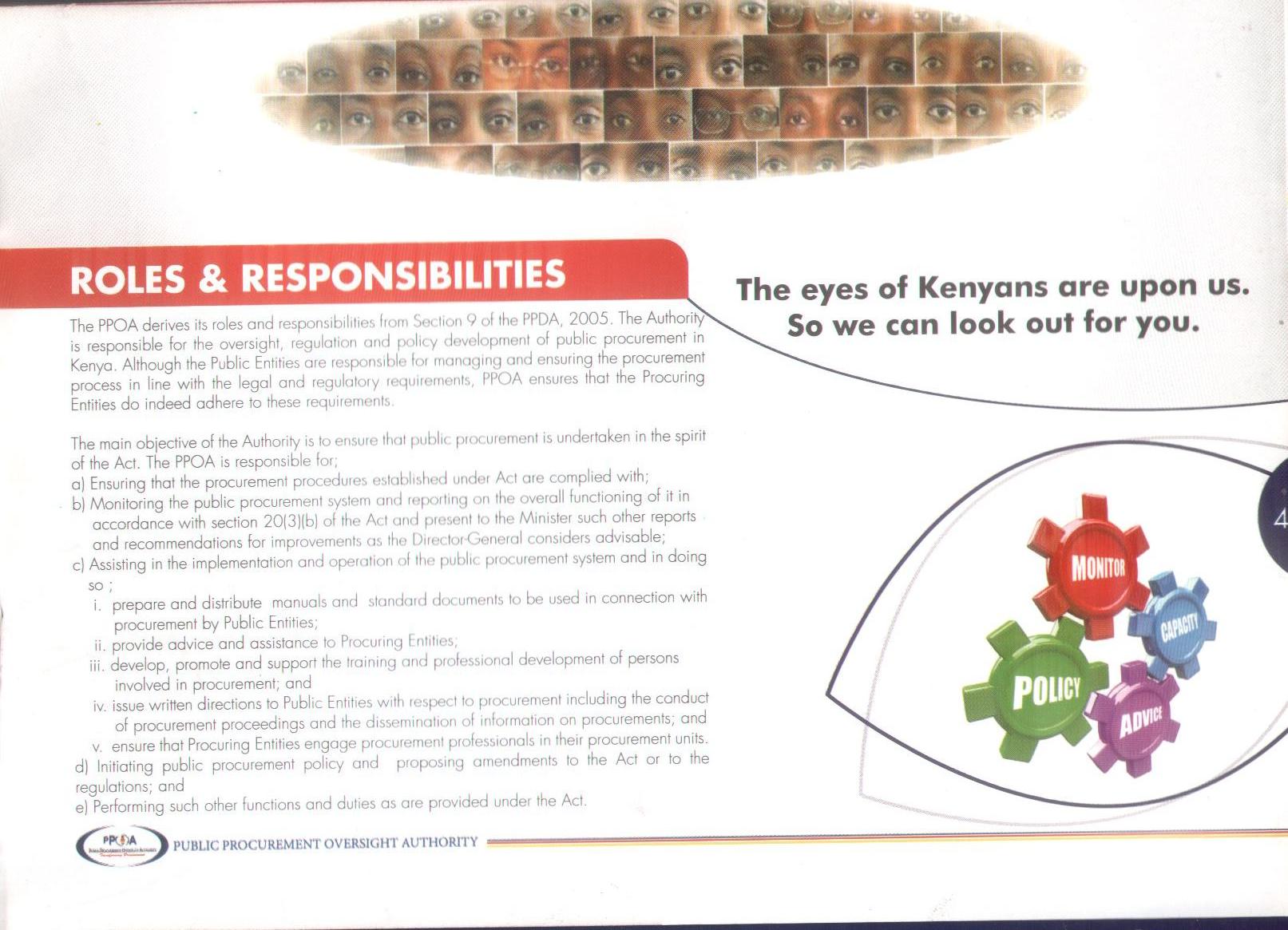
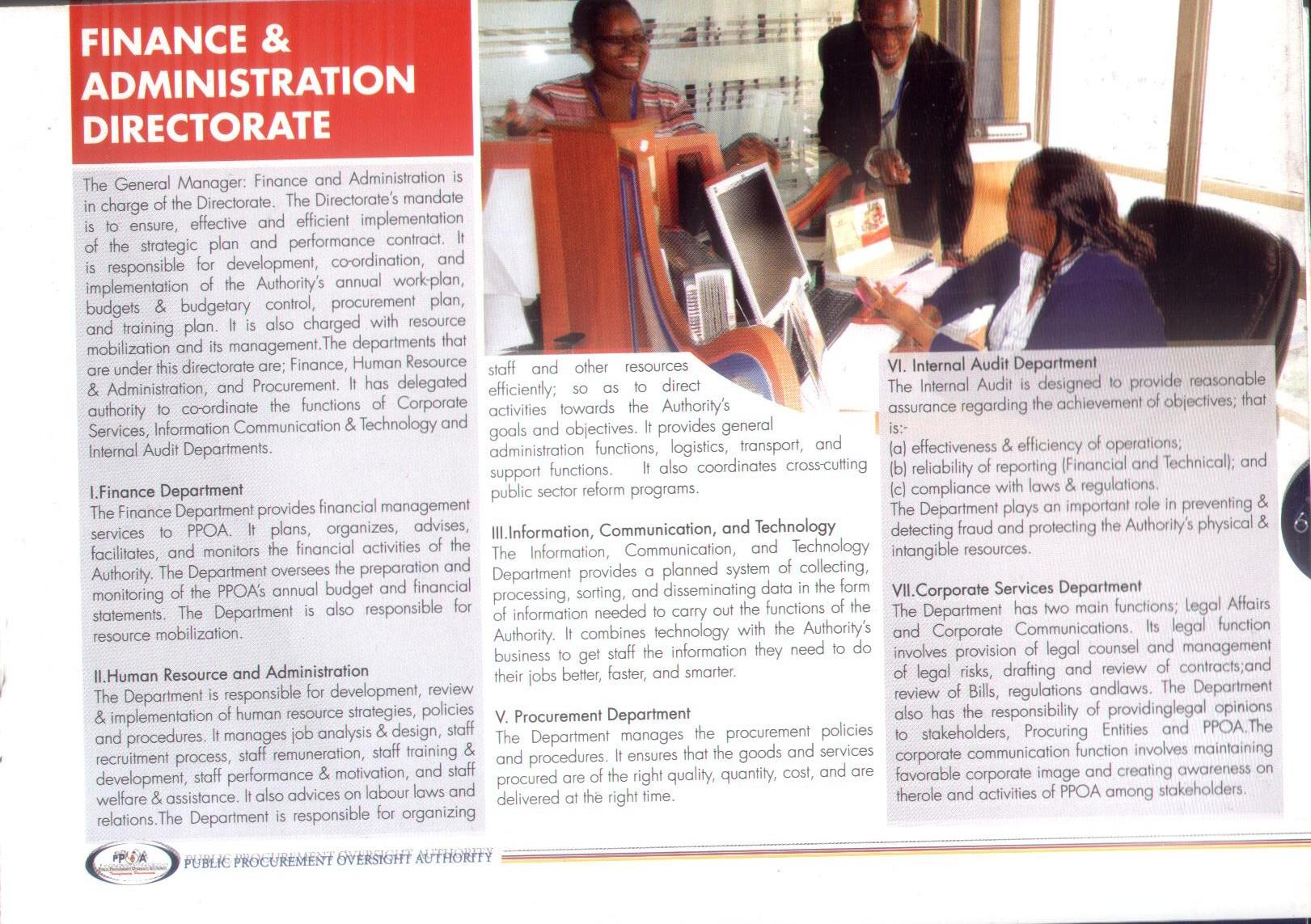
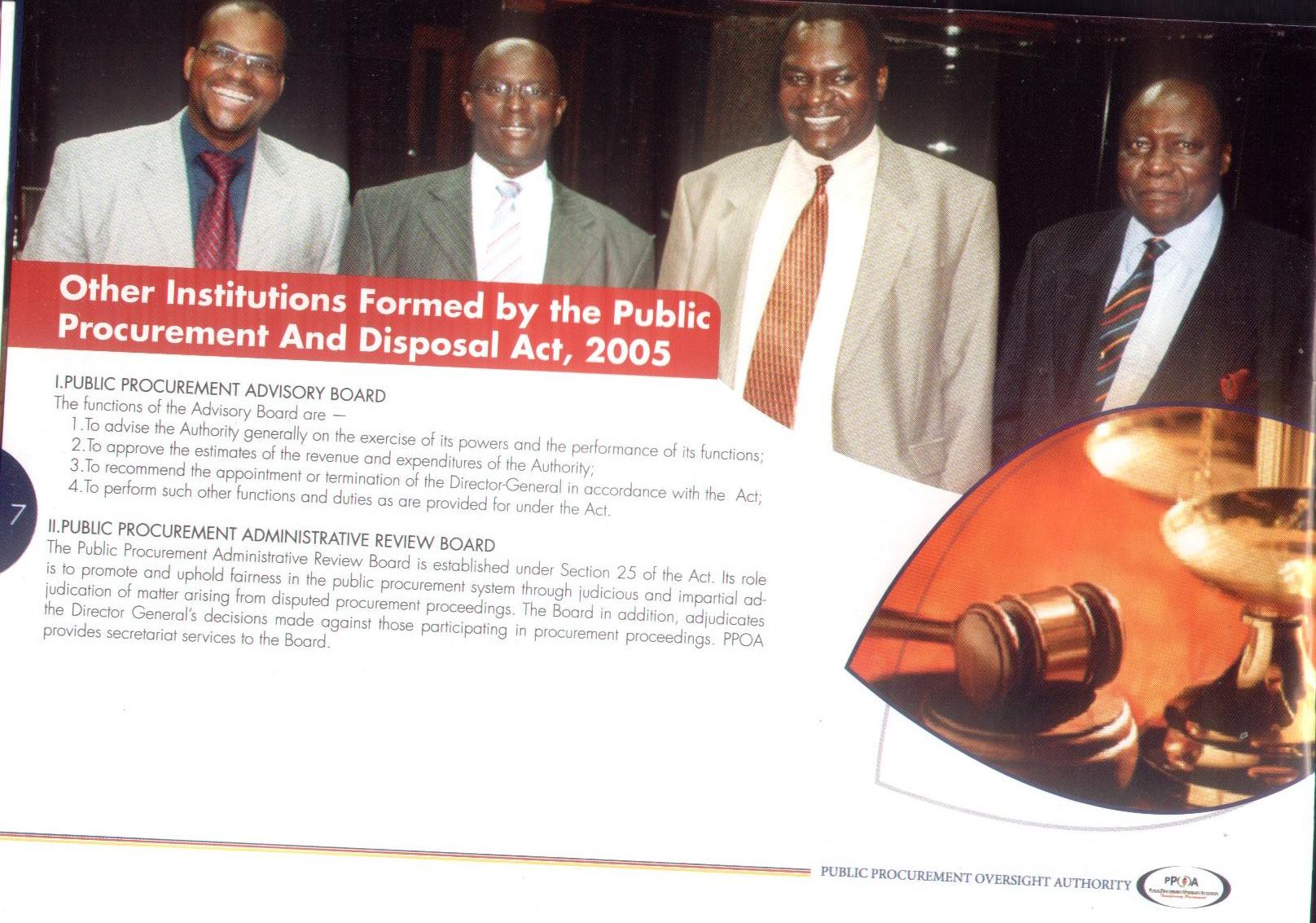
Public Procurement Oversight Authority


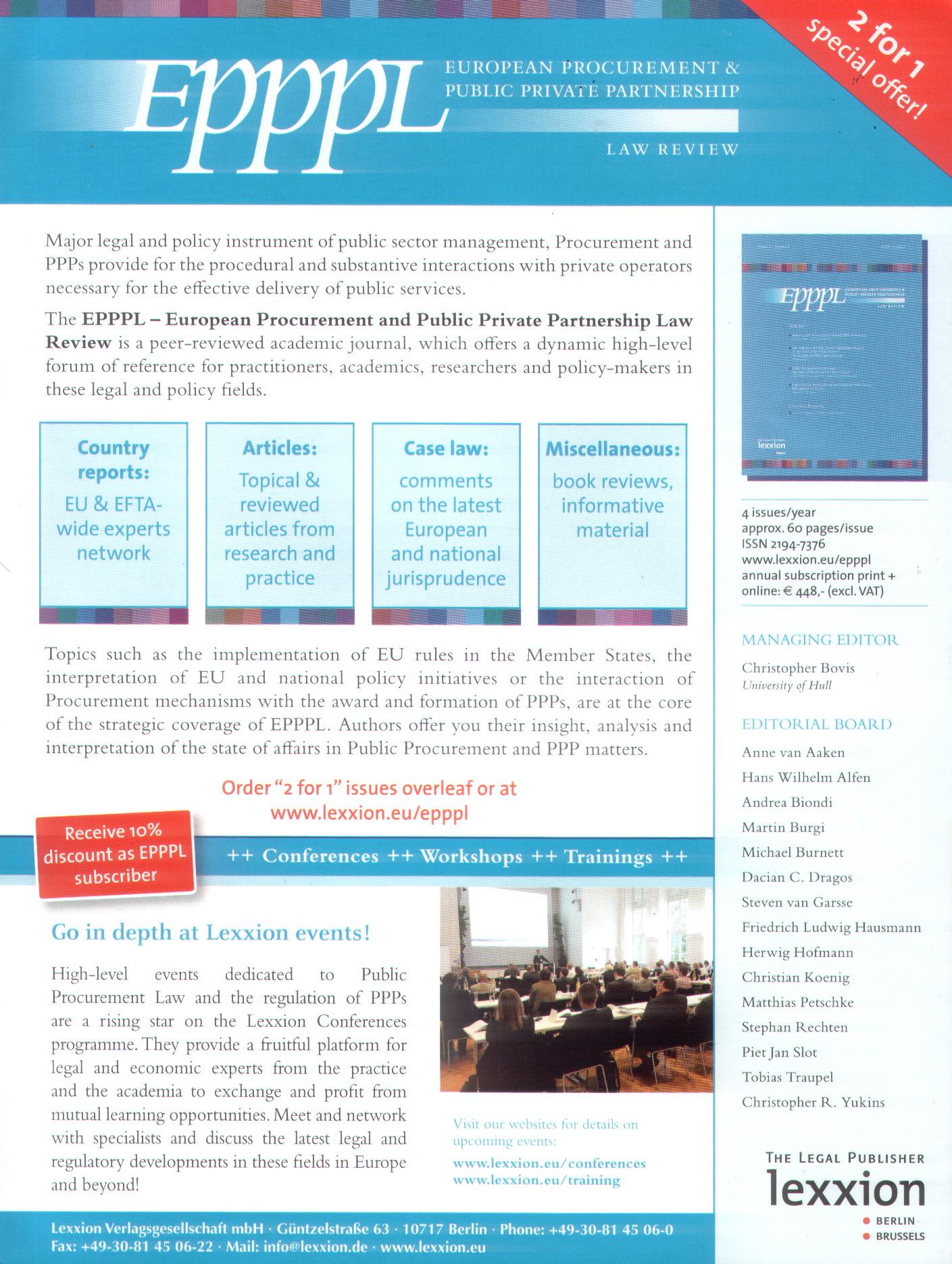
European Procurement and Public Private Partnership Law Review

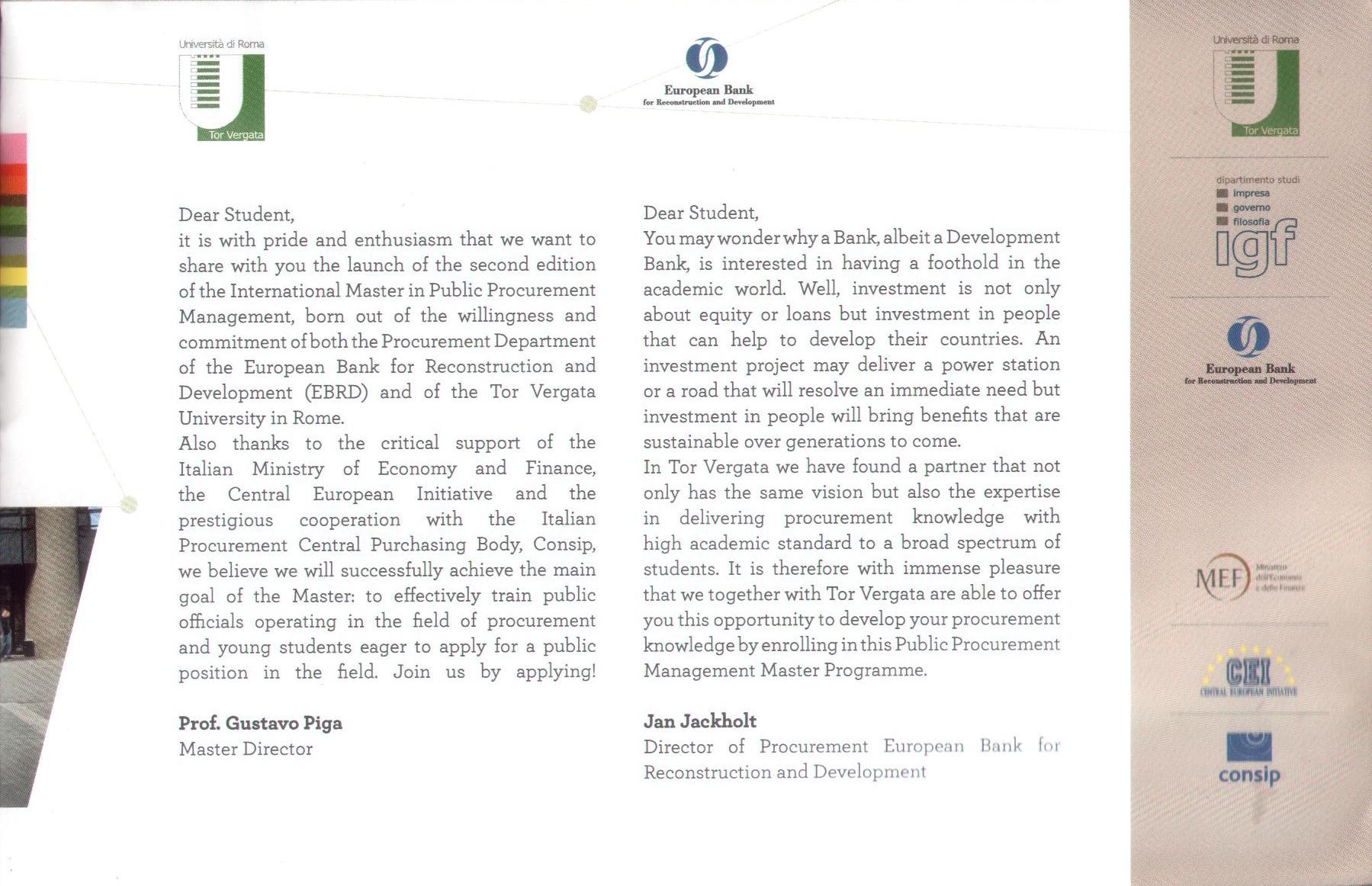
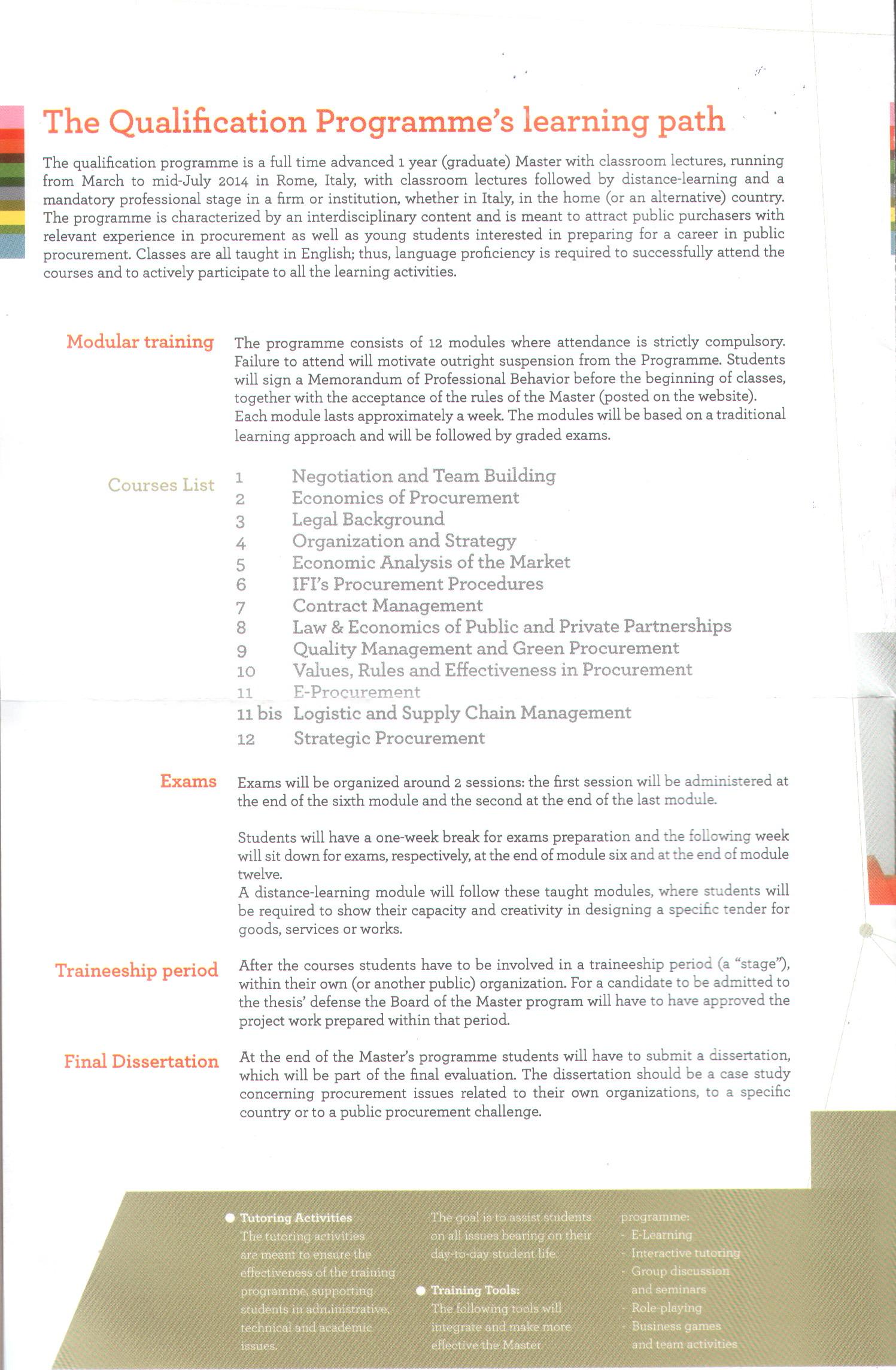
Public Procurement Management. Inernational Master

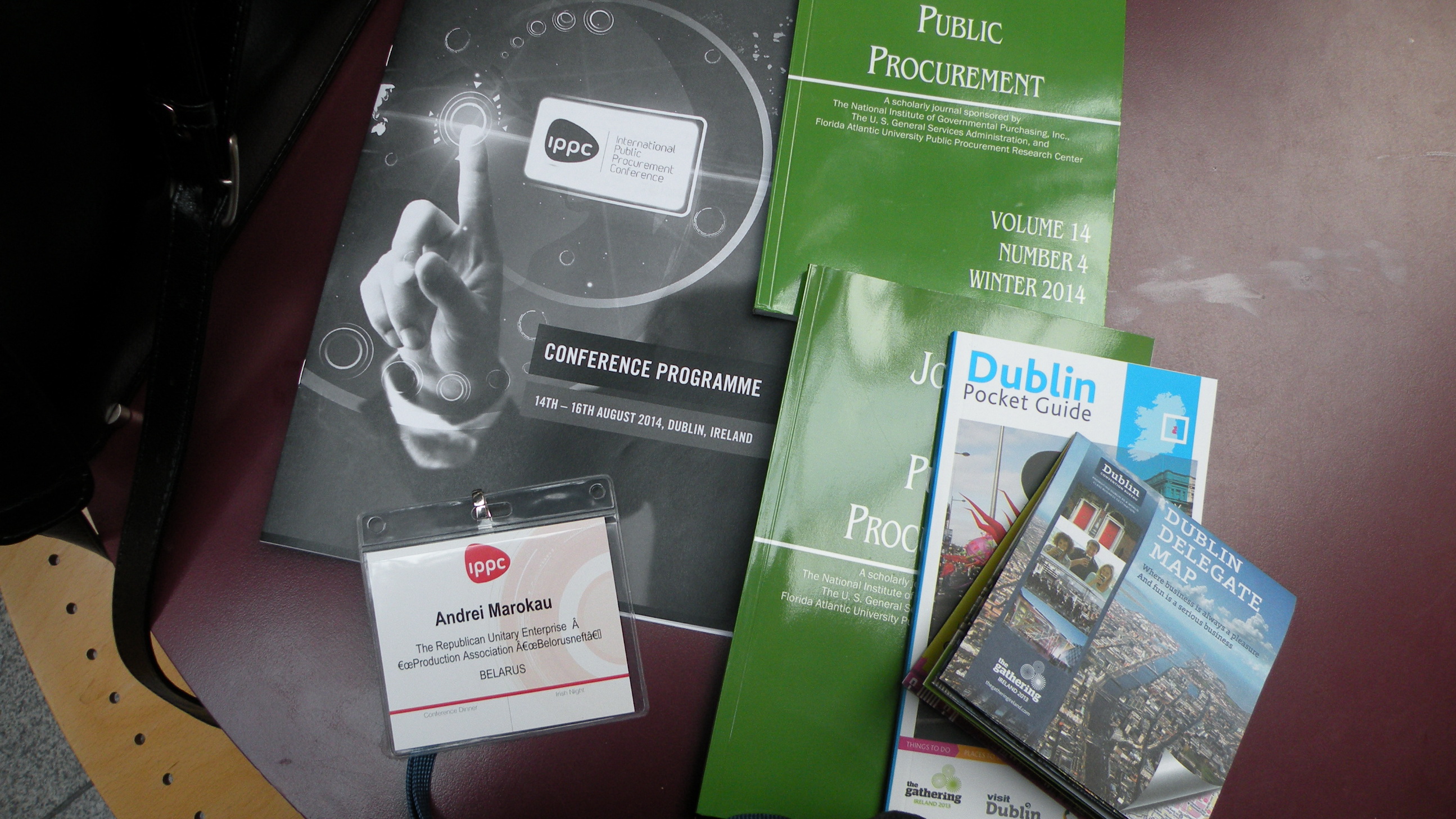
Photos




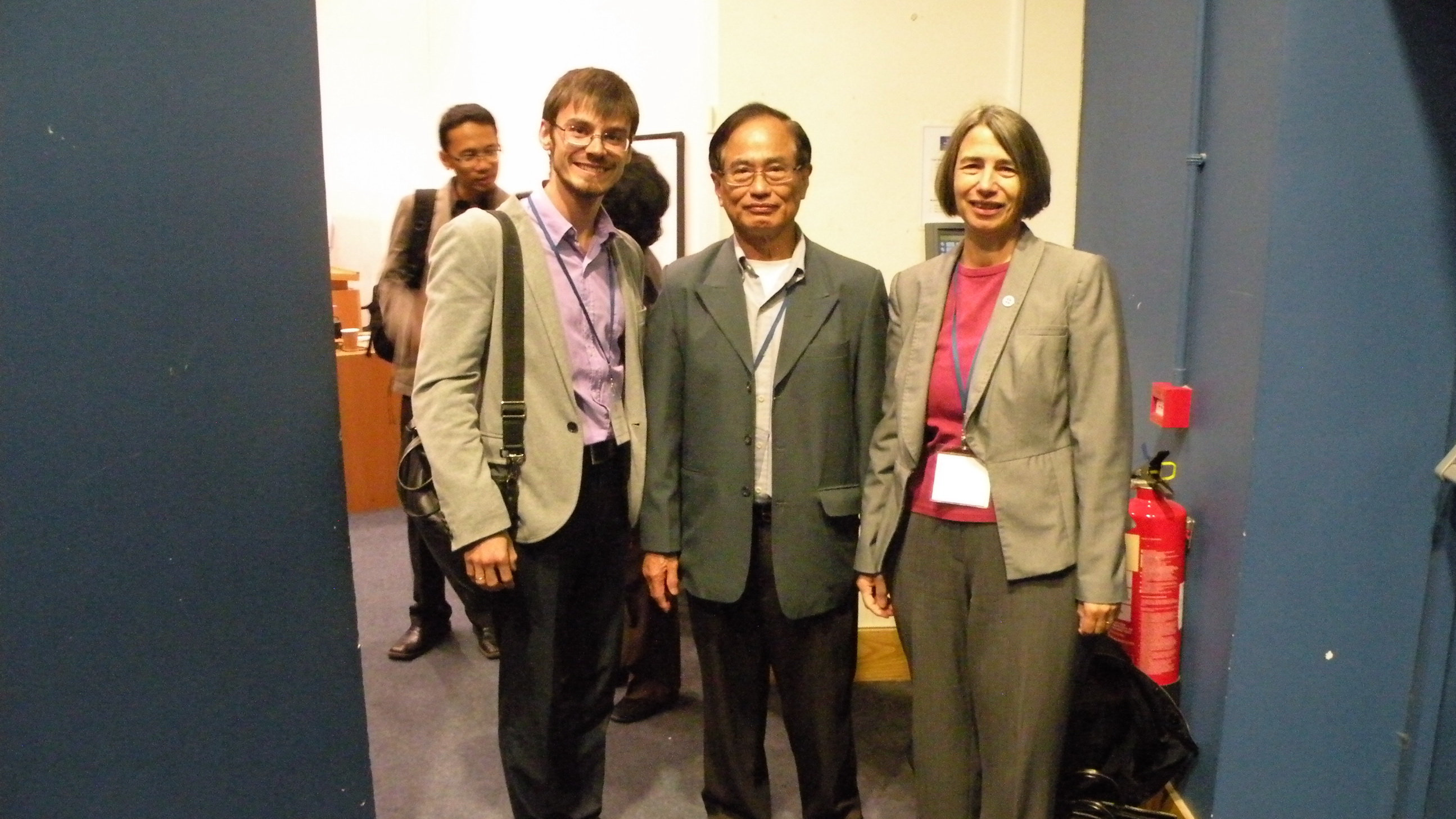
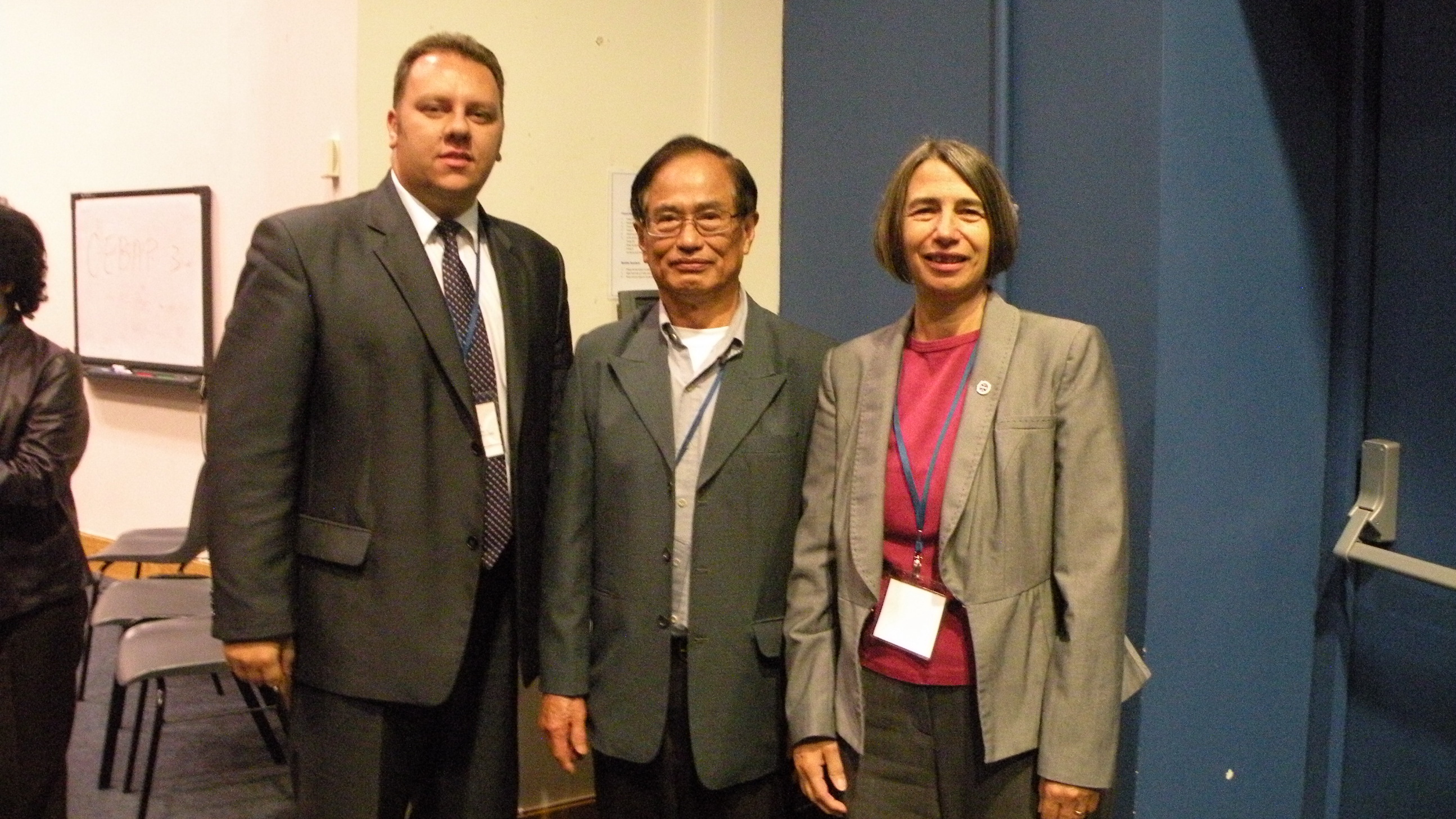
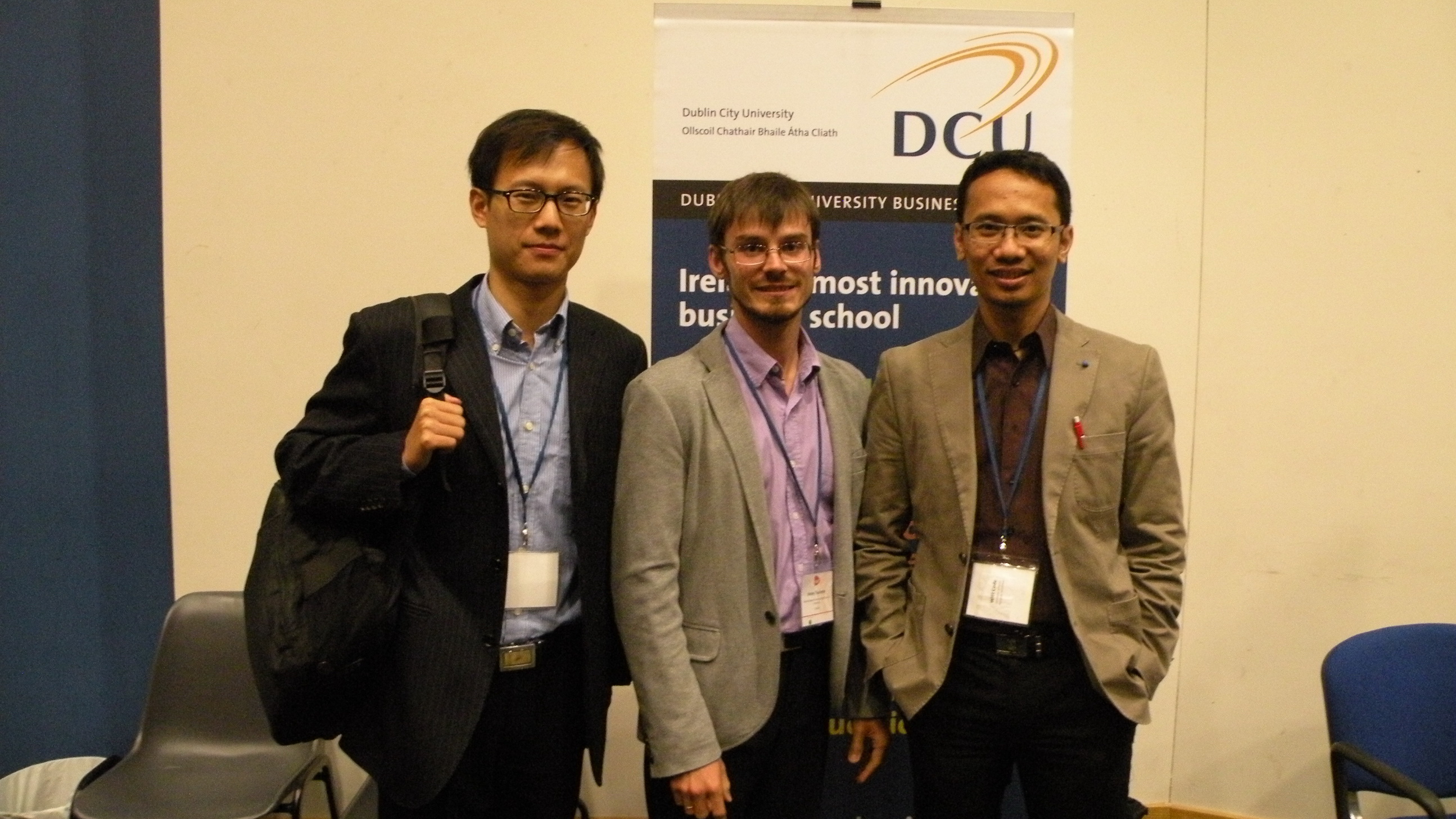
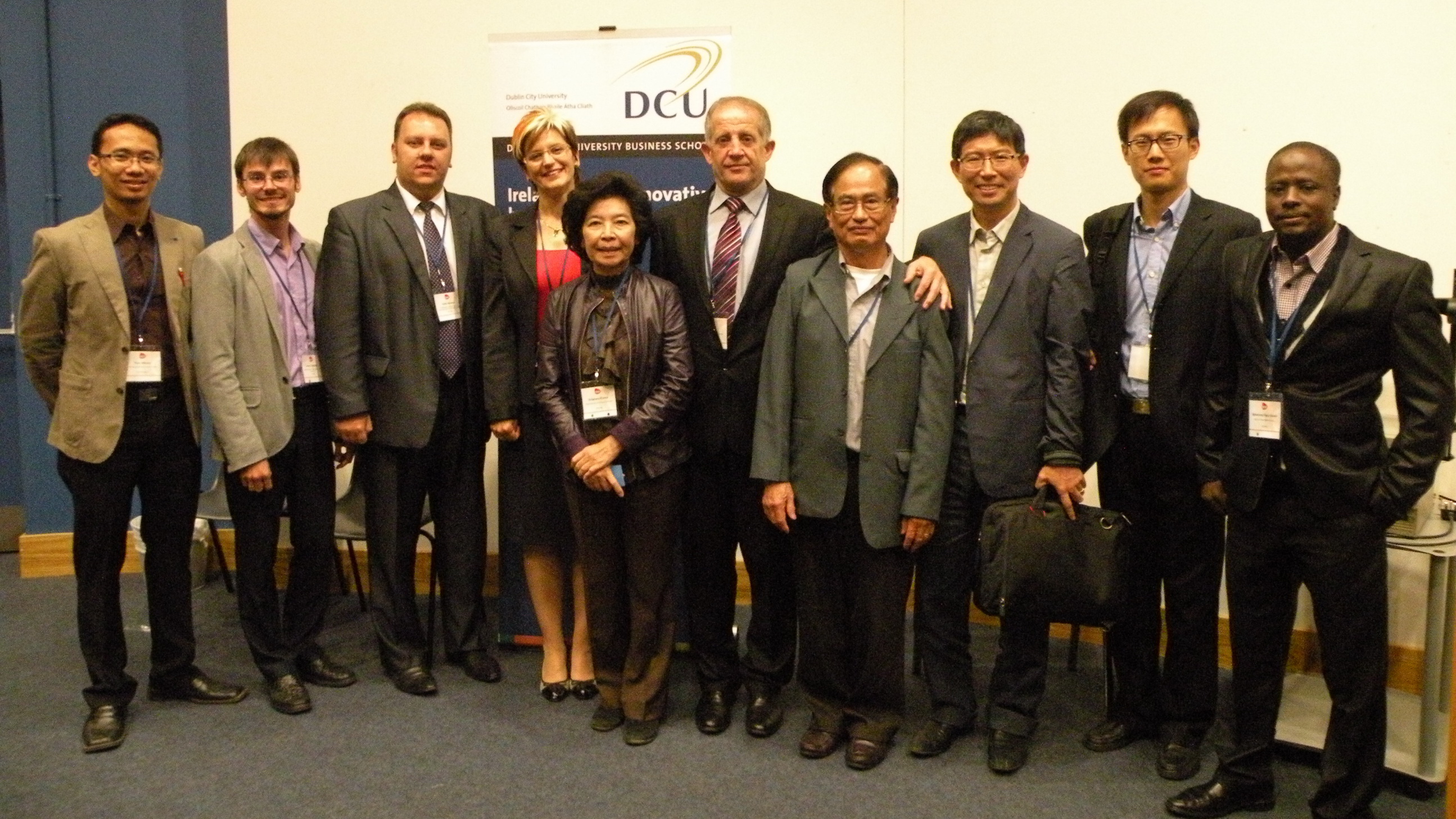

12.02.2014
Links: Page
The article “Electronic Auctions: Evaluation of Practical Experience Providers”
The article presents results of a survey about electronic auctions. The survey was presented for suppliers who were asked questions concerning the effectiveness of participation in the procurement of suppliers, as well as to share any technical or functional complexity that exists for distributors who participate in electronic auctions. Non-standard situations, especially a supplier’s positive or negative experience can be noted for participation in electronic auctions. They offered their vision of possible improvements to now existing rules.
07.02.2014
Links: Page
The article “New rules for Procurement in Russia”
The article considers some aspects and features of the Federal Law of 05.04.2013 № 44 -FZ, as well as define some existing problems faced by customers and suppliers in procurement in Russia.

17.01.2014
Links: Page
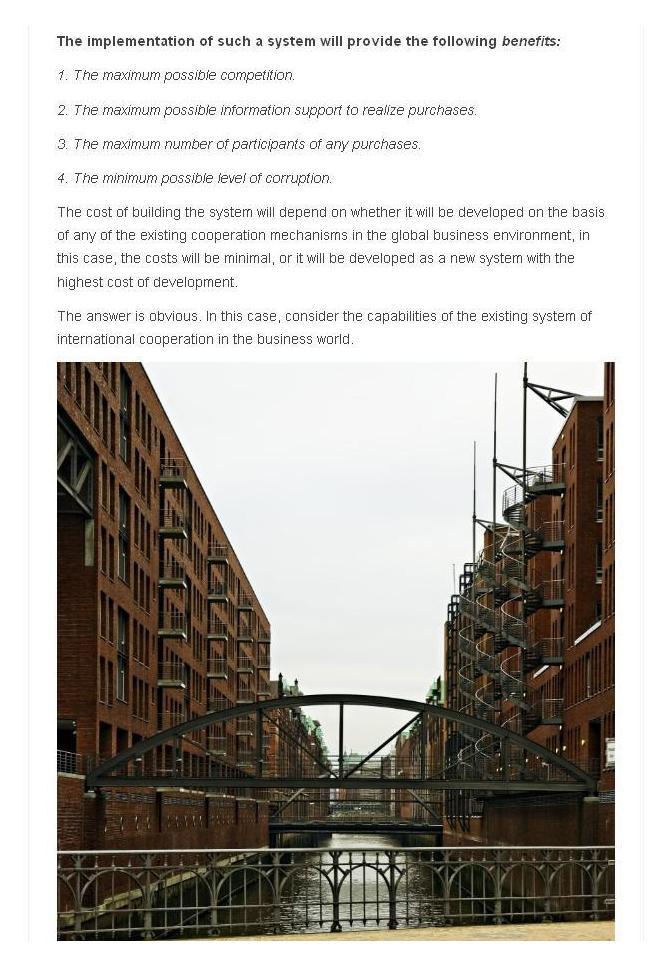
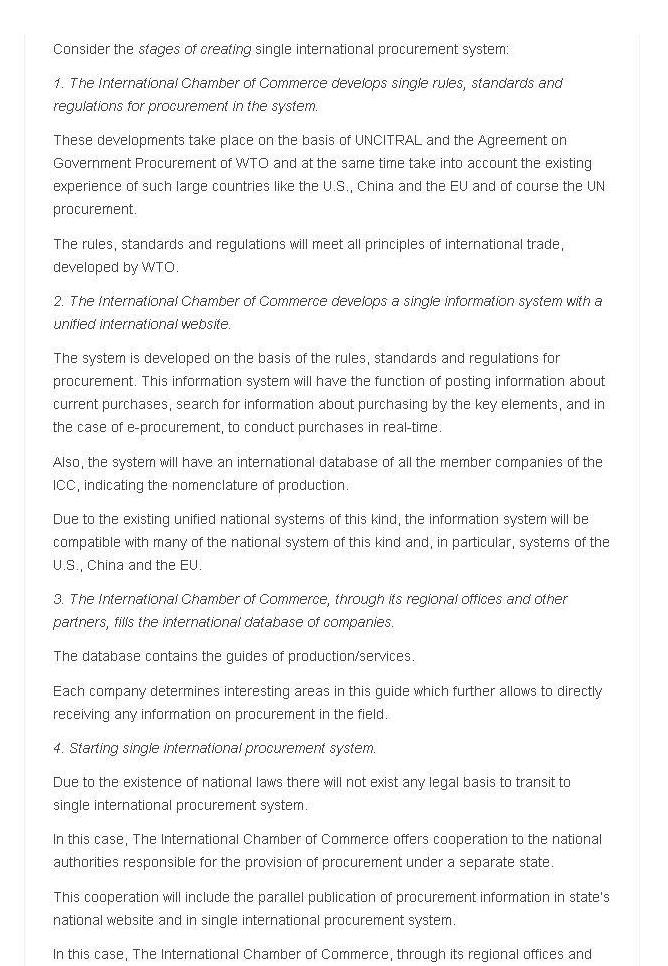
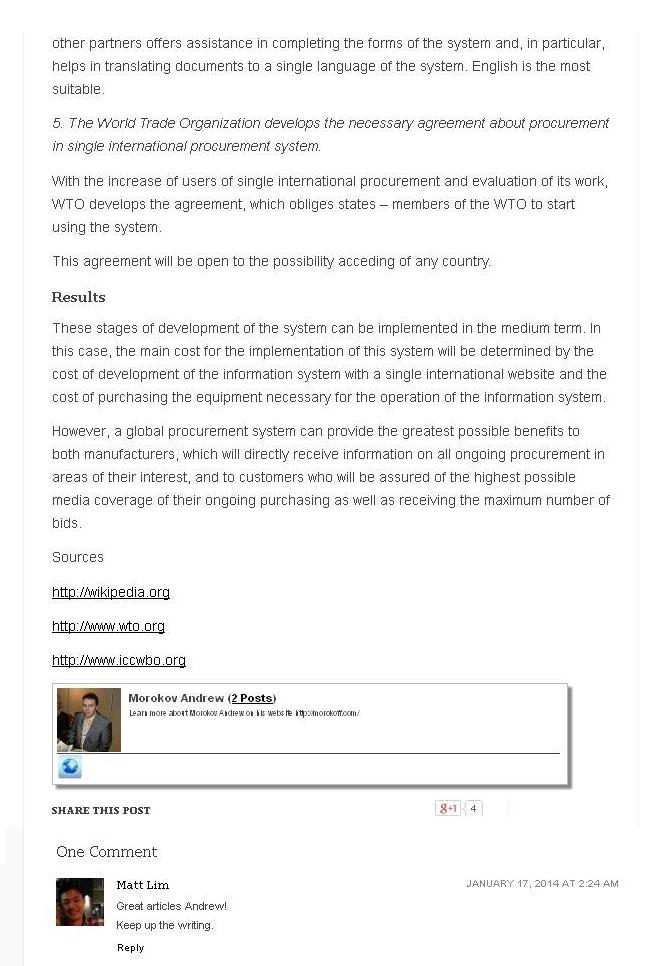
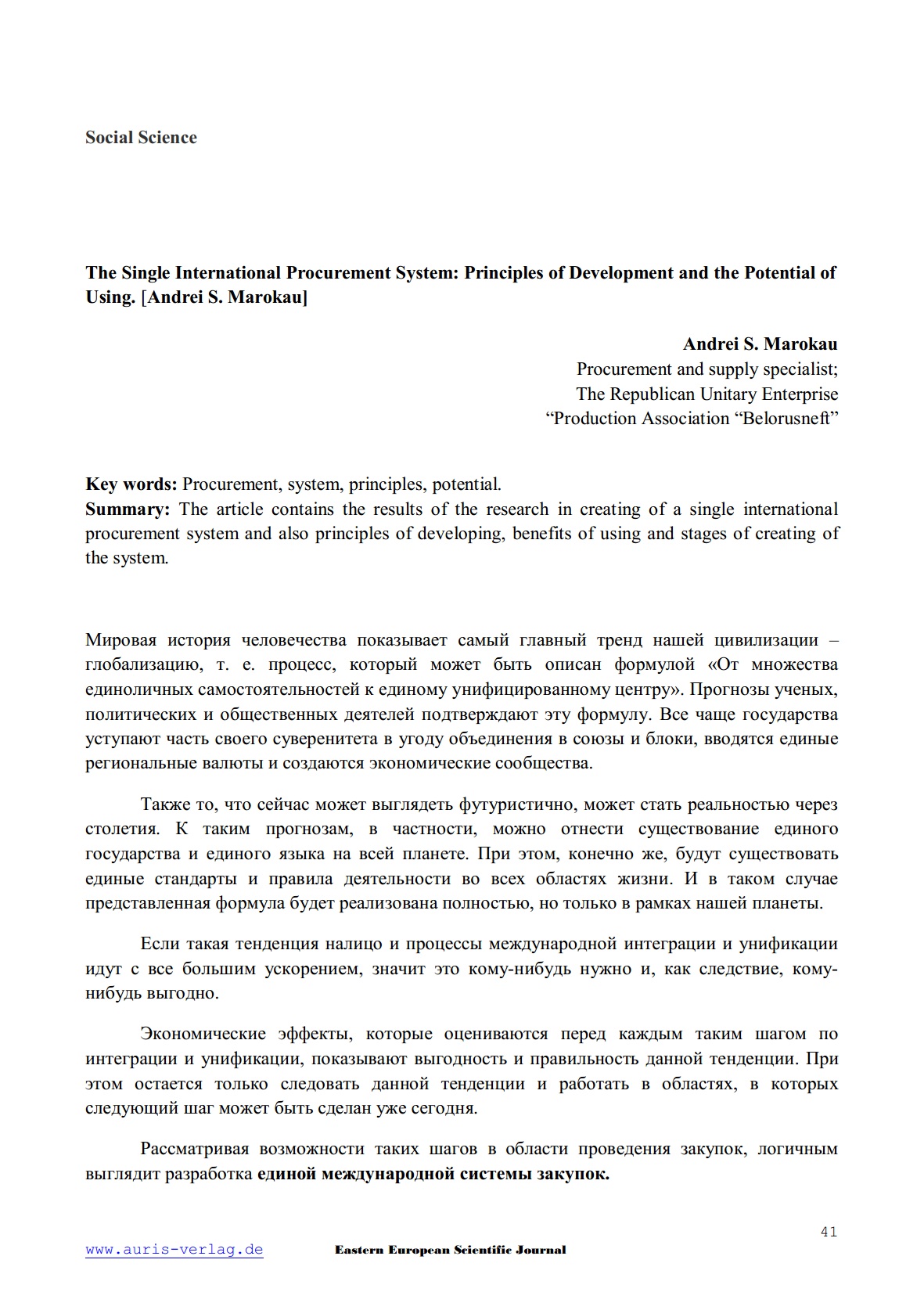
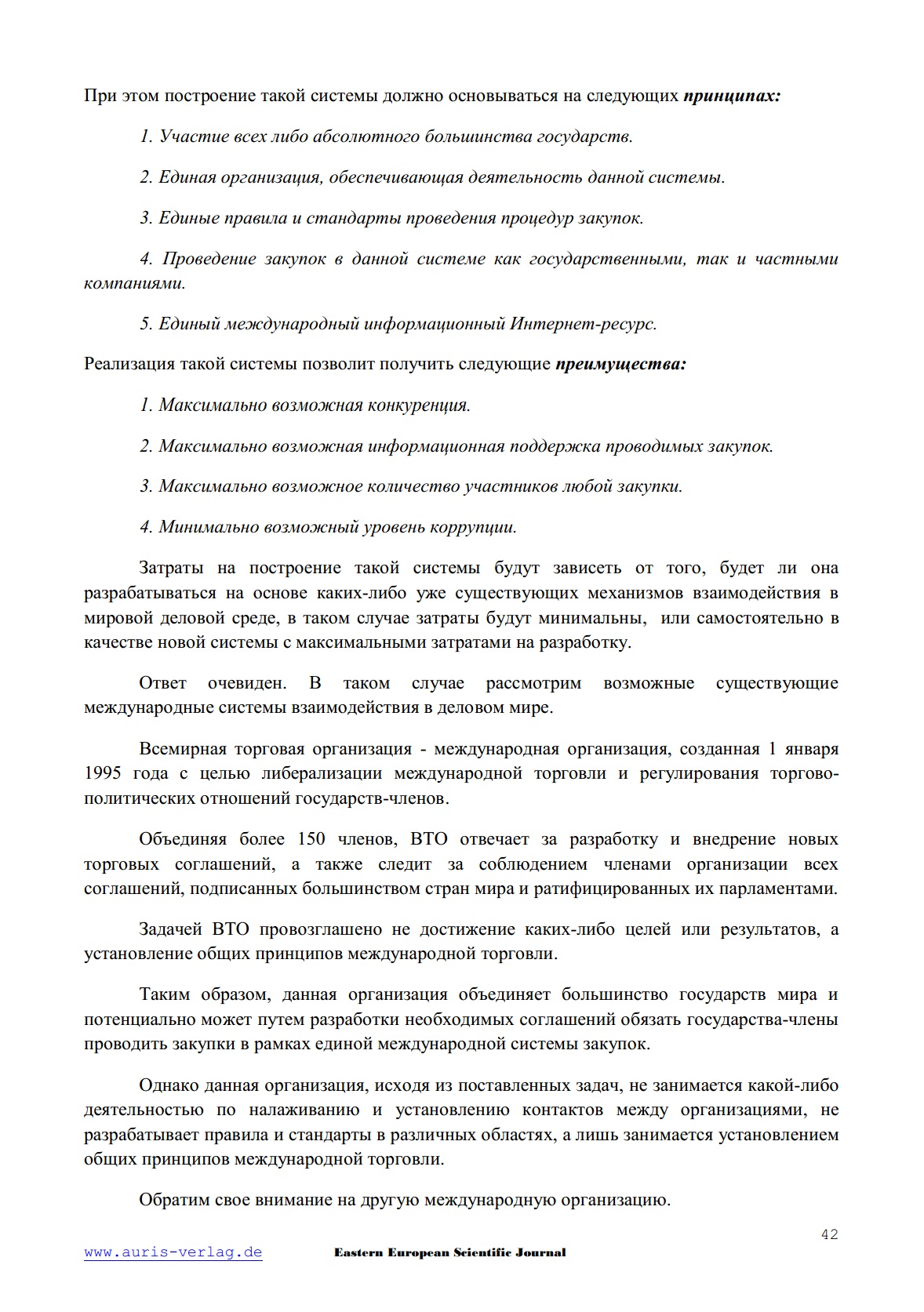
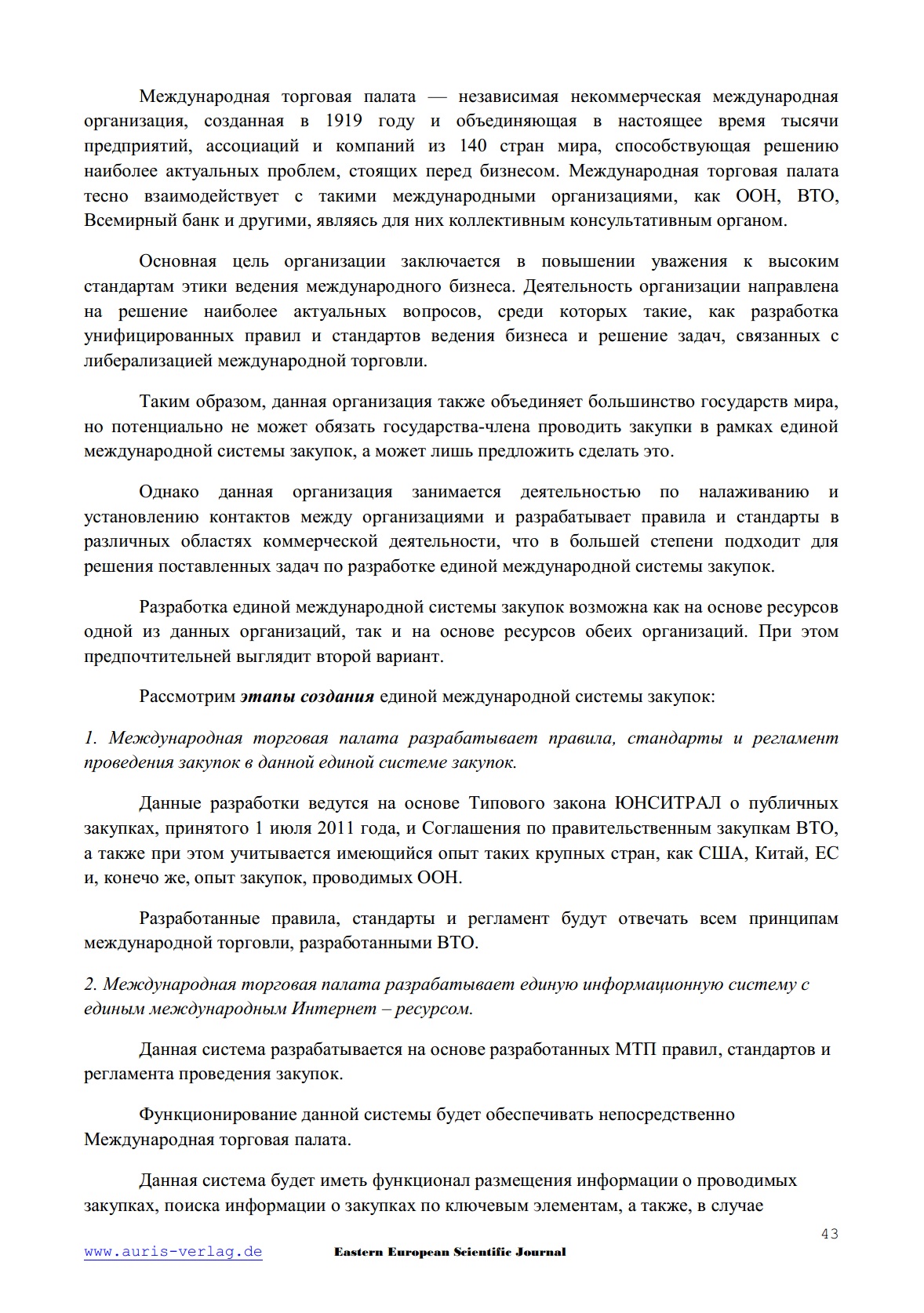
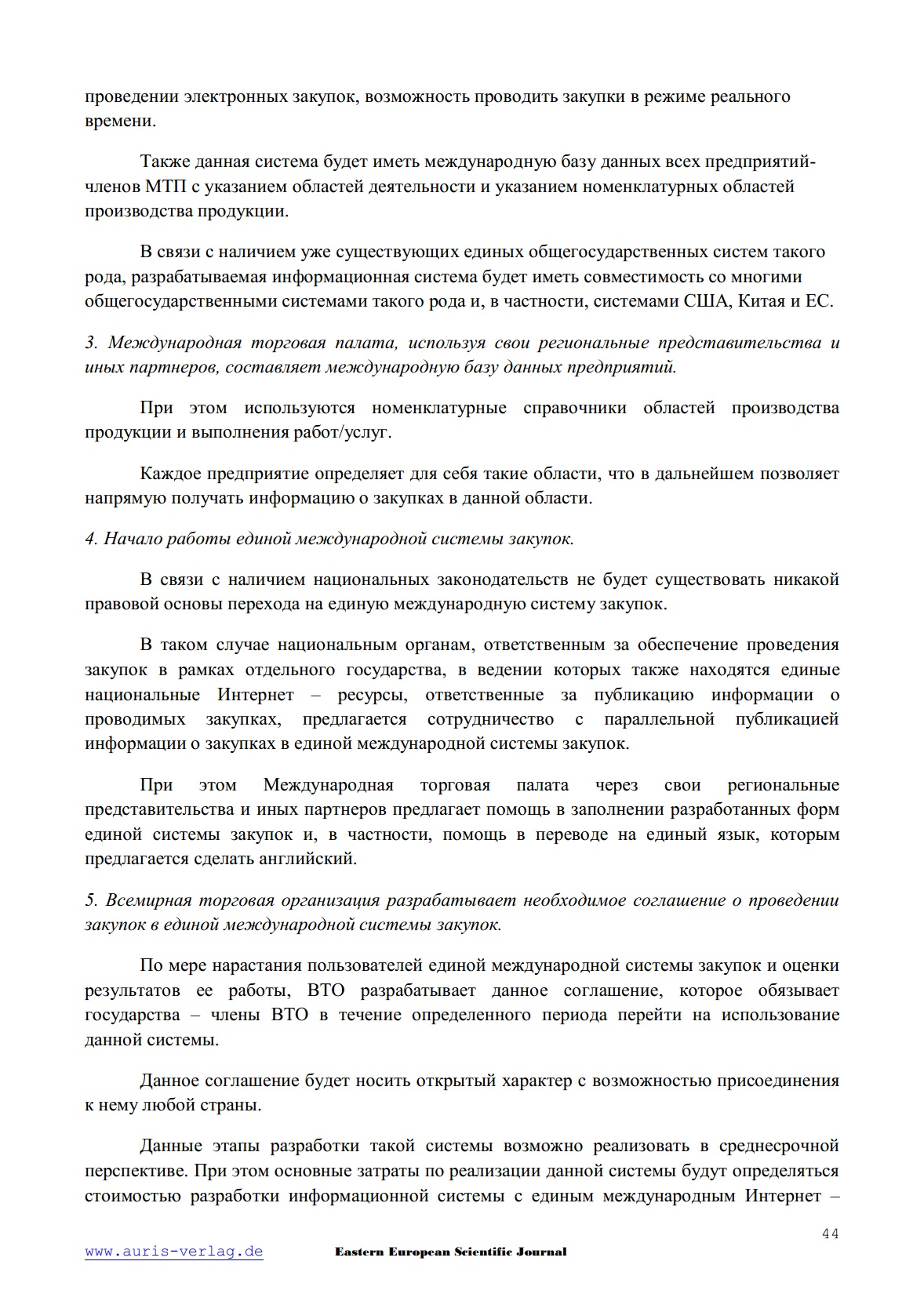
The article “The Single International Procurement System”
The article presents design principles and steps for creating the single international procurement system.

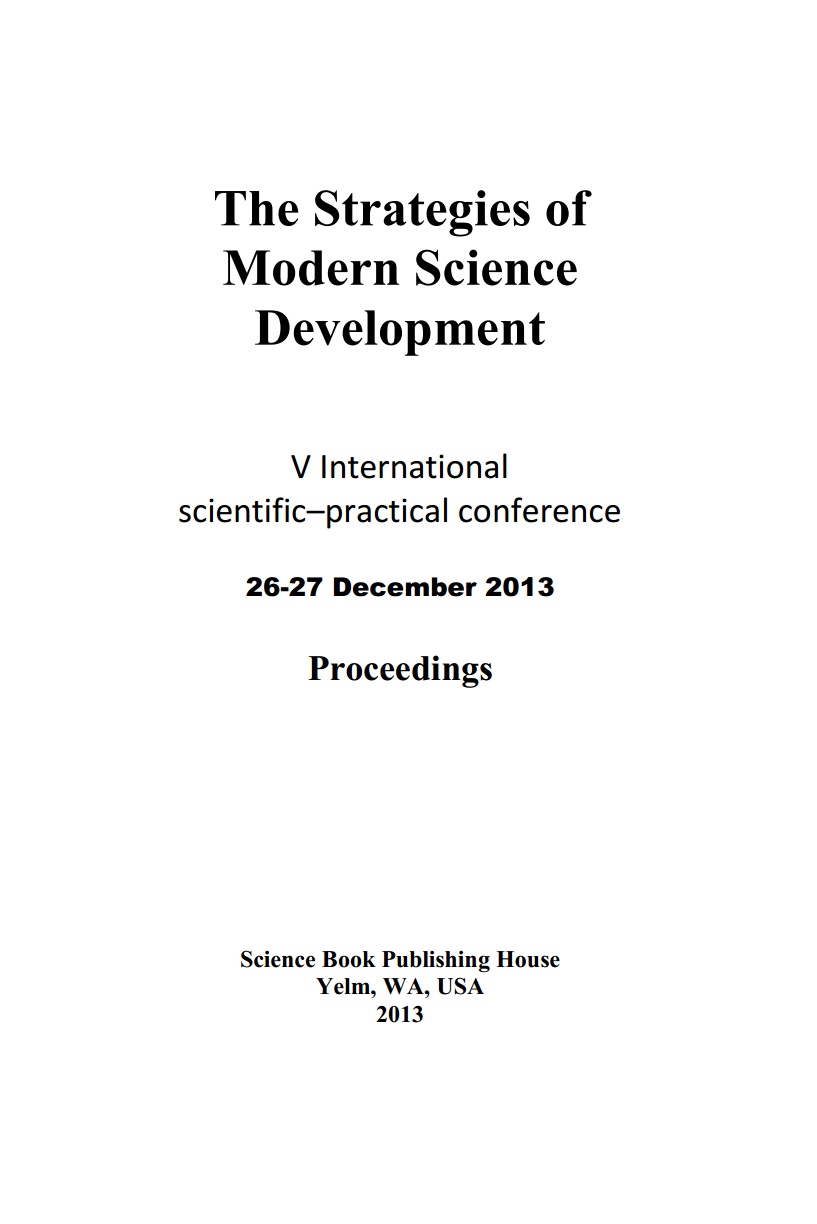
 5th International Scientific-Practical Conference “The Strategies of Modern Science Development” (5-я международная научно-практическая конференция “Стратегии развития современной науки”)
26-27.12.2013
Yelm, USA (Йелм, США)
Conference papers.pdf, Article.pdf
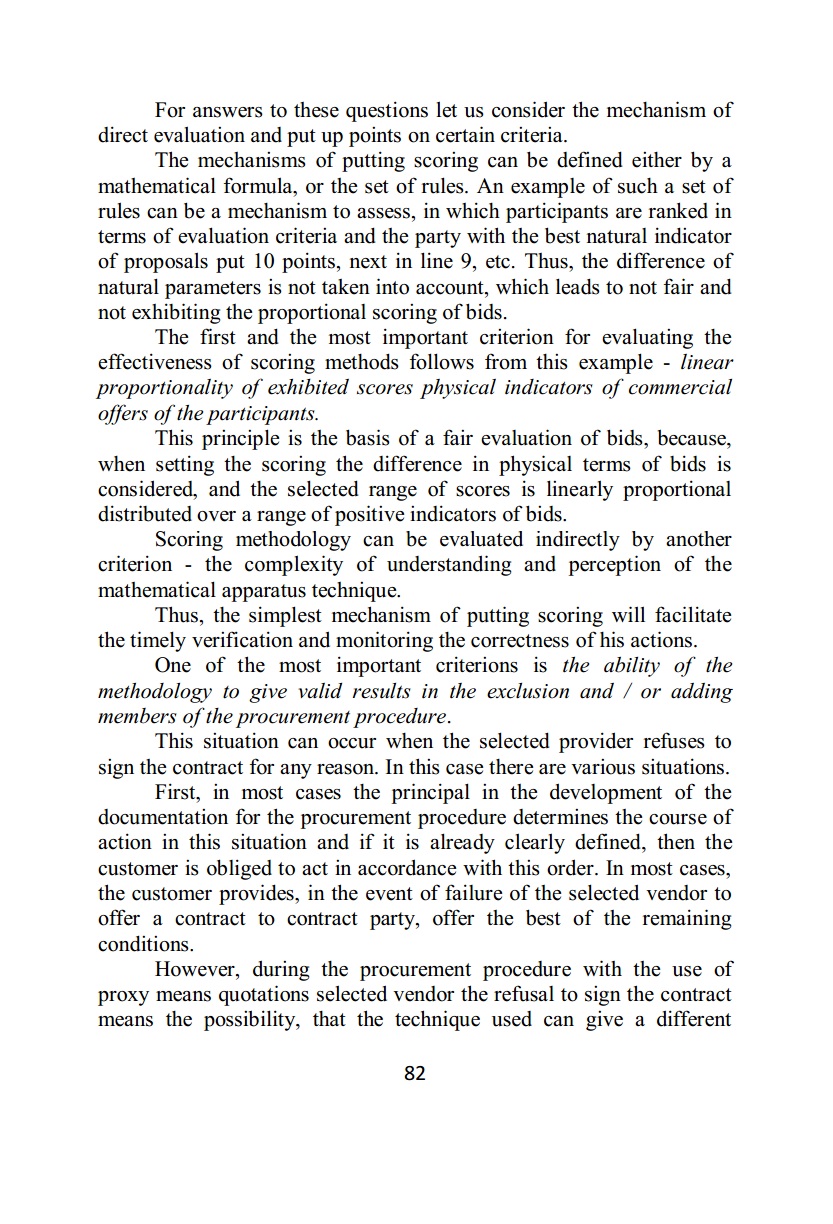
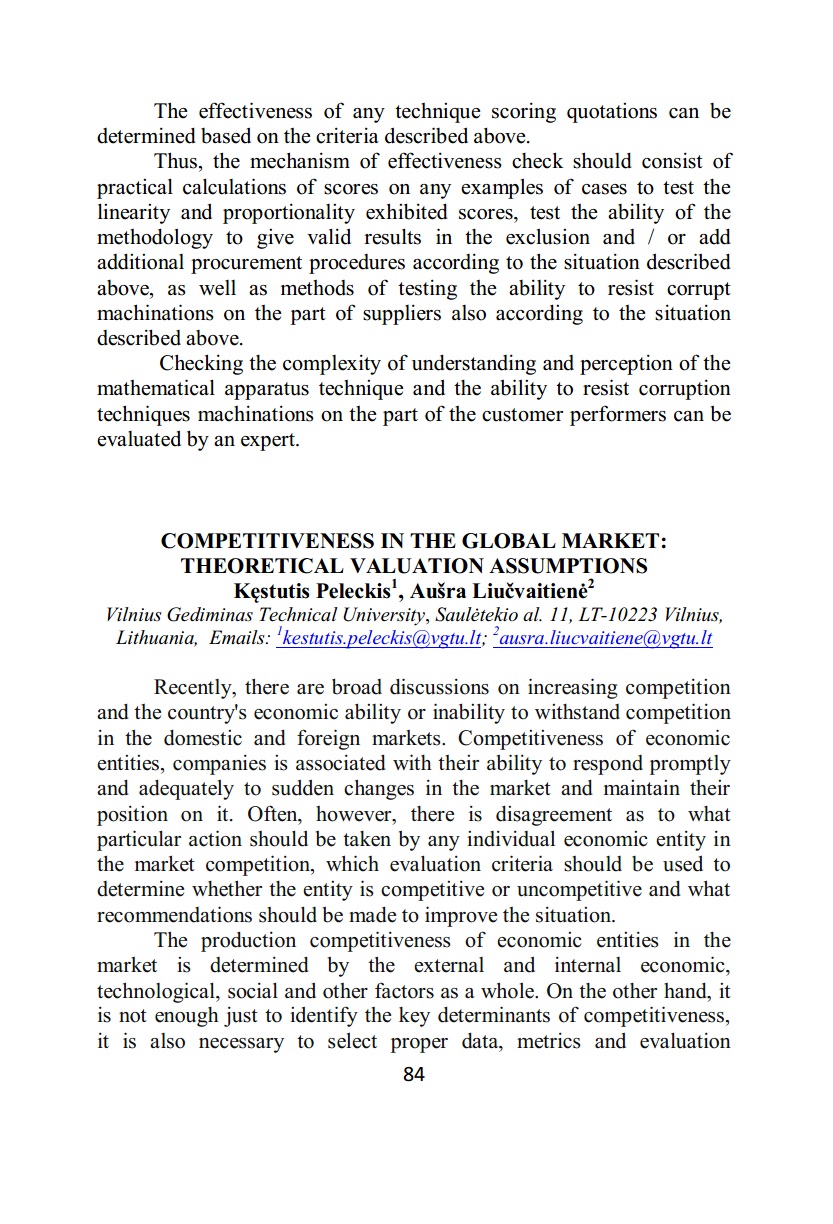
Article “Current issues in evaluating the effectiveness of different proxy means commercial proposals” (Статья “Актуальные вопросы оценки эффективности различных балльных методик оценки коммерческих предложений”)
The article presents four criteria of effectiveness of proxy means of commercial proposals evaluating.



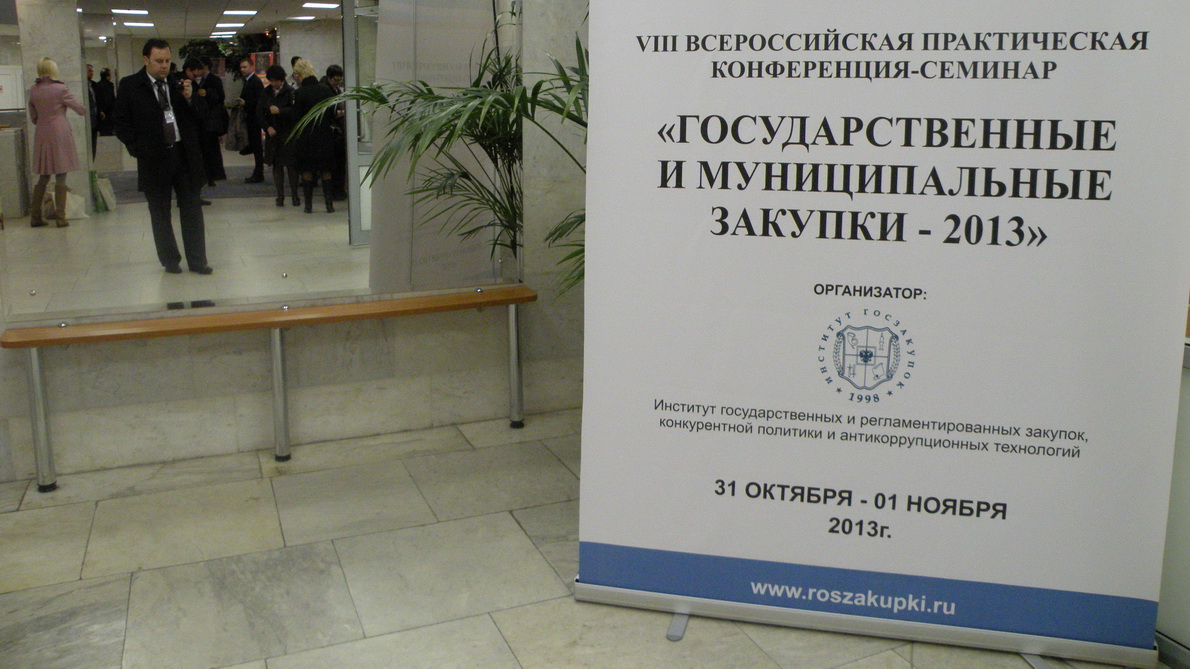
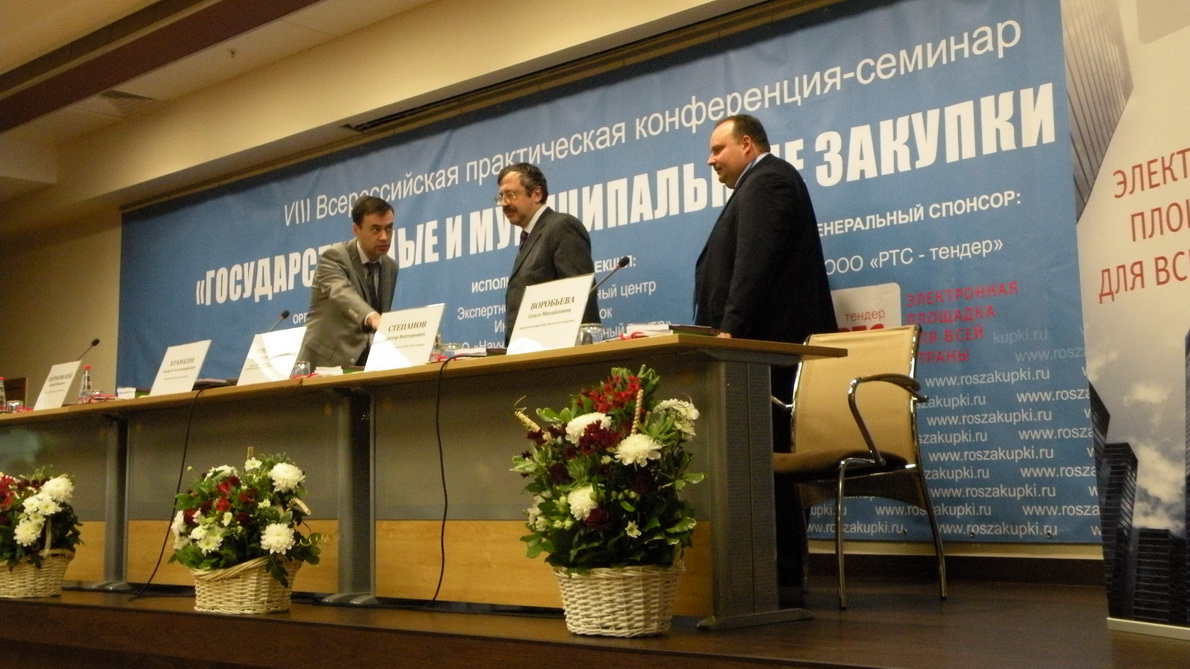
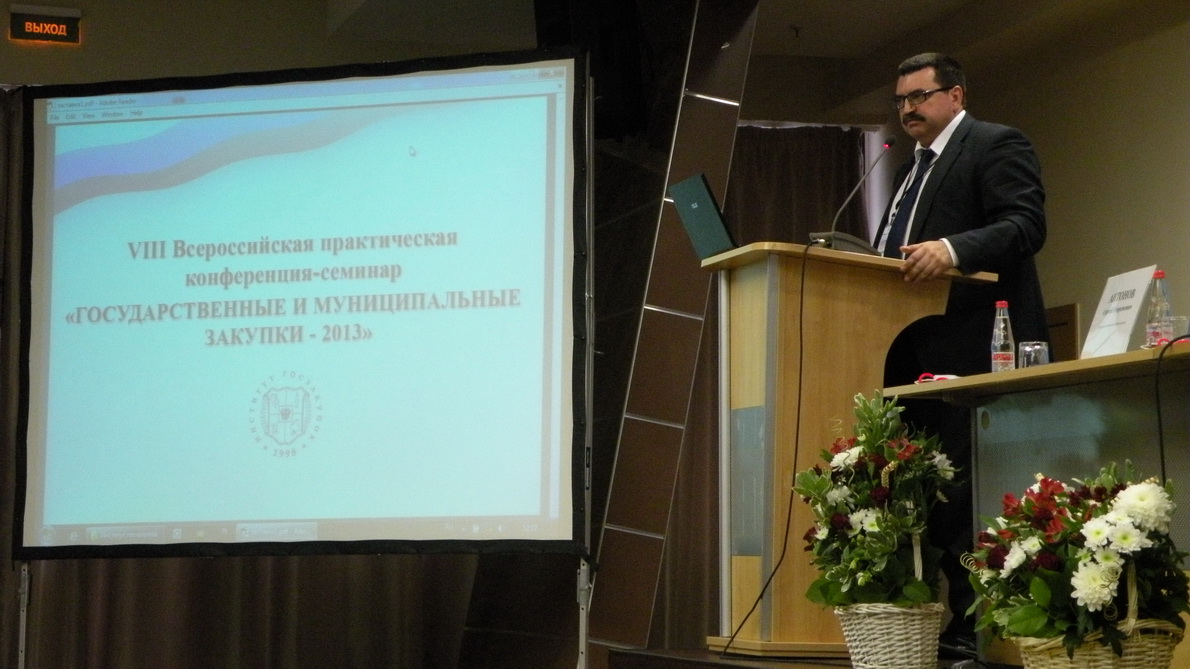
VIII Всероссийская практическая конференция-семинар “Государственные и муниципальные закупки – 2013”
31.10 – 01.11.2013
Москва, Россия
Сборник докладов:
Представители гос. и иных органов: Conference papers (pages 1 – 102).pdf
Представители Института госзакупок: Conference papers (pages 103 – 306).pdf
Представители научных и иных организаций: Conference papers (pages 307 – 475).pdf
Содержание: Conference papers (pages 476 – 483).pdf
Организатор Конференции: Институт государственных и регламентированных закупок, конкурентной политики и антикоррупционных технологий (Институт госзакупок)
Исполнительная дирекция Конференции: ООО “Научно-консультационный центр” (г. Москва)
В конференциях Института госзакупок традиционно принимают участие:
Генеральный спонсор: ООО “РТС-тендер”
Обзор выступлений:
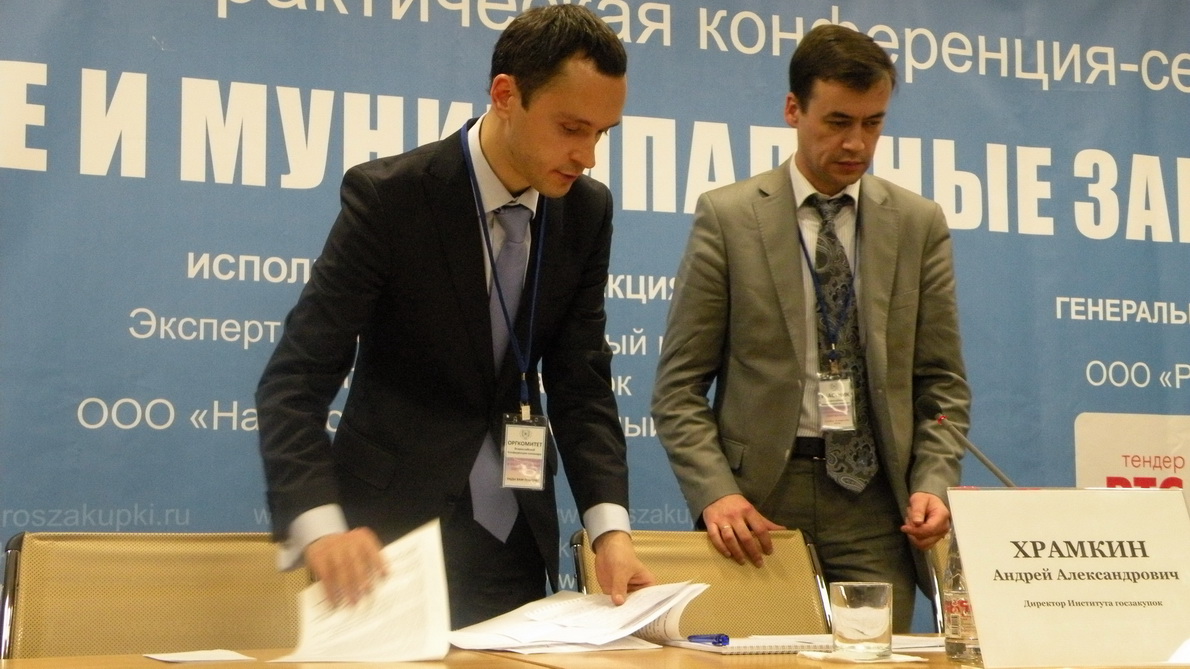
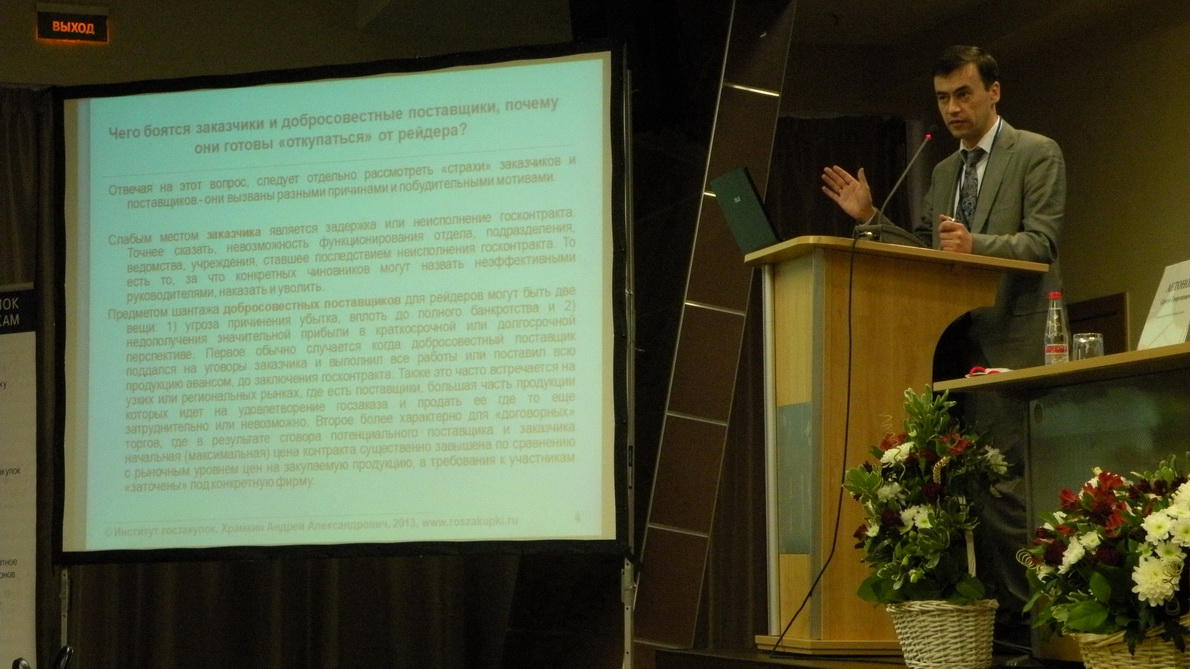
1. Проблемы рейдерства при осуществлении закупок для государственных и муниципальных нужд

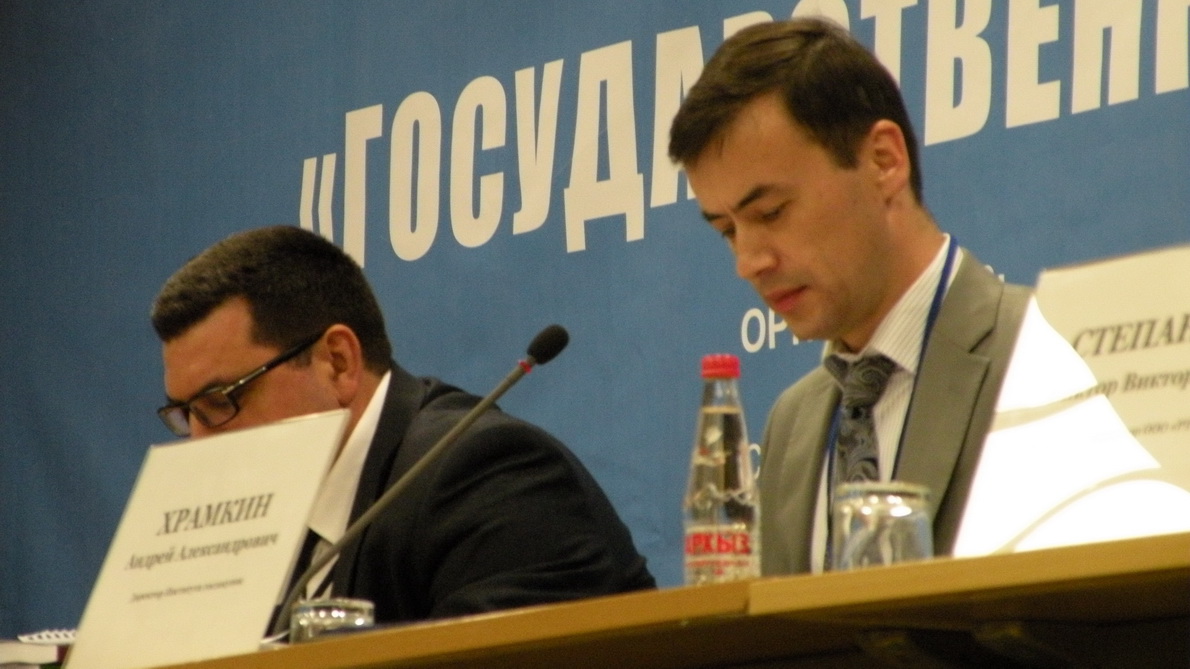
Храмкин Андрей Александрович
Институт госзакупок
Директор Института госзакупок, к.э.н.
Полный текст доклада доступен в Сборнике докладов
Рассматриваемые вопросы и тезисы:
2. Задачи государственного финансового контроля использования средств федерального бюджета в свете реформирования бюджетной системы
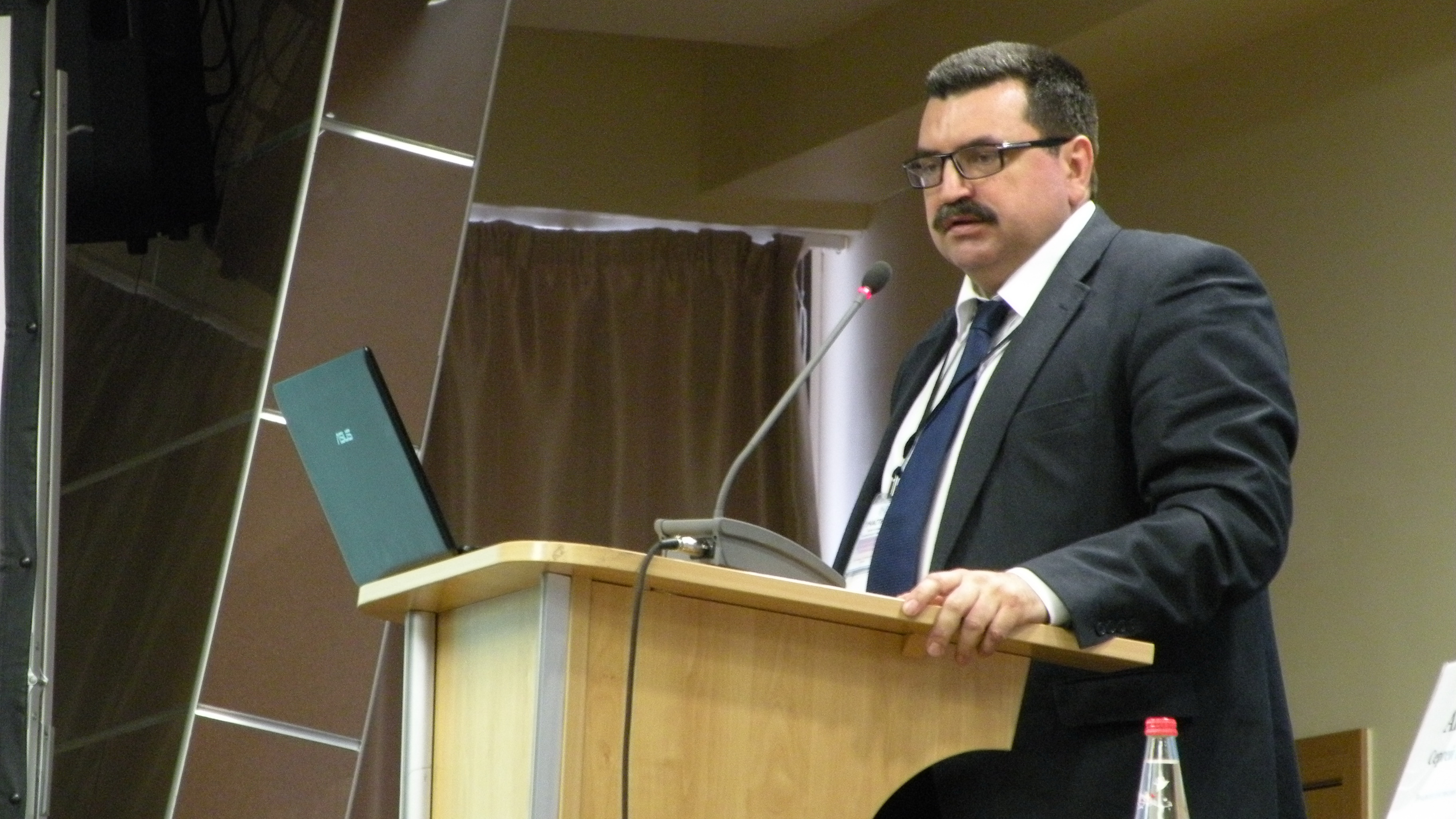
Антонов Сергей Георгиевич
Счетная палата Российской Федерации
Начальник инспекции
Полный текст доклада доступен в Сборнике докладов
Рассматриваемые вопросы и тезисы:
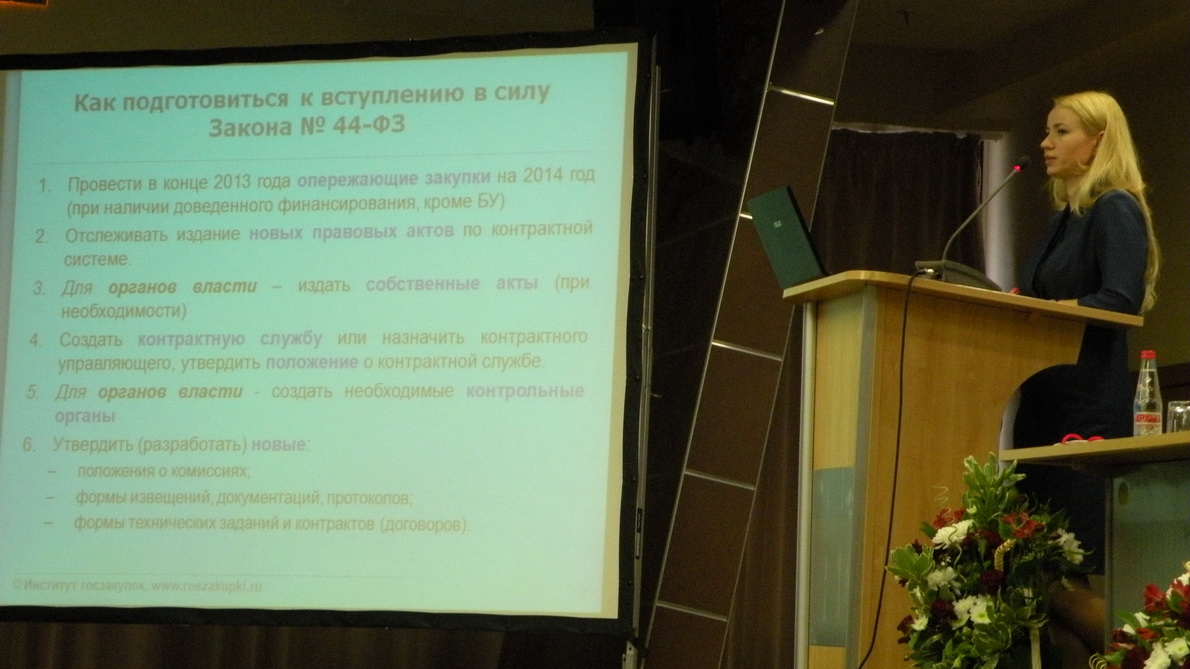
3. Подготовка заказчика к вступлению в силу Закона о контрактной системе или «что необходимо сделать заказчику до 1 января 2014 года». Контрактная служба и контрактные управляющие. Комиссии по закупкам. Эксперты и экспертные организации

Воробьева Ольга Михайловна
Институт госзакупок
Заместитель директора Института госзакупок
Полный текст доклада доступен в Сборнике докладов
Рассматриваемые вопросы и тезисы:
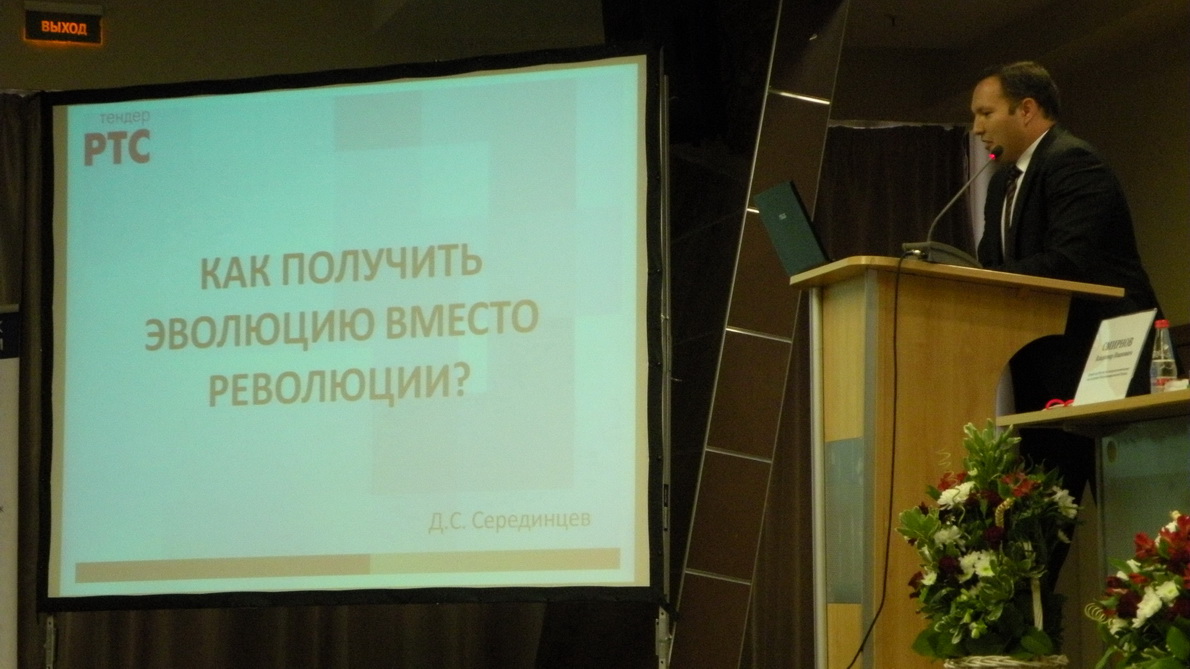
4. Информационное обеспечение и электронные торги в условиях контрактной системы
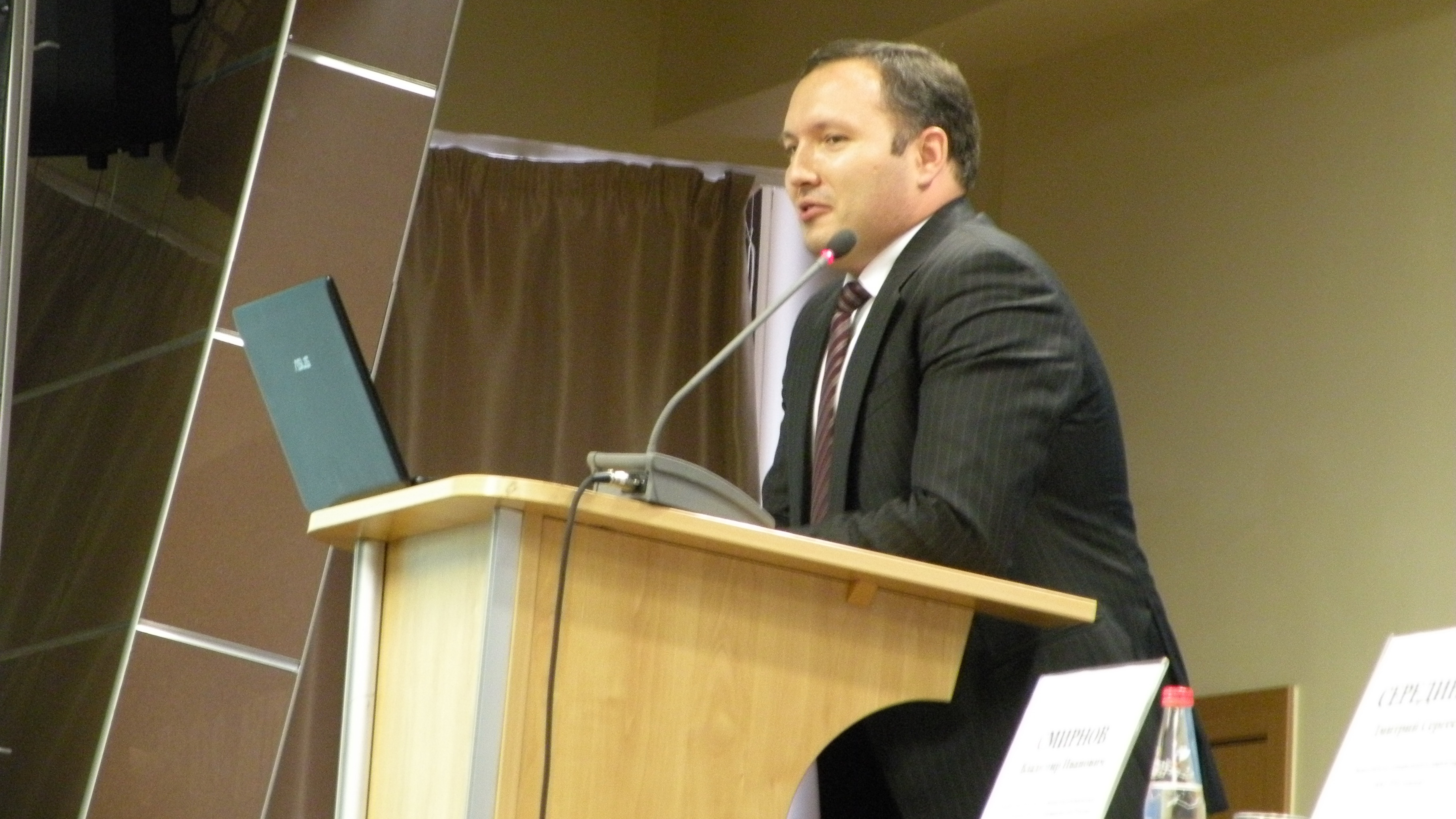
Серединцев Дмитрий Сергеевич
Электронная площадка ООО «РТС- тендер»
Заместитель генерального директора
Полный текст доклада доступен в Сборнике докладов
Рассматриваемые вопросы и тезисы:
5. Плохой 94-й оказался получше 44-го

Смирнов Владимир Иванович
Институт макроэкономических исследований
И.о. директора, д.э.н., профессор
Полный текст доклада доступен в Сборнике докладов
Особое мнение!!!
Рассматриваемые вопросы и тезисы:
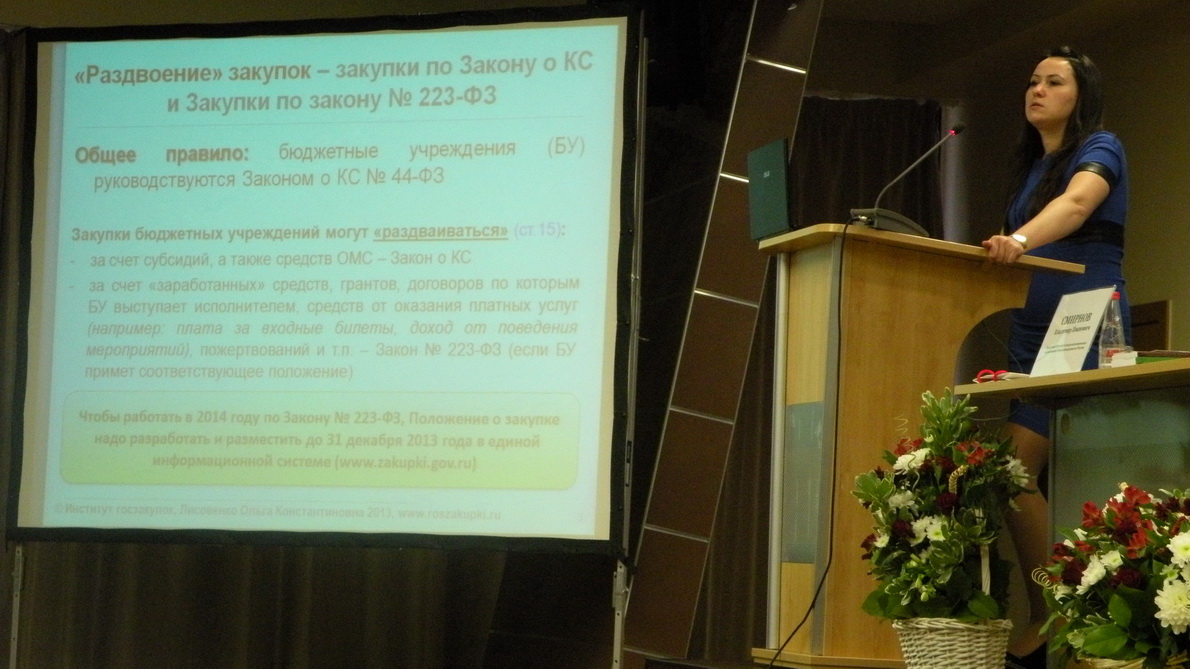
6. Особенности закупки товаров, работ, услуг бюджетными учреждениями
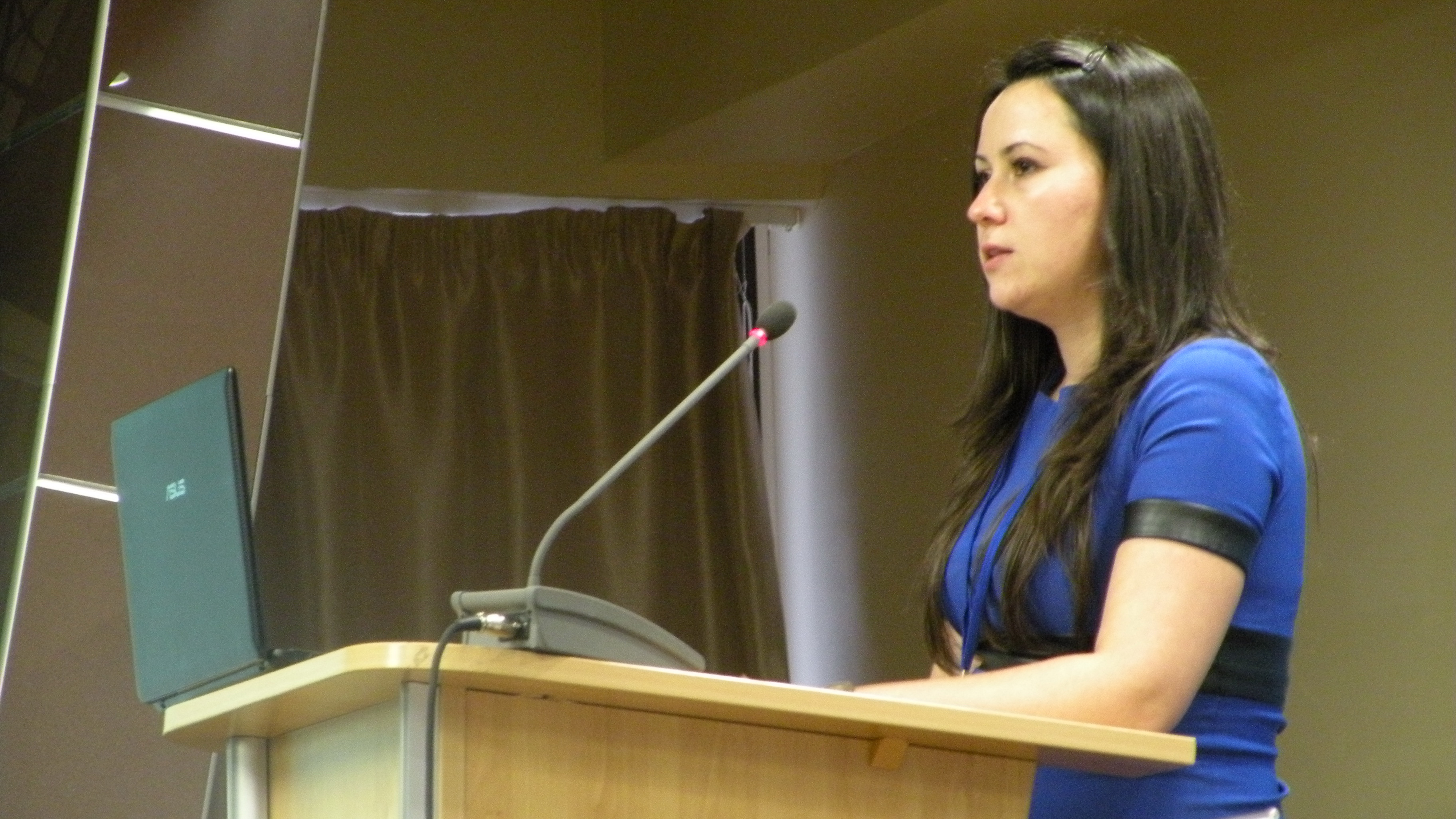
Лисовенко Ольга Константиновна
Институт госзакупок
Ведущий юрисконсульт экспертно-консультационного центра
Полный текст доклада доступен в Сборнике докладов
Рассматриваемые вопросы и тезисы:
7. Особенности перехода участников закупок к работе в рамках положений Закона о контрактной системе

Денисенко Мария Анатольевна
Минкомсвязь России
Заместитель директора Департамента экономики и финансов
Полный текст доклада доступен в Сборнике докладов
Рассматриваемые вопросы и тезисы:
8. Антидемпинговые меры при проведении закупок по Закону о контрактной системе
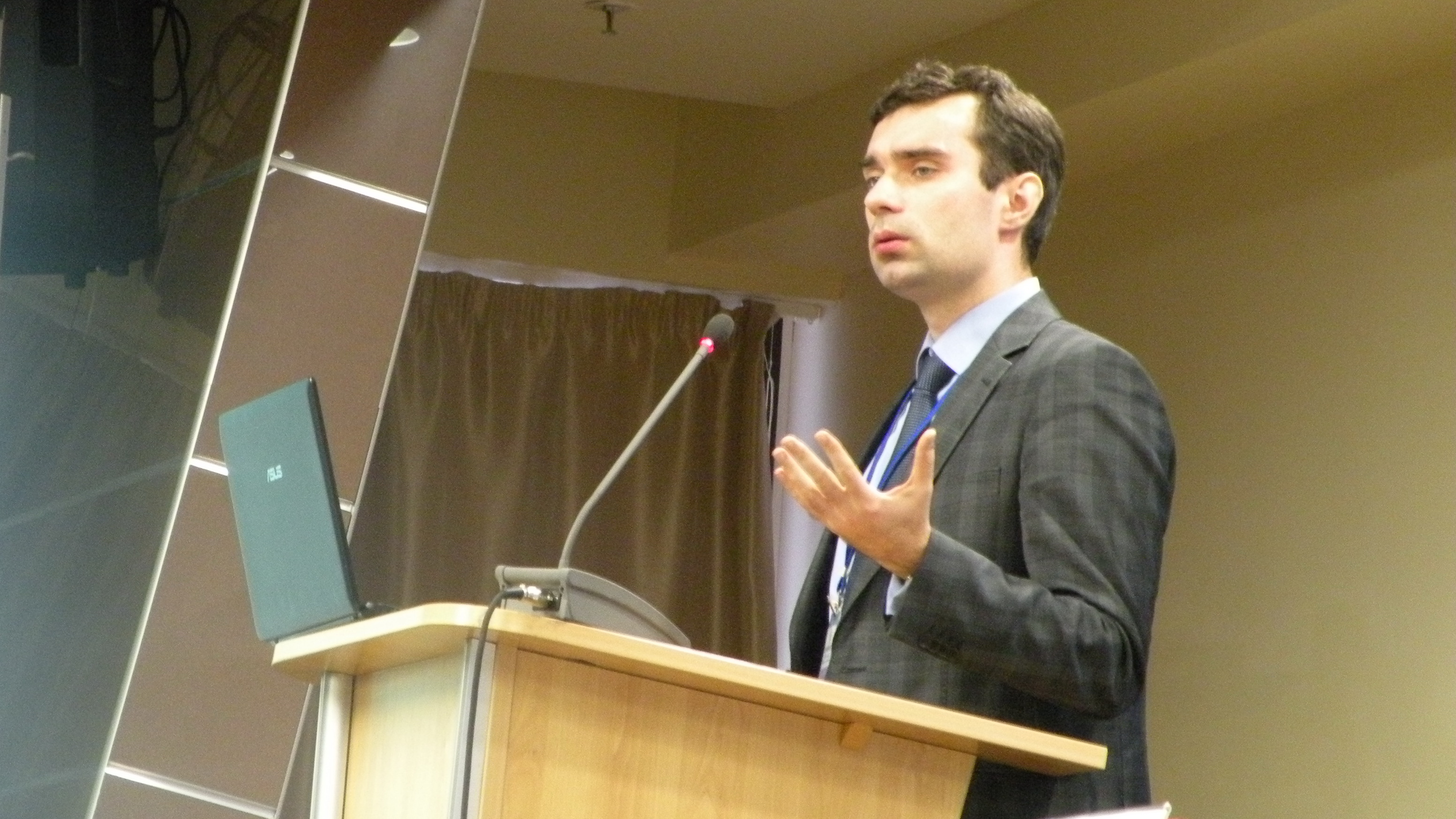
Евсташенков Александр Николаевич
Институт госзакупок
Заместитель руководителя экспертно-консультационного центра
Полный текст доклада доступен в Сборнике докладов
Рассматриваемые вопросы и тезисы:
9. Обеспечение функционирования и развития контрактной системы: правовое регулирование, информационная система, кадровое обеспечение

Степанов Кирилл Игоревич
Минэкономразвития России
Директор Департамента развития контрактной системы
Полный текст доклада доступен в Сборнике докладов
Рассматриваемые вопросы и тезисы:
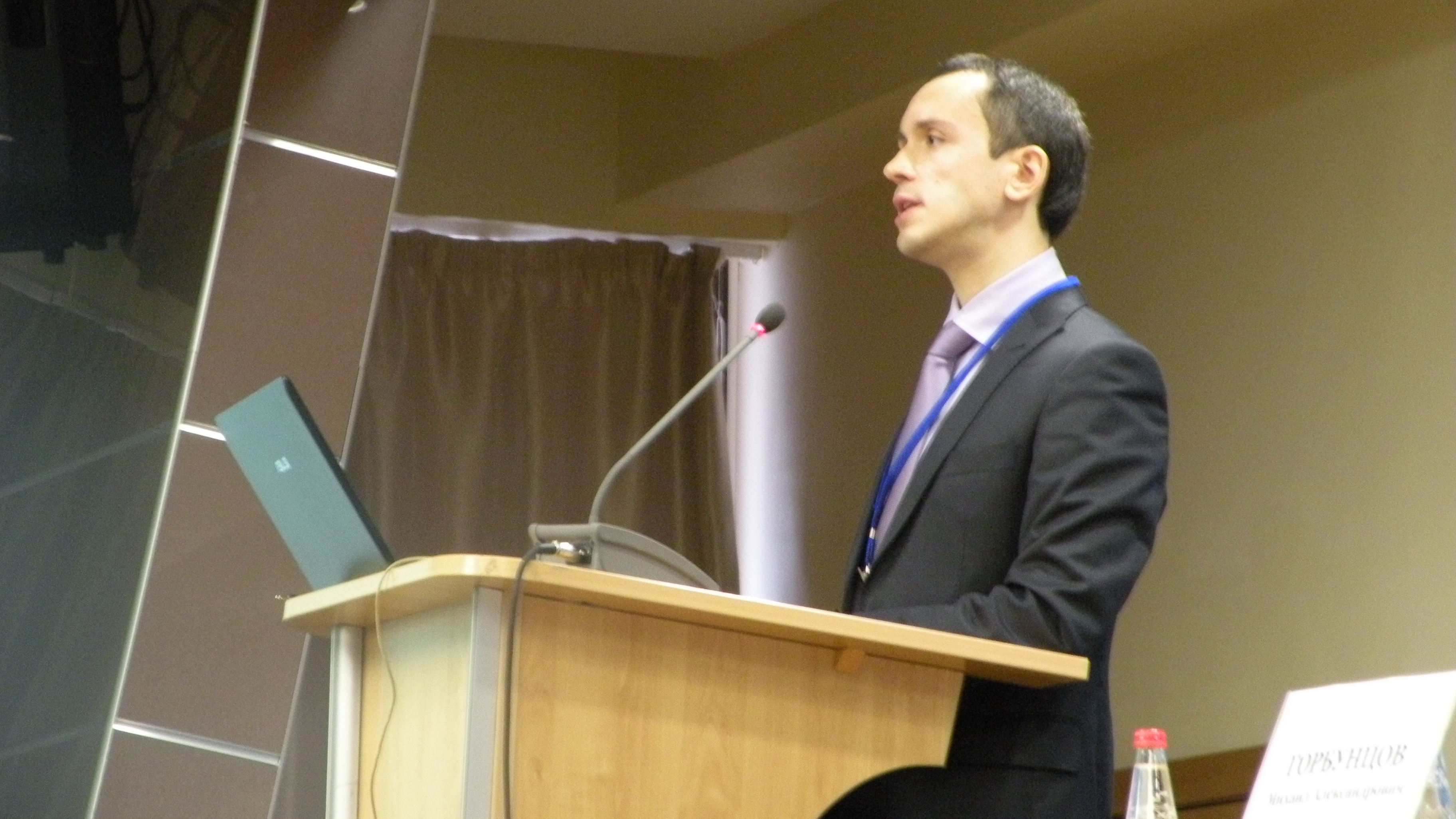
10. Аналитические возможности Официального сайта госзакупок
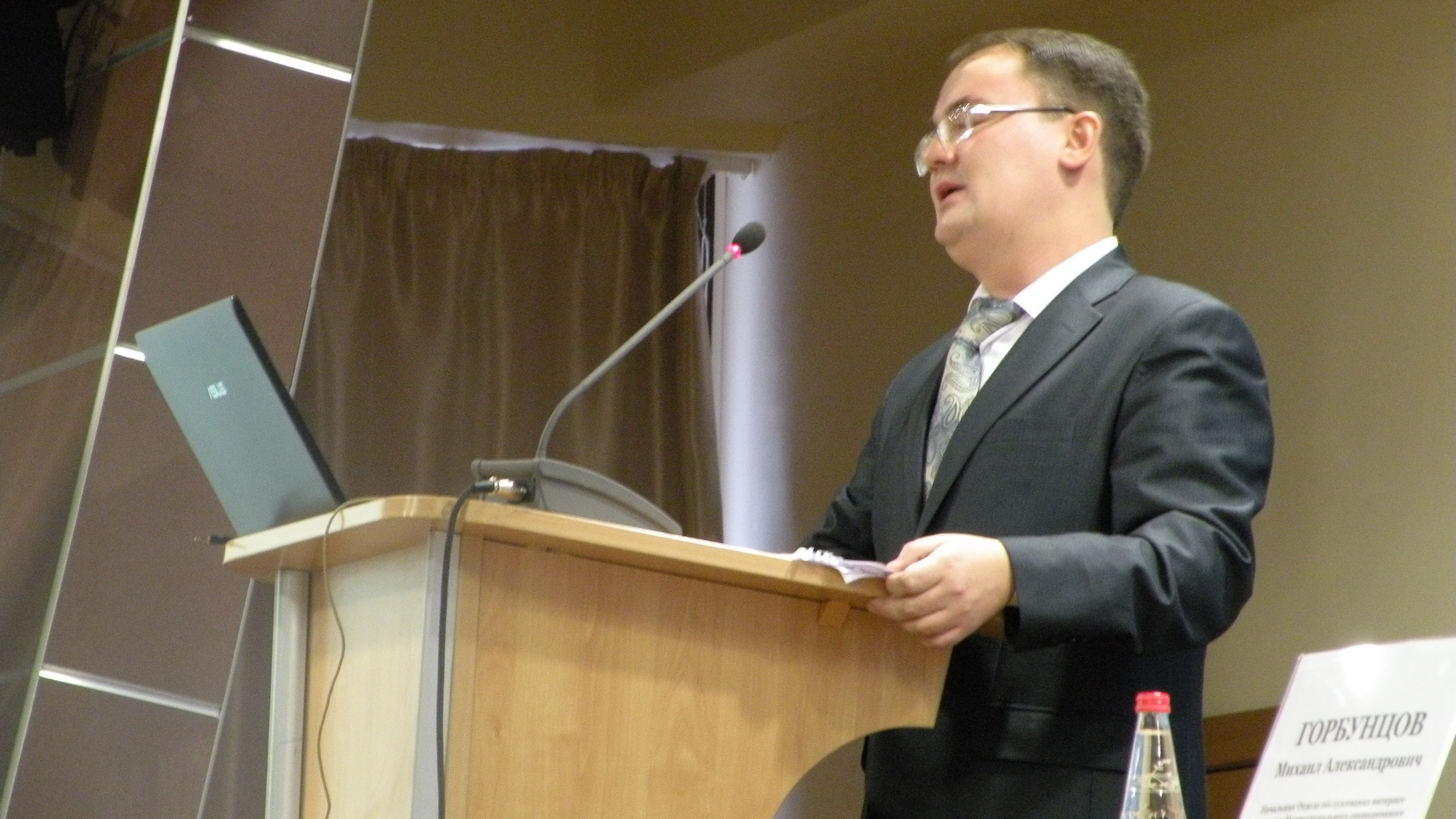
Горбунцов Михаил Александрович
Федеральное казначейство
Начальник отдела обслуживания Интернет-порталов
Полный текст доклада доступен в Сборнике докладов
Рассматриваемые вопросы и тезисы:
11. Новые правила предоставления обеспечения заявки и обеспечения исполнения контракта

Федоров Алексей Александрович
Институт госзакупок
Ведущий юрисконсульт экспертно-консультационного центра
Полный текст доклада доступен в Сборнике докладов
Рассматриваемые вопросы и тезисы:
12. Изменения в правилах проведения конкурсов

Сургутскова Ирина Александровна
Институт госзакупок
Ведущий юрисконсульт экспертно-консультационного центра
Полный текст доклада доступен в Сборнике докладов
Рассматриваемые вопросы и тезисы:
13. Порядок заключения, исполнения и изменения контракта
Корнилов Павел Николаевич
Институт госзакупок
Советник Института госзакупок
Полный текст доклада доступен в Сборнике докладов
Рассматриваемые вопросы и тезисы:
14. Централизация закупок по Закону о контрактной системе
Шавылина Юлия Александровна
Институт госзакупок
Заместитель руководителя экспертно-консультационного центра
Полный текст доклада доступен в Сборнике докладов
Рассматриваемые вопросы и тезисы:
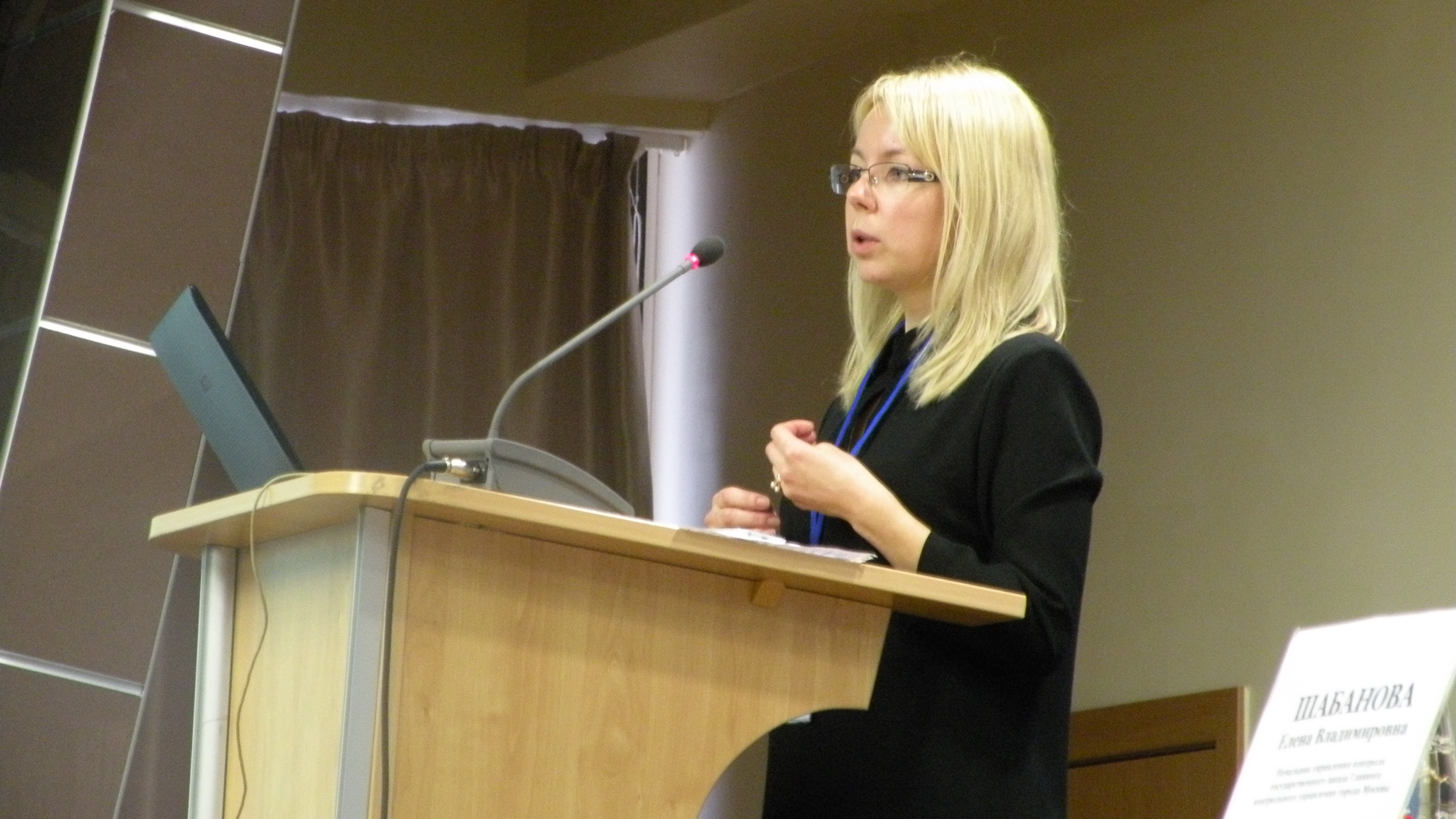
15. Организация контрактной системы в сфере закупок на примере муниципального образования города Иваново
Шабанова Елена Владимировна
Управление муниципального заказа Администрации города Иванова
Начальник управления
Полный текст доклада доступен в Сборнике докладов
Рассматриваемые вопросы и тезисы:
16. Запрос предложений как новый способ закупки. Проблемы организации и проведения
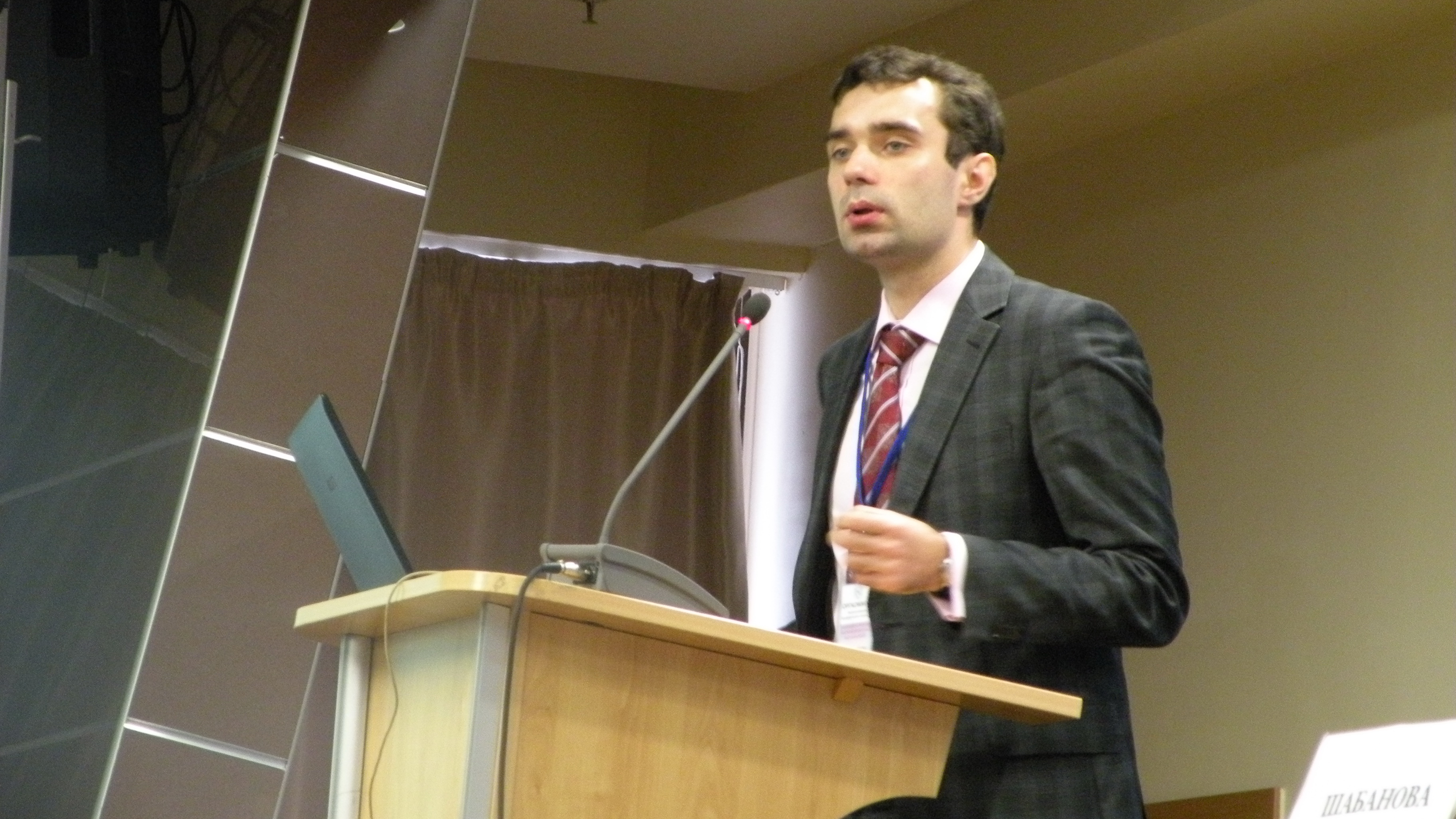
Евсташенков Александр Николаевич
Институт госзакупок
Заместитель руководителя экспертно-консультационного центра
Полный текст доклада доступен в Сборнике докладов
Рассматриваемые вопросы и тезисы:
17. Безопасность закупочного цикла. Выявление и минимизация рисков

Кузнецов Кирилл Владимирович
Центр эффективных закупок ООО «Тендеры.ру»
Генеральный директор
Полный текст доклада доступен в Сборнике докладов
Рассматриваемые вопросы и тезисы:
18. Порядок оценки заявок, окончательных предложений участников закупки и критерии этой оценки
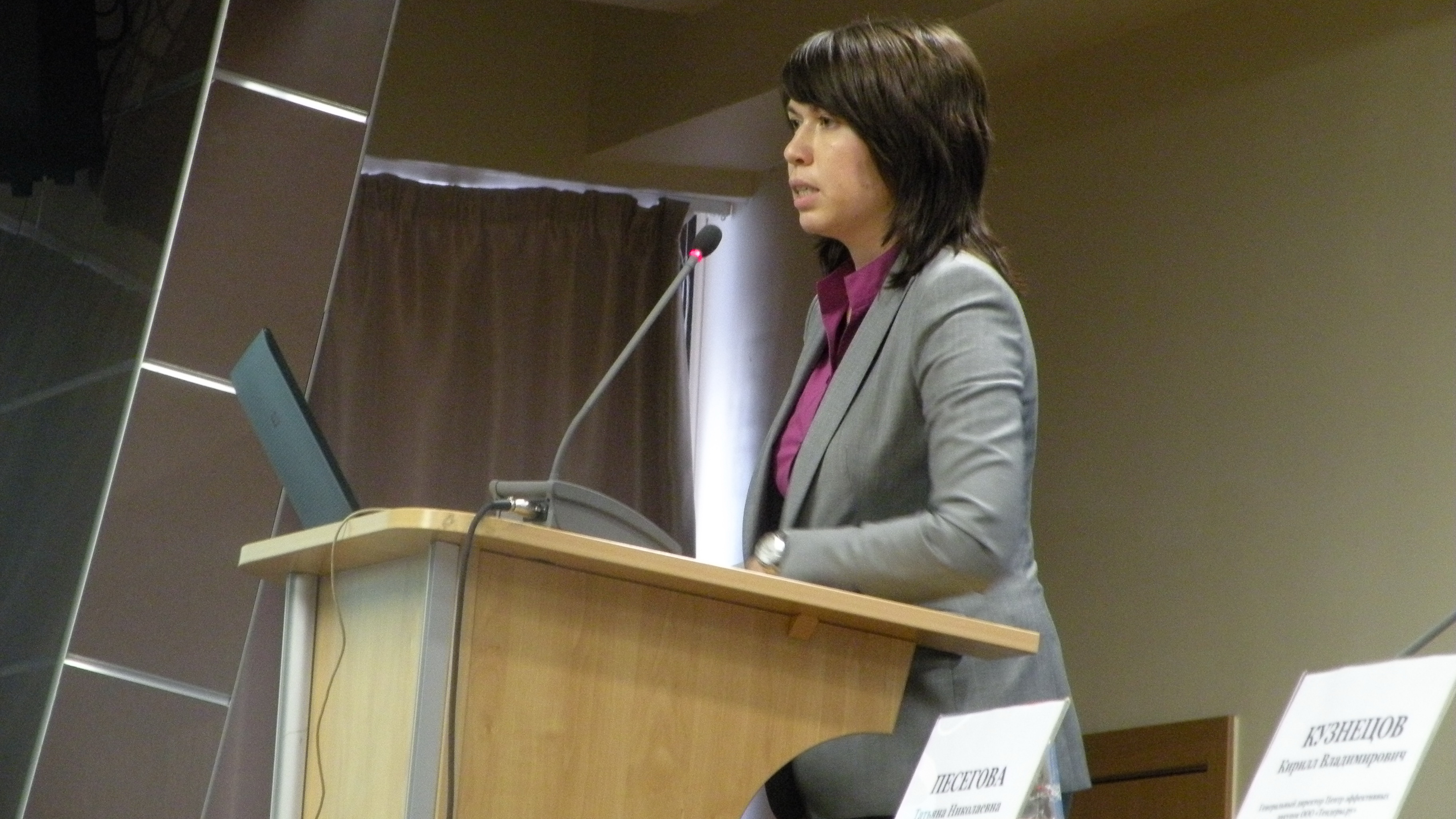
Песегова Татьяна Николаевна
Институт госзакупок
Ведущий экономист экспертно-консультационного центра
Полный текст доклада доступен в Сборнике докладов
Рассматриваемые вопросы и тезисы:
19. Новые правила закупки у единственного поставщика (подрядчика, исполнителя)

Кошелева Валентина Викторовна
Институт госзакупок
И.о. руководителя Экспертно-консультационного центра
Полный текст доклада доступен в Сборнике докладов
Рассматриваемые вопросы и тезисы:
20. Контрактная система. Станет ли она зеркалом Федерального закона № 94-ФЗ?
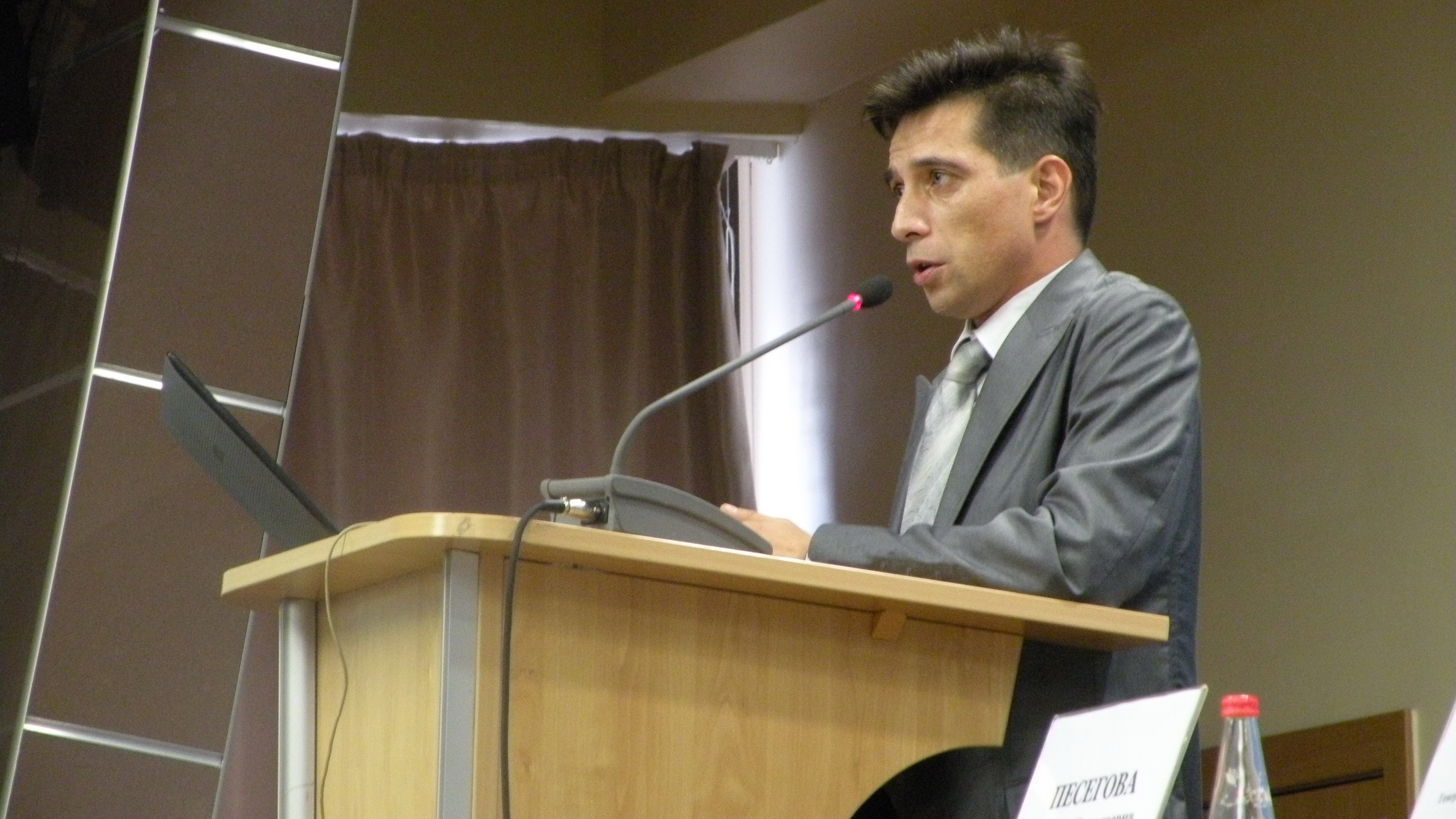
Строганов Александр Андреевич
Независимый эксперт в области госзакупок
Полный текст доклада доступен в Сборнике докладов
Рассматриваемые вопросы и тезисы:
21. Спорные вопросы закупок в сфере строительства и ремонта

Ермакова Анна Валентиновна
Институт госзакупок
Советник Института госзакупок, к.ю.н.
Полный текст доклада доступен в Сборнике докладов
Рассматриваемые вопросы и тезисы:
22. Контрактная система. Взгляд руководства бюджетного учреждения на отдельно взятую проблему
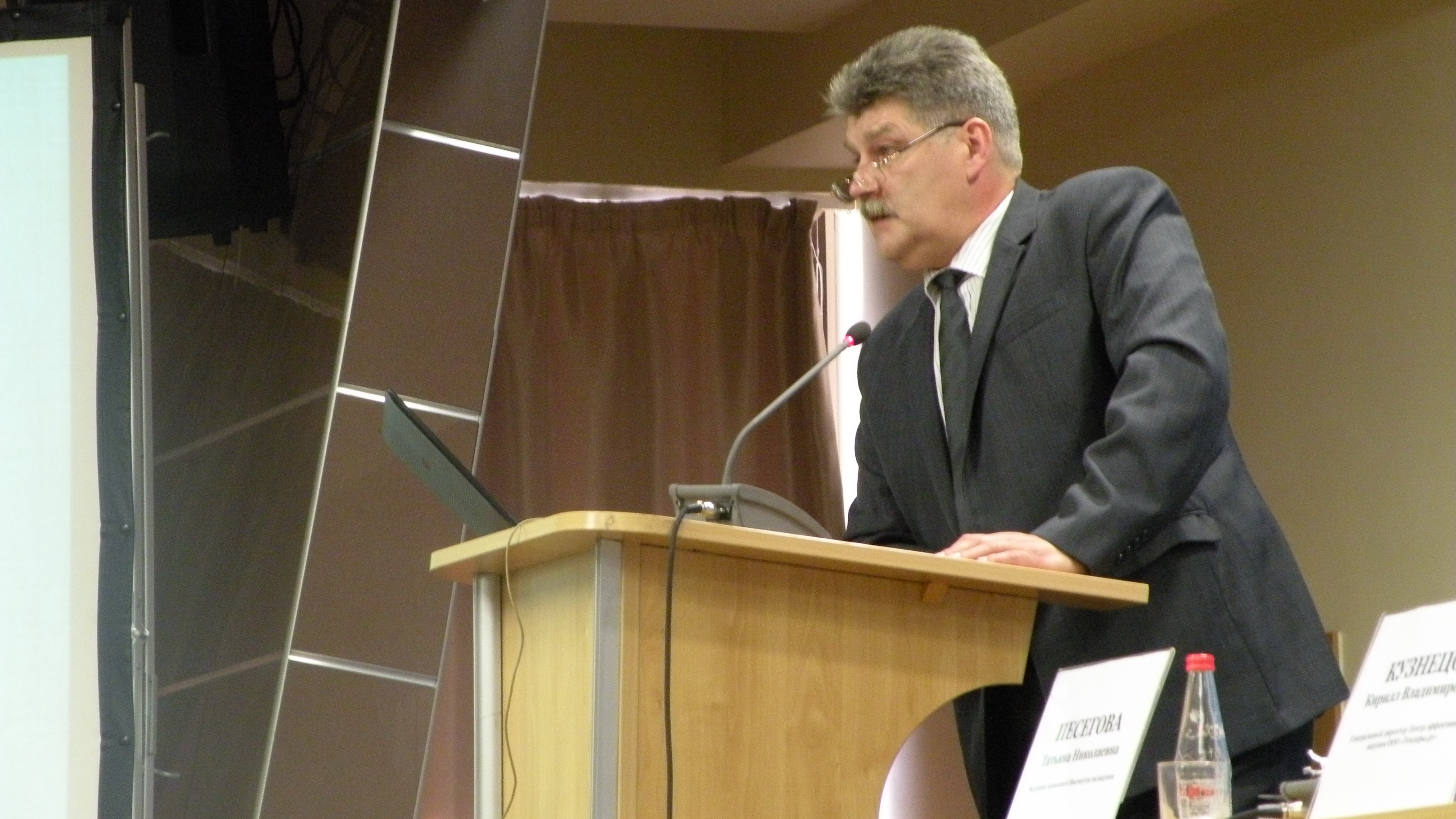
Гавришев Михаил Юрьевич
ФГБУ Национальный медико-хирургический Центр имени Н. И. Пирогова
Заместитель генерального директора
Полный текст доклада доступен в Сборнике докладов
Рассматриваемые вопросы и тезисы:
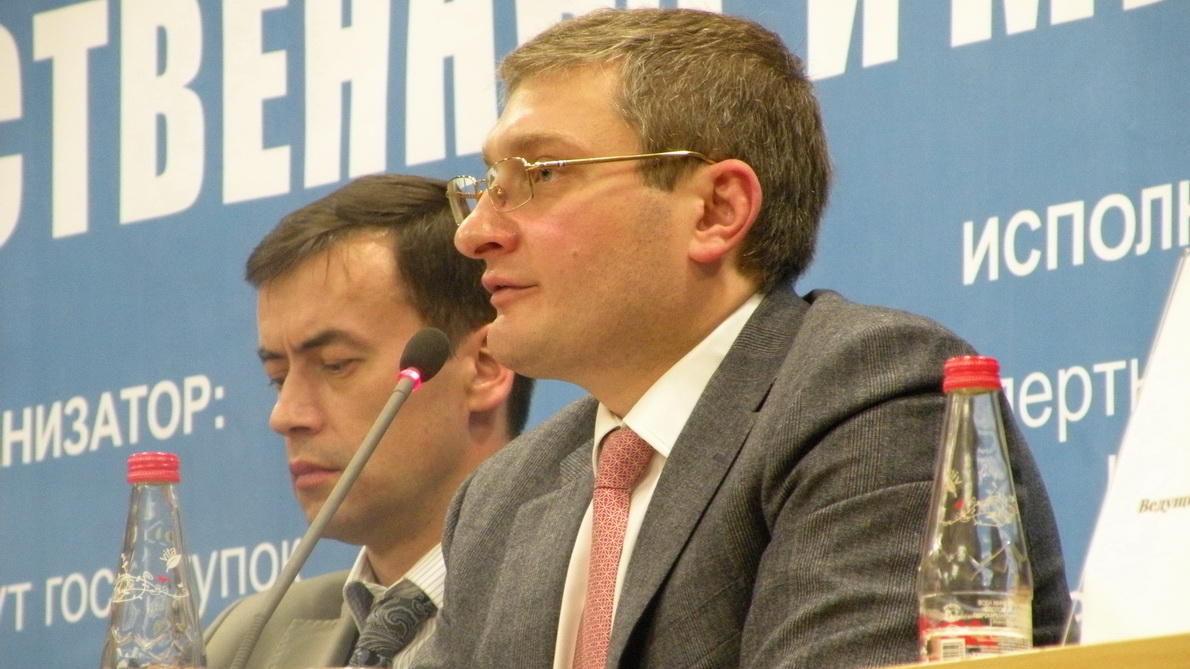
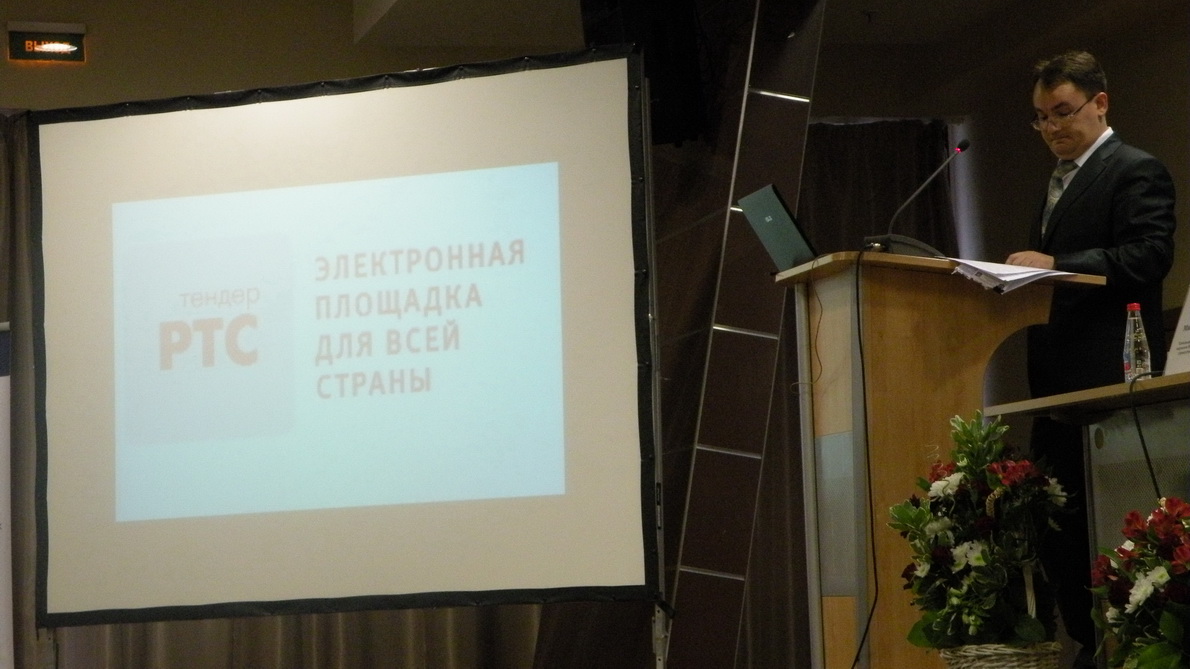
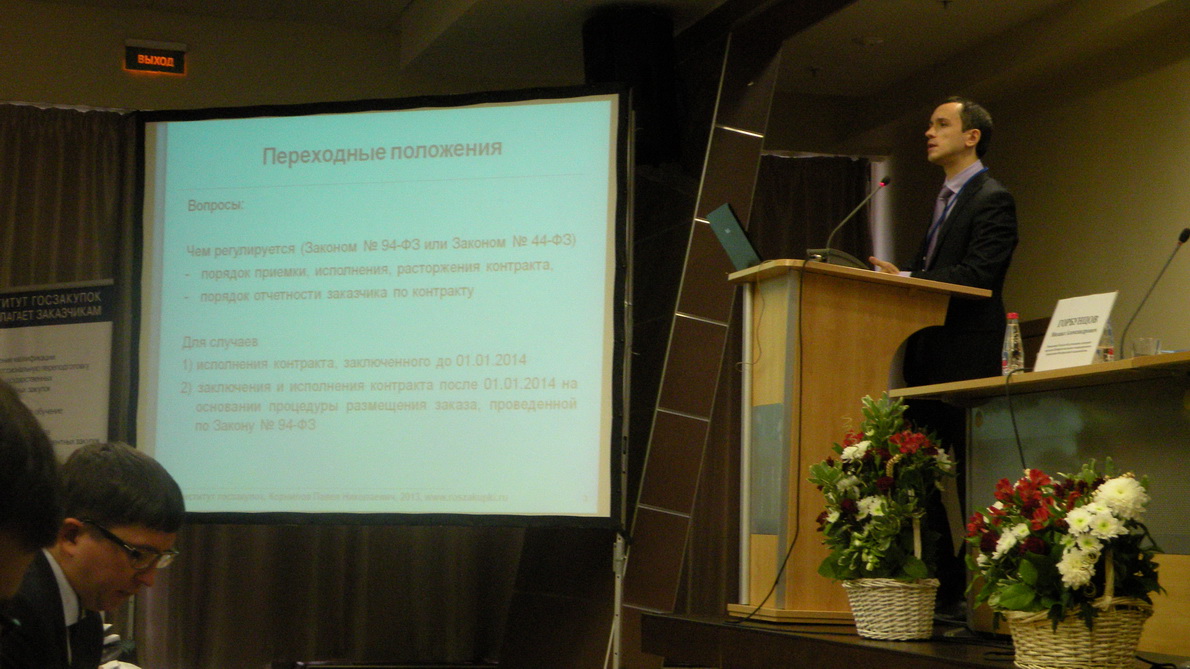
Фото:






Материалы:

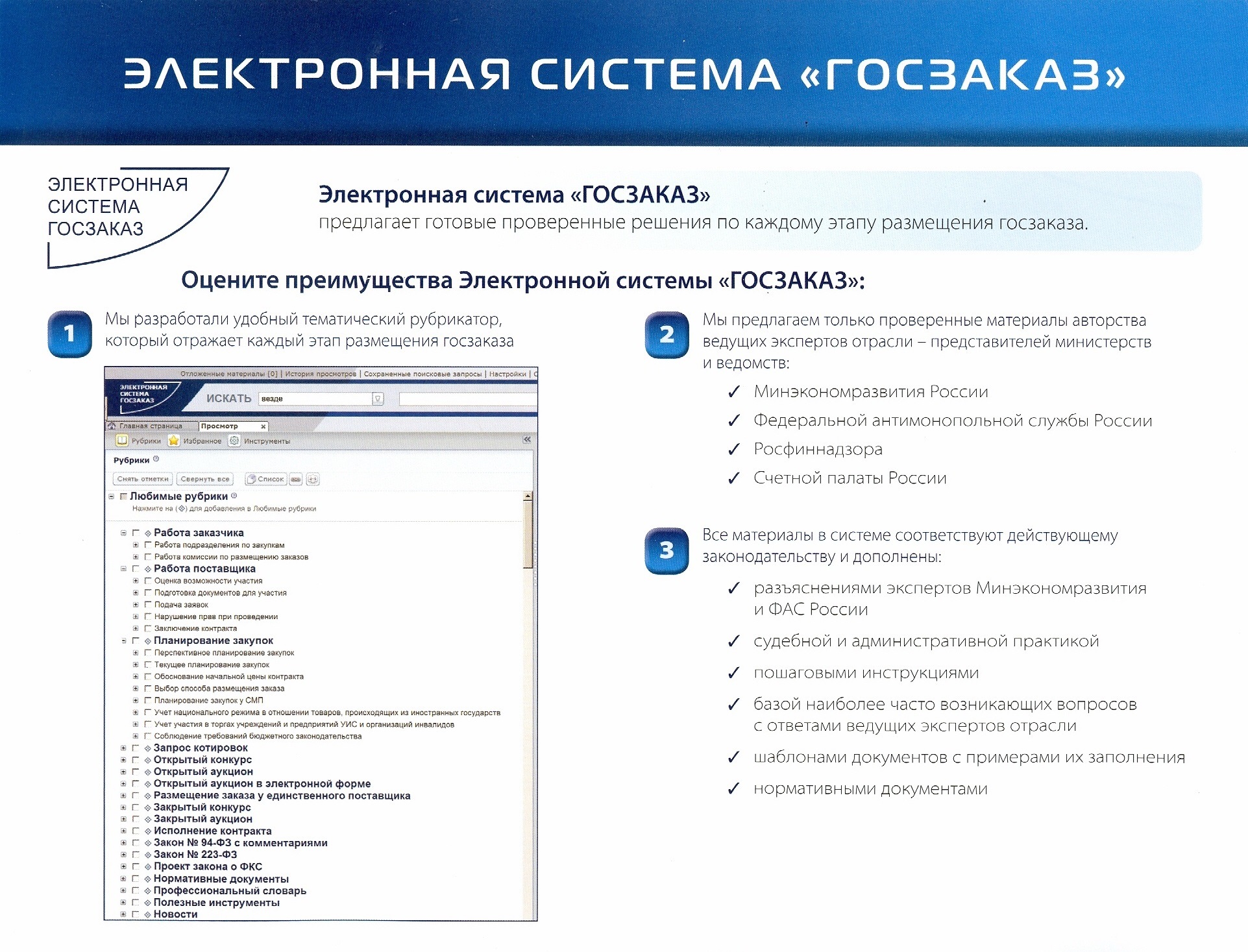

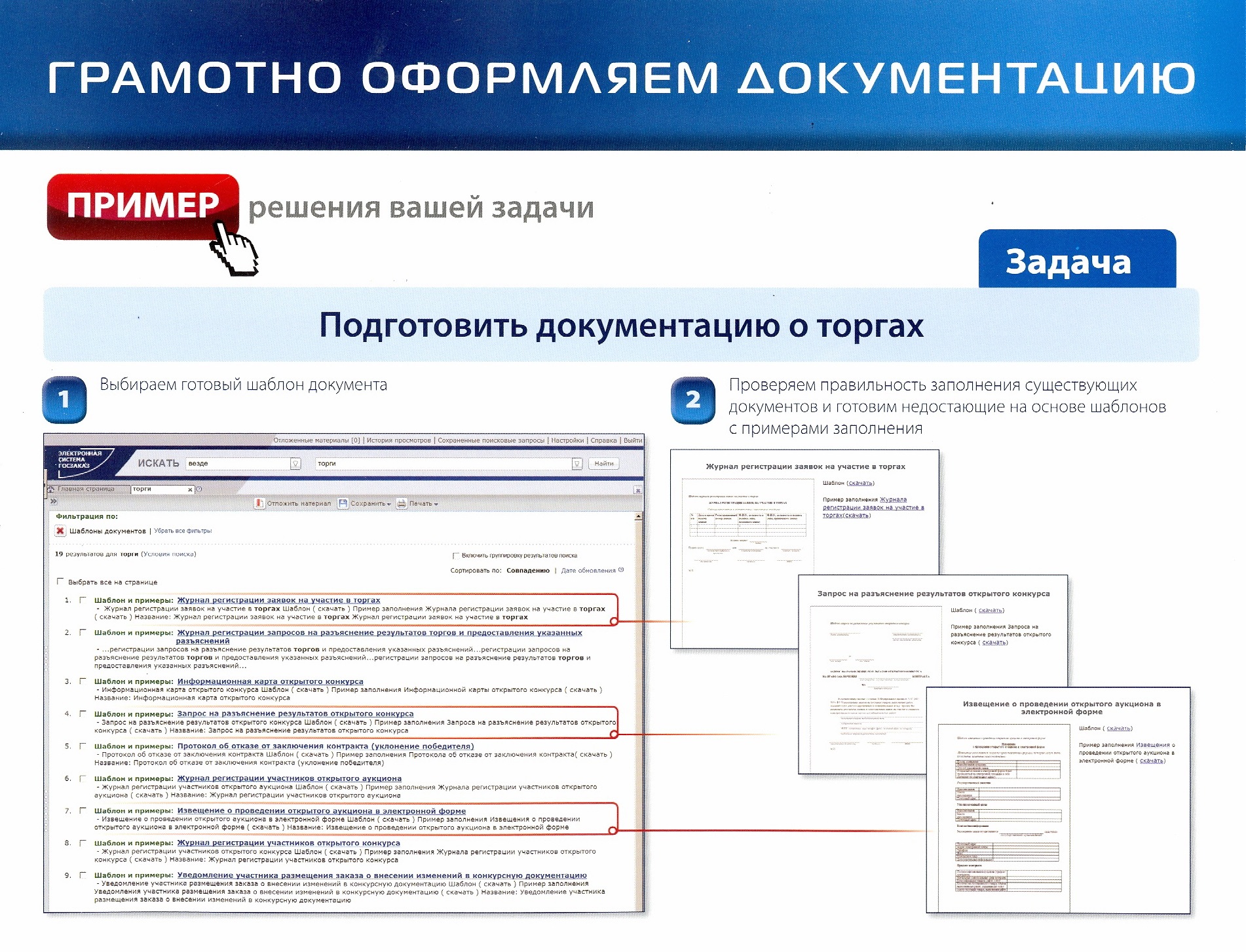
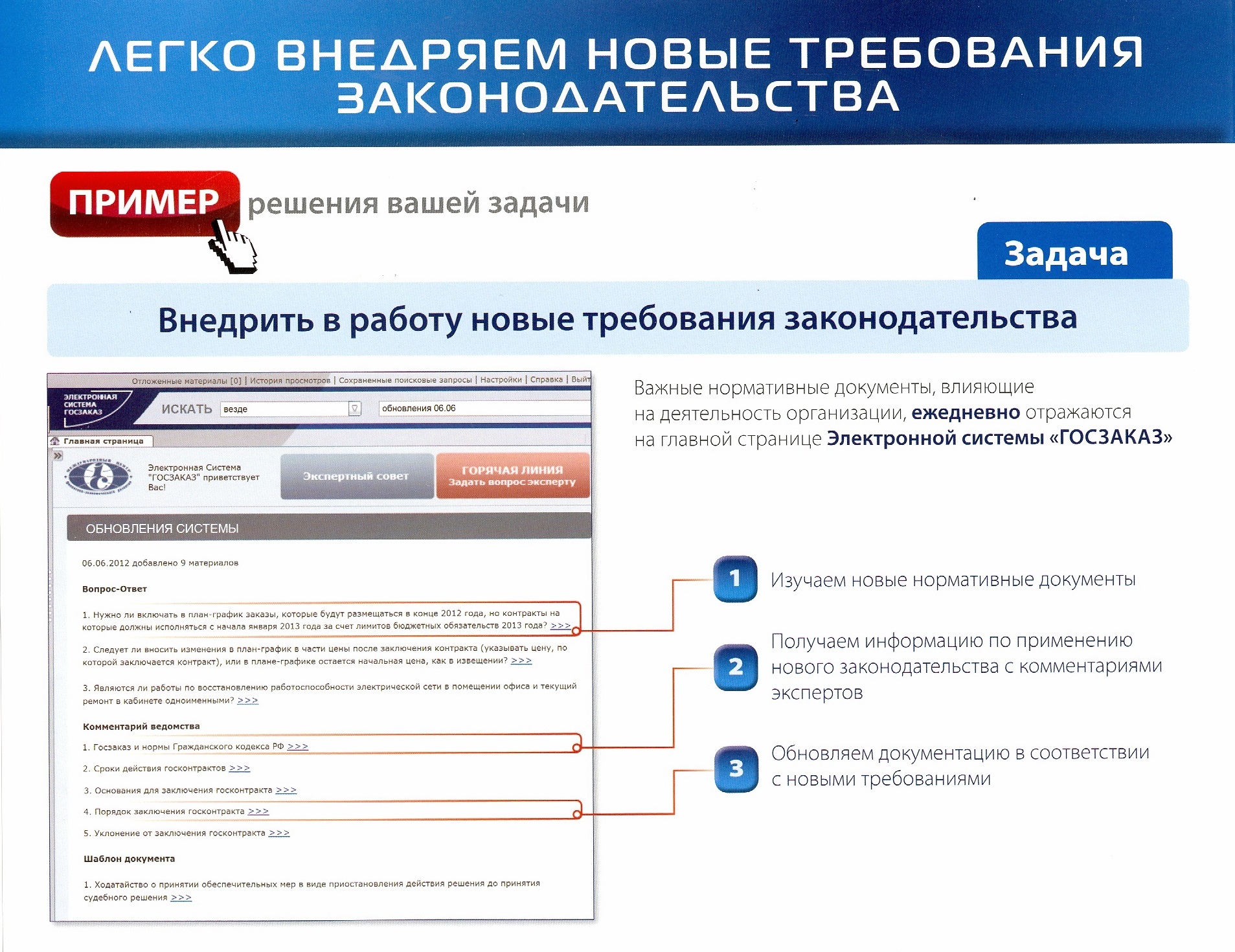
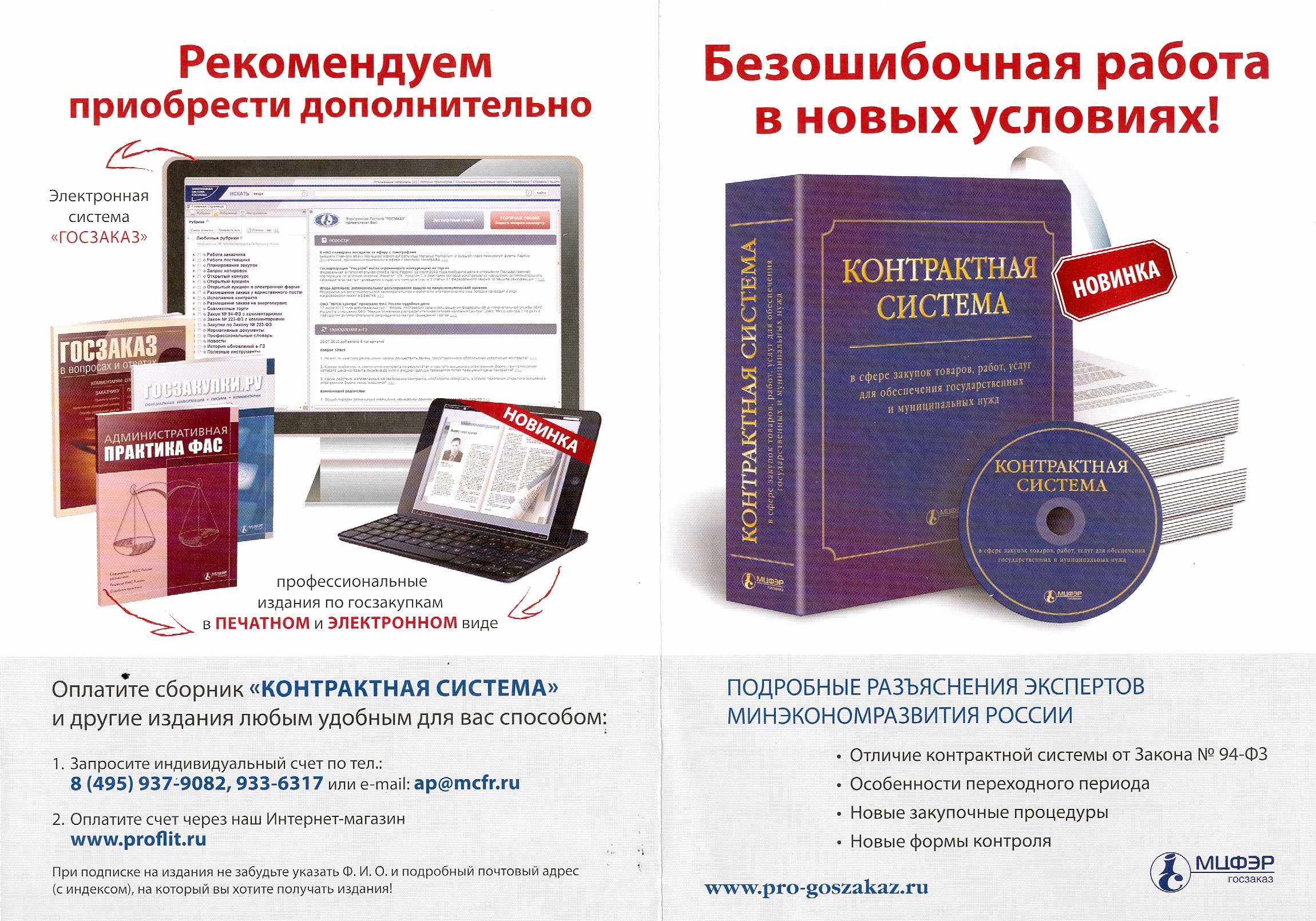
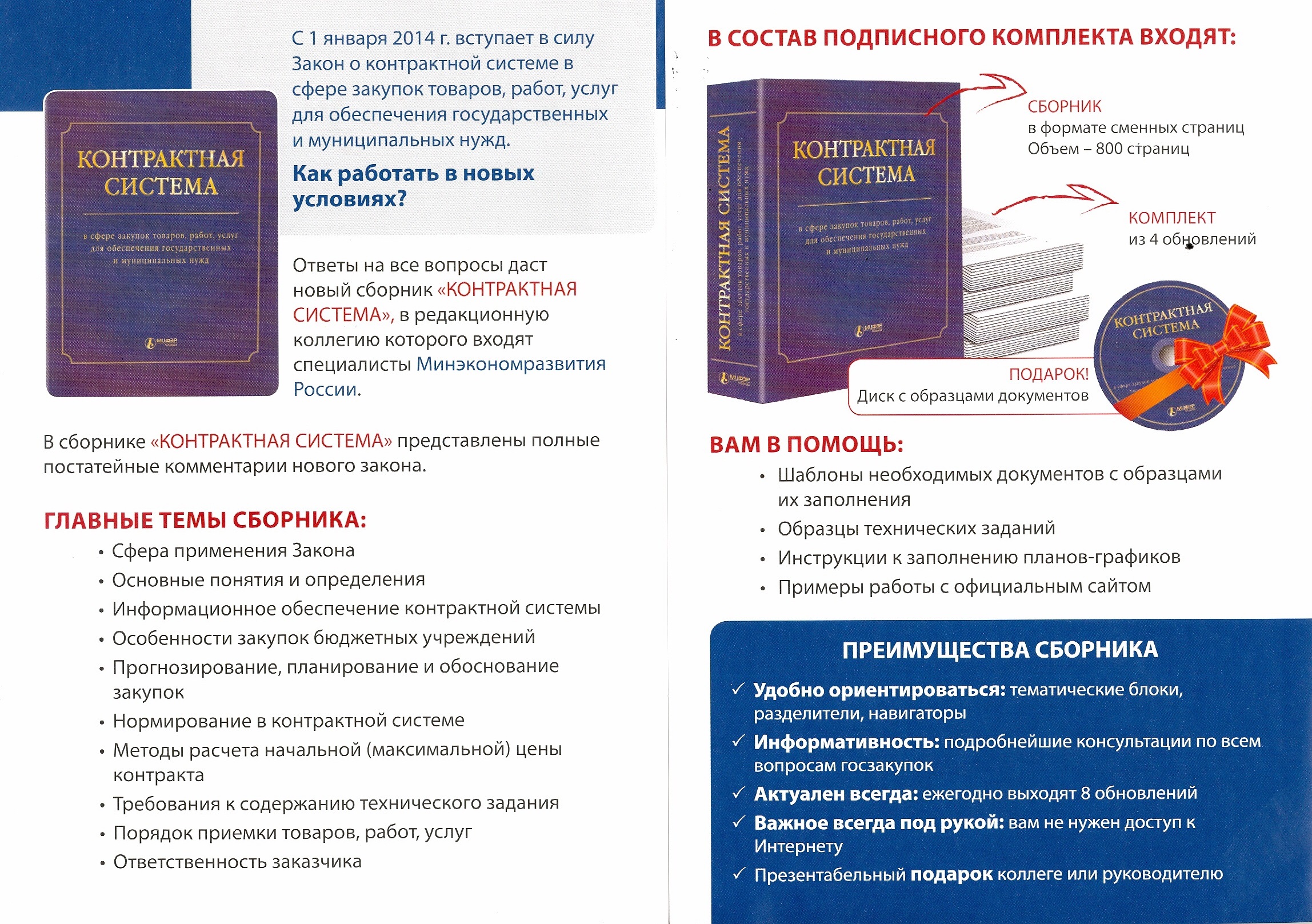
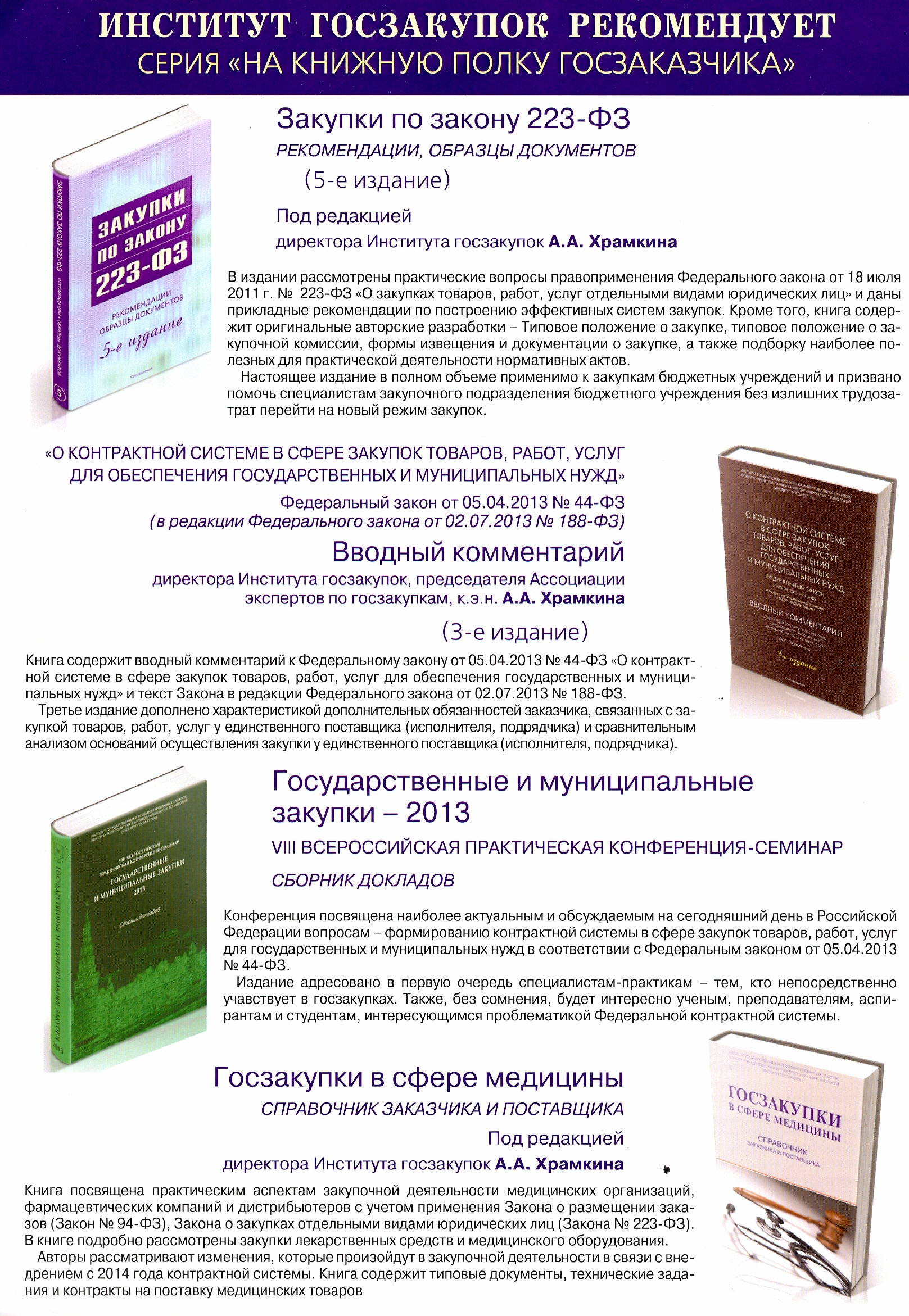
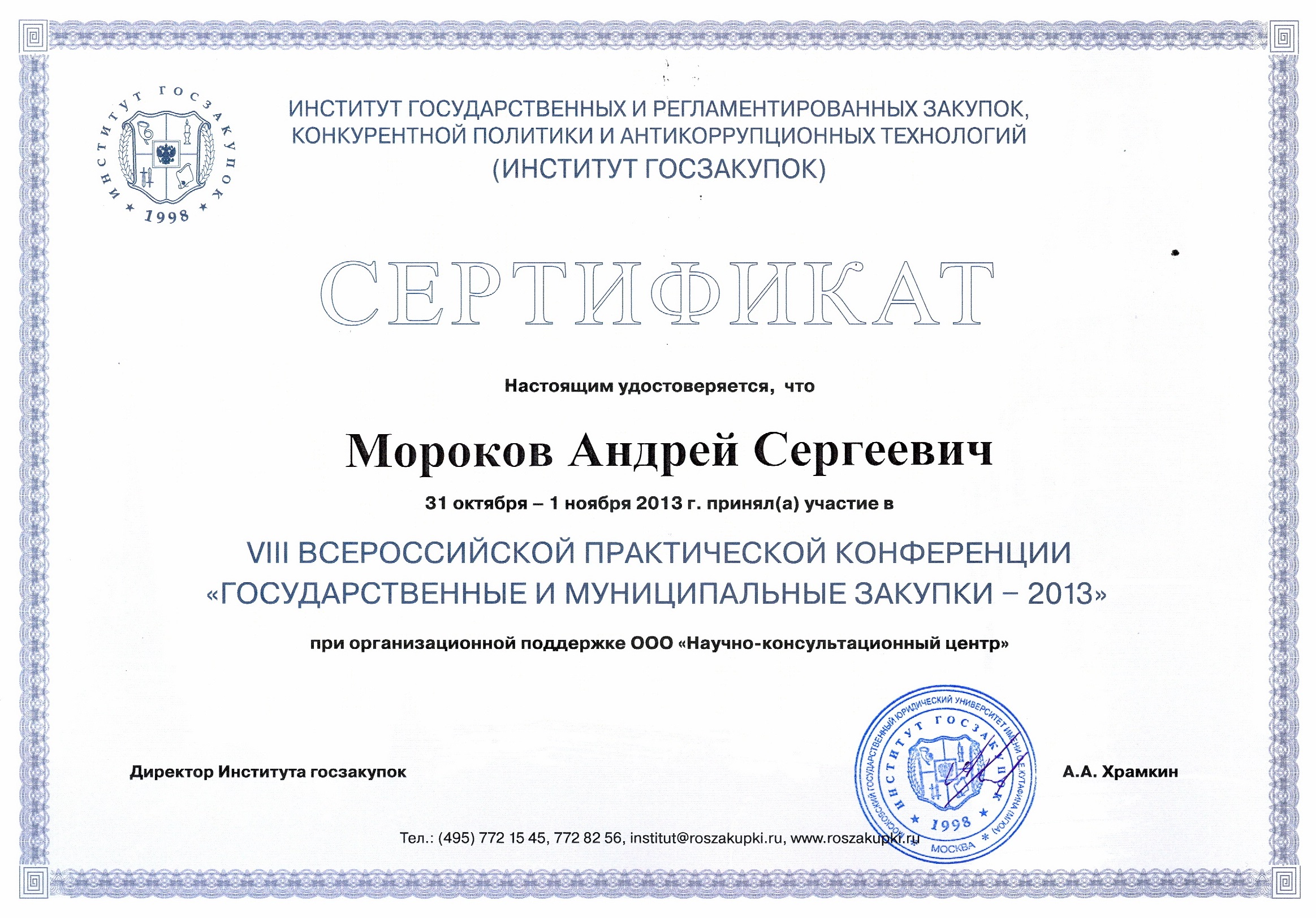
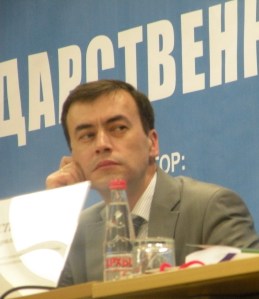
VIII Всероссийская практическая конференция-семинар “Государственные и муниципальные закупки – 2013”
01.11.2013
Москва, Россия
Храмкин А. А., директор Института Госзакупок
Интервью:
– Андрей Александрович, Институт Госзакупок не планирует выходить на рынок Беларуси и Казахстана в области обучения, тем более, что у нас Единое экономическое пространство?
– Мы плотно работаем с Министерством экономики, но пока они такую задачу не ставят.
– А в плане целей на будущее?
– А в плане целей на будущее, если будет схожее законодательство, то, конечно, будем.
– Так в рамках Единого экономического пространства мы же идем к тому, что будет единая система госзакупок.
– Но пока ее нет. На самом деле, мы стараемся общаться с украинскими и белорусскими коллегами, с казахскими нет. Мы присылаем им наши сборники докладов, книги.
– В Беларуси у нас нету единого специализированного учреждения с обучением именно в данной области, поэтому и интересует этот вопрос.
– Мы с удовольствием, конечно, будем планировать это осуществить.
– А есть последние данные, тот единый механизм, то единое законодательство, оно на каком сейчас этапе, может быть определены какие-то сроки?
– Не могу сказать. Знаю, что Михаил Евраев в свое время достаточно активно этим занимался, а насколько у нынешней команды, которая сейчас занимается в Минэкономики, есть на это время, не знаю. Есть ощущения, что они сейчас заняты контрактной системой, и похоже, что это отошло на второй план.
– Но если будет такой механизм, то основой станет Федеральный закон № 44 – ФЗ?
– Да. Как не ругать его, тем не менее это общемировая тенденция. Везде госзакупки – это жестко регламентированная процедура. Причем процедура, которая захватывает все этапы госзакупки, от прогнозирования до аудита исполнения. Если посмотреть, отталкиваясь от Федеральной контрактной системы США, во всех развитых странах это так и есть.
– Спасибо, будем ожидать дальнейшего развития в ближайшем времени.

Institute of Public and Regulated Procurement, Competition Policy and Anticorruption Technologies (Public Procurement Institute)
Moscow, Russia
Place Guide
Public Procurement Institute is the oldest Russian educational centre in the field of public procurement. It was founded in 1998 and since this time carries out scientific, educative and expert work in the field of government and municipal procurement, other kind of government controlled purchases including corruption development matters and corruption therapy sphere.
We’ve got more than 24 000 representatives of federal, regional and municipal bodies, executives of private and public organizations as auditors of our educational programs.
Every week our experts participate in short-term seminars – tutorials, discussions on different subjects concerning the system of public procurement. The institute often holds on-site workshops in all courses provided – generally in programs as well as in particular disciplines. We also deal with complicated architectural and medical procurement. Our lawyers consult the biggest public procurement in scientific and educational sphere.
Public Procurement Institute advises on public and corporate procurement in Russia. We help both our customers – procurement arrangers and commercial companies – procurement participants. We are proud our experts to have worked out number of statutory acts on procurement for the biggest Russian regions.
Since 2006, scientific research carried out by the Institute is worth 3 mln $.
Public Procurement Institute is ready to cooperate both with Russian and foreign public organizations and commercial companies.


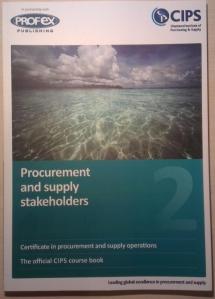
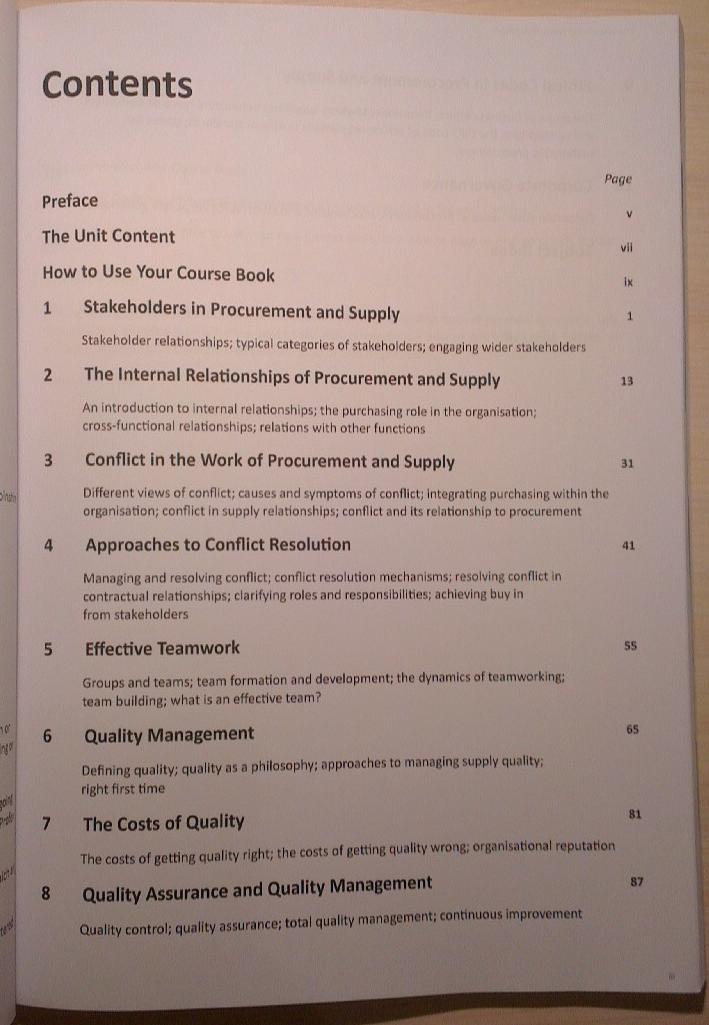
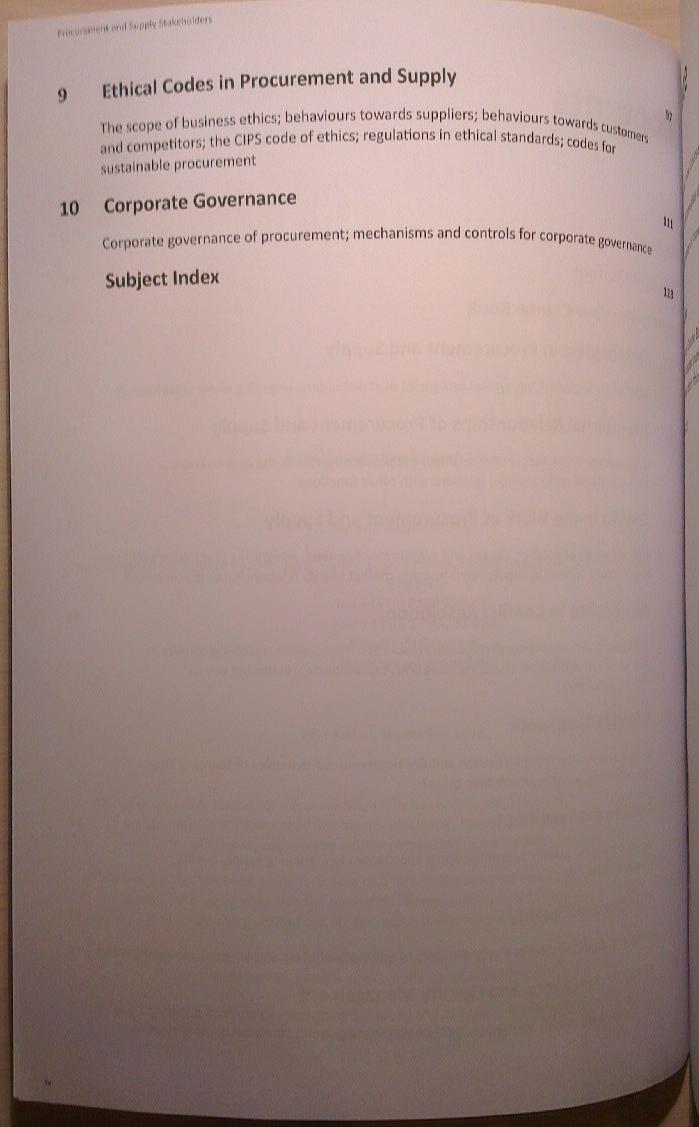
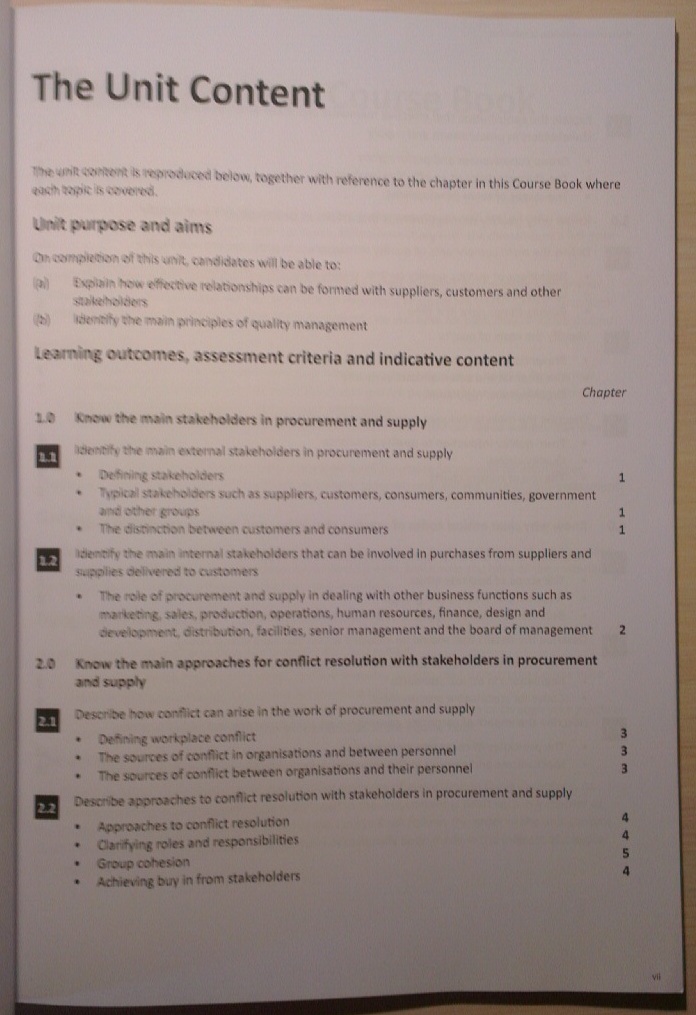
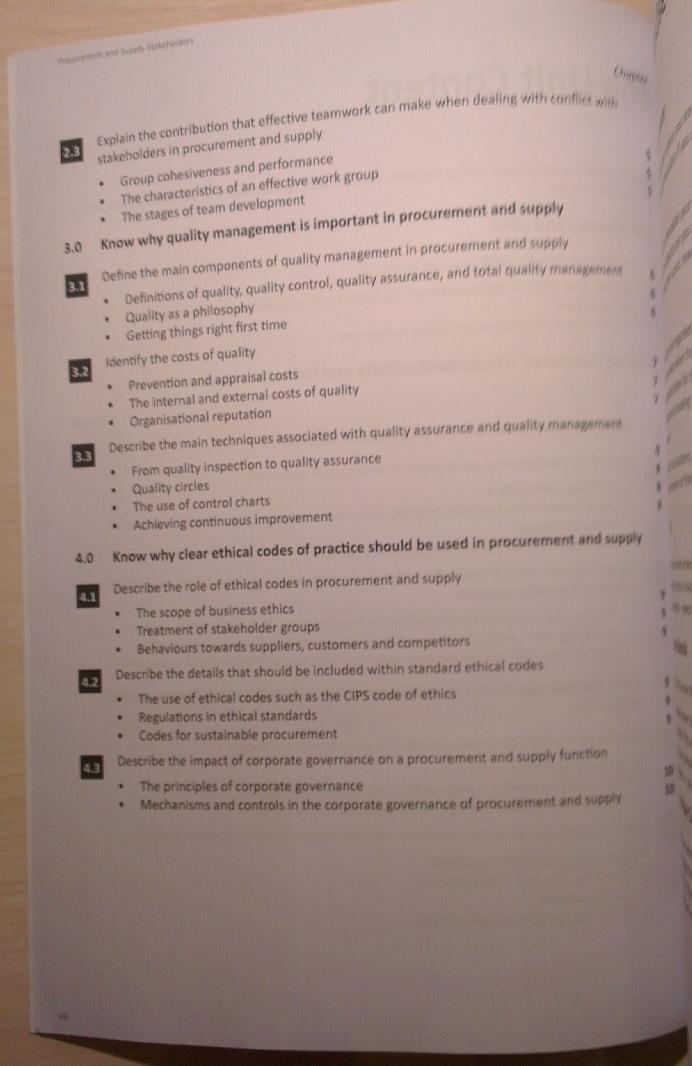
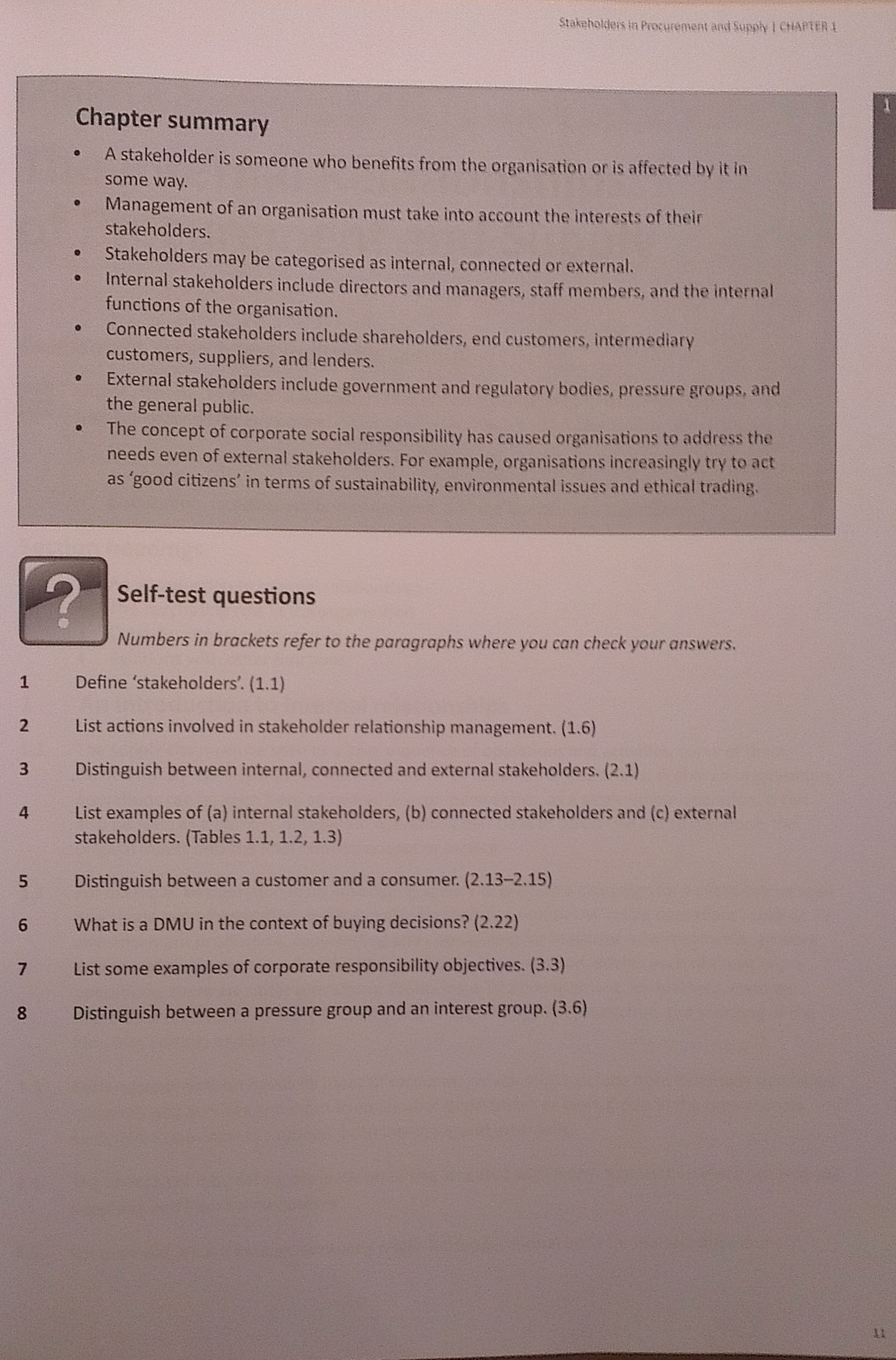
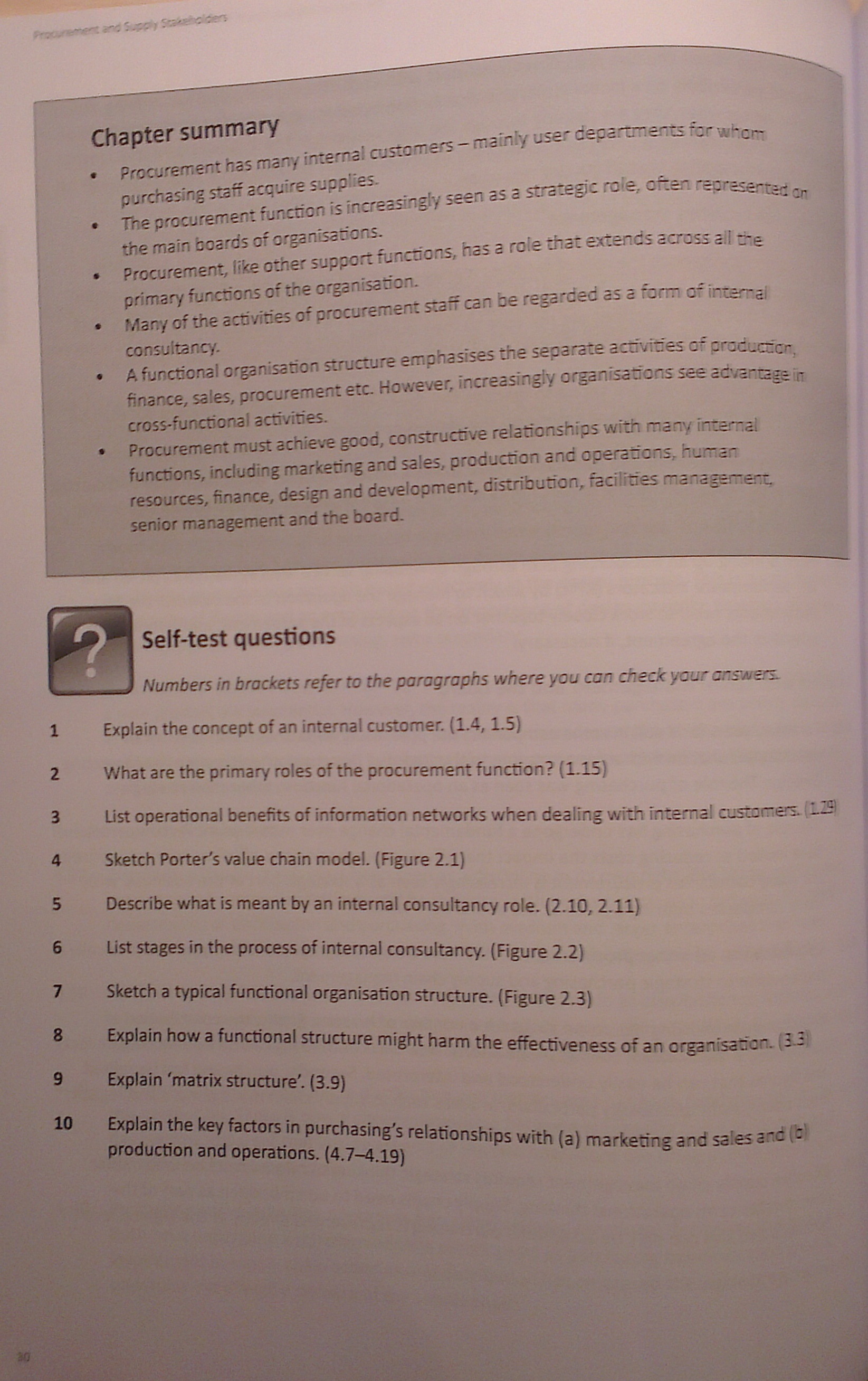
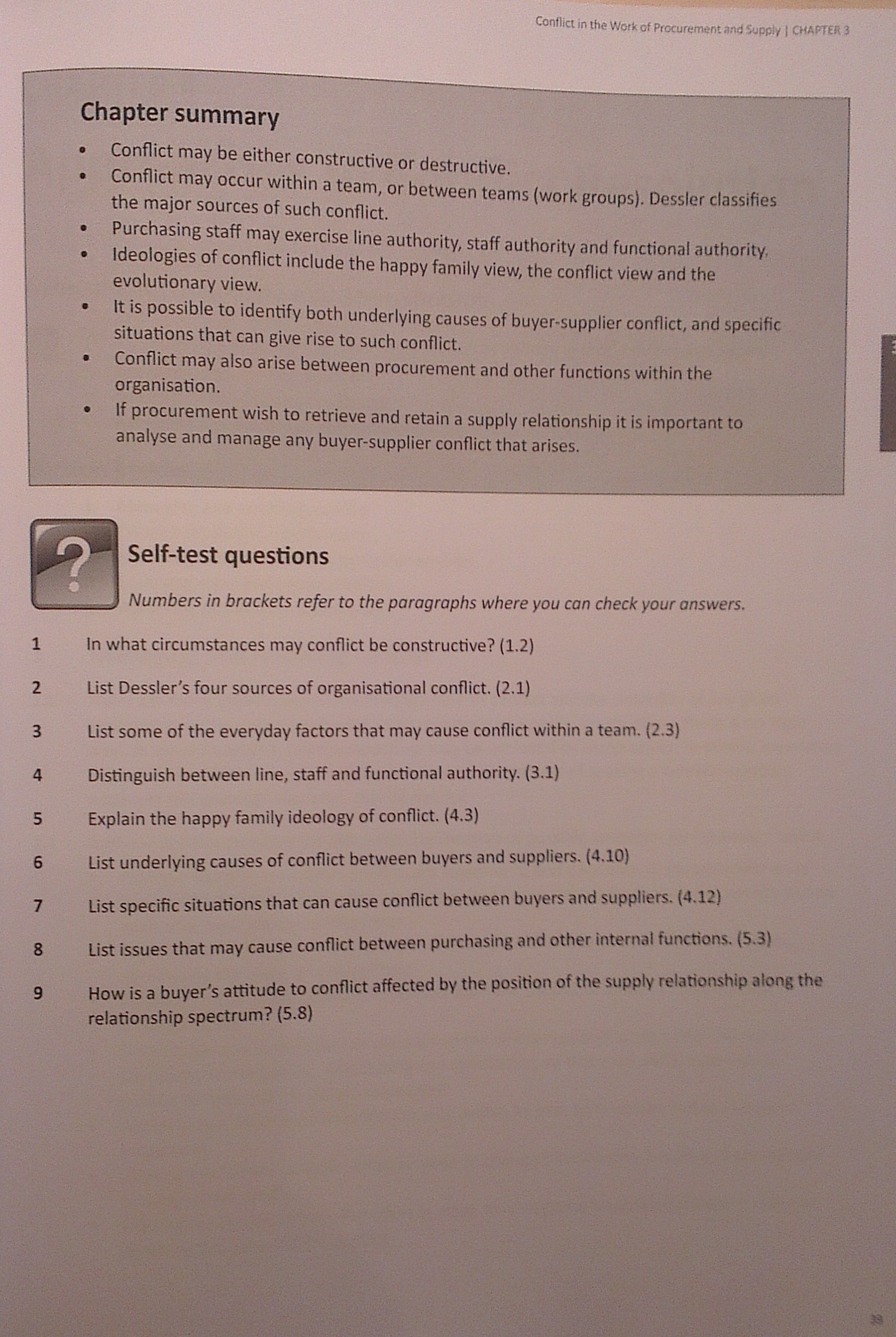
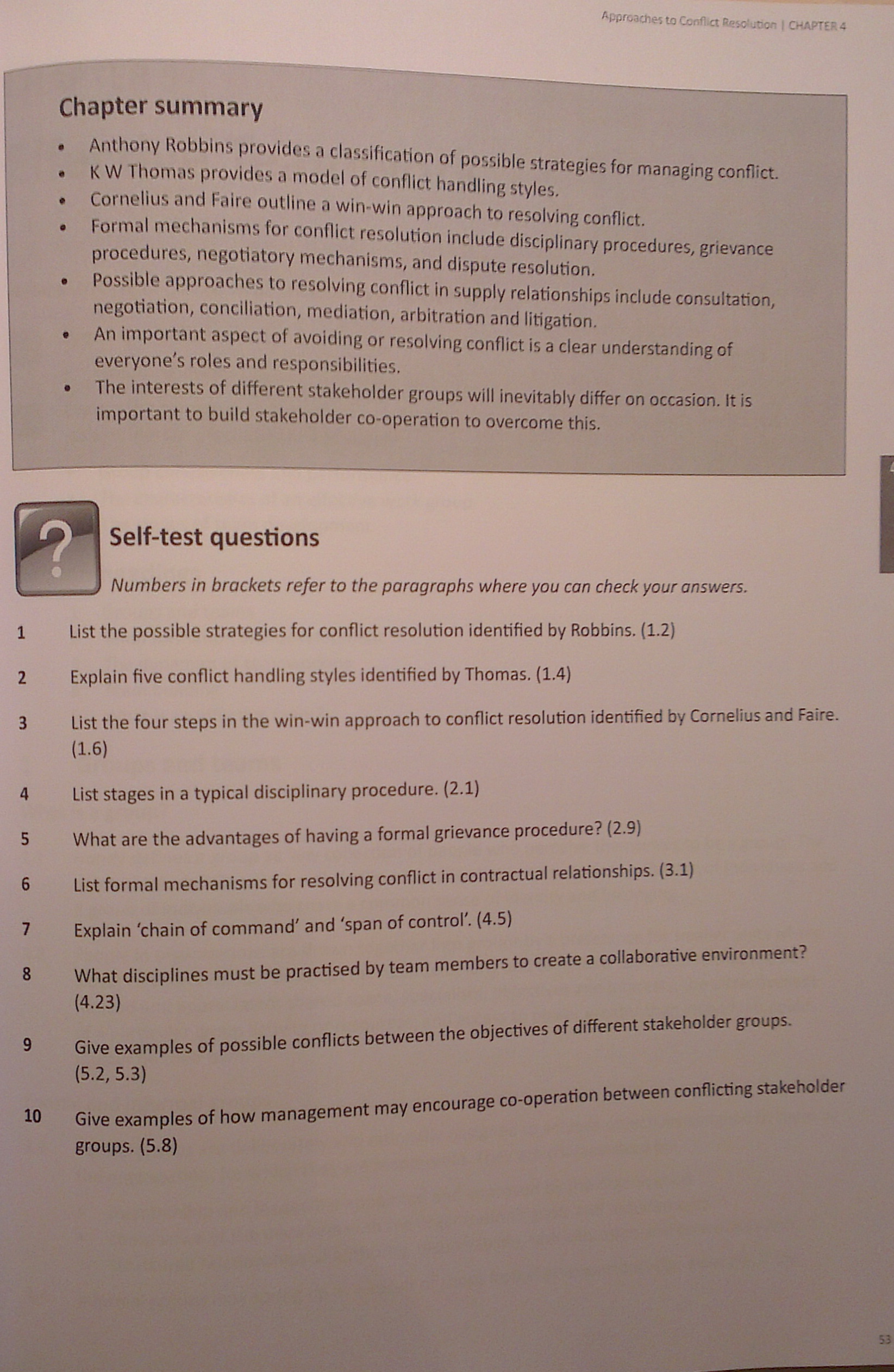
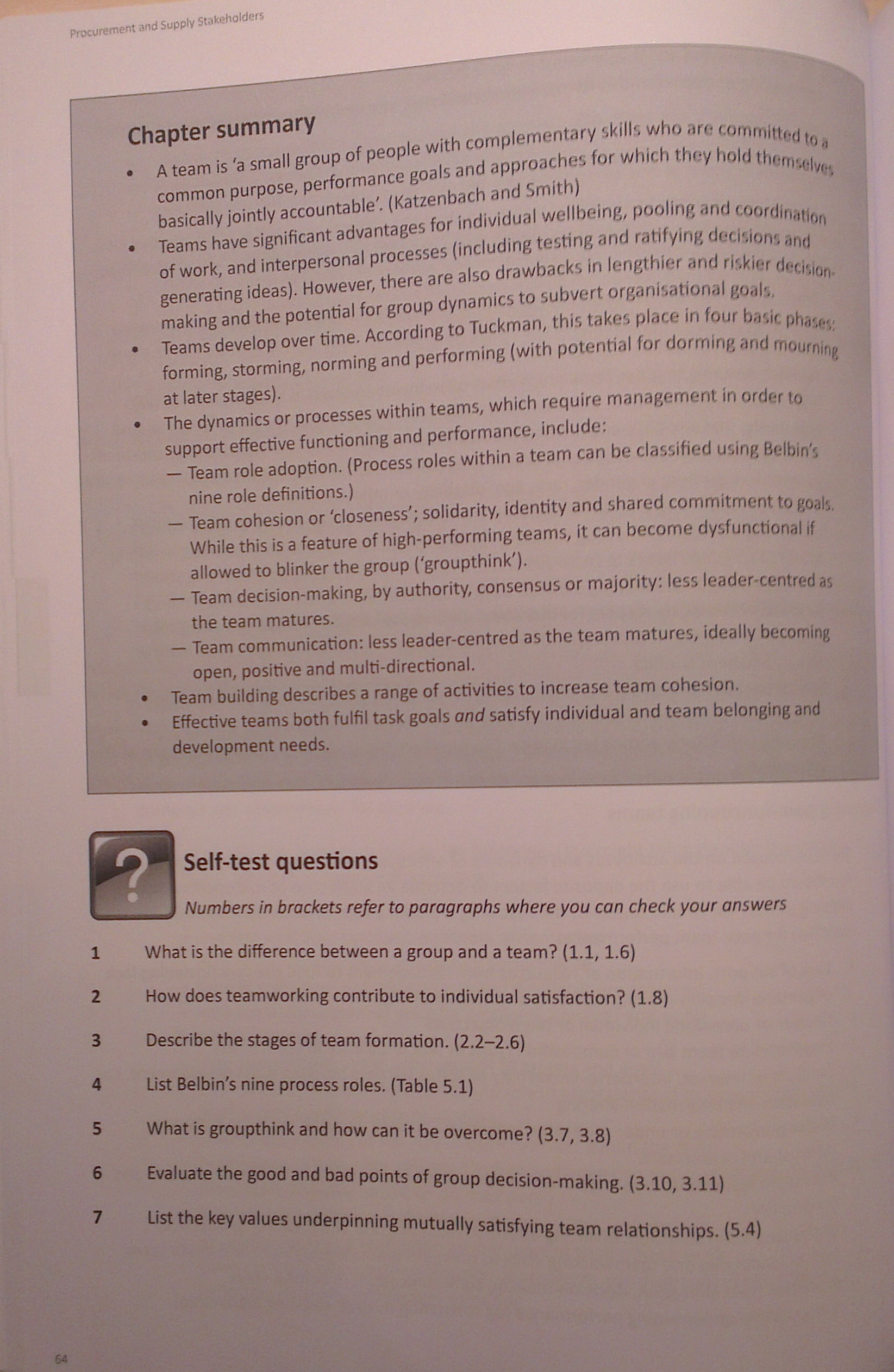
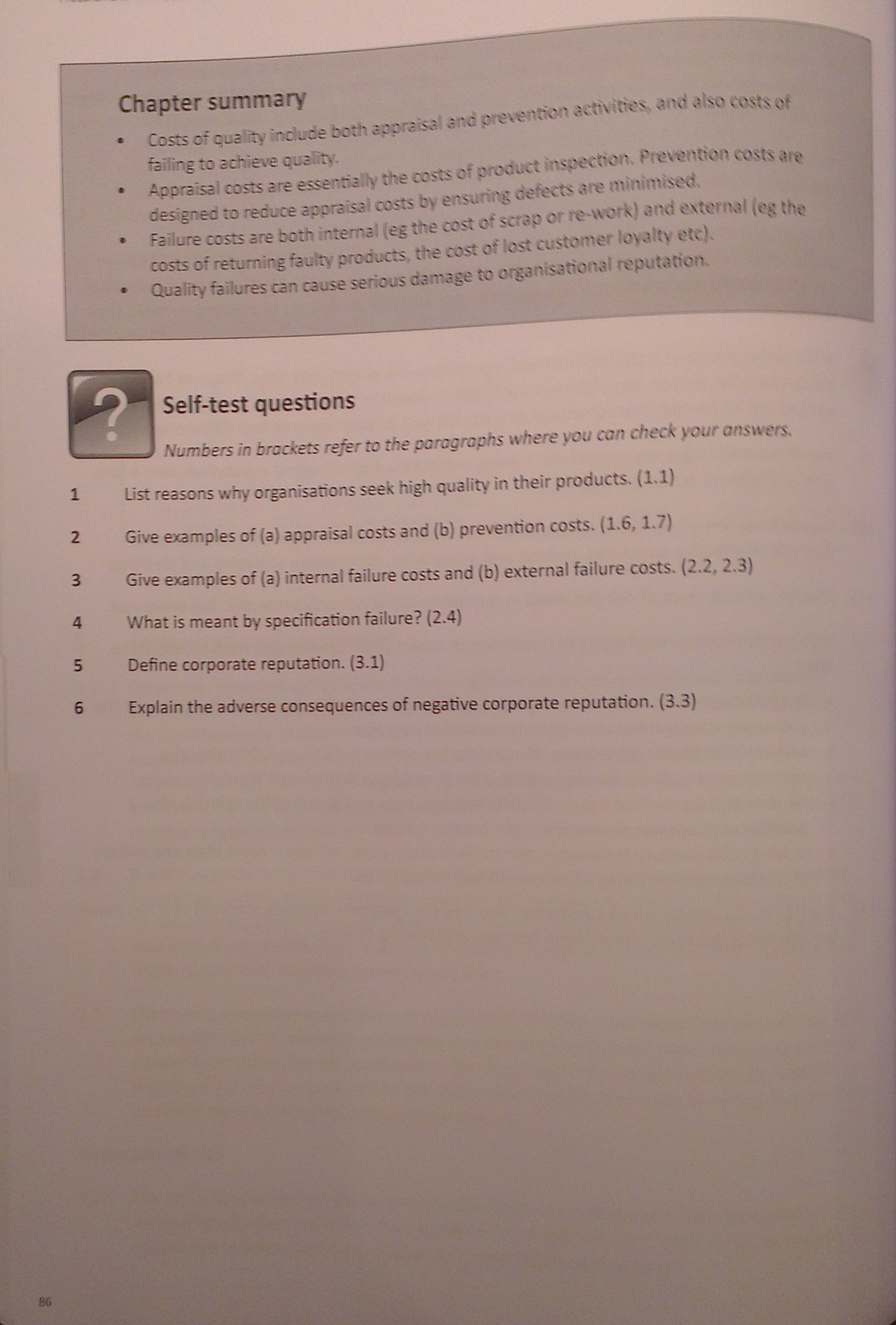
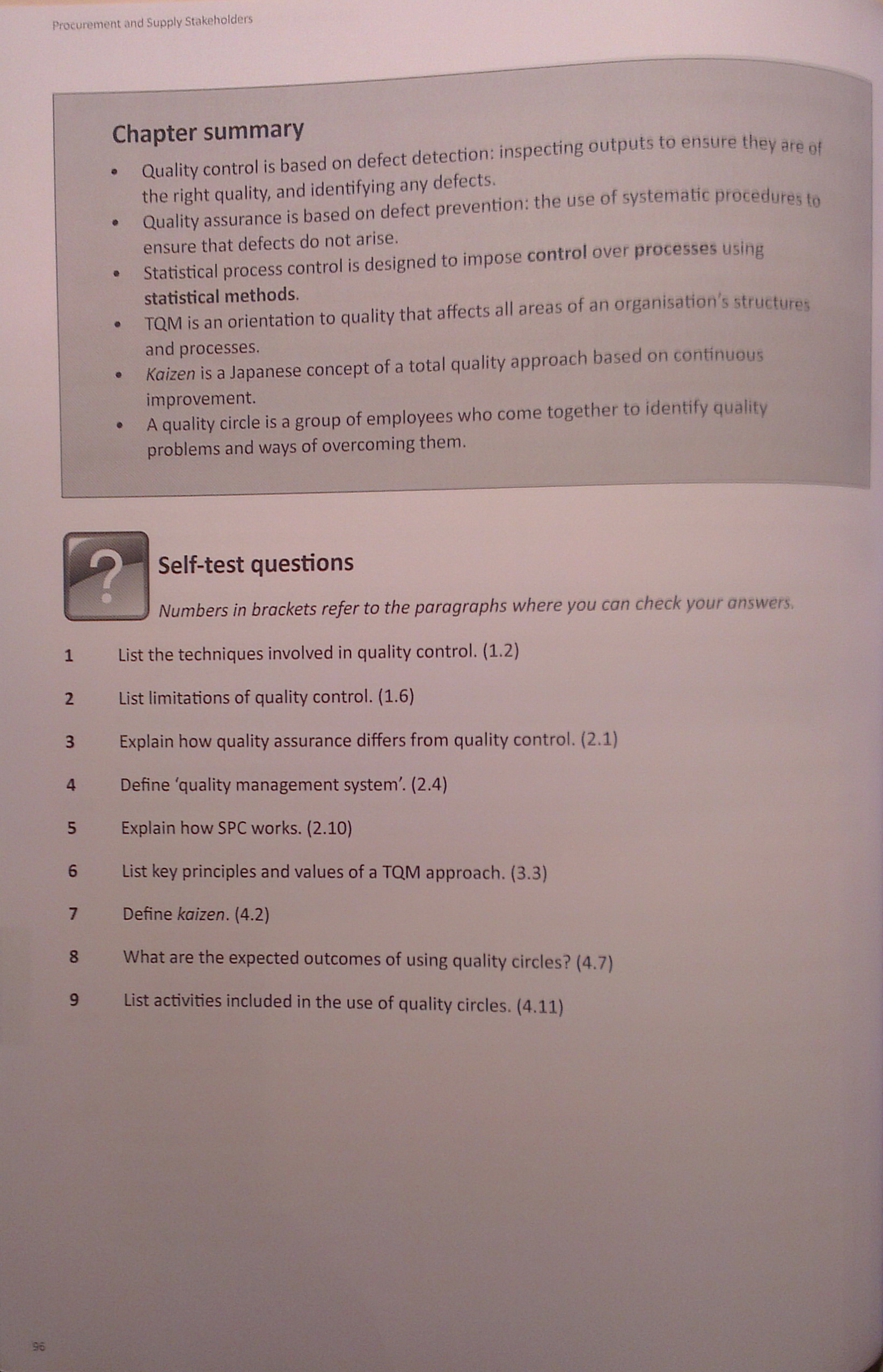
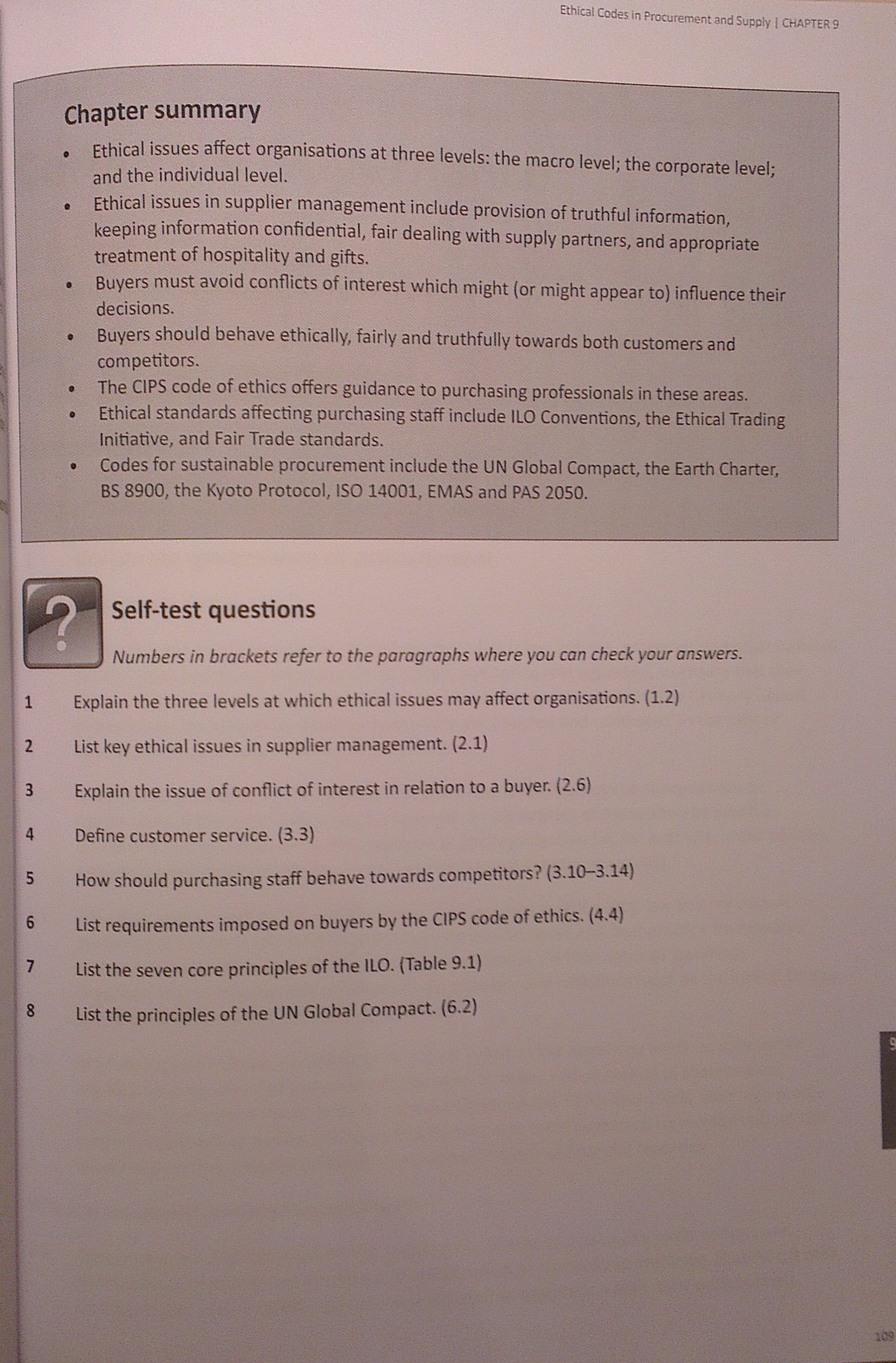
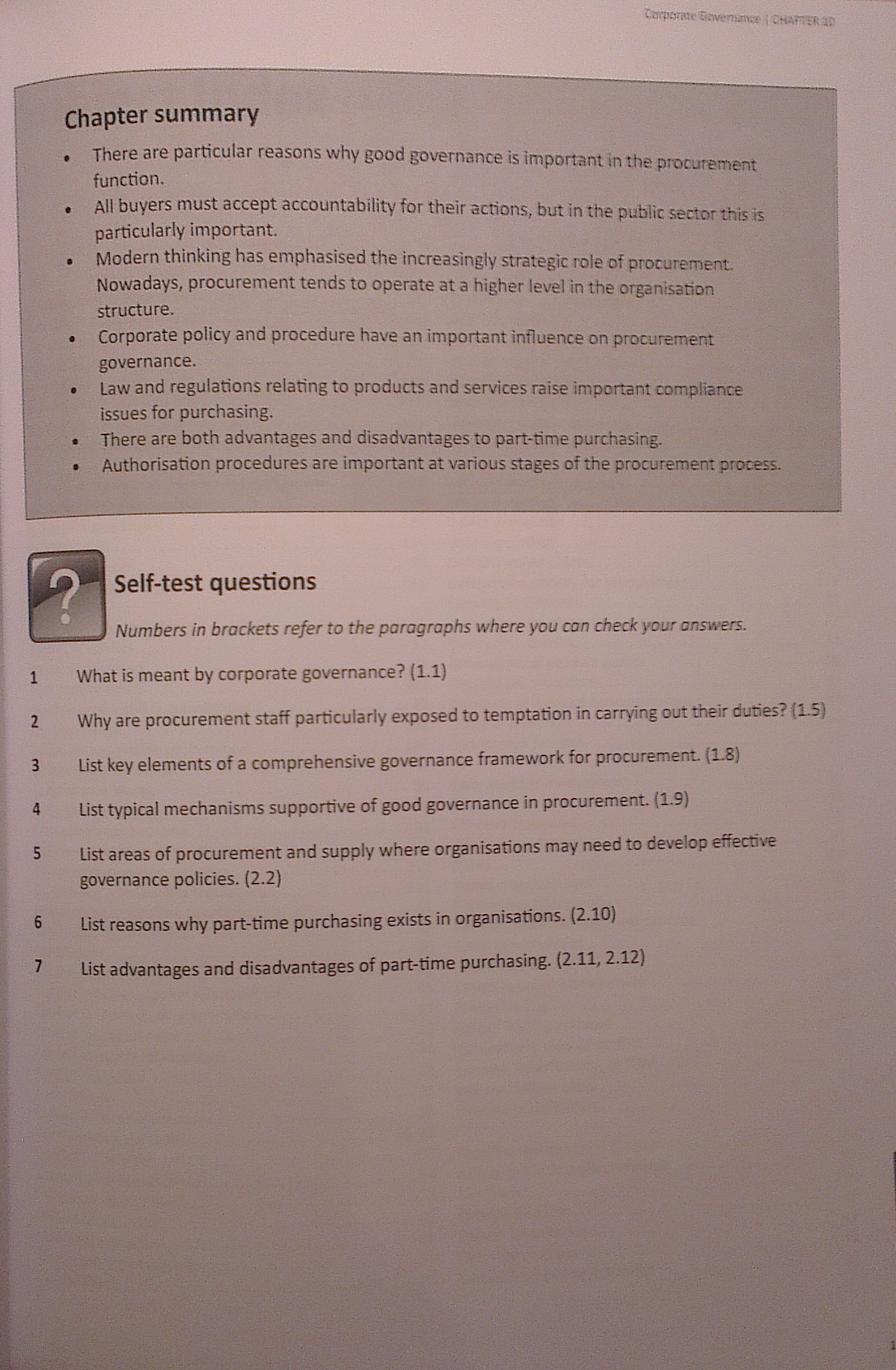
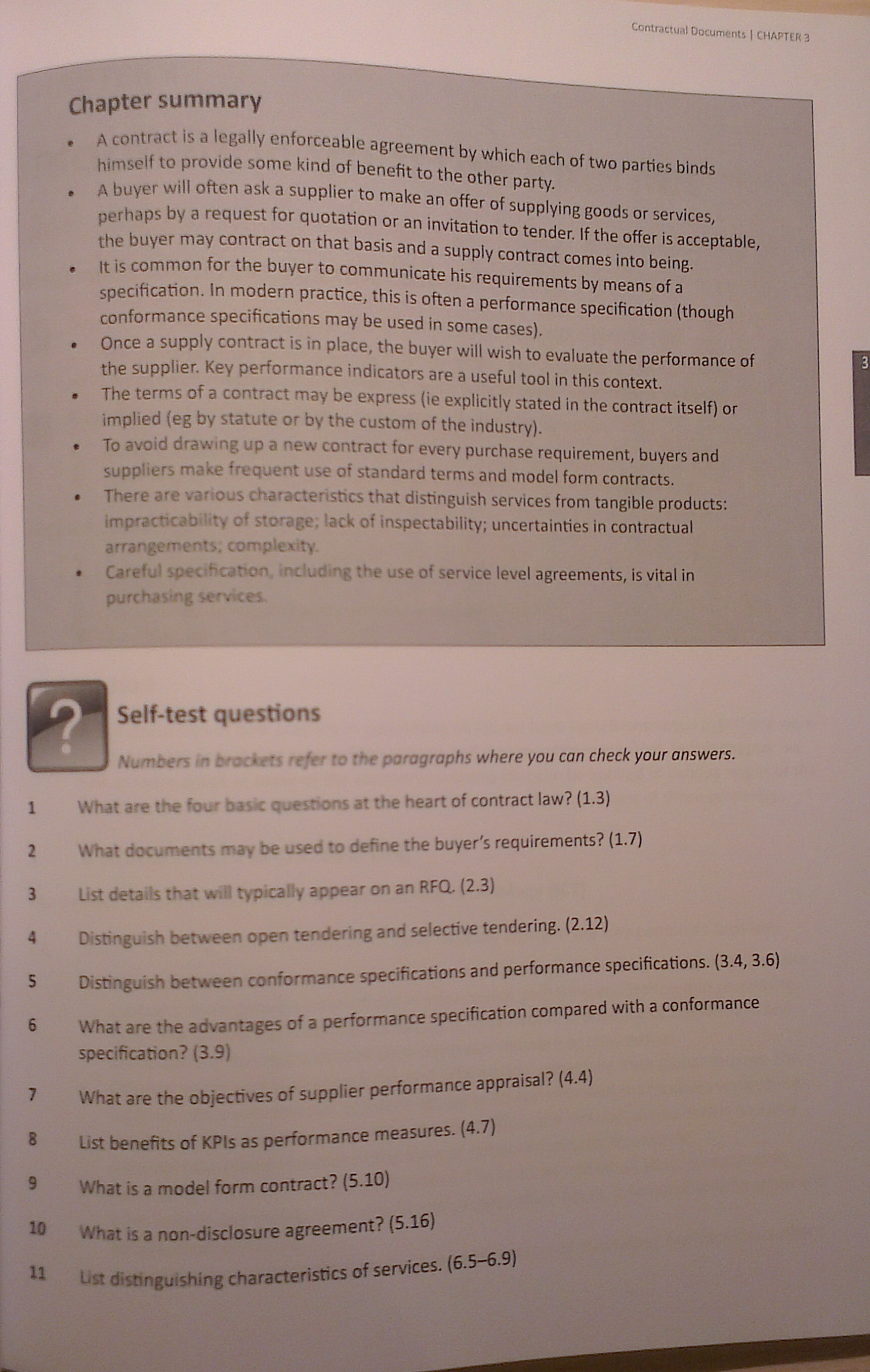
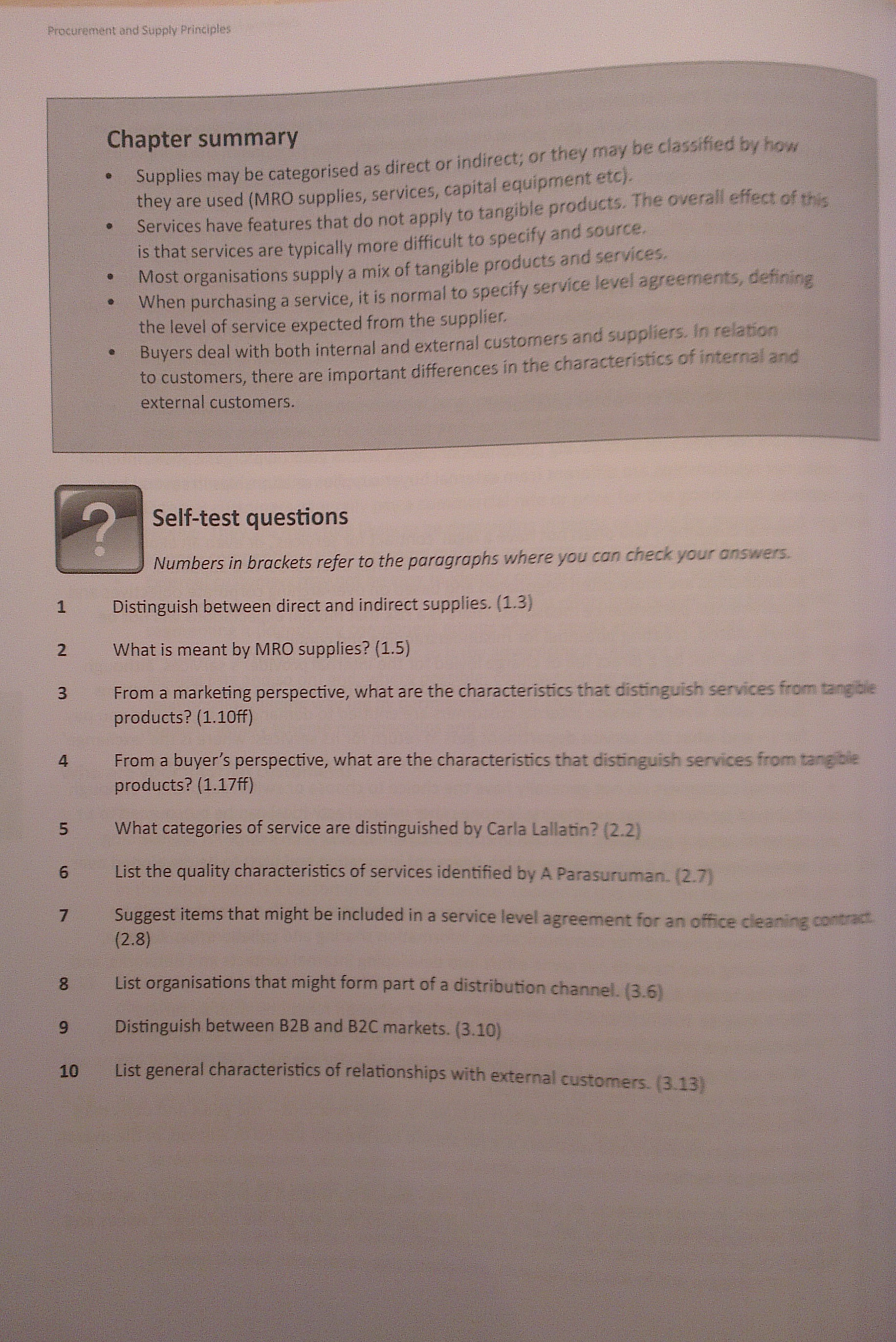
Procurement and Supply Stakeholders Course Book
Author(s): CIPS/Profex, www.cips.org
Category: A CIPS Profex Study Packs
Review
Pages: 136
Edition: 1st Edition
ISBN: 9781861242211
Published: Monday, February 25, 2013
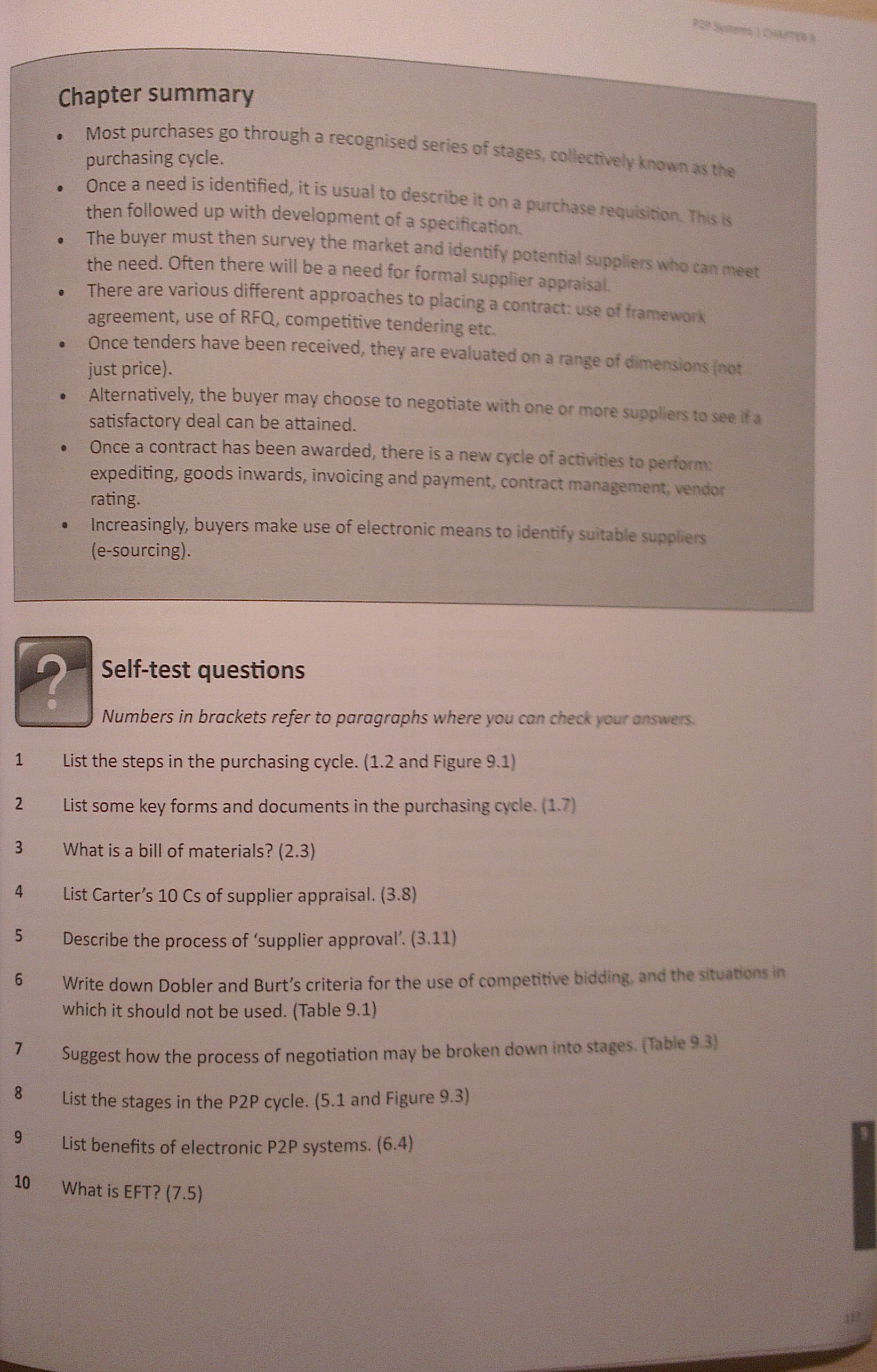
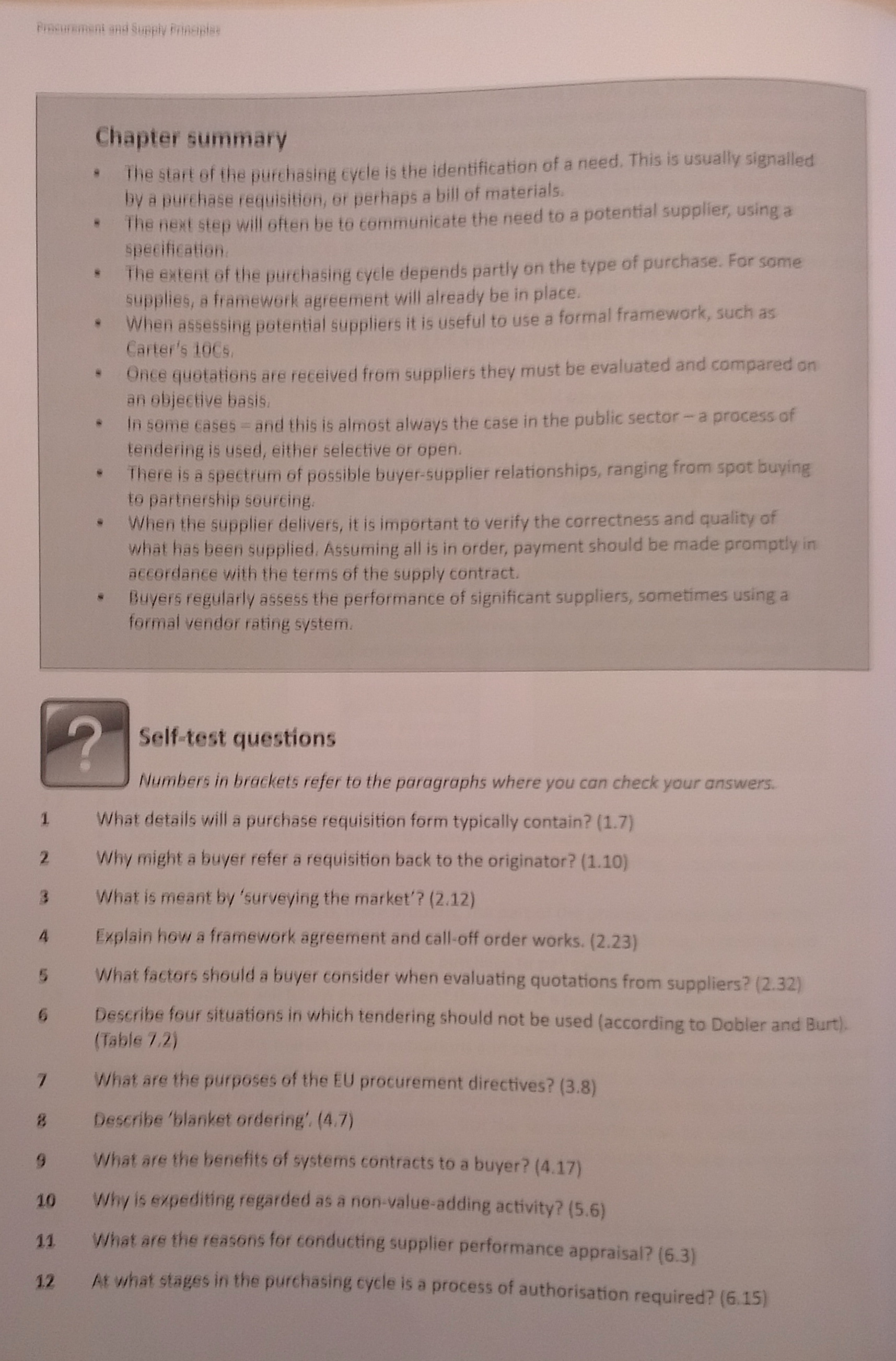
This is the course book for the ‘Procurement and supply stakeholders’ unit which forms part of the CIPS ‘Certificate in procurement and supply operations‘ qualification.
On completion of this unit, candidates will be able to:
A) Explain how effective relationships can be formed with suppliers, customers and other stakeholders
B) Identify the main principles of quality management.



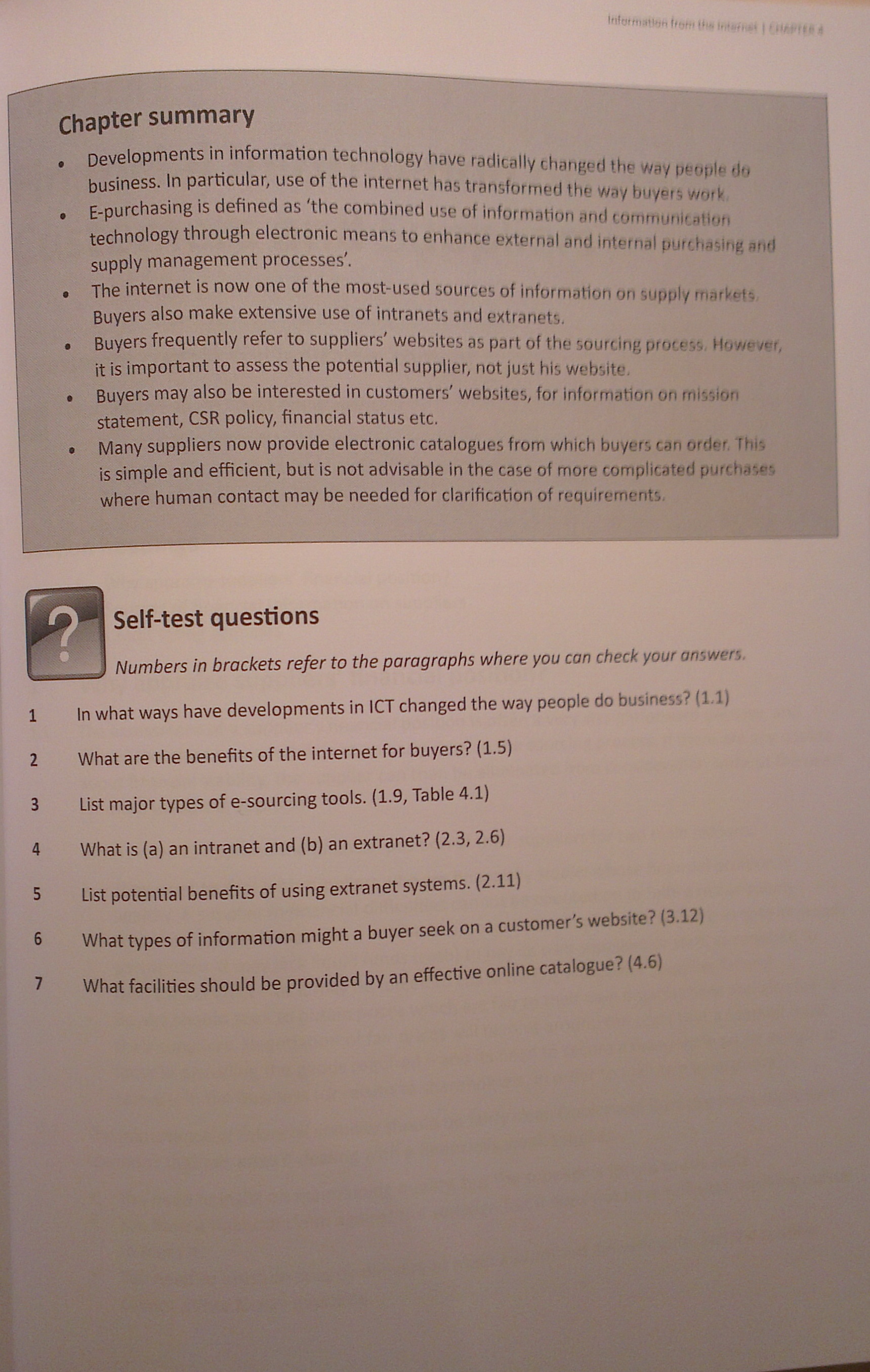
 Procurement and Supply Administration Course Book
Author(s): CIPS/Profex, www.cips.org
Category: A CIPS Profex Study Packs
Review
Pages: 130
Edition: 1st Edition
ISBN: 9781861242204
Published: Monday, February 25, 2013
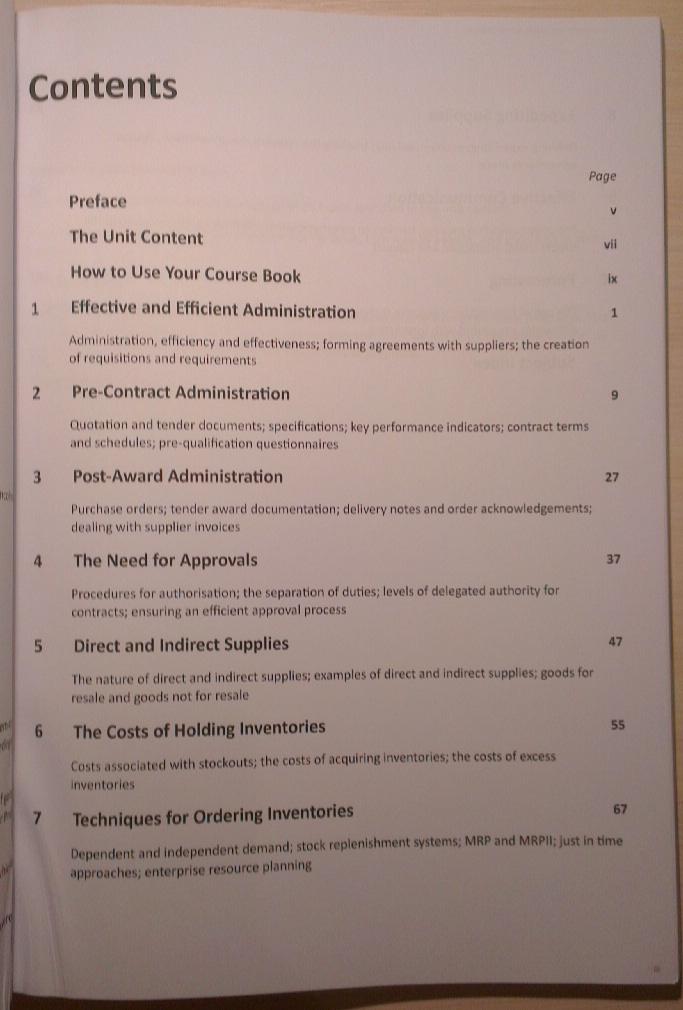
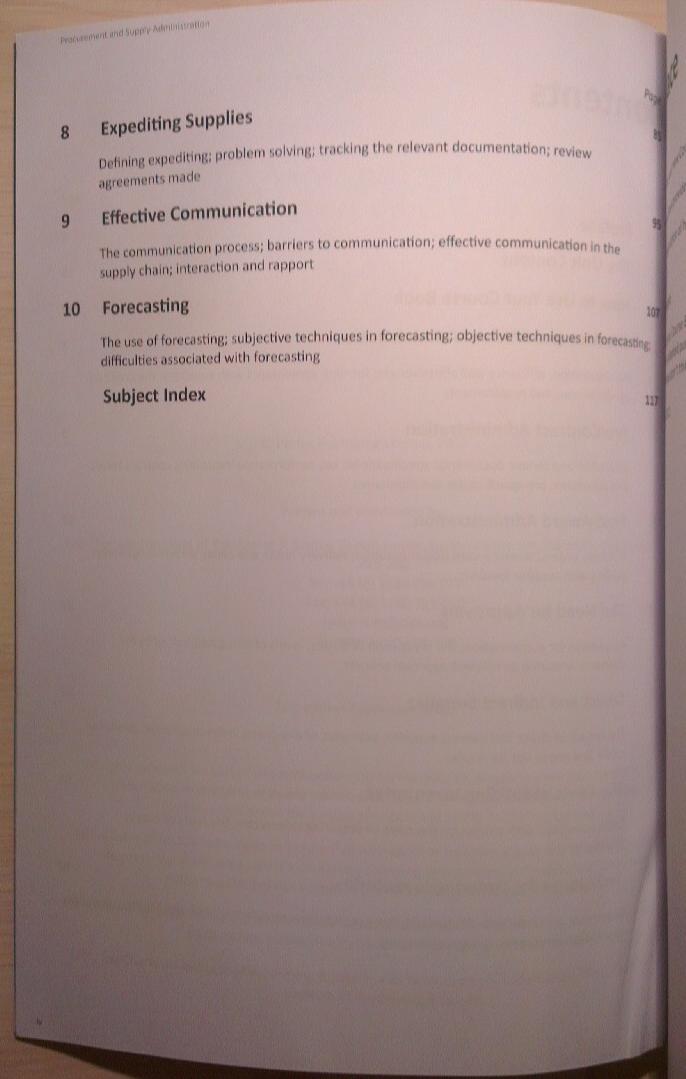
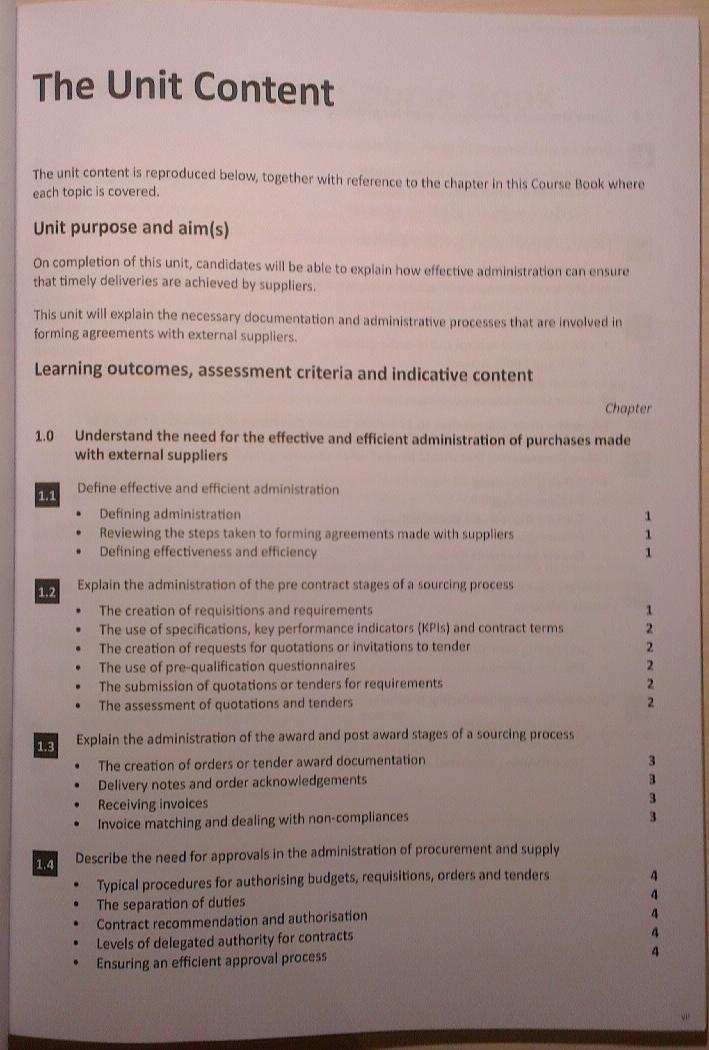
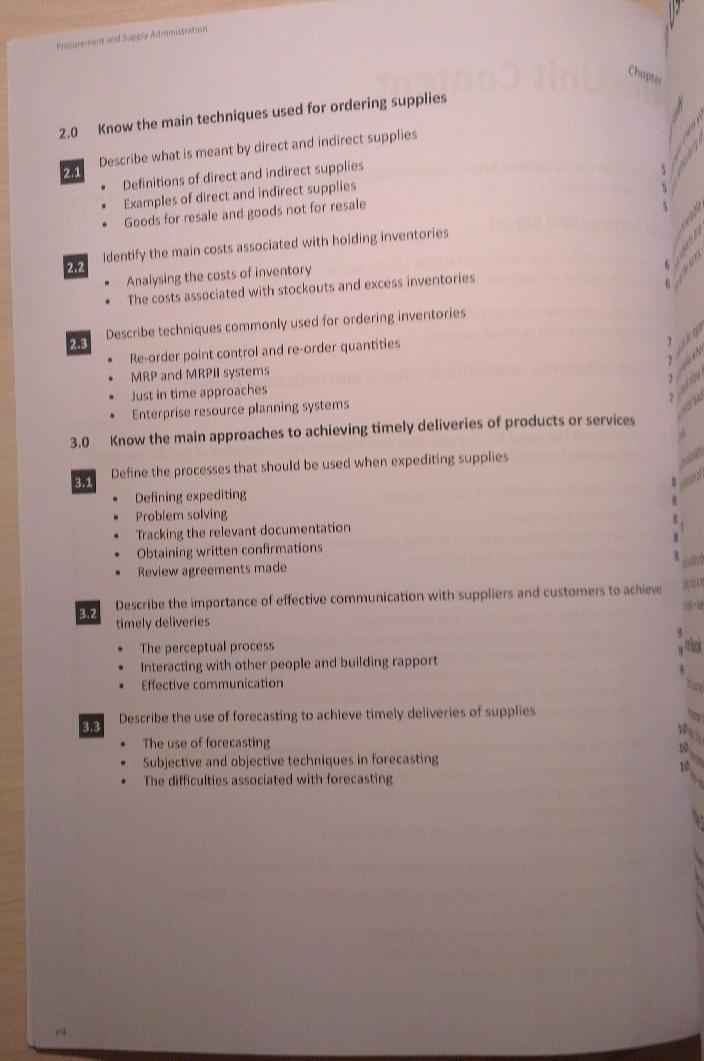
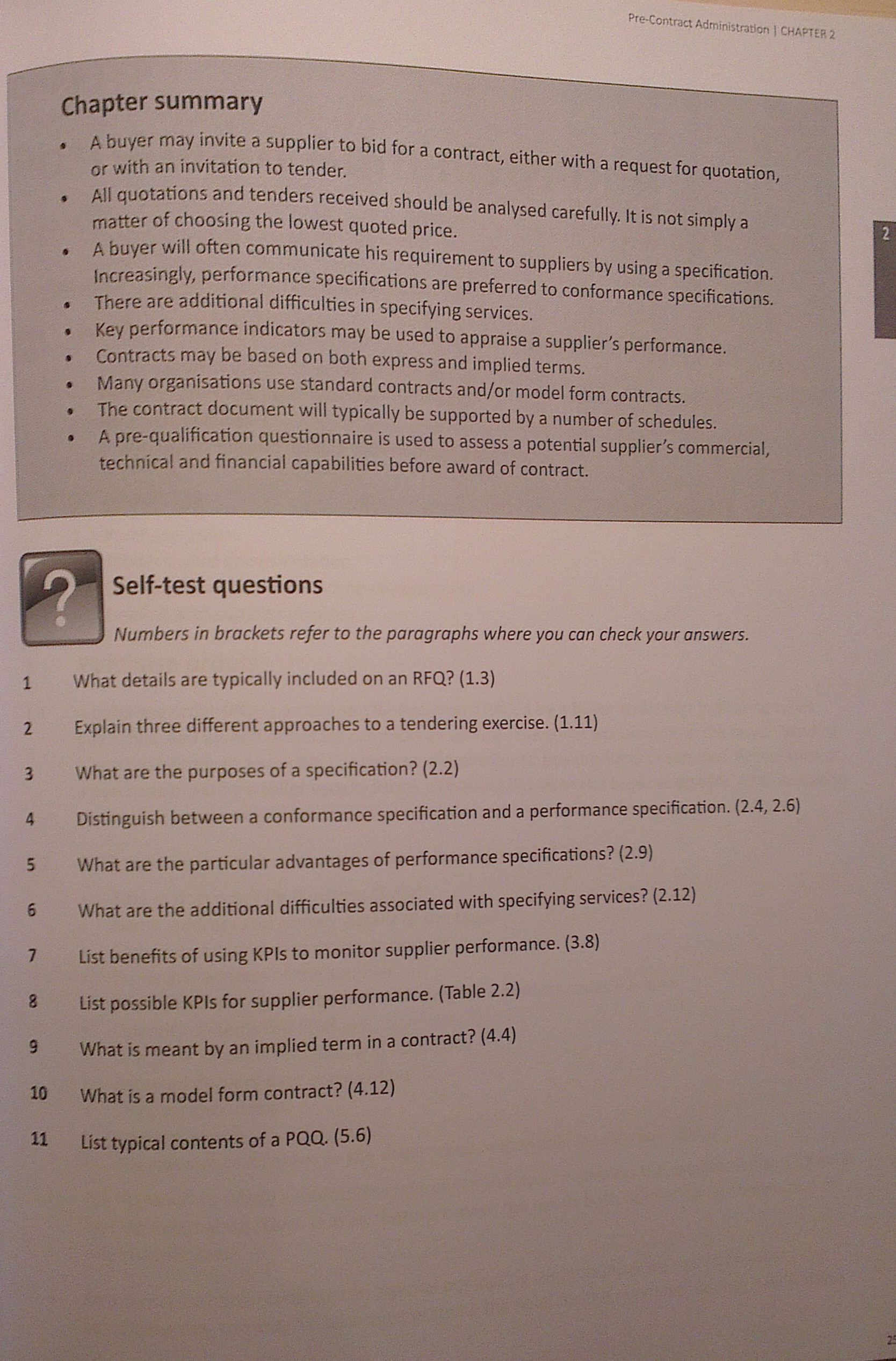
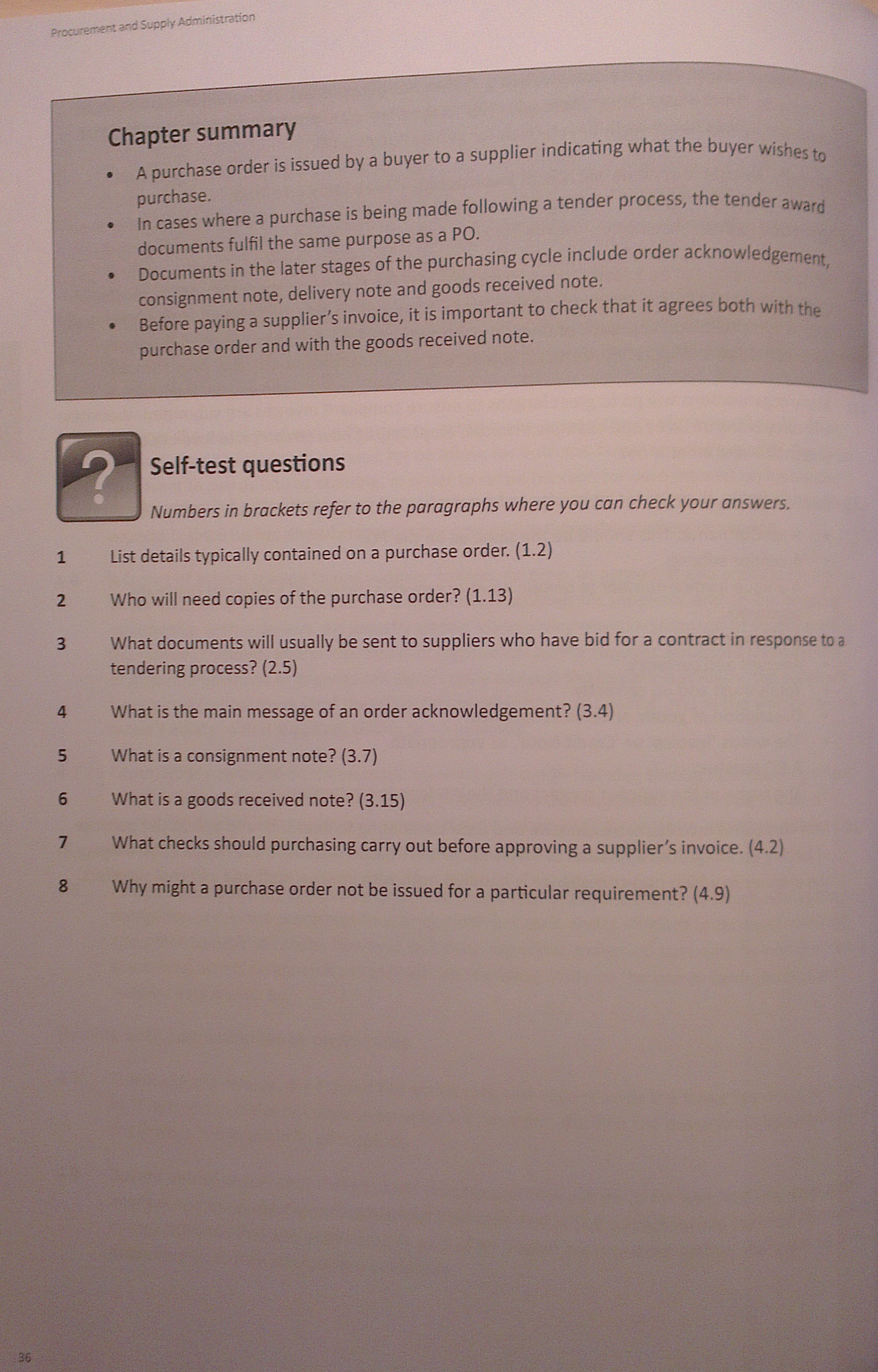
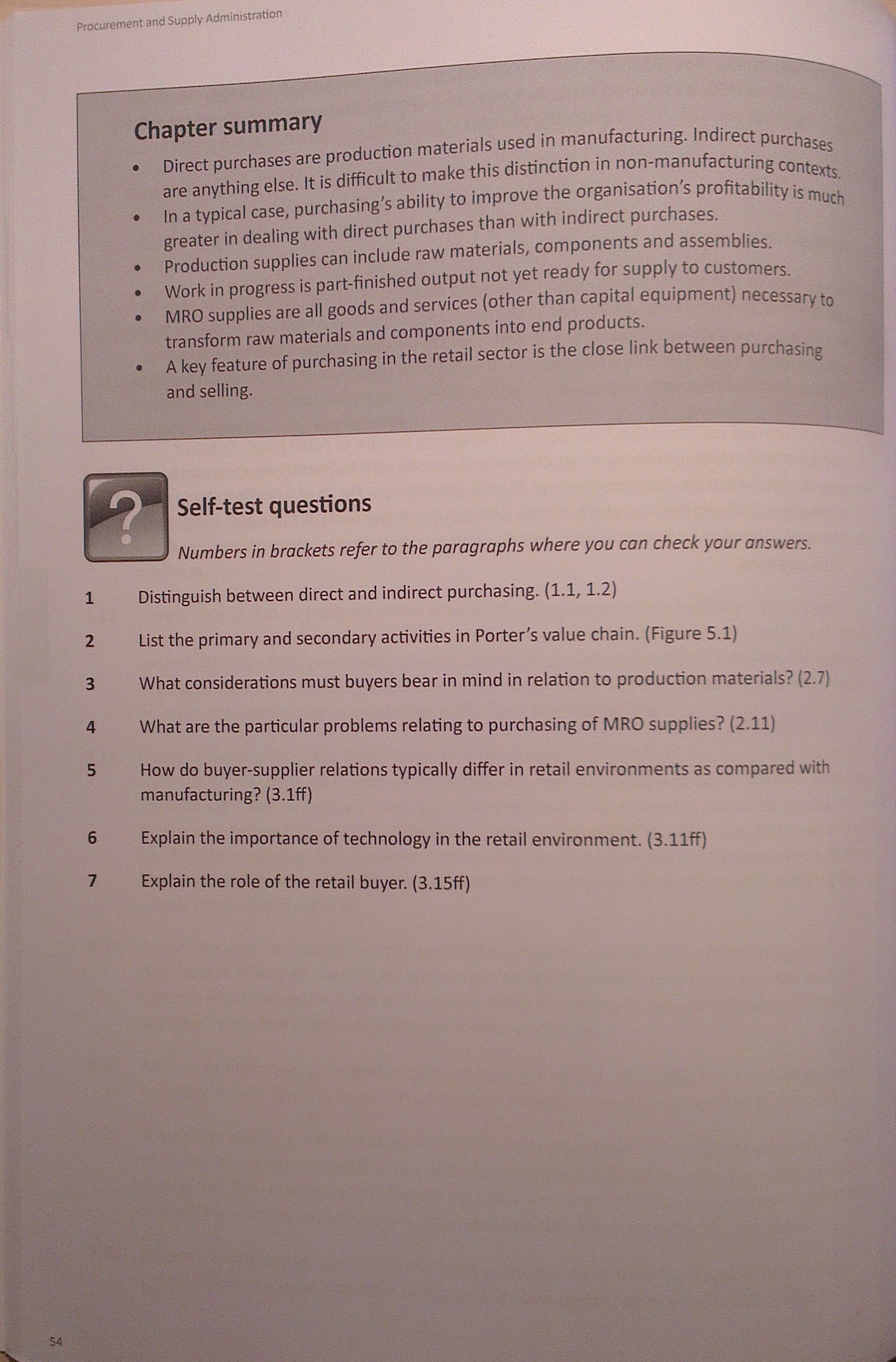
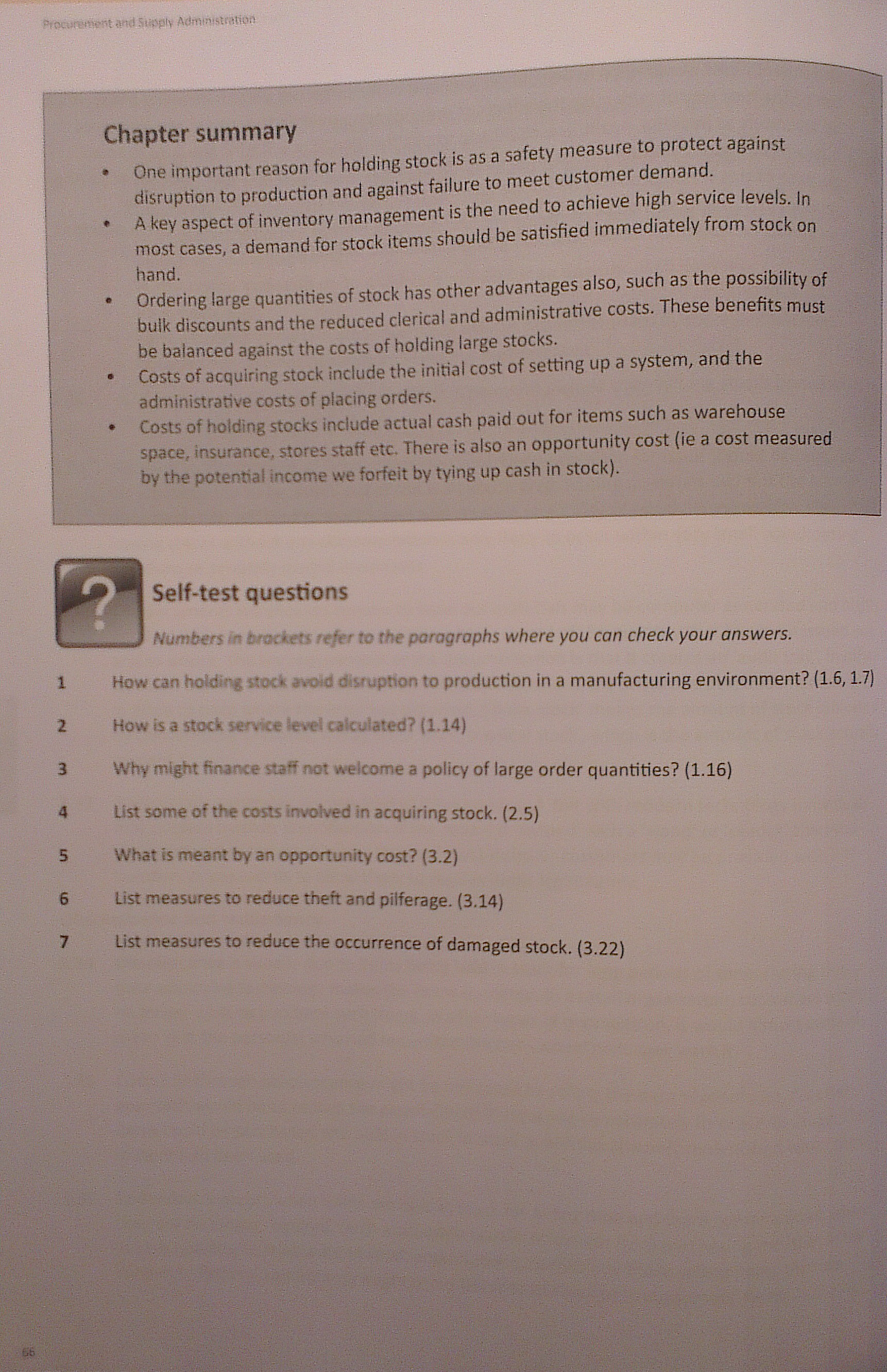
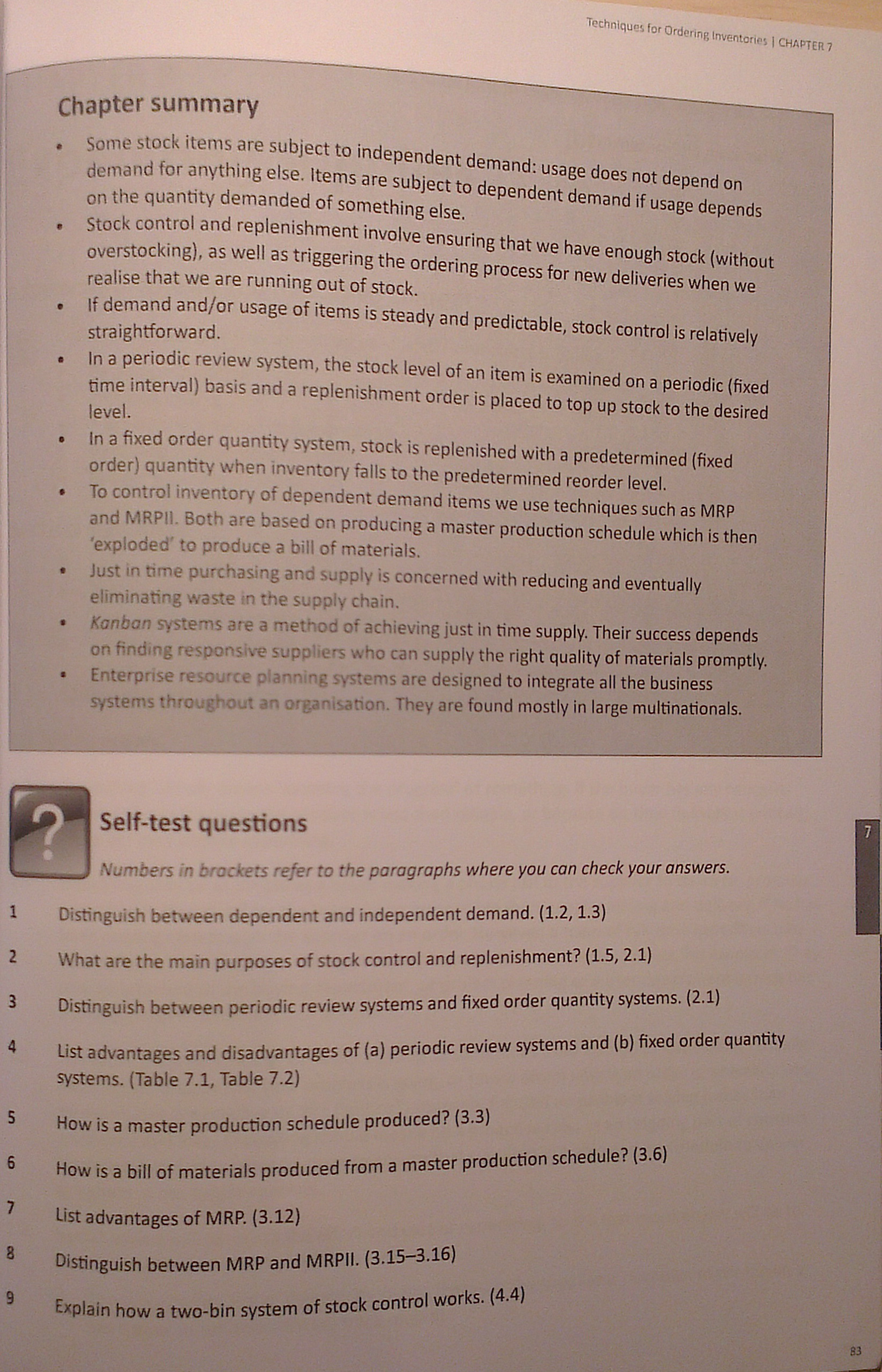
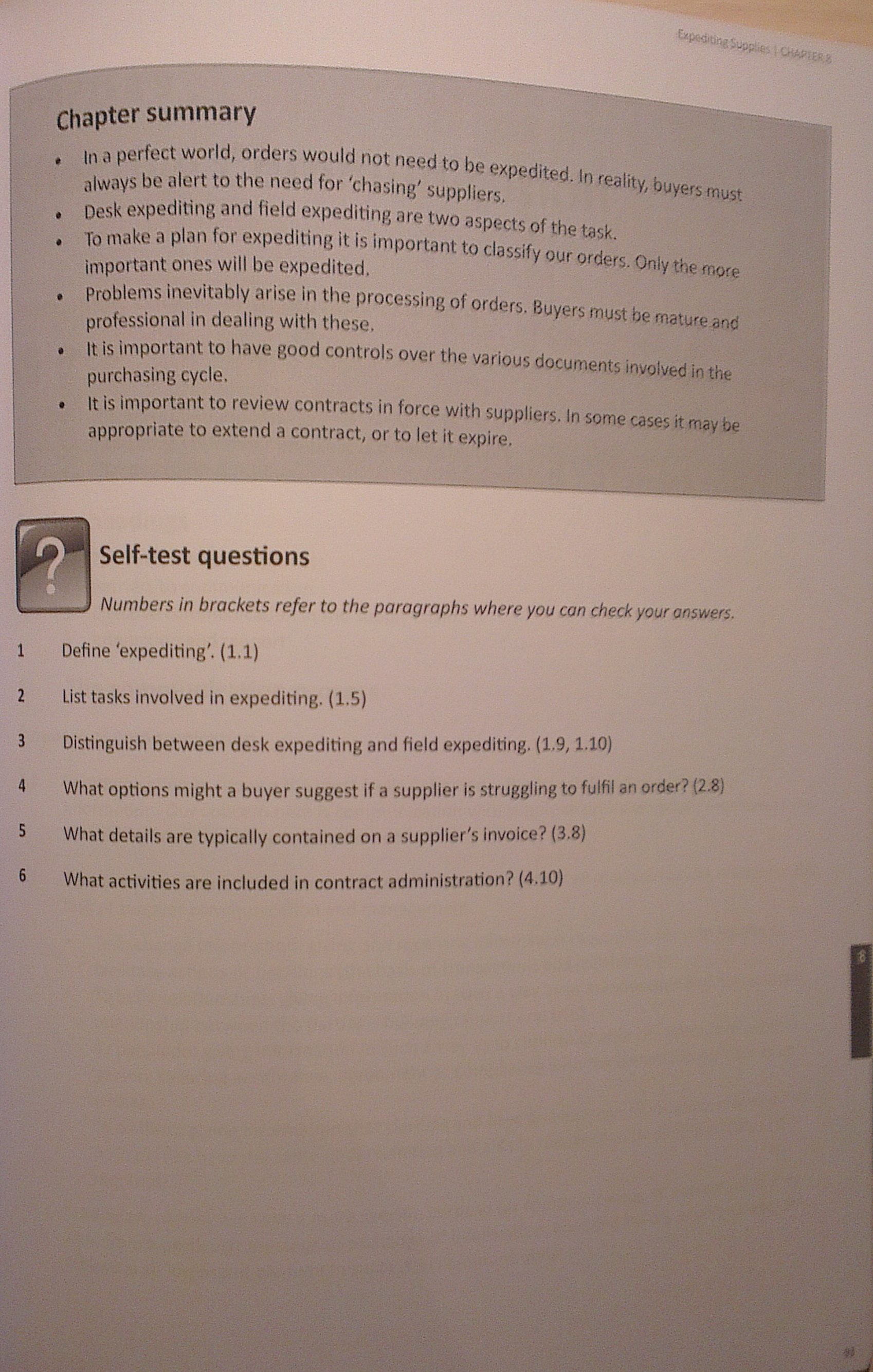
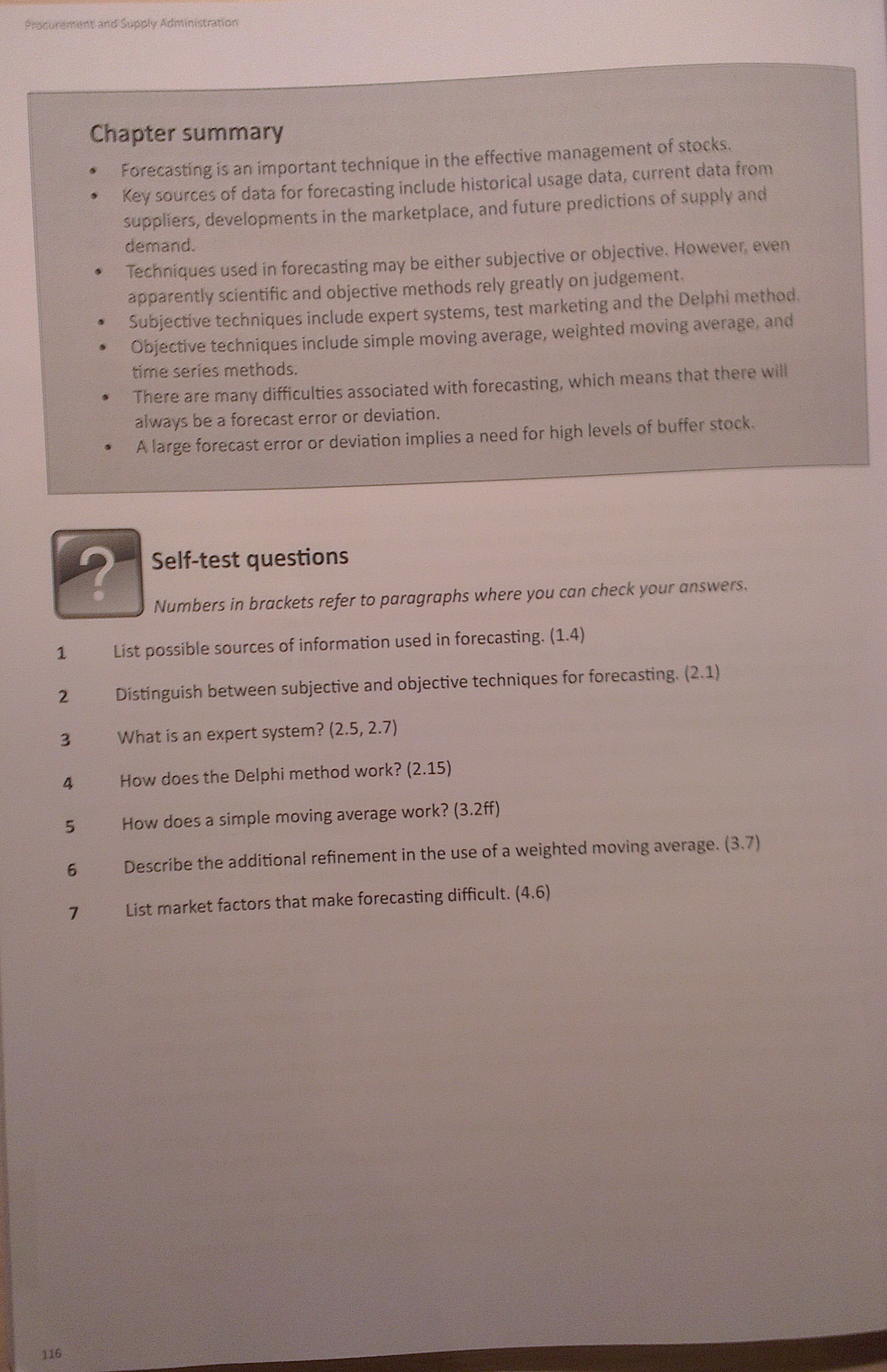
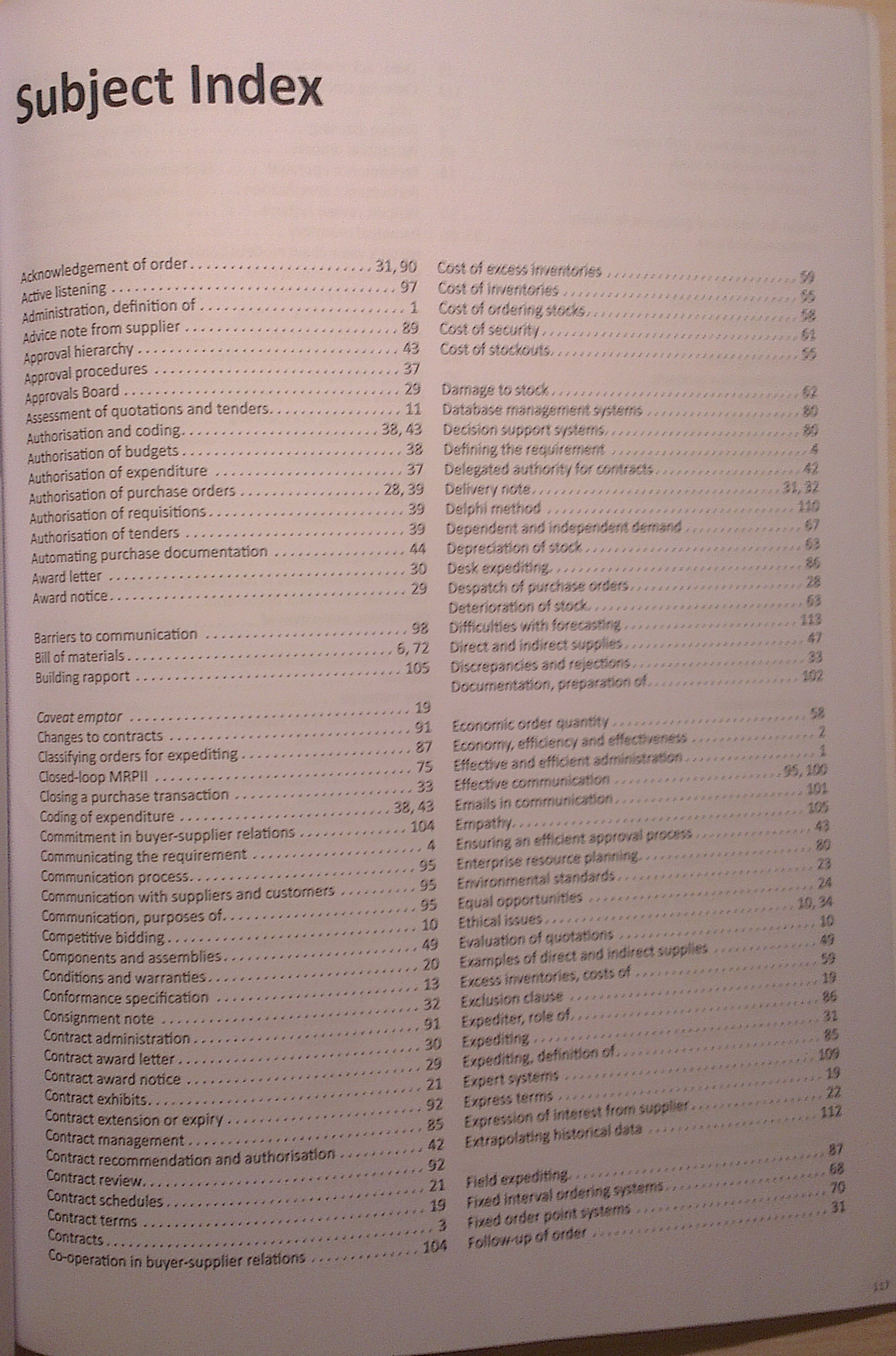
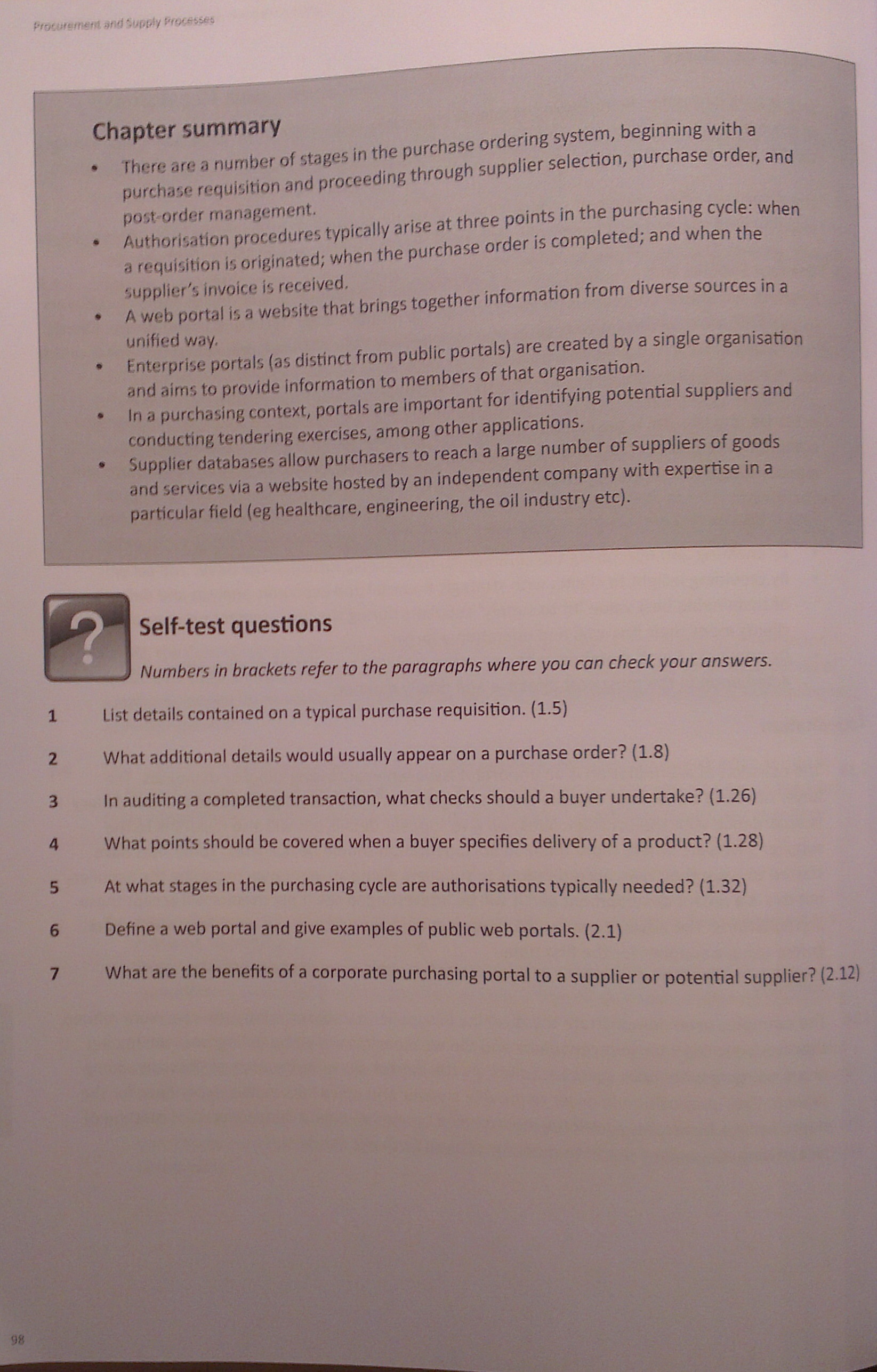
This is the course book for the ‘Procurement and supply administration’ unit which forms part of the CIPS ‘Certificate in procurement and supply operations‘ qualification.
On completion of this unit, candidates will be able to explain how effective administration can ensure that timely deliveries are achieved by suppliers. This unit will explain the necessary documentation and administrative processes that are involved in forming agreements with external suppliers.




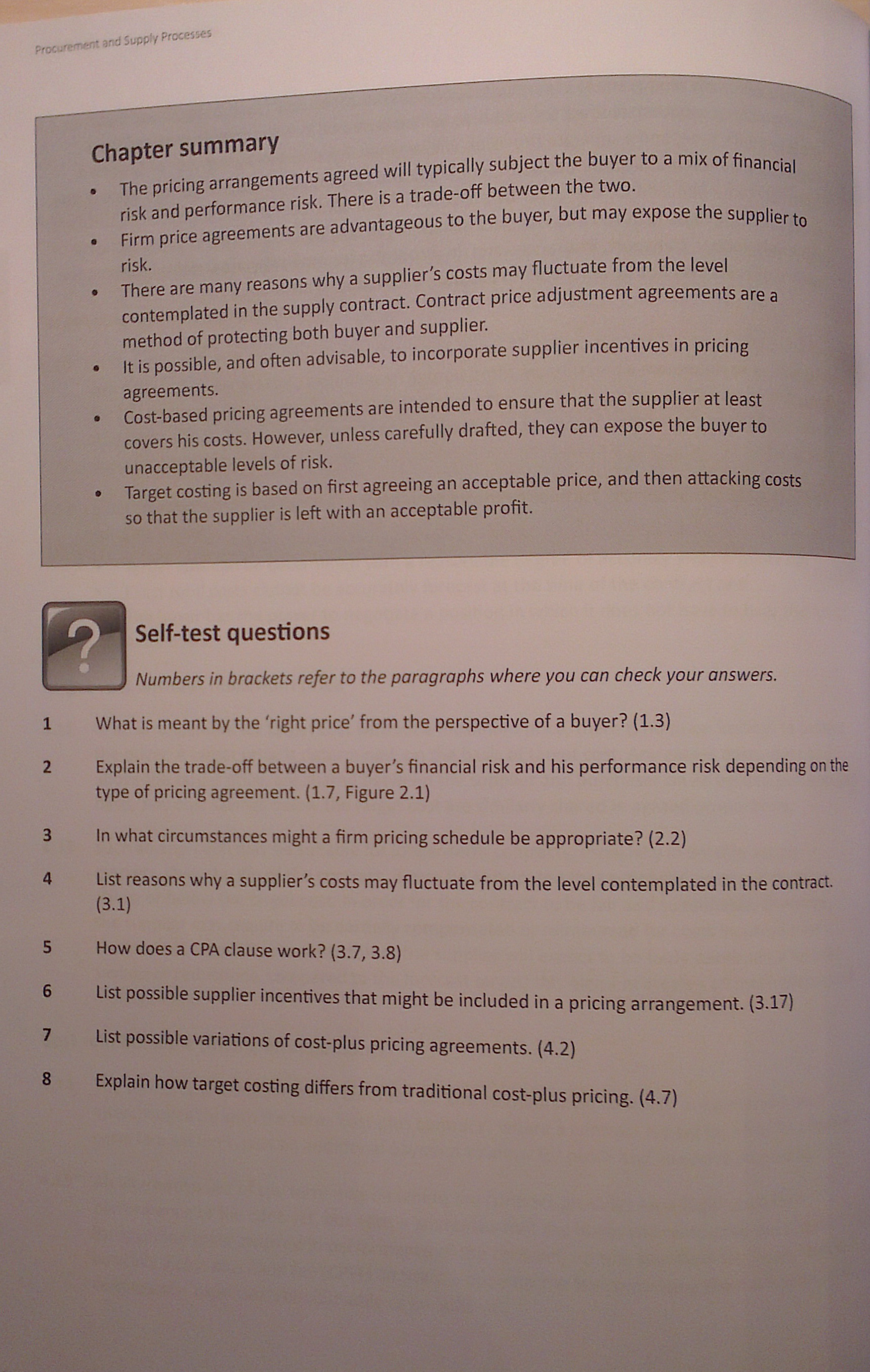
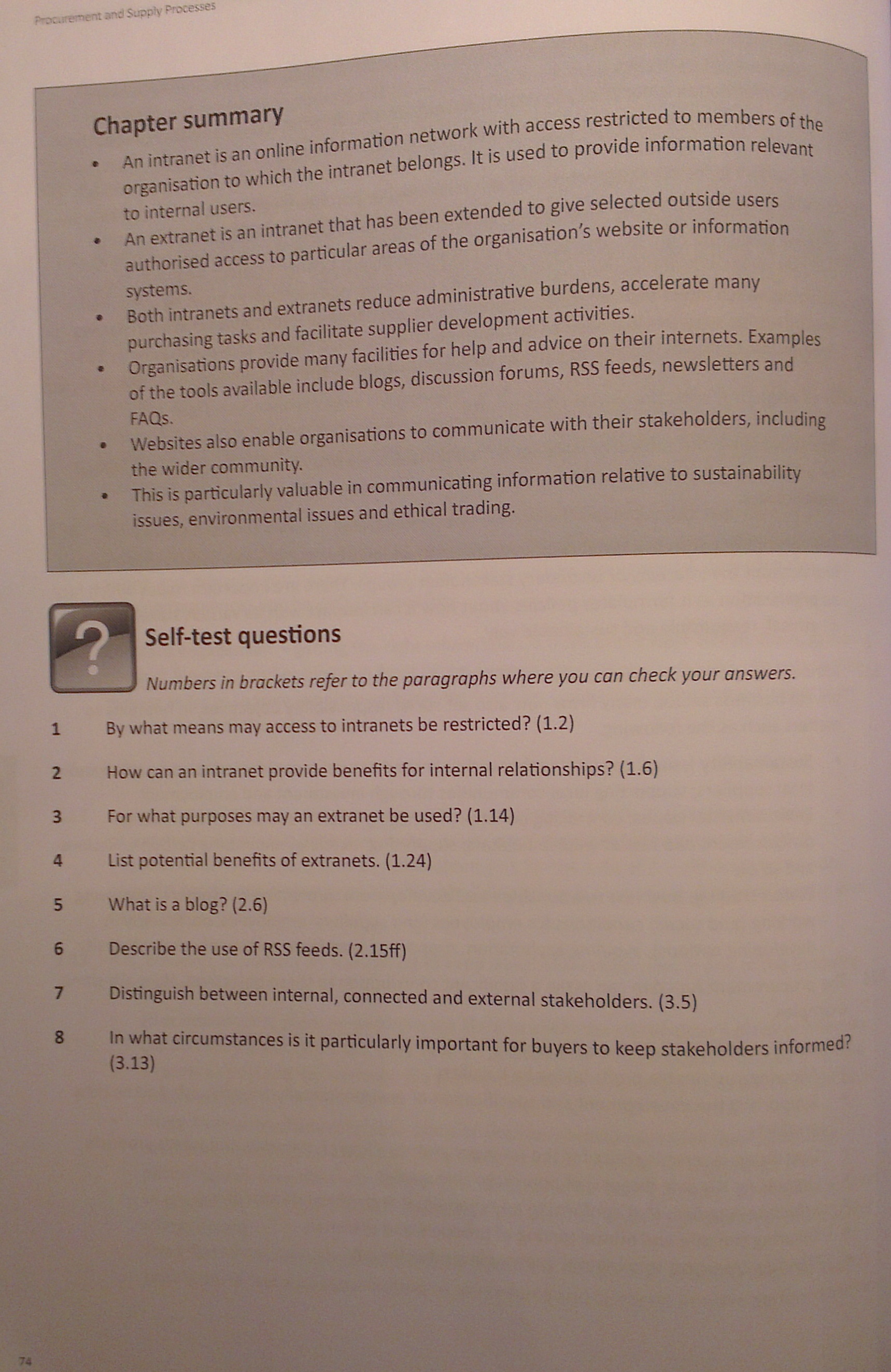
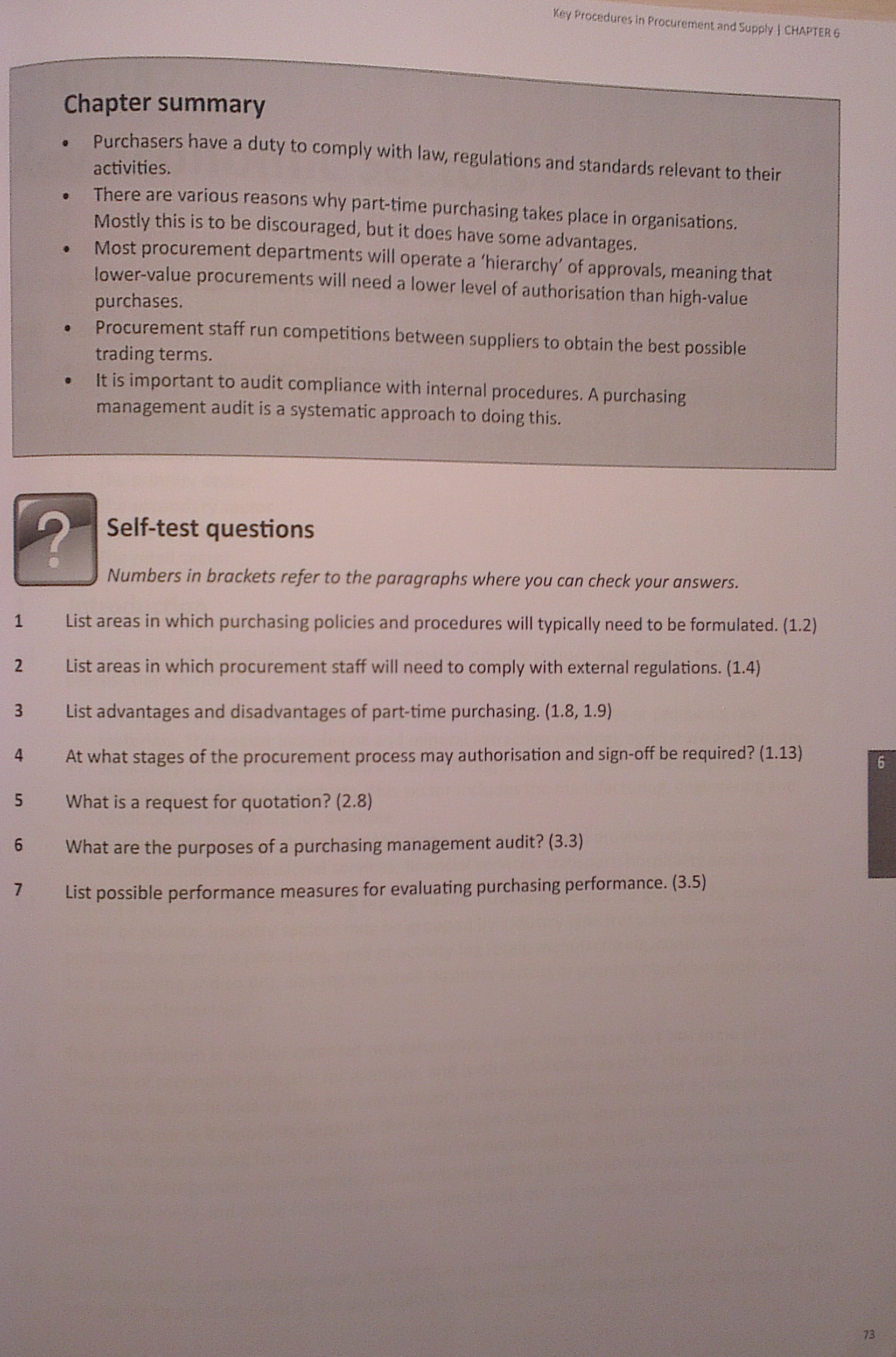
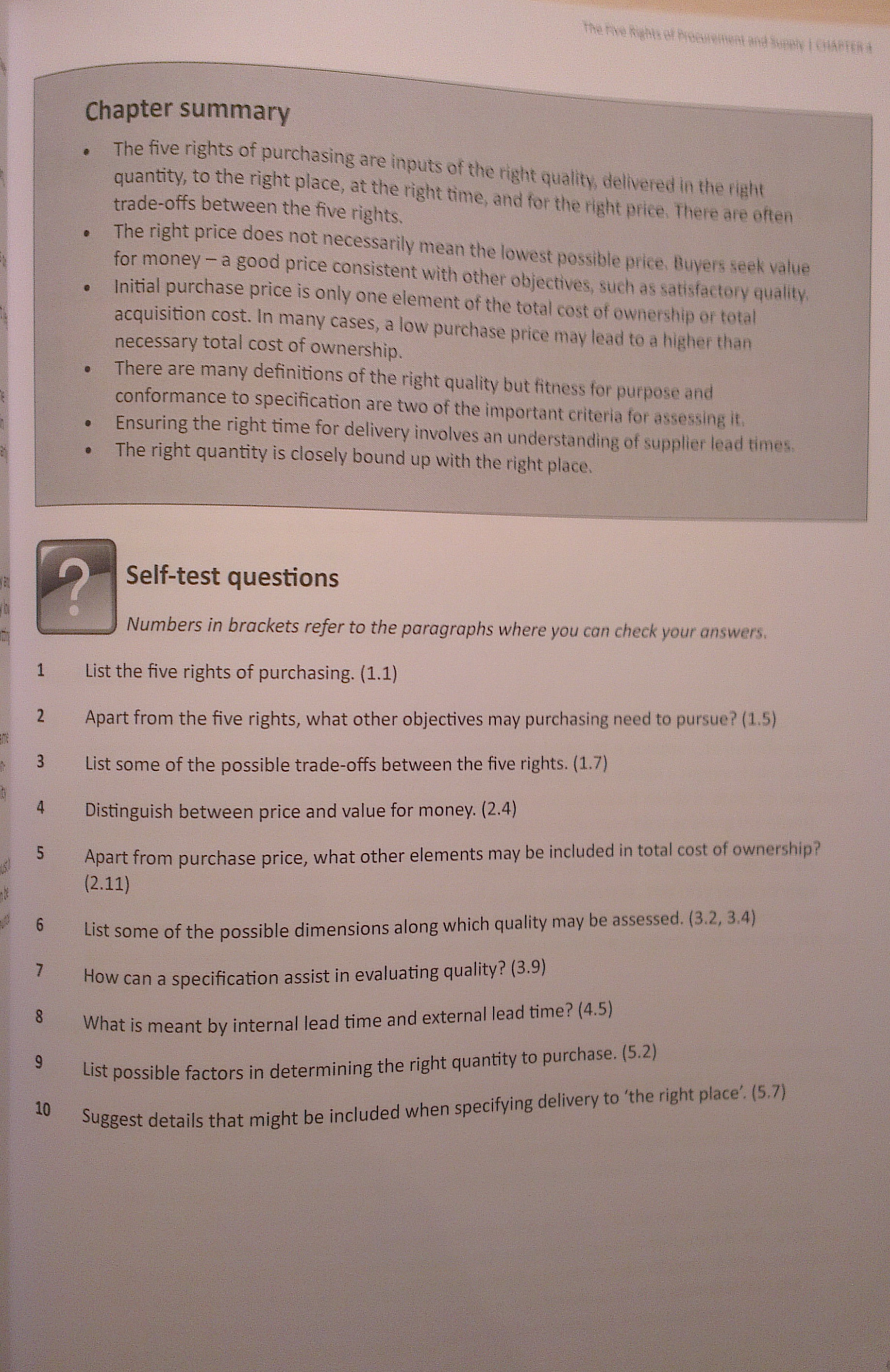
Procurement and Supply Processes Course Book
Author(s): CIPS/Profex, www.cips.org
Category: A CIPS Profex Study Packs
Review
Pages: 130
Edition: 1st Edition
ISBN: 9781861242198
Published: Monday, February 25, 2013
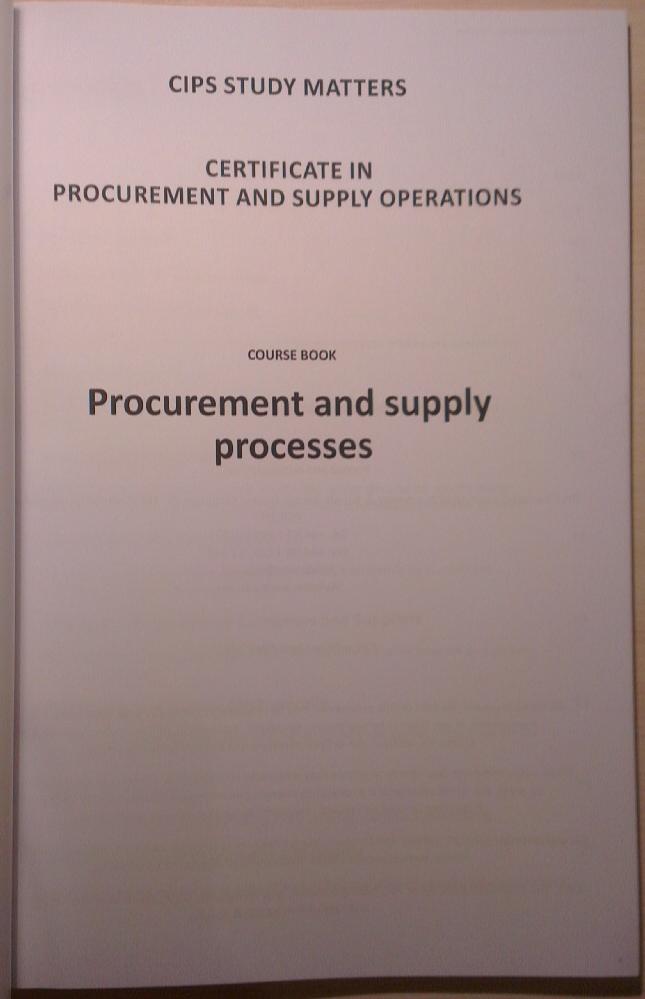
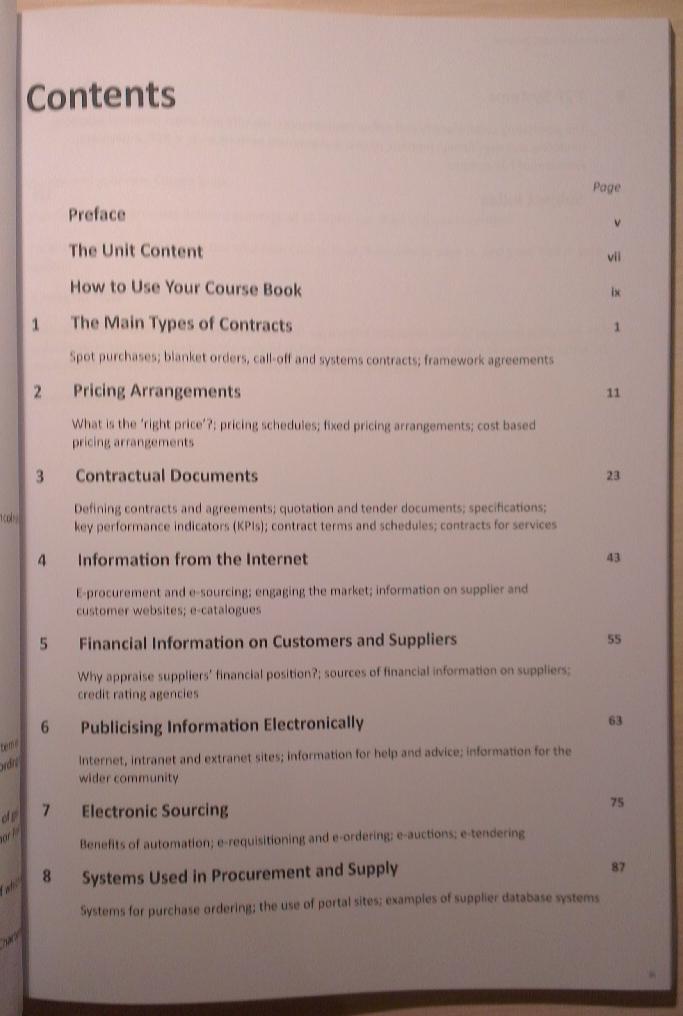
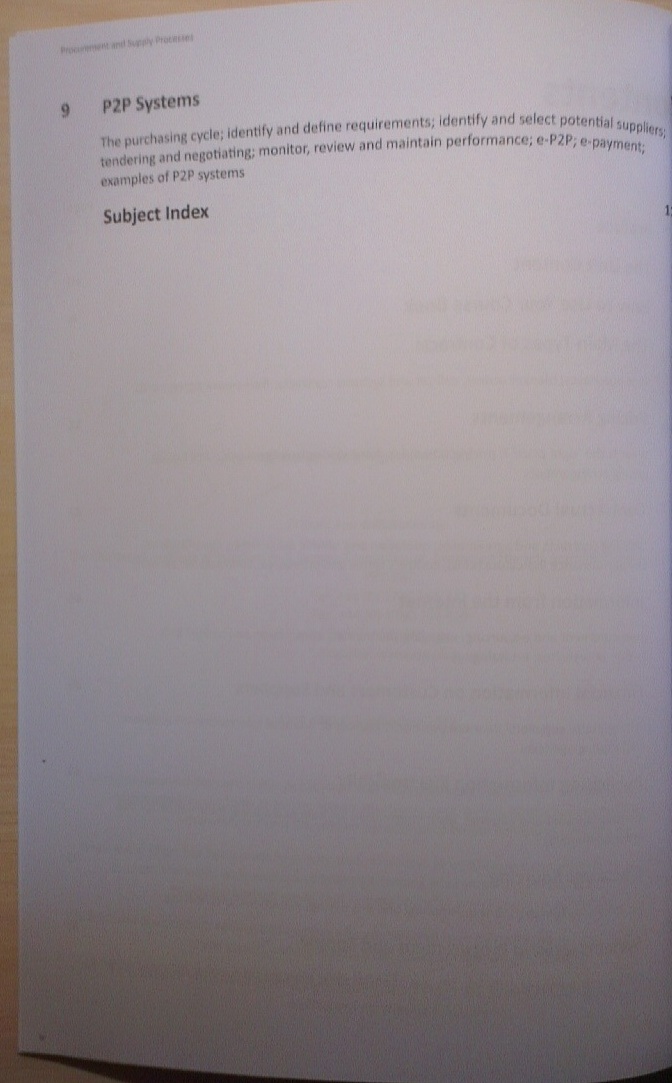
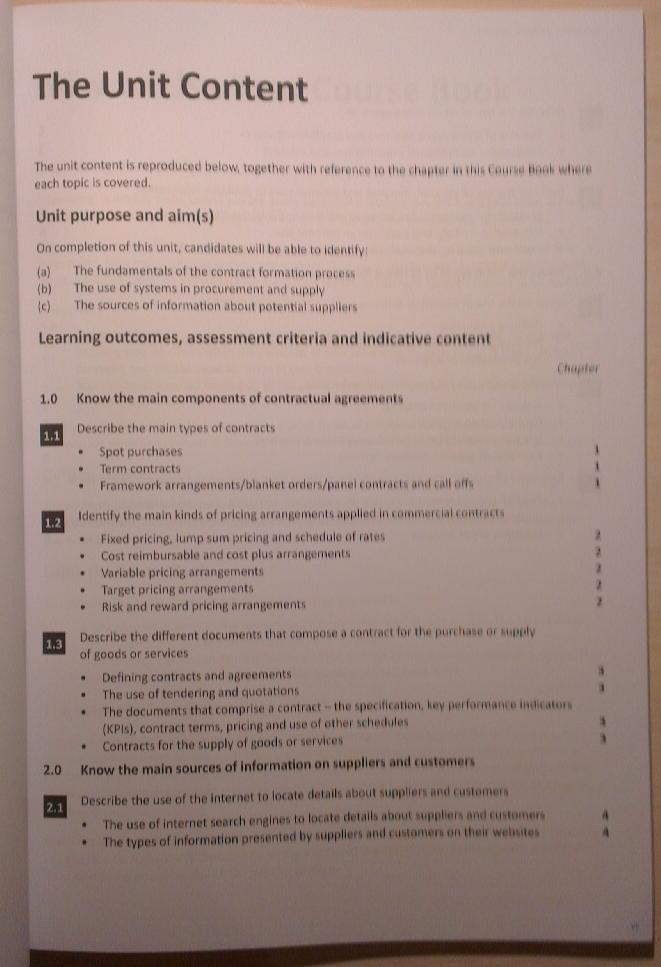
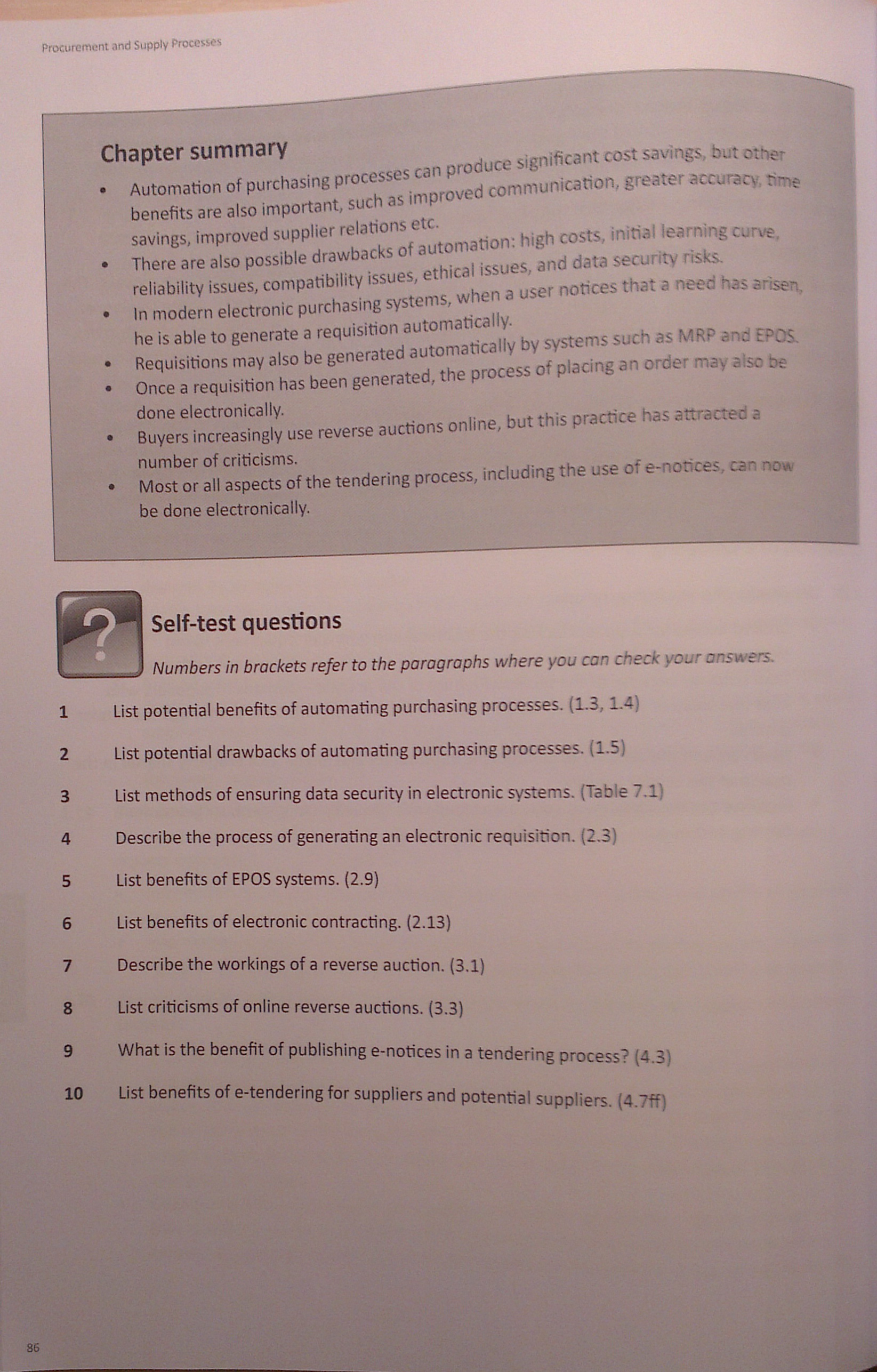
This is the course book for the ‘Procurement and supply processes’ unit which forms part of the CIPS ‘Certificate in procurement and supply operations‘ qualification.
On completion of this unit, candidates will be able to identify:
A) The fundamentals of the contract formation process
B) The use of systems in procurement and supply
C) The sources of information about potential suppliers.



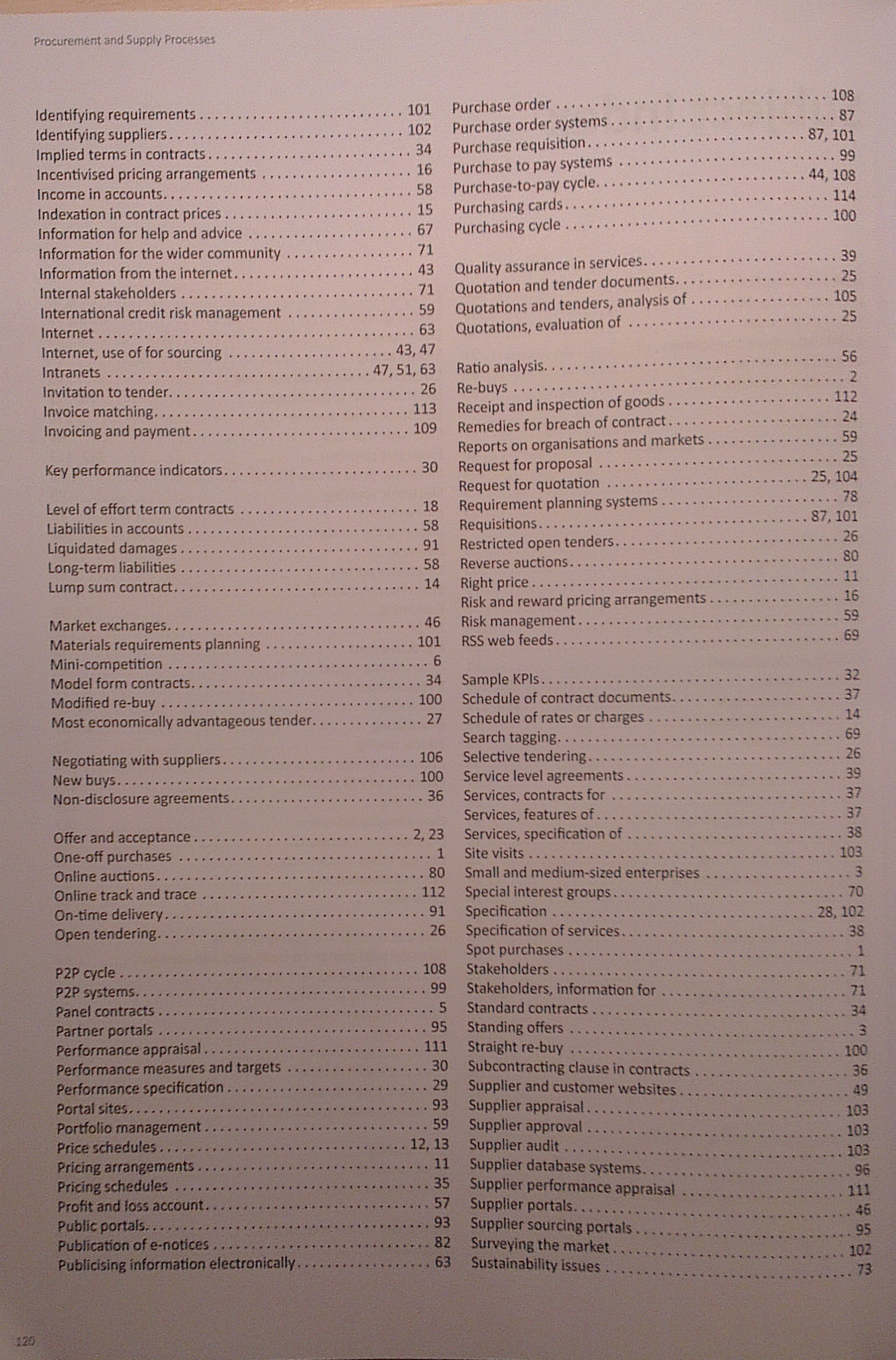

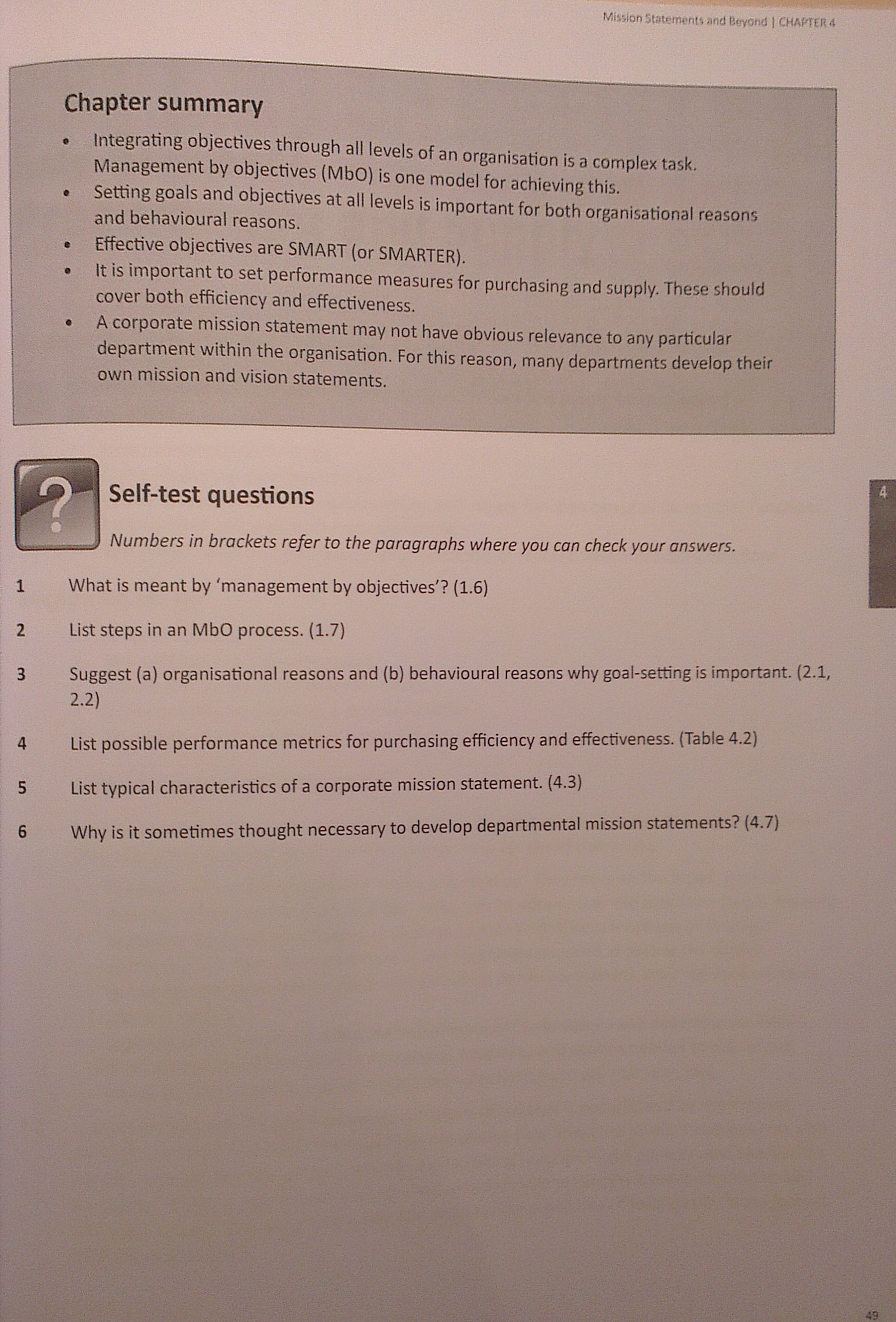
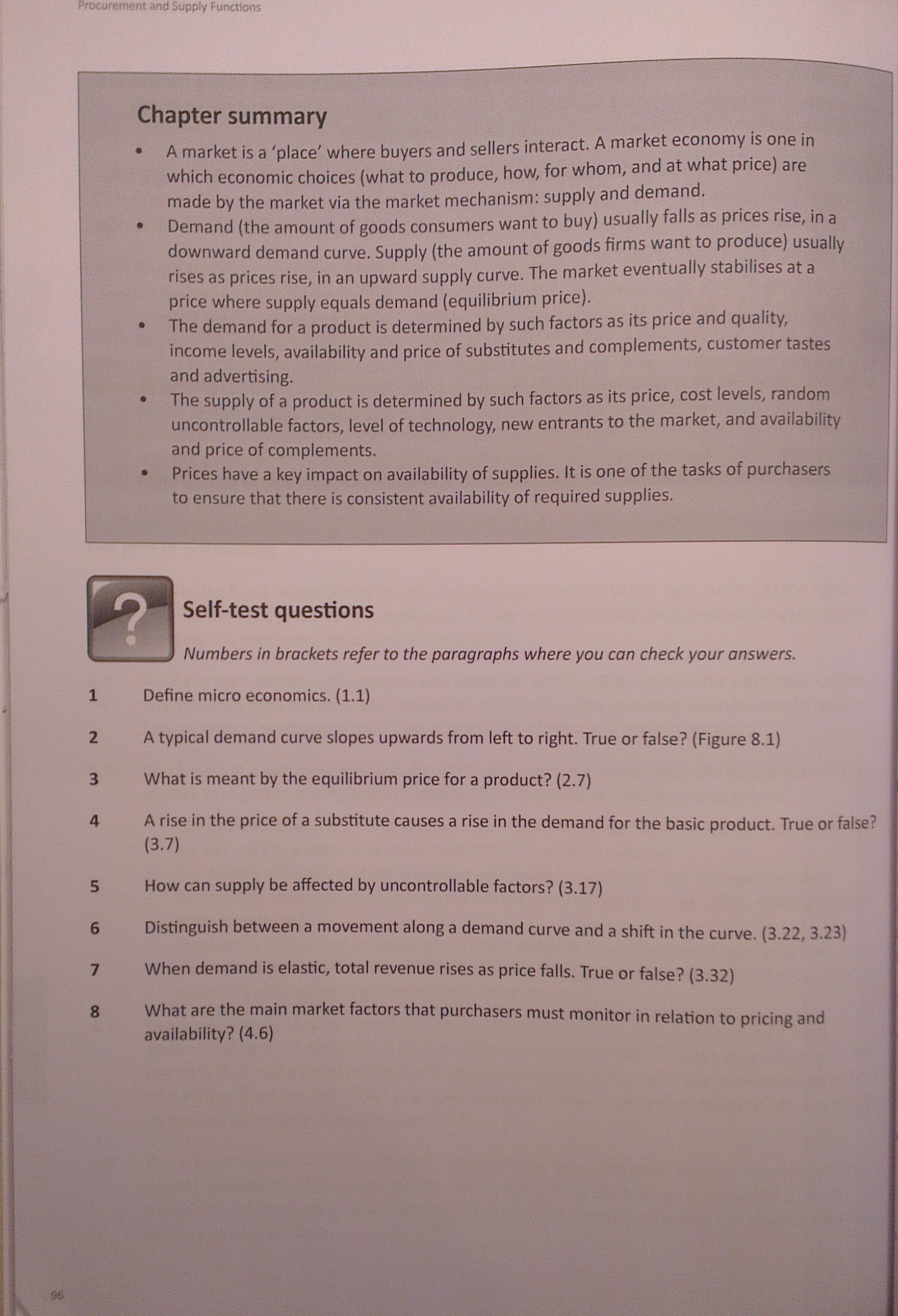
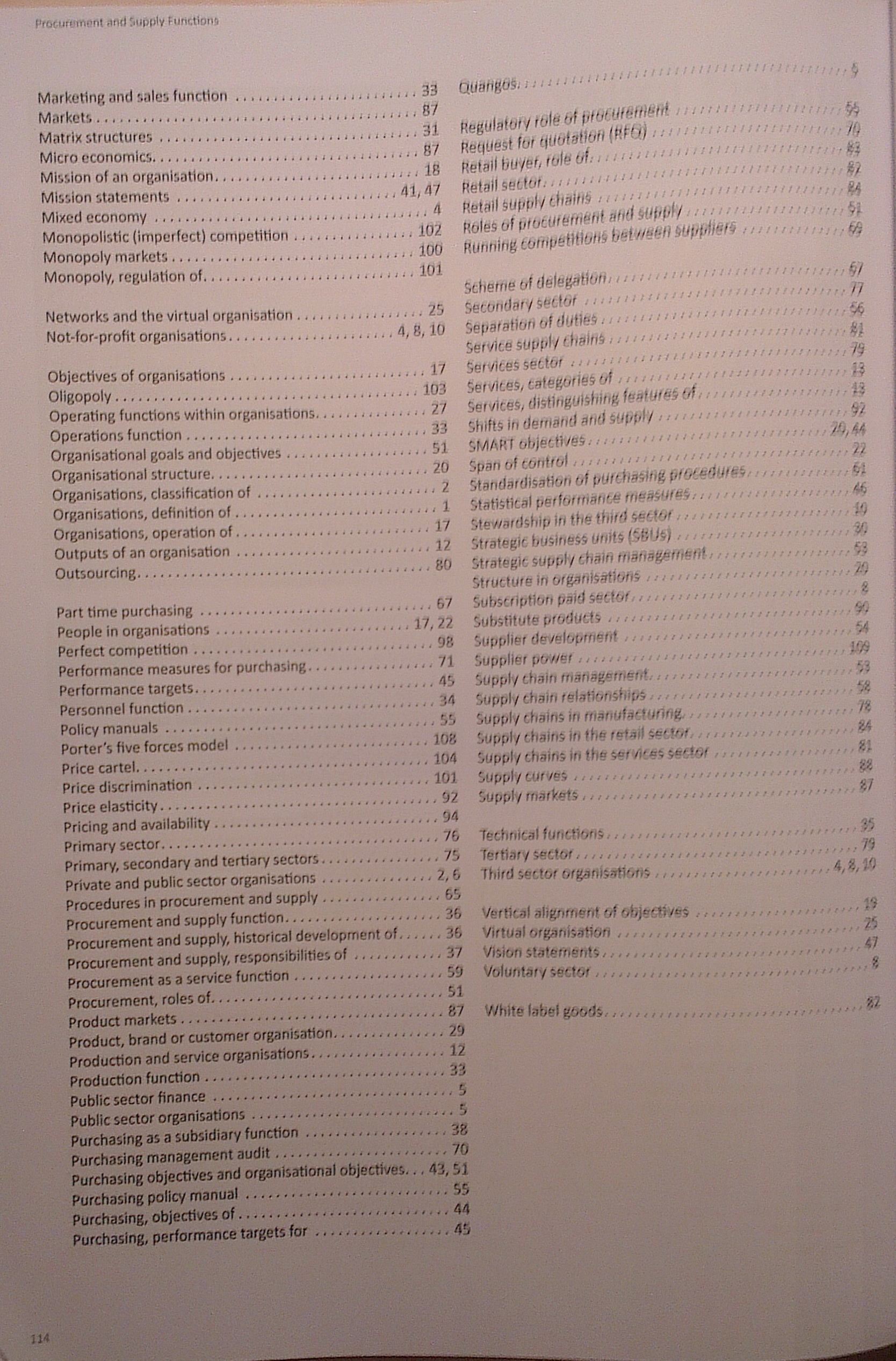
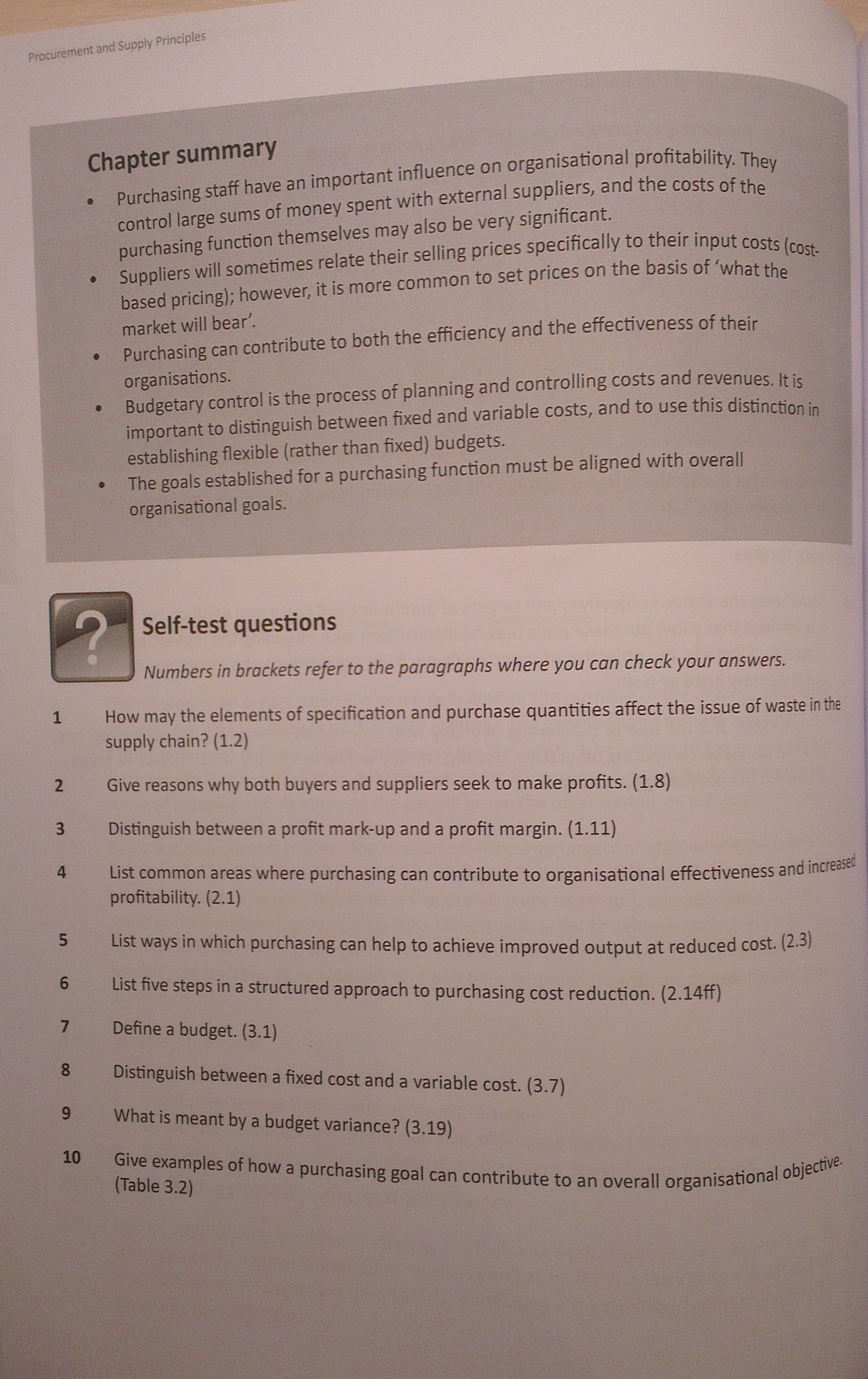
 Procurement and Supply Functions Course Book
Author(s): CIPS/Profex, www.cips.org
Category: A CIPS Profex Study Packs
Review
Pages: 124
Edition: 1st Edition
ISBN: 9781861242181
Published: Monday, February 25, 2013
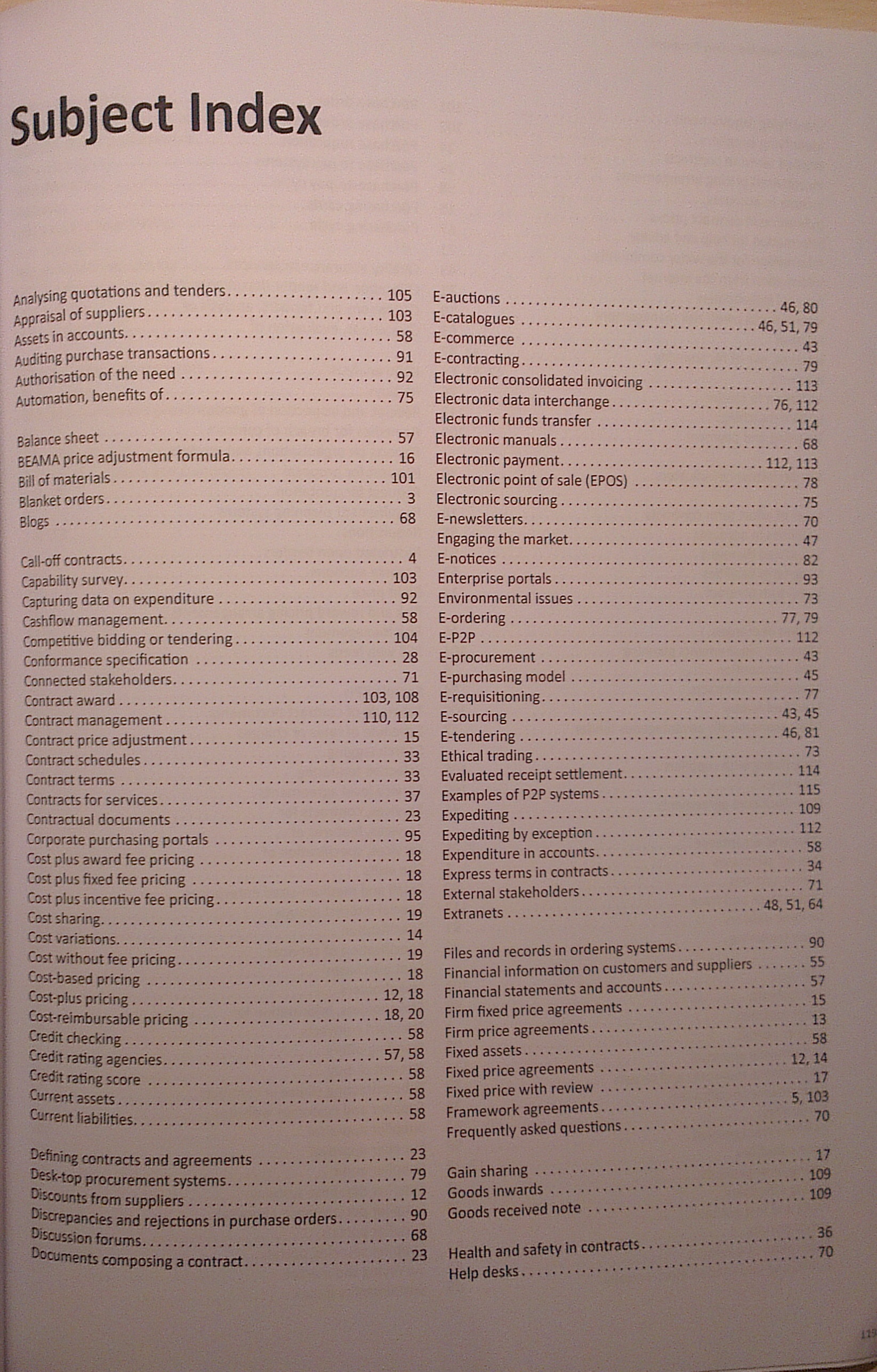
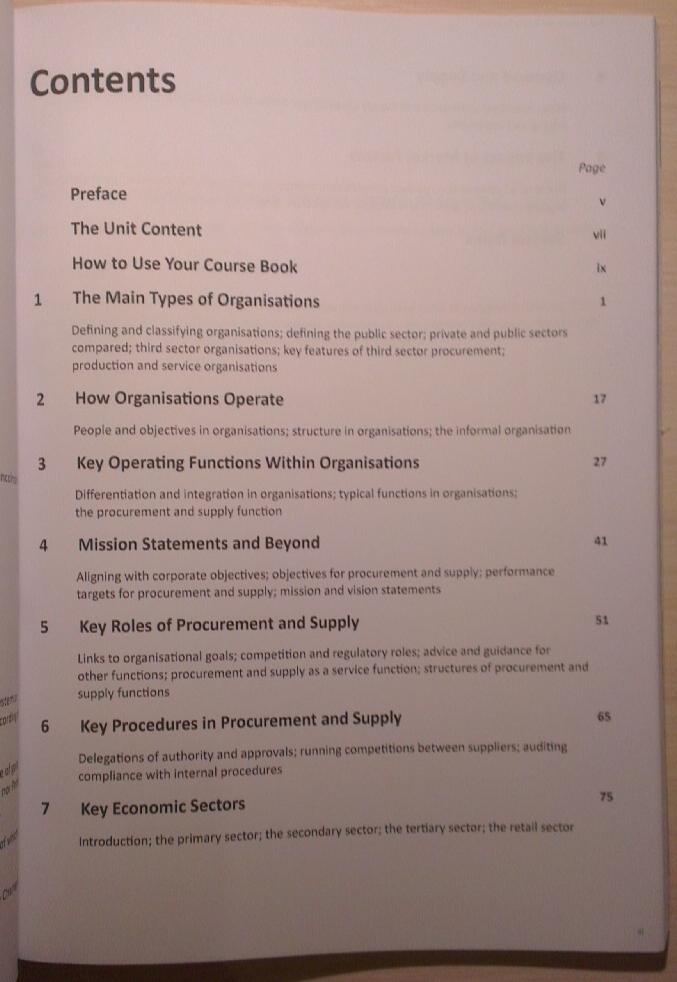
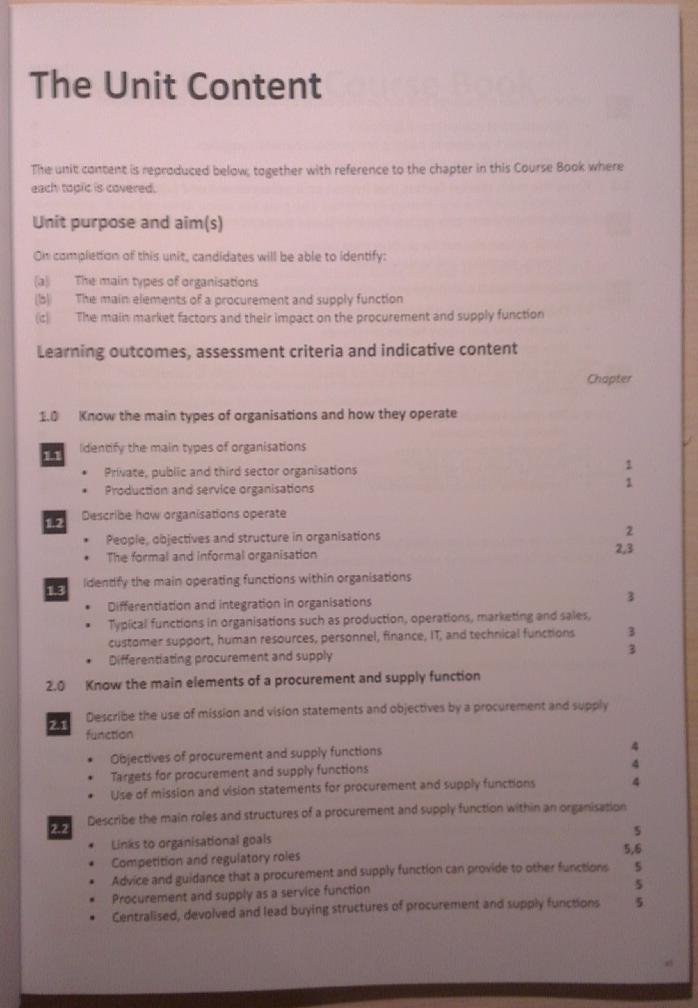
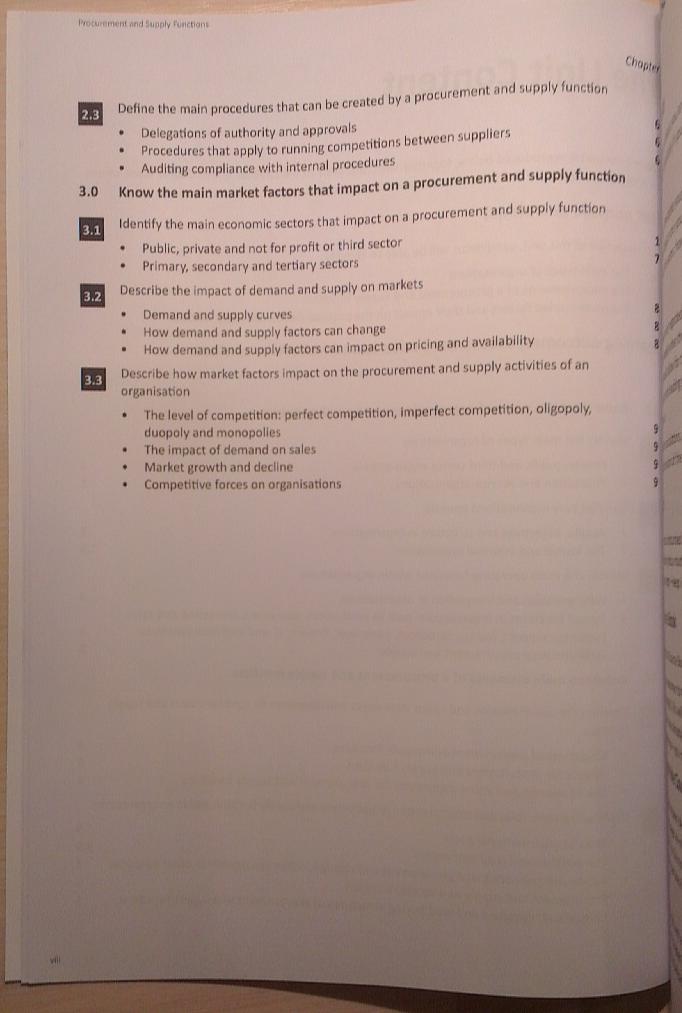
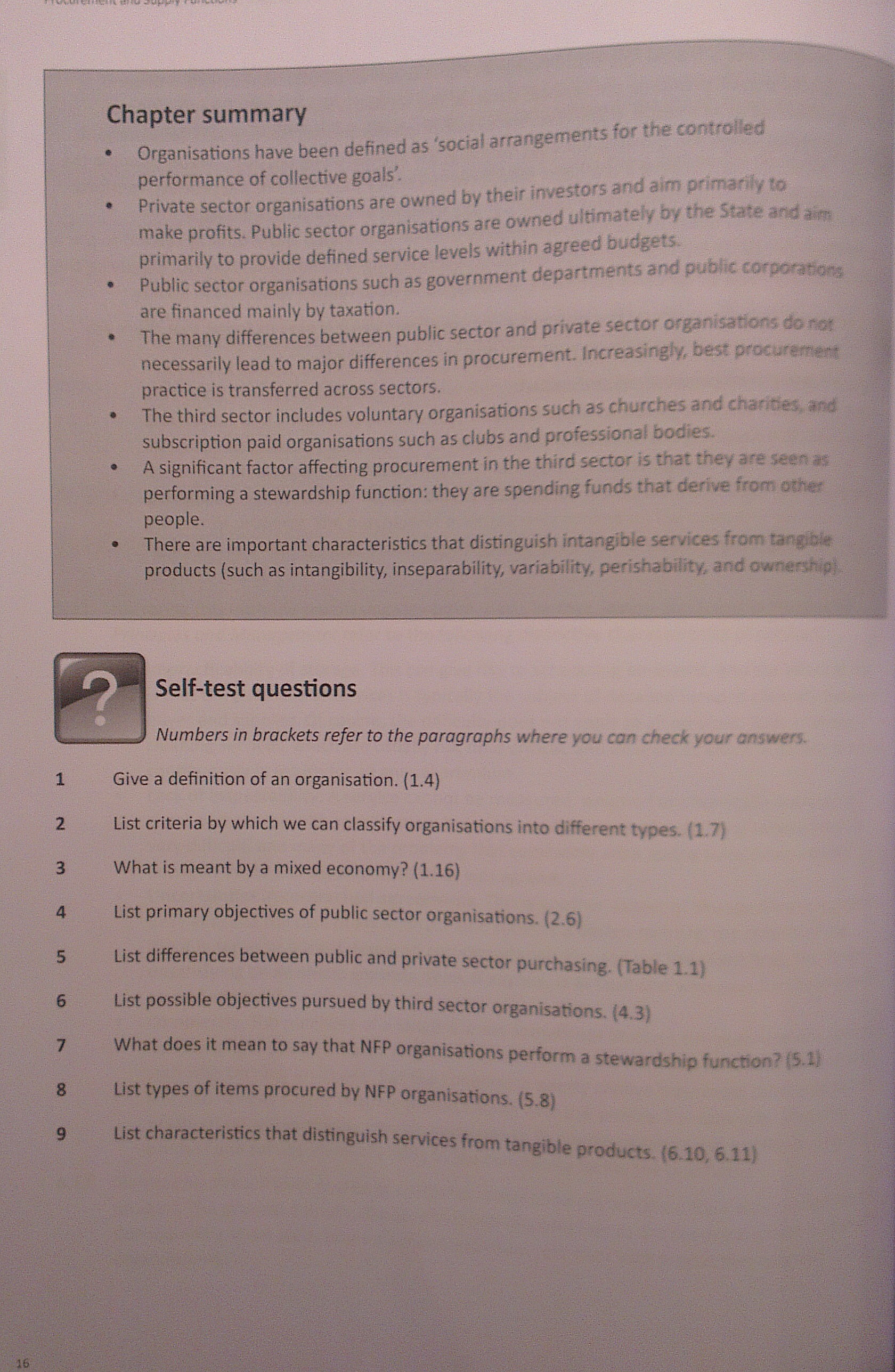
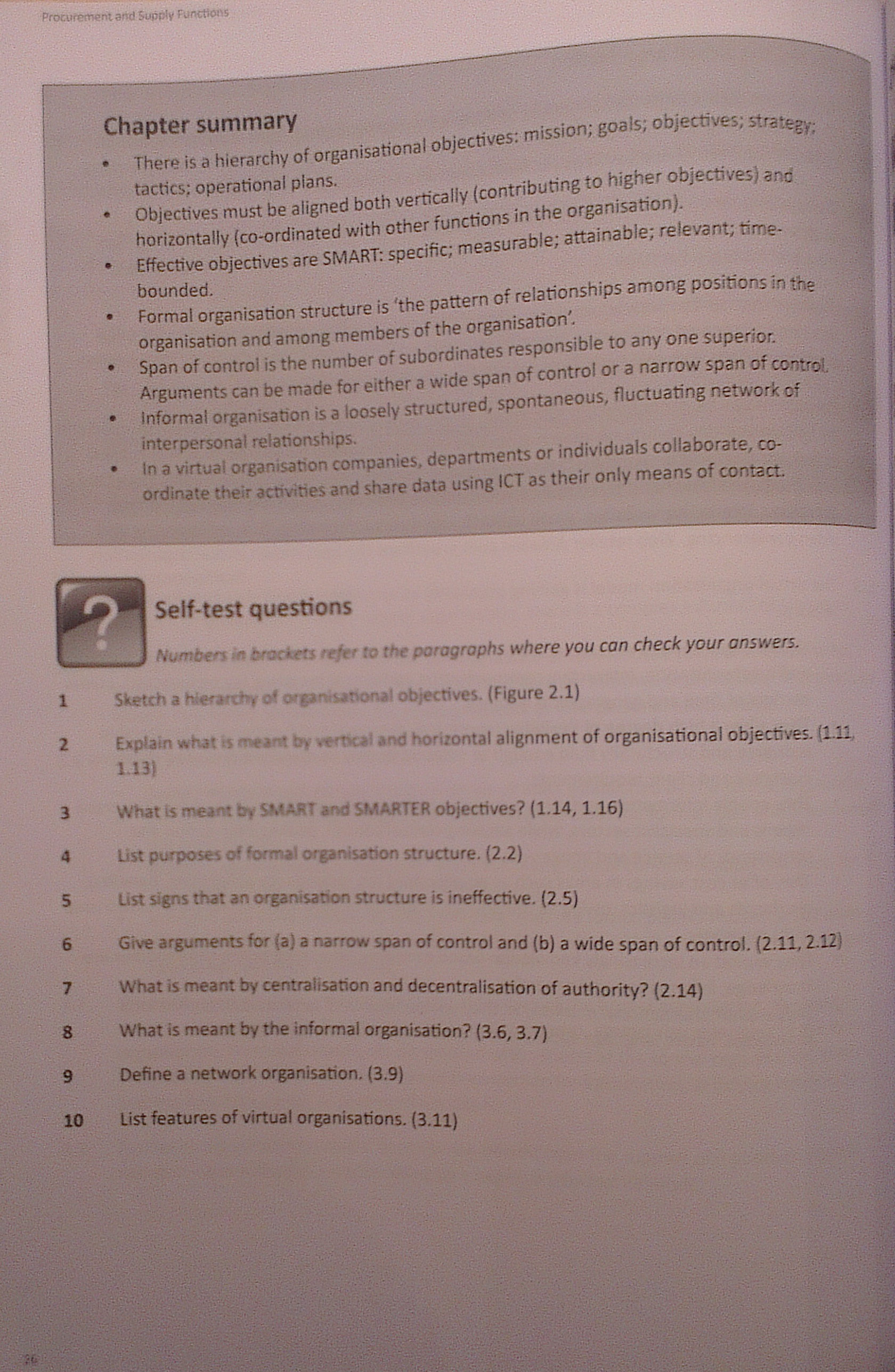
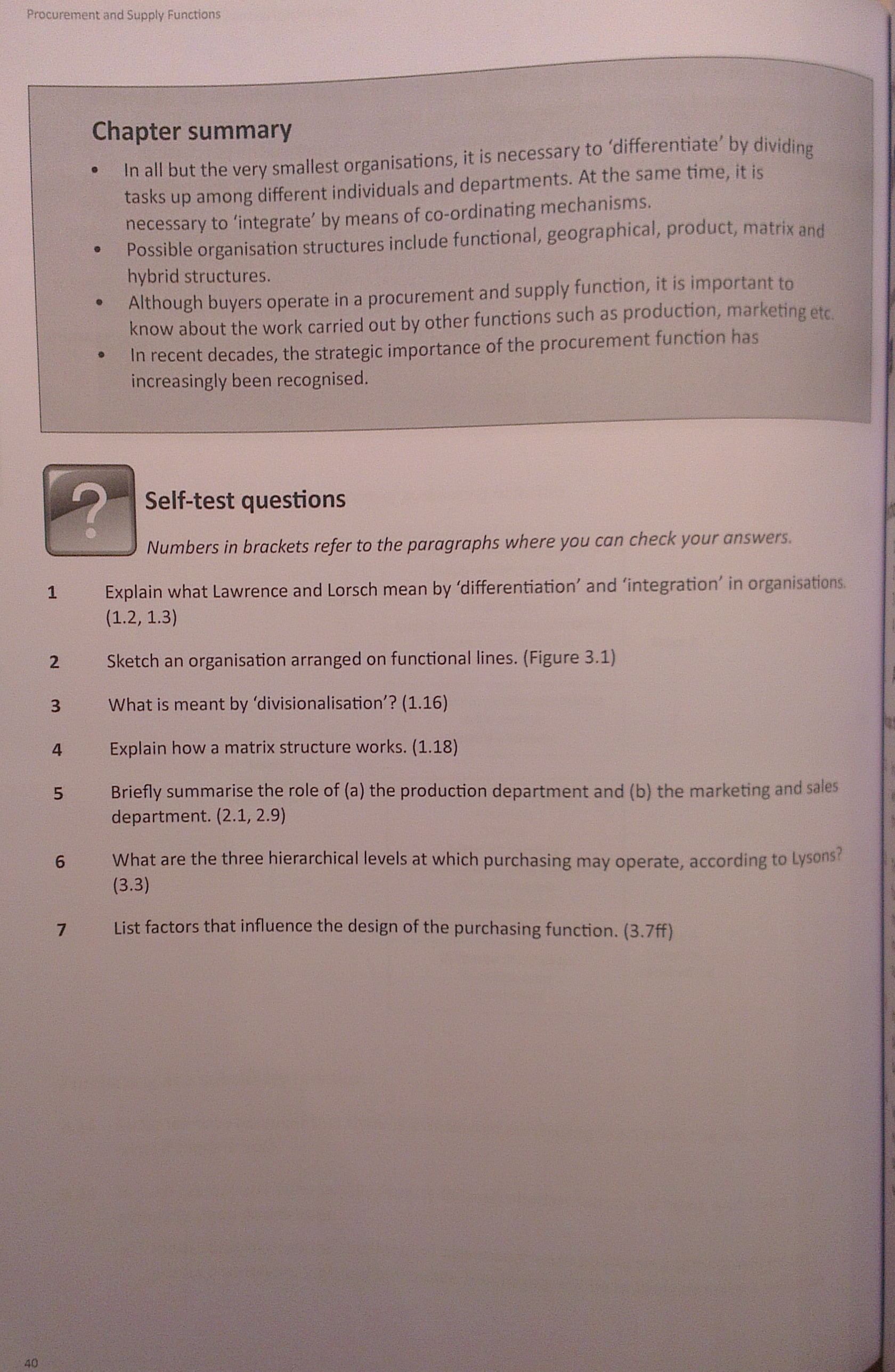
This is the course book for the ‘Procurement and supply functions’ unit which forms part of the CIPS ‘Certificate in procurement and supply operations‘ qualification.
On completion of this unit, candidates will be able to identify:
A) The main types of organisations
B) The main elements of a procurement and supply function
C) The main market factors and their impact on the procurement and supply function.





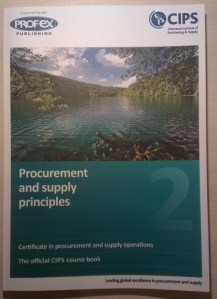
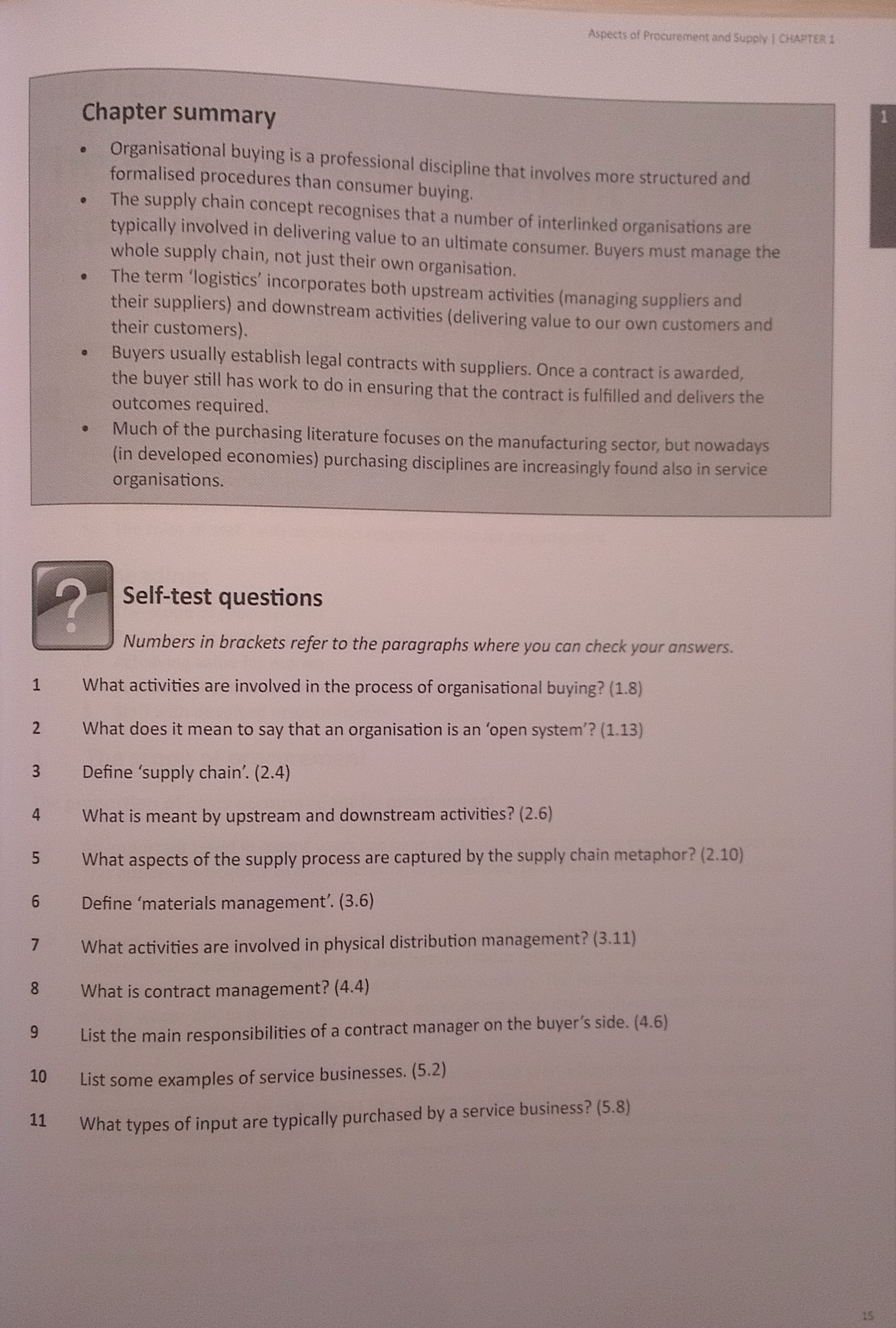
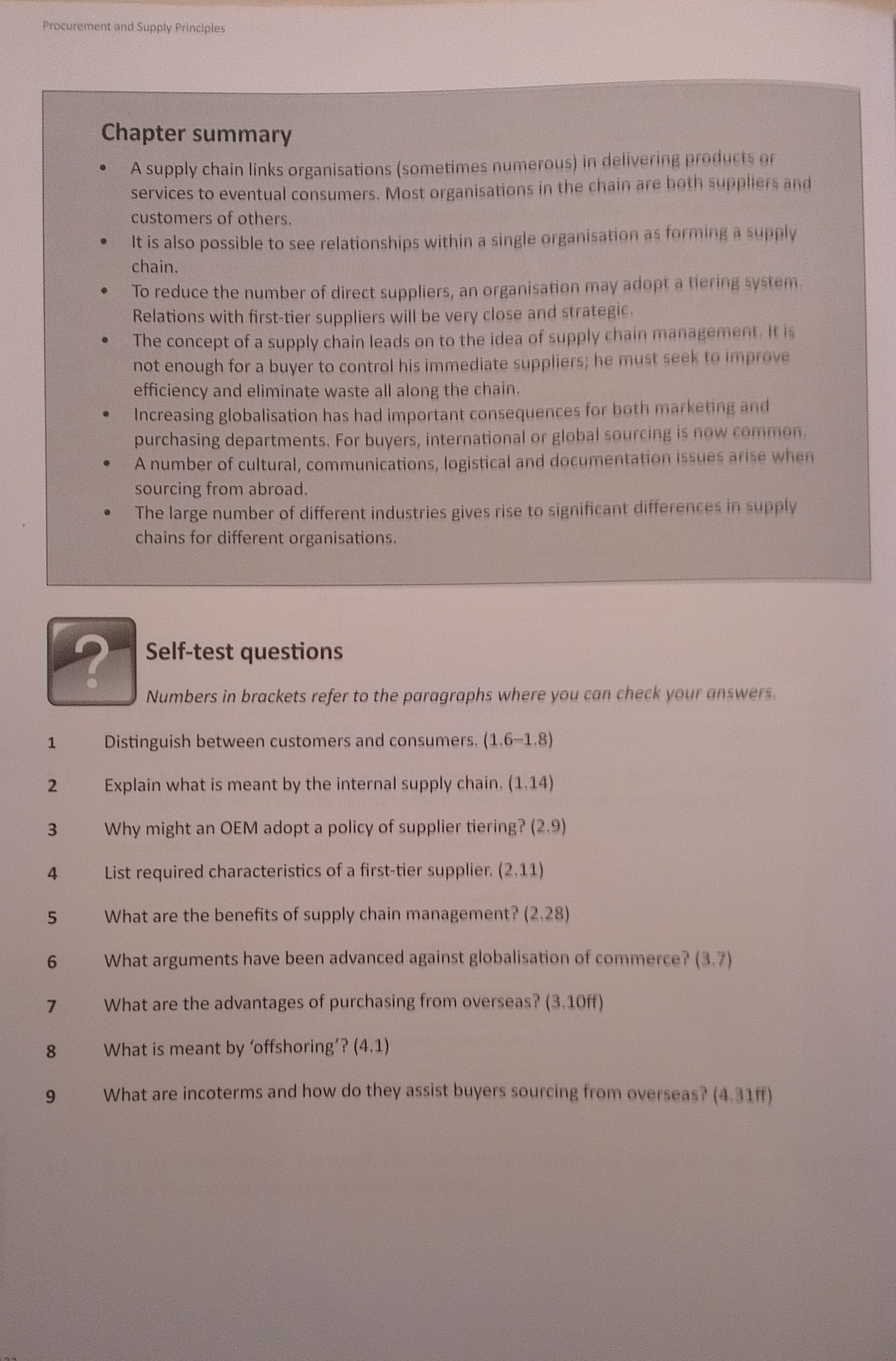
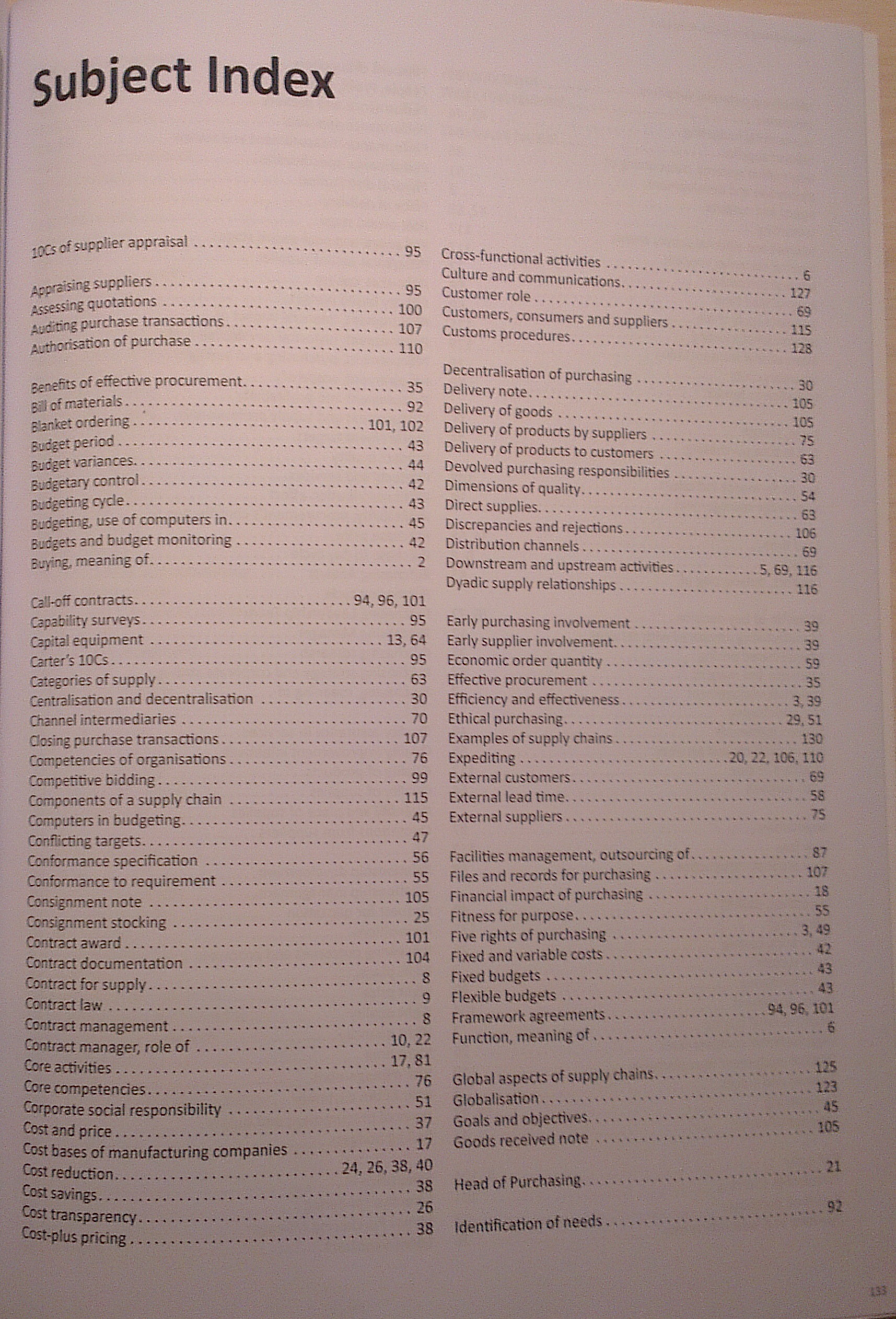
Procurement and Supply Principles Course Book
Authors: CIPS/Profex, www.cips.org
Category: A CIPS Profex Study Packs , Purchasing
Review
Pages: 146
Edition: 1st
ISBN: 9781861242174
Published: Monday, February 25, 2013
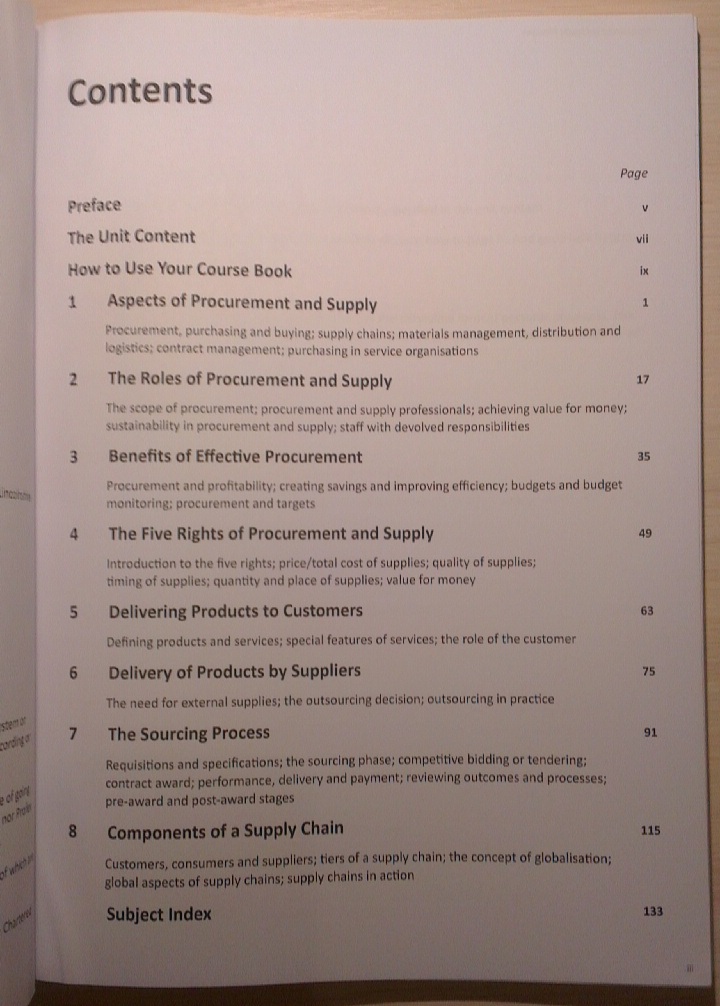
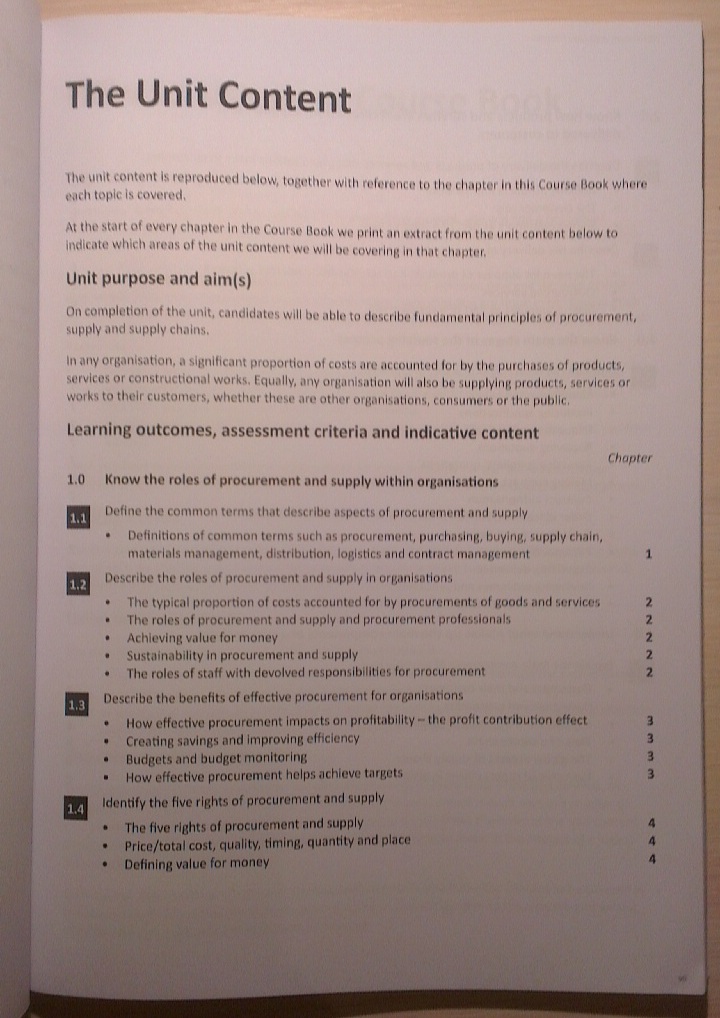
This is the course book for the ‘Procurement and supply principles’ unit which forms part of the CIPS ‘Certificate in procurement and supply operations‘ qualification.
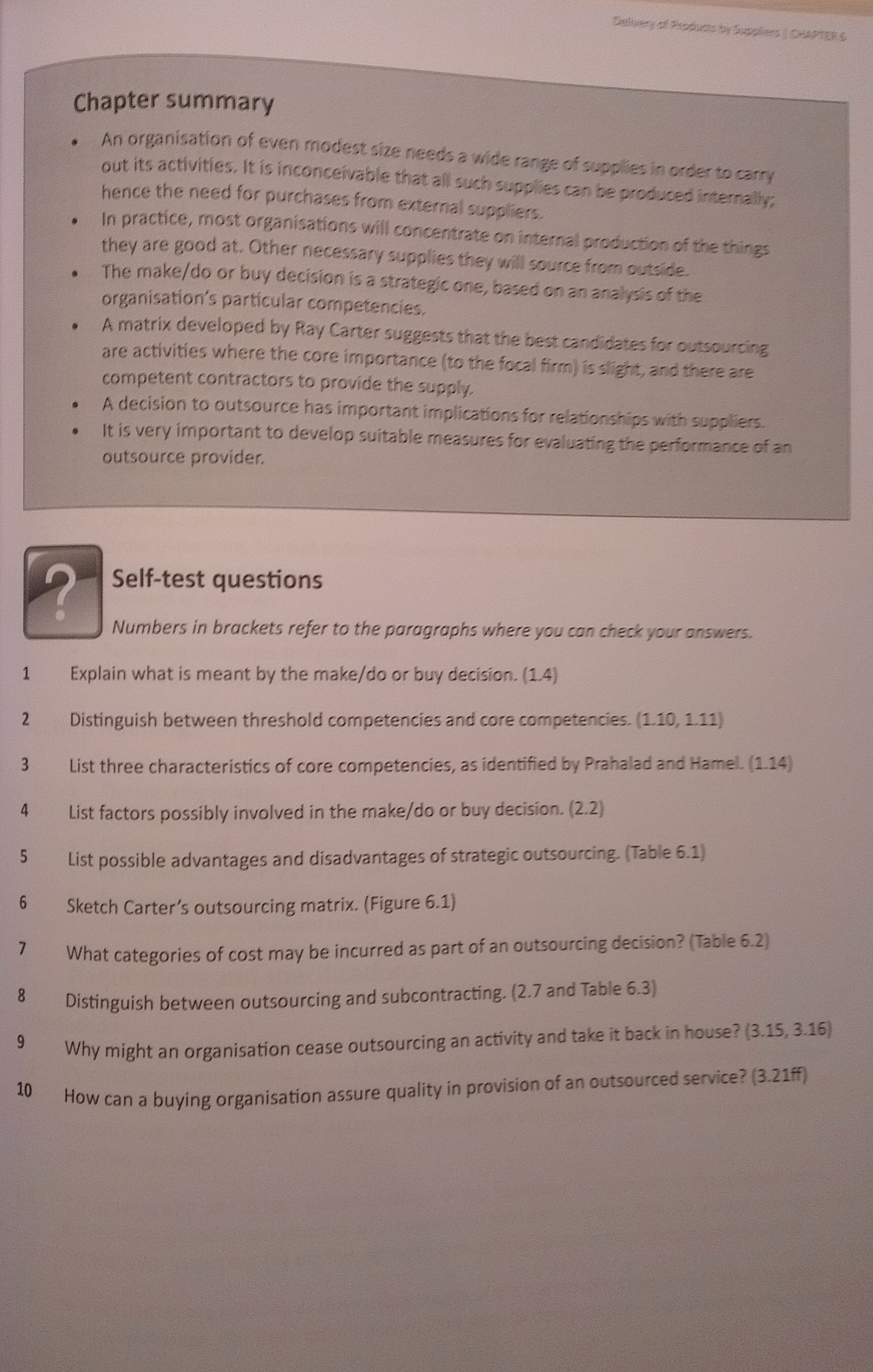
On completion of the unit, candidates will be able to describe fundamental principles of procurement, supply and supply chains. In any organisation, a significant proportion of costs are accounted for by the purchases of products, services or constructional works. Equally, any organisation will also be supplying products, services or works to their customers whether these are other organisations, consumers or the public.



Eastern-European Scientific Journal (журнал “Восточно-Европейский научный журнал”)
DOI 10.12851/EESJ201304
№ 2
20.04.2013
Dusseldorf, Germany (Дюссельдорф, Германия)
Статья “Единая международная система закупок: принципы разработки и потенциал использования” (The Single International Procurement System: Principles of Development and the Potential of Using)
В статье представлены принципы разработки, этапы создания и преимущества использования единой международной системы закупок.


 morokoff